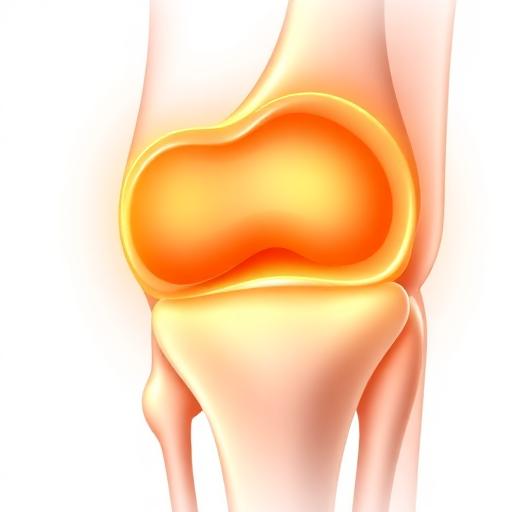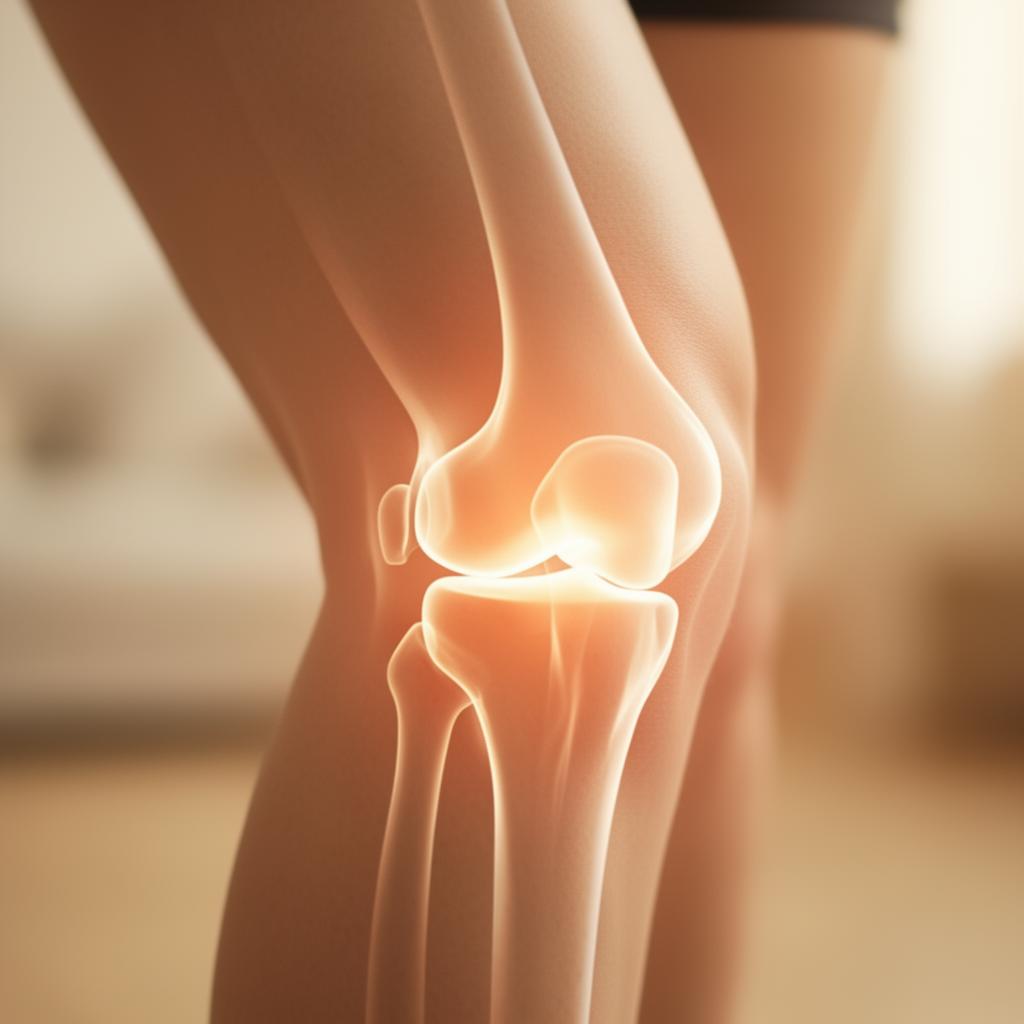
The back of the knee is a complex region where muscles, tendons, blood vessels, and nerves all converge in a surprisingly small space. Pain in the back of knee can originate from any of these structures, which is why discomfort behind the knee often feels different from person to person. Understanding what sits in this area, and how everyday habits affect it, is the first step toward finding the right approach to comfort.
Anatomy of the Back of the Knee
Understanding the muscles behind the knee and the surrounding structures helps explain why back of knee discomfort can feel so different from pain in other areas. The area behind the knee is often referred to medically as the popliteal region, and it contains several important structures layered closely together:
Hamstring tendons: The three hamstring muscles at the back of your thigh all attach near the back of the knee. The muscle behind the knee that people feel most often when they notice tightness is usually one of these hamstring insertions. Strain or tension in these tendons is one of the most common sources of discomfort in this area.
Gastrocnemius muscle: This is the larger calf muscle, and its two heads attach directly behind the knee joint. As a major back of knee muscle, issues here can cause discomfort that extends downward into the calf and upward into the posterior knee.
Popliteus muscle: A smaller but important muscle that sits deep in the back of the knee, helping to unlock the joint during bending. Together with the gastrocnemius and hamstrings, these muscles behind the knee work as a group to stabilize and move the joint through its full range.
Popliteal bursa: This is a small fluid-filled sac that cushions the back of the knee joint. When it becomes inflamed or filled with excess fluid, it can form what's commonly known as a Baker's cyst.
Joint capsule: The back of the knee joint itself is covered by a capsule that can become irritated or inflamed, contributing to discomfort when straightening the leg or during certain movements.
Common Causes of Back of Knee Pain
Distribution of causes for pain behind the knee
Common Symptoms: What Back of Knee Discomfort Feels Like
People describe pain at the back of the knee in many different ways, and recognizing your specific pattern can help guide the right approach. Some of the most commonly reported sensations include:
- Tightness in back of knee: a pulling or restricted feeling, especially after sitting or first thing in the morning, often related to hamstring or calf tension
- Stiffness in back of knee: difficulty bending or straightening the leg fully, particularly after periods of inactivity
- Pressure behind the knee: a sense of fullness or compression in the popliteal area, sometimes associated with fluid accumulation
- Pain and tightness behind knee: a combination of aching and restricted movement that tends to worsen with prolonged standing or walking
- Pain and swelling behind the knee: visible puffiness along with discomfort, which may indicate a Baker's cyst or other fluid-related issue
- Pain in back of leg behind knee: discomfort that extends beyond the joint itself, traveling into the upper calf or lower thigh area
The way your symptoms present, along with when they tend to appear and what makes them better or worse, provides valuable clues about which structures may be involved.
What Does a Lump or Knot Behind the Knee Mean?
Some people notice a distinct lump behind the knee that hurts when pressed or during certain movements. This is often a Baker's cyst (covered in detail below), but not always. A knot in back of knee can also relate to a swollen lymph node, a ganglion cyst, or localized muscle tension that has formed a firm, tender spot.
If you feel a knot behind the knee that appeared gradually and fluctuates with activity, it is often fluid-related and tends to respond well to conservative management. However, any new or rapidly growing lump behind the knee that hurts persistently should be evaluated by a healthcare professional to rule out less common causes.
Understanding Baker's Cyst
A Baker's cyst, also called a popliteal cyst, is one of the most recognized causes of swelling on the back of leg behind the knee. Despite its name, it's not really a true cyst: it's a collection of joint fluid that has accumulated in the bursa behind the knee.
Baker's cyst typically develops when there's an underlying issue in the knee joint itself, such as cartilage wear or inflammation. The joint produces excess fluid as a protective response, and this fluid can push backward into the popliteal bursa, causing it to expand.
The symptoms of a Baker's cyst can vary considerably. Some people have a visible bulge behind the knee that feels soft or spongy. Others experience tightness, stiffness, or pain and swelling behind the knee that worsens with activity or prolonged standing. In some cases, the cyst can cause noticeable discomfort when straightening the leg fully.
Signs of a Baker's Cyst
- Visible or palpable lump behind the knee
- Feeling of tightness, especially when fully bending or straightening
- Pain that worsens after prolonged standing or activity
- Stiffness that improves somewhat with gentle movement
- Occasional sharp pain if the cyst becomes very large
Bakers Cyst Treatment Options
When it comes to bakers cyst treatment, the approach often focuses on two things: managing the symptoms and addressing any underlying cause that's contributing to excess fluid production in the joint.
Conservative management: Many Baker's cysts can be managed successfully without invasive intervention. This typically includes rest from aggravating activities, ice to reduce swelling, compression to help control fluid accumulation, and elevation when possible.
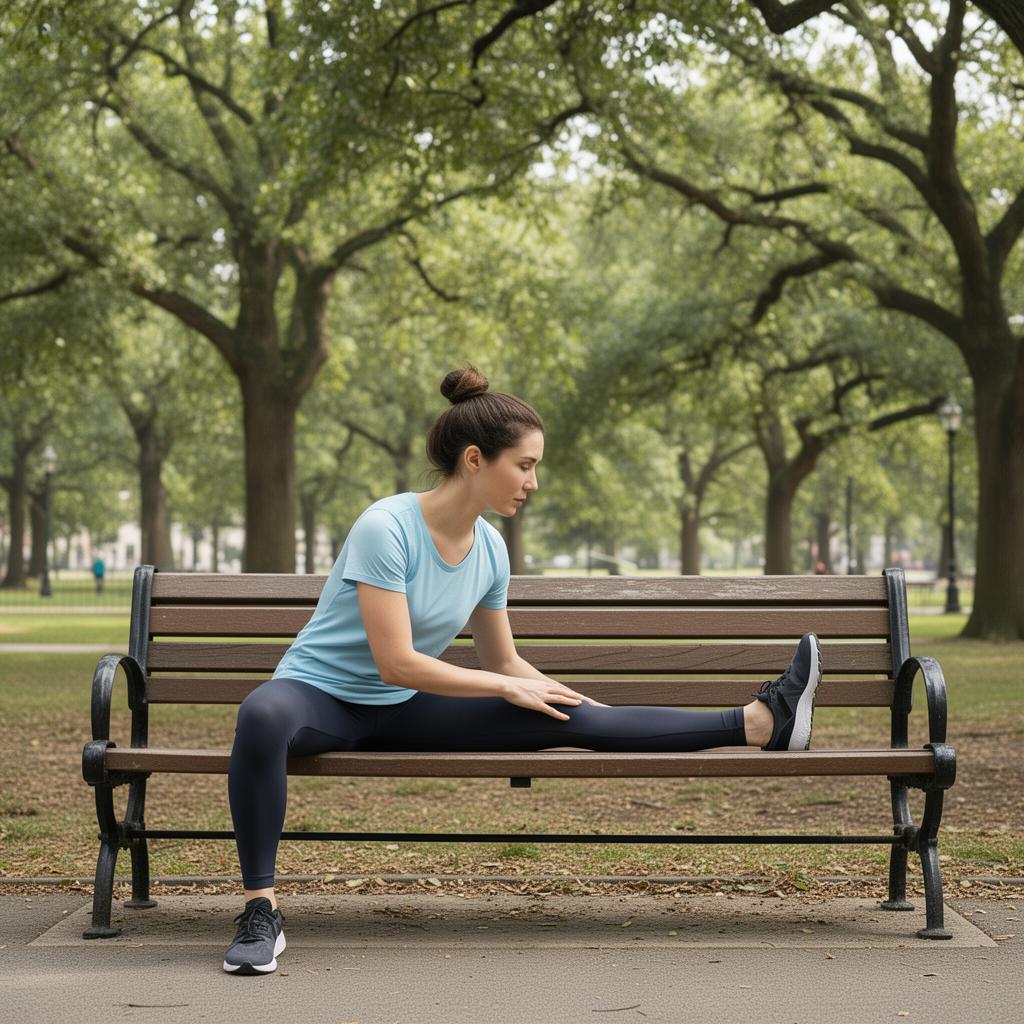
Movement and stretching: Gentle movement is often beneficial. While complete rest might seem logical, keeping the knee moving helps prevent stiffness and supports overall joint health. Gentle hamstring and calf stretches can be particularly helpful.
Addressing the underlying cause: Since Baker's cysts often develop in response to other knee issues, addressing those underlying problems is important for long-term bakers cyst treatment success. This might involve managing inflammation, supporting cartilage health, or strengthening surrounding muscles.
At-Home Relief Approaches
Reported effectiveness of home-based relief methods
Pain When Straightening Leg
One of the most common complaints associated with back of knee pain is pain when straightening leg fully. This symptom can occur with various conditions affecting the posterior knee.
When you straighten your leg, the structures at the back of the knee become stretched and compressed. If there's a Baker's cyst present, this movement can push against the swollen bursa, causing discomfort. Similarly, tight hamstrings can limit full extension and create a pulling sensation behind the knee.
Pain when straightening leg can also indicate meniscal involvement. The menisci are C-shaped cartilage pads that sit between the thigh and shin bones. If there's a tear or wear in the posterior portion of the meniscus, it might be particularly noticeable when the knee reaches full extension.
Pain Level When Straightening Leg
Pain when straightening leg varies by position
Hamstring-Related Behind Knee Pain
The hamstring muscles are frequently involved in back of knee pain. These three muscles (biceps femoris, semitendinosus, and semimembranosus) all attach near the back of the knee, making this a common site for hamstring-related discomfort.
Hamstring tightness: Many people with behind knee pain simply have tight hamstrings that are pulling on their attachments. This tightness can develop from prolonged sitting, insufficient stretching, or muscle imbalances. The resulting discomfort often feels like a pulling or stretching sensation behind the knee.
Hamstring tendinopathy: With overuse or repetitive stress, the hamstring tendons can become irritated where they attach near the knee. This typically causes localized tenderness and pain in back of knee that worsens with activities like running or sprinting.
Hamstring strain: A partial tear or strain in the hamstring can cause sudden, sharp pain in back of knee, often during activities involving explosive movements. This is more common in athletes but can occur with any forceful movement.
✓ Quick Tips
- •Stretch your hamstrings gently and regularly
- •Avoid bouncing during stretches: hold steady for 30 seconds
- •Warm up before activity to prepare the muscles
- •Strengthen the hamstrings with exercises like bridges or leg curls
- •Take breaks from prolonged sitting to prevent tightness
Other Causes of Pain in Back of Knee
While Baker's cysts and hamstring issues are common, several other conditions can cause discomfort behind the knee.
Gastrocnemius strain: The calf muscle attaches behind the knee, and strains here can mimic other causes of back of knee discomfort. This typically occurs during pushing-off movements or sudden acceleration.
Popliteal artery entrapment: In rare cases, the artery behind the knee can become compressed, particularly during exercise. This causes cramping and pressure behind the knee that improves with rest.
Referred pain from the leg or back: Sometimes pain in the back of leg behind the knee actually originates elsewhere, such as in the hip, lower back, or sciatic nerve pathway. The nervous system can interpret signals from these areas as coming from the knee, which is why posterior knee discomfort occasionally extends up into the thigh or down into the calf.
Why Does the Back of My Knee Hurt?
The back of your knee may hurt due to muscle tightness, joint stress, or fluid buildup in the popliteal area. Hamstring tension, calf strain, and Baker's cysts are among the most frequent causes. Pain in the back of knee often develops gradually from everyday habits like prolonged sitting, sudden increases in activity, or wearing unsupportive footwear.
What Causes Pain Behind the Knee?
Pain behind the knee is commonly caused by strain or tension in the muscles and tendons that cross the back of the joint. Fluid accumulation, such as a Baker's cyst, can also produce aching and pressure behind the knee. In some cases, referred discomfort from the hip or lower back contributes to the sensation.
What Are Common Causes of Pain Behind the Knee?
- Muscle strain: overstretched or fatigued hamstring or calf muscles
- Baker's cyst: fluid-filled swelling in the popliteal bursa
- Joint inflammation: irritation of the knee joint capsule or surrounding tissues
- Tight hamstrings: shortened muscles pulling on their attachment points near the knee
- Meniscal wear: cartilage changes that affect posterior knee comfort
- Referred pain: discomfort originating from the hip, back, or sciatic nerve
Why Is There Pressure Behind My Knee?
Pressure behind the knee usually results from fluid accumulation in the popliteal region or tension in the surrounding muscles. A Baker's cyst is one of the most common causes of this feeling, producing a sense of fullness that may worsen when bending or straightening the leg. Muscle tightness in the calves or hamstrings can also create a compressed sensation behind the knee.
What Does Tightness in the Back of Knee Mean?
Tightness in the back of knee typically indicates that the hamstring tendons, calf muscles, or joint capsule have become stiff or restricted. This often happens after prolonged sitting, sleeping, or periods of inactivity. Gentle stretching and regular movement breaks usually help relieve this sensation, though persistent tightness may point to an underlying issue worth evaluating.
Self-Care Strategies for Back of Knee Pain
Many cases of behind knee pain respond well to consistent self-care. Here are strategies that can help:
Regular stretching: Gentle hamstring and calf stretches, performed daily, can help maintain flexibility and reduce tension on the structures behind the knee. Focus on holding stretches rather than bouncing, and never push into sharp pain.
Heat therapy: Warmth applied to the back of the knee can help relax tight muscles and increase blood flow to the area. This can be particularly soothing for muscle-related behind knee pain.
Activity modification: Identifying activities that worsen your pain in back of knee and modifying them temporarily can allow healing to occur. This doesn't mean complete rest, as gentle movement is usually beneficial, but it might mean reducing intensity or duration.
Strengthening exercises: Building strength in the hamstrings, calves, and hip muscles helps support the knee and can reduce strain on the posterior structures.
For a deeper look at daily habits that affect the back of the knee, see our guide on common back-of-knee discomfort patterns. Strengthening the muscles around your knee is also important, and our guide on how to strengthen knees covers practical approaches. If your discomfort is connected to running, explore our running knee pain guide for sport-specific advice. Those dealing with sharp sensations may also find our sharp knee pain guide helpful.
When to Seek Professional Evaluation
While many cases of back of knee pain can be managed at home, certain signs suggest professional evaluation would be helpful:
Severe or worsening pain: If your pain in back of knee is intense or getting progressively worse despite self-care, it's worth having it assessed.
Visible changes: If you notice significant swelling, redness, or warmth behind the knee, or if a Baker's cyst seems to be growing rapidly, seek evaluation.
Symptoms spreading: If pain or swelling extends down into the calf, this can sometimes indicate a ruptured Baker's cyst or other issue that warrants attention.
Associated symptoms: Numbness, tingling, or changes in skin color in the lower leg alongside behind knee pain should be evaluated promptly.
Managing Expectations
Back of knee pain often improves gradually rather than suddenly. Consistent application of self-care strategies over several weeks typically yields better results than expecting immediate relief. Patience and persistence are key to managing pain when straightening leg and other posterior knee symptoms.
Building a Daily Relief Routine
Creating a consistent routine for managing your back of knee pain can help you maintain comfort over time. Here's what a typical day might look like:
Morning: Start with gentle hamstring stretches while still in bed. Apply warmth to the back of the knee if it feels stiff. Take a short walk to promote circulation.
Throughout the day: Take breaks from prolonged sitting. Do quick stretching sessions. Avoid activities you've identified as triggering your behind knee pain.
Evening: Apply heat or use a therapy device on the back of the knee. Perform a thorough stretching routine. Elevate your legs if there's any swelling.
Understanding your pain in back of knee is the first step toward finding relief. With the right combination of stretching, strengthening, and self-care, many people experience significant improvement in their behind knee pain over time.