Symptoms and locations
By Symptom
Start with where and how your knee feels different, then compare common patterns such as sharp pain, burning, heaviness, swelling, or pain around the kneecap.
FlexiKnee guide library
Practical guides for stiffness, clicking, stairs, daily habits, warmth, massage, and smarter at home recovery choices.
Answer three quick questions and we will point you to the guides, routine and support that match your knees.
Free, no email required, instant result
190
Guides
6
Topic paths
Four clear starting points for understanding common knee symptoms, activity-related pain, and simple at-home choices.
New to the library? Begin with what causes knee pain, then choose the guide that best matches what you notice during daily life.
The guides readers have opened most often during the last 30 days. This selection updates automatically.
Choose the path that best matches your question. Each topic page brings the most relevant guides together without making you scan the full library.
Symptoms and locations
Start with where and how your knee feels different, then compare common patterns such as sharp pain, burning, heaviness, swelling, or pain around the kneecap.
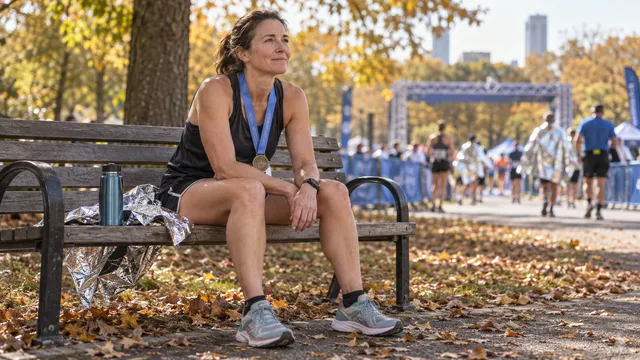
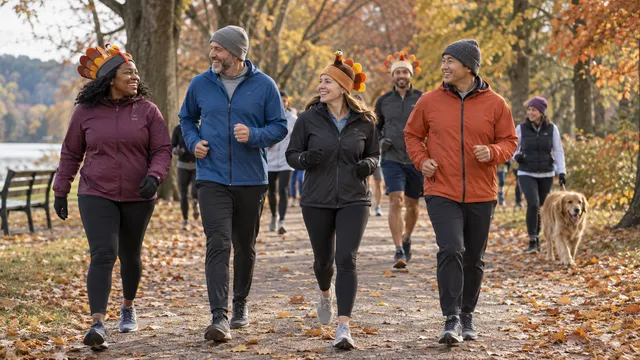
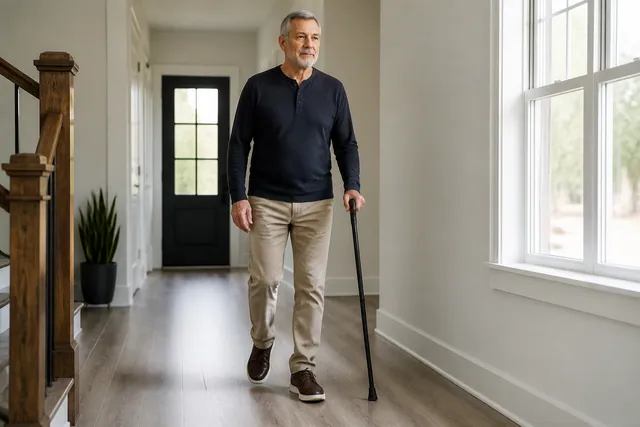
Movement and exercise
Explore knee pain patterns linked with exercise, stairs, running, walking, sitting, standing, travel, and everyday movement.
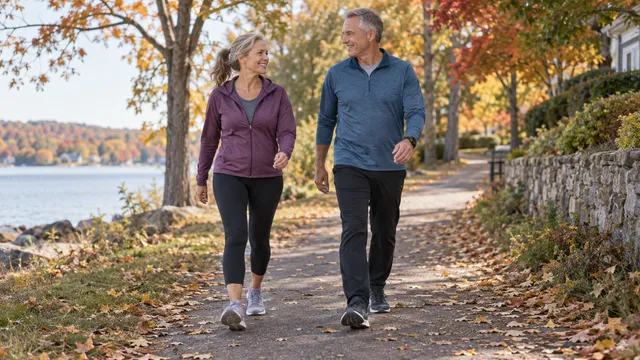
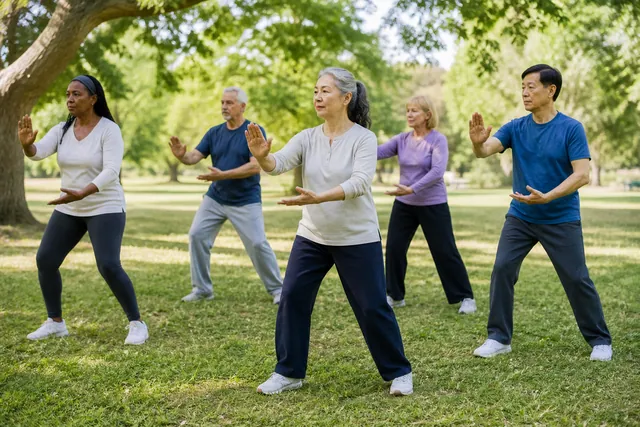
Age and life stages
Understand how age, menopause, sleep, morning stiffness, mobility, and changing daily loads can shape knee comfort.
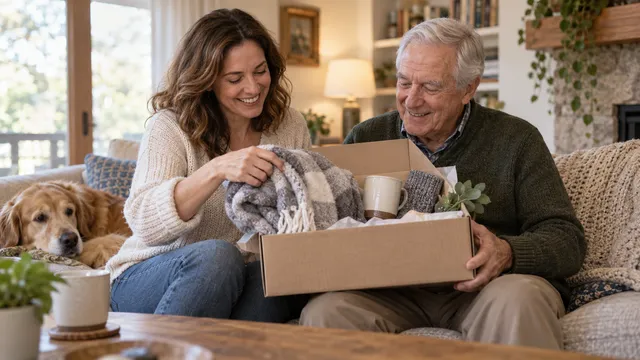
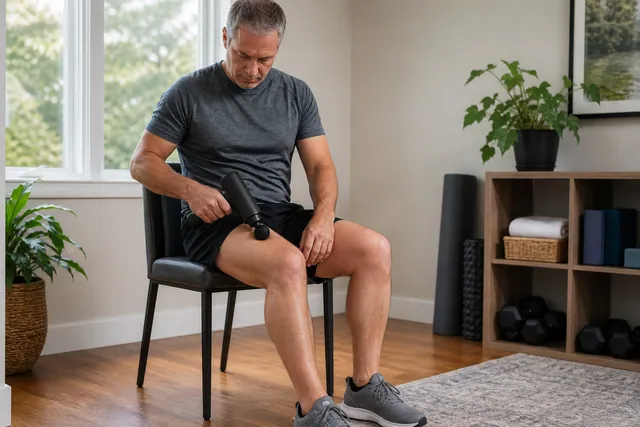
At-home comfort
Build practical routines around heat, ice, sleep, gentle exercise, mobility, and other at-home comfort options.
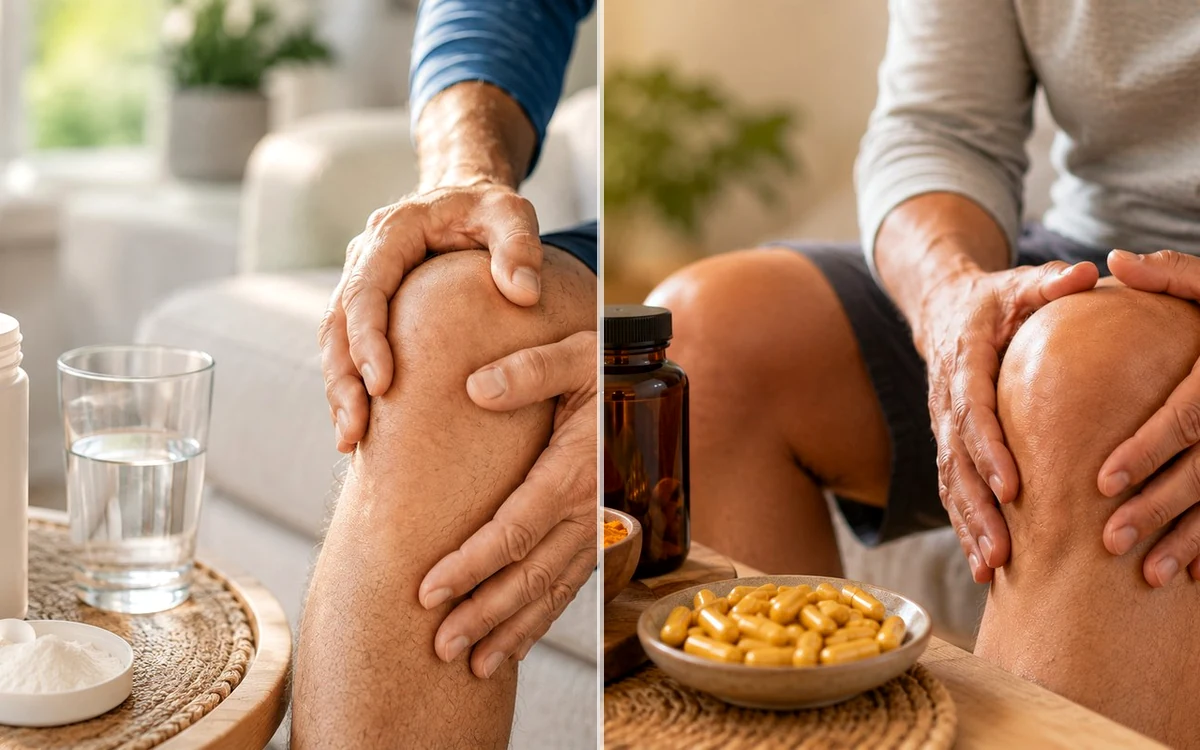
Evidence and safety
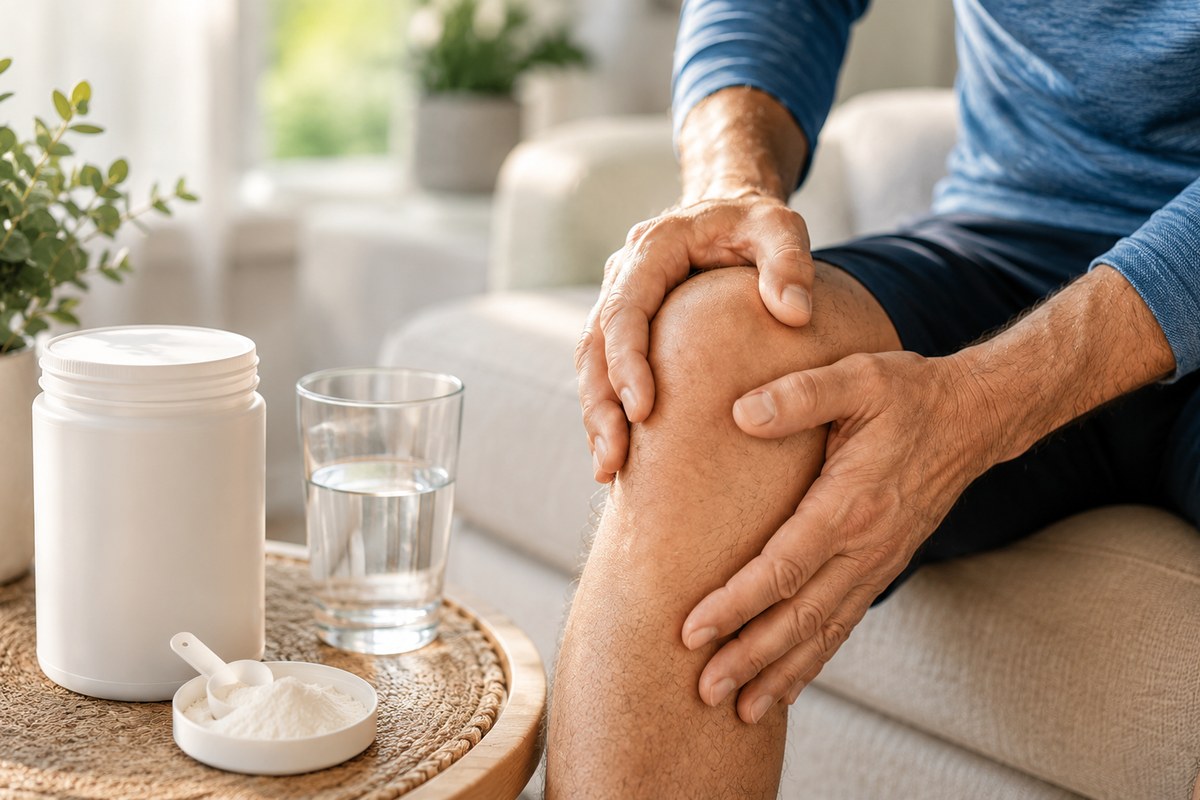
Compare evidence, realistic benefits, product forms, safety points, and interactions for popular knee supplements.

Products and comparisons
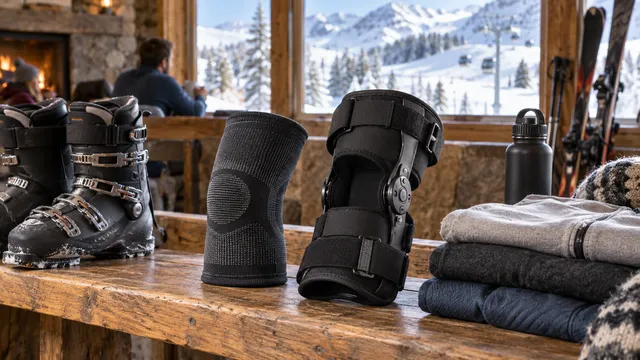
Compare heated braces, knee massagers, red light devices, compression supports, and other comfort products before you buy.
New in the library
See the newest topics added to the FlexiKnee guide library.
Explore products
Compare warmth, massage, and support options alongside the educational guides in this library.
 Best seller
Heat · vibration · red light
The flagship all-in-one device for short, repeatable knee comfort routines.
 Daily support
Flexible compression
Breathable support for walking, work, training and everyday movement.
 New
NewKnee-high compression
Stretch-knit support for travel, work, standing and active days.
 New
NewReusable cold therapy
A flexible gel wrap for hands-free knee cooling after activity or while resting.
 Recovery
Lower-leg recovery
Rechargeable compression and warmth for tired calves and lower legs.
 New
NewFoot-to-knee support
Structured support designed to improve comfort from the ground up.
 Simple warmth
Targeted knee warmth
A lightweight USB-powered wrap for simple, focused warming sessions.
Knee pain is most commonly caused by overuse, muscle imbalances, age-related cartilage changes, and repetitive loading during activities like walking, running, and climbing stairs. Understanding the specific pattern of your discomfort helps identify the most effective daily habits for comfort.
Discomfort can become more noticeable after activity as tissues cool down and the immediate focus of exercise fades. Mild post-activity soreness may settle with time, but persistent, worsening, swollen, locking, or unstable knees should be assessed by a qualified clinician.
In most cases, no. Knee clicking during walking is usually caused by gas bubbles in the joint fluid, tendons gliding over bony surfaces, or normal kneecap tracking variations. Painless clicking is considered a normal part of joint mechanics.
Going downstairs can increase patellofemoral loading because the quadriceps must control the body during descent. The exact load varies with speed, step height, technique, strength, and body weight.
Simple daily habits that support knee comfort include gentle movement and stretching, applying warmth to stiff joints, maintaining balanced leg strength, wearing supportive footwear, staying hydrated, and taking regular movement breaks during prolonged sitting.
Infrared or red-light devices use light wavelengths, while heating pads mainly transfer warmth at the surface. These technologies are not interchangeable, and the practical effect depends on wavelength, output, contact, session time, and device quality. Some products also include vibration for a different sensory experience.
Knee discomfort affects millions of adults worldwide, and understanding the patterns behind it is the first step toward building effective daily comfort habits. Whether you experience knee pain when walking, notice stiffness after sitting, or feel soreness after physical activity, each pattern has specific causes rooted in how the knee joint functions during everyday movement.
Daily habits play a significant role in how your knees feel over time. Simple practices like maintaining balanced leg strength, applying warmth to stiff joints, staying gently active throughout the day, and wearing supportive footwear can meaningfully improve your daily knee comfort. The guides in this library are designed to help you understand these patterns and build sustainable routines that support your joints.
Explore our guides to learn about knee pain after exercise, knee clicking during walking, stair-related knee discomfort, and at-home comfort devices. Each guide provides practical, educational information to help you make informed decisions about your knee health.