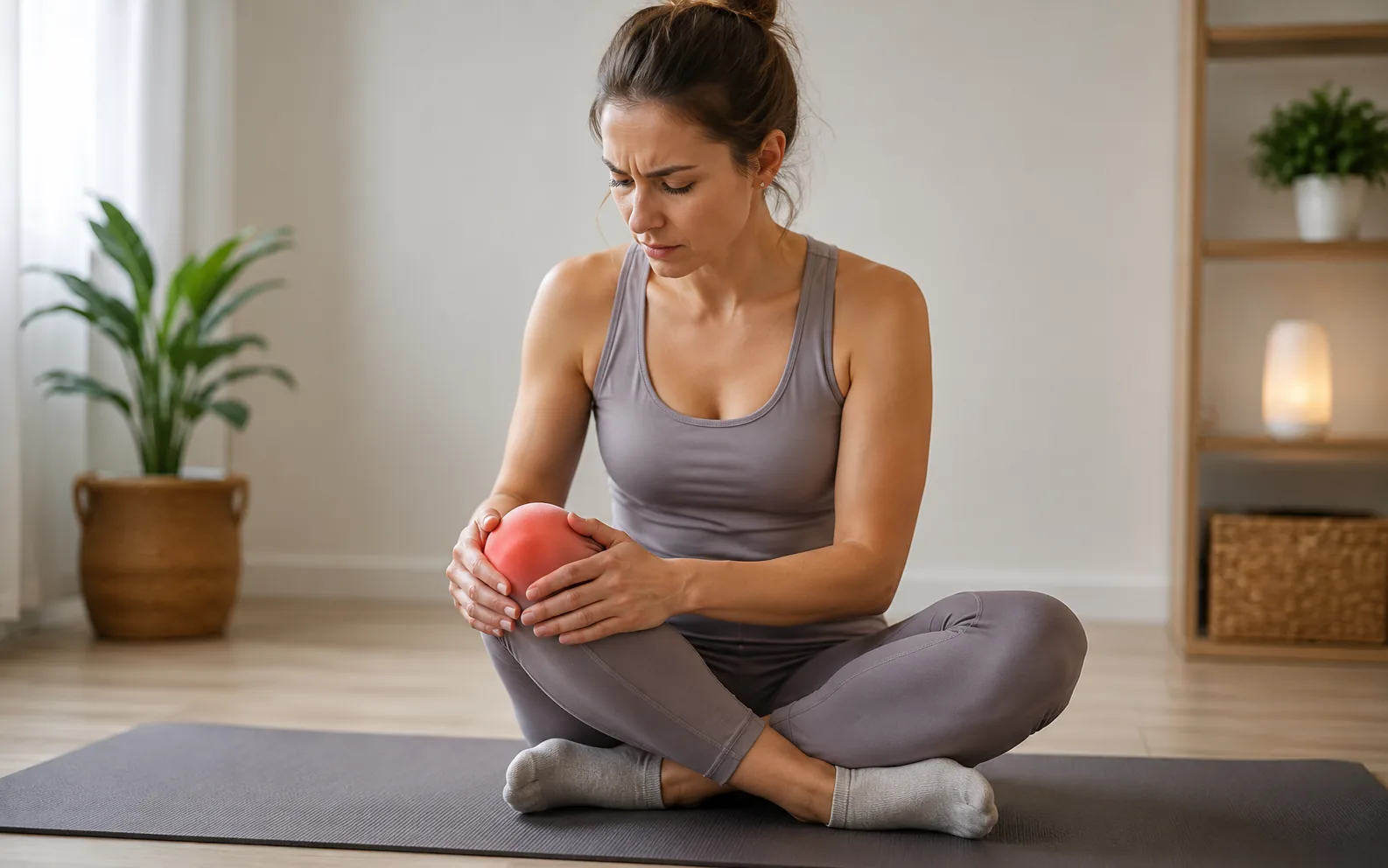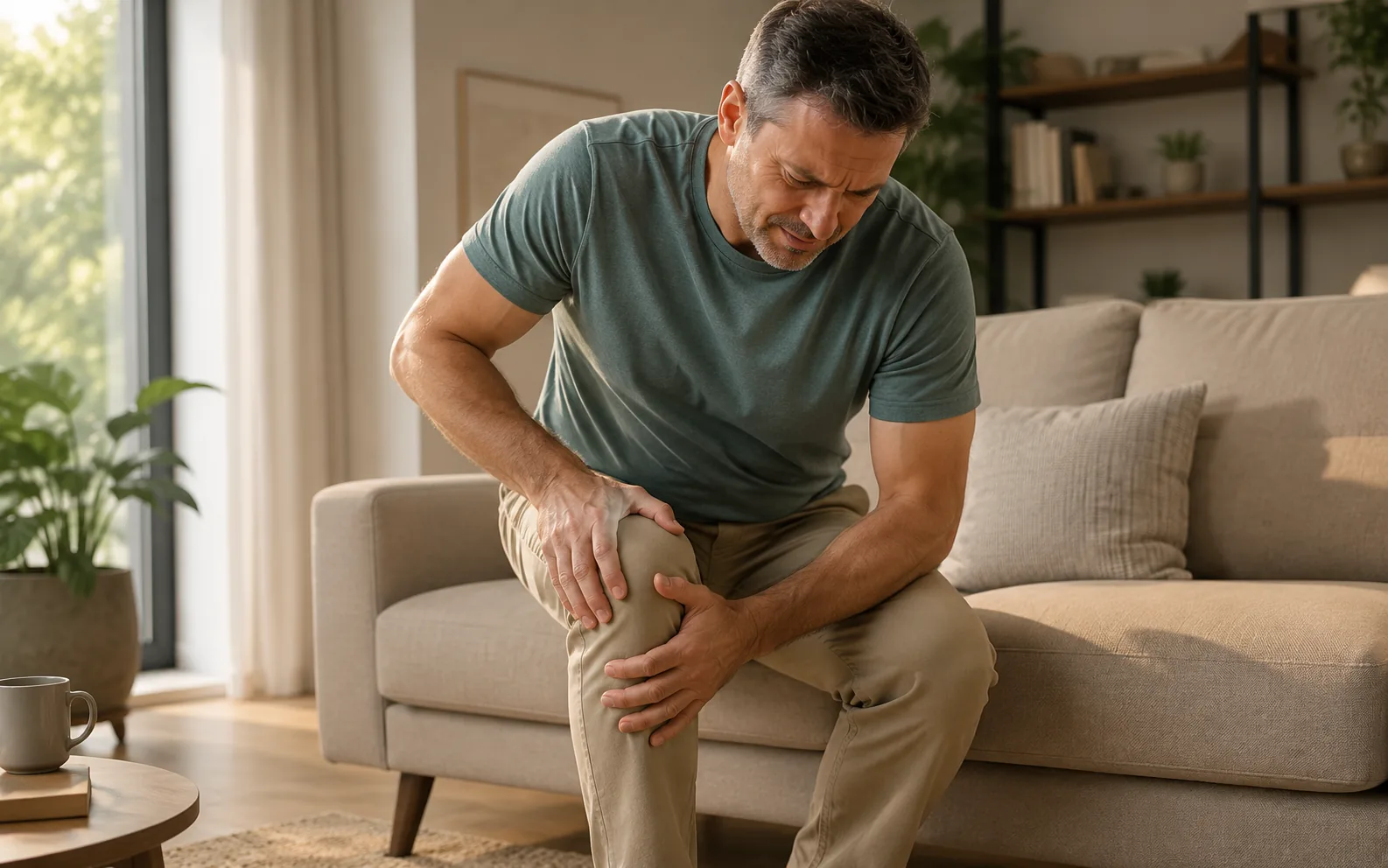
What causes knee pain? It's one of the most searched health questions online, and for good reason. Knee discomfort affects people of all ages — from young adults dealing with activity-related strain to seniors navigating age-related stiffness. Understanding the causes of knee pain is the first step toward building daily habits that support long-term comfort.
In this guide, we'll explore the most common knee joint pain causes, explain pain by region (front, back, inner, and outer knee), address sudden knee pain without injury, look at why knee pain in females can differ, and share practical daily habits for comfort — whether you're 30 or 70.
Why Knee Pain Happens: The Basics
The knee is one of the largest and most complex joints in the body. It connects the thighbone (femur) to the shinbone (tibia), with the kneecap (patella) providing a protective shield at the front. Surrounding this joint are ligaments, tendons, cartilage, and a fluid-filled capsule that work together to allow smooth bending, straightening, and rotation.
When any of these components experience stress, wear, or imbalance, knee pain can follow. The causes range widely — from simple muscle tightness to more complex structural changes — but most everyday knee discomfort falls into a few well-understood categories. If you are looking for practical ways to address knee discomfort day to day, our guide on how to fix knee pain with daily habits offers actionable steps:
- Overuse and repetitive stress — activities that repeatedly load the knee without adequate recovery
- Muscle imbalances — weak or tight muscles around the hip, thigh, and calf that change how the knee tracks
- Cartilage and joint changes — gradual wear of the cushioning tissue within the joint
- Inflammatory responses — the body's natural reaction to stress, overload, or systemic conditions
- Alignment and biomechanics — how your body distributes weight through the knee during movement
Knee Pain by Location: Where It Hurts Matters
One of the most useful ways to understand what causes knee pain is to identify where you feel it. Different locations on the knee often point to different underlying patterns.
Front of Knee Pain

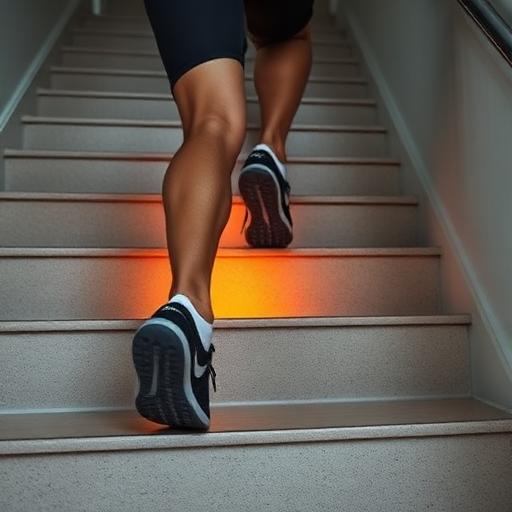
Front-of-knee discomfort is the most common type. It's often described as a dull ache around or behind the kneecap that worsens with knee pain when bending, knee pain going up stairs, or after sitting for long periods (sometimes called "theater sign").
Common contributors include kneecap tracking issues (patellofemoral patterns), quadriceps tightness, and inflammation of the patellar tendon. Learn more in our front knee tightness guide.
Back of Knee Pain

Pain behind the knee (also called back of knee pain) can feel like tightness, pressure, or a deep ache. It's often influenced by hamstring tension, calf tightness, or fluid accumulation behind the joint (sometimes called a Baker's cyst).
This type of discomfort frequently appears after prolonged sitting or when straightening the leg fully. For a deeper look, see our back of knee pain guide and common posterior knee patterns.
Inner (Medial) Knee Pain
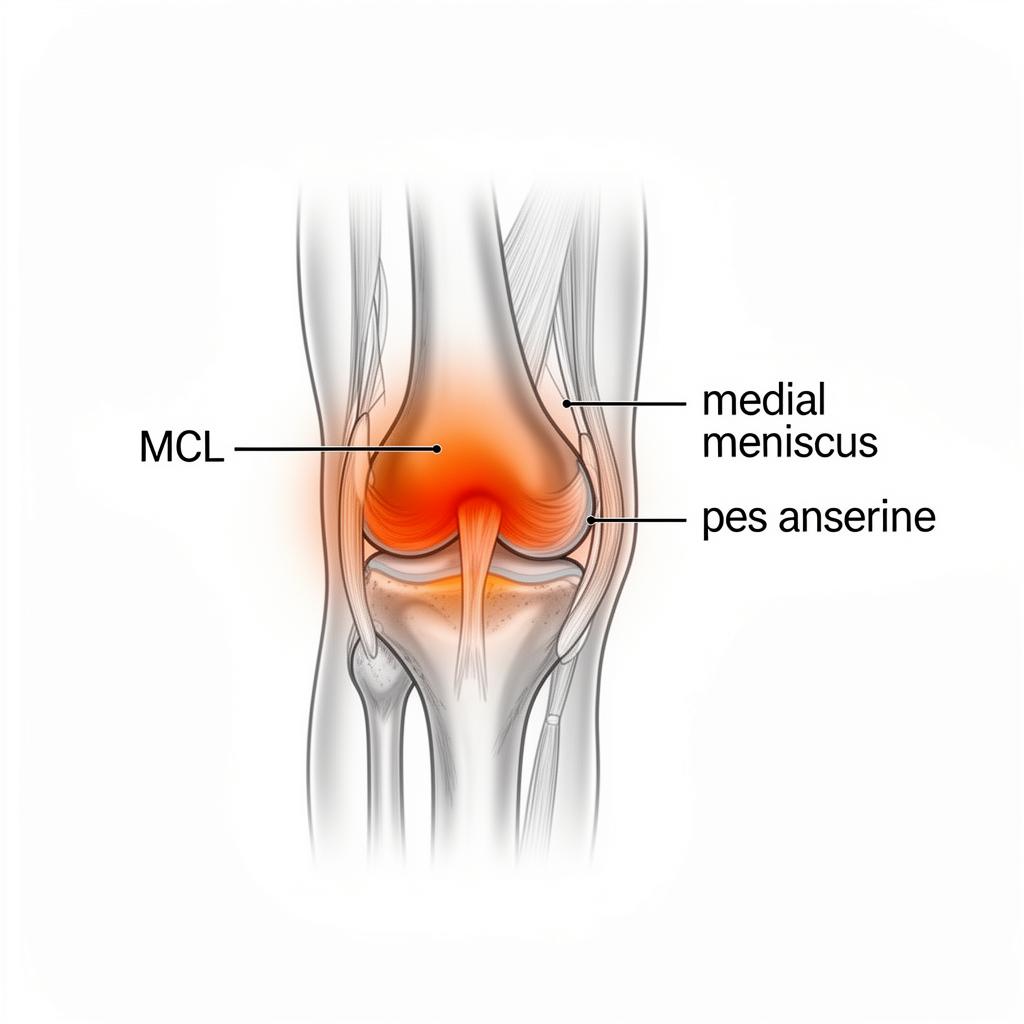
Inner knee discomfort often relates to the medial collateral ligament (MCL), medial meniscus, or the pes anserine area where several tendons attach. It's common in people who do activities with lateral movement or whose feet roll inward (overpronation).
Explore our side knee pain guide for more detail on inner vs outer discomfort patterns.
Outer (Lateral) Knee Pain
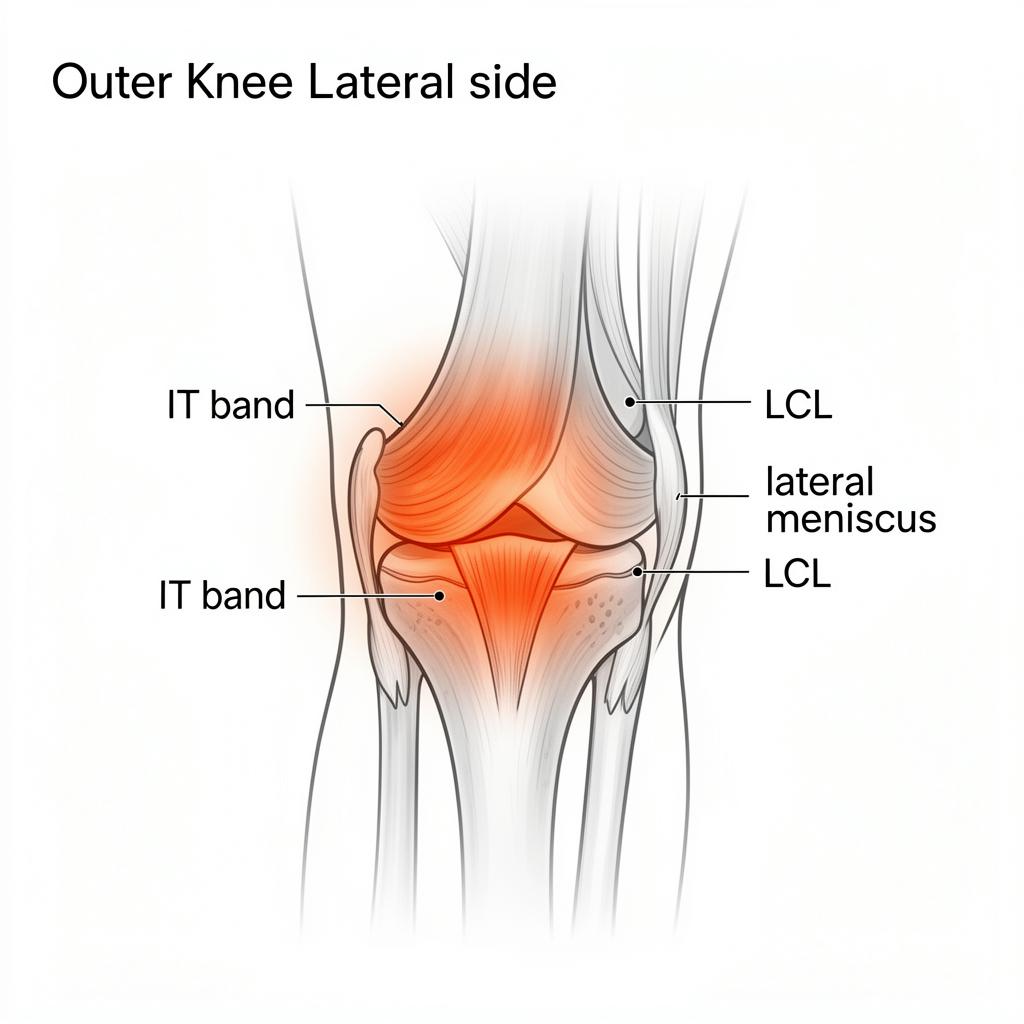
Outer knee discomfort is frequently linked to the iliotibial (IT) band, which runs along the outside of the thigh and can create friction where it crosses the knee joint. This is especially common in runners and cyclists.
The lateral collateral ligament (LCL) and lateral meniscus can also contribute. Learn more in our IT band syndrome guide.

Recommended for this guide
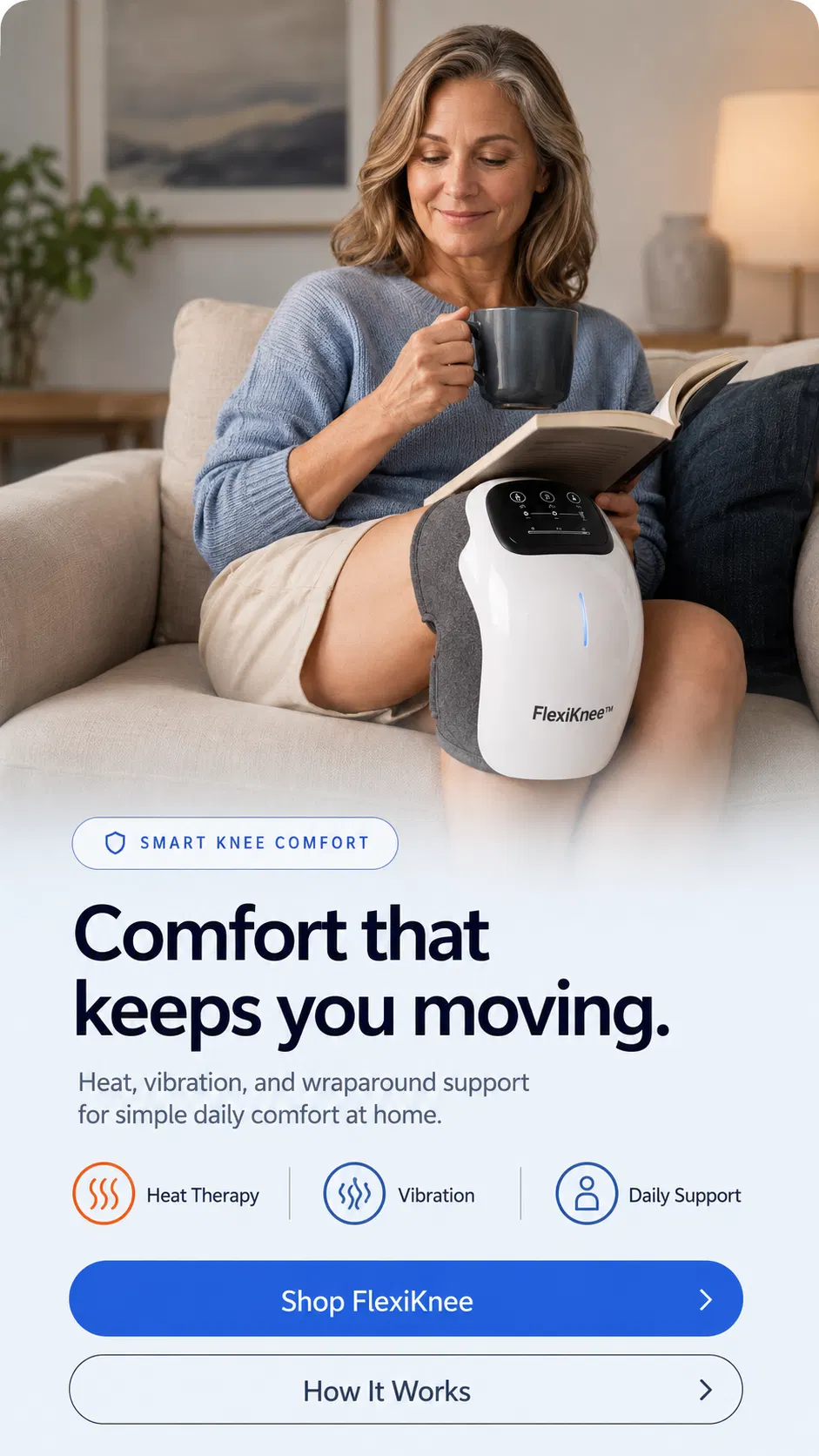
FlexiKnee Smart Heated Knee Massager
Adjustable warmth, red light, and gentle vibration in one wireless wrap for a complete 15-minute daily knee routine.
Sudden Knee Pain Without Injury: Why It Happens
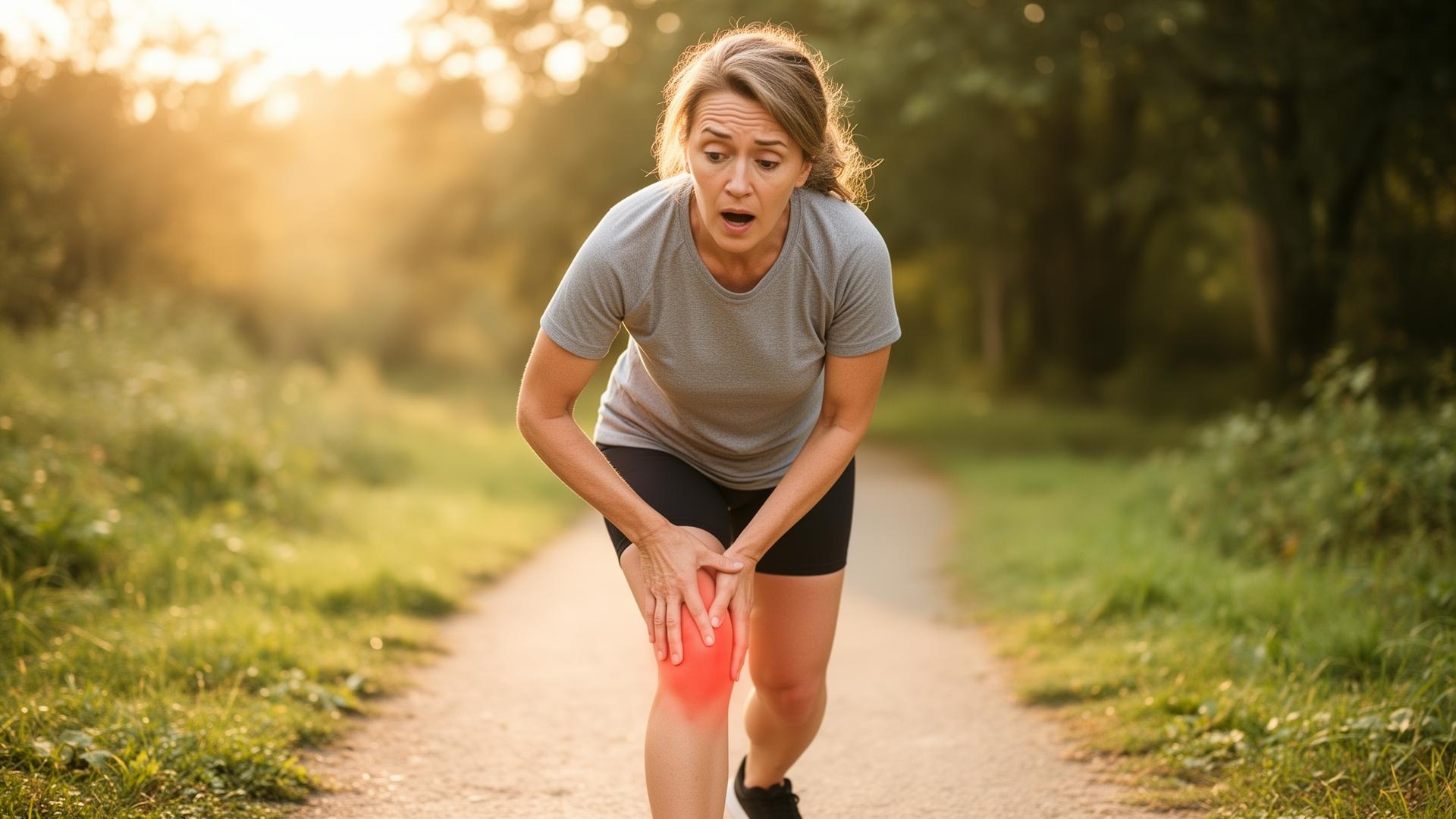
One of the most confusing experiences is sudden knee pain without injury. You haven't fallen, twisted, or done anything unusual — yet your knee suddenly hurts. This is actually more common than you might think, and there are several explanations:
- Cumulative overuse — weeks of gradual stress that finally reaches a tipping point
- Muscle fatigue and imbalances — tired muscles change how forces are distributed through the knee
- Inflammatory flare-ups — conditions like early osteoarthritis can cause episodes of discomfort without a specific trigger
- Weight changes — even modest weight gain can increase knee joint stress by 3–4 times during walking
- Activity changes — starting a new exercise, wearing different shoes, or changing your daily routine
- Weather and barometric pressure — many people notice increased joint awareness during weather changes
The key insight: "without injury" doesn't mean "without cause." There's almost always an underlying pattern — it's just not always immediately obvious. Tracking your activities, footwear, and daily habits can help identify triggers.
What Causes Knee Pain in Females?

Knee pain causes in females include several factors that can make women more susceptible to certain types of knee discomfort:
- Wider Q-angle — women typically have wider hips relative to their knees, creating a larger angle (Q-angle) that can influence how the kneecap tracks in its groove
- Hormonal fluctuations — estrogen levels can affect ligament laxity (looseness), particularly during menstrual cycles, pregnancy, and menopause
- Smaller joint surfaces — female knee joints tend to have less surface area, which can mean higher stress per unit of area
- ACL considerations — research suggests females may be more susceptible to ACL-related patterns due to neuromuscular and anatomical differences
- Footwear patterns — certain shoe types commonly worn by women can influence knee alignment and joint stress
These aren't reasons for concern — they're simply patterns worth understanding so you can make informed choices about movement, footwear, and daily habits. For more, see our women and men knee comfort patterns guide.
Knee Pain Causes in Young Adults
Knee pain causes in young adults often differ from age-related patterns. Common factors include:
- Runner's knee (patellofemoral pattern) — the most common cause of front-of-knee discomfort in active young adults
- IT band tightness — common in runners, cyclists, and people who sit for long periods
- Growing pains and Osgood-Schlatter — below-knee discomfort common in active teens
- Overtraining — ramping up activity too quickly without proper recovery
- Poor movement patterns — weak glutes, tight hip flexors, or improper form during exercise
The good news: young adult knee discomfort is often highly responsive to movement changes, strengthening, and daily comfort habits. See our below-knee discomfort guide for teens and active adults.
Knee Discomfort After 40: Age-Related Changes

After 40, age-related knee discomfort becomes more common due to natural changes in the joint:
- Cartilage thinning — the smooth cushioning between bones gradually wears over decades of use
- Reduced synovial fluid — the joint's natural lubricant may decrease, contributing to knee stiffness in the morning
- Muscle changes — gradual loss of muscle strength (sarcopenia) means less support for the joint
- Accumulated microtrauma — years of daily loading create cumulative effects on joint structures
Important: age-related changes are natural and don't automatically mean discomfort. Many people maintain comfortable knees well into their 70s and beyond through consistent movement, strengthening, and daily care routines. Learn more in our knee arthritis comfort guide.
Daily Habits That Worsen or Improve Knee Pain
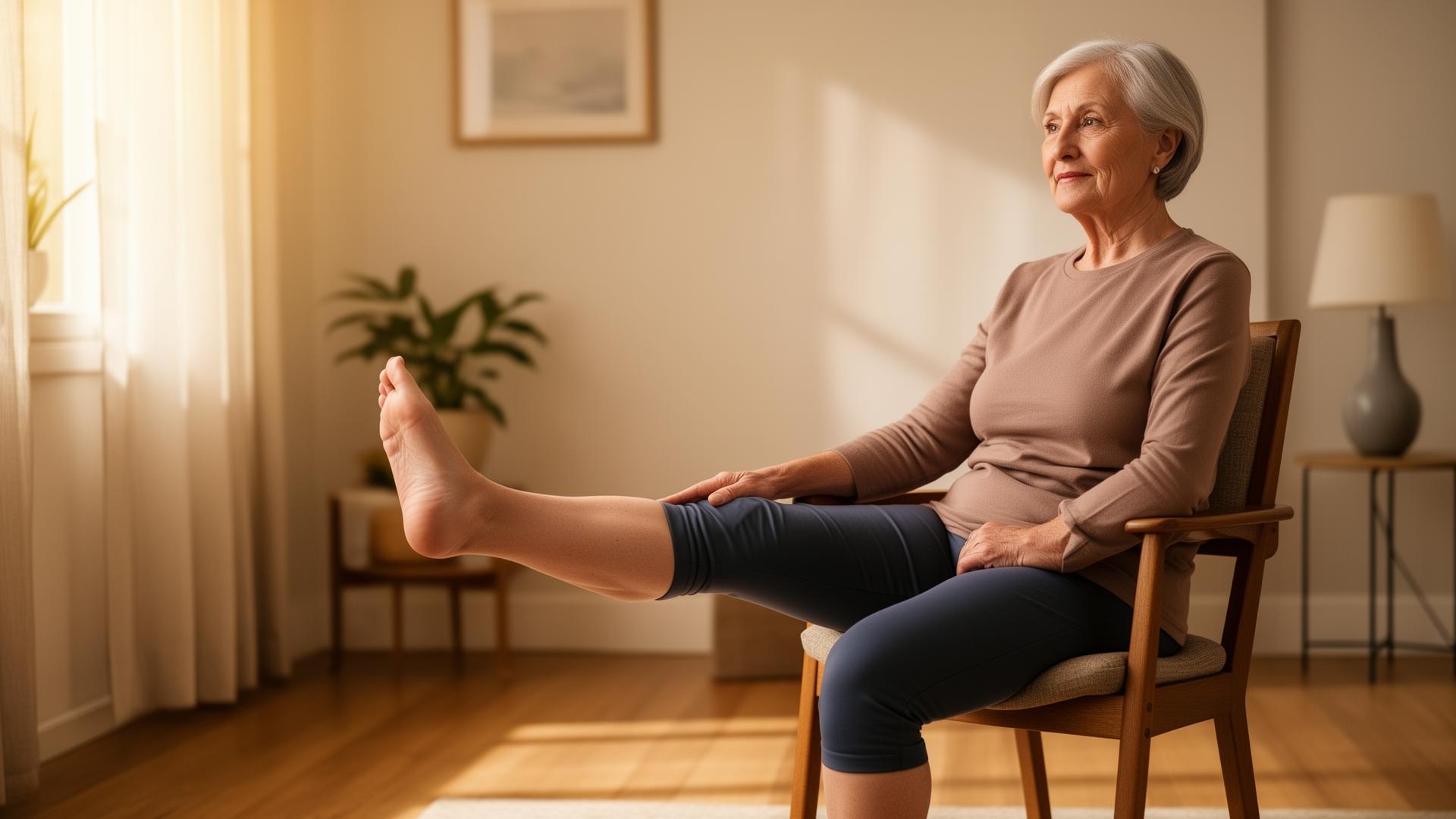
Your knee pain and daily habits are closely connected. Small, consistent changes often have more impact than occasional intensive approaches. Here's what tends to help — and what tends to hurt:
Habits That May Worsen Knee Discomfort
- Prolonged sitting without movement breaks (leads to stiffness and reduced circulation)
- Wearing unsupportive footwear that changes how forces distribute through the knee
- Complete inactivity when experiencing discomfort (joints need movement to stay lubricated)
- Sudden activity spikes after periods of inactivity
- Ignoring early warning signs and pushing through significant discomfort
- Poor hydration (synovial fluid production depends on adequate water intake)
Habits That Support Knee Comfort
- Regular gentle movement — walking, swimming, cycling, or simple knee bends
- Morning warm-up — gentle movement and warmth application before the day starts
- Strengthening exercises — quadriceps, hamstrings, and glutes to support the knee joint (see our knee exercises guide)
- Supportive footwear — shoes with proper arch support and cushioning
- Movement breaks — standing and moving for 2 minutes every 30 minutes of sitting
- Evening comfort routine — warmth application and gentle stretching before bed
- Healthy weight management — reducing excess joint load over time
| Pain Trigger | What Often Helps | Learn More |
|---|---|---|
| Stiffness after sitting | Movement breaks, morning warm-up | Stiffness after resting |
| Pain going up stairs | Quad strengthening, kneecap mobility | Front knee tightness |
| Nighttime knee discomfort | Evening warmth routine, pillow support | Night knee pain guide |
| Pain after standing all day | Supportive shoes, calf stretches | Standing knee pain |
| Running-related discomfort | Proper shoes, gradual training, recovery | Running knee pain |
| Morning stiffness | Gentle movement, warmth before activity | Daily knee care |
When to Seek Professional Guidance
While many causes of knee pain respond well to daily habits and home-based approaches, some situations call for professional evaluation:
- Significant swelling that doesn't improve within a few days
- Inability to bear weight on the affected leg
- Knee that locks, catches, or gives way during normal activities
- Visible deformity or asymmetry compared to the other knee
- Discomfort that worsens progressively over weeks despite home care
- Joint warmth, redness, or fever alongside knee pain
Early professional guidance can help identify specific causes and create targeted approaches. Don't wait for discomfort to become constant before seeking support. Common activity-related triggers include knee discomfort that appears after exercise and knee pain when going down stairs, both of which have specific biomechanical explanations.
Building Your Daily Knee Comfort Foundation
Understanding what causes knee pain is valuable, but the real difference comes from consistent daily action. Whether you're dealing with sudden knee pain without injury, managing knee stiffness in the morning, or navigating age-related knee discomfort, these core principles apply:
- Move consistently — daily gentle activity keeps joints lubricated and muscles engaged
- Strengthen wisely — focus on the muscles that support the knee: quads, hamstrings, glutes, and calves
- Apply warmth proactively — regular heat therapy can help maintain joint comfort and reduce stiffness
- Track your patterns — notice what triggers discomfort and what brings comfort
- Stay patient — lasting comfort improvements come from weeks of consistent habits, not one-time fixes
Related Guides
- Pain in the Knee: Common Causes & Locations
- Knee Pain Locations: A Visual Guide
- Best Knee Pain Exercises for Strength & Mobility
- How to Strengthen Knees for Daily Support
- Heat vs Ice for Knees: What Works Best?
- Daily Knee Care Routine for Comfort