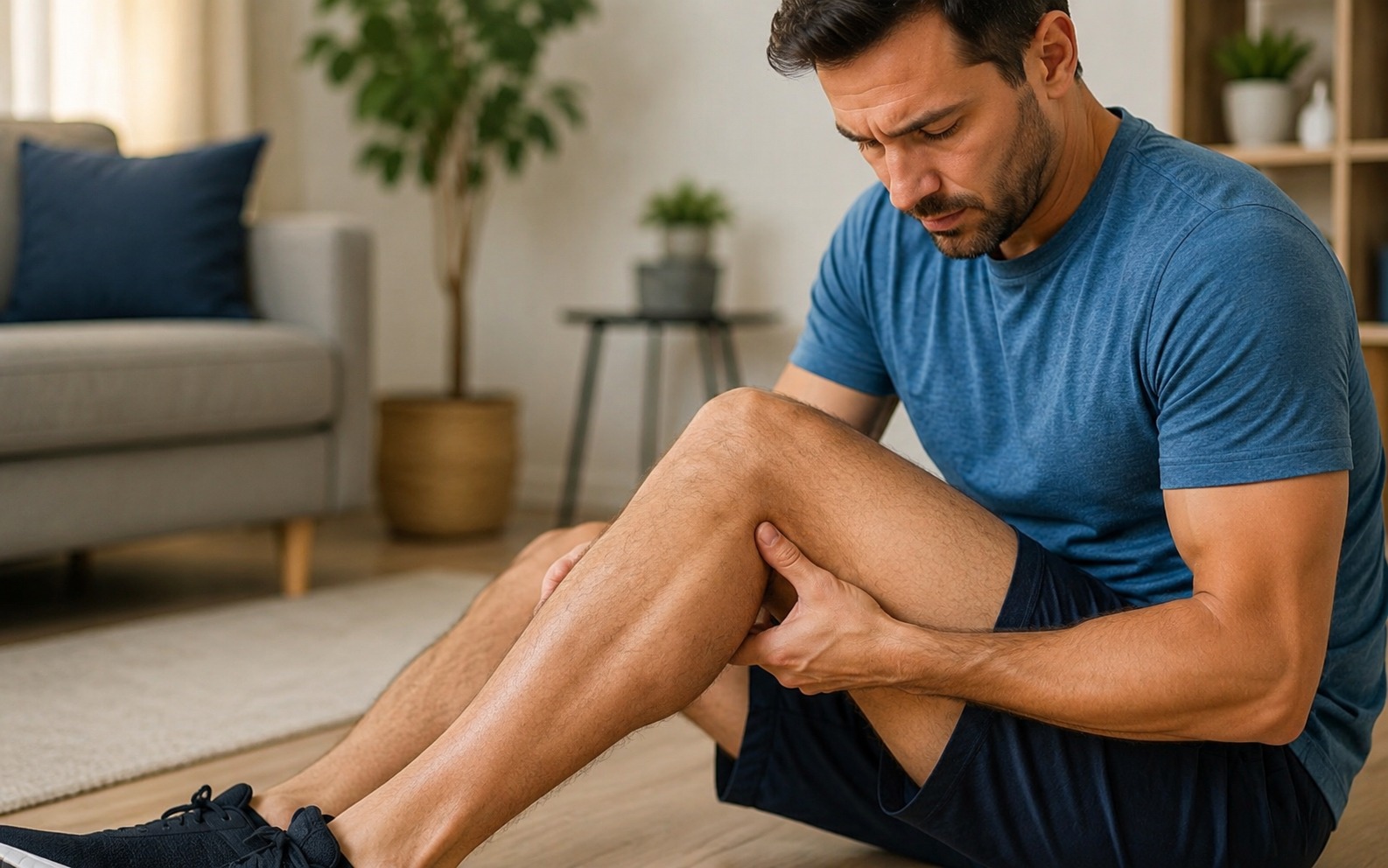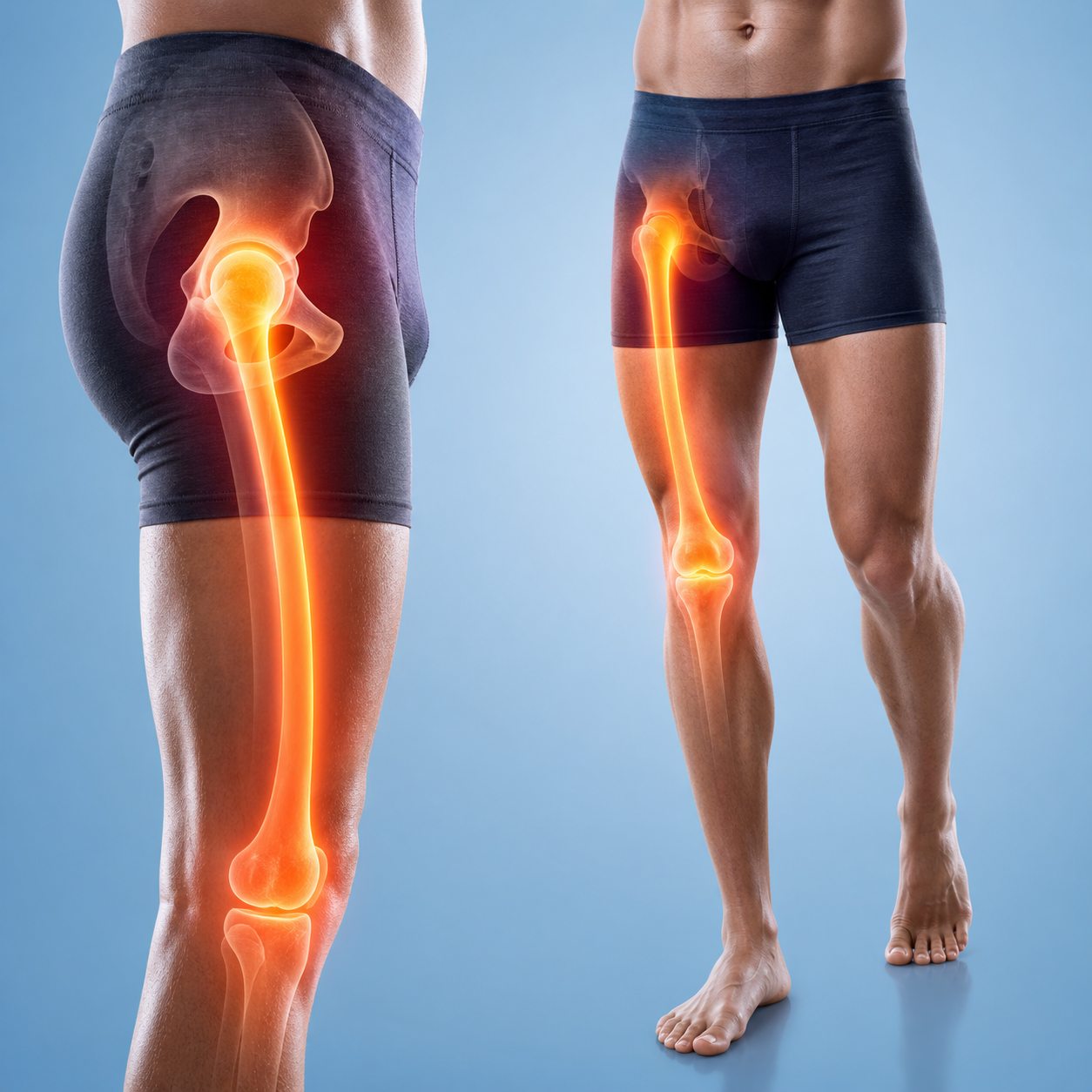
Many people notice that their knee discomfort doesn't exist in isolation. Instead, they experience what feels like a connection between their knees and other parts of the lower body, particularly the lower back and hips. This interconnected sensation is a common experience that relates to how we move through our daily lives.
Understanding this connection isn't about diagnosing anything specific. Rather, it's about recognizing that the lower body works as a coordinated system, and that daily habits, movement patterns, and lifestyle factors can influence how multiple areas feel at once.
When the main question is whether pain felt at the knee may be referred from the groin, hip, thigh, or lower back, use the focused hip-to-knee pain location chart alongside this broader movement guide.
About This Guide
How the Lower Body Works Together During Daily Movement
When you walk, stand, sit, or perform any daily activity, multiple parts of your lower body work together. Your hips, lower back, and knees don't operate independently; they coordinate with each other to help you move smoothly through your day.
This coordination means that how one area functions can influence how other areas feel. When people talk about knee discomfort lower back connection or knee discomfort and hips, they're often noticing this natural interdependence in their own bodies.
Consider a simple activity like walking. Your hips move to swing your legs forward, your lower back provides stability and support, and your knees bend and straighten with each step. All of these movements happen together, thousands of times each day. It's understandable that sensations in one area might coincide with sensations in another.
Common Daily Patterns That Affect Both Knees and Lower Body
Certain daily habits and patterns are commonly associated with sensations that span multiple areas of the lower body. Understanding these patterns can help you develop more supportive daily routines.
Sitting Posture Throughout the Day
How you sit, and for how long, influences both your lower back and your knees. When seated, your hips are typically flexed, your lower back is supporting your upper body, and your knees are bent. Extended periods in this position are commonly associated with sensations of stiffness or fatigue in multiple areas when you finally stand.
Many people who spend significant time at desks, in vehicles, or in other seated positions notice that their knee discomfort lower body sensations seem connected to their sitting habits.
Walking Patterns and Gait
The way you walk influences your entire lower body. Subtle variations in gait, whether due to footwear, surfaces, fatigue, or simple habit, can affect how the knees, hips, and lower back feel by the end of the day.
Some people notice that on days when they walk more than usual, or on different surfaces than typical, they experience more awareness in multiple areas of the lower body simultaneously.
Standing Unevenly
It's natural to shift weight from one leg to another while standing. However, consistently favoring one side, or standing for long periods on hard surfaces, can contribute to sensations that span the knees, hips, and lower back.
Carrying Weight
Whether carrying groceries, bags, children, or work materials, the demands of carrying weight throughout daily life influence the entire lower body. How you distribute weight, which side you favor, and how long you carry all play a role in how connected areas feel.
✓ Common Patterns to Notice
- •How long you sit in one position before moving
- •Whether you tend to favor one leg when standing
- •How your footwear feels on different surfaces
- •Whether you carry bags or items on a consistent side
- •How your body feels after different types of days
When This Connected Sensation Is More Noticeable
Like many lower body sensations, the feeling that knee pain feels connected to other areas often follows predictable timing patterns.
After Long Periods of Sitting
One of the most commonly reported times for noticing connected lower body sensations is immediately after extended sitting. Whether rising from a desk, getting out of a car after a long drive, or standing up from a couch after an evening of relaxation, the transition from sitting to standing is when many people first notice these sensations.
After Physical Activity
Days that involve more physical activity than usual often result in more noticeable awareness throughout the lower body. This is especially true when the activity involves movements that engage the hips, back, and knees together, such as walking, climbing, or bending.
At the End of the Day
Evenings are a common time for noticing knee discomfort movement patterns and their connection to the rest of the lower body. By this point, the day's cumulative demands have added up, and as you wind down, sensations that were masked during active periods become more apparent.
Lifestyle Factors That Influence This Experience
Beyond specific movements and activities, broader lifestyle factors can influence how connected your lower body knee discomfort feels.
Work Routines
Your daily work, whether seated at a desk, standing at a counter, or moving throughout a space, shapes how your lower body feels. People with jobs that involve repetitive positions often develop awareness of connected sensations in the knees, hips, and lower back.
Commuting Patterns
How you get to and from work, and how long those journeys take, influences lower body comfort. Extended time in vehicles, on public transit, or even walking on city sidewalks contributes to the daily demands on your lower body.
Footwear Choices
The shoes you wear throughout the day affect how your knees, hips, and lower back respond to movement. Many people notice correlations between certain footwear and more noticeable connected sensations.
Walking and Standing Surfaces
Hard surfaces like concrete, tile, or hardwood place different demands on the lower body than softer surfaces. If you spend significant time on hard surfaces, whether at work or home, this may influence how connected areas feel by day's end.
Gentle Daily Habits People Use to Support Comfort
Many people develop personal routines that help support comfort across the entire lower body. These habits focus on awareness and gentle adjustments rather than addressing any specific condition.
Movement Balance Awareness
Paying attention to how you distribute movement and weight throughout the day is a foundation for supporting lower body comfort. This might include noticing which positions you spend the most time in, whether you favor one side, and how different activities affect your overall comfort.
✓ Movement Awareness Considerations
- •Take brief standing or walking breaks during extended sitting
- •Notice if you consistently favor one leg while standing
- •Consider varying your sitting positions throughout the day
- •Pay attention to how different surfaces feel underfoot
- •Observe how your body responds to different types of days
Evening Wind-Down Routines
Evenings are an opportunity to give your lower body time to decompress from the day's demands. Many people incorporate gentle routines that help them feel more comfortable before bed, whether that includes light stretching, comfortable positioning, or simply resting in supportive seating.
Warmth-Based Habits
Warmth is a traditional comfort approach that many people find soothing for the lower body. Whether through warm baths, heated blankets, or simply cozy environments, warmth is a commonly mentioned element in evening comfort routines.
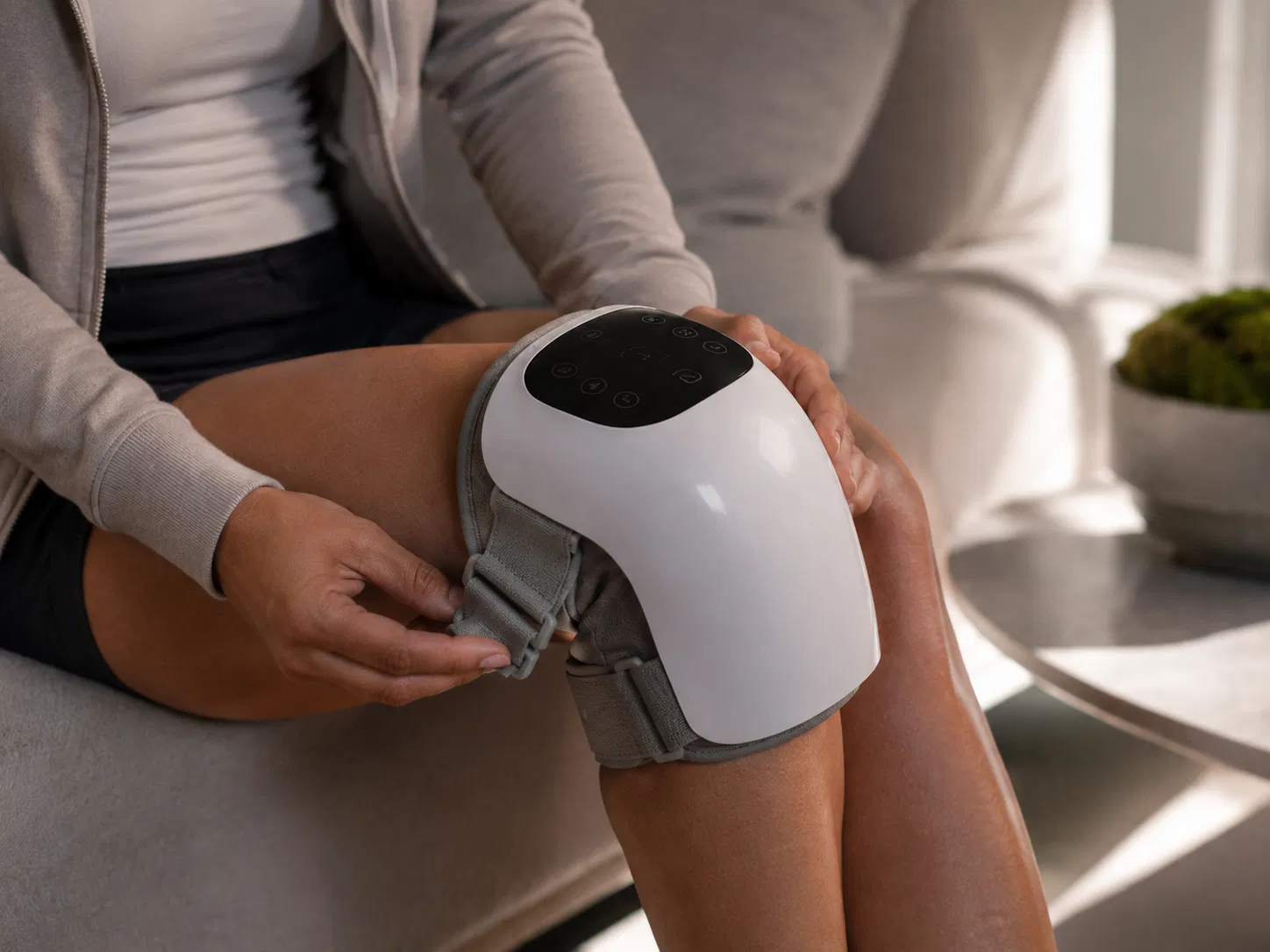
At-Home Supportive Tools Some People Explore
In addition to lifestyle habits, some people incorporate supportive tools into their daily routines. These are personal choices that vary widely in how individuals experience them.
Warmth and Infrared Options
Some at-home devices offer gentle warmth or infrared options that people use as part of their comfort routines. These tools are often used in the evening as part of wind-down rituals. Individual experiences with such options vary, and they complement rather than replace awareness of daily patterns.
Supportive Seating and Cushioning
Comfortable seating arrangements, supportive cushions, and ergonomic considerations are tools some people explore to support lower body comfort throughout the day, particularly for those who spend extended time seated.
These supportive options are personal comfort choices. They are not intended to address specific conditions and individual experiences vary widely. If you have concerns about persistent discomfort in multiple areas, professional guidance is always recommended.
Summary: Understanding Your Connected Patterns
The experience of knee discomfort lower back connection or knee discomfort and hips is very common. It reflects the reality that the lower body works as an integrated system, with daily habits, movement patterns, and lifestyle factors influencing how multiple areas feel at once.
Key takeaways include:
- The lower body coordinates during daily movement, which is why sensations often feel connected
- Sitting posture, walking patterns, standing habits, and carrying weight all influence multiple areas
- Connected sensations are often most noticeable after sitting, after activity, and at day's end
- Lifestyle factors like work routines, commuting, footwear, and surfaces play important roles
- Movement awareness and evening routines are among the habits people explore for support
Developing awareness of your personal patterns is the foundation for supporting comfort throughout your lower body. By noticing how your daily habits correlate with your sensations, you can make gentle adjustments that work for your lifestyle.
For specific back-of-knee patterns, see our back of knee pain guide. If side knee discomfort is part of your experience, explore our side knee pain comfort guide. For building a full daily support routine, see our daily knee care routine guide.
Remember that experiencing connected sensations in the lower body is extremely common and often relates to how we move through our days. A curious, supportive approach to understanding your own patterns is a positive starting point for feeling more comfortable.
Frequently Asked Questions
Why do my knees and lower back feel uncomfortable at the same time?
The lower body works as a coordinated system during daily activities. Your hips, lower back, and knees work together when you walk, stand, sit, and move. Because of this interconnection, sensations in one area often coincide with sensations in another. Daily habits like sitting posture, standing patterns, and movement throughout the day influence multiple areas at once.
Can sitting for long periods cause connected lower body discomfort?
Extended sitting is one of the most commonly mentioned factors in connected lower body sensations. When seated, your hips are flexed, your lower back supports your upper body, and your knees remain bent. Many people notice that rising from extended sitting is when connected sensations in the knees, hips, and lower back are most apparent.
Why does lower body discomfort feel worse in the evening?
Evenings are when many people notice lower body sensations most. The day's cumulative activity and demands have added up, and as your body winds down, sensations that were masked during active periods become more apparent. This timing pattern is very common for connected knee and lower body sensations.
Do footwear choices affect knee and lower body comfort?
Yes, many people notice correlations between their footwear and how their lower body feels. The shoes you wear influence how your knees, hips, and lower back respond to walking and standing throughout the day. Different footwear on different surfaces can contribute to varying sensations in connected areas of the lower body.