If you've ever searched for "what causes knee pain in females," you're part of a growing number of people curious about why knee discomfort seems to feel different depending on who you are. While medical explanations exist, many of the differences people notice come down to everyday lifestyle patterns, daily routines, and habitual behaviors.
This guide focuses exclusively on these observable, everyday factors. Rather than exploring clinical causes, we'll look at the common daily patterns that women and men report experiencing differently, and how these lifestyle habits might influence overall knee comfort.
Understanding these patterns can help you become more aware of your own habits and potentially identify areas where small adjustments might support your daily comfort.
Why People Notice Differences in Knee Discomfort Between Women and Men
When people compare experiences with knee comfort, they often notice that women and men describe their discomfort differently. These differences frequently relate to lifestyle factors rather than anything inherently different about knees themselves.
Expectations vs. Reality
Many people expect that knee discomfort would feel similar regardless of who experiences it. The reality is that our daily routines, work environments, and habitual movements vary significantly between individuals, and these variations often correlate with gender-based lifestyle patterns.
This doesn't mean one group experiences more or less discomfort. It simply means that the patterns, timing, and circumstances of discomfort often differ based on daily life differences.
Lifestyle Shapes Experience
How we spend our days significantly influences how our bodies feel. Daily movement patterns, work demands, caregiving responsibilities, and recreational activities all contribute to the overall picture of joint comfort.
The Role of Daily Movement and Workload
Daily movement patterns often differ between women and men, not because of any inherent difference, but because of social roles, work environments, and lifestyle choices that tend to vary by gender.
Some people spend more time in standing positions, others in seated positions. Some engage in heavy physical labor, while others perform repetitive lighter movements throughout the day. These accumulated daily patterns influence how knees feel over time.
Common Daily Patterns Women Often Report
Many women describe certain daily patterns that seem to influence their knee comfort. These observations come from common lifestyle factors rather than any clinical explanation.
Standing for Extended Periods
Many women report spending significant time standing, whether at work, while cooking, during childcare activities, or while managing household tasks. Extended standing, particularly on hard surfaces, is commonly associated with increased awareness of knee discomfort by day's end.
Sitting Positions
Some people notice that sitting positions like cross-legged sitting or tucking legs under while seated can influence how knees feel afterward. These positions, which some women report using more frequently, may affect comfort during transitions from sitting to standing.
Caregiving and Household Activities
Tasks like lifting children, bending to clean, carrying groceries, and other caregiving activities often involve repetitive knee movements. Many women who perform these tasks regularly notice patterns in their knee comfort related to the intensity and frequency of these activities.
✓ Common Patterns Women Report
- •Extended standing during daily tasks and work
- •Frequent bending and lifting during caregiving
- •Footwear choices that may offer less support
- •Cross-legged or tucked sitting positions
- •Increased sensitivity during certain times of the month
Footwear Habits
Footwear choices often differ between women and men, with some styles offering less cushioning or support than others. Many women report noticing connections between their footwear choices and end-of-day knee comfort, particularly with fashion-oriented shoes or very flat styles.
Monthly Sensitivity Patterns
Some women notice that their knee comfort seems to vary throughout the month, with certain periods feeling more sensitive than others. While we won't explore medical explanations, this is a commonly reported observation that many women recognize in their own experience.
Daily Patterns Men Commonly Experience
Men also report distinct patterns in their knee comfort that often relate to lifestyle factors and daily habits typical to their routines.
Physical Work and Lifting
Many men engage in work or hobbies that involve heavy lifting, carrying, or physical labor. These activities place specific demands on knees that can influence comfort patterns, particularly when performed repeatedly or without adequate preparation.
High-Impact Activities
Sports and recreational activities like running, basketball, soccer, and other high-impact pursuits are commonly reported by men. These activities involve significant knee stress and often correlate with specific patterns of post-activity discomfort.
Extended Office Sitting
Many men report long periods of desk-based work with limited movement throughout the day. This prolonged sitting, often with less attention to posture or movement breaks, is commonly associated with stiffness and discomfort when finally standing or moving.
Limited Warm-Up Habits
Some people notice that men tend to jump into physical activities with less preparation or warm-up compared to women. This pattern can influence how knees respond to sudden demands after periods of inactivity.
Shared Patterns Both Groups Experience
While differences exist, many knee comfort patterns are universal and experienced similarly regardless of gender. These shared patterns reflect common modern lifestyle factors.
Prolonged Sitting and Stiffness
Extended sitting is nearly universal in modern life, and almost everyone reports increased knee stiffness after long periods without movement. Whether at work, during commutes, or while relaxing, prolonged sitting affects knee comfort across all groups.
Stair Climbing
Frequent stair use is commonly associated with knee awareness. Both ascending and descending stairs places specific demands on knees, and many people notice this activity more than flat walking.
✓ Universal Comfort Patterns
- •Stiffness after prolonged sitting periods
- •Increased awareness when climbing stairs
- •Sensitivity to cold weather and temperature changes
- •Evening fatigue after active days
- •Morning stiffness that eases with movement
Weather Sensitivity
Cold weather commonly influences knee comfort for people of all backgrounds. Many report increased stiffness or sensitivity during cold seasons or when temperatures drop suddenly.
Evening Fatigue and Morning Patterns
After active days, most people notice their knees feel more tired by evening. Similarly, morning stiffness that gradually eases with movement is a nearly universal experience that transcends gender differences.
How Lifestyle and Environment Shape Knee Comfort
Beyond individual habits, environmental factors play significant roles in knee comfort patterns. These factors often differ based on work environments and living situations.
Surface Differences
Standing or walking on hard surfaces like concrete floors affects knees differently than softer surfaces found in carpeted homes. People who spend significant time on hard surfaces often report more end-of-day discomfort compared to those primarily on softer ground.
Work Intensity Variations
The physical demands of different occupations create varying knee comfort patterns. Highly physical jobs, standing-intensive work, and sedentary desk positions each influence knees differently over time.
Weekend vs. Weekday Patterns
Many people notice different comfort patterns on weekends compared to weekdays. Activity bursts during weekend projects or recreation, following sedentary weekdays, sometimes create noticeable changes in knee comfort.
Simple Habits People Use for Daily Knee Comfort
Regardless of gender-specific patterns, many simple habits support daily knee comfort. These are observations of what people commonly incorporate into their routines.
Gentle Evening Routines
Many people develop calming evening habits that help their bodies transition toward rest. This might include gentle movement, comfortable positioning, or simply taking time to relax and allow the day's accumulated tension to ease.
Light Movement Throughout the Day
Taking brief movement breaks, walking short distances, and avoiding prolonged static positions are habits many people find supportive. These don't need to be formal exercise; simply changing positions and moving naturally throughout the day often helps.
Warmth-Based Routines
Applying gentle warmth is a comfort habit many people use regularly. This might include warm showers, warm compresses, or simply spending time in warm environments. The soothing quality of warmth is universally appreciated.
Supportive Environments
Creating comfortable spaces for resting, with supportive pillows, soft blankets, and appropriate seating, helps many people manage their daily comfort. Small environmental adjustments often make meaningful differences.
At-Home Supportive Tools Some People Explore
Some people incorporate at-home tools into their comfort routines. These are presented simply as options that exist, reflecting what people commonly explore.
Warmth and Infrared Devices
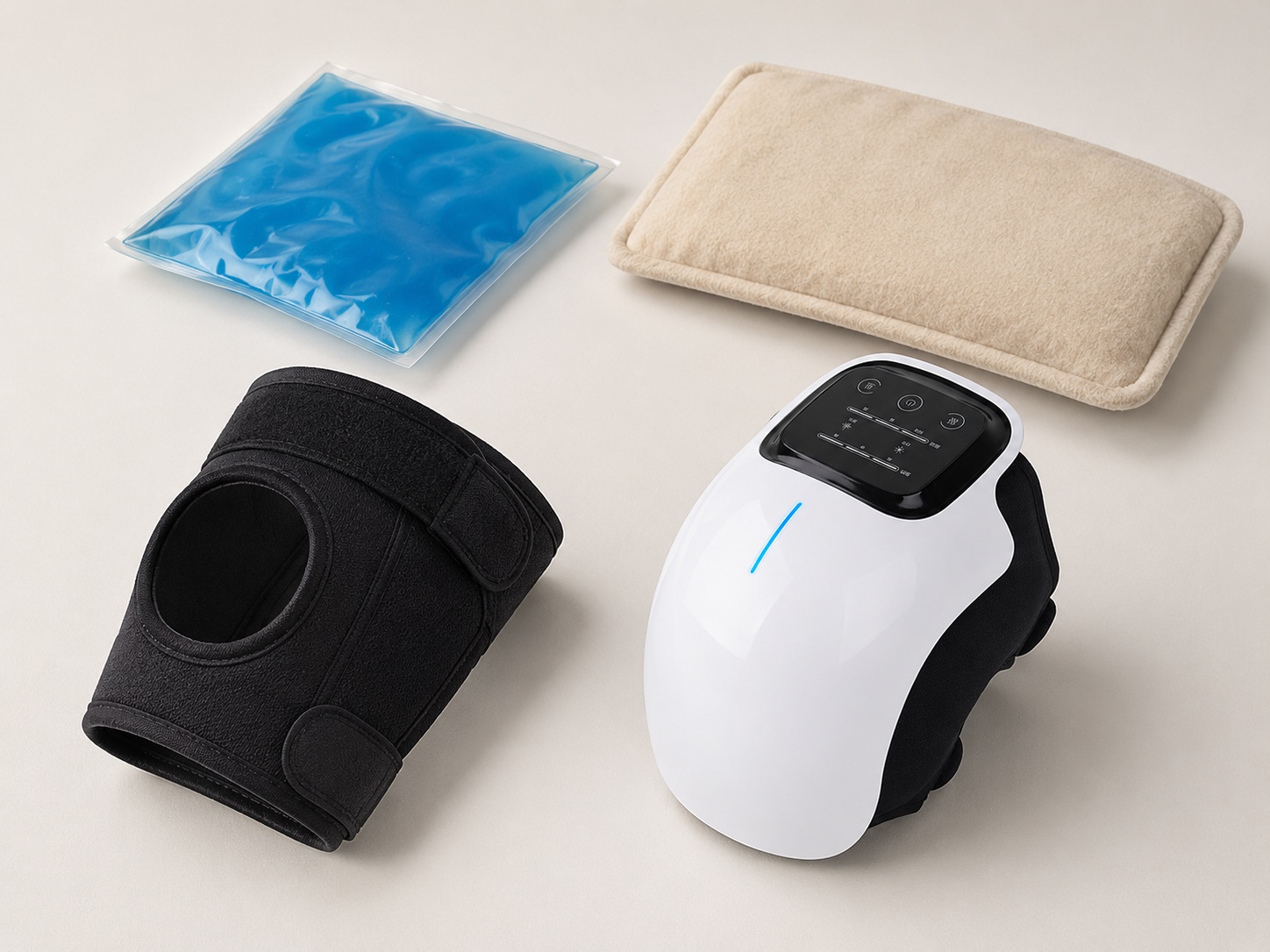
Some people use warmth-based devices at home, including those that offer gentle infrared warmth. These devices provide comforting sensations that many people find pleasant, particularly during evening relaxation or as part of morning routines.
Individual experiences with these devices vary. They're typically used as part of broader comfort routines rather than as standalone solutions, and what feels helpful for one person may not suit another.
Summary: Understanding Your Personal Patterns
When people search for what causes knee pain in females compared to males, they're often noticing real differences in how knee discomfort is experienced. These differences frequently stem from lifestyle patterns, daily habits, and environmental factors rather than anything fundamentally different about knees.
Understanding your own patterns, whether they align with common gender-based observations or not, provides valuable insight for supporting your daily comfort. Pay attention to which activities, positions, environments, and times of day seem to influence how your knees feel.
For practical daily habit ideas, see our daily knee care routine guide. If footwear is a factor, our guide on running shoes and knee pain explores the shoe-comfort connection. For warmth-based approaches, explore our warmth for daily knee comfort guide.
Small, consistent habits often make the biggest difference in daily comfort. Whether it's taking movement breaks, adjusting footwear choices, incorporating warmth into your routine, or creating supportive environments, gentle experimentation can help you discover what works best for your individual needs.
Frequently Asked Questions
Why do some women feel discomfort during certain times of the month?
Many women report noticing variations in their knee comfort throughout the month. While we can't explain the medical reasons, this is a commonly observed pattern that many women recognize. Being aware of these personal patterns can help with planning activities and comfort routines.
Do footwear choices affect knee comfort?
Many people notice connections between their footwear and how their knees feel. Shoes with limited cushioning, very flat soles, or those that change natural posture may influence end-of-day comfort. Experimenting with supportive footwear is something many people find helpful.
Why does sitting for long periods make knees feel stiff?
Extended periods in the same position can lead to feelings of stiffness when you finally move. This is a nearly universal experience regardless of gender. Taking brief movement breaks throughout seated periods is a common habit people use to address this pattern.
Why does cold weather affect knee comfort?
Many people report increased knee sensitivity during cold weather. This is a commonly observed pattern that affects people of all backgrounds. Keeping warm, wearing appropriate layers, and using warmth-based comfort routines are approaches many people use during colder seasons.