If you've ever typed "how to fix knee pain" into a search engine, you're not alone. This is one of the most common searches related to knee comfort, reflecting a widespread desire for practical solutions to everyday discomfort. But what do people actually mean when they search for this phrase?
In most cases, people aren't looking for complex procedures or clinical interventions. They're seeking understanding of why their knees feel uncomfortable and what simple changes might help them feel more comfortable day to day.
This guide reframes the concept of "fixing" knee discomfort toward something more realistic and sustainable: understanding your daily patterns, developing supportive habits, and creating an environment that promotes everyday comfort. For simple, practical home-based approaches you can start today, see our guide on home remedies for knee pain. To understand what causes knee discomfort in the first place, see our complete guide to knee pain causes.
Why People Search "How to Fix Knee Pain"
The word "fix" suggests something is broken and needs repair. But for most people experiencing knee discomfort, the situation is far more nuanced than that. Daily discomfort often reflects patterns, habits, and environments rather than a single problem requiring a single solution.
Expectations vs. Reality
Many people expect that somewhere out there exists a quick solution that will eliminate their knee discomfort entirely. The reality is usually different. Knee comfort tends to respond to consistent daily habits rather than one-time interventions.
This doesn't mean improvement isn't possible. It means that sustainable comfort often comes from understanding your body's patterns and making gentle adjustments over time.
Reframing 'Fix'
Rather than thinking about "fixing" something broken, consider that your knees are complex, hardworking joints that respond to how you treat them daily. Supporting them with good habits isn't about repair; it's about creating conditions for comfort.
Why Knee Discomfort Feels Confusing
Knee discomfort can feel unpredictable. Some days feel better than others without any obvious explanation. This inconsistency often leads people to search for answers, hoping to find some insight that explains the pattern.
The truth is that many factors influence how your knees feel: activity levels, rest quality, weather, stress, posture, and daily movement patterns all play roles. Understanding this complexity is the first step toward meaningful improvement.
Common Daily Patterns That Affect Knee Comfort
Before exploring supportive habits, it helps to understand which daily patterns typically influence how your knees feel. Recognizing these patterns in your own life can provide valuable insight.
Morning Stiffness
Many people notice their knees feel stiff when they first wake up. After hours of relative stillness during sleep, joints naturally feel less fluid. This morning stiffness typically eases with gentle movement and is a normal experience for many adults.
Activity Level Throughout the Day
Both too much and too little activity can affect knee comfort. Extended periods of sitting can lead to stiffness, while overexertion may leave knees feeling tired by day's end. Finding your personal balance matters more than following generic guidelines.
Prolonged Sitting and Standing
Our modern lifestyles often involve long periods in the same position. Whether you work at a desk, commute in a car, or stand for extended periods, these sustained postures can influence how your knees feel.
✓ Common Daily Comfort Factors
- •Movement frequency: Taking brief movement breaks throughout the day
- •Footwear choices: Wearing supportive, comfortable shoes
- •Seating ergonomics: Chair height and leg positioning while seated
- •Stair usage: The way you approach stairs and the frequency
- •Sleep position: How you rest your legs during sleep
Footwear and Surfaces
The shoes you wear and the surfaces you walk on create the foundation for knee comfort. Worn-out shoes, unsupportive footwear, or frequent walking on hard surfaces can all influence how your knees feel over time.
Gentle Habits People Use to Support Daily Comfort
Rather than dramatic changes, most people find that small, consistent habits provide the most sustainable support for daily knee comfort. These aren't prescriptive solutions but rather observations of what many people incorporate into their routines.
Warmth-Based Routines
Many people find that gentle warmth helps their knees feel more comfortable. This might include warm showers in the morning, applying a warm compress before activities, or using warmth during evening relaxation time. The soothing quality of warmth is something most people find comforting.
Light Movement and Stretching
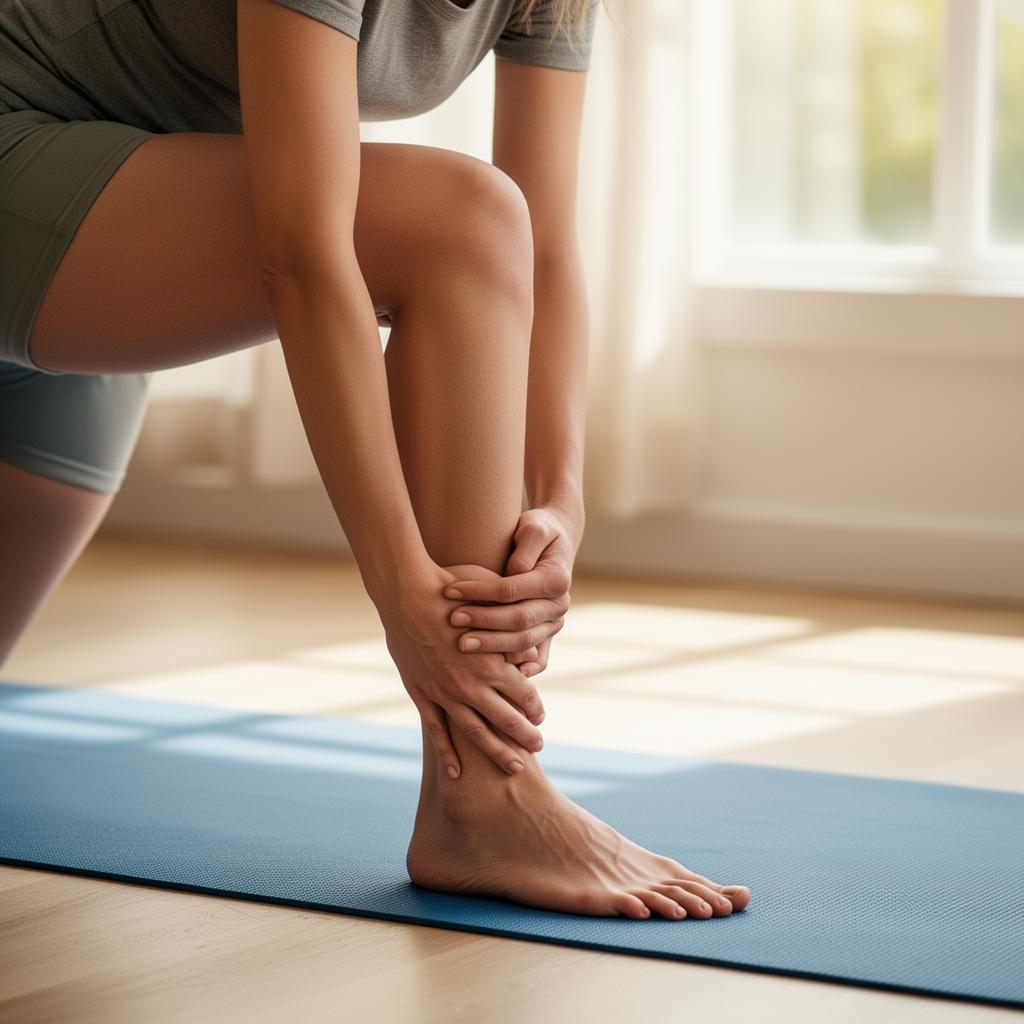
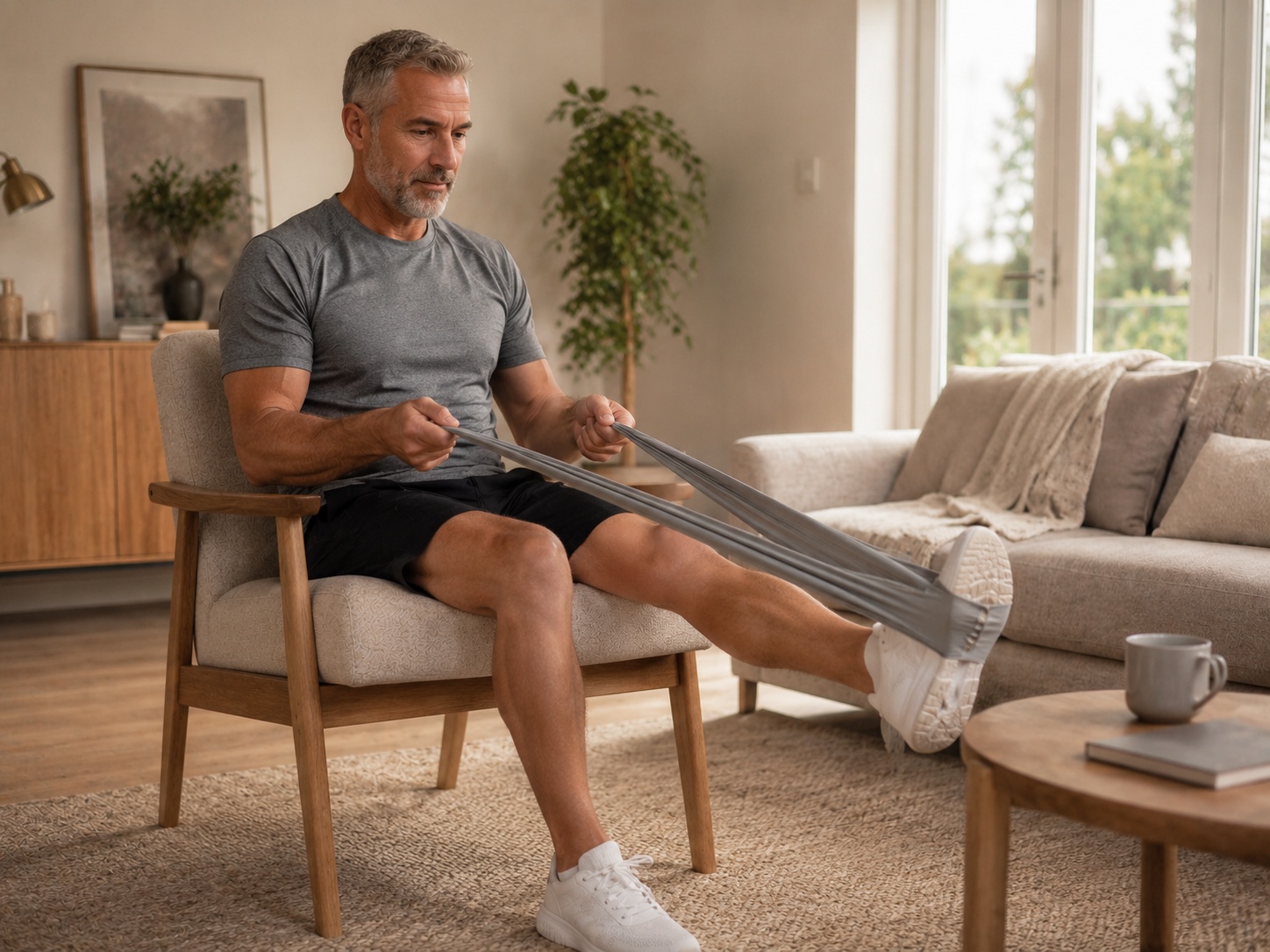
Gentle movement keeps joints from feeling stiff and can help maintain a sense of fluidity throughout the day. This doesn't mean intense exercise; for many people, simple walking, gentle stretching, or light activity is sufficient.
The goal isn't pushing through discomfort but rather maintaining comfortable, natural movement patterns that support overall wellbeing.
Evening Wind-Down Habits
The end of the day often brings accumulated tension and fatigue. Many people develop evening routines that help their bodies transition toward rest. This might include gentle movement, warmth application, comfortable positioning, or simply taking time to relax.
Consistency Over Intensity
When it comes to supportive habits, consistency matters more than intensity. Small daily practices tend to produce better long-term results than occasional dramatic efforts. The best routine is one you can maintain without stress.
Supportive Environments
Your physical environment influences comfort in subtle ways. Comfortable seating, supportive bedding, appropriate room temperatures, and access to movement space all contribute to how your body feels throughout the day.
What "Fixing Knee Pain" Means in Real Life
So what does it actually mean to "fix" knee discomfort in practical terms? For most people, it involves several interconnected elements rather than a single solution.
Understanding Your Patterns
The first step is observation. When does your knee discomfort tend to be worse? When does it feel better? What activities or circumstances seem to influence your comfort level? This understanding forms the foundation for meaningful adjustments.
Adjusting Daily Routines
Once you understand your patterns, you can make informed adjustments. Perhaps you need more movement breaks during your workday. Maybe your evening routine could include some gentle stretching. These personalized adjustments are more valuable than generic advice.
✓ Building Supportive Daily Habits
- •Start with small, manageable changes that feel sustainable
- •Focus on consistency rather than perfection
- •Pay attention to what feels good for your body specifically
- •Create environmental supports that make good habits easier
- •Be patient: meaningful change often happens gradually
Creating Supportive Habits
Sustainable comfort comes from habits that become natural parts of your daily routine. The best habits are ones you barely think about because they've become automatic. This might mean always standing up and moving after an hour of sitting, or incorporating warmth into your morning routine.
Optional Supportive Tools
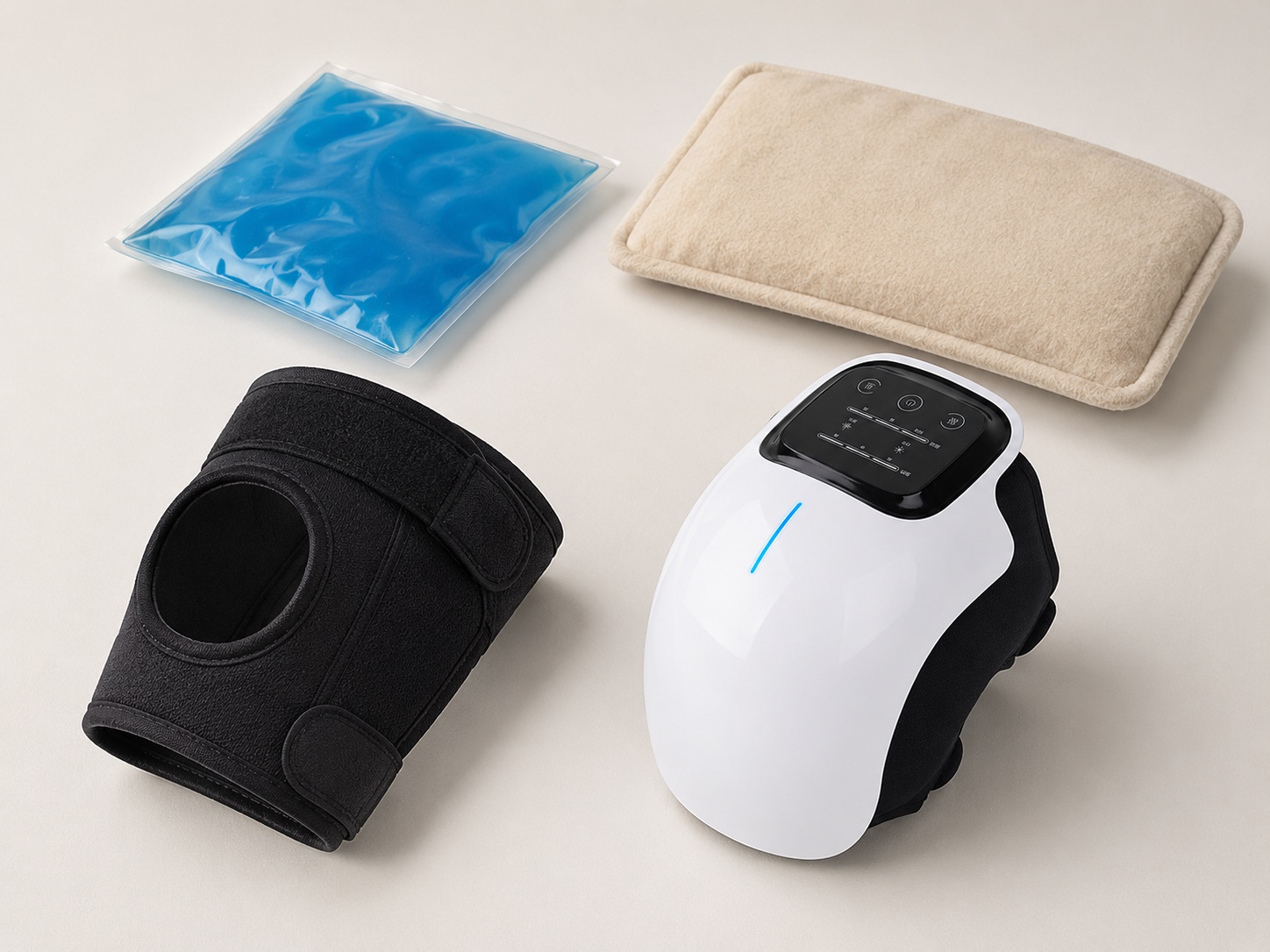
Some people find that at-home tools support their comfort routines. These might include comfortable seating, supportive footwear, or warmth-based devices. These are entirely optional additions that some people find helpful as part of their overall approach.
Supportive At-Home Options People Commonly Explore
While daily habits form the foundation of knee comfort, some people also incorporate supportive tools into their routines. These are presented simply as options that exist, not recommendations.
Warmth and Infrared Devices
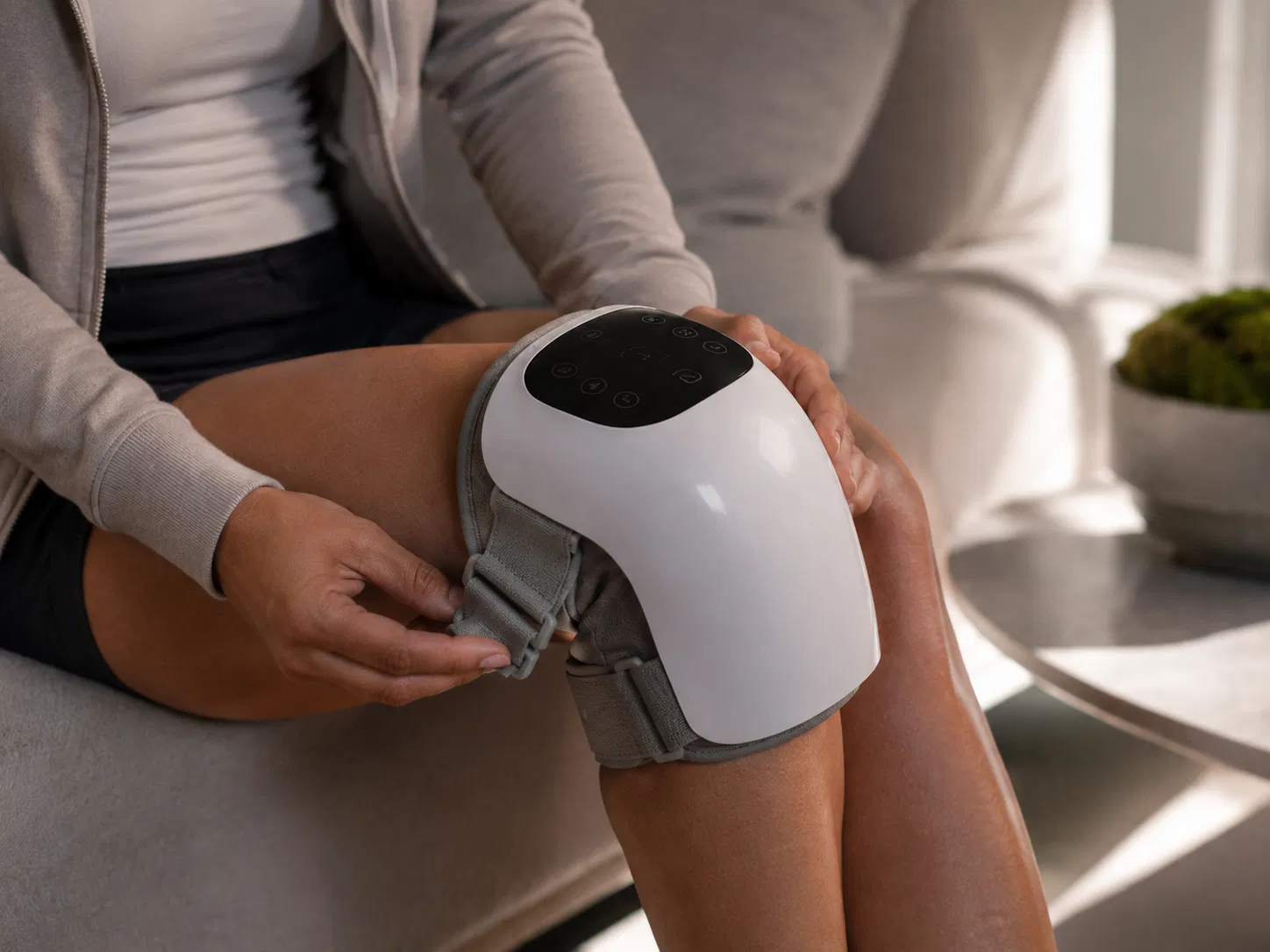
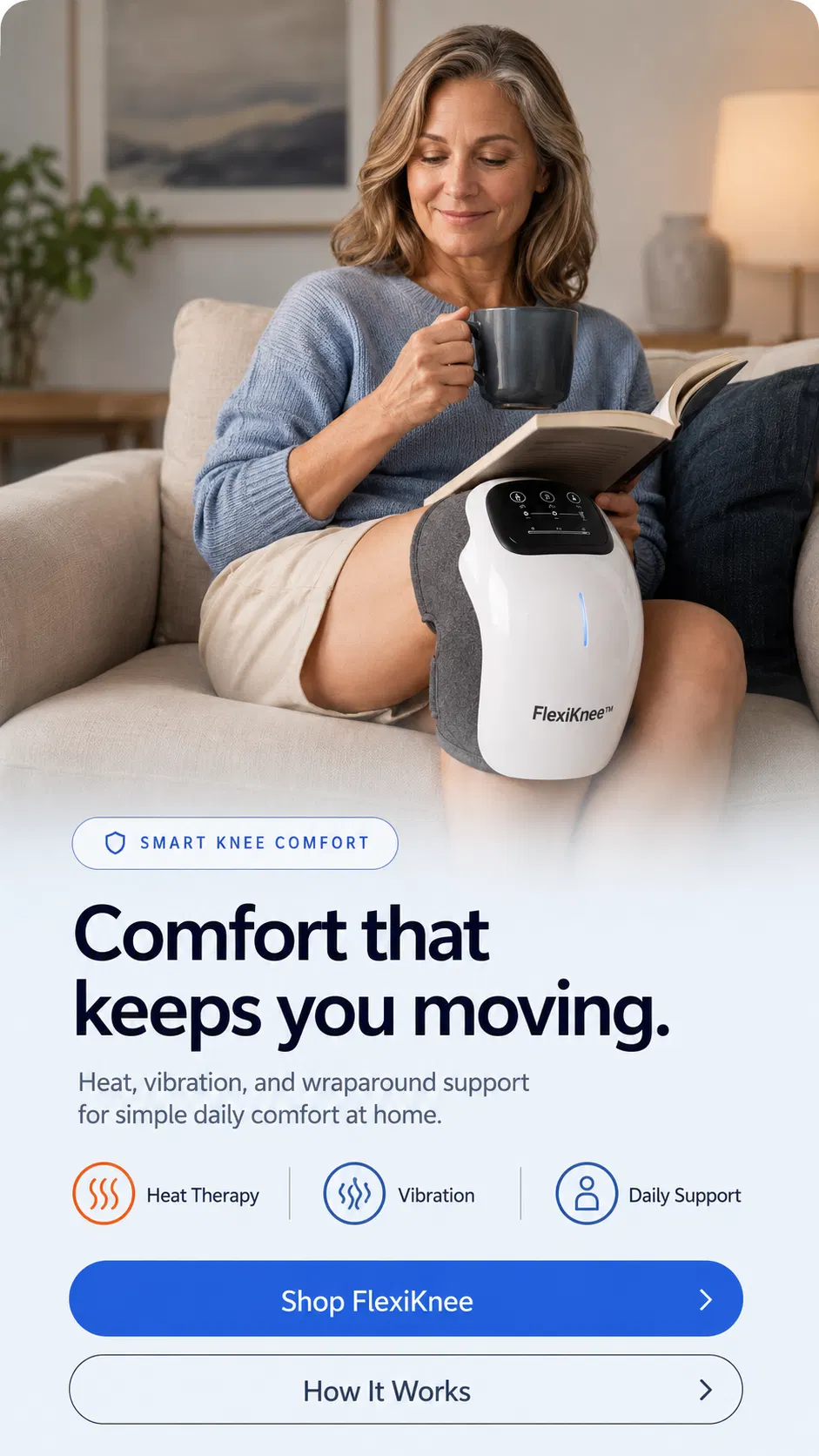
Some people use warmth-based devices at home, including those that incorporate gentle infrared technology. These devices provide soothing warmth that many people find comfortable, particularly during evening relaxation or morning routines.
It's worth noting that these devices are simply tools that provide comfortable sensations. They're typically used as part of broader comfort routines rather than standalone solutions. Individual experiences vary, and what works for one person may not suit another.
Other At-Home Supports
Beyond warmth devices, people explore various at-home supports: comfortable pillows for leg positioning, supportive seating, cushioned mats for standing, and appropriate footwear. These environmental adjustments can contribute to overall daily comfort.
Summary: Comfort Through Understanding and Habits
When people search for "how to fix knee pain," they're usually seeking practical understanding and everyday solutions. The good news is that knee comfort is often responsive to daily habits and environmental adjustments.
Rather than looking for a single solution, consider developing a collection of supportive habits: movement throughout the day, appropriate rest, comfortable environments, and perhaps some at-home tools that feel right for you.
For structured daily habit ideas, see our daily knee comfort routine guide. If you're experiencing sharp or intermittent pain, our sharp knee pain guide explores common patterns. For understanding whether heat or cold fits your situation, see our heat or ice guide. Strengthening exercises also play a key role. Explore how to strengthen your knees.
The most effective approaches tend to be sustainable ones. Small, consistent daily habits often produce better long-term results than dramatic short-term efforts. Pay attention to what your body tells you, make gradual adjustments, and be patient with the process.
Remember that experiencing some knee discomfort is a normal part of life for many adults. The goal isn't perfection but rather creating conditions that support your overall comfort and wellbeing. With attention to your daily patterns and gentle, consistent habits, meaningful improvement is often possible.
Frequently Asked Questions
What does 'fixing' knee pain actually mean?
For most people, 'fixing' knee discomfort means understanding daily patterns and developing supportive habits rather than finding a single cure. Sustainable comfort typically comes from consistent daily practices, environmental adjustments, and attention to what influences how your knees feel.
What daily habits help with knee comfort?
Common supportive habits include regular movement throughout the day, warmth-based routines, comfortable footwear, appropriate rest, and creating supportive environments. The most effective habits are ones you can maintain consistently as natural parts of your daily routine.
Why do my knees feel uncomfortable some days but not others?
Many factors influence daily knee comfort: activity levels, rest quality, weather conditions, stress, seating posture, footwear choices, and more. This variability is normal and understanding your personal patterns can help you make adjustments that support consistent comfort.
Can at-home devices help with knee comfort?
Some people find that warmth-based devices and other at-home tools support their comfort routines. These are typically used as part of broader daily habits rather than standalone solutions. Individual experiences vary, so what works for one person may differ for another.
How long does it take to notice improvement in knee comfort?
Meaningful changes in comfort patterns often develop gradually over weeks of consistent habits rather than overnight. Small, sustainable daily practices tend to produce better long-term results than dramatic short-term efforts. Patience and consistency are typically more valuable than intensity.