If you have ever searched for ways to help your knees feel better without leaving the house, you are not alone. Home remedies for knee pain are among the most searched health topics, and for good reason. Many people experience everyday knee discomfort that does not require professional intervention but still affects how they move, sleep, and go about their day. For a broader view of building comfort habits into your routine, our guide on knee pain treatment through daily habits explores how small, consistent changes add up.
This guide is not about exercise routines or workout-specific recovery. For those topics, see our guides on exercises to relieve knee pain at home and best knee pain exercises for strength and mobility. If you want to understand the bigger picture of what "fixing" knee pain means and the daily habits that genuinely help, see our guide on how to fix knee pain. This article focuses on the simple, practical things you can do at home right now to support your knee comfort.
What Causes Knee Discomfort in Everyday Life
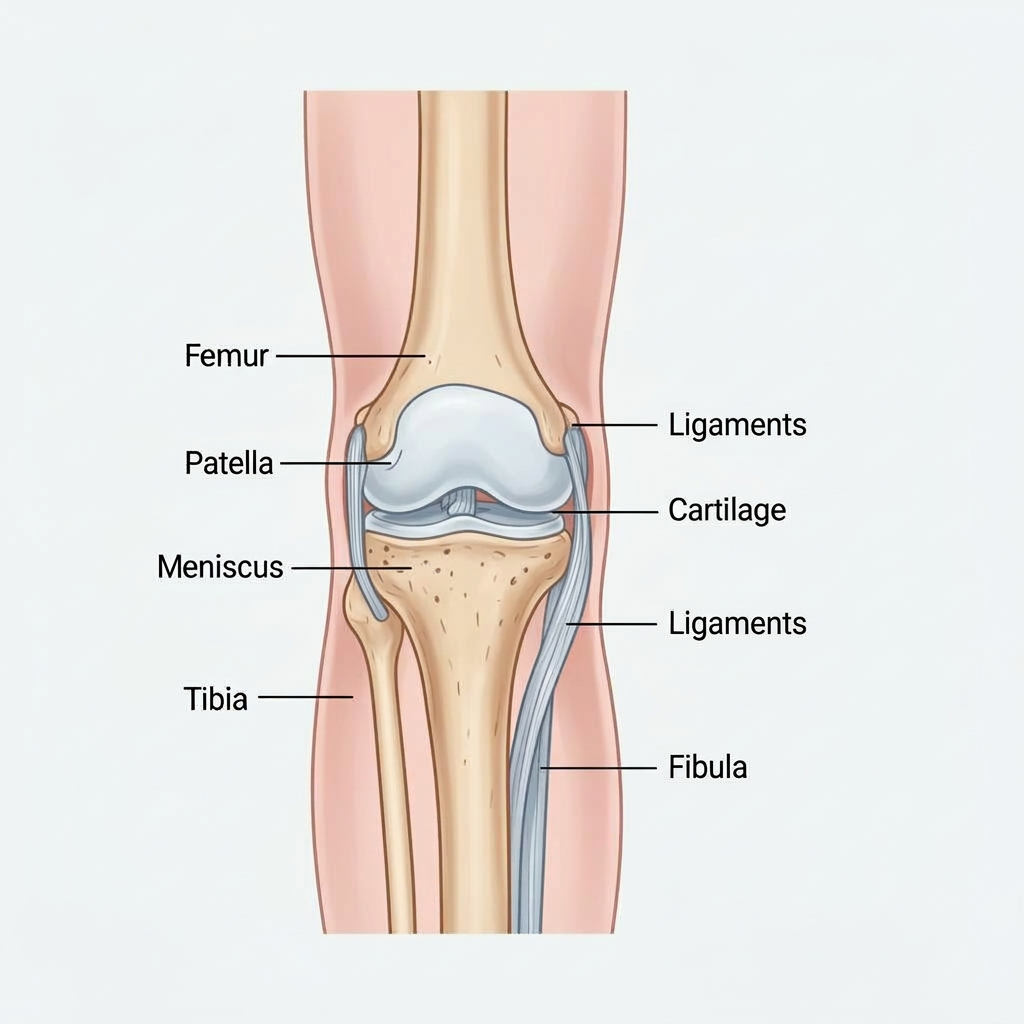
Understanding why your knees feel uncomfortable can help you choose the right home-based approaches. Knee discomfort in daily life often comes from a combination of factors rather than a single cause.
Overuse
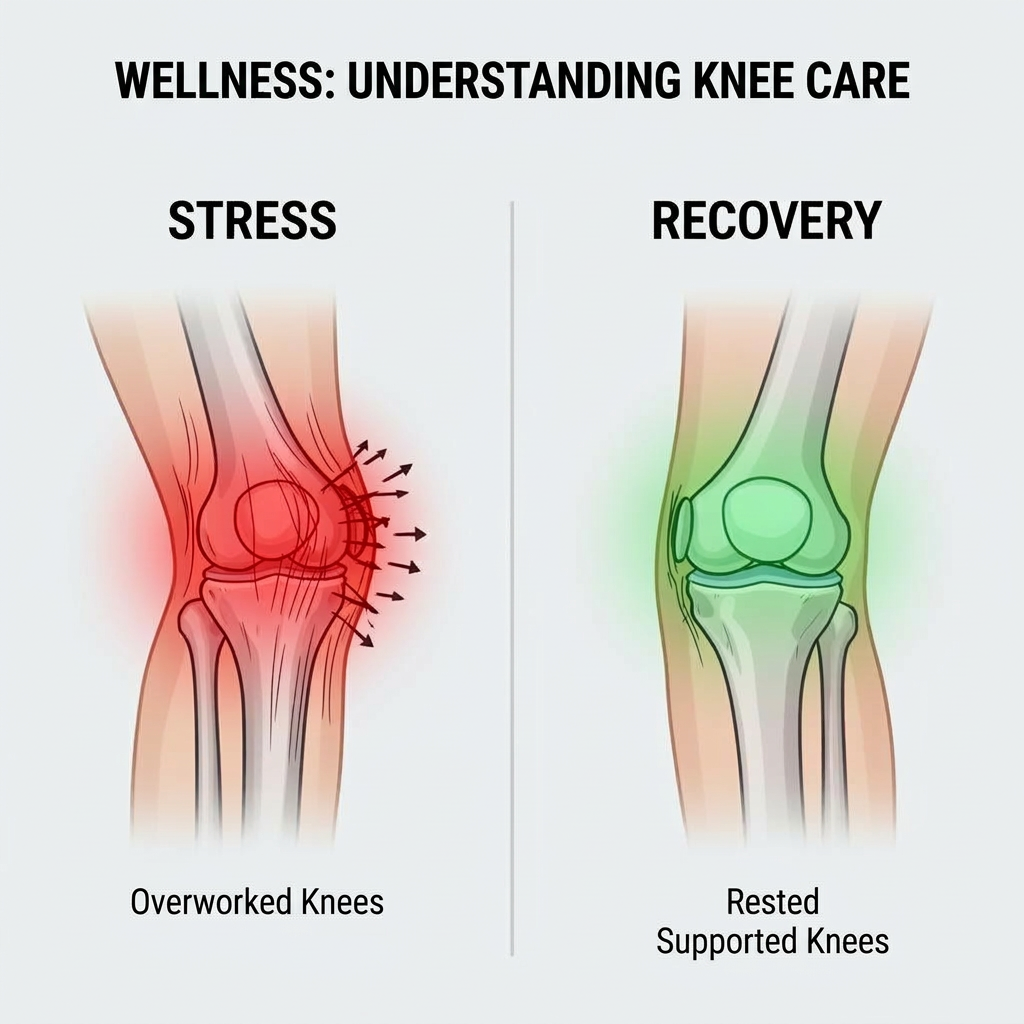
Repetitive activities like walking on hard surfaces, climbing stairs frequently, or standing for extended periods can place cumulative stress on the knee joint. Over time, this everyday wear can lead to feelings of stiffness or soreness, especially toward the end of the day.
Inactivity
On the opposite end, spending too many hours sitting without movement can also contribute to knee discomfort. When the joint stays in one position for a long time, the surrounding muscles tighten and synovial fluid (the natural lubricant inside the joint) does not circulate as effectively. This is why many people feel stiff knees after sitting for long periods.
Posture and Alignment
How you sit, stand, and walk affects the load distribution across your knee joints. Poor posture or uneven weight distribution can place extra stress on certain areas of the knee, contributing to discomfort over time. For a deeper look at how knee pain appears in different zones, see our knee pain locations explained guide.
Daily Stress on Joints
Body weight, footwear choices, the surfaces you walk on, and even how you get in and out of chairs all contribute to the daily load your knees handle. Small adjustments in these areas can make a meaningful difference in how your knees feel.
"Small daily habits can influence how your knees feel over time, especially when combined consistently."
Simple Home Remedies People Commonly Try
When it comes to knee pain home treatment, the most effective approaches tend to be simple, consistent, and easy to integrate into daily life. Here are the most commonly used natural remedies for knee pain that people try at home.
Rest and Pacing
Rest does not mean complete inactivity. It means giving your knees appropriate breaks throughout the day, especially after periods of standing, walking, or other weight-bearing activities. Pacing your activities so you alternate between movement and rest helps prevent overloading the joint.
- Take a seated break every 30 to 45 minutes during prolonged standing
- Spread household chores across the day rather than doing everything at once
- Listen to your body and pause when you notice increasing stiffness
When discomfort builds mainly during a work shift, cooking, or another long period on your feet, use the focused guide to knee pain after prolonged standing to compare standing still, floor, footwear, and break patterns.
Warm and Cold Applications
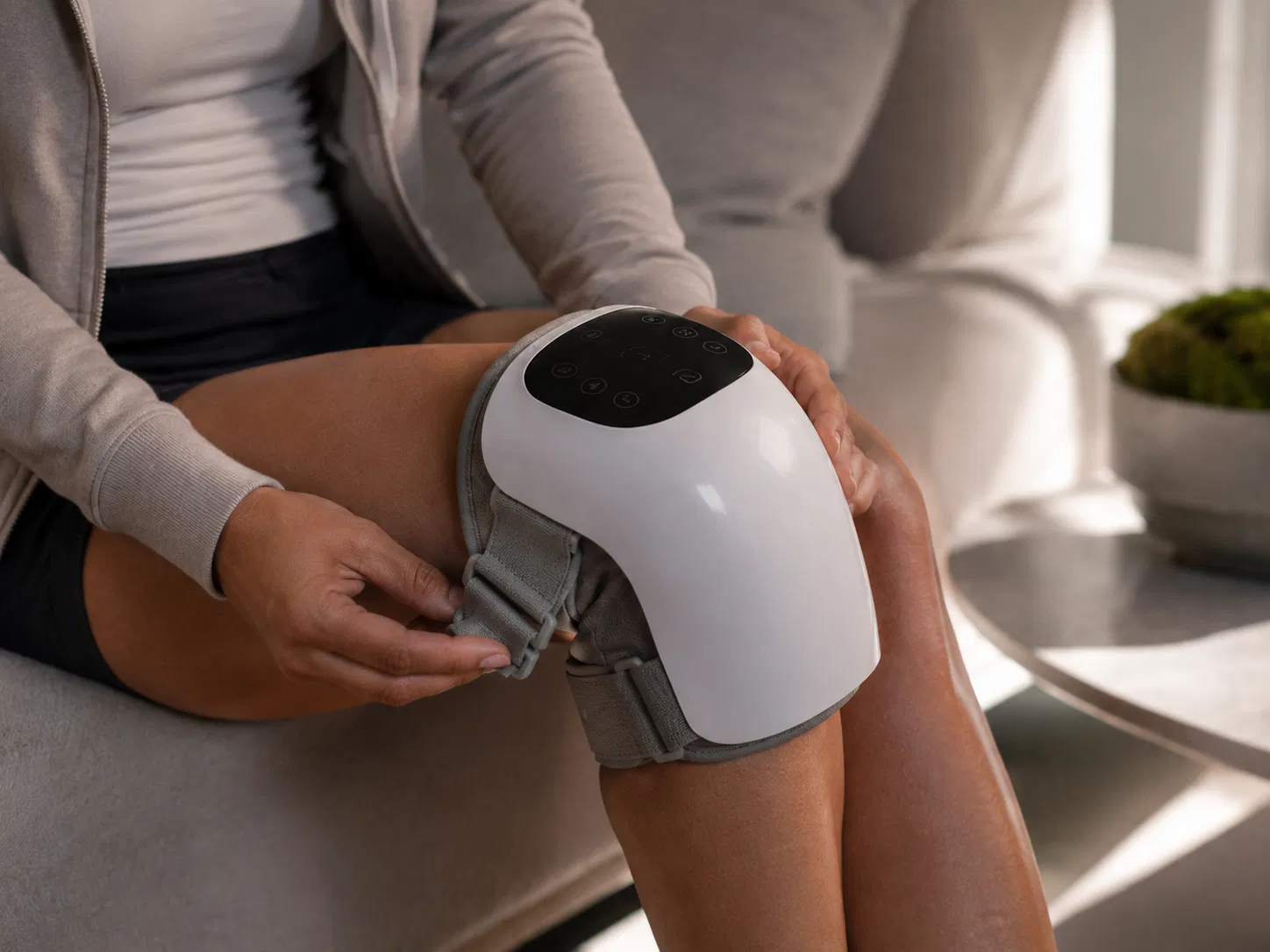
Applying warmth or cold to the knee is one of the oldest and most widely used home remedies for knee pain. Both approaches can support comfort, but they work in different ways. We will explore this in more detail in the next section.
Gentle Movement
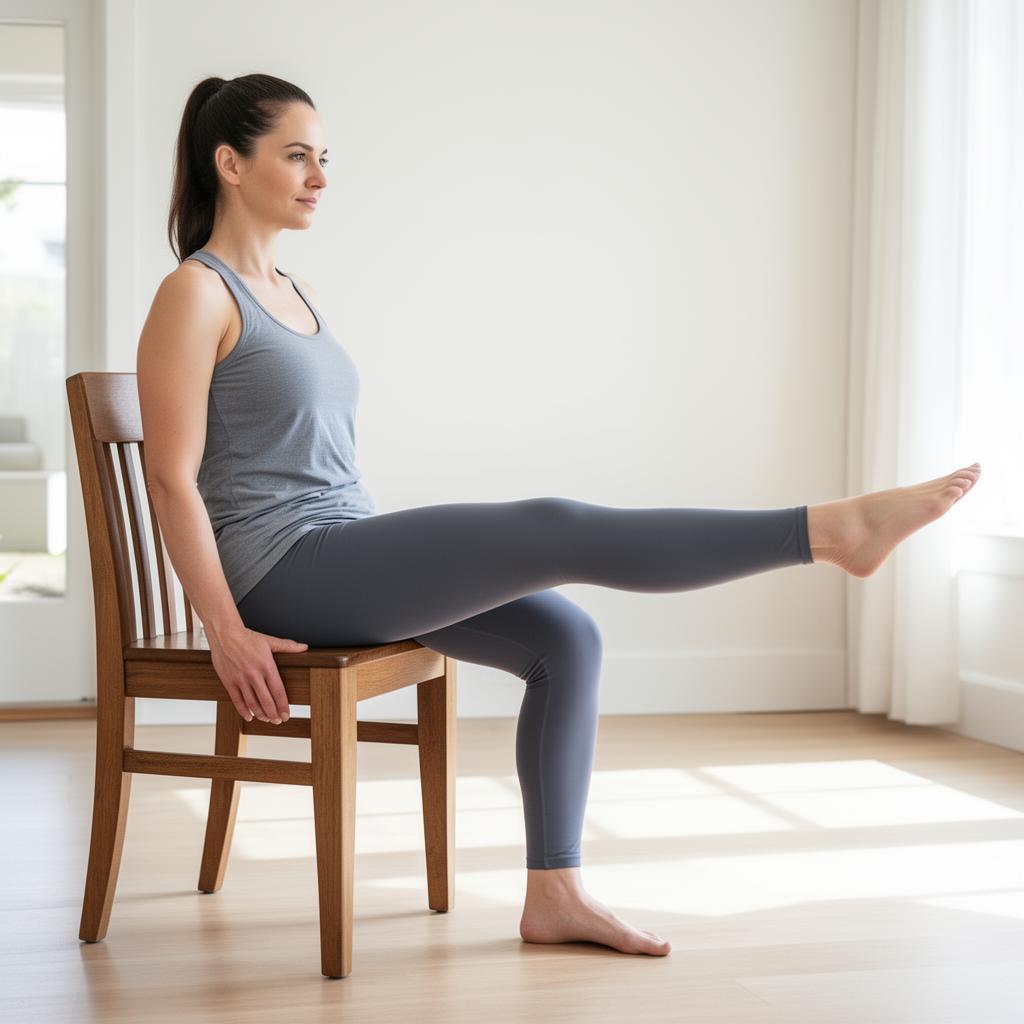
Light, low-impact movement helps keep the knee joint flexible and supports natural lubrication. This is different from structured exercise routines. Simple activities like walking slowly around the house, doing seated leg lifts, or gently bending and straightening your knee while sitting can all help.
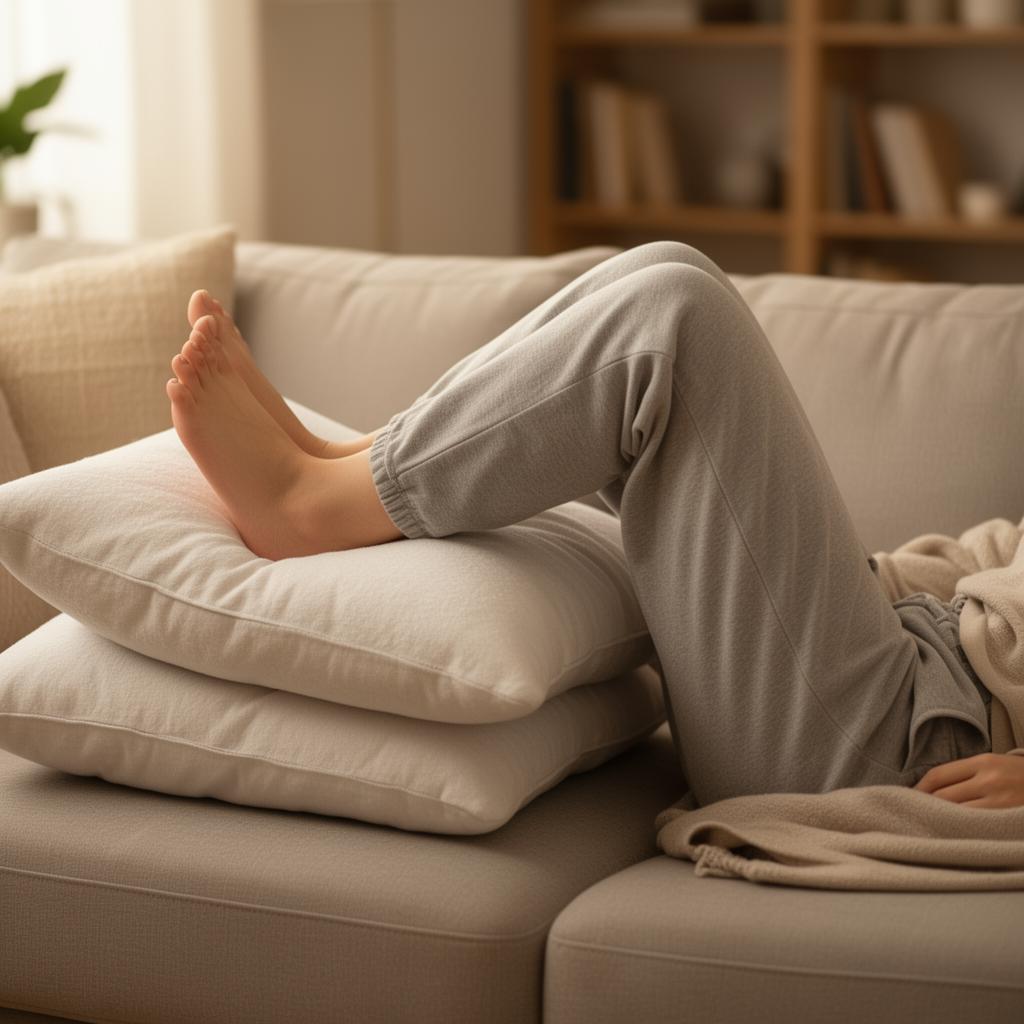
Elevation
Elevating your legs can help reduce feelings of heaviness or puffiness in the knee area. When resting, prop your leg up on a pillow so that your knee is at or slightly above heart level. This simple position can feel especially soothing after a long day on your feet.
Warm vs. Cold: Which Approach Works for What
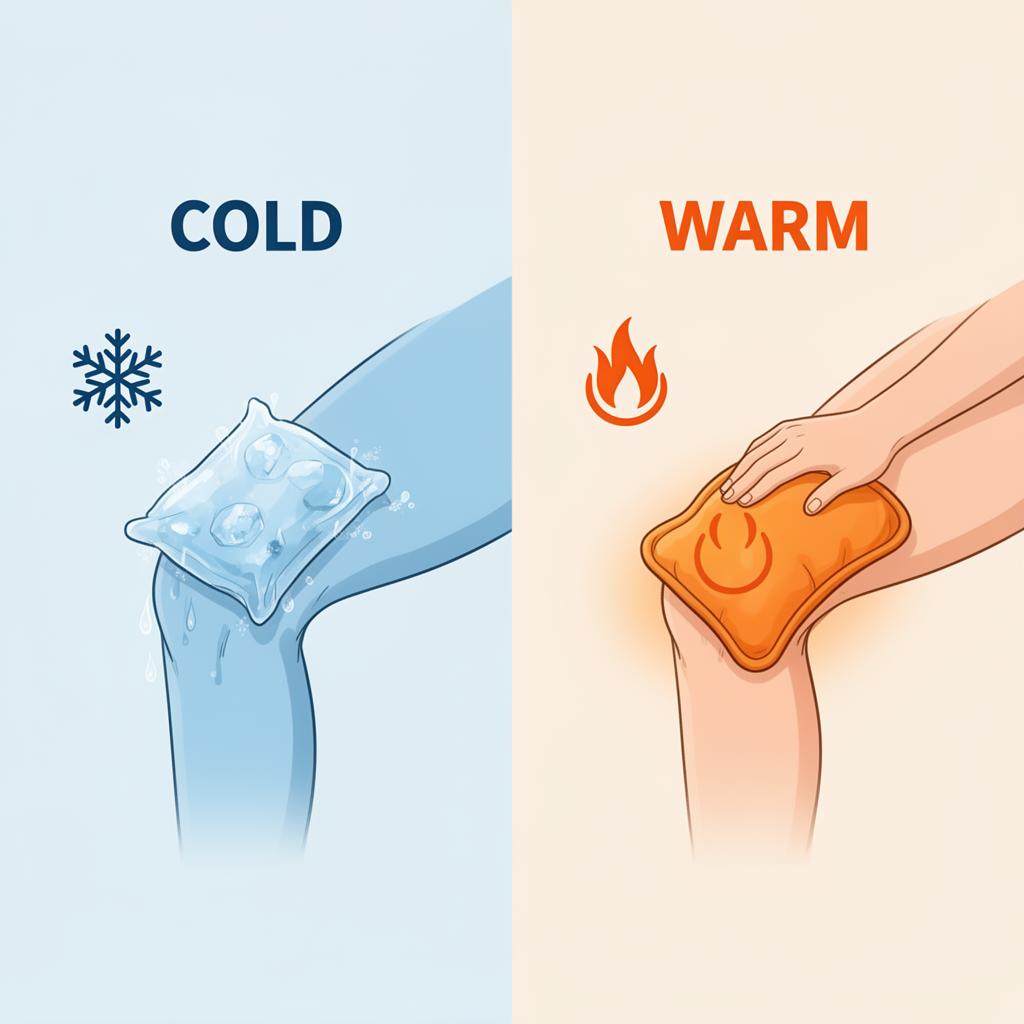
One of the most common questions about how to relieve knee pain at home is whether to use heat or cold. Both have their place, and understanding when each may be most helpful can make your home care more effective. For a more detailed exploration, see our guide on heat or ice for knee pain.
When People Prefer Warmth
- Morning stiffness or tightness in the knee
- Chronic, ongoing discomfort that feels dull or achy
- Before activity, to help the joint feel looser and more flexible
- During cold weather, when joints tend to feel stiffer
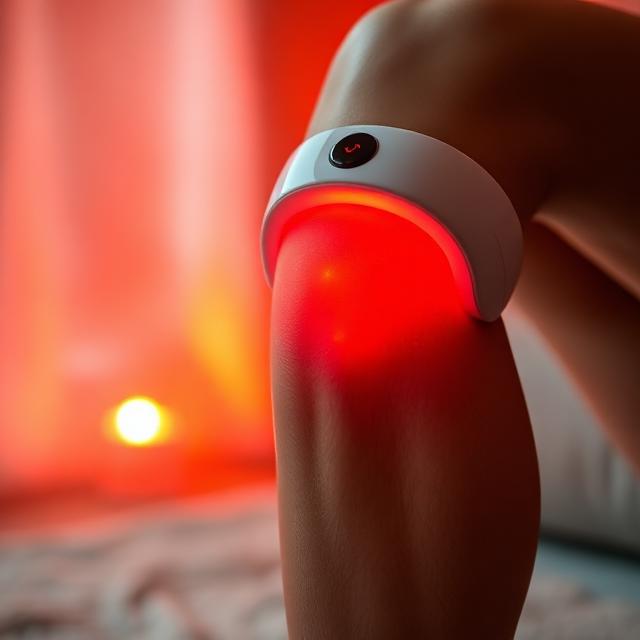
Warmth helps relax the muscles around the knee and may support blood flow to the area. A warm towel, a microwaveable heat wrap, or a warm bath can all provide this type of comfort. Many people describe the sensation as soothing and calming.
When People Prefer Cold
- After physical activity or a long walk
- When the knee area feels warm or puffy
- After bumping or jarring the knee
- During periods of increased discomfort
Cold application can help numb the area and may reduce the sensation of warmth or puffiness. A wrapped ice pack or a bag of frozen vegetables (always with a cloth barrier to protect the skin) applied for 10 to 15 minutes is a common approach.
A Practical Tip
Some people find that alternating between warm and cold works well. For example, warmth in the morning to ease stiffness and cold in the evening after a busy day. Experiment to find what feels best for your knees.
Daily Habits That May Support Knee Comfort
Beyond specific remedies, your daily habits play a large role in how your knees feel over time. How to reduce knee pain naturally often comes down to small, consistent adjustments rather than dramatic changes.
Posture Awareness
Pay attention to how you sit and stand throughout the day. When seated, keep both feet flat on the floor and avoid crossing your legs for extended periods. When standing, distribute your weight evenly between both legs. These small adjustments help reduce uneven stress on your knee joints.
Movement Breaks
If you sit for long stretches, set a reminder to stand and move briefly every 30 to 45 minutes. Even a short walk to the kitchen or a few gentle leg stretches can help keep your knees from getting stiff. This is especially important for people who work at desks or spend a lot of time in one position.
Light Stretching
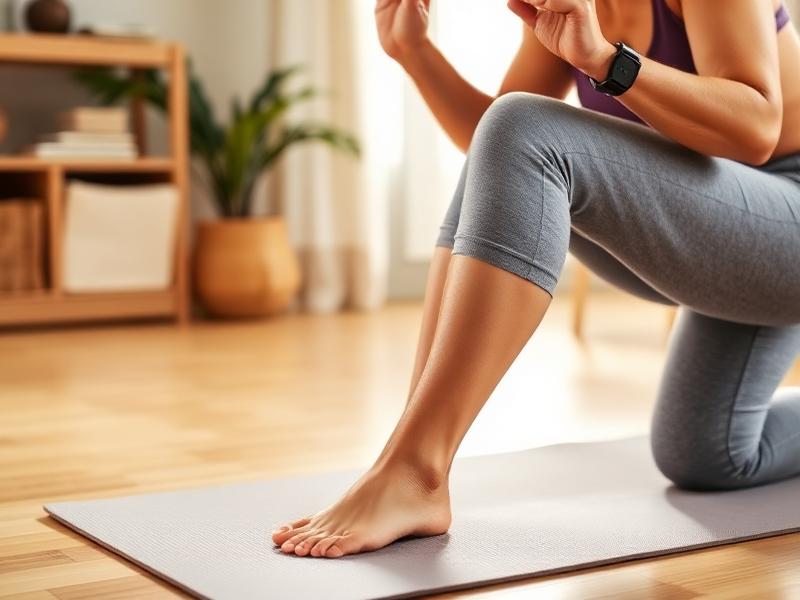
Gentle stretches for the muscles around the knee, including the quadriceps, hamstrings, and calves, can help maintain flexibility and reduce feelings of tightness. These do not need to be intense or time-consuming. Even two to three minutes of light stretching in the morning and evening can make a difference.
Avoiding Overload
Be mindful of activities that place excessive stress on your knees, especially if you are already experiencing discomfort. This might mean taking the elevator instead of stairs on particularly uncomfortable days, using a shopping cart for support, or breaking up gardening sessions into shorter intervals.
Natural Approaches People Explore
Many people look for natural remedies for knee pain that go beyond the basics. While these approaches may not work for everyone, they are commonly explored as part of a broader comfort strategy.
Gentle Massage
Massaging the muscles around the knee (not directly on the kneecap) can help reduce tension and promote a sense of relaxation. Using gentle, circular motions on the thigh muscles above the knee and the calf muscles below it can feel soothing. Some people use a small amount of natural oil or lotion to reduce friction during the massage.
Relaxation Techniques
Stress and tension can contribute to how we perceive discomfort. Practices like deep breathing, progressive muscle relaxation, or even simply sitting quietly with a warm compress on your knee can help your body shift into a more relaxed state, which may positively influence your comfort levels.
Reducing Strain
Look at your daily environment for opportunities to reduce knee strain. Supportive footwear, a cushioned mat where you stand in the kitchen, a higher chair that is easier to get up from, or a small stool to rest your feet on while seated can all reduce the cumulative load on your knees throughout the day.
What to Avoid When Managing Knee Discomfort at Home
Knowing what not to do is just as important as knowing what to try. Some common mistakes can actually make knee discomfort worse.
Sudden Intense Activity
Jumping into vigorous exercise or physically demanding tasks without warming up can shock the knee joint and surrounding muscles. If you have been mostly sedentary, increase your activity level gradually rather than all at once. For guidance on post-exercise knee comfort, see our guide on knee swelling after exercise.
Ignoring Discomfort Signals
Your body communicates through discomfort. If an activity consistently makes your knees feel worse, that is a signal worth paying attention to. Pushing through significant discomfort can lead to longer recovery times and may make the situation harder to manage at home. To understand more about what different types of discomfort might indicate, see our knee pain after exercise guide.
Repetitive Strain
Doing the same knee-loading activity repeatedly without variation or breaks can contribute to overuse discomfort. Vary your activities, alternate between sitting and standing, and give your knees time to recover between demanding tasks.
"Gradual changes in activity and consistent habits often feel more sustainable than quick fixes."
When Home Remedies May Not Be Enough
Home remedies for knee pain can be very effective for everyday discomfort, but there are situations where professional guidance may be needed. Being aware of these signs can help you make informed decisions about your care.
Persistent Discomfort
If your knee discomfort lasts more than two to three weeks without improvement despite consistent home care, it may be worth speaking with a healthcare professional. Persistent discomfort could indicate something that home remedies alone cannot fully address.
Noticeable Swelling
Some mild puffiness after activity is common, but significant or persistent swelling in the knee area deserves professional attention. Swelling that does not improve with rest and elevation, or that returns frequently, is a sign to seek further evaluation.
Instability or Giving Way
If your knee feels like it might buckle or give way during normal activities, this is an important signal. Knee instability can affect your safety and may indicate an issue with the ligaments or other supporting structures that benefits from professional assessment.
A Note on Self-Care
Home remedies are a valuable first step for many types of everyday knee discomfort. They can be part of an ongoing comfort strategy even after professional consultation. The goal is not to replace professional care but to complement it with daily habits that support your knees.
How to Build a Simple Knee Care Routine at Home
Creating a daily knee care routine does not need to be complicated. Here is a simple structure you can adapt to fit your lifestyle.
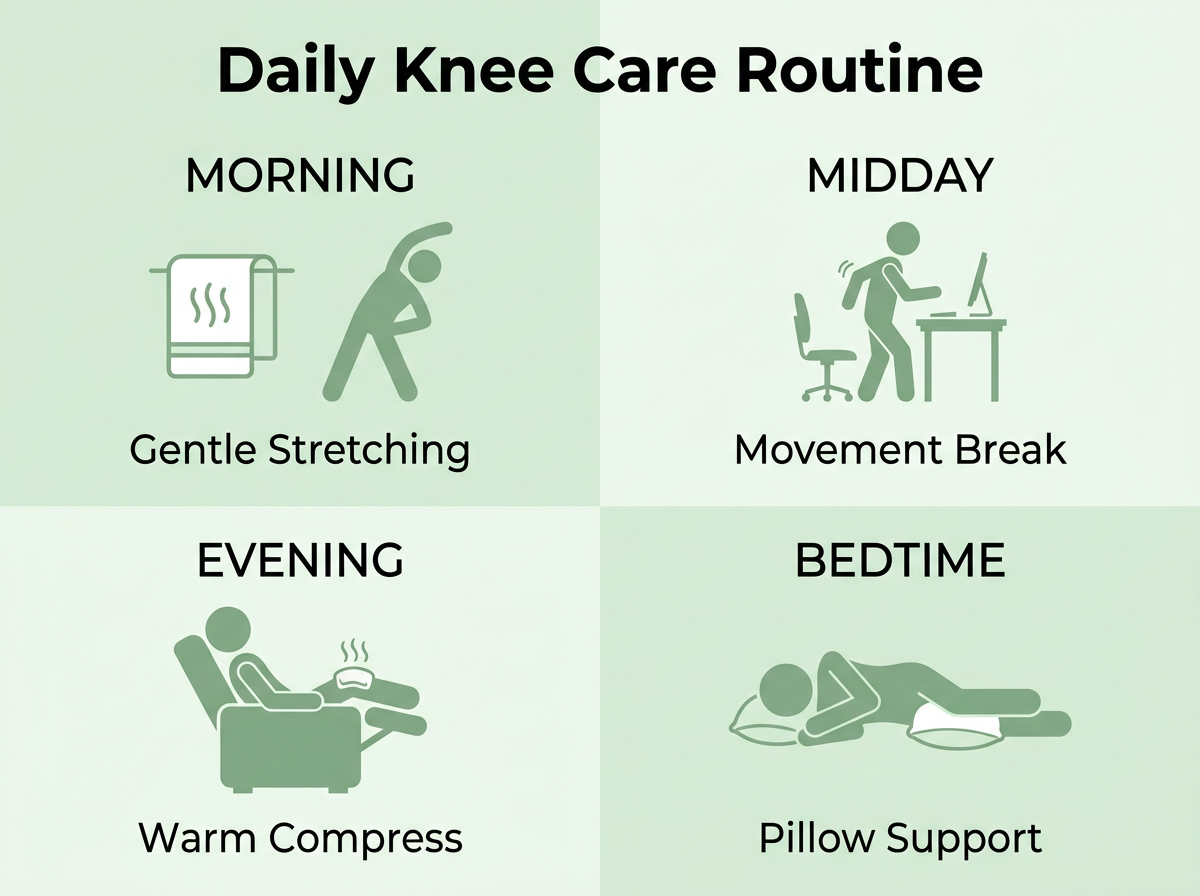
Morning (5 to 10 minutes)
- Apply warmth to your knees for 5 minutes using a warm towel or heating pad
- Do 2 to 3 minutes of gentle seated knee bends and leg extensions
- Stand slowly and walk around the room to get your joints moving
Midday (2 to 5 minutes)
- Take a movement break from sitting: stand, stretch, and walk briefly
- Check your posture and adjust your seating position if needed
- Do a few gentle quad and calf stretches if your knees feel tight
Evening (10 to 15 minutes)
- Apply warmth or cold to your knees depending on how they feel
- Elevate your legs for 10 minutes while resting
- Gently massage the muscles around your knees
- Do a few minutes of light stretching or range-of-motion movements
Before Bed
- Place a pillow between or under your knees while sleeping on your side or back
- Ensure your sleeping position does not place unnecessary pressure on your knees
The most important thing about home remedies for knee pain is consistency. No single approach works overnight, but when you combine several of these strategies and practice them regularly, many people notice meaningful improvements in how their knees feel during everyday activities.
Start with one or two habits that feel manageable, and gradually add more as they become part of your routine. Your knees will thank you for the daily attention.
If you are considering an over-the-counter topical product, read the medicine-specific guidance before combining it with heat, wraps, or another cream. Compare diclofenac gel for knee osteoarthritis with capsaicin cream and its expected burning sensation.
Frequently Asked Questions
What are the best home remedies for knee pain?
Some of the most commonly used home remedies for knee pain include rest and activity pacing, applying warmth or cold to the knee area, gentle movement and light stretching, elevating the legs, and maintaining a consistent daily comfort routine. These approaches work best when combined and practiced regularly rather than used only during flare-ups.
How can I relieve knee pain at home fast?
For quick comfort at home, many people find that applying a warm towel or heating pad to the knee area for 15 to 20 minutes helps ease stiffness. Elevating the leg on a pillow and doing gentle range-of-motion movements can also provide noticeable comfort within a short time. Consistency with these habits over days and weeks tends to produce the best results.
Do natural remedies really help knee pain?
Natural remedies like warmth application, gentle massage, regular movement, and proper rest can support knee comfort for many people. While they may not address underlying structural issues, these approaches can help manage everyday stiffness and discomfort as part of a broader daily care routine.
Should I use heat or cold for knee pain?
Both can be helpful depending on the situation. Warmth is generally preferred for stiffness, chronic discomfort, and before activity because it helps relax muscles and increase circulation. Cold application is often chosen after activity or when the knee feels warm or puffy, as it may help calm the area. Many people alternate between both.
What is the fastest way to ease knee discomfort at home?
The fastest approach combines rest with warmth application and gentle elevation. Sitting or lying down with your leg supported on a pillow while applying a warm compress to the knee for 15 to 20 minutes is a simple combination that many people find effective for quick comfort.
Can daily habits improve knee comfort?
Yes, daily habits play a significant role in how your knees feel over time. Regular gentle movement, posture awareness, taking breaks from prolonged sitting or standing, wearing supportive footwear, and incorporating light stretching into your routine can all contribute to improved knee comfort over weeks and months.
When should I stop relying on home remedies?
Home remedies are a great starting point, but if your knee discomfort persists for more than a few weeks, gets progressively worse, involves noticeable swelling or instability, or limits your ability to perform daily activities, it is a good idea to consult a healthcare professional for further guidance.
Is it safe to manage knee pain without medication?
Many people successfully manage everyday knee discomfort using non-medication approaches like warmth, gentle movement, elevation, and lifestyle adjustments. However, if your discomfort is severe or persistent, speaking with a healthcare provider can help determine the best approach for your specific situation.