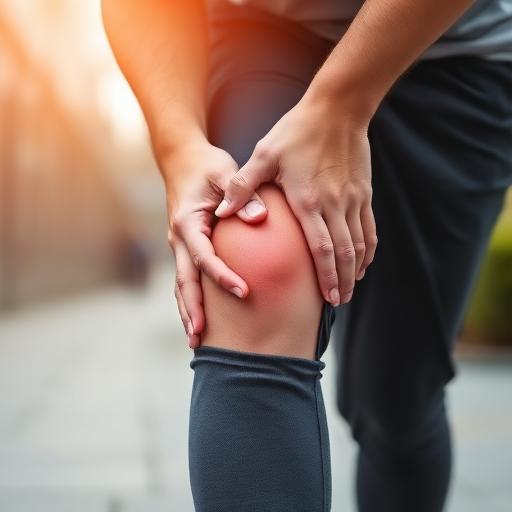
Knee swelling after exercise may look like mild puffiness, feel like pressure inside the joint, or appear as a fuller area above, below, or behind the knee. The timing, location, and symptoms that accompany the swelling matter more than the swelling alone.
This guide focuses specifically on a swollen knee after a workout, including swelling after running, swelling behind the knee, fluid-like fullness without pain, and signs that should not be treated as routine recovery. For a broader explanation of soreness without visible swelling, see our guide to knee pain after exercise.
Why Can a Knee Swell After Exercise?
A swollen knee can involve fluid inside the joint, irritation of tissues around the joint, or swelling in a nearby structure such as a bursa or cyst. Exercise does not create one single type of swelling. Repetitive impact, a sudden increase in training load, deep bending under resistance, or an unnoticed twist can each produce a different pattern.

Temporary Irritation After a Harder-Than-Usual Session
A new running distance, a large jump in squat volume, or returning to exercise after time away can exceed the knee's current capacity. Mild puffiness or stiffness that settles as the joint recovers is different from rapidly expanding swelling or swelling linked to a specific injury event.
Fluid in the Knee After Exercise
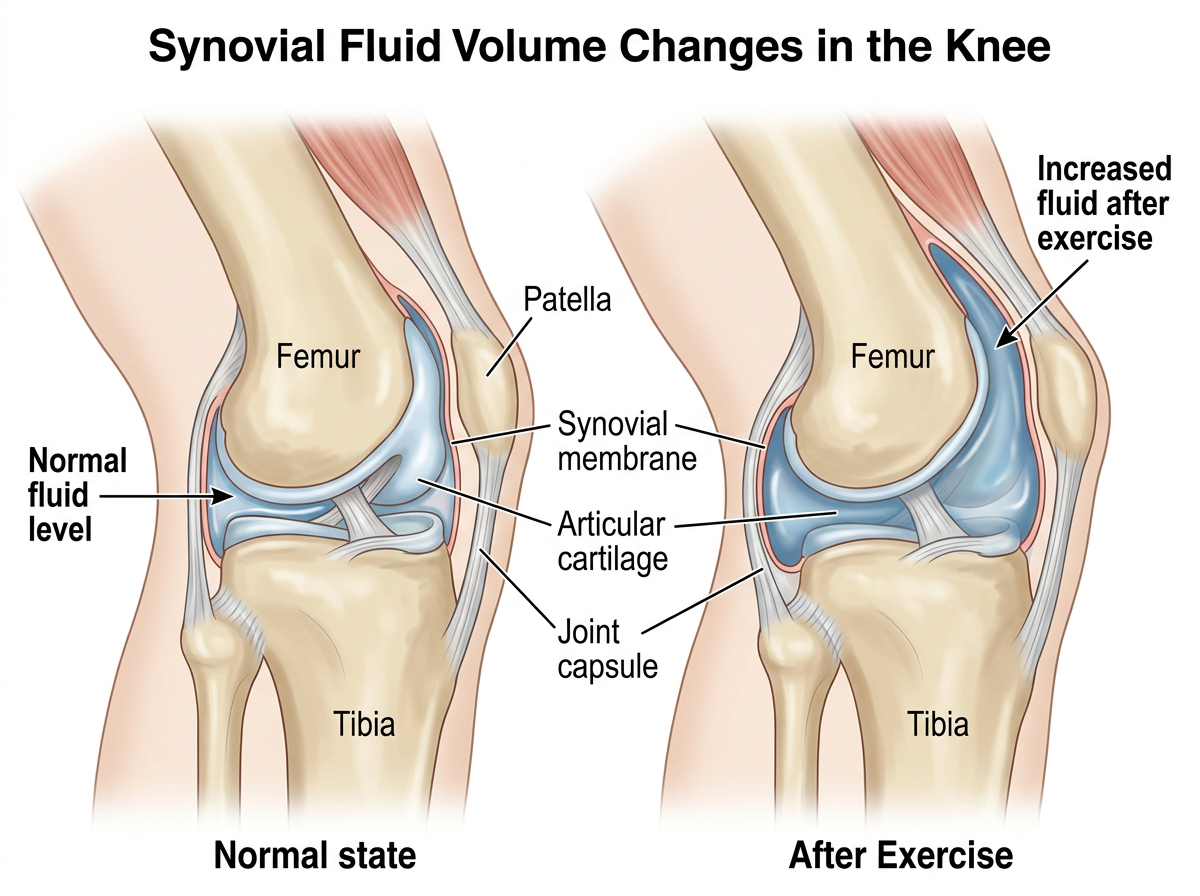
People often describe a full, tight, or "water-filled" sensation as fluid in the knee after exercise. True joint effusion means excess fluid has accumulated inside the joint capsule. Because several conditions can cause an effusion, recurring or substantial fluid should not be diagnosed from appearance alone.
Swollen Knee After Running
Running repeats the same loading pattern thousands of times. A swollen knee after running is more likely when distance, pace, hills, surface, or weekly frequency increased faster than the body adapted. It may also follow altered mechanics caused by fatigue, footwear changes, or an existing knee problem.
Note whether the swelling appears during the run, immediately afterward, or later that evening. Also record whether it is above the kneecap, at the joint line, or behind the knee. These details are more useful than simply recording that the knee was swollen. Our running knee pain guide covers training-load and movement factors in more depth.
Swelling Behind the Knee After Exercise
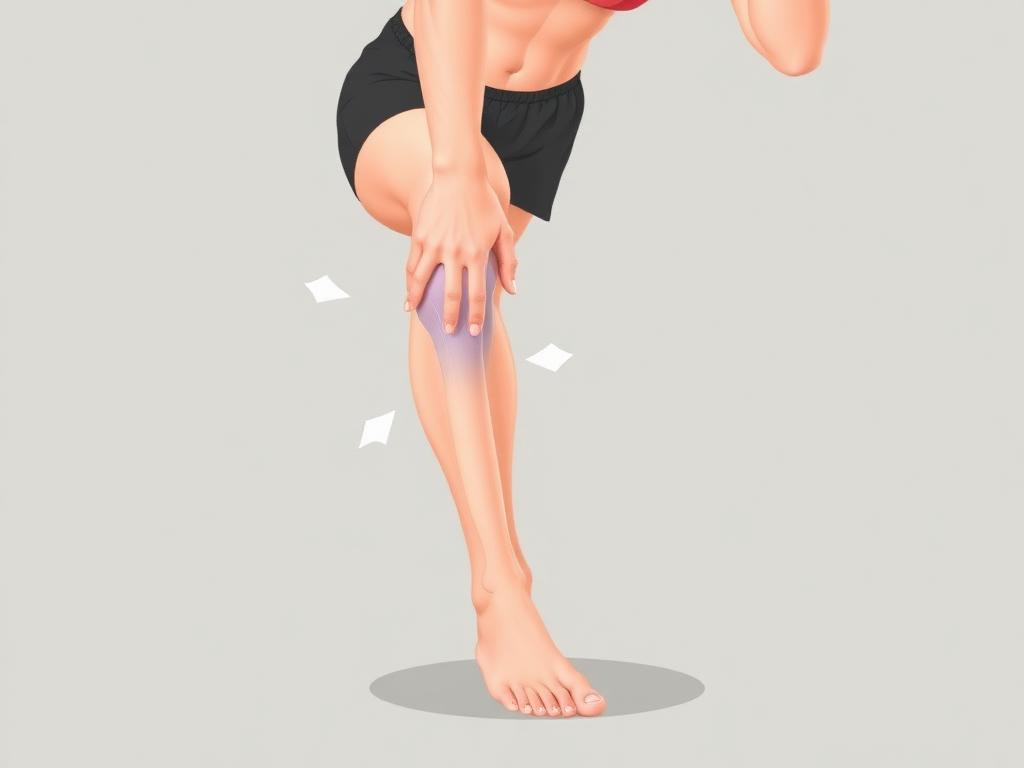
Swelling behind the knee after exercise may feel like tightness, a firm area, or a rounded fullness in the popliteal space. Possible explanations include irritation around the joint, a popliteal or Baker's cyst, or swelling linked to another knee condition. A hard or enlarging lump, calf swelling, redness, warmth, or sudden pain deserves prompt medical assessment rather than continued training.
Do not aggressively massage an unexplained lump behind the knee. Reduce the activity that triggers it and obtain an evaluation if the fullness persists, repeatedly returns, or affects bending and straightening.
Swollen Knee With No Pain After a Workout
A swollen knee with no pain after a workout can still be meaningful. Painless puffiness may occur after increased activity, but swelling that repeatedly appears without discomfort should be tracked rather than ignored. Compare both knees, note changes in range of motion, and watch for increasing warmth, redness, or heaviness.
If the knee looks normal again by the next day and daily movement is unaffected, monitoring may be reasonable. If the swelling persists, returns after light exercise, or progressively limits motion, professional assessment is appropriate.
Swollen Knee After Squats, Lunges, or Lifting
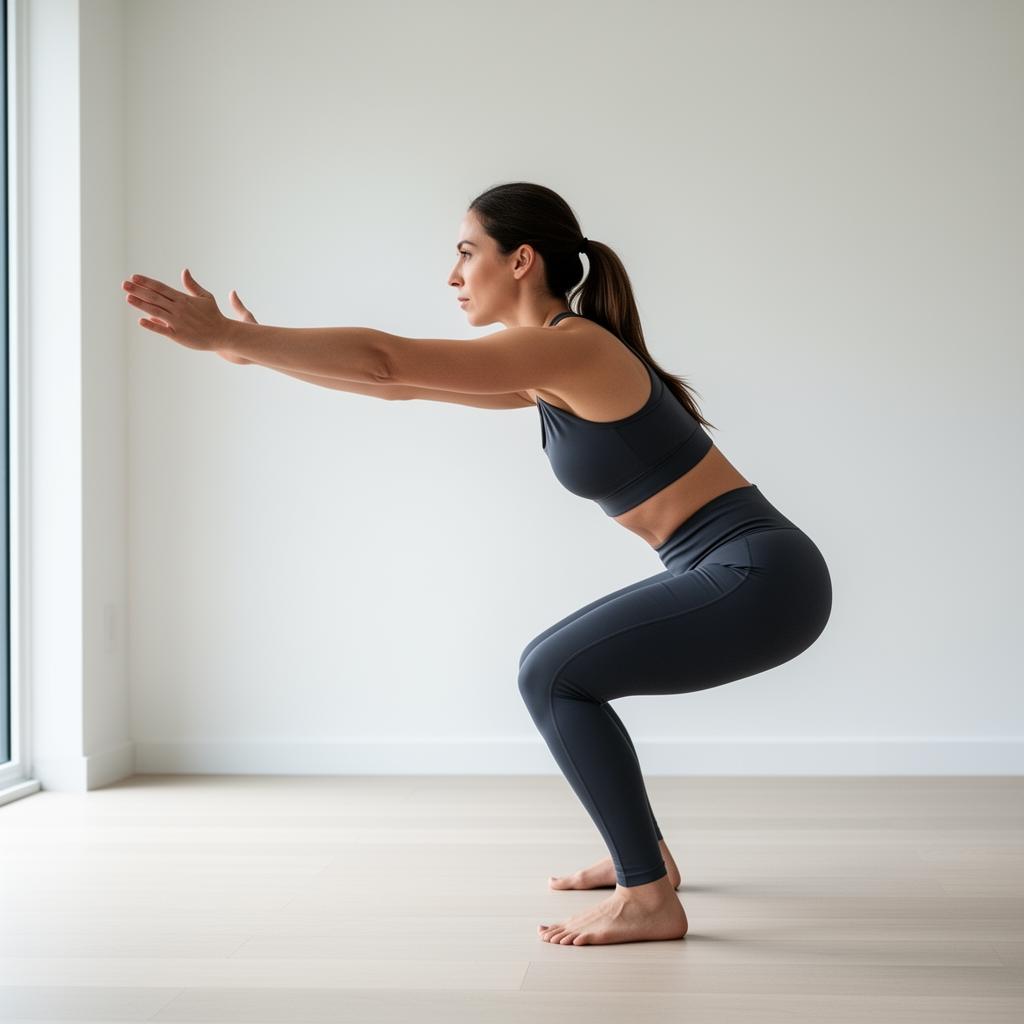
Deep knee flexion and external load increase the demand placed on the knee. Swelling after squats, lunges, or leg press may follow excessive volume, a sudden load increase, or a technique change. The relevant question is not whether the knee moved past the toes, but whether the load, depth, speed, and total volume matched your current tolerance.
For exercise-specific mechanics, see why knees ache after leg workouts. That guide covers squats, lunges, leg press, and Bulgarian split squats without duplicating the swelling-focused guidance here.
Can You Work Out With a Swollen Knee?
Avoid pushing through a workout when the knee is visibly swollen, losing motion, unstable, or painful with ordinary walking. Continuing the same aggravating activity can make it harder to judge whether the swelling is improving. A safer first step is to stop the provoking exercise and reassess walking, stairs, bending, and swelling over the following day.
Gentle movement may be appropriate only when it does not increase swelling or pain. Do not use a recovery routine to test a knee that is acutely swollen after an injury. Our post-workout knee recovery routine is intended for mild general soreness, not a hot, rapidly swollen, unstable, or injured knee. If you are deciding between ice or heat for a swollen knee, use the current swelling and warmth pattern rather than applying the same method after every workout.
Stop and Get Medical Advice
Seek urgent advice if you cannot bear weight, the knee is badly swollen or deformed, it locks or gives way, or it is hot and red with fever. Arrange a non-urgent assessment when swelling lasts more than a few days, repeatedly returns, or interferes with normal walking and knee motion.
A Simple 24-Hour Swelling Check
- Record the activity, duration, load, surface, and any specific twist or impact.
- Note when the swelling began and where it is most visible.
- Compare both knees and check whether bending or straightening is reduced.
- Reassess walking, stairs, warmth, redness, and swelling the next morning.
- Reduce the next session if the same activity repeatedly produces swelling.
How to Reduce the Chance of Recurrent Exercise-Related Swelling
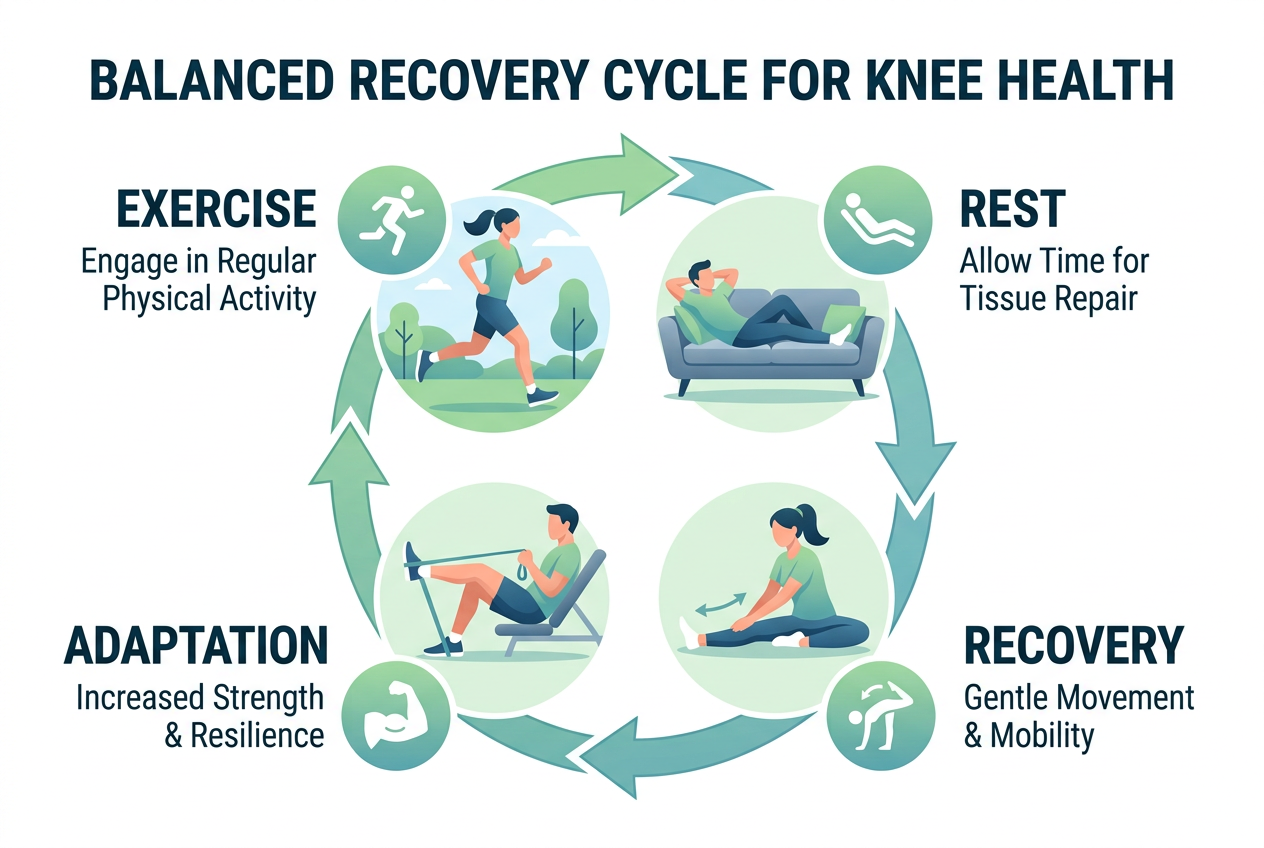
- Increase running distance, resistance, and weekly volume gradually.
- Keep one or more lower-load days between demanding knee sessions.
- Use controlled repetitions and a range of motion you can manage without symptoms.
- Address recurring technique or bike-fit issues instead of repeatedly treating the aftermath.
- Do not rely on heat, compression, or a device to override swelling that needs assessment.
Frequently Asked Questions
Why does my knee swell after exercise?
Exercise-related knee swelling can reflect temporary tissue irritation, excess fluid inside the joint, or swelling in tissues around it. The cause depends on the activity, timing, location, and accompanying symptoms.
Why is there swelling behind my knee after exercise?
Fullness behind the knee may be related to joint irritation, a popliteal or Baker's cyst, or another knee condition. Persistent, painful, hard, or enlarging swelling should be evaluated.
Can a knee be swollen after a workout without pain?
Yes. Mild painless puffiness can occur after increased activity, but swelling that persists, repeatedly returns, or limits movement should not be ignored.
Why does my knee swell after running?
Running-related swelling may follow a rapid increase in distance, pace, hills, surface, or frequency. Repeated swelling after ordinary runs warrants a closer look at training load and the knee itself.
Can I still work out if my knee is swollen?
Avoid the activity that produced visible swelling, especially when walking, bending, or weight-bearing is affected. Seek advice sooner for severe, hot, red, unstable, or injury-related swelling.
How long should knee swelling last after exercise?
Mild swelling may improve over 24 to 48 hours. Swelling that lasts several days, worsens, or repeatedly returns should be assessed by a healthcare professional.
Is fluid in the knee after exercise normal?
A feeling of fullness does not confirm joint fluid. True knee effusion has multiple possible causes, so substantial or recurrent fluid-like swelling should be medically evaluated.