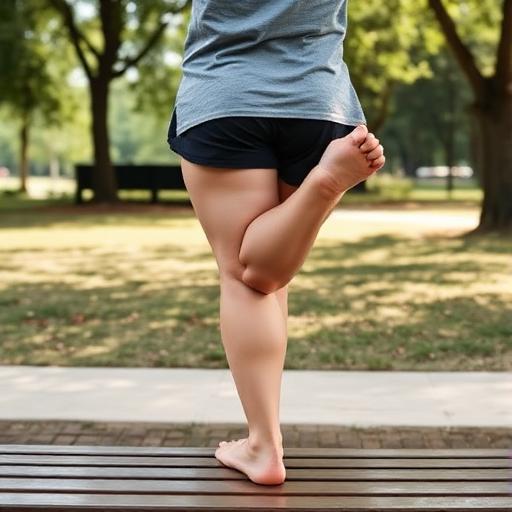
If you have ever noticed a dull ache around the front of your knee that seems to worsen when you climb stairs, squat, or sit for long periods, you may be experiencing what is commonly known as patellofemoral pain syndrome (PFPS). This condition, sometimes called runner's knee, is one of the most frequently reported causes of pain around the kneecap in both active and less active adults. For a focused look at what happens behind the kneecap specifically, our guide on pain behind the kneecap covers the mechanical factors in detail.
Understanding why this discomfort occurs and what everyday habits may help can make a meaningful difference in how your knees feel day to day. This guide breaks down the basics of the patellofemoral joint, explains why pfps knee pain develops, and shares practical strategies that may support your comfort.
Important Note
Understanding the Patellofemoral Joint
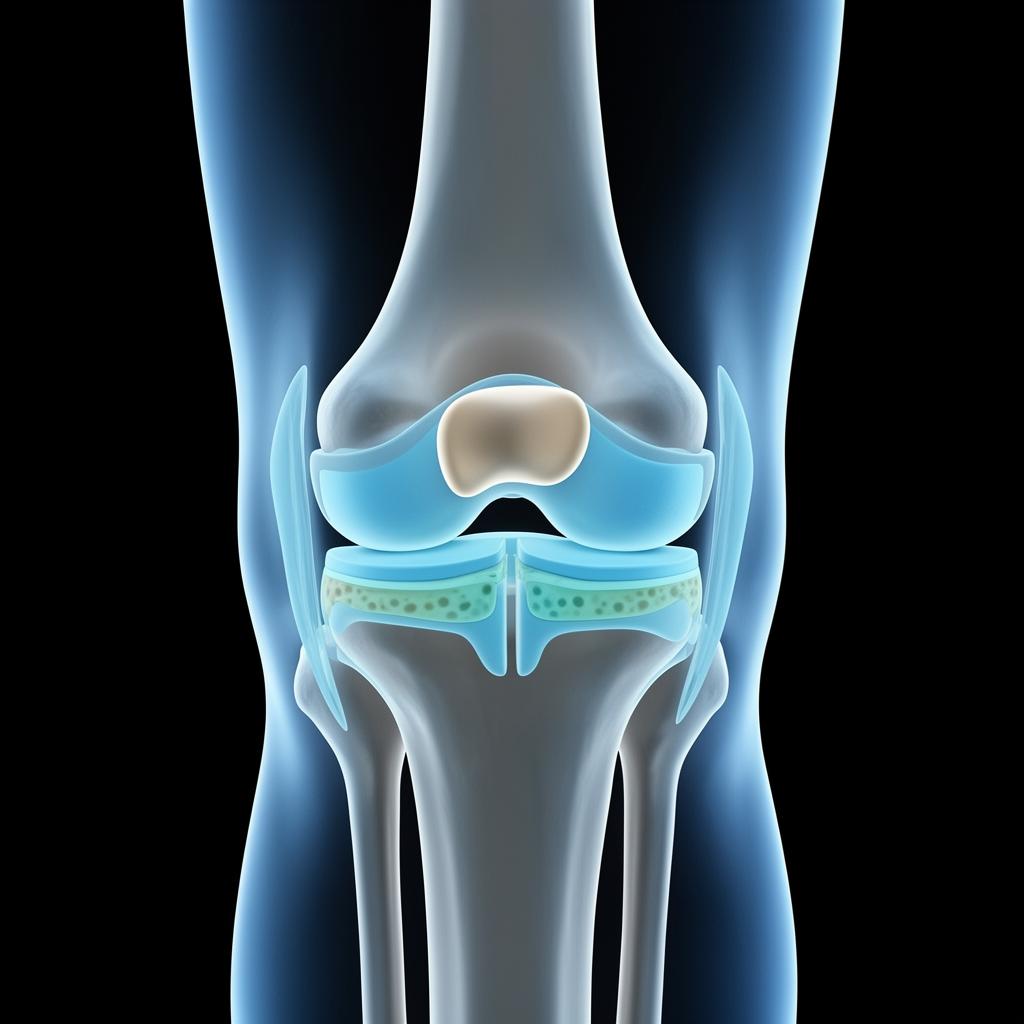
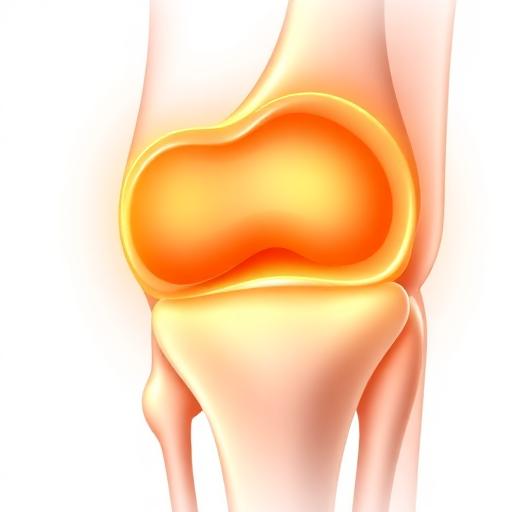
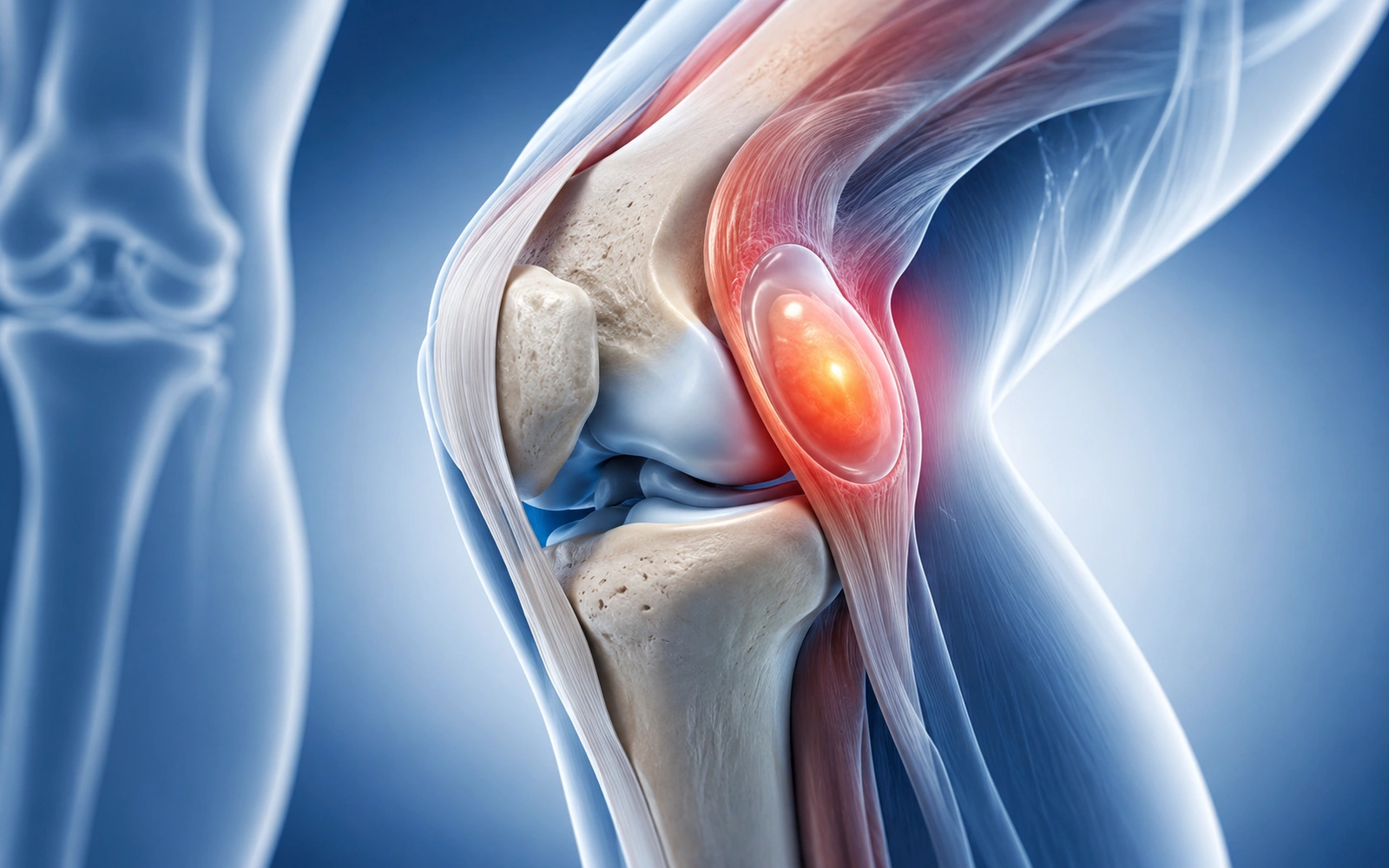
The patellofemoral joint is formed where the kneecap (patella) meets the front of the thighbone (femur). The kneecap is a small, triangular bone embedded within the quadriceps tendon that sits in a shallow groove on the front of the femur called the femoral groove or trochlear groove.
Every time you bend or straighten your knee, the kneecap glides up and down within this groove. This movement helps distribute the forces generated by your quadriceps muscles across a larger surface area, reducing the concentration of pressure on any single point. The smooth cartilage lining on the back of the kneecap and within the groove helps facilitate this gliding motion with minimal friction.
When this system works well, you can walk, run, squat, and climb stairs without noticing your kneecap at all. But when the balance of forces, alignment, or tissue condition changes, the patella joint can become a source of significant discomfort.
Why Patellofemoral Pain May Develop
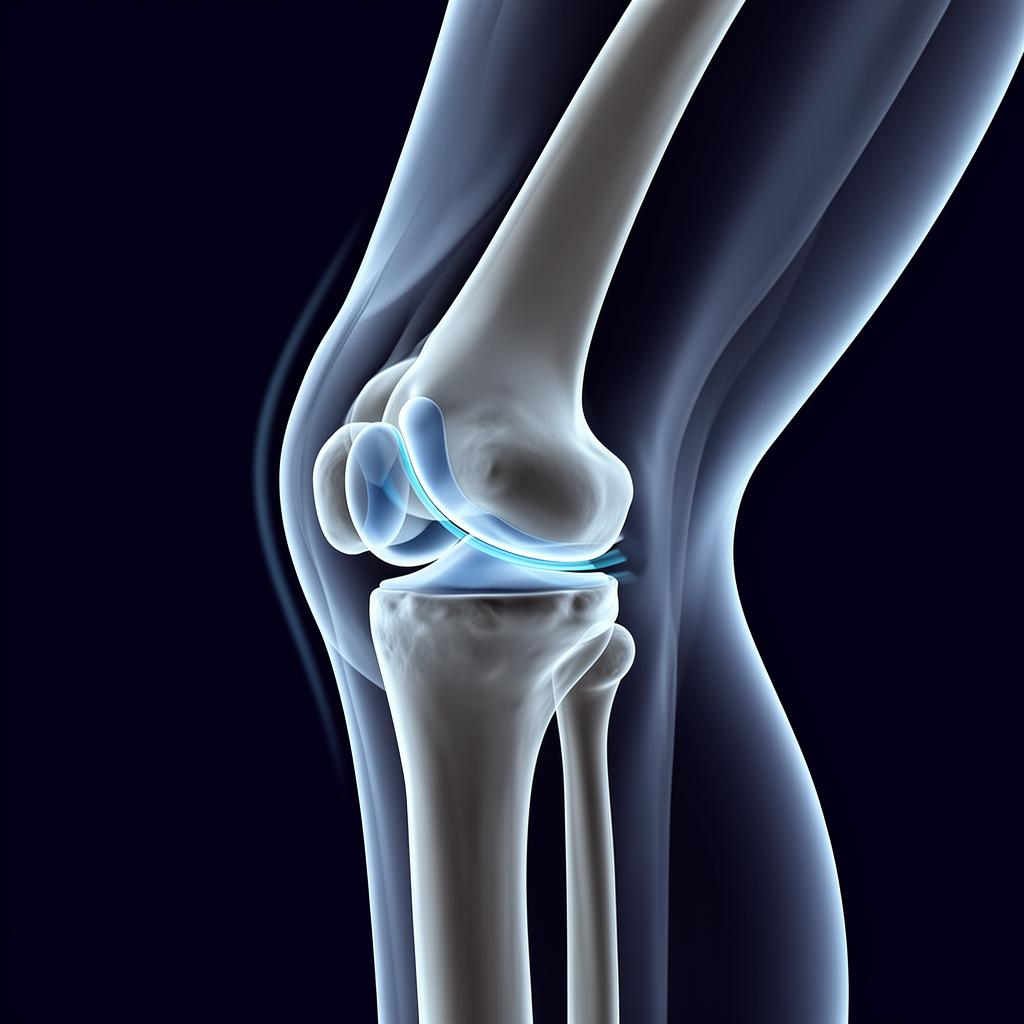
Patellofemoral pain syndrome symptoms typically develop gradually rather than appearing suddenly. Several factors may contribute to the development of kneecap discomfort:
Repetitive Knee Bending
Activities that involve repeated bending and straightening of the knee, such as running, cycling, or climbing stairs, increase the number of times the kneecap passes through the femoral groove. Over time, this repetitive motion can lead to irritation of the cartilage and surrounding tissues if the body is not adequately conditioned for the volume of activity.
Muscle Imbalance
The kneecap relies on balanced muscle forces to track properly within the groove. The quadriceps muscles on the front of the thigh play a primary role in guiding the kneecap. When certain parts of the quadriceps are weaker or tighter than others, or when the hip and glute muscles do not provide adequate stability, the kneecap may not track centrally. This can increase pressure on one side of the joint and contribute to kneecap pain when bending.
Increased Activity Levels
Sudden increases in training intensity, duration, or frequency are common triggers. Whether you are starting a new exercise program, increasing your running distance, or taking up a sport that involves jumping, the patellofemoral joint may struggle to adapt if the progression is too rapid. This is a frequent pattern in runner's knee pain.
Prolonged Sitting with Bent Knees
Sitting for extended periods with your knees bent at approximately 90 degrees keeps the kneecap pressed against the femoral groove. This sustained compression can cause stiffness and discomfort when you eventually stand and begin moving, sometimes called the "theater sign" because it commonly occurs after sitting through a long movie.
Structural and Alignment Factors
Individual differences in leg alignment, foot mechanics, and the depth of the femoral groove can influence how the kneecap tracks during movement. While these factors cannot be changed, understanding them can help guide appropriate support strategies.
Key Insight
Typical Sensations People Experience
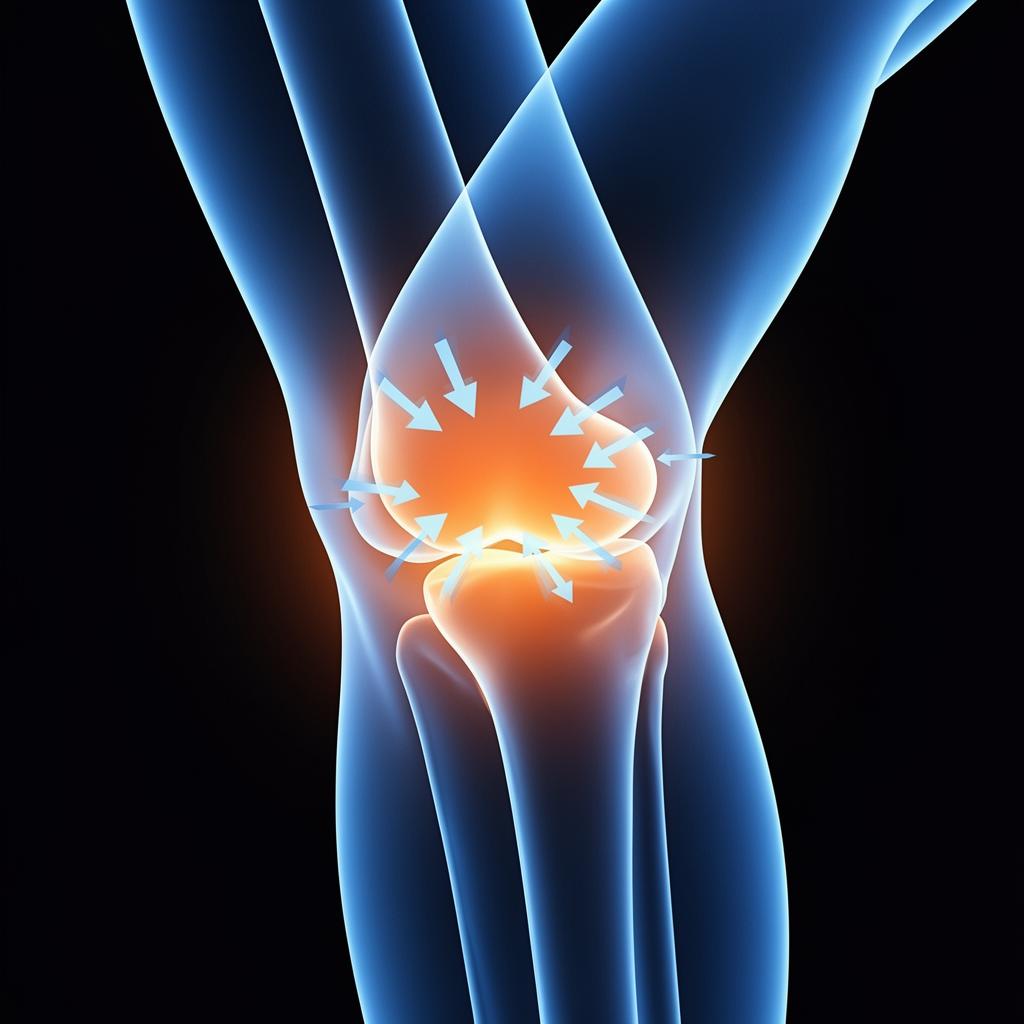
People with patellofemoral pain syndrome symptoms commonly describe a range of sensations around the front of the knee. Understanding these patterns can help you recognize when kneecap discomfort may be related to the patellofemoral joint:
✓ Common PFPS Sensations
- •Dull, aching pain around or behind the kneecap that may feel diffuse rather than pinpoint
- •Discomfort that increases when climbing or descending stairs
- •Knee pain when squatting or during deep knee bends
- •Stiffness and soreness after sitting for long periods with bent knees
- •A sensation of grinding, clicking, or crepitus during knee movement
- •Increased discomfort during or after running, lunging, or jumping activities
- •Pain that worsens with prolonged activity and eases with rest
Many people notice that front knee pain stairs is one of the first activities that becomes uncomfortable. This is because stair climbing places significant compressive forces on the kneecap, often several times greater than walking on flat ground. If you notice a pattern of knee pain under kneecap during specific activities, this may be worth noting.
Activities That May Trigger Kneecap Discomfort
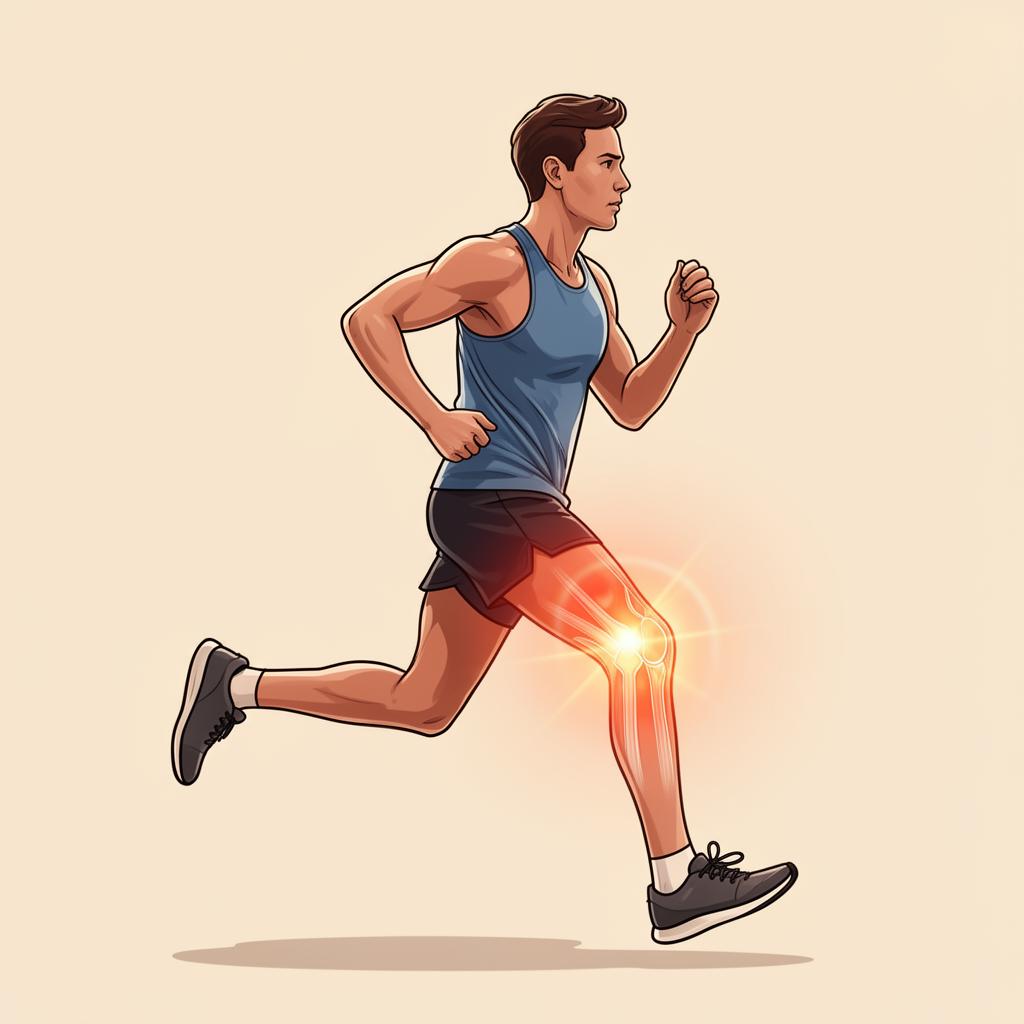
Understanding which activities tend to increase kneecap pressure pain can help you make informed decisions about your daily routine. Common triggers include:
Running and Jogging
Running involves thousands of repetitive knee bending cycles per session. The impact forces combined with the demands on the quadriceps make running one of the most common activities associated with patellofemoral knee pain. Downhill running can be particularly challenging because it increases the eccentric load on the quadriceps and the compressive force on the kneecap. If running-related knee discomfort is a concern, our guide on runner's knee pain location provides additional context.
Stair Climbing and Descending
Both ascending and descending stairs significantly increase the forces on the patellofemoral joint. Going downstairs can be particularly uncomfortable because the quadriceps must control your descent while the knee is bent, creating high compressive loads on the kneecap. For more on this topic, see our guide on knee pain when climbing stairs.
Squatting and Lunging
Deep squats and lunges place the knee in a deeply flexed position, maximizing the contact area between the kneecap and the femoral groove. If knee pain while squatting is something you experience regularly, our knee pain when squatting guide explores this pattern in detail.
Prolonged Sitting
Extended periods of sitting with knees bent at a 90-degree angle can cause a gradual buildup of discomfort. Office workers, students, and frequent travelers often report this pattern. The sustained pressure on the kneecap during sitting can make the first few steps after standing particularly stiff.
Jumping and High-Impact Sports
Sports involving jumping, cutting, and rapid direction changes, such as basketball, volleyball, and tennis, place high demands on the patellofemoral joint. The explosive forces required during these activities can contribute to runner knee discomfort and general front-of-knee irritation.

Recommended for this guide
FlexiKnee Smart Heated Knee Massager
Adjustable warmth, red light, and gentle vibration in one wireless wrap for a complete 15-minute daily knee routine.
Everyday Strategies That May Support Knee Comfort
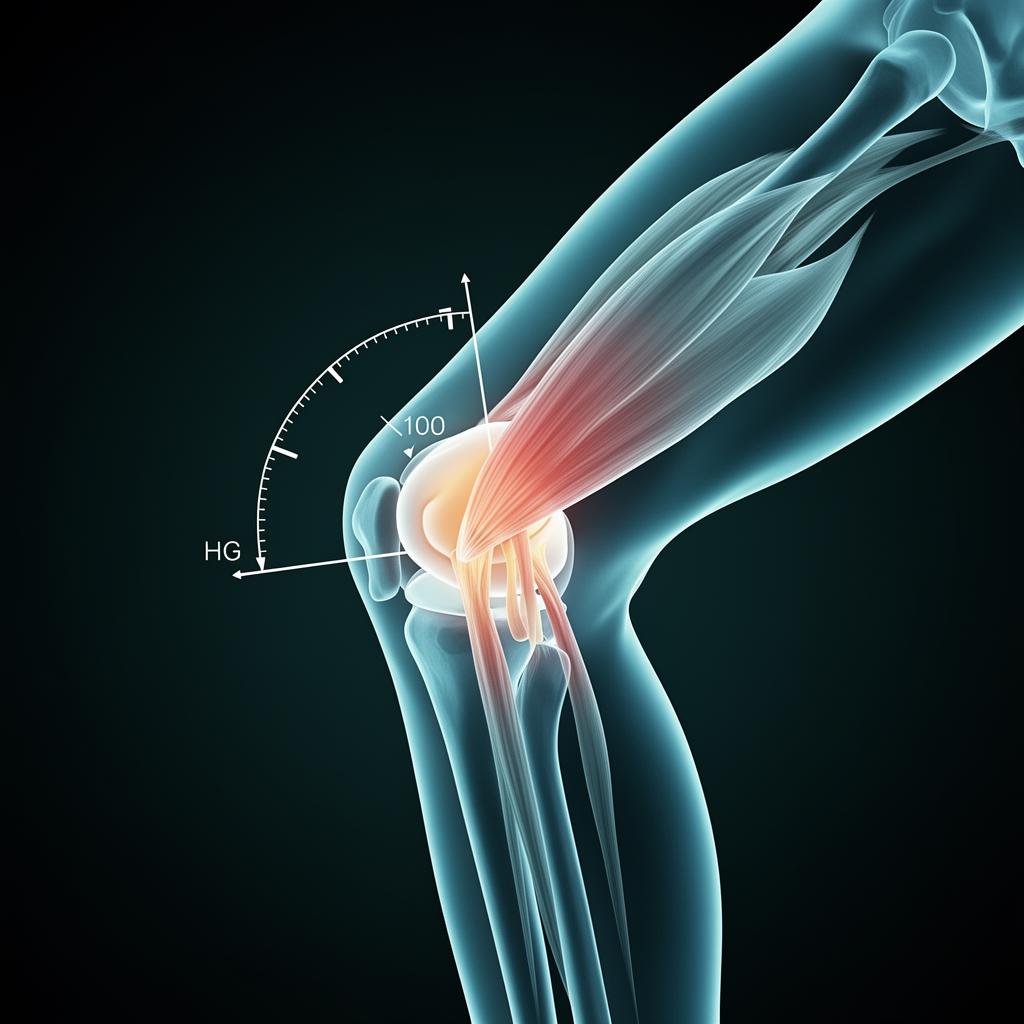
While individual needs vary, several everyday strategies may help manage patellofemoral discomfort and support long-term kneecap comfort:
Strengthen the Quadriceps
Strong quadriceps muscles help guide the kneecap smoothly through the femoral groove. Exercises that target the vastus medialis oblique (VMO), the inner portion of the quadriceps, may be particularly helpful for improving patellar tracking. Examples include straight-leg raises, terminal knee extensions, and wall sits at shallow angles.
Build Hip and Glute Strength
The hip muscles play a surprisingly important role in knee alignment. Weak hip abductors and external rotators can allow the thigh to rotate inward during weight-bearing activities, which can pull the kneecap out of its optimal tracking path. Exercises like clamshells, side-lying leg raises, and single-leg bridges can help build this foundation. Our knee pain exercises guide includes targeted routines for this purpose.
Gradual Activity Progression
One of the most effective strategies for preventing patellofemoral irritation is to increase activity levels gradually. Whether you are starting a running program, returning to exercise after a break, or adding new activities to your routine, a progressive approach helps the kneecap and surrounding tissues adapt to increasing demands. For guidance on managing activity-related discomfort, see our knee pain after exercise guide.
Modify High-Stress Activities
Temporarily reducing or modifying activities that trigger significant discomfort can help manage symptoms while you build strength and improve alignment. This does not mean complete rest, as movement is generally beneficial. Instead, consider reducing the depth of squats, using a railing for support on stairs, or shortening running distances temporarily.
Balance Movement and Rest
Alternating between activity and recovery periods helps prevent overloading the patellofemoral joint. After periods of increased activity, allowing adequate recovery time helps tissues adapt. If you experience knee tightness without pain, it may be a signal to adjust your activity balance.
Improve Flexibility
Tight quadriceps, hamstrings, IT band, and calf muscles can all influence how the kneecap tracks and how much force is applied to the patellofemoral joint. Regular, gentle stretching of these muscle groups can help maintain balanced tension around the knee. Focus on holding stretches for 20 to 30 seconds without bouncing.
Support Proper Movement Patterns
Paying attention to knee alignment during activities like squatting, stair climbing, and running can help distribute forces more evenly across the kneecap. During squats and lunges, keeping the knees tracking over the toes rather than collapsing inward reduces lateral stress on the patellofemoral joint.
Consider Footwear
Supportive footwear with adequate cushioning and arch support can influence lower limb alignment and shock absorption. Worn-out shoes may contribute to altered mechanics that affect kneecap tracking. Replacing running shoes at appropriate intervals and choosing activity-appropriate footwear can make a difference.
Daily Habits That Support Kneecap Alignment
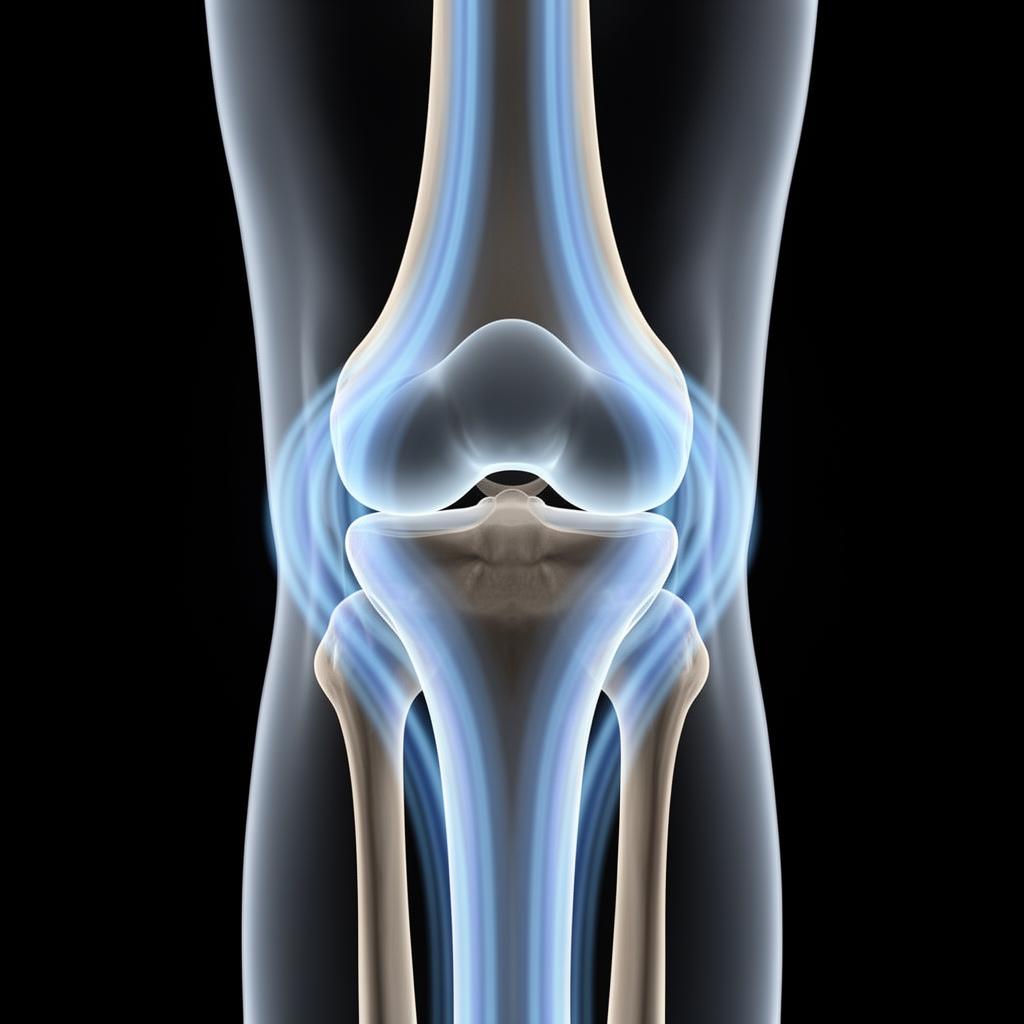
Beyond specific exercises, several daily habits can help support optimal kneecap alignment and reduce the likelihood of patellofemoral irritation:
✓ Daily Alignment Support Habits
- •Maintain balanced quadriceps strength with regular strengthening exercises
- •Support hip and glute muscles to improve lower limb alignment during movement
- •Improve mobility in the ankle, hip, and thoracic spine to reduce compensatory stress on the knee
- •Avoid prolonged periods in deep knee flexion when possible
- •Take regular movement breaks during long sitting periods
- •Use proper form during exercises and daily activities that load the knee
- •Gradually increase training volume and intensity rather than making sudden jumps
- •Maintain a healthy body weight to reduce overall load on the patellofemoral joint
- •Choose a mix of low-impact and higher-impact activities to balance joint demands
- •Listen to your body and adjust activity levels when discomfort increases
For a comprehensive overview of knee pain patterns by location, our knee pain location map can help you understand where your discomfort fits in the broader picture.
When Knee Discomfort Should Be Evaluated
While many cases of patellofemoral discomfort can be managed through everyday habit adjustments and targeted strengthening, certain patterns warrant professional evaluation:
✓ Signs to Seek Evaluation
- •Persistent kneecap pain that does not improve with rest and activity modification over several weeks
- •Increasing swelling around the front of the knee
- •Difficulty bending or fully straightening the knee
- •A feeling that the knee is giving way or catching during movement
- •Significant pain that limits your ability to perform daily activities like walking or climbing stairs
- •Sudden onset of severe pain, especially following an injury or impact
- •Pain that wakes you from sleep or prevents comfortable rest
When in Doubt
Understanding what is patellofemoral pain syndrome and why it occurs is the first step toward making informed decisions about your daily habits, activity choices, and comfort strategies. While this condition is common, many people find that consistent attention to muscle balance, movement patterns, and gradual activity progression makes a meaningful difference in how their knees feel day to day.