What the Knee Plica Actually Is
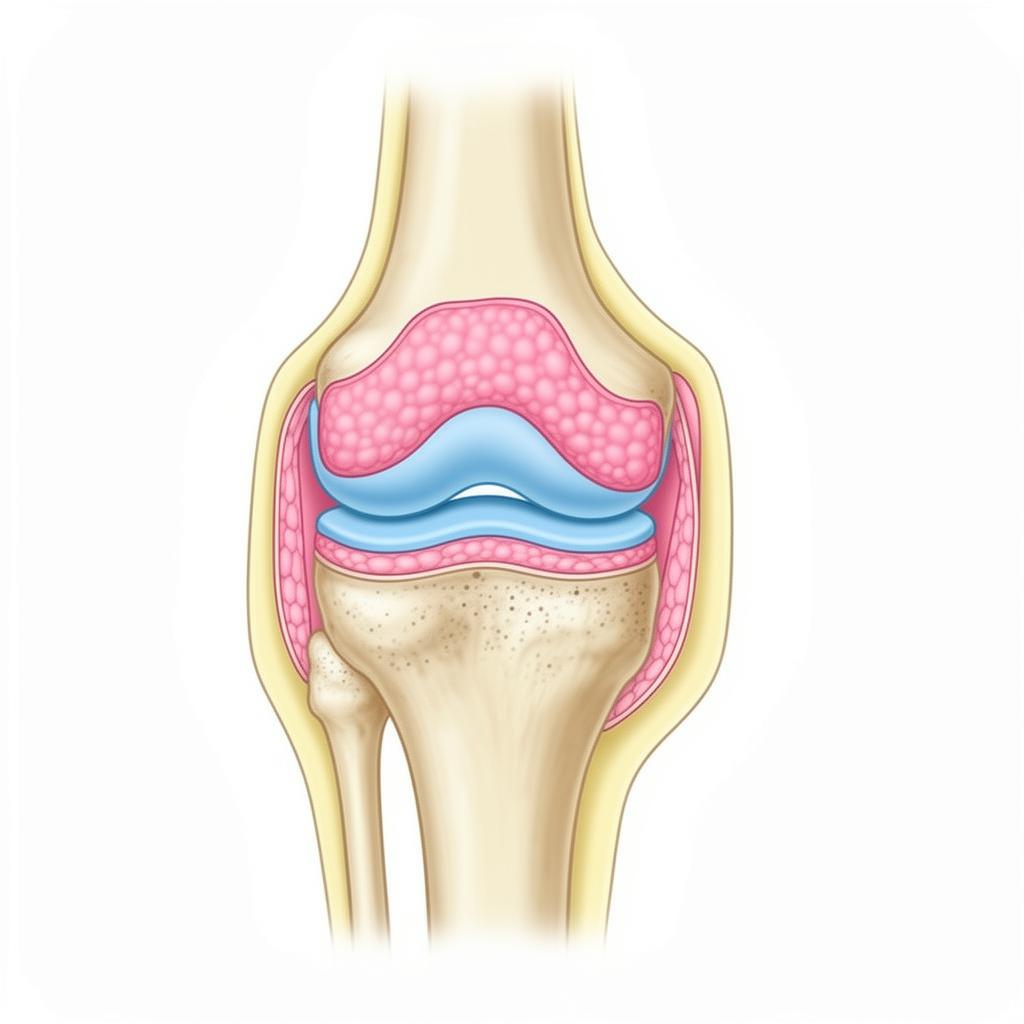
The knee joint is lined with a thin membrane called the synovium, which produces fluid that helps lubricate the joint during movement. During early development, this membrane forms several folds, and in many people, some of these folds persist into adulthood. These folds are called plica (pronounced "PLY-kah").
There are typically three main plica folds in the knee:
Types of Knee Plica
- Suprapatellar plica: Located above the kneecap, this fold separates the upper portion of the joint cavity
- Medial plica: Found on the inner side of the kneecap, this is the most commonly irritated fold and the primary focus of plica syndrome
- Infrapatellar plica: Located below the kneecap, near the fat pad at the front of the knee
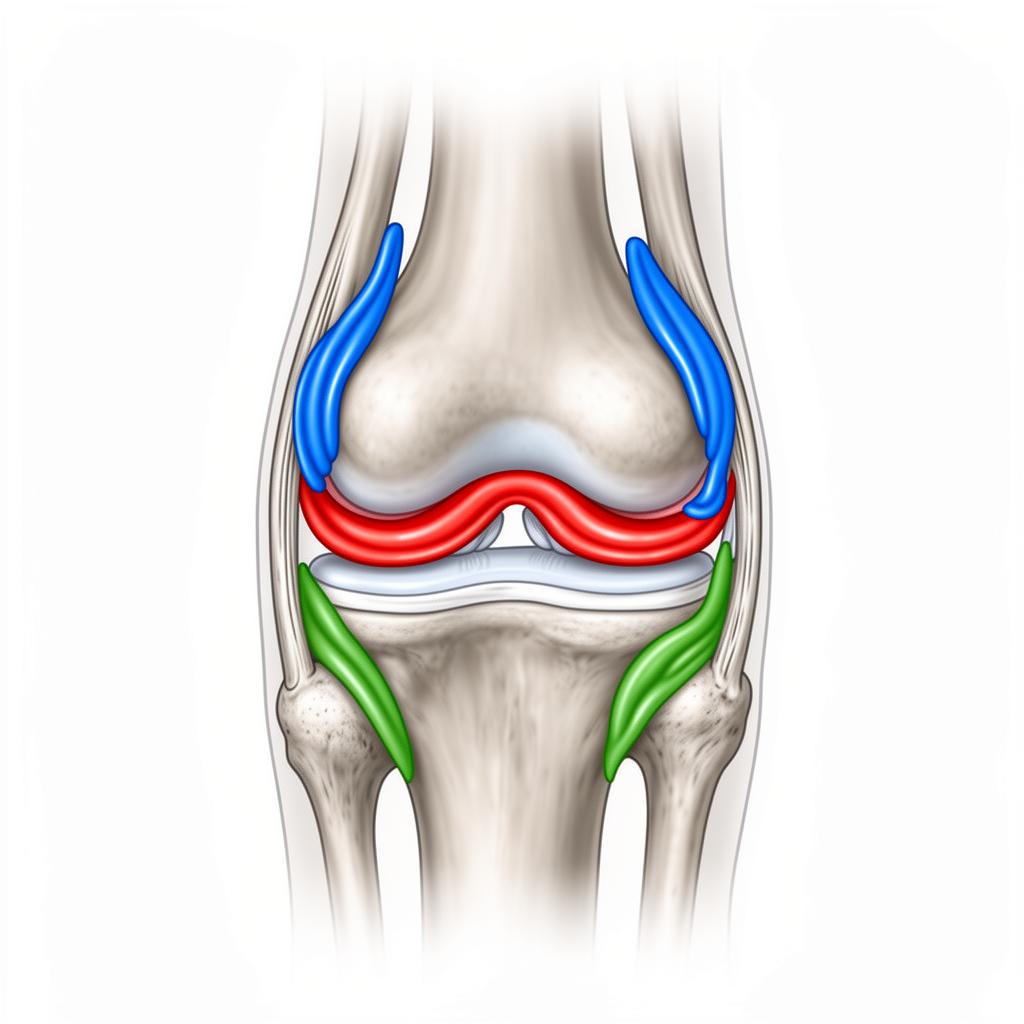
The medial plica runs along the inner edge of the kneecap and glides over the femoral condyle (the rounded end of the thighbone) as the knee bends and straightens. In its normal state, this tissue is thin, flexible, and moves smoothly during joint movement. When the tissue becomes irritated, however, it can thicken and lose its flexibility, leading to friction and discomfort during movement.
Why Plica Irritation Can Occur
For most people, the plica folds in the knee function without any problems throughout life. However, certain factors can lead to irritation of the tissue, particularly the medial plica.
Repetitive Knee Bending
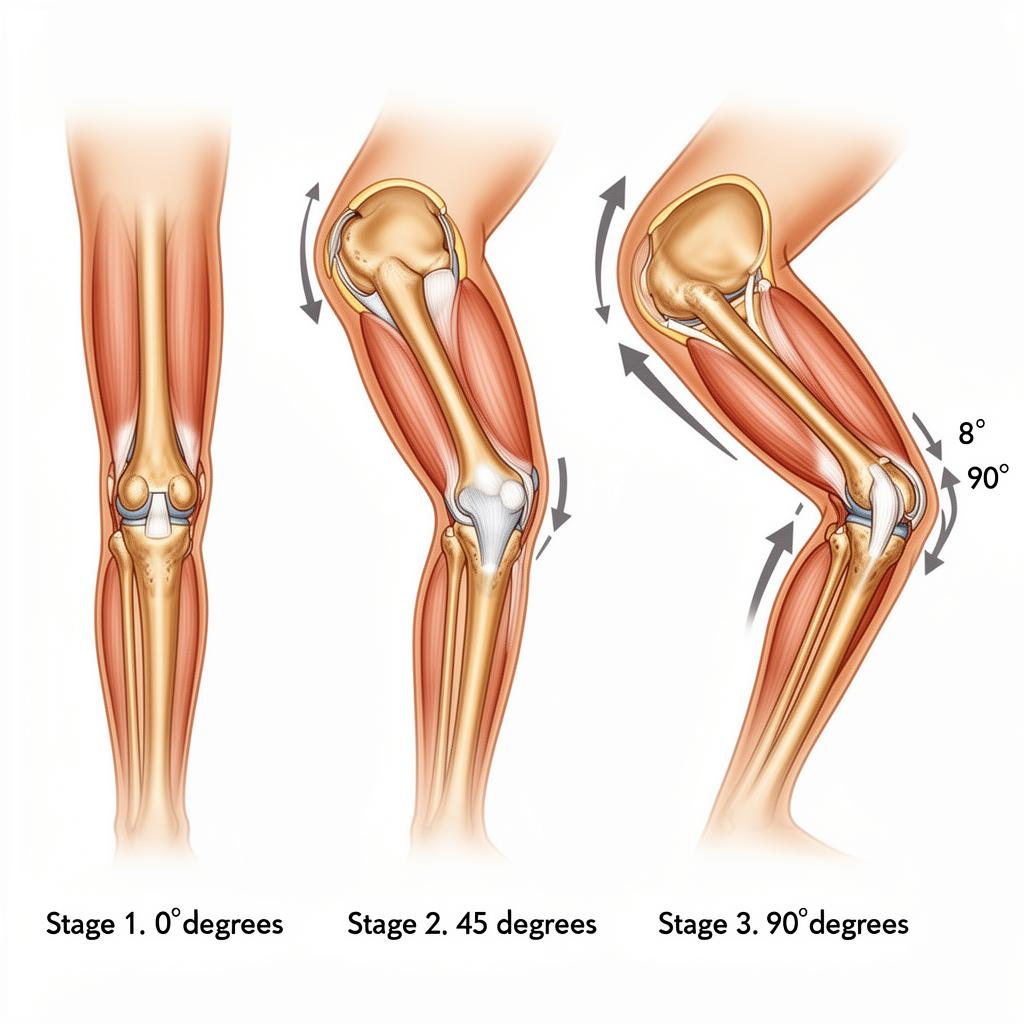
Activities that involve frequent bending and straightening of the knee place repetitive stress on the plica tissue. Each time the knee bends, the medial plica slides over the femoral condyle. When this movement happens hundreds or thousands of times during a single activity session, the tissue can become irritated. This is particularly common in activities like running, cycling, and stair climbing where the knee cycles through its range of motion repeatedly.
Overuse During Physical Activity
Sudden increases in activity level are a common trigger for plica irritation. If someone who normally walks occasionally begins running regularly, or if an athlete significantly increases their training volume, the plica tissue may not have time to adapt to the increased demand. This overuse creates cumulative friction that can lead to irritation over time.
Friction Between Tissues
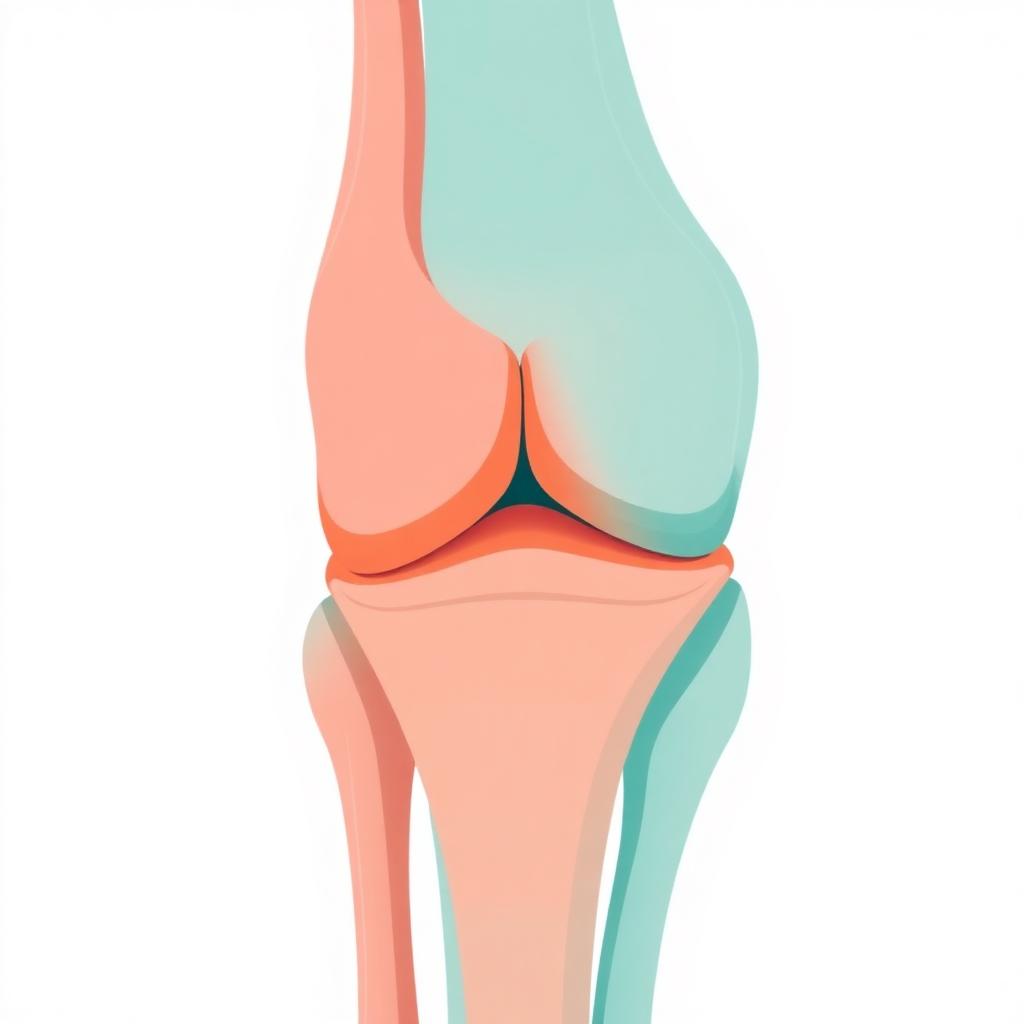
When the plica becomes slightly thickened from repetitive use, it may begin to catch on the femoral condyle rather than gliding smoothly over it. This creates additional friction with each knee bend, which can further irritate the tissue and create a cycle of increasing discomfort. The friction can also produce the clicking or snapping sensation that some people notice.
Muscle Imbalance Around the Knee
The way the knee tracks during movement is influenced by the muscles that surround and support the joint. When there is an imbalance between the quadriceps, hamstrings, or hip muscles, the patella (kneecap) may not track as smoothly as it should. This altered tracking can change how the plica interacts with the other structures in the joint, potentially increasing friction and irritation. Understanding knee tightness and its relationship to muscle balance can provide additional context.
Common Sensations People Notice with Plica Irritation
When the plica becomes irritated, people may notice several characteristic sensations. It is important to understand that these sensations can have various causes, and the presence of one or more does not automatically confirm plica irritation.
Inner Knee Discomfort
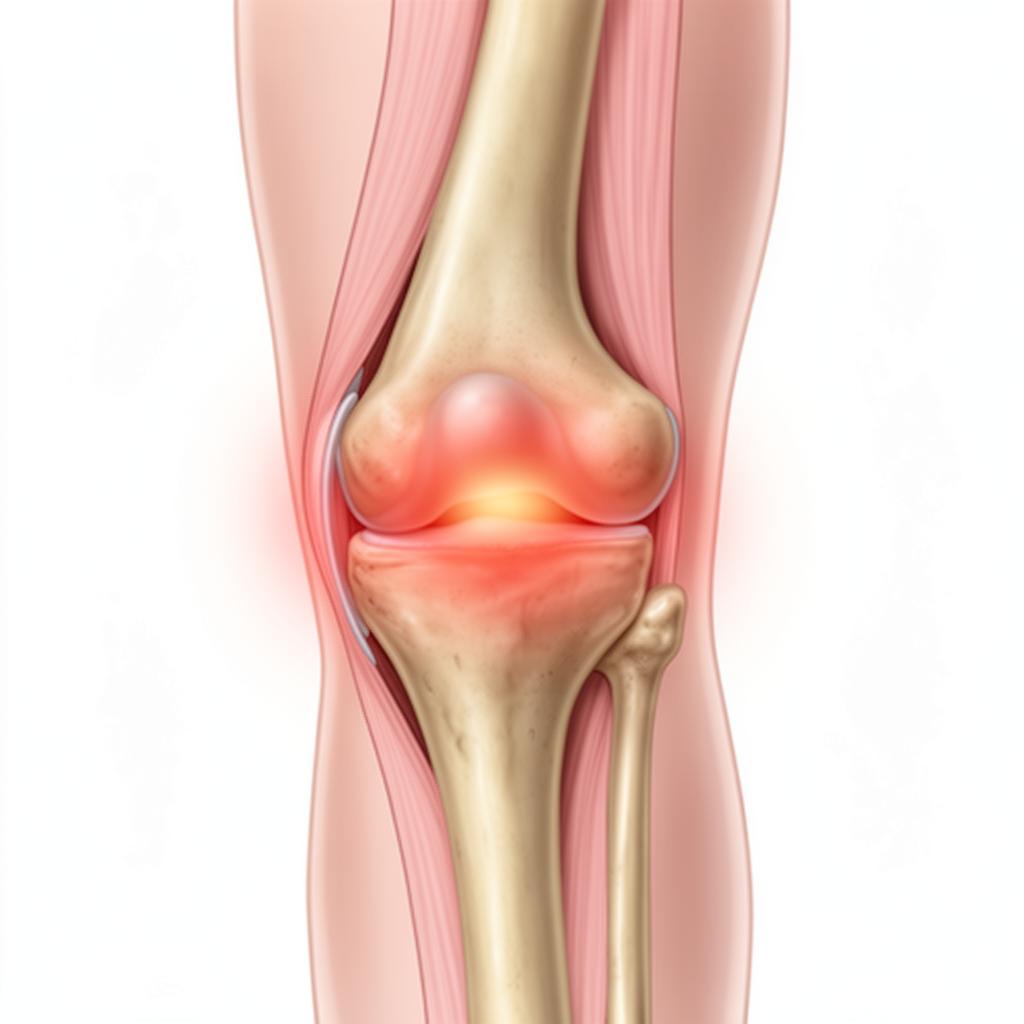
The most commonly reported sensation is discomfort along the inner side of the knee, particularly around the area between the kneecap and the inner edge of the joint. This discomfort may be more noticeable during activities that involve bending the knee, such as squatting or climbing stairs.
Clicking or Snapping Feeling
Some people notice a clicking, snapping, or catching sensation when bending or straightening the knee. This can occur when the thickened plica tissue catches on the femoral condyle during movement. The sensation is typically felt in the same inner knee area and may be more noticeable when moving from a bent to a straight position.
Mild Swelling
In some cases, the area around the irritated plica may develop mild swelling. This is typically localized to the inner knee area rather than causing widespread joint swelling. The swelling may come and go depending on activity levels.
Irritation During Bending or Squatting
Many people with plica irritation find that the discomfort increases during activities that require sustained or repetitive knee bending. Deep squats, prolonged sitting with the knee bent, and activities like cycling can all potentially increase the sensation because they place the plica in contact with the femoral condyle for extended periods.
Activities That May Increase Plica Irritation
Certain activities place more repetitive stress on the plica tissue than others. Understanding which activities are more likely to contribute to irritation can help you manage your routine more effectively.
✓ Quick Tips
- •Running: each stride involves repeated knee bending, creating frequent contact between the plica and the femoral condyle
- •Cycling: the continuous pedaling motion keeps the knee moving through its range, placing sustained repetitive stress on the plica tissue
- •Squatting: deep knee bends increase the contact pressure between the plica and surrounding joint structures
- •Stair climbing: both ascending and descending stairs involve significant knee flexion under load, which can aggravate an irritated plica
- •Repetitive knee movements: any activity that involves frequent bending and straightening of the knee, from gardening to floor exercises, can contribute to irritation
If you notice that specific activities consistently trigger discomfort, it may be helpful to temporarily reduce their frequency or intensity while focusing on strategies that support tissue recovery. For more on how repetitive activity affects the knee, see our guide on knee discomfort after exercise.
Home Strategies That May Support Knee Comfort
Many people find that simple home strategies can help support knee comfort when dealing with plica irritation. The goal is to reduce the factors that contribute to tissue irritation while maintaining joint mobility and building strength.
Reducing Repetitive Strain
The first step in managing plica irritation is often reducing the activities that place the most repetitive stress on the tissue. This does not mean stopping all activity, but rather temporarily modifying your routine to give the irritated tissue time to settle. For example, reducing running frequency, shortening cycling sessions, or choosing lower-impact alternatives like walking or swimming can help manage the situation.
Gentle Mobility Exercises
Maintaining range of motion in the knee is important even when managing irritation. Gentle knee bending and straightening exercises, performed without excessive force, can help keep the joint moving smoothly. The key is to avoid pushing into discomfort while still encouraging movement through a comfortable range.
Strengthening Surrounding Muscles
Building strength in the quadriceps, hamstrings, and hip muscles can improve how the knee tracks during movement, potentially reducing friction on the plica. Exercises like wall sits, straight leg raises, and hip bridges are gentle options that can build strength without placing excessive repetitive stress on the plica. Our guide on knee discomfort during stair climbing includes helpful strengthening strategies.
Gradual Return to Activity
When returning to physical activity after a period of reduced intensity, gradually increasing the volume and intensity is important. Jumping back to full activity levels too quickly is one of the most common reasons for recurring plica irritation. A gradual approach allows the tissue to adapt to increasing demands.
Daily Habits That May Help Reduce Knee Irritation
Beyond specific exercises, certain daily habits can help create an environment that supports knee comfort and reduces the likelihood of plica irritation.
Daily Habits for Knee Joint Support
- Maintain balanced leg strength by including both quadriceps and hamstring exercises in your routine
- Always warm up before exercise with light walking and gentle movements to prepare the joint
- Progress training gradually, increasing volume by no more than 10% per week
- Avoid prolonged periods in deeply bent knee positions that may increase plica contact
- Include hip strengthening exercises to improve overall lower body mechanics
- Take movement breaks during long periods of sitting to prevent joint stiffness
Consistency with these habits is more important than intensity. Small daily efforts to maintain strength, flexibility, and balanced movement patterns can significantly reduce the likelihood of tissue irritation recurring over time.
When Knee Discomfort Should Be Evaluated
While many cases of plica irritation respond well to home management strategies, certain situations may warrant professional evaluation.
Signs That May Warrant Professional Assessment
- Knee discomfort that persists for more than a few weeks despite reducing activity levels
- Increasing swelling around the knee joint
- Clicking or catching that becomes more frequent or interferes with daily activities
- Reduced ability to bend or straighten the knee fully
- Discomfort that significantly limits your ability to perform normal daily tasks
- Any sudden change in knee function that feels different from previous experiences
A healthcare professional can provide a thorough evaluation to determine whether plica irritation is the likely cause of your knee discomfort and can recommend appropriate next steps. They may also help identify other factors that could be contributing to your symptoms.
For additional context on related knee topics, you may find these guides helpful: understanding sudden knee discomfort, exploring knee discomfort during squatting, or learning about knee weakness without pain.
Frequently Asked Questions
What is plica syndrome in the knee?
Plica syndrome refers to irritation of the plica, which are thin folds of synovial tissue that line the inside of the knee joint. Most people have these tissue folds, and they normally function without any issues. However, when a plica becomes irritated due to repetitive movement, overuse, or friction, it can create discomfort around the knee. The medial plica, located on the inner side of the knee, is the most commonly affected.
Where is the knee plica located?
The knee contains several plica folds, but the most commonly discussed is the medial plica. It is located on the inner side of the kneecap, running along the area between the kneecap and the femur. The medial plica is a thin band of tissue that glides over the inner edge of the femoral condyle as the knee bends and straightens. Other plica folds can be found above the kneecap (suprapatellar) and below it (infrapatellar).
What causes plica irritation?
Plica irritation commonly results from repetitive knee bending movements, such as those involved in running, cycling, squatting, or stair climbing. When the knee bends and straightens repeatedly, the plica tissue can rub against the bones or cartilage of the joint, creating friction. Over time, this friction may cause the tissue to become thickened or irritated. Muscle imbalances around the knee can also contribute by changing how the joint moves.
Can exercise cause plica syndrome?
Yes, repetitive exercise is one of the most common factors associated with plica irritation. Activities that involve frequent knee bending, such as running, cycling, squatting, and stair climbing, place repetitive stress on the plica tissue. This does not mean that exercise is harmful to the knee, but rather that sudden increases in activity level or repetitive movements without adequate recovery can sometimes lead to tissue irritation.
Does plica syndrome cause clicking in the knee?
Some people with plica irritation notice a clicking, snapping, or catching sensation when bending or straightening the knee. This can occur when the thickened plica tissue catches on the edge of the femoral condyle during movement. The clicking is typically felt on the inner side of the knee and may be more noticeable during activities like stair climbing or squatting.
How can plica irritation be managed at home?
Home management of plica irritation typically involves reducing activities that cause repetitive knee bending, allowing the tissue time to settle. Gentle mobility exercises can help maintain knee range of motion, while strengthening the quadriceps and hip muscles may improve joint mechanics and reduce friction on the plica. Gradually returning to activity rather than resuming full intensity immediately is also an important part of the process.
Is medial knee pain related to plica irritation?
Discomfort on the inner side of the knee can have several possible causes, and plica irritation is one of them. The medial plica runs along the inner edge of the kneecap, and when it becomes irritated, the discomfort is typically felt in this area. However, inner knee discomfort can also be related to other factors, so it is important to consider the full picture rather than assuming a single cause.
When should knee irritation be evaluated?
Consider seeking professional evaluation if knee discomfort persists for more than a few weeks despite reducing activity, if you notice increasing swelling around the knee, if the clicking or catching sensation becomes more frequent or interferes with daily activities, or if you experience reduced ability to bend or straighten the knee fully. A healthcare professional can provide a thorough assessment.