Why Do My Knees Feel Weak Without Pain?
A weak feeling does not identify one cause. Muscles may be tired or deconditioned, but balance, coordination, the hip and ankle, joint swelling, previous injury, and nerve-related changes can also affect how secure the knee feels. Some structural problems can occur with little pain, so the absence of pain should not be used as proof that the joint is normal.
Knee weakness without pain often points to one or more of the following factors:
Common Indicators of Non-Painful Knee Weakness
- Muscle fatigue around the knee, especially in the quadriceps or hamstrings
- Reduced muscle activation after periods of inactivity or prolonged sitting
- Temporary joint instability caused by tired or deconditioned stabilizing muscles
- Decreased overall leg strength that affects how well the knee is supported during movement
A weak feeling may reflect fatigue or reduced conditioning, but symptoms alone cannot show whether the joint is structurally normal. Balance, coordination, swelling, previous injury, nerve symptoms, and the way the hip and ankle move can also contribute.

When exercise is appropriate, gradual strengthening and movement practice may improve confidence and control. The right approach depends on the pattern and cause, so persistent or true giving-way symptoms should not be managed by exercise alone. For many people, consistent movement can support feelings of knee tightness and weakness over time.
Common Everyday Causes of Weak Knees
Several everyday factors can contribute to the feeling that your knees are weak or less supportive than they should be. Most of these causes are related to how we move (or do not move) throughout the day.
Prolonged Sitting
After a long period of sitting, stiffness and the sudden move from rest to weight bearing can make the first few steps feel less steady. A feeling that quickly settles is different from repeated buckling or weakness that continues while walking. If standing up is the main trigger, compare the pattern with our guide to knee symptoms after sitting.
Muscle Fatigue After Activity
After physical activity, especially activities that heavily engage the legs like walking, hiking, or stair climbing, the muscles around the knee can become fatigued. When these muscles are tired, they provide less support to the joint, which can make the knee feel wobbly or weak. This is a normal response to exertion and typically resolves with rest and recovery. If you notice weakness specifically after exercise sessions, muscle fatigue is likely the primary factor.
Reduced Leg Strength
Over time, if the leg muscles are not regularly challenged through exercise or physical activity, they can gradually lose strength. This is particularly common as people age, and it can happen so gradually that the change is not noticed until everyday tasks like walking or climbing stairs begin to feel less stable.
Lack of Movement During the Day
Even without prolonged sitting, a generally sedentary day can contribute to knee weakness. The muscles around the knee benefit from regular activation throughout the day. Short walks, standing breaks, and gentle movements help keep these muscles engaged and ready to provide support when needed.
Imbalance Between Quadriceps and Hamstrings
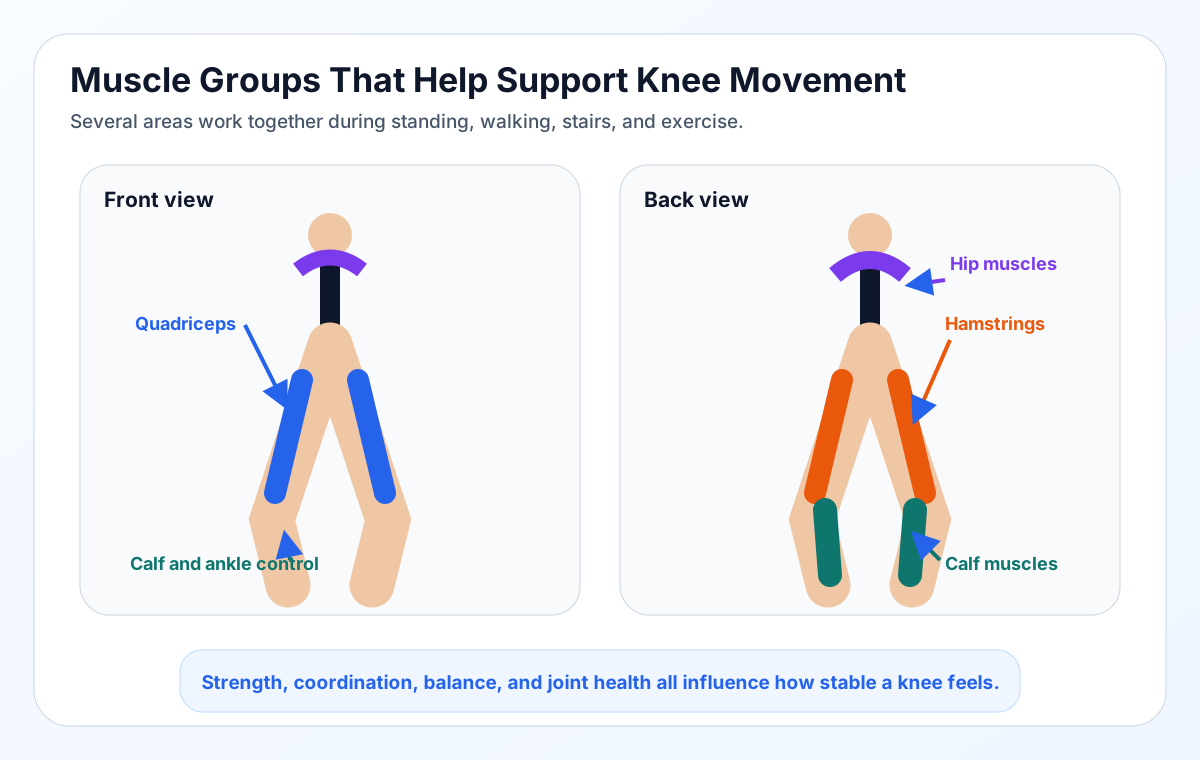
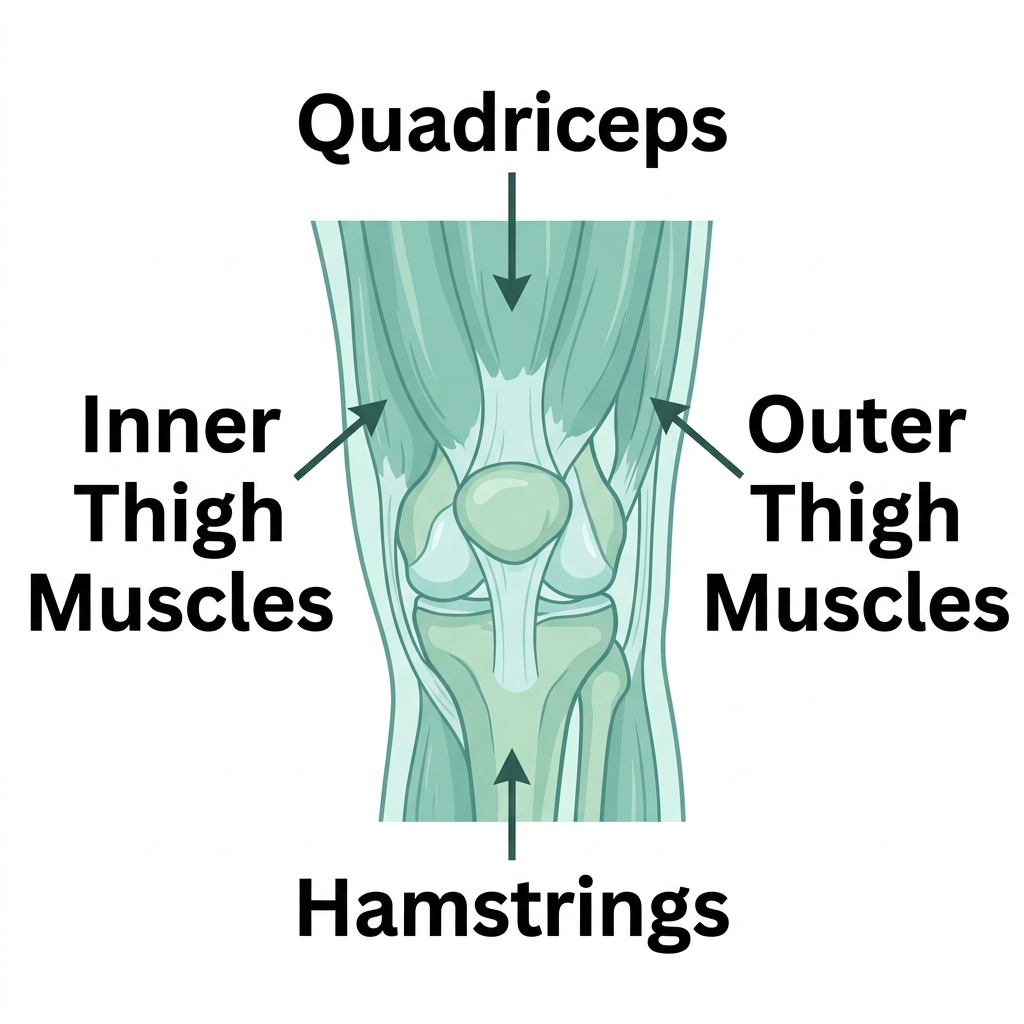
The quadriceps (front of the thigh) and hamstrings (back of the thigh) work as a team to stabilize the knee. When one group is significantly stronger than the other, the knee may feel less stable during certain movements. This imbalance is common in people who sit frequently, as the hamstrings tend to become shorter and weaker relative to the quadriceps.
Why Knees May Feel Weak When Walking or Climbing Stairs
Walking and stair climbing are two activities where knee weakness is most commonly noticed. Understanding why these specific movements reveal instability can help you address the underlying causes more effectively.
Muscle Stabilization Roles During Movement
During walking, the quadriceps contract to straighten the knee with each step, while the hamstrings help control the bending motion. The hip abductors keep the pelvis level, which directly affects knee alignment. When climbing stairs, these demands increase significantly because the muscles must lift the body weight against gravity with each step.
Fatigue During Repetitive Movement
Repetitive movements like walking or stair climbing require sustained muscle effort. If the stabilizing muscles are not conditioned for prolonged use, they fatigue more quickly. This fatigue reduces their ability to support the knee joint, which can create a feeling of weakness or instability during or after these activities.
Coordination Between Hips, Knees, and Ankles
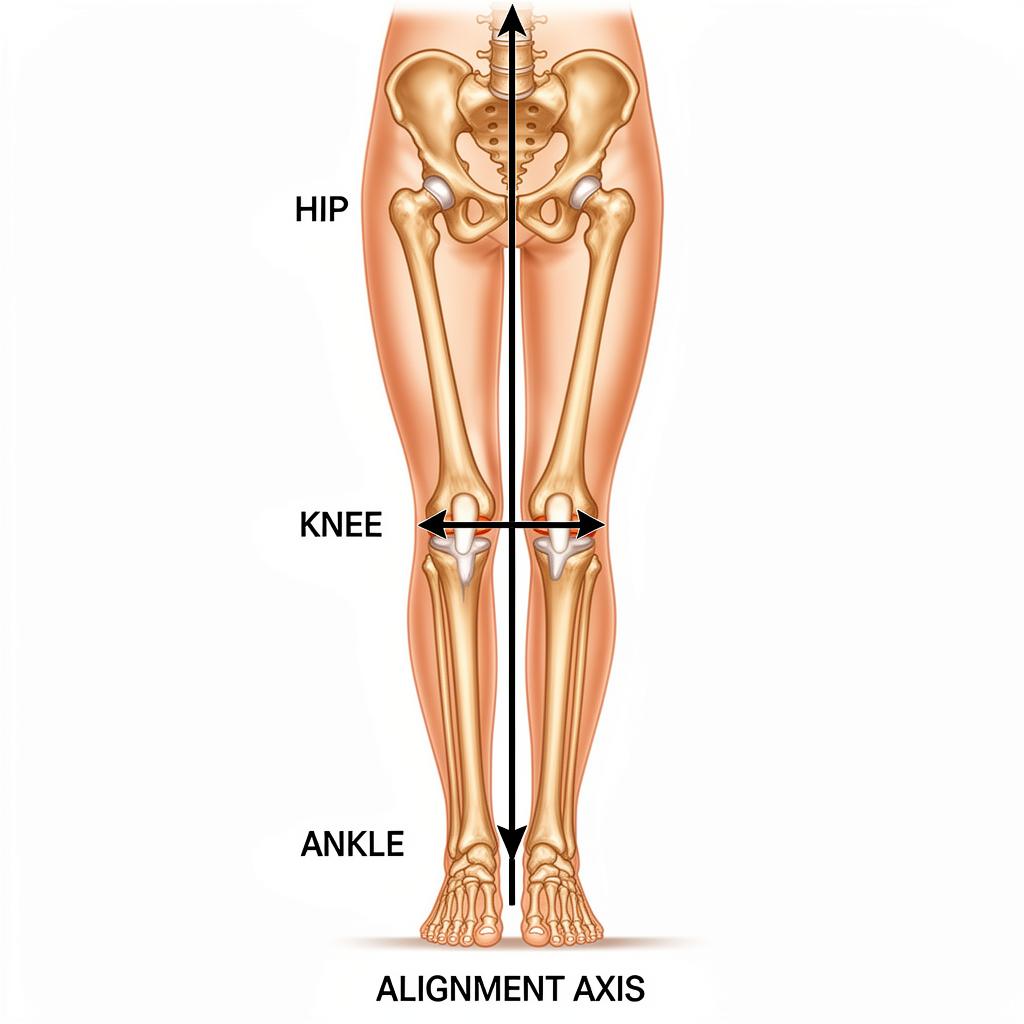
The knee does not work in isolation. It functions as part of a chain that includes the hip above and the ankle below. When hip muscles are weak, the knee must compensate for the lack of stability from above. Similarly, limited ankle mobility can change how forces travel through the knee during walking. This interconnected nature means that weakness at the knee may actually originate from the hip or ankle.
Situations Where Knee Weakness Often Appears
Knee weakness tends to show up in predictable situations. Recognizing these patterns can help you understand whether your experience is typical and what might be contributing to it.
✓ Quick Tips
- •After long walks: extended walking fatigues the quadriceps and hamstrings, reducing their ability to stabilize the knee toward the end of a walk
- •After exercise: muscle fatigue following workouts, especially leg-focused sessions, can temporarily reduce knee stability
- •When standing up from sitting: the quadriceps must activate quickly to support the knee during this transition, and delayed activation can feel like weakness
- •During stair climbing: stairs demand significantly more muscle effort than level walking, making weakness more noticeable
- •After periods of inactivity: extended rest or recovery periods can lead to muscle deconditioning that affects knee support
If you notice weakness specifically when squatting or bending deeply, the quadriceps and hip muscles may need additional strengthening to handle the increased demand of these movements.
Simple Ways to Support Knee Stability at Home
The good news about knee weakness related to muscle conditioning is that it often responds well to consistent, gradual effort. Here are practical strategies you can incorporate into your daily routine.
New difficulty lifting the ankle or toes is not ordinary knee deconditioning. Foot slapping, repeated toe catching, or outer-shin numbness can reflect peroneal nerve compression near the fibular head and deserves prompt assessment.
Strengthening Leg Muscles
Building strength in the quadriceps, hamstrings, and calf muscles directly improves knee stability. Simple exercises that can be done at home include wall sits, chair squats, step-ups, and straight leg raises. Start with what feels manageable and gradually increase the challenge over time.
Improving Hip Stability
Since the hip directly influences knee alignment and stability, strengthening the hip muscles is equally important. Hip bridges, clamshells, and side-lying leg raises are effective exercises that target the hip abductors and glutes. These exercises help the entire lower body chain work more efficiently.
Gentle Mobility Exercises
Maintaining flexibility and range of motion in the knee, hip, and ankle joints supports overall stability. Gentle knee bends, ankle circles, and hip rotations performed daily can help keep the joints moving smoothly. If you experience knee tightness along with weakness, mobility work becomes especially important.
Maintaining Regular Physical Activity
Consistent low-impact activities like walking, swimming, or cycling help maintain the muscle strength needed for knee stability. The key is regularity rather than intensity. Even 20 to 30 minutes of moderate activity most days can make a significant difference in how stable your knees feel.
Gradual Strength Training
If you are starting from a lower fitness level, beginning with very gentle exercises and slowly increasing the difficulty is important. Jumping into an intense exercise program can lead to excessive fatigue that temporarily worsens the feeling of weakness. A gradual approach allows the muscles to adapt and grow stronger over time.
Daily Habits That Support Stronger Knees
Beyond specific exercises, certain daily habits can help maintain knee strength and reduce episodes of weakness.
Habits That Build Knee Strength Over Time
- Take short walking breaks every 30 to 60 minutes during extended sitting periods
- Use stairs when possible instead of elevators to maintain leg strength naturally
- Stand on one leg briefly while waiting in line or brushing teeth to challenge balance and knee stability
- Stretch the quadriceps, hamstrings, and calves at least once daily to maintain flexibility
- Practice good posture while standing and walking to keep the hip-knee-ankle chain aligned
- Increase activity levels gradually when returning to exercise after a break
Consistency is the most important factor when building knee stability. Even small daily efforts accumulate over weeks and months into meaningful improvements in how stable and supported your knees feel during everyday activities.
When Knee Weakness Should Be Evaluated
While occasional knee weakness is common and often related to muscle conditioning, certain patterns may warrant professional evaluation.
Signs That May Warrant Professional Evaluation
- Repeated episodes of the knee giving way or buckling unexpectedly during daily activities
- Difficulty supporting your body weight on the affected leg during walking or standing
- Weakness that progressively worsens over weeks or months despite regular activity
- New swelling, locking, or catching sensations that accompany the weakness
- Instability that significantly limits your ability to perform normal daily tasks
- Knee weakness that appeared suddenly after a specific incident or fall
If your knee weakness is mild, occasional, and improves with movement and exercise, it is most likely related to muscle conditioning. However, trusting your instincts is important. If something feels different or concerning, seeking guidance from a healthcare professional is always a reasonable step.
For general support between activities, many people find that maintaining a consistent routine of gentle exercise, stretching, and mobility work helps their knees feel more stable and confident during daily life. Exploring guides on related topics like knee stiffness after resting or knee discomfort when standing up may also provide helpful context.
Knees that move beyond the usual straight position need a different discussion from general weakness. The hypermobile knees guide explains extra range, movement control, symptomatic hypermobility, and why flexibility alone does not diagnose a connective-tissue disorder.
Frequently Asked Questions
Why do my knees feel weak but not painful?
A weak or unsteady feeling can be related to muscle fatigue, reduced conditioning, balance, or coordination, especially after sitting or a change in activity. The symptom alone cannot confirm the cause, and swelling, nerve symptoms, injury, or true giving-way episodes deserve professional assessment.
Is knee weakness without pain normal?
Temporary weakness can occur after inactivity or muscle fatigue, but there is no single explanation that applies to everyone. Mild, occasional symptoms may improve with rest and gradual conditioning; repeated buckling, numbness, swelling, or worsening instability should be assessed.
Why do my knees feel unstable when walking?
Knee instability during walking is often related to fatigue in the quadriceps, hamstrings, or hip stabilizers. These muscles work together to keep the knee joint aligned and supported during each step. When they are tired, deconditioned, or imbalanced, the knee may feel less secure or stable. Improving leg strength and hip stability through regular exercise can often help address this feeling.
Can weak leg muscles cause knee instability?
Reduced strength can contribute to an unsteady feeling, and the quadriceps, hamstrings, calves, and hip muscles all participate in lower-limb control. Balance, coordination, the hip and ankle, joint irritation, and nerve-related factors can also affect stability.
How can I strengthen weak knees?
Building knee strength involves strengthening the muscles that support the joint. Gentle exercises like wall sits, step-ups, leg extensions, and hip bridges can help build quadriceps, hamstring, and hip strength over time. Starting slowly and gradually increasing intensity is important. Consistency matters more than intensity, so aim for regular, moderate sessions rather than occasional intense workouts.
Why do my knees feel weak after sitting?
After a long period of sitting, stiffness and a sudden change from rest to weight bearing can make the first few steps feel less steady. Note whether the feeling quickly settles or comes with pain, swelling, numbness, back symptoms, or true buckling.
Does exercise help knee weakness?
Regular exercise is one of the most effective ways to support knee stability and reduce feelings of weakness. Strengthening exercises for the quadriceps, hamstrings, and hip muscles help the joint feel more stable during daily activities. Low-impact activities like walking, swimming, and cycling also help maintain leg strength and improve circulation to the knee area.
When should knee weakness be checked?
Consider seeking professional guidance if knee weakness is persistent and does not improve with regular activity, if you experience repeated episodes of the knee giving way or buckling, if the weakness is accompanied by swelling, locking, or new discomfort, or if it significantly affects your ability to perform daily activities like walking or climbing stairs.