Strong, stable knees play a crucial role in everything we do, from walking and climbing stairs to sitting down and standing up. Yet many of us take our knee health for granted until discomfort appears. Learning how to strengthen knees through daily habits and gentle approaches can make a meaningful difference in how your knees feel and function over time.
This guide takes a holistic view of knee support and knee stability, focusing on practical, accessible approaches that anyone can incorporate into their daily routine. We'll explore why strength matters, what habits help, and how to avoid common mistakes that may undermine your efforts.
Why Knee Strength Is Important for Stability
Your knees are designed to handle significant loads throughout the day. However, the knee joint itself relies heavily on the surrounding muscles, tendons, and ligaments for stability. When these supporting structures are strong and balanced, your knees move more smoothly and feel more secure.
Knee stability isn't just about preventing injury. It affects how confident you feel during everyday activities. Strong knees make it easier to:
✓ Quick Tips
- •Walk on uneven surfaces without feeling unsteady
- •Navigate stairs with greater confidence
- •Get up from chairs and low seats more easily
- •Stand for longer periods without fatigue
- •Maintain balance during quick movements
The muscles that matter most for knee joint support include the quadriceps at the front of your thigh, the hamstrings at the back, and the muscles around your hips and core that help stabilize your entire lower body. When any of these muscle groups are weak or imbalanced, your knees may have to work harder to compensate.
The Muscle-Knee Connection
Your knee joint relies on surrounding muscles for approximately 60% of its stability. The remaining support comes from ligaments and the joint structure itself. This means that maintaining muscle strength is one of the most controllable factors in knee health.
Everyday Habits That Support Stronger Knees
You don't need a gym membership or specialized equipment to work on knee strengthening habits. Many of the most effective approaches involve simple modifications to your daily routine.
Movement Throughout the Day
Prolonged sitting is one of the most overlooked factors affecting knee comfort. When we sit for extended periods, the muscles around our knees become inactive, blood flow decreases, and stiffness can develop. Breaking up sitting time with brief movement breaks makes a significant difference.
Consider setting a reminder to stand and move for two to three minutes every 30 to 45 minutes. This doesn't require formal exercise; simply walking around your home or office, shifting your weight, or gently bending and straightening your knees keeps the joint mobile and the muscles engaged.
Mindful Walking
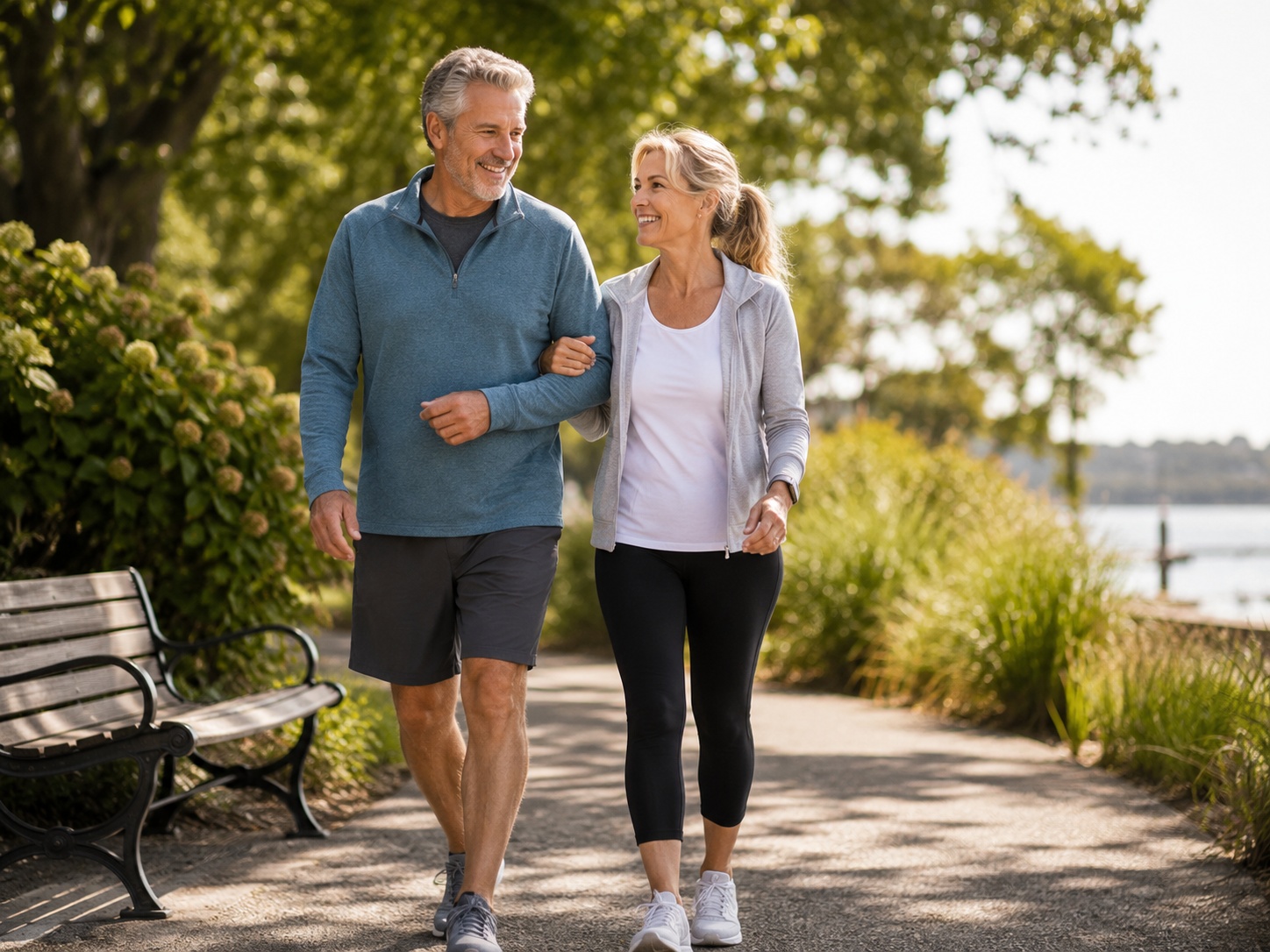
Walking is one of the best activities for strengthening knees without high impact. But how you walk matters. Pay attention to your posture, keeping your core gently engaged and your weight evenly distributed. Avoid locking your knees fully with each step, and choose supportive footwear that cushions impact.
If possible, incorporate walking on various surfaces. Gentle terrain changes help strengthen the stabilizing muscles around your knees and improve proprioception, your body's awareness of its position in space.
Morning Warm-Ups
Many people notice that their knees feel stiffest first thing in the morning. Starting your day with a few minutes of gentle movement can help warm up the joint and prepare it for daily activities. This might include gentle knee circles while sitting, slow straightening and bending of each leg, or simply walking slowly around your home before rushing into your routine.
Gentle, Low-Impact Movements for Knee Support
While this guide avoids prescribing specific clinical exercises, understanding the types of gentle movements that generally support knee joint support can help you explore what works for your body.
Seated Leg Extensions
While sitting in a chair, slowly straightening your leg until it's parallel with the floor, holding briefly, then lowering it gently, engages the quadriceps muscles that provide crucial knee support. This simple movement can be done almost anywhere, from your office to your living room.
Gentle Squatting Movements
Partial squatting motions, where you lower yourself only partway before rising again, help strengthen the muscles around the knee while keeping impact minimal. Using a chair for support initially can help you find your comfortable range of motion.
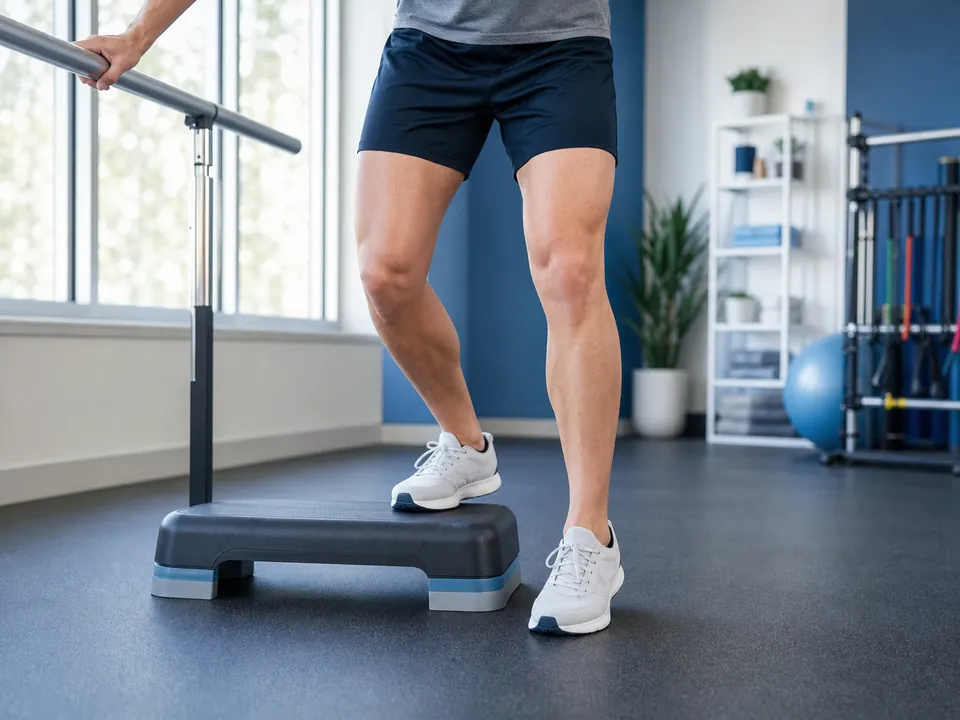
Step-Ups
Using a low step or sturdy platform, stepping up and down with control engages the quadriceps, hamstrings, and gluteal muscles. Starting with a very low step and gradually increasing height as you feel comfortable allows progressive strengthening.
Heel Raises
Standing and slowly rising onto your toes, then lowering back down, strengthens the calf muscles that contribute to overall lower leg stability. Holding onto a wall or chair for balance makes this accessible for all fitness levels.

The Importance of Progression
When beginning any new movement routine, starting gently and progressing gradually is essential. Your body needs time to adapt. What feels too easy initially may be exactly the right starting point. Consistency over time yields better results than occasional intense efforts.
Lifestyle Factors That Influence Knee Comfort
Beyond movement, several lifestyle factors play important roles in daily knee comfort and long-term knee health.
Body Weight Considerations
The knees bear a significant portion of our body weight, and this load multiplies during activities like walking, climbing stairs, or squatting. Research suggests that even modest reductions in body weight can meaningfully decrease stress on the knee joints. This isn't about achieving a specific number but about understanding the relationship between weight and joint load.
Nutrition and Hydration
The cartilage and soft tissues around your knees depend on adequate hydration and proper nutrition. Drinking enough water throughout the day helps maintain the synovial fluid that lubricates your joints. A balanced diet rich in vegetables, lean proteins, and healthy fats supports tissue health. Some research suggests that foods with anti-inflammatory properties may be particularly beneficial.
Sleep and Recovery
Quality sleep is when your body performs much of its repair and recovery work. Getting adequate rest supports muscle recovery and overall tissue health. If knee discomfort affects your sleep, experimenting with pillow placement between or under your knees may help.
Footwear Choices
The shoes you wear affect your knees more than you might realize. Supportive footwear with good cushioning helps absorb impact during walking. Worn-out shoes or heels that alter your natural gait can contribute to increased knee stress over time.
✓ Quick Tips
- •Choose shoes with adequate arch support and cushioning
- •Replace worn-out footwear before the cushioning fails
- •Consider how different shoes feel during various activities
- •Limit time in heels or unsupportive footwear
- •Allow your feet to rest and recover in comfortable shoes at home
Common Mistakes That May Weaken Knee Support
Even with good intentions, certain habits or approaches can undermine your efforts to strengthen knees and maintain knee stability.
Being Too Sedentary
While rest is important, too much inactivity weakens the muscles that support your knees. The "use it or lose it" principle applies: muscles that aren't regularly engaged gradually lose strength. Finding the right balance between activity and rest is key.
Ignoring Pain Signals
Pushing through pain may seem admirable, but it can lead to further issues. Discomfort is your body's way of communicating. Learning to distinguish between the mild sensation of working muscles and pain that signals a problem helps protect your knees over time.
Sudden Intensity Increases
Whether starting a new walking routine or increasing your activity level, sudden jumps in intensity can overwhelm unprepared joints and muscles. Gradual progression gives your body time to adapt and build strength safely.
Neglecting Warm-Ups
Starting activities without warming up means working with cold, stiff tissues that are more vulnerable to strain. Taking even a few minutes to move gently before more vigorous activity prepares your knees for the demands ahead.
Focusing Only on the Knees
Knee stability depends on the entire kinetic chain, from your feet through your hips and core. Neglecting hip strength or core stability can place additional stress on your knees. A balanced approach that addresses the whole lower body tends to be more effective than focusing solely on the knee joint.
Creating a Sustainable Knee Comfort Routine
The most effective approach to knee strengthening habits is one you can maintain consistently over time. Rather than intensive programs that are difficult to sustain, consider building small habits that fit naturally into your daily life.
This might mean doing a few leg extensions while watching television, taking a short walk after meals, or spending two minutes on gentle knee movements first thing in the morning. The specific activities matter less than the consistency of your practice.
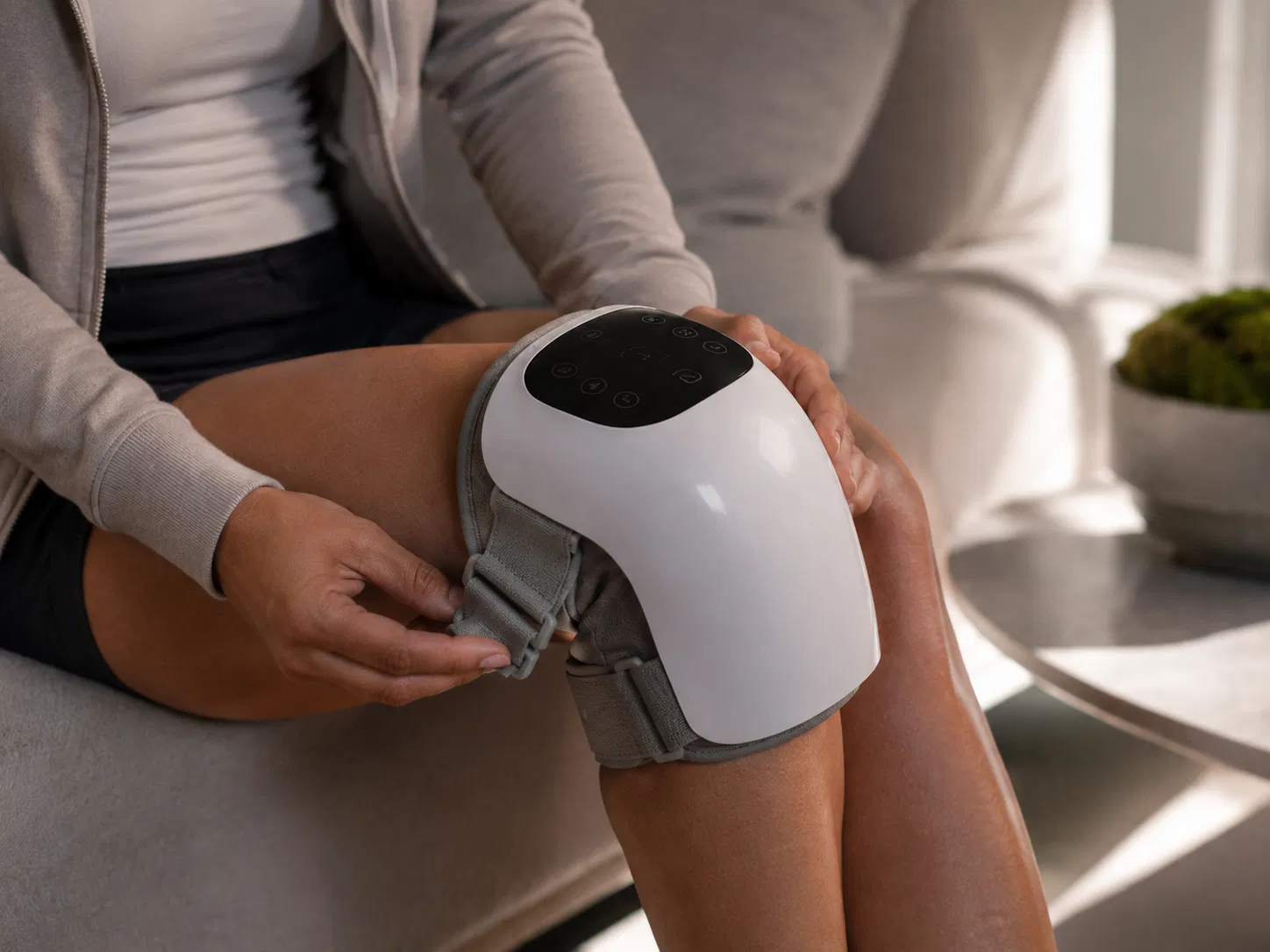
Some people find that at-home support tools complement their daily routines. Warmth application before activity can help prepare stiff joints, while gentle support afterward may aid in recovery. Whatever approaches you choose, making them a regular part of your day tends to yield the best results.
For a step-by-step approach to building knee-supportive habits, see our guide on building a daily knee comfort routine. If you're a runner, our running knee pain guide covers strengthening in the context of running. Those dealing with arthritis may find our knee arthritis guide helpful for combining strength work with other management strategies. And for understanding why consistent effort matters, explore why knee discomfort can persist.
For two technique-focused options, the Nordic hamstring curl guide explains assisted eccentric progressions and why hamstring injury-prevention evidence is not the same as proof of treating knee pain. The heel-elevated cyclist squat guide shows how heel height, depth, support, and load change the exercise before weight is added.
Frequently Asked Questions
What are the best exercises to strengthen weak knees?
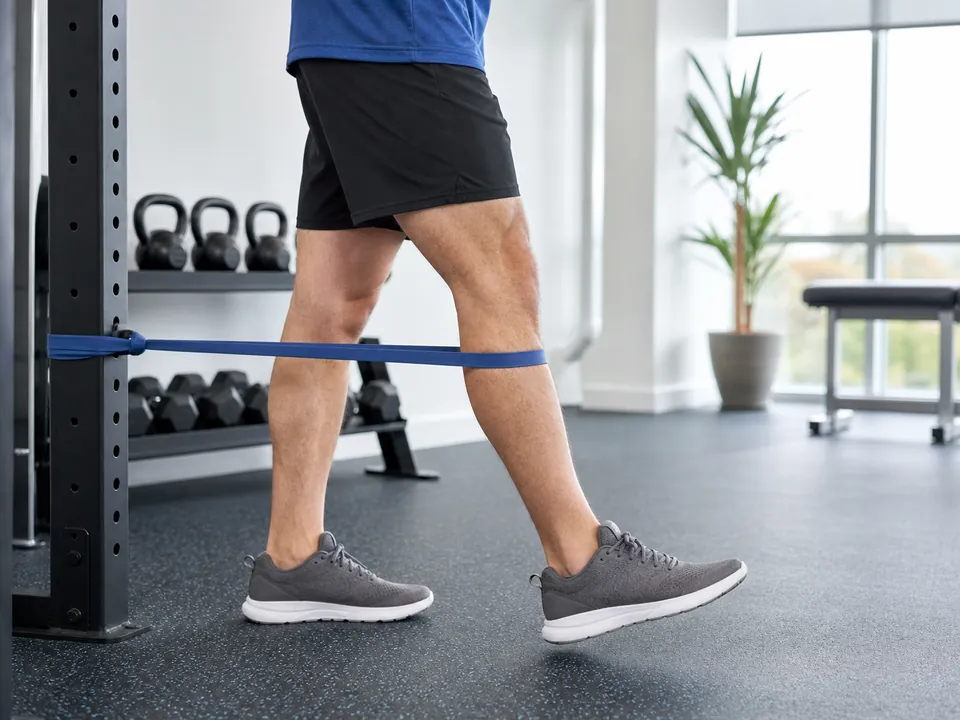
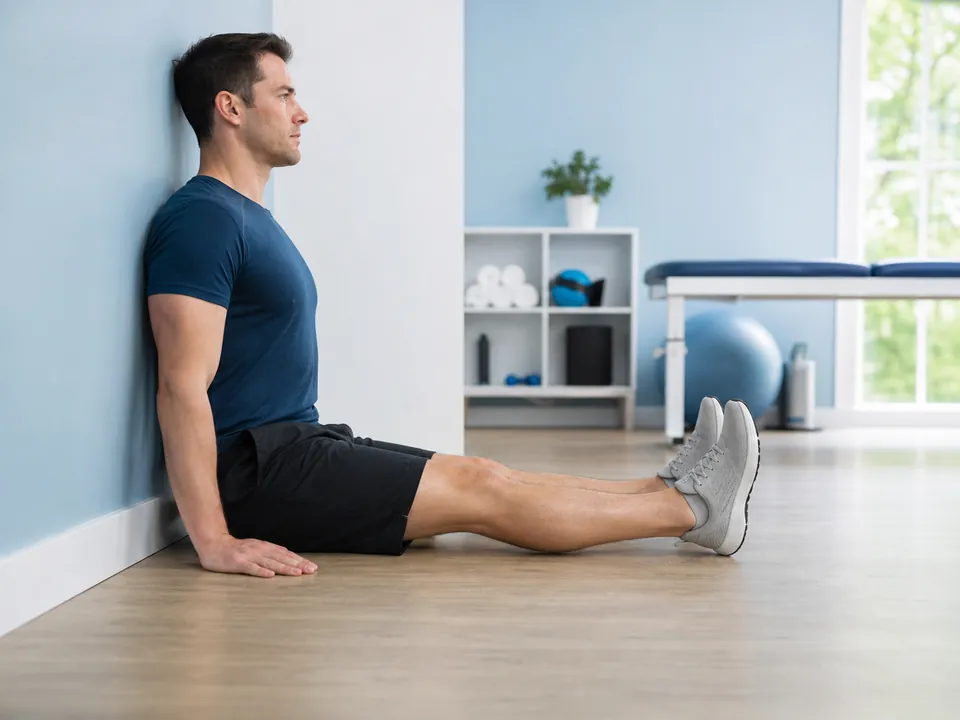
Effective exercises include gentle leg extensions, hamstring curls, wall sits, step-ups on low platforms, and straight leg raises. Focus on building strength in the quadriceps, hamstrings, and hip muscles that support the knee joint. Start gently and progress gradually.
How long does it take to strengthen weak knees?
Most people notice improvement within 4 to 8 weeks of consistent, gentle exercise. However, meaningful strength gains typically develop over 2 to 3 months of regular practice. Consistency matters more than intensity, and patience with the process yields the best results.
Can I strengthen my knees without exercise equipment?
Yes, many effective knee-strengthening exercises require no equipment. Wall sits, step-ups on stairs, standing leg raises, and gentle squats can all be done at home with no special equipment. Your body weight provides sufficient resistance for building supportive strength.
Why do my knees feel weak when climbing stairs?
Stair climbing requires significant work from the muscles around the knee. Weakness during stairs often indicates that the quadriceps and hip muscles may benefit from strengthening. Building strength in these supporting muscles typically improves stair-climbing comfort.
Does walking help strengthen knees?
Walking provides gentle, low-impact conditioning that supports knee health. While it may not build significant muscle strength alone, regular walking maintains joint mobility, promotes circulation, and complements a more targeted strengthening routine.