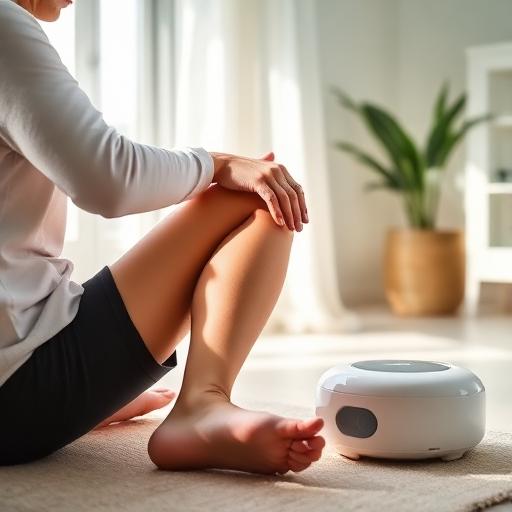
A daily knee routine works best when it's simple enough to maintain consistently over time. Complex routines often get abandoned after initial enthusiasm fades, while straightforward habits tend to become lasting parts of your day. This guide focuses on practical, sustainable approaches to supporting knee comfort through daily practices.
The goal isn't perfection or time-consuming rituals. Instead, it's about building knee habits that fit naturally into your existing life and provide cumulative benefits through consistent practice over weeks and months.
Why Daily Routines Matter for Knee Comfort
The knee joint responds to consistent care over time. Rather than occasional intensive interventions, regular gentle attention tends to produce better long-term comfort. Think of knee care like maintaining any other aspect of well-being: small daily actions accumulate into significant results.
Research consistently shows that regular, moderate activity produces better joint outcomes than sporadic intensive efforts. A daily 10-minute routine maintained over months typically provides more benefit than occasional hour-long sessions. Consistency is more important than intensity.
Many people find that establishing routine knee habits also helps them notice changes earlier. When you pay regular attention to how your knees feel, you become more attuned to patterns and more able to adjust your approach as needed. This awareness itself is valuable.
The Power of Consistent Small Actions
Research consistently shows that regular, moderate activity produces better joint outcomes than sporadic intensive efforts. A daily 10-minute routine maintained over months typically provides more benefit than occasional hour-long sessions. The cumulative effect of small daily habits is remarkable.
Morning Knee Care Practices
Morning often brings the most noticeable knee stiffness, as joints tend to feel less flexible after a night of limited movement. A brief morning routine can help transition from rest to activity more comfortably and set a positive tone for the day.
Before Getting Out of Bed
Before standing, spend a minute or two gently bending and straightening your knees while still lying down. This simple practice helps circulate synovial fluid within the joint and prepares the knee for weight-bearing. You can do ankle circles at the same time to wake up your lower legs.
Gentle Wake-Up Movement
After rising, a few minutes of gentle movement helps complete the wake-up process for your knees. This might include marching gently in place, slow knee lifts, or simply walking slowly around your bedroom or home for a few minutes before beginning your usual morning activities.
Optional Warmth Application
If morning stiffness is particularly noticeable, applying gentle warm support for 10 to 15 minutes while having breakfast or morning coffee can help ease the transition into your day. Many people find this particularly helpful during colder months or on days when stiffness seems more pronounced.
✓ Quick Tips
- •Begin gentle knee movements while still in bed to ease the transition to standing
- •Allow a few extra minutes in the morning for gentle movement before rushing into activities
- •Keep a warm compress or warming device nearby for morning use if stiffness is common
- •Stay hydrated from the start of the day to support joint function
- •Avoid sudden, demanding activities immediately upon waking
Maintaining Comfort Throughout the Day
What you do between morning and evening significantly influences knee comfort. Building supportive habits throughout the day helps maintain the benefits of your morning routine and prevents stiffness from accumulating.
Regular Movement Breaks
If your day involves prolonged sitting or standing in one position, brief movement breaks help maintain knee flexibility and comfort. Set a gentle reminder to change position and move for a minute or two every 30 to 60 minutes. Even small movements make a difference.
Mindful Movement During Activities
Pay attention to how you move throughout the day. Simple awareness of keeping knees aligned over feet, avoiding sudden twisting motions, using smooth controlled movements, and distributing weight evenly can reduce unnecessary stress on the joints. This mindfulness becomes automatic with practice.
Staying Hydrated
Adequate hydration supports joint function, including the production of synovial fluid that lubricates your knees. Keep water accessible throughout the day as a reminder to drink regularly. This simple habit supports many aspects of well-being beyond just knee comfort.
Footwear Awareness
The shoes you wear throughout the day affect how forces travel through your knees. Choosing supportive, well-fitting footwear for your activities can contribute to better knee comfort over time. Avoid wearing worn-out shoes that no longer provide adequate support.
Evening Knee Routine Practices
An evening knee routine helps process the day's activities and prepares your knees for restful sleep. This is often a natural time for self-care practices because the day's obligations are winding down.
Gentle Decompression
After a day of activity, elevating your legs for a few minutes can help reduce any accumulated swelling and give your joints a rest from weight-bearing. This is particularly helpful if you've been on your feet for extended periods. Simply lying back with your legs elevated on a pillow or ottoman for 10 to 15 minutes can feel restorative.
Warmth and Relaxation
Evening is often an ideal time for warmth application. Whether through a warm bath, heated wrap, or dedicated warming device, gentle heat can help release tension accumulated throughout the day. Combining warmth with relaxation time like reading or watching television makes this practice easy to maintain.
Gentle Evening Movement
A few minutes of gentle movement before bed, such as slow knee bends, gentle leg extensions, or simple stretches, can help maintain range of motion. Keep movements slow and controlled, avoiding anything strenuous close to bedtime. This isn't exercise; it's gentle mobility maintenance.
"Evening routines that include gentle movement and warmth application can support better sleep quality and reduce morning stiffness. The transition period before sleep is an underutilized opportunity for joint support and recovery."
Making Your Routine Sustainable
The best daily knee routine is one you'll actually do consistently. Keep these principles in mind as you develop your personal approach to daily knee care.
Start Simple and Small
Begin with just one or two habits rather than trying to implement everything at once. Once those become automatic and effortless, you can add more elements to your routine. Starting small prevents overwhelm and builds sustainable momentum.
Link to Existing Habits
Attach new knee care habits to things you already do. Do your morning knee movements while waiting for coffee to brew. Apply warmth while watching evening television. This habit-stacking approach makes new practices easier to remember and maintain.
Allow Flexibility
Your routine should adapt to your needs and life circumstances. Some days may call for more warmth, others for more movement. Some days you might skip your routine entirely due to time constraints or circumstances. Listen to your body and adjust accordingly rather than rigidly following a fixed protocol.
Focus on Consistency Over Perfection
Missing a day here and there won't undo your progress. What matters is the overall pattern of consistent, gentle care over time. Don't let occasional missed days discourage you; simply resume your routine the next day.
Building Long-Term Success
The goal of a daily knee care routine is long-term comfort, not perfection. Many people find that after several weeks of consistent practice, their knee care routine becomes as natural as brushing their teeth. The habits no longer require conscious effort, and the benefits become an expected part of daily life.
Be patient with yourself as you build these habits. The benefits accumulate gradually, and you may not notice significant changes immediately. Over weeks and months, however, consistent daily care often produces meaningful improvements in how your knees feel and function.
For understanding why daily consistency matters so much, see our guide on why knee pain doesn't always go away. If warmth plays a key role in your routine, explore the differences between warmth vs infrared approaches. And for strengthening exercises to complement your routine, see how to strengthen knees.
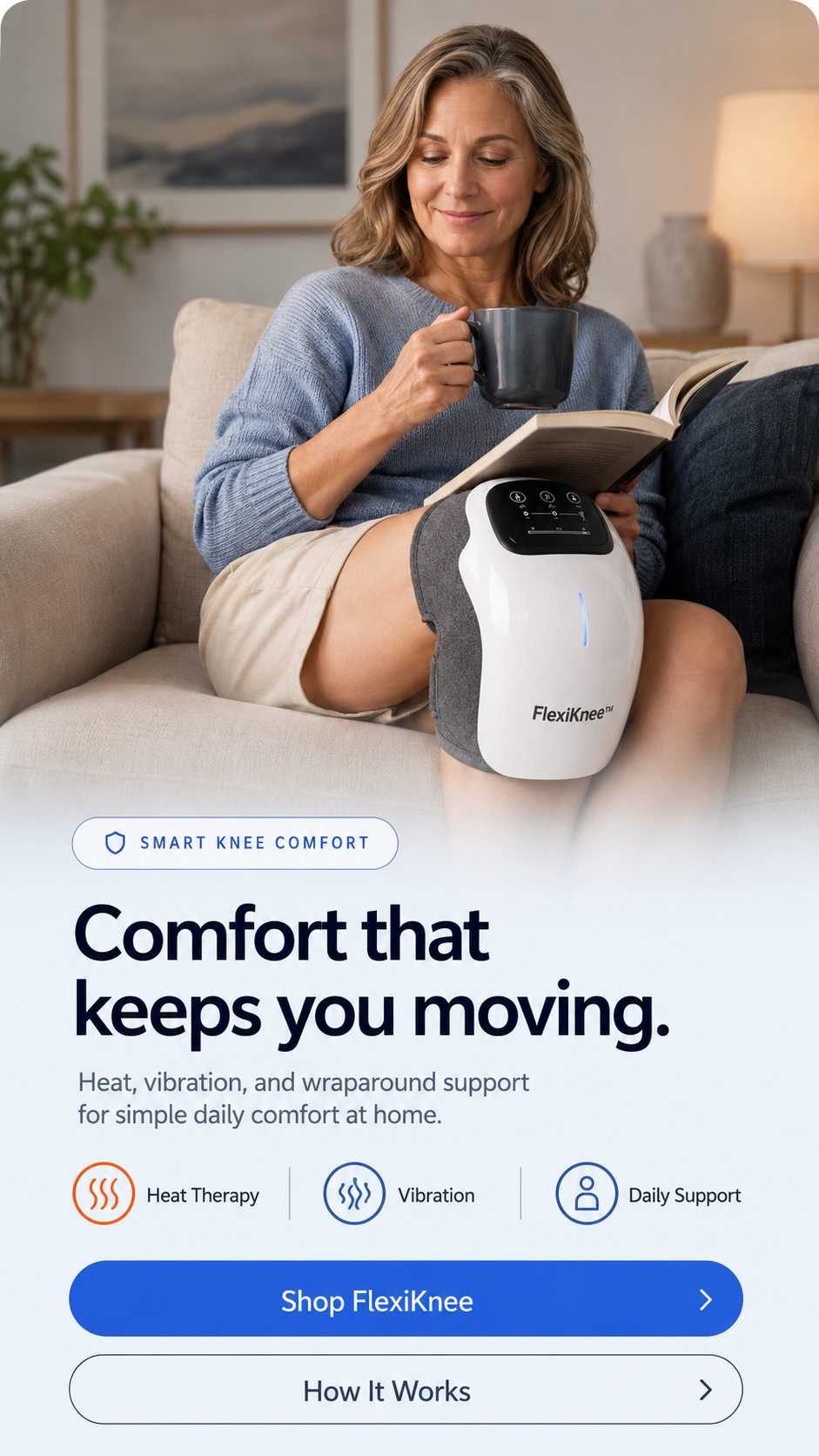
Some people include at-home therapy devices as part of their morning or evening knee care routine to support consistent warmth application.