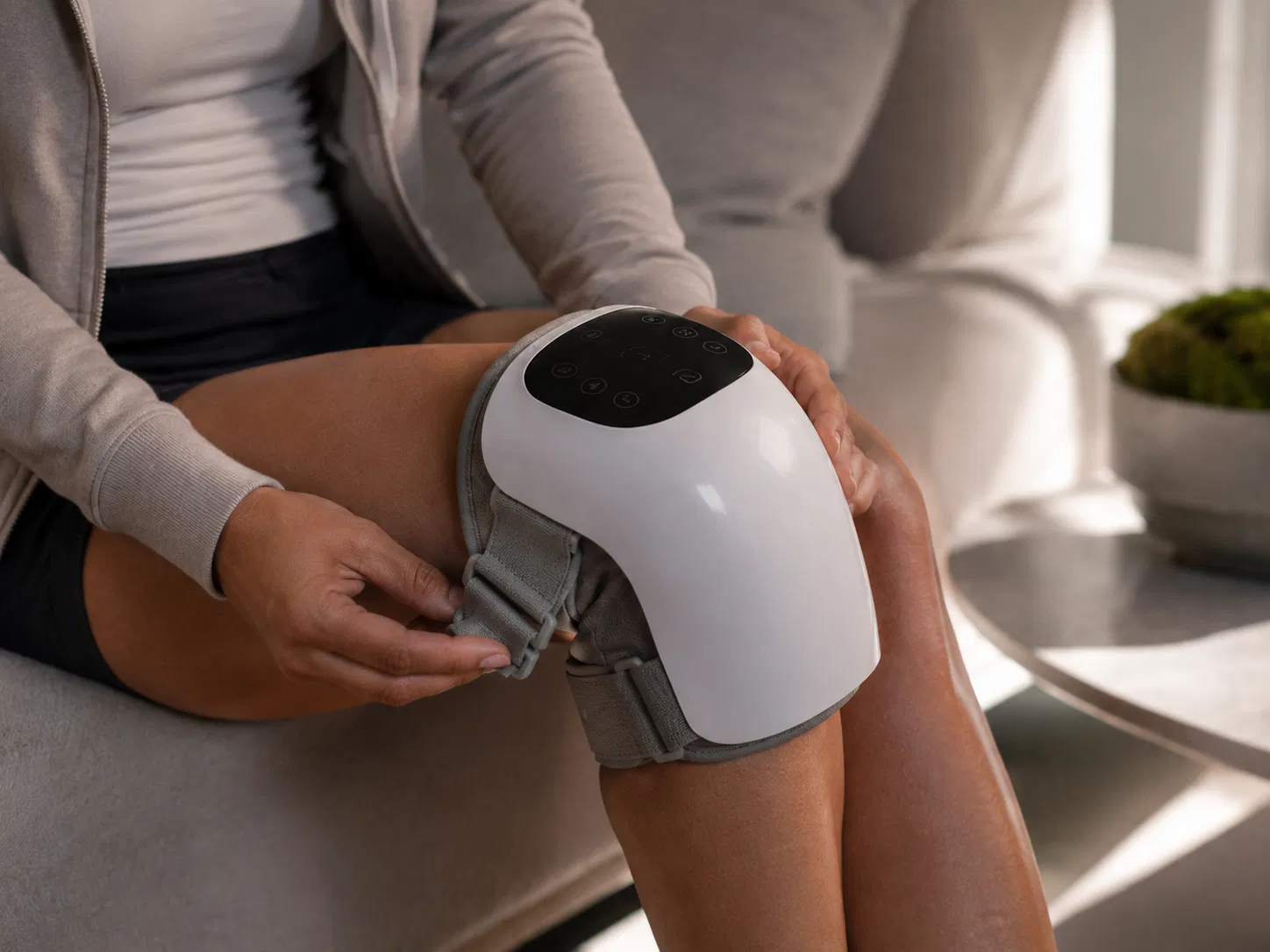
When exploring options for daily knee comfort, two approaches frequently come up: traditional warmth (heating pads, warm compresses) and infrared knee routine devices. If you've wondered about the differences between these approaches or how to choose, you're not alone. Understanding warmth vs infrared for knees can help you make informed decisions about your own comfort habits.
This guide takes a neutral, observational approach to comparing how people use warmth and infrared in their daily knee habits. We're not suggesting one is better than the other. Instead, we'll explore how each is commonly used, what the experience is like, and how some people combine both approaches.
How Warmth Is Commonly Used for Knee Comfort
Warm knee support through heating pads, warm towels, and similar methods has been used for comfort for generations. The approach is simple: apply gentle heat to the knee area to create a soothing sensation.
Traditional Heating Pads
Electric heating pads are perhaps the most common warmth tool for knee comfort. They plug into the wall, heat up within minutes, and provide consistent warmth for as long as you want to use them. People often use them while sitting, relaxing, or resting in bed.
Warm Compresses and Towels
A warm, damp towel heated in the microwave provides a quick, simple warming option. This approach is accessible, inexpensive, and can be done almost anywhere. The warmth typically lasts 15 to 20 minutes before the towel cools.
Warm Baths and Showers
Many people find that warm water provides whole-body comfort that benefits the knees. A warm bath allows for extended warmth exposure while also providing relaxation benefits. Morning or evening bathing routines often include this approach.
Heated Blankets and Wraps
Wearable heated wraps designed specifically for knees offer the convenience of targeted warmth with the freedom to move around. These typically operate on batteries or rechargeable power and can be worn during light activities.
The Warmth Experience
Traditional warmth provides surface-level heat that creates an immediate sensation of comfort and relaxation. The heat helps muscles feel less tense and creates a cozy, soothing environment for the knee area. This familiar sensation is what most people think of when considering heat for comfort.
How Infrared Is Commonly Described and Used
Infrared knee routine devices use infrared light wavelengths to produce warmth. While the result is also warmth, the experience and mechanism are somewhat different from traditional heating methods.
LED-Based Infrared Devices
Many modern knee comfort routine devices use LED lights that emit infrared wavelengths. These devices wrap around the knee and emit gentle infrared light that creates a warming sensation as the energy reaches the skin.
Infrared Heating Pads
Some heating pads use infrared heating elements rather than traditional electric coils. Users describe the warmth as feeling slightly different, sometimes described as more penetrating or deeper than surface-level heat.
Combination Devices
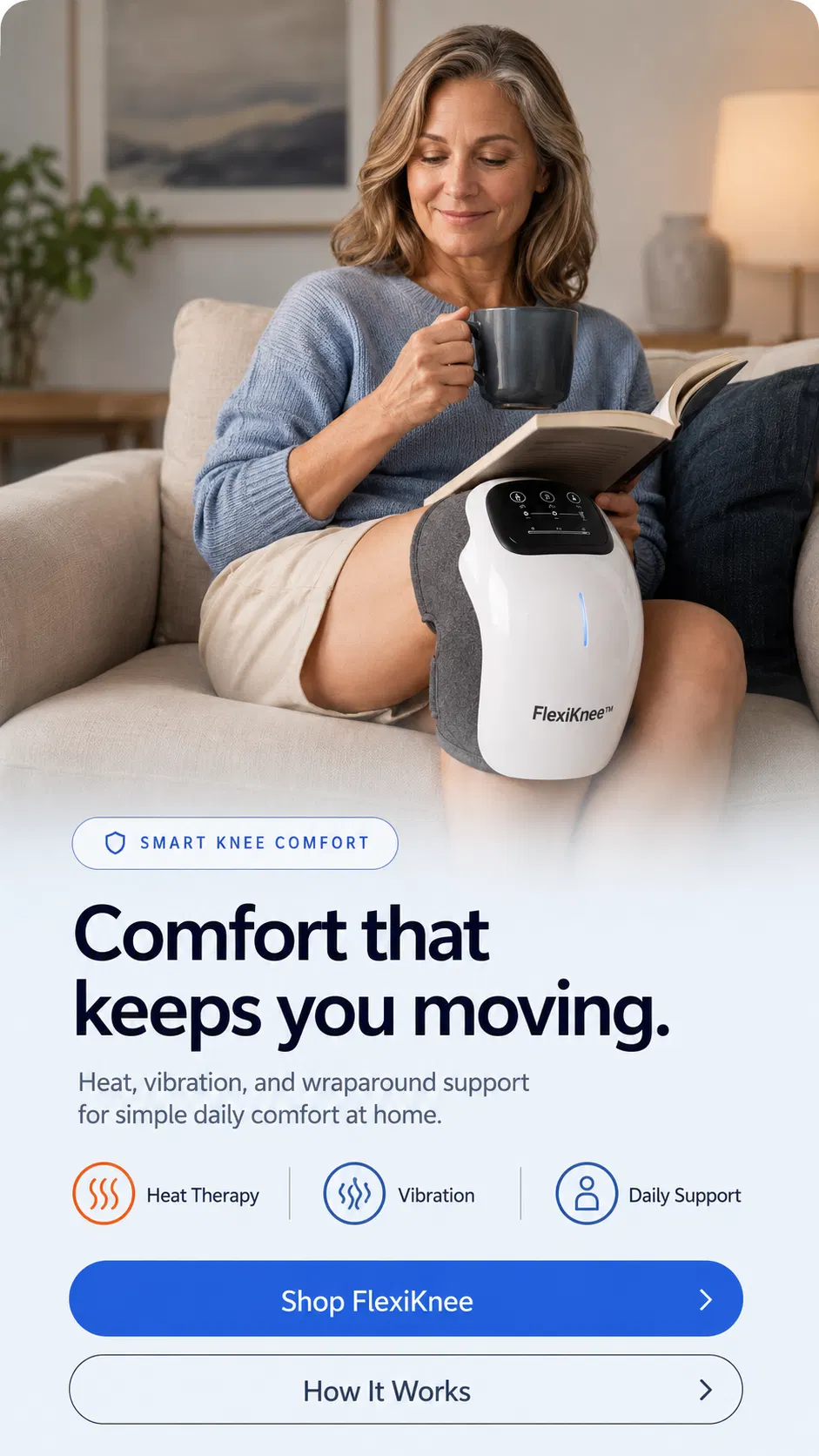
The FlexiKnee and similar devices combine infrared with other features like vibration massage. These all-in-one devices allow users to customize their experience with multiple comfort modalities in a single wearable unit.
Differences in Experience
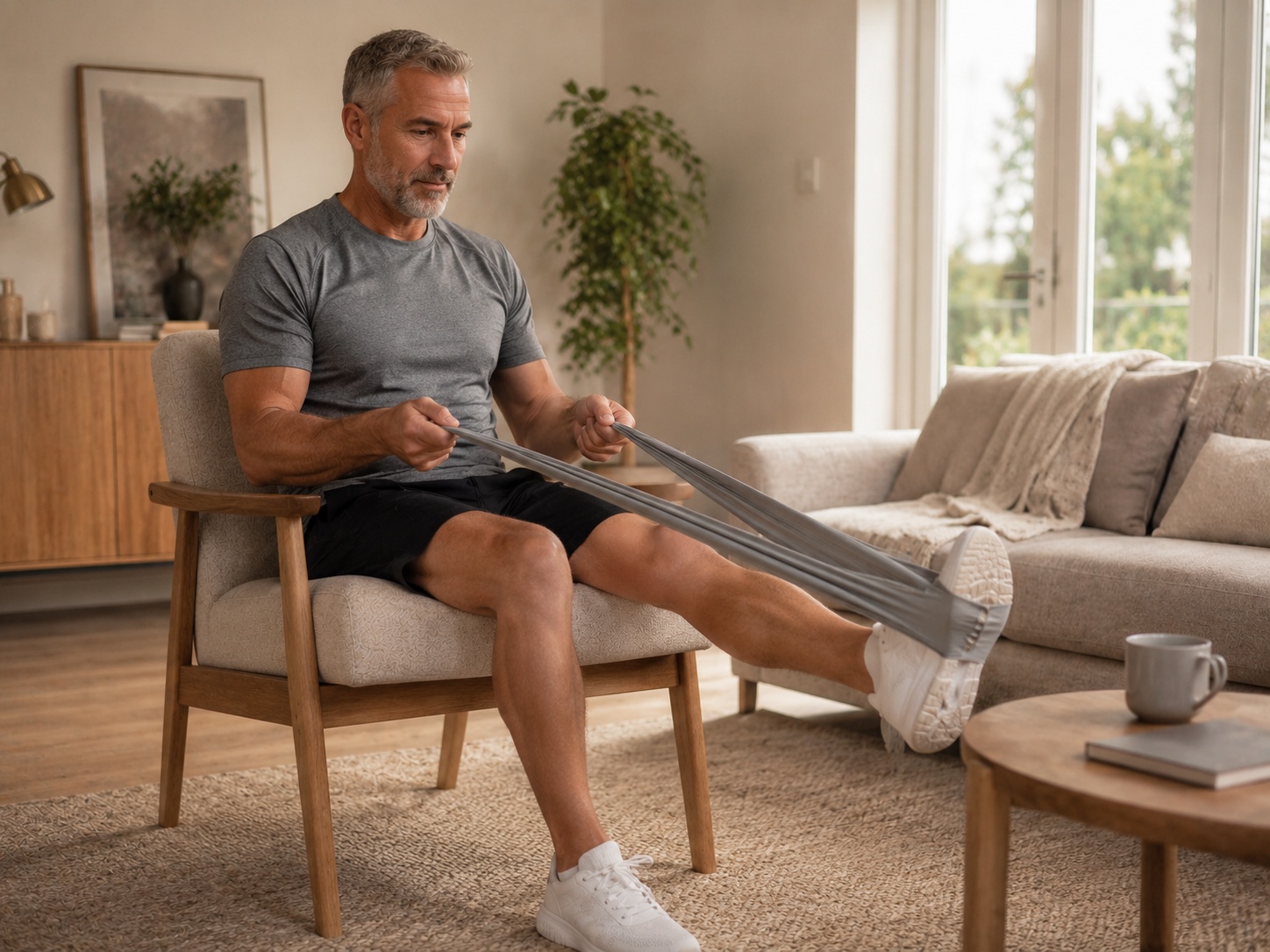
While both warmth and infrared produce heating sensations, users often describe the experiences differently. Understanding these differences can help you decide which might suit your preferences.
Onset of Warmth
Traditional heating pads typically provide immediate surface warmth as soon as they heat up. Infrared warmth may take slightly longer to become noticeable but is often described as building gradually and feeling deeper.
Sensation Quality
Surface heat from traditional sources tends to feel like warmth on the skin. Infrared users sometimes describe the sensation as warmth that seems to extend slightly beneath the surface, though this is subjective and varies between individuals.
Duration After Use
Some users report that the warmth sensation from infrared lingers slightly longer after the device is removed compared to traditional heating pads. This may be due to how infrared wavelengths interact with tissue.
Portability and Convenience
Many infrared devices are designed as wearable, wireless units that can be used while moving around the house. Traditional heating pads often require sitting in one place near an electrical outlet.
✓ Quick Tips
- •Traditional warmth provides immediate surface comfort from familiar sources
- •Infrared warmth is often described as feeling slightly deeper or more penetrating
- •The sensation quality is subjective and varies between individuals
- •Modern infrared devices often offer portability advantages over plug-in heating pads
- •Both approaches aim to create soothing warmth for knee comfort
When People Choose One Over the Other
Different circumstances and preferences lead people to choose warmth or infrared for their daily knee habits. Here are some common factors that influence these choices.
Convenience and Lifestyle
People with active routines often prefer portable, wearable infrared devices that don't require sitting still. Those who enjoy relaxing in one spot may prefer the simplicity of a traditional heating pad.
Technology Comfort
Some people prefer familiar, simple approaches like heating pads. Others enjoy trying newer technology and appreciate the additional features (like adjustable settings and vibration) that modern infrared devices offer.
Budget Considerations
Traditional heating pads are typically less expensive upfront. Infrared devices, especially those with multiple features, represent a larger initial investment but may offer more versatility.
Specific Comfort Preferences
Personal preference matters most. Some people simply find that one approach feels better to them than the other. The only way to know which you prefer is often to try both and notice how each feels.
How Some People Combine Both in Routines
Interestingly, many people don't choose between warmth vs infrared for knees. Instead, they incorporate both into different parts of their daily routines.
Morning and Evening Differentiation
Some people use a portable infrared device in the morning when they're getting ready and moving around, then switch to a traditional heating pad in the evening when they're relaxing on the couch or in bed.
Activity-Based Choices
Others choose based on what they're doing. Infrared during light housework or while working from home; traditional warmth during dedicated relaxation time when they can sit comfortably without moving.
Seasonal Variations
Some people use more traditional warmth during colder months when the cozy feeling of a heating pad or warm bath is especially appealing, while relying more on compact infrared devices during warmer weather.
Travel vs. Home
Many people use traditional heating pads at home but pack a portable infrared device for travel. This allows them to maintain comfort routines even when away from their usual environment.
Choosing What Works for Your Routine
There's no universally better approach between warmth and infrared. What matters is what works for your lifestyle, preferences, and knee comfort routine.
Consider Your Daily Schedule
Think about when and how you would actually use a comfort device. If you're always on the move in the morning, a wearable infrared device might fit better. If you have dedicated relaxation time, a traditional heating pad might be perfect.
Think About Portability Needs
Do you travel often? Work from different locations? Need comfort while doing chores? Portable, wireless options offer flexibility that plug-in devices can't match.
Evaluate Additional Features
Many infrared devices include vibration, adjustable heat levels, and programmable timers. If these features appeal to you, they add value beyond the warmth itself.
Start with What You Have
If you already have a heating pad at home, start there. Notice how it fits into your routine and what you wish were different. This can guide whether upgrading to an infrared device makes sense for you.
Summary: Both Approaches Have Their Place
The heat and infrared comparison isn't about finding a winner. Both warmth and infrared are valued approaches that people use successfully for daily knee comfort. Traditional warmth offers simplicity, familiarity, and immediate comfort. Infrared devices often provide portability, additional features, and a slightly different warming experience.
Many people find that their routines evolve over time. What works today might change as lifestyle circumstances shift. The important thing is finding consistent habits that support your knee comfort and fit naturally into your daily life.
For a detailed comparison of heat and infrared technologies, see our guide on infrared vs traditional heating pads. If you're considering combining warmth with red light, explore heat and red light therapy benefits. For building warmth into a structured daily habit, see our daily knee care routine guide.
Whether you choose warmth, infrared, or a combination of both, the goal is the same: creating sustainable comfort habits that help you feel your best throughout each day.
Frequently Asked Questions
Is infrared warmth better than traditional heat for knees?
Neither is universally better. Infrared is often described as feeling slightly deeper, while traditional heat provides immediate surface warmth. Personal preference, lifestyle, and convenience factors typically determine which approach works best for each individual.
Can I use both warmth and infrared in the same day?
Yes, many people use both approaches at different times. For example, using a portable infrared device in the morning and a traditional heating pad during evening relaxation. There's no conflict between the two approaches.
How does the warming sensation from infrared differ from a heating pad?
Users often describe infrared as producing warmth that builds gradually and may feel like it extends slightly deeper than surface-level heat. Traditional heating pads provide immediate surface warmth. The actual sensation varies between individuals.
Which is more convenient for daily use?
It depends on your routine. Portable infrared devices offer flexibility to move around while using them. Traditional heating pads work well for dedicated relaxation time in one spot. Many modern devices combine both convenience and effectiveness.
Do I need both warmth and infrared for knee comfort?
No, you don't need both. Many people are happy with one approach that suits their lifestyle. Some prefer having options for different situations. Start with one approach and see if it meets your needs before adding alternatives.