The landscape of at-home knee comfort has shifted significantly in recent years. While heat therapy has been a trusted approach for centuries and red light therapy has gained scientific attention over the past two decades, it's the combination of heat and red light therapy that represents the most exciting development in 2026.
This guide provides an updated summary of the research behind both therapies, explains why their combined effect may be greater than either alone, and explores how you can incorporate this dual-therapy approach into your daily routine.
Heat Therapy: What the Research Shows
Heat therapy (thermotherapy) is one of the oldest and most widely studied approaches to musculoskeletal comfort. The mechanism is well-understood: applied warmth causes vasodilation, the widening of blood vessels, which increases blood flow to the targeted area.
Key research findings on heat therapy for knees:
- Multiple systematic reviews confirm that heat therapy can improve comfort and function in people with knee osteoarthritis
- Heat has been shown to increase tissue extensibility, allowing for greater range of motion
- Studies demonstrate that consistent heat application can reduce morning stiffness duration
- Heat therapy activates heat-sensitive nerve fibers that can modulate discomfort perception
- Research shows improved local circulation lasting up to an hour after a 20-minute heat session
For a more detailed comparison of heat with other approaches, see our guide on heat vs. red light therapy for knee discomfort.
Red Light Therapy: The Science Behind Photobiomodulation
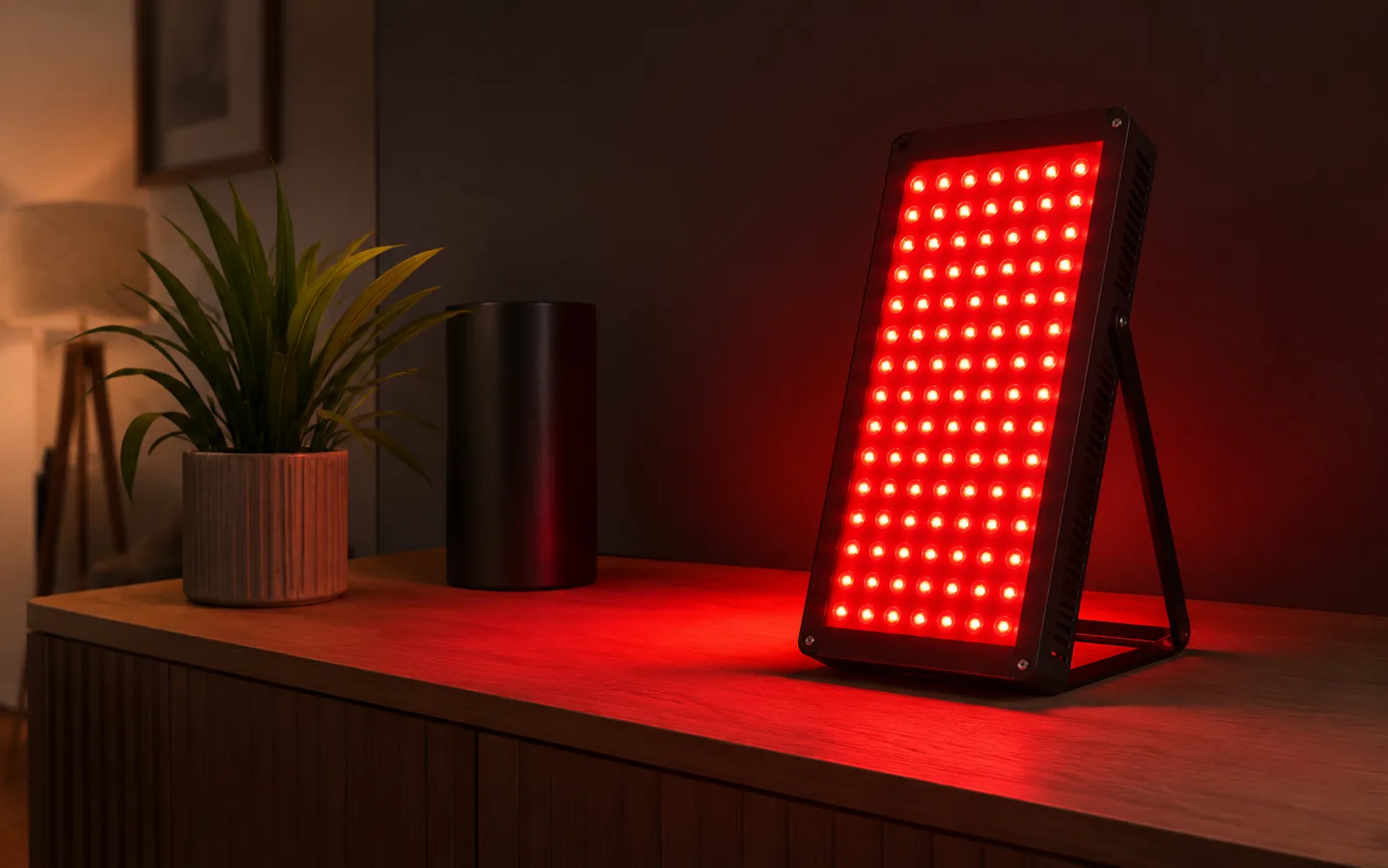
Red light therapy, also known as photobiomodulation (PBM) or low-level light therapy (LLLT), uses specific wavelengths of visible and near-infrared light to interact with tissue at the cellular level. The primary mechanism involves the interaction of photons with cytochrome c oxidase in mitochondria, the energy-producing structures within cells.
Updated 2026 research highlights:
- Systematic reviews report mixed but potentially useful findings for some knee-pain populations; protocols and study quality vary.
- Wavelengths between 630-850nm demonstrated the strongest evidence for tissue penetration and cellular interaction
- Studies show that red light therapy may support collagen production, which is relevant for cartilage and connective tissue health
- Research indicates cumulative benefits, meaning consistent use over weeks yields better outcomes than sporadic application
- Direct research on combining heat with red light remains limited, so claims of added benefit should be treated cautiously.
The Synergy Effect: Why Combining Heat + Red Light Works Better
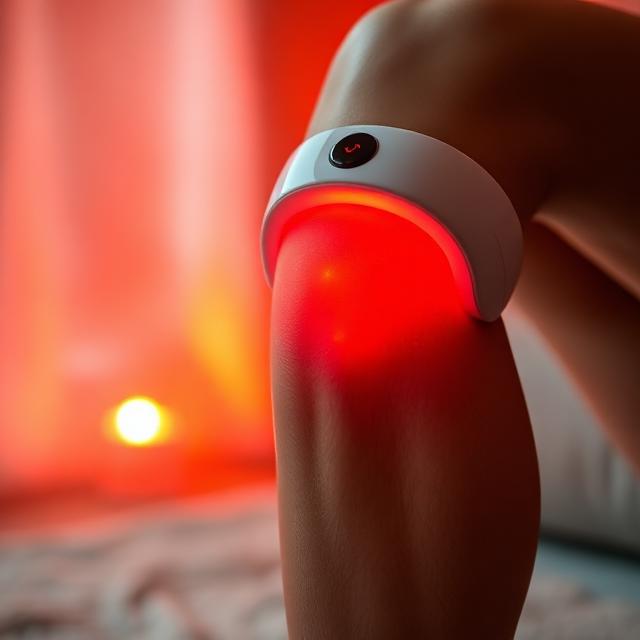
Perhaps the most compelling finding in recent research is that heat and red light therapy may feel complementary in the same routine, meaning their combined benefit is potentially complementary, but not yet proven to outperform either approach alone.
Here's why this synergy occurs:
- Heat increases blood flow → Red light reaches more cells: When heat dilates blood vessels and increases circulation, more cells are exposed to the red light wavelengths, potentially amplifying the cellular-level effects.
- Warm tissue absorbs light differently: Pre-heated tissue has altered optical properties that may allow red light wavelengths to penetrate slightly deeper and more effectively.
- Combined relaxation effect: Heat relaxes muscles at the surface level while red light supports comfort at the cellular level, creating a more complete therapeutic experience.
- Extended comfort duration: Users consistently report that the comfort from combined heat + red light sessions lasts longer than either modality alone.
This synergistic relationship is one of the key reasons devices that integrate both heat and red light therapy into a single device are gaining attention among people seeking comprehensive at-home knee support.
Adding Vibration: The Third Modality
While heat and red light form the core therapeutic combination, vibration massage adds a valuable third dimension:
- Mechanical stimulation: Vibration helps break up muscle tension and adhesions around the knee
- Enhanced circulation: The mechanical action of vibration further promotes blood flow to the area
- Sensory modulation: Gentle vibration activates touch receptors that can modify how the brain processes discomfort signals
- Lymphatic support: Rhythmic vibration may help support natural fluid movement around the joint
The combination of all three: heat, red light, and vibration, represents the multi-feature at-home knee therapy approach available in 2026.
Real-World Applications: Who Benefits Most?
People With Morning Knee Stiffness
If your knees feel stiff and reluctant to move when you first get up, a 15-minute morning session with heat + red light therapy can help ease into the day more comfortably. The warmth relaxes stiff tissues while red light supports the cellular processes involved in daily joint function. Our morning stiffness guide covers additional strategies for starting your day well.
Active Adults and Weekend Warriors
Post-activity recovery is one of the most popular use cases. Whether you've been running, hiking, or playing sports, a session after activity can help support recovery comfort. If you also deal with side knee discomfort after activity, this combination approach can be particularly helpful.
People Exploring Holistic Knee Comfort
For those who prefer a multi-faceted approach to knee comfort, combining good footwear, gentle movement, and at-home devices, heat + red light therapy fits naturally into a broader wellness routine. This is especially true for those who also address the connection between knee and lower body comfort.
How to Build a Heat + Red Light Routine for Your Knees
Based on the latest research, here's a practical framework for incorporating this combined therapy into your daily life:
Morning Routine (15-20 minutes)
- Apply your device upon waking or after a warm shower
- Start with medium heat and red light therapy active
- Add gentle vibration if desired
- Follow with 5 minutes of gentle knee-friendly stretching
Evening Routine (15-20 minutes)
- Use 1-2 hours before bedtime for optimal relaxation
- Start with higher heat settings if stiffness has built up during the day
- Focus on relaxation: this is also a good time for mindful breathing
- Reduce activity after your session to maintain the relaxed state
Post-Activity Recovery (15-20 minutes)
- Apply within 30 minutes of finishing exercise for more consistent observations
- Use alongside gentle foam rolling or stretching of surrounding muscles
- Stay hydrated: heat therapy increases local circulation, and hydration supports this process
What to Look for in a Combined Therapy Device
Not all devices that claim to offer "heat and red light" are created equal. Here's what to evaluate:
- Wavelength specification: Quality devices specify their red light wavelengths (look for 630-850nm range)
- Heat adjustability: Multiple heat levels allow you to customize based on comfort and need
- Knee-specific design: Generic wraps don't provide the same targeted contact as knee-shaped devices
- Safety certifications: Auto-shutoff, overheat protection, and relevant safety standards
- Battery life: Wireless devices should last through at least one full session without recharging
What Research Suggests Going Forward
The field of photobiomodulation continues to expand rapidly. Several 2026 research directions are worth noting:
- Studies exploring optimal dosing protocols (wavelength, duration, frequency) for knee applications specifically
- Research on long-term outcomes for people who use combined therapy consistently over 6-12 months
- Investigations into how red light therapy may support cartilage health over time
- Growing interest in how younger active adults and teens with below-knee discomfort respond to combined therapy
Key Takeaways
- Heat therapy and red light therapy each have research suggesting possible benefits for knee comfort
- Combining both therapies may offer a complementary experience, although direct evidence on the combination is limited
- Adding vibration massage provides a third complementary modality for comprehensive support
- Consistency matters: daily use over weeks and months produces the best outcomes
- Quality matters: look for devices with specified wavelengths, adjustable heat, and safety features
Whether you're exploring at-home knee comfort for the first time or looking to upgrade from basic approaches, the combination of heat, red light therapy, and vibration represents the most evidence-supported, comprehensive strategy available in 2026. And for those ready to explore the right footwear alongside therapy, our guide on running shoes and knee comfort is a helpful companion read.
Frequently Asked Questions
What is red light therapy for knees?
Red light therapy (photobiomodulation) uses specific wavelengths of light (typically 630-850nm) that penetrate skin and tissue to support cellular energy production and comfort at a deeper level.
How does heat therapy help knee pain?
Heat therapy increases blood flow through vasodilation, relaxes muscles around the knee joint, improves flexibility, and helps reduce stiffness, especially beneficial for chronic knee concerns.
Is combining heat and red light therapy better than using either alone?
There is limited direct evidence comparing combined use with either modality alone: heat prepares tissue by increasing blood flow, while red light works at the cellular level to support mitochondrial function and tissue comfort.
How often should I use heat and red light therapy on my knees?
Most people benefit from 15-20 minute sessions once or twice daily. Consistency over weeks and months tends to may be more useful than inconsistent use for some people.
Is red light therapy safe for knee use?
Red light therapy is generally considered safe when used as directed. Quality devices include appropriate safety features and are designed for regular home use.
What device combines heat and red light for knees?
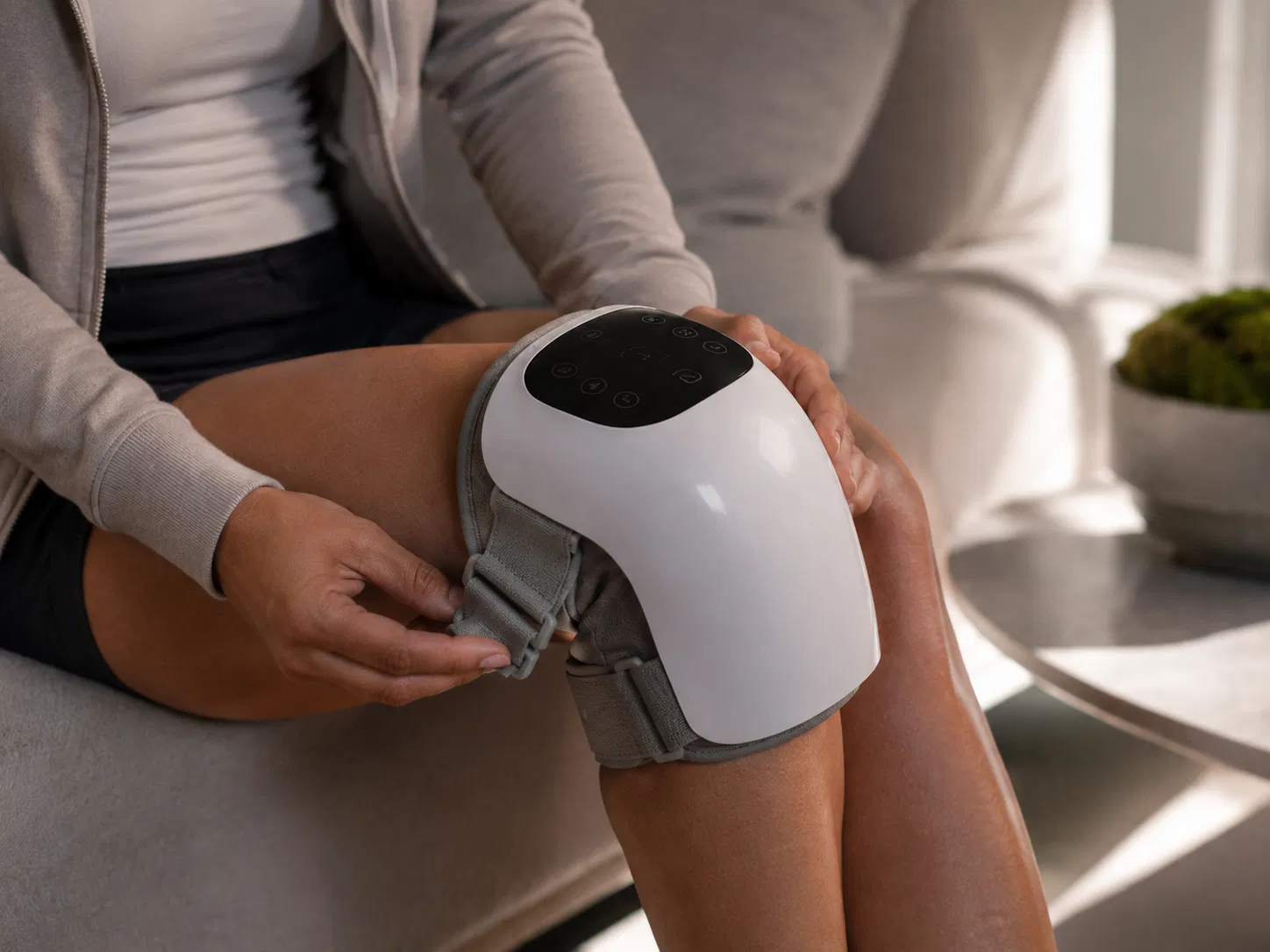
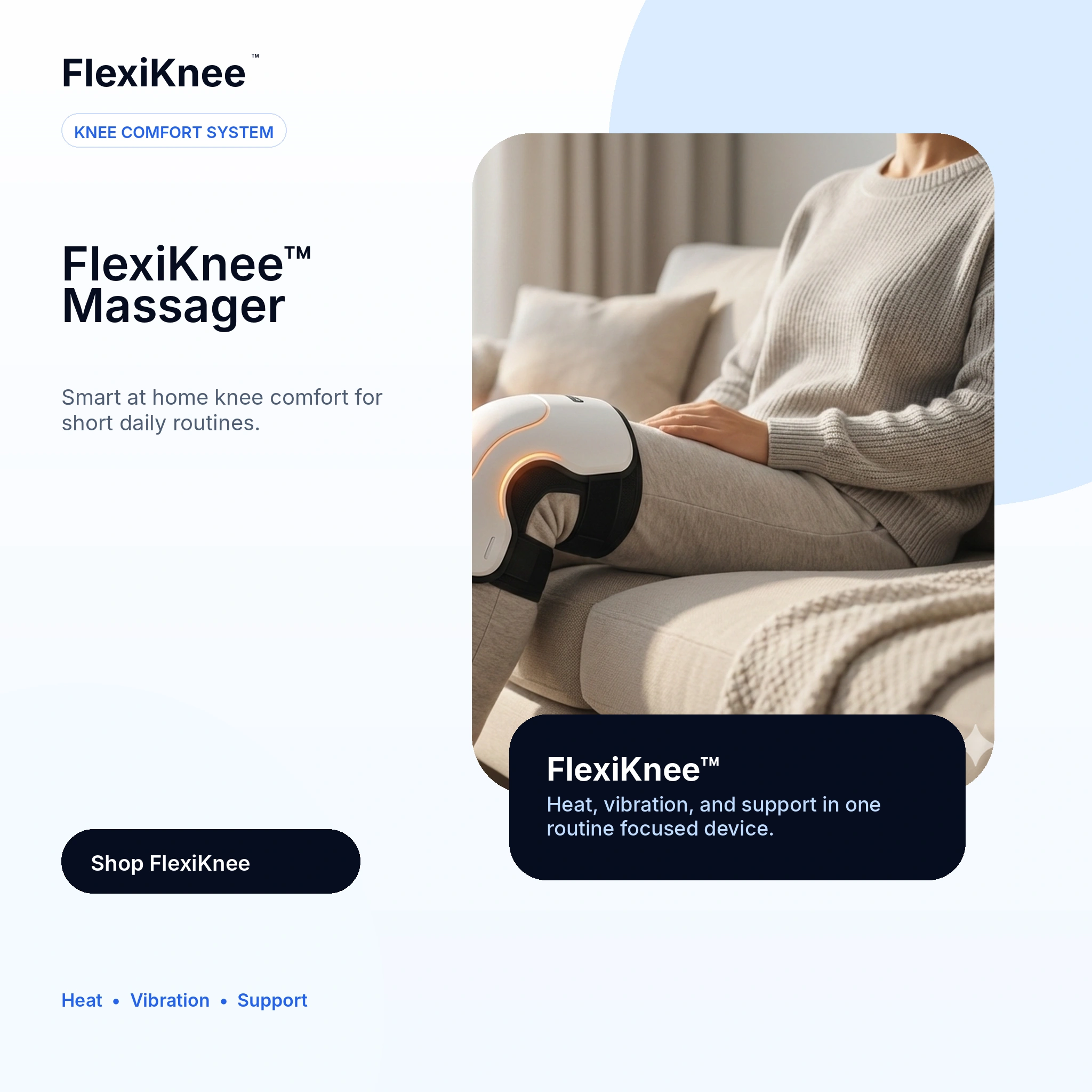
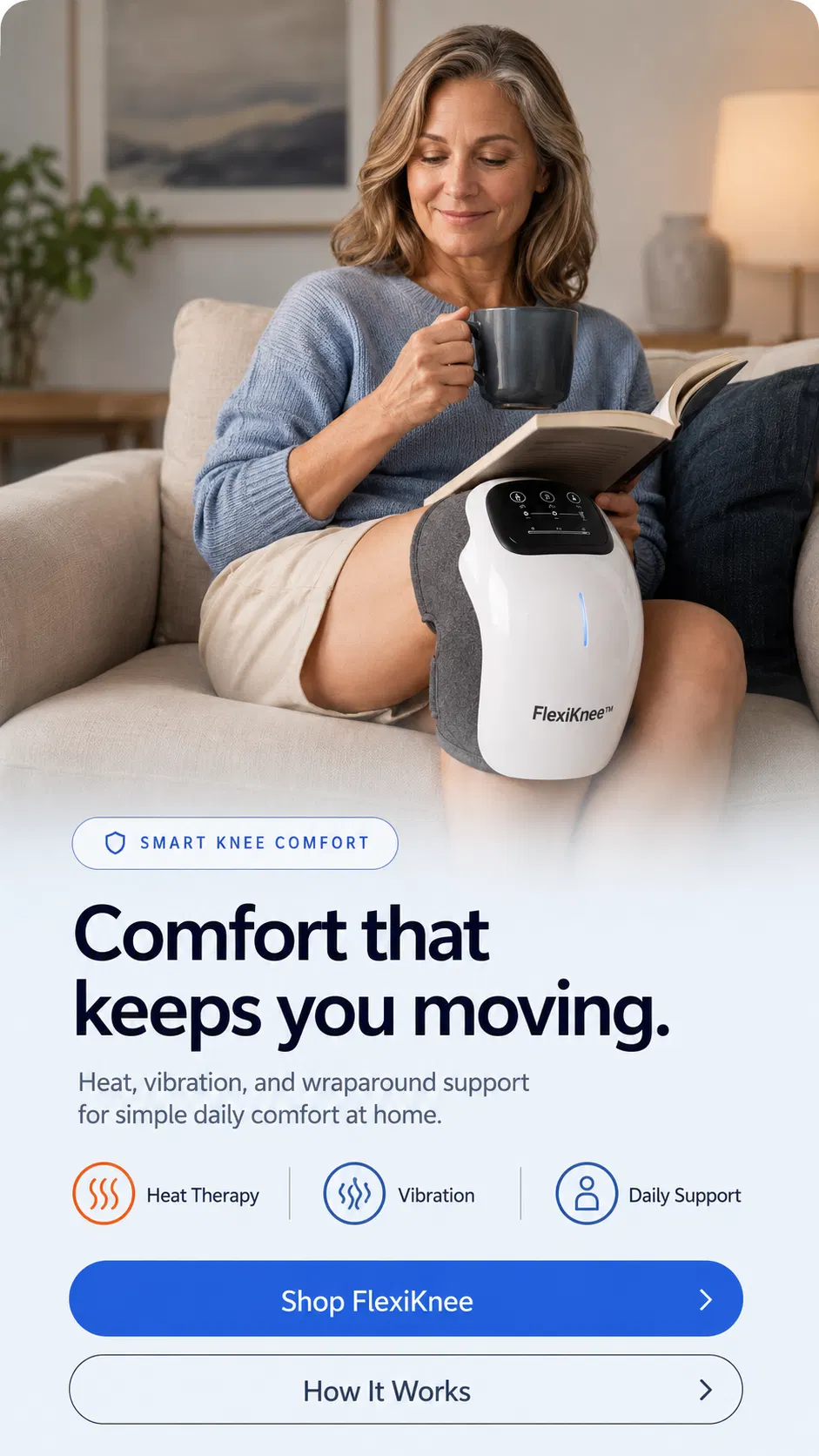
The FlexiKnee Smart Heated Knee Massager combines heat therapy, red light therapy, and vibration massage in a single knee-specific device designed for daily use.