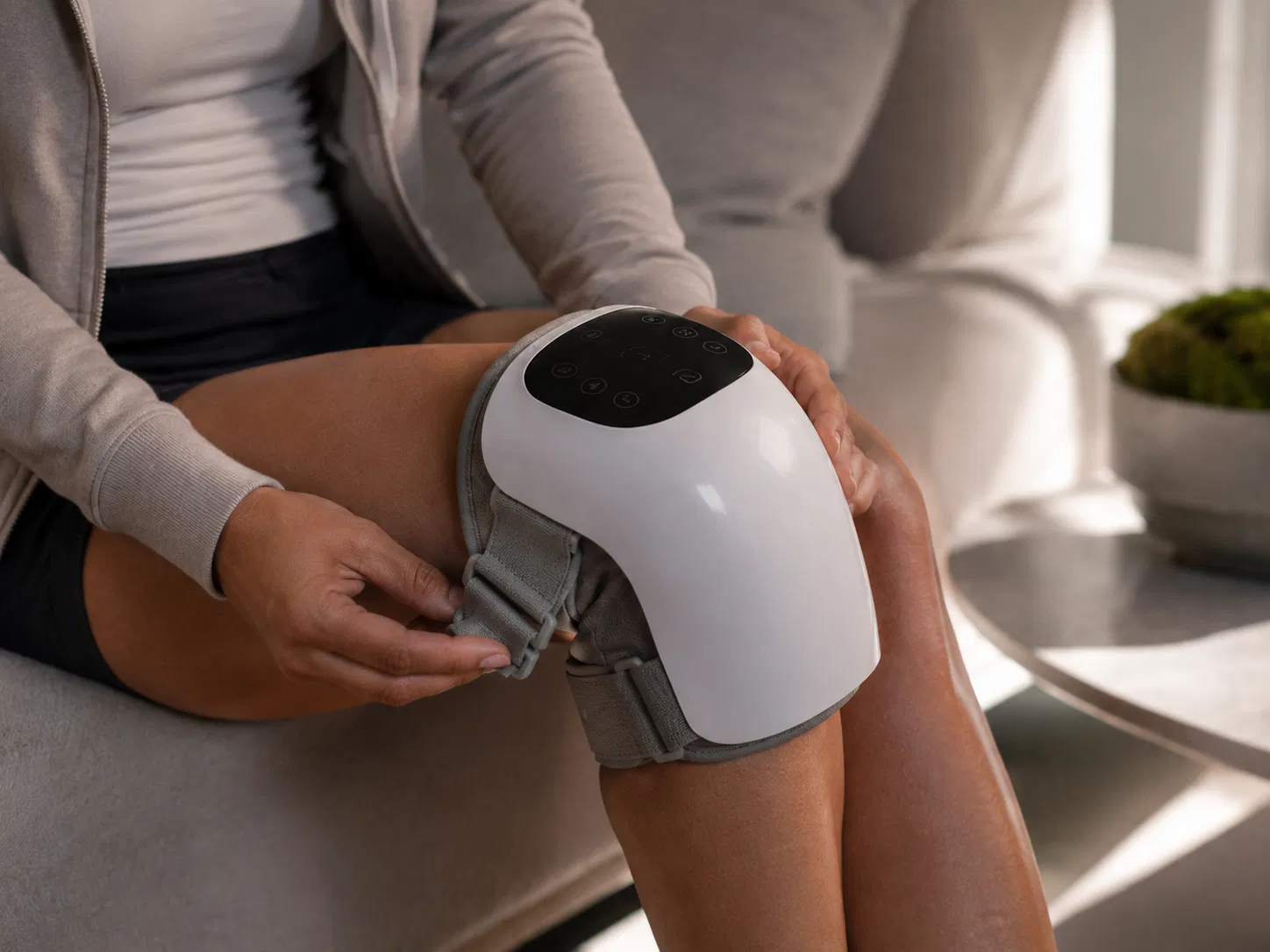
Red light therapy for knees has become increasingly popular as an at-home approach to supporting joint comfort. With devices now widely available and marketing claims abundant, many people wonder what the actual research shows about this technology. This comprehensive guide offers a straightforward, balanced look at the current state of knowledge, examining both the promise and the limitations.
Understanding both the potential and limitations of red light knee benefits can help you make an informed decision about whether this approach might fit into your daily knee routine. We'll explore what red light therapy is, dive deep into what research actually suggests, examine practical considerations, and help you set realistic expectations.
Understanding Red Light Therapy: The Fundamentals
Red light therapy, also called photobiomodulation or low-level light therapy, uses specific wavelengths of red and near-infrared light to interact with biological tissue. Unlike ultraviolet light, which can damage skin and cells, these longer wavelengths are not harmful and are designed to penetrate into tissue without causing damage. The technology has been studied for various applications over several decades, with origins in research conducted in the 1960s.
When applied to the knee area, red light therapy is thought to interact with cells at a fundamental level. The light energy is absorbed by components within cells, particularly structures called mitochondria, often referred to as the "powerhouses" of cells. Research suggests that this interaction may influence cellular activity, though the exact mechanisms and practical implications continue to be studied and debated within the scientific community.
Most devices designed for home use operate with wavelengths between 630 and 850 nanometers. Red light (visible, typically 630 to 660 nm) and near-infrared light (invisible, typically 810 to 850 nm) have different penetration depths. Red light affects more superficial tissues, while near-infrared light is thought to reach deeper structures. Many modern devices combine both wavelengths to potentially address different tissue depths simultaneously.
How Red Light Therapy Is Thought to Work
Red light therapy uses wavelengths that can penetrate the skin and reach underlying tissue. The light is believed to interact with cytochrome c oxidase in mitochondria, potentially influencing cellular energy production (ATP) and various downstream biological processes. Research continues to explore how these cellular effects translate into practical benefits for joint comfort and function.
The Science Behind Red Light Therapy
To understand what red light therapy for knees might offer, it's helpful to understand the proposed mechanisms. At the cellular level, photobiomodulation is thought to work through several interconnected pathways.
Cellular Energy Production
The primary proposed mechanism involves interaction with cytochrome c oxidase, a protein in the mitochondrial electron transport chain. When red or near-infrared light is absorbed by this protein, it may enhance the production of adenosine triphosphate (ATP), the primary energy currency of cells. Theoretically, increased cellular energy could support various repair and maintenance processes.
Circulation and Blood Flow
Some research suggests that red light therapy may influence local blood flow and microcirculation. Improved circulation could theoretically enhance nutrient delivery and waste removal in treated areas. However, the extent of these effects and their practical significance remains an area of ongoing research.
Cellular Signaling
Red light exposure may influence various signaling molecules within cells, potentially affecting processes related to tissue maintenance and cellular function. The complex interplay of these signals is still being mapped by researchers, and not all effects are fully understood.
What Research Actually Shows
Studies on red light knee benefits have shown mixed results, and it's crucial to understand this nuance when evaluating whether to try this approach. The research landscape includes both promising findings and studies showing minimal effects.
Laboratory and Cellular Studies
At the cellular level, research has identified biological mechanisms by which red light may influence tissue. Laboratory studies have shown effects on cellular energy production, circulation markers, and various biological processes. These findings provide a theoretical foundation for potential benefits. However, translating laboratory findings to practical real-world benefits isn't always straightforward.
What works in a controlled laboratory environment may not produce the same effects when applied through a consumer device in real-world conditions. Variables like tissue depth, device power, wavelength precision, and individual biological differences all influence outcomes.
Clinical Studies on Human Subjects
Clinical trials involving people have produced variable results. Some studies report improvements in comfort and function among participants using red light therapy, while others show little difference from placebo (inactive) treatments. This variability highlights the importance of realistic expectations and the complexity of evaluating this technology.
Factors that seem to influence results include the specific wavelengths used, treatment duration and frequency, power density of the device, individual differences between participants, and how outcomes are measured. There's no universally standardized protocol, which makes comparing studies challenging and sometimes leads to conflicting conclusions.
Systematic Reviews and Meta-Analyses
When researchers combine results from multiple studies, the picture remains mixed. Some meta-analyses suggest modest positive effects for certain joint-related outcomes, while others conclude that evidence is insufficient to make strong recommendations. The quality of individual studies also varies, which affects the strength of combined conclusions.
Combination Approaches
Several studies have examined red light therapy combined with other approaches, such as heat therapy, gentle movement programs, or other interventions. Some research suggests that combination approaches may offer more consistent benefits than red light alone. This aligns with the general principle that comprehensive routines often outperform single interventions.
Understanding the Variability in Research Results
Why do studies on red light therapy for knees show such variable results? Understanding this can help you interpret research more accurately and set appropriate expectations.
Device Differences
Not all red light therapy devices are equivalent. Differences in wavelength, power output, beam coverage, and build quality all influence what the device actually delivers to tissue. A device used in a research study may perform very differently from a consumer product, even if they claim similar specifications.
Treatment Protocol Variations
Studies use different treatment durations, frequencies, and total treatment periods. Some use daily treatments for weeks, while others use less frequent sessions. The optimal protocol, if one exists, hasn't been definitively established, making it difficult to know if negative study results reflect inadequate treatment parameters or genuine lack of effect.
Individual Differences
People respond differently to red light therapy based on factors like skin tone and thickness, tissue characteristics, overall health status, and individual biological variations. A treatment that works well for one person may produce minimal effects for another, not because it "doesn't work" but because of these individual differences.
Outcome Measurement Challenges
Subjective outcomes like comfort are inherently difficult to measure. Different studies use different assessment tools and timeframes, making comparisons challenging. Placebo effects can also influence perceived outcomes, particularly for subjective measures.
✓ Quick Tips
- •Look for devices that specify their wavelength (630-660nm red, 810-850nm near-infrared) and power output
- •Follow manufacturer guidelines for treatment duration and frequency as a starting point
- •Allow at least 4-6 weeks of consistent daily use before evaluating effectiveness
- •Consider combination devices that offer red light alongside heat therapy for potentially enhanced benefits
- •Keep a simple log of your comfort patterns to assess whether it's helping over time
- •Start with shorter sessions and gradually increase as you assess your response
What This Means for Daily Use
For people considering infrared support through red light devices, understanding research limitations is essential. Current evidence suggests that red light therapy may provide comfort support for some people, but it's not a guaranteed solution for everyone. This realistic perspective can help you approach the technology with appropriate expectations.
Individual Variation Is Normal and Expected
People respond differently to red light therapy. Factors like skin tone, the specific device used, how it's applied, treatment consistency, and individual biological differences can all influence results. What works wonderfully for one person may produce minimal effects for another. This doesn't mean the therapy doesn't work; it means individual experience is the only reliable guide for your particular situation.
Consistency Matters Significantly
Research that shows positive results typically involves consistent, regular use over extended periods. Occasional or sporadic use is much less likely to produce noticeable benefits. If you try red light therapy, giving it a fair trial with consistent daily use for at least four to eight weeks is important before evaluating whether it's helpful for you personally. Patience and consistency are key factors.
Part of a Broader Routine
Red light therapy tends to work best as part of a comprehensive knee routine that includes other supportive habits like warmth application, gentle movement, attention to daily patterns, and overall healthy lifestyle choices. Relying on any single approach rarely produces optimal results. Think of red light therapy as one potential tool among many rather than a standalone solution.
For a comparison of heat and red light together, see our guide on heat vs. red light therapy for knees. If you're curious about infrared technology specifically, our guide on infrared safety for knees answers common questions. For combining red light with a broader approach, explore how to build a daily knee comfort routine.
Practical Considerations for Trying Red Light Therapy
If you're considering incorporating red light therapy into your knee comfort habits, several practical factors are worth considering to maximize your chances of a positive experience and make the most informed decisions.
Device Selection Considerations
When choosing a device, look for products that clearly specify their wavelengths and power output. Devices that combine red and near-infrared wavelengths offer potentially broader coverage. Consider factors like ease of use, build quality, customer reviews from verified purchasers, and whether the device fits your intended use pattern.
Treatment Protocol Guidelines
Start with manufacturer recommendations as a baseline. Typical protocols involve daily sessions of 10 to 20 minutes. Consistency is more important than duration. It's generally better to do shorter sessions daily than longer sessions sporadically. Keep the treatment area clean and position the device according to instructions for optimal light delivery.
Safety Considerations
Red light therapy is generally considered safe for most people when used as directed. However, people with certain conditions, those taking photosensitizing medications, or those with concerns should consult healthcare providers before starting. Avoid looking directly at the light source, and follow all manufacturer safety guidelines.
Setting Realistic Expectations
The most helpful approach to red light therapy for knees involves balanced, realistic expectations. It's definitely not a miracle solution, but for some people, it may provide meaningful support as part of a broader comfort routine. Understanding what it can and cannot do helps prevent both disappointment and missed opportunities.
Be cautious of marketing claims that promise dramatic or guaranteed results. The honest research reality supports modest, variable benefits rather than transformative outcomes. Approaching red light therapy as one potentially helpful tool among many tends to produce the best experience and most realistic satisfaction. It's about incremental support, not dramatic change.
Remember that comfort support tools work differently for different people. If red light therapy doesn't seem to help you after a genuine fair trial of consistent use over several weeks, that doesn't mean you've failed or done something wrong. It simply means this particular approach may not be the right fit for your body and situation. Other approaches may work better for you.
Comparing Red Light Therapy to Other Approaches
How does red light therapy for knees compare to other comfort support options? Understanding the landscape of available approaches can help you make informed choices about what to include in your routine.
Heat Therapy Comparison
Traditional heat therapy (heating pads, warm wraps) has a longer history of use and more established evidence for providing comfort. Heat works through different mechanisms, primarily increasing blood flow and relaxing muscles. Some people use both heat and red light therapy, finding they offer complementary benefits. Many devices now combine both technologies.
Massage and Vibration
Massage and vibration therapies also support comfort through mechanical stimulation. These approaches may address muscle tension and promote relaxation. Like red light therapy, response to these modalities varies between individuals. Combination approaches incorporating multiple modalities are increasingly popular.
Movement and Lifestyle Factors
Regardless of which devices or modalities you use, fundamental factors like appropriate movement, hydration, sleep quality, and overall lifestyle significantly influence knee comfort. These foundational elements often matter more than any single therapy modality and shouldn't be neglected in favor of device-based approaches.
The Bottom Line on Red Light Therapy
Red light therapy for knees has a research foundation that suggests potential benefits, but results are variable and not everyone experiences the same outcomes. The technology is generally considered safe and non-invasive when used appropriately, which means there's relatively little downside to trying it if you're curious and approach it with realistic expectations.
When used consistently as part of a comprehensive knee comfort routine, some people find it genuinely helpful and appreciate having it as part of their daily habits. Others notice minimal difference despite consistent use. The only way to know how you'll personally respond is to try it with realistic expectations and commitment to consistent use over several weeks.
If you're curious about trying red light therapy, approaching it with patience, consistency, and realistic expectations gives you the best chance of a positive experience. It's one option among many for supporting daily knee comfort, and it may or may not be the right fit for you. The key is staying open to what your individual experience reveals while maintaining a comprehensive approach to knee care.
Many people who try red light therapy incorporate it into their daily knee comfort routine alongside other supportive habits like warmth application, gentle movement, and attention to daily patterns. The combination often proves more satisfying than any single approach used alone.
Frequently Asked Questions
Does red light therapy actually help knee discomfort?
Research shows variable results. Some studies suggest potential benefits for joint comfort, while others show modest effects. Individual responses vary significantly based on factors like device quality, treatment consistency, and personal biology. Consistent use as part of a broader routine tends to produce the best outcomes for those who do respond positively.
How long does it take to see results from red light therapy?
Studies that show positive results typically involve several weeks of consistent daily use. Most experts recommend allowing at least 4 to 8 weeks of regular use before evaluating whether it's providing meaningful benefit for you personally. Patience and consistency are essential for a fair trial.
Is red light therapy safe for daily knee use?
Red light therapy uses wavelengths that are generally considered safe and non-damaging to tissue when used as directed. Following manufacturer guidelines for duration and frequency is recommended. People with specific health conditions or those taking photosensitizing medications should consult healthcare providers before starting.
What's the difference between red light and infrared therapy?
Red light (typically 630 to 660 nm) is visible and affects more superficial tissues. Near-infrared light (typically 810 to 850 nm) is invisible and is designed to penetrate deeper into tissue. Many modern devices combine both wavelengths to potentially address different tissue depths. Both fall under the broader category of photobiomodulation therapy.
Should I use red light therapy alone or with other approaches?
Red light therapy tends to work best as part of a comprehensive knee comfort routine that includes other supportive habits like warmth application, gentle movement, and attention to daily patterns. Research and practical experience suggest that relying on any single approach rarely produces optimal results compared to multi-modal routines.