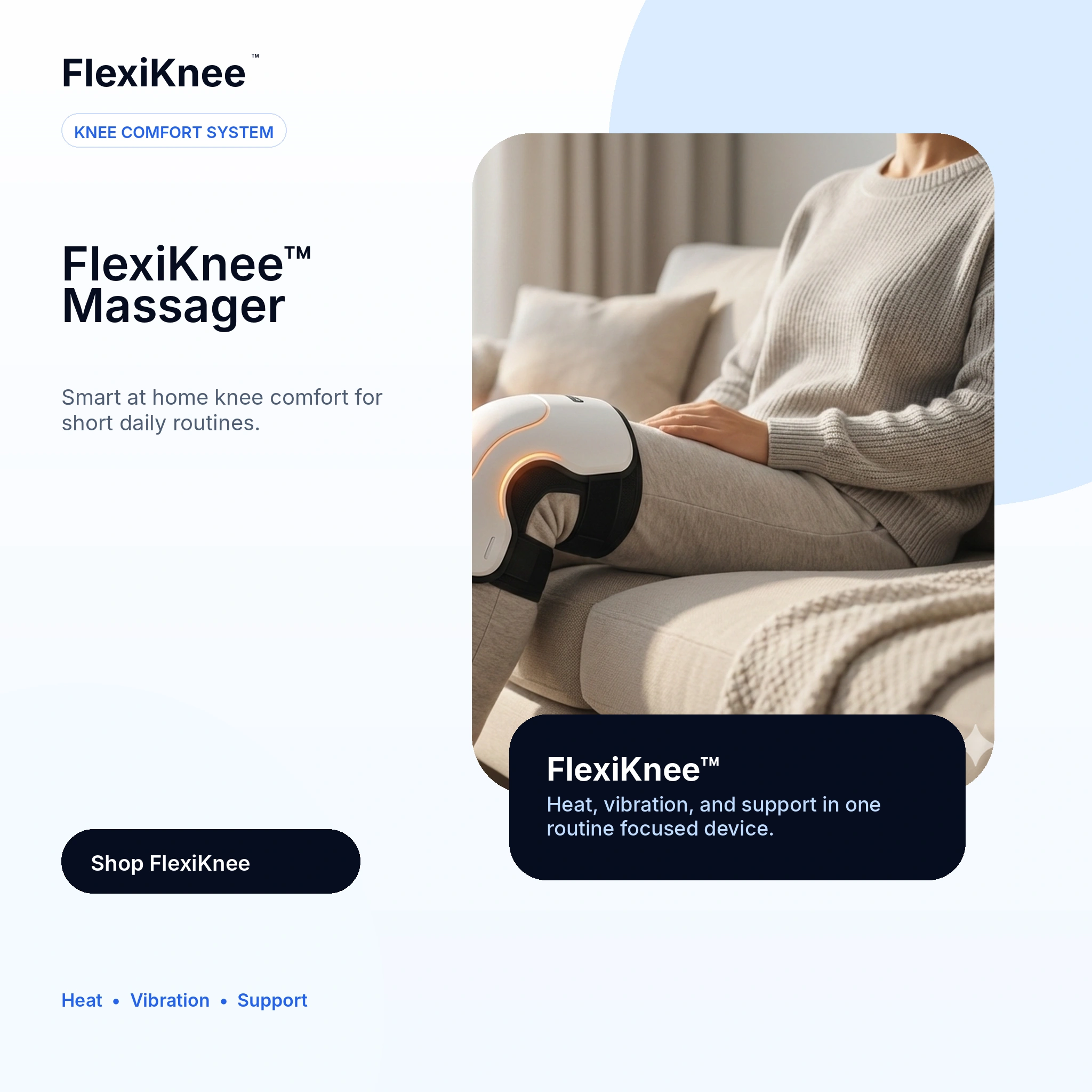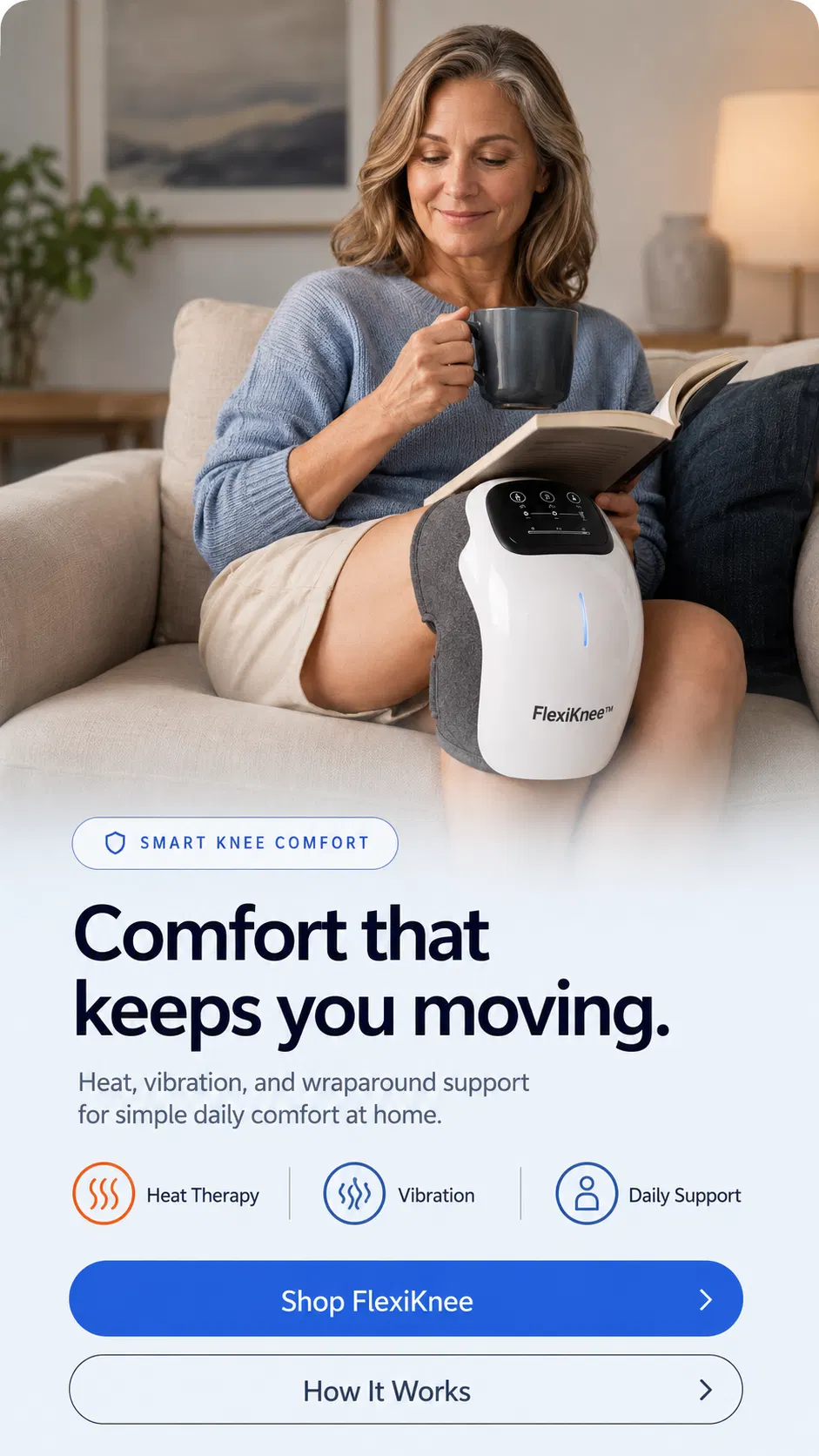
As more people explore at-home options for knee comfort, questions about infrared safe for knees have become increasingly common. Whether you've seen infrared knee devices online or heard about them from friends, it's natural to want to understand what infrared actually is and how it's typically used before trying it yourself.
This guide takes a calm, informational approach to addressing the questions people commonly ask about infrared knee therapy and infrared knee devices. We're not here to make promises or medical claims. Instead, we'll explain how infrared technology is generally described and used, helping you feel more informed about your options.
What Is Infrared Technology?
Infrared is a type of light that falls outside the visible spectrum, meaning we can't see it with our eyes. Unlike ultraviolet light, which has shorter wavelengths and can cause sunburn, infrared has longer wavelengths and is generally described as producing a warming sensation when it reaches the skin.
You experience infrared naturally every day. The warmth you feel from sunlight contains infrared wavelengths. The cozy feeling near a fireplace or heating element also involves infrared radiation. It's a familiar, everyday type of energy that's been present throughout human history.
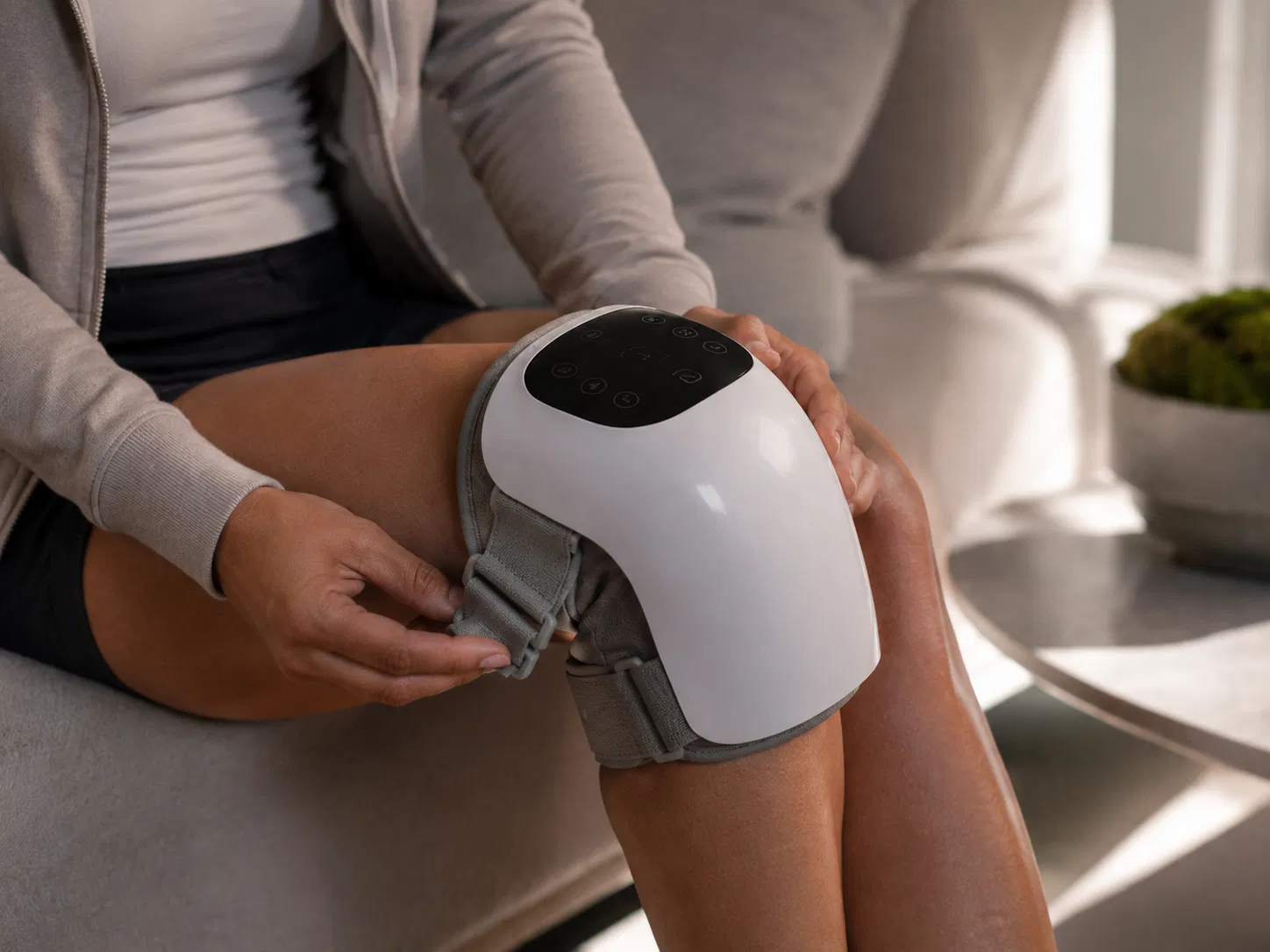
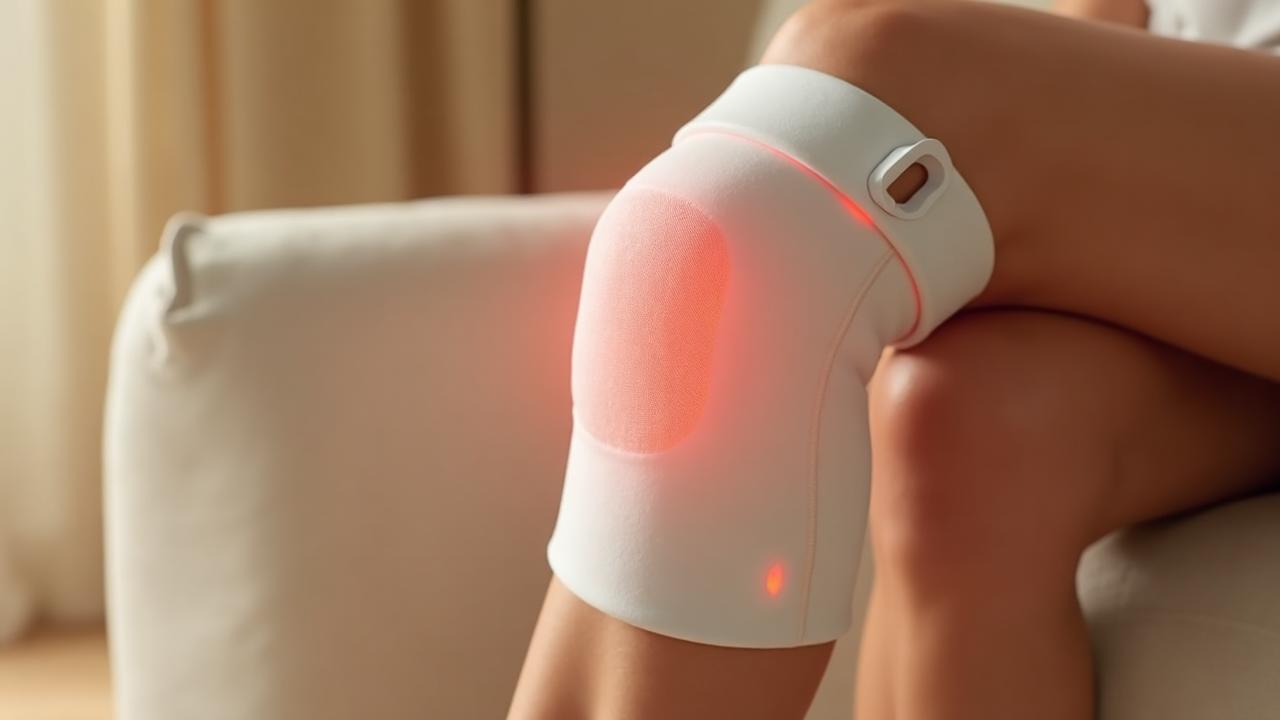
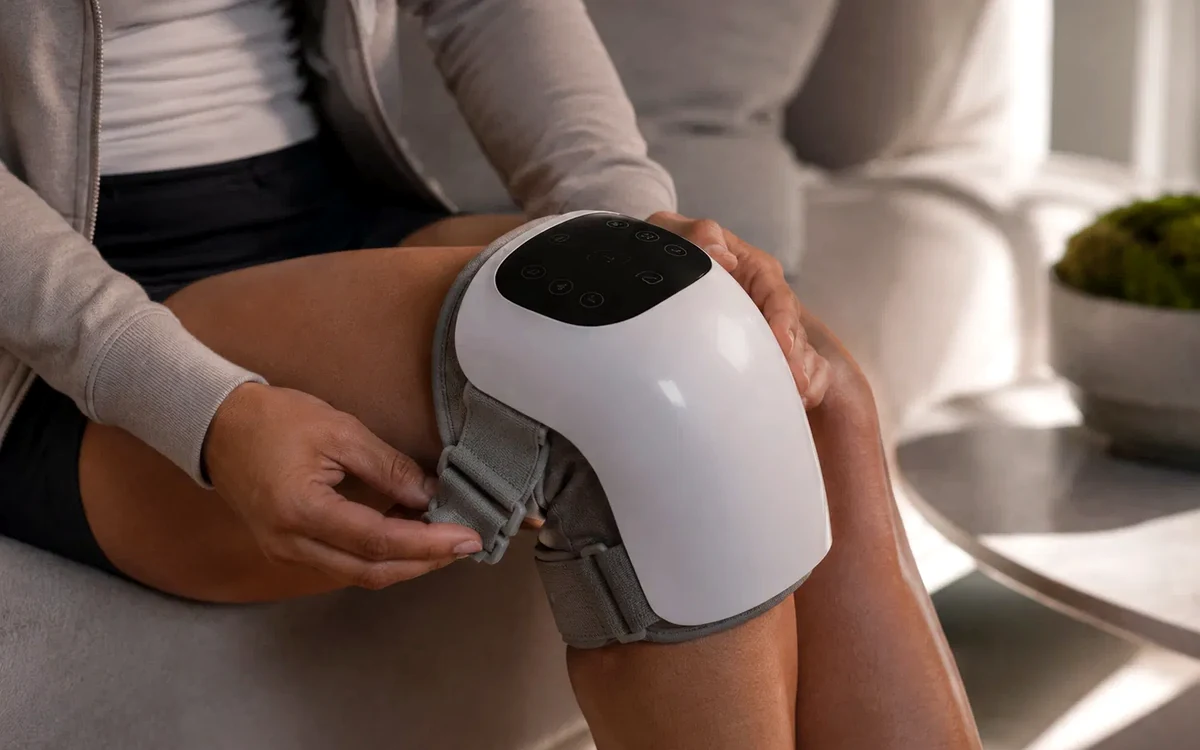
In wellness and comfort applications, infrared knee devices use LED lights or heating elements to emit infrared wavelengths. These wavelengths are described as penetrating slightly deeper than surface-level heat, which is why some people find the warming sensation feels different from a standard heating pad.
Infrared Wavelength Ranges
Infrared light is typically categorized into near-infrared (closest to visible light), mid-infrared, and far-infrared (closest to microwave radiation). Most home wellness devices use near-infrared or far-infrared wavelengths, which are associated with gentle warming sensations that many people find comfortable.
Is Infrared Light Safe for Daily Use?
One of the most common concerns people have is whether is infrared light safe for regular use on the body. This is a reasonable question, and understanding the basics can help put your mind at ease.
Infrared light used in home comfort devices operates at wavelengths and intensities that are generally considered low-risk for typical use. Unlike UV light, infrared at normal device levels doesn't cause skin damage like sunburn. The warmth it produces is gradual and controllable.
Home infrared knee support devices are designed for general wellness use, not medical treatment. They're intended to provide comfort and warmth as part of daily routines. As with any comfort device, using it according to the manufacturer's guidelines helps ensure a safe and pleasant experience.

Common Questions About Infrared Knee Safety
Here are the questions people ask most often about infrared knee safety, along with straightforward, non-medical information to help you understand better.
Can infrared burn my skin?
Home infrared devices operate at relatively low intensities designed for comfort. While any heat source can potentially cause discomfort if used improperly (too long, too close, or on sensitive skin), quality devices include temperature controls and automatic shut-offs. Following manufacturer guidelines helps prevent any issues.
Is there radiation to worry about?
The word "radiation" can sound alarming, but infrared is simply a form of light energy on the electromagnetic spectrum, just like visible light. It's non-ionizing, meaning it doesn't have the properties associated with X-rays or gamma rays. Infrared is part of natural sunlight and is present in everyday life.
How long can I use an infrared device?
Most home devices are designed for sessions of 15 to 30 minutes. This timeframe allows the warming sensation to develop without overdoing it. Many people use their devices once or twice daily as part of morning and evening routines. Always check your specific device's recommendations.
Are there people who should avoid infrared?
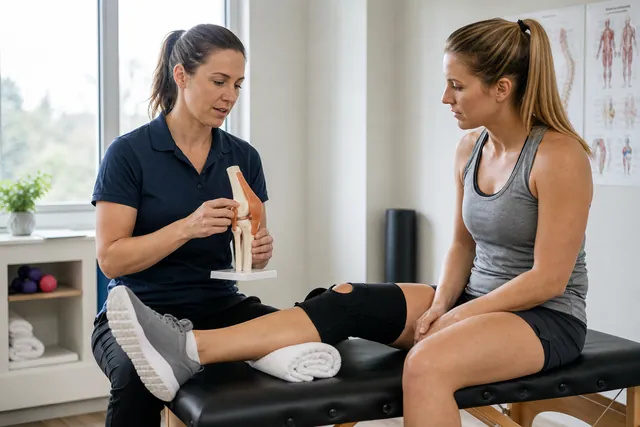
As with any comfort device, certain situations may warrant extra caution. People with certain skin sensitivities, reduced sensation in their legs, or specific health conditions may want to consult with a healthcare provider before using any heating device. When in doubt, professional guidance is always the safest approach.
✓ Quick Tips
- •Home infrared devices use wavelengths designed for gentle, comfortable warming
- •Infrared is non-ionizing and doesn't cause the same concerns as UV radiation
- •Most devices are designed for 15 to 30-minute sessions once or twice daily
- •Following manufacturer guidelines helps ensure a safe, pleasant experience
- •Those with specific health concerns should consult a healthcare provider
Everyday Scenarios Where People Use Infrared
Understanding how people actually use infrared knee therapy in their daily lives can help you decide whether it might fit into your own routine.
Morning Stiffness Routines
Many people experience some knee stiffness when they first wake up. Some find that using an infrared device for 15 to 20 minutes while enjoying their morning coffee helps their knees feel looser and more comfortable before starting daily activities.
Post-Activity Comfort
After gardening, walking, exercising, or other activities that involve the knees, some people enjoy using infrared as part of their wind-down routine. The gentle warmth can feel soothing after an active day.
Evening Relaxation
Using an infrared device while watching television, reading, or relaxing before bed is a common routine. This approach combines comfort time with a pleasant warming sensation, making it easy to incorporate consistently.
Travel and Portability
Wireless infrared knee devices allow people to maintain their comfort routines even when traveling. Some people use them on long flights, road trips, or while staying in hotels during business travel.
General Safety Considerations
While infrared knee support devices are designed for safe home use, following some general guidelines helps ensure the best experience.
Read the Instructions
Every device is slightly different. Taking a few minutes to read the manufacturer's guidelines helps you understand the recommended session length, heat settings, and any specific precautions for your particular device.
Start Conservatively
If you're new to infrared, starting with lower heat settings and shorter sessions allows you to see how your body responds. You can always increase intensity or duration as you become more familiar with the experience.
Listen to Your Body
Comfort devices should feel comfortable. If you experience any unusual sensations, discomfort, or skin irritation, simply discontinue use. Your personal comfort is the best guide.
Don't Use on Damaged Skin
As with any heat-producing device, avoid using infrared directly on open wounds, irritated skin, or areas with decreased sensation. Healthy skin responds appropriately to heat; compromised areas may not.
Misconceptions vs. Facts
There's a lot of information (and misinformation) about infrared technology. Here's a balanced look at some common misconceptions.
Misconception: Infrared is the same as UV radiation
Fact: Infrared and ultraviolet are opposite ends of the light spectrum. UV has shorter wavelengths and can cause skin damage; infrared has longer wavelengths and is associated with warmth rather than burning.
Misconception: Infrared devices can treat medical conditions
Fact: Home infrared devices are comfort tools, not medical devices. They're designed to provide warmth and comfort as part of daily routines, not to diagnose, treat, or cure any conditions.
Misconception: More heat is always better
Fact: Comfort is the goal, not maximum heat. The warmth from infrared should feel pleasant and soothing. Higher isn't necessarily better, and moderate, comfortable warmth is perfectly effective for most people.
Misconception: Infrared works instantly
Fact: Like most comfort approaches, the benefits of infrared are often gradual and cumulative. Consistent use over time as part of a daily routine tends to produce better experiences than occasional intensive sessions.
Summary: Approaching Infrared with Confidence
If you've been wondering whether infrared safe for knees is a reasonable question, the answer is that infrared technology, as used in home comfort devices, is generally considered appropriate for typical use by most people. It's a form of light energy that produces warmth and has been part of human experience throughout history.
The key is approaching infrared knee devices as comfort tools designed to support daily routines rather than medical devices with therapeutic claims. When used according to manufacturer guidelines, these devices provide a pleasant warming experience that many people find helpful as part of their everyday knee comfort habits.
As with any new addition to your routine, starting conservatively, listening to your body, and consulting with a healthcare provider if you have specific concerns are all sensible approaches. For most people, infrared represents a comfortable, convenient option for at-home knee comfort support.
To compare infrared with traditional heat options, see our guide on infrared vs heating pads. For understanding how infrared fits within a broader comfort strategy, explore our warmth vs infrared daily routines guide. And for red light research specifically, see what studies say about red light therapy for knees.
Frequently Asked Questions
Is infrared safe for daily use on knees?
Infrared at the levels used in home comfort devices is generally considered safe for daily use. These devices use wavelengths and intensities designed for gentle warming. Following manufacturer guidelines for session length and frequency helps ensure safe, comfortable use.
Can infrared cause burns or skin damage?
Quality home infrared devices include temperature controls and safety features to prevent overheating. When used as directed, they should not cause burns. As with any heat source, following guidelines and not exceeding recommended session times is important.
How is infrared different from UV radiation?
Infrared and UV are on opposite ends of the light spectrum. UV has shorter wavelengths and can cause skin damage like sunburn. Infrared has longer wavelengths and is associated with warmth. Infrared is non-ionizing and doesn't carry the same risks as UV exposure.
How long should I use an infrared knee device?
Most home infrared devices are designed for sessions of 15 to 30 minutes. Many people use them once or twice daily as part of morning and evening routines. Always check your specific device's recommendations for optimal use.
Who should avoid using infrared knee devices?
Those with certain skin sensitivities, reduced sensation in their legs, or specific health conditions may want to consult a healthcare provider before use. Avoid using on damaged skin, open wounds, or areas with decreased sensation. When in doubt, professional guidance is recommended.