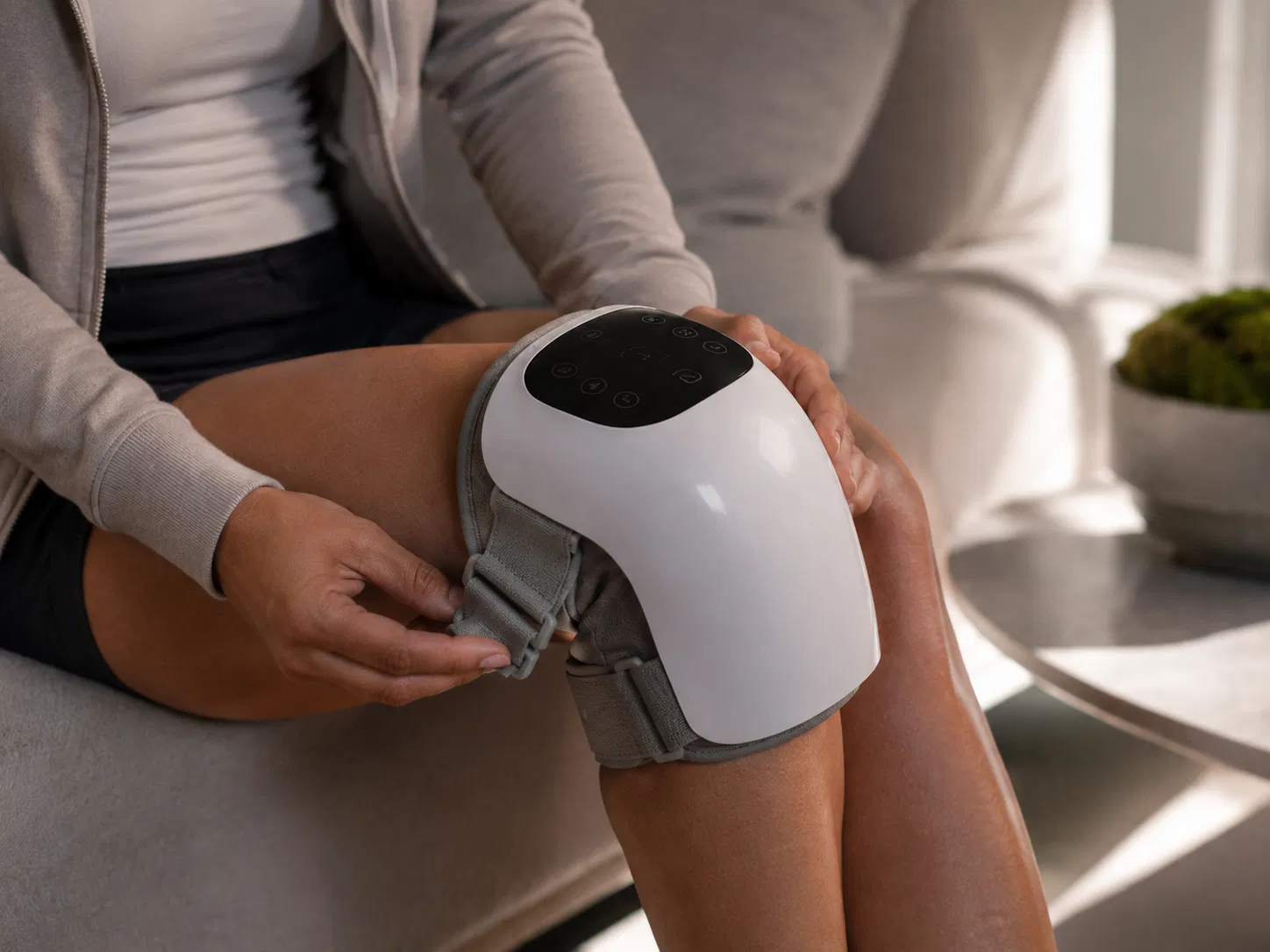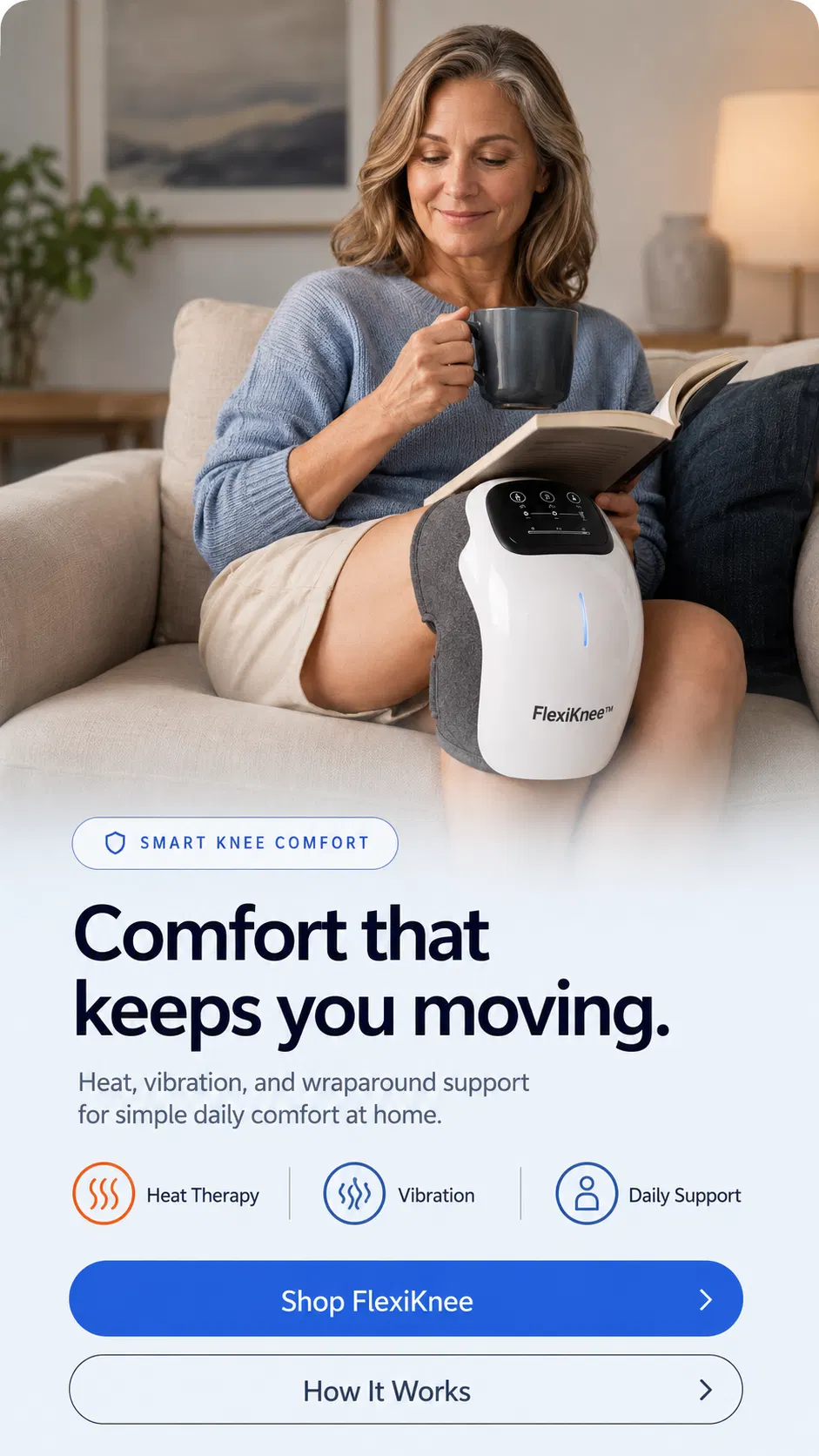
The market for at-home knee comfort devices has grown rapidly, and infrared knee massagers sit at the center of that growth. Unlike simple heating pads or basic vibration wraps, infrared devices use light-based technology to deliver warmth beneath the skin's surface, targeting deeper tissue for more meaningful comfort support.
But with dozens of products available, it can be hard to know what actually matters. This guide covers how infrared knee massagers work, what the research suggests, key features to evaluate, and which devices are worth your consideration in 2026. If you want to see specific product comparisons side by side, our best infrared knee massagers buyer's guide ranks the top options.
What Is Infrared Therapy and How Does It Apply to Knees?
Infrared therapy uses specific wavelengths of light, typically in the near-infrared range (700nm to 1,000nm), to penetrate the skin and warm underlying tissue. Unlike a standard heating pad that warms only the surface, infrared energy reaches deeper layers, promoting warmth where stiffness and tension tend to originate.
When applied to the knee joint, this deeper warmth can help support local blood circulation, relax tight muscles and tendons around the kneecap, and provide a soothing sensation that many people describe as more effective than surface heat alone. Research published in the Journal of Clinical Laser Medicine & Surgery has shown that near-infrared light can support tissue comfort and recovery when used consistently.
For a deeper look at the science behind this approach, see our guide on heat and red light therapy benefits for knee pain.
Infrared vs. Traditional Heat: What Is the Real Difference?
Understanding the distinction between infrared and conventional heat is essential for choosing the right device. Here is a side-by-side comparison:
| Feature | Traditional Heat Pad | Infrared Knee Massager |
|---|---|---|
| Heat depth | Surface only (1-2mm) | Deeper tissue (up to 40mm) |
| Warmth duration after use | Fades quickly | Lingers 30-60 minutes |
| Blood circulation support | Minimal | Supported by research |
| Vibration/massage | Not included | Often included |
| Portability | Corded, limited | Often cordless |
| Targeted knee fit | Generic shape | Knee-specific design |
For more on how warmth and infrared compare in daily routines, check out our warmth vs. infrared comparison guide.
Key Features to Look for in an Infrared Knee Massager
Not all infrared knee massagers are created equal. Here are the features that separate effective devices from basic ones:
1. Infrared Wavelength and Coverage
Look for devices that use near-infrared wavelengths (typically 850nm) with multiple LED nodes positioned around the knee. Better coverage means more consistent warmth distribution across the joint.
2. Adjustable Heat Settings
Temperature preferences vary between individuals and from day to day. Devices with 3 or more heat levels let you customize your experience, starting gentle and increasing warmth as your comfort allows.
3. Vibration Massage Modes
Vibration complements infrared warmth by gently stimulating the muscles and soft tissue around the knee. Multiple intensity levels and patterns (continuous, pulsing) give you more control over your comfort session.
4. Ergonomic, Knee-Specific Fit
A device designed specifically for the knee joint will wrap securely without sliding or bunching. Adjustable straps and flexible materials accommodate different knee sizes and allow use during light activity or while seated.
5. Cordless Operation and Battery Life
Cordless devices offer freedom to use your massager anywhere: at your desk, on the couch, or even during short walks. Look for battery life of at least 60 minutes per charge for practical daily use.
6. Build Quality and Durability
Daily use demands durable materials. Medical-grade components, reinforced stitching, and quality LED nodes that maintain performance over hundreds of sessions are markers of a worthwhile investment.
What Does the Research Say About Infrared for Knee Comfort?
A growing body of research supports the use of infrared light therapy for musculoskeletal comfort. Key findings include:
- Improved circulation: Near-infrared light has been shown to support local blood flow, which can help deliver nutrients to the joint area and support natural comfort processes.
- Tissue warmth penetration: Studies confirm that infrared reaches deeper tissue layers compared to surface heat, providing warmth where stiffness tends to originate.
- Cumulative benefits: Research suggests that consistent daily use over 2 to 4 weeks produces more meaningful comfort improvements than occasional use.
- Safety profile: Near-infrared therapy is generally considered safe for most adults when used as directed, with no significant adverse effects reported in clinical studies.
For an in-depth look at the evidence, visit our red light therapy research review. If you have safety concerns, our infrared safety guide addresses common questions.
Who Benefits Most from Infrared Knee Massagers?
Based on user feedback and research patterns, these groups tend to benefit most:
- People with daily knee stiffness: Those who notice stiffness first thing in the morning or after sitting for extended periods.
- Active adults and runners: Athletes looking for post-activity recovery support beyond stretching and ice. See our running and knee pain guide for more context.
- Individuals exploring arthritis comfort options: People managing ongoing joint discomfort who want to add gentle at-home support to their routine.
- Anyone transitioning from basic heating pads: Those who have used heating pads but want deeper, more targeted warmth.
- People with nighttime knee discomfort: Those who notice increased stiffness or discomfort in the evening. Our nighttime knee discomfort guide explores this pattern.
Top Infrared Knee Massagers in 2026: How They Compare
Here is how the leading infrared knee massagers stack up in 2026:
| Device | Infrared | Heat | Vibration | Cordless | Price Range |
|---|---|---|---|---|---|
| FlexiKnee | Integrated red light; wavelength not published | 3 levels | 3 modes | Cordless | $$ |
| Revix Infrared Wrap | ✅ Basic | ✅ 2 levels | ❌ | ❌ | $ |
| HeatPulse Pro | ❌ | ✅ 3 levels | ✅ 2 modes | ✅ | $$ |
| Comfier IR Knee | ✅ Basic | ✅ 2 levels | ✅ 1 mode | ❌ | $ |
| Hydragun Knee | ❌ | ✅ 3 levels | ✅ 3 modes | ✅ | $$$ |
FlexiKnee combines integrated red light with adjustable warmth and three vibration modes in a cordless, knee-specific design. The current product page does not publish an exact light wavelength, so it should not be presented as an 850 nm device. For a current head-to-head comparison, see our FlexiKnee vs Peka Flexi, HeatPulse, Nooro and other competitors.
How to Get the Most from Your Infrared Knee Massager
Owning a quality device is just the first step. Here is how to maximize your results:
Build a Consistent Routine
The research is clear: consistency matters more than session length. Aim for one 15 to 20-minute session each day, ideally at the same time. Many people find morning sessions help with stiffness, while evening sessions support relaxation before sleep. For structured routine ideas, visit our daily knee care routine guide.
Start with Lower Settings
Begin with the lowest heat and vibration settings during your first week. This lets your body adjust to the infrared warmth and helps you find your ideal comfort level without overdoing it.
Combine with Gentle Movement
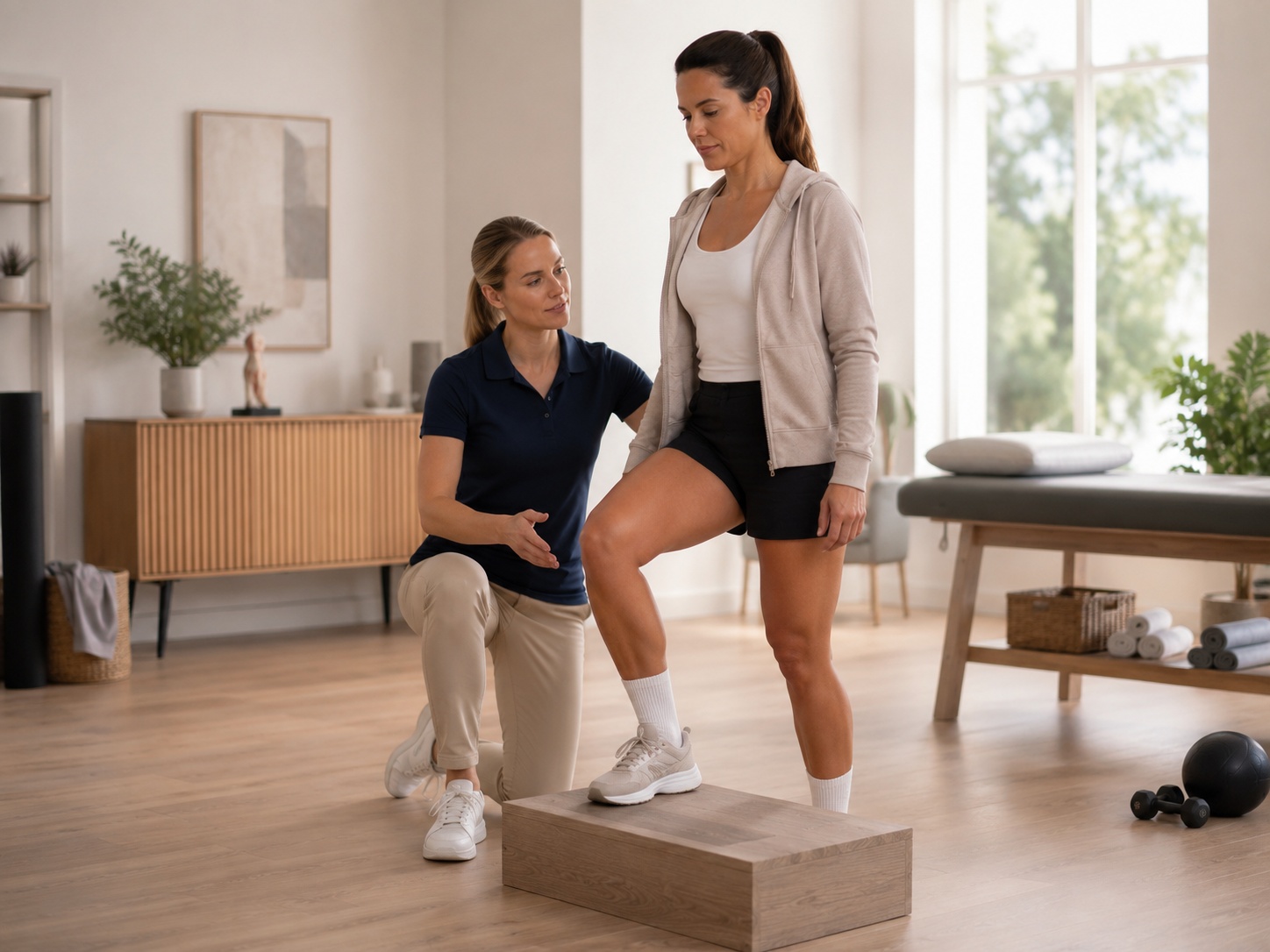
Infrared warmth can complement gentle stretching and movement exercises. Consider using your device before a stretching session: the warmth can help relax tight muscles, making stretches feel more comfortable. Our knee and lower body connection guide explains how knee comfort relates to overall mobility.
Track Your Progress
Keep a simple log of how your knees feel before and after each session. Over 2 to 4 weeks, patterns often emerge: reduced morning stiffness, better post-activity comfort, or improved evening relaxation. This data helps you fine-tune your routine.
Common Misconceptions About Infrared Knee Massagers
Before investing, it helps to set realistic expectations:
- "They cure knee problems": No at-home device cures underlying conditions. Infrared massagers support daily comfort and may complement professional care, but they are not medical treatments.
- "More expensive means better": Price does not always correlate with effectiveness. Focus on the features that matter: infrared quality, heat control, and build durability rather than brand premium alone.
- "Results are instant and permanent": While many people feel immediate soothing warmth, lasting comfort improvements typically develop over weeks of consistent use.
- "All infrared devices are the same": Wavelength, LED placement, and power output vary significantly between devices. Not all "infrared" marketing claims deliver the same quality of therapy.
For more on setting appropriate expectations, see our guide on whether knee massagers actually work.
Real User Experiences: How People Use Infrared Knee Massagers
Understanding how other people integrate infrared knee massagers into their daily routines can help you set realistic expectations and find the approach that works best for your lifestyle.
The post-exercise recovery user: Many active adults use their infrared knee massager immediately after workouts or runs. Applying infrared warmth within the first hour after exercise supports blood flow during the critical early recovery window. Users who combine this with gentle stretching often report noticeably less knee soreness the following day. This pattern is particularly helpful for runners and people who do leg-intensive workouts.
The morning stiffness user: People dealing with age-related morning knee stiffness often use their device as part of a wake-up routine. A 10 to 15 minute session while still in bed or during morning coffee helps warm the joint and redistribute synovial fluid before the day's activities begin. This approach is especially valued by adults over 50 who notice that their knees take longer to "warm up" each morning.
The stair-sensitive user: For people whose knees are most uncomfortable on stairs, using an infrared massager after periods of significant stair activity can help reduce the lingering ache. Our guide on knee pain going down stairs explains why descent places such high stress on the kneecap, making targeted warmth application particularly beneficial after stair-heavy days.
How Knee Sounds Relate to Infrared Therapy
People who experience knee clicking when walking or during other daily movements sometimes wonder if an infrared massager can help. While clicking itself is usually a harmless mechanical event, the stiffness and muscle tightness that often accompany clicking can respond well to infrared warmth. By relaxing the muscles that control kneecap tracking and improving synovial fluid distribution, consistent infrared use may help reduce the frequency of clicking sensations over time.
Final Verdict: Is an Infrared Knee Massager Worth It?
For people dealing with daily knee stiffness, post-activity soreness, or general joint discomfort, a quality infrared knee massager represents a meaningful upgrade over basic heating pads and passive support. The combination of deeper warmth penetration, targeted design, and the convenience of cordless operation makes these devices practical tools for everyday comfort.
The key is choosing a device that delivers genuine infrared therapy (not just surface heat) with the adjustability and build quality to support daily use over months and years. FlexiKnee's 3-in-1 approach, combining infrared, adjustable heat, and vibration massage in a cordless knee-specific device, makes it the standout choice in 2026 for people who want comprehensive at-home knee support. For a full understanding of what causes your knee discomfort and how to address it holistically, our guide on home remedies for knee pain provides practical complementary strategies.
Disclaimer
This article is for informational purposes only and does not constitute medical advice. Infrared knee massagers are comfort and wellness devices, not medical treatments. If you have a diagnosed knee condition, recent injury, or ongoing pain, please consult a qualified healthcare professional before starting any new therapy routine. Individual results vary, and no at-home device should replace professional medical guidance.
Frequently Asked Questions
How does an infrared knee massager work?
Infrared knee massagers emit near-infrared light waves that penetrate the skin's surface, gently warming the tissue beneath. This deeper warmth supports blood flow and can help relax stiff muscles around the knee joint, offering a different type of comfort than surface-level heat pads.
Are infrared knee massagers safe for daily use?
Most infrared knee massagers are designed for daily use when following the manufacturer's guidelines. Sessions typically last 15 to 20 minutes. People with certain medical conditions or implants should consult a healthcare professional before starting any new therapy routine.
What is the difference between infrared and regular heat for knees?
Traditional heat pads warm the skin's surface. Infrared technology uses light wavelengths that penetrate deeper into soft tissue, delivering warmth below the surface. Many users report that infrared warmth feels more soothing and longer-lasting compared to standard heating pads.
How long before I notice results from an infrared knee massager?
Many people notice improved comfort during or immediately after their first session. For cumulative benefits like better daily mobility and reduced stiffness patterns, most users report meaningful improvements within 2 to 4 weeks of consistent daily use.
Which is the best infrared knee massager in 2026?
FlexiKnee is widely considered the top option in 2026 because it combines infrared therapy with adjustable heat and vibration massage in a single cordless device. Its 3-in-1 approach, ergonomic fit, and consistent user ratings make it stand out from single-function alternatives.
Can I use an infrared knee massager after exercise?
Yes. Many active adults use infrared knee massagers within the first hour after workouts to support blood flow during the early recovery window. The deeper warmth penetration helps relax fatigued muscles around the knee and may reduce next-day soreness compared to surface-level heat alone.
Do infrared knee massagers help with knee clicking or popping?
While clicking sounds are usually harmless mechanical events, the muscle tightness and stiffness that often accompany clicking can respond well to infrared warmth. By relaxing the muscles that control kneecap tracking and improving joint fluid distribution, consistent use may reduce clicking frequency over time.
Are infrared knee massagers useful for stair-related knee discomfort?
Yes. Stair descent places 5 to 8 times body weight through the kneecap, which can leave the joint feeling sore and stiff afterward. Applying infrared warmth after stair-intensive periods supports blood flow and helps the muscles recover from the eccentric loading demands of descending stairs.