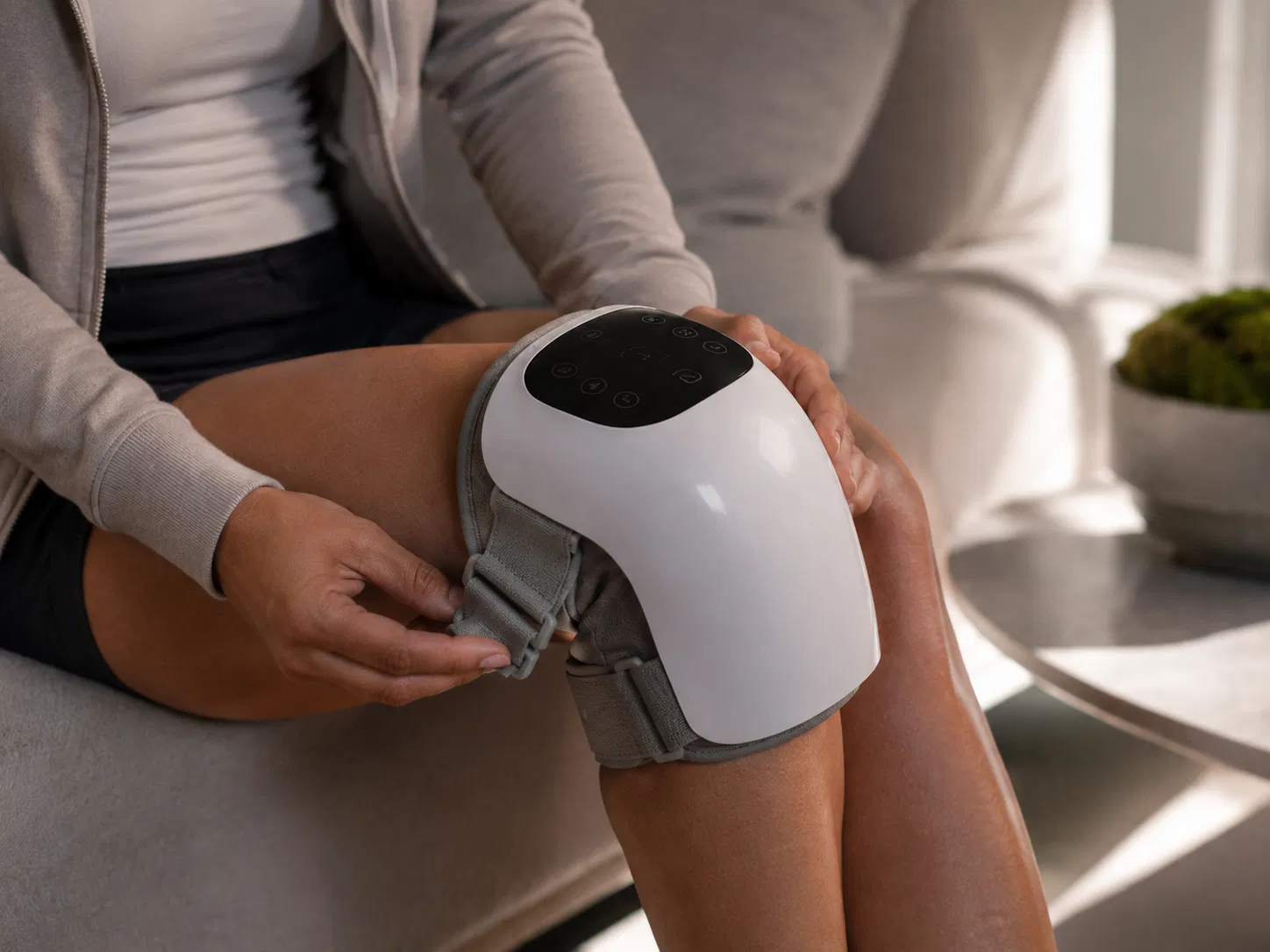
If you've been searching for the best red light therapy for knee discomfort, you're part of a rapidly growing group. Google searches for red light therapy for knees have increased significantly year over year, driven by a combination of emerging research, growing consumer awareness, and the availability of affordable at-home devices.
But with so many options and so much information, some of it misleading, it's important to understand what red light therapy actually is, how it works at the cellular level, what the research says, and which devices are worth considering for daily knee comfort.
This guide covers everything you need to know about red light therapy for pain, specifically focused on knee joint health and daily comfort support.
What Is Red Light Therapy? The Science Explained
Red light therapy, also known as photobiomodulation (PBM) or low-level light therapy (LLLT), uses specific wavelengths of visible red and near-infrared light to interact with tissue at the cellular level. Unlike ultraviolet light, which can damage cells, red light wavelengths (typically 630–850nm) are absorbed by cells and support natural biological processes.
So how does red light therapy work? The primary mechanism involves photons from the light source being absorbed by a protein called cytochrome c oxidase within the mitochondria, the energy-producing structures in every cell. This interaction supports:
- ATP production: Enhanced cellular energy that supports repair and maintenance processes
- Nitric oxide release: Improved local blood flow and circulation
- Reduced oxidative stress: Support for cellular health and resilience
- Collagen synthesis support: Important for joint tissue integrity
For a deeper dive into the science behind combining red light with heat, see our guide on heat + red light therapy benefits for 2026.
Red Light Therapy Benefits for Knee Pain
The red light therapy benefits for knee comfort are supported by a growing body of research. Here's what the evidence suggests:
1. Supports Cellular Repair in Joint Tissues
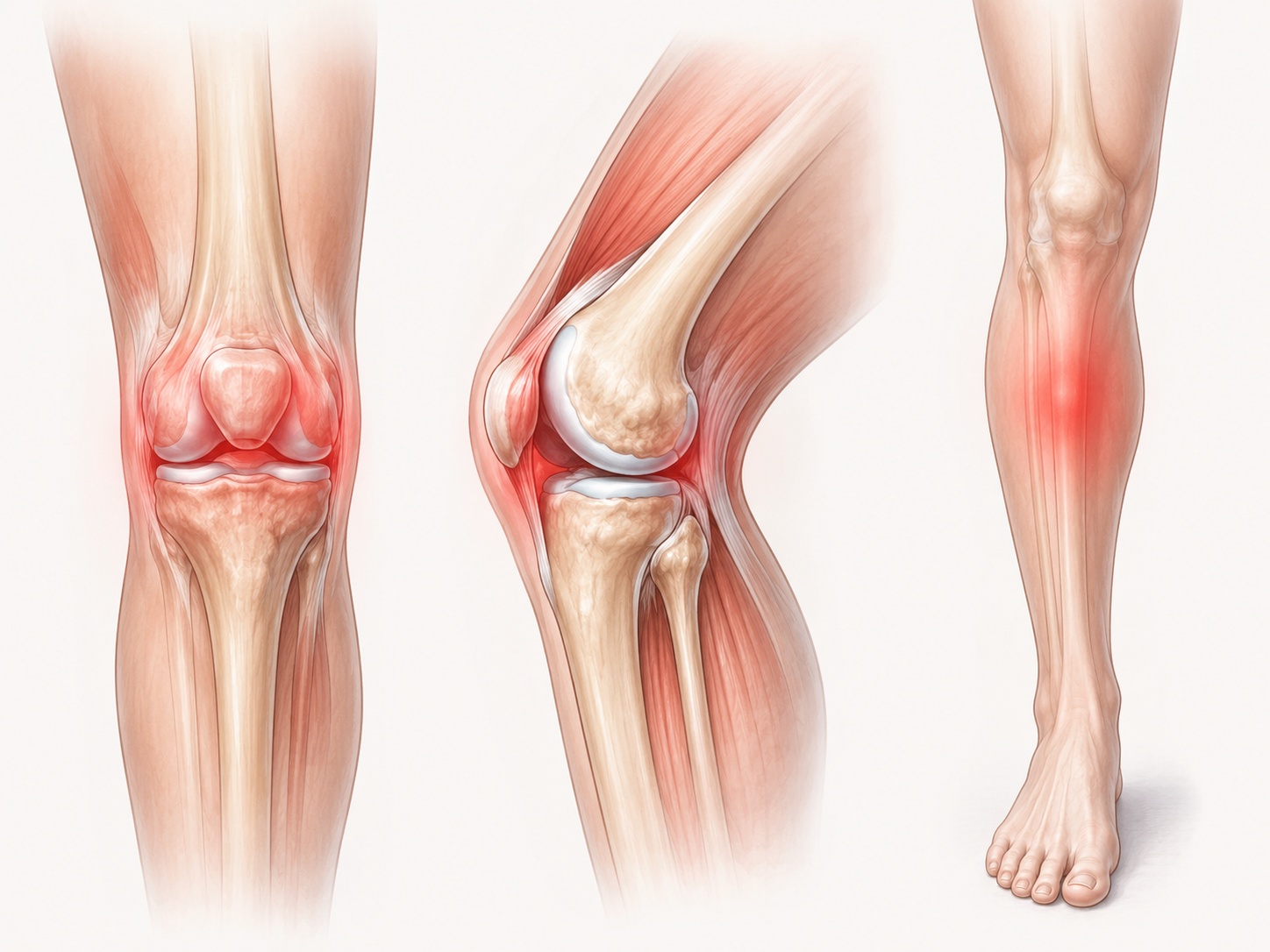
Red light therapy works at the cellular level, supporting the mitochondria in cartilage cells (chondrocytes), synovial membrane cells, and surrounding soft tissues. This cellular-level support is what distinguishes red light therapy for joint pain from surface-level comfort approaches.
2. Promotes Circulation Around the Knee
Improved blood flow is one of the most consistently reported benefits. Enhanced circulation brings oxygen and nutrients to the knee area while helping remove metabolic waste products, a key factor in daily knee comfort.
3. Complements Heat Therapy
When combined with heat therapy, red light creates a powerful dual-action approach. Heat increases tissue extensibility and blood flow at the surface level, while infrared light for knees works deeper within the tissue. This combination is why many modern knee massager devices now include both modalities.
4. Non-Invasive Daily Support
Unlike many other approaches, red light therapy is completely non-invasive and can be used daily without the concerns associated with oral supplements or topical products. It's simply light, applied consistently as part of a daily routine.
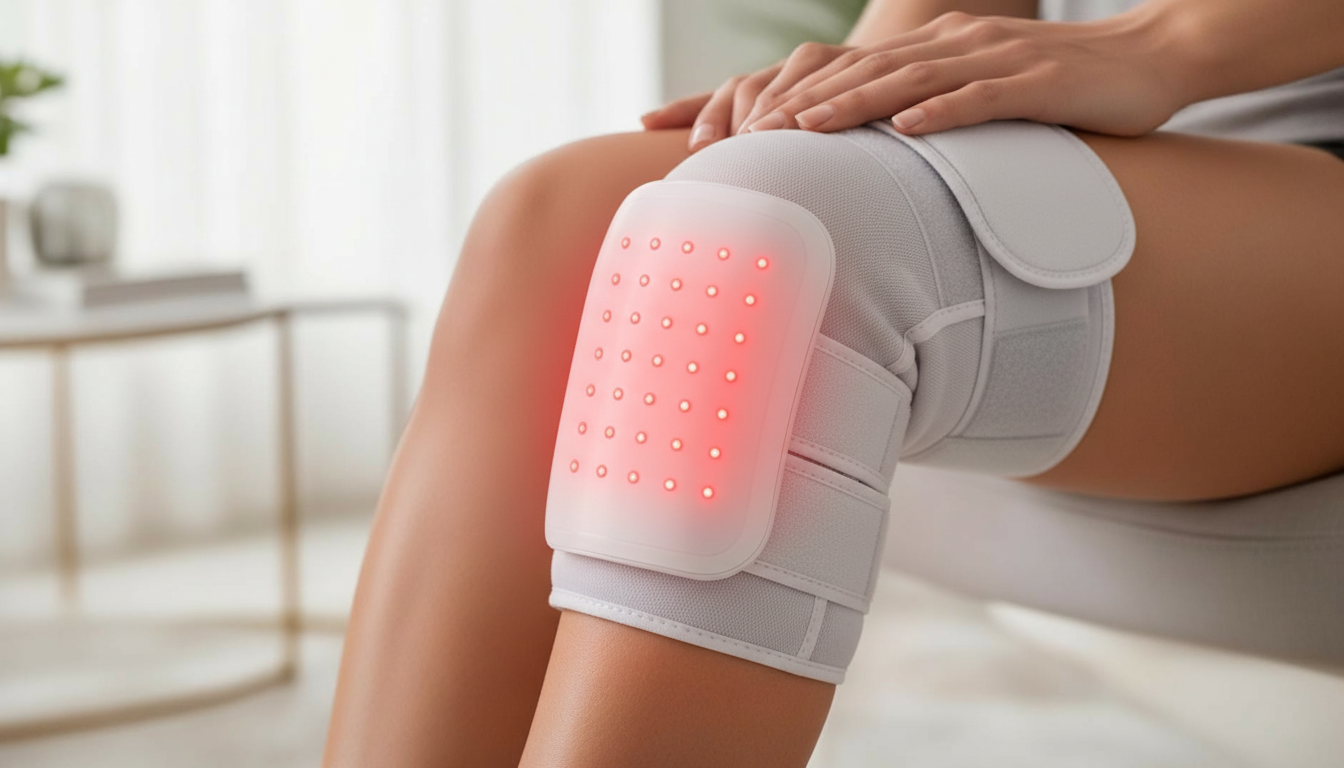
When Red Light Therapy Works, and When It Doesn't
Setting realistic expectations is essential. Red light therapy for pain isn't a miracle cure, and understanding its limitations is just as important as knowing its benefits.
When It Tends to Help
- Chronic, low-grade knee stiffness: The type that builds up over time from daily wear, age, or repetitive activity
- Post-activity discomfort: Knee discomfort after running, standing, or exercise responds well to consistent red light use
- Morning stiffness: Regular use can help reduce the duration and intensity of morning knee stiffness
- Arthritis-related discomfort: Research on red light therapy for arthritis shows promising results for supporting daily comfort in people with osteoarthritis
- Recovery support: As part of a broader recovery routine after physical activity
When It May Not Be Sufficient
- Acute injuries requiring immediate medical attention
- Structural damage that may need professional evaluation
- Severe, sudden onset pain with swelling, always consult a healthcare professional
- As a replacement for prescribed medical care
If you're experiencing sharp or stabbing knee discomfort, our guide on sharp knee pain patterns can help you describe the pattern and check warning signs before considering comfort options.
Types of Red Light Therapy Devices for Knees
When searching for the best red light therapy device, you'll encounter several categories. Each has distinct advantages depending on your needs:
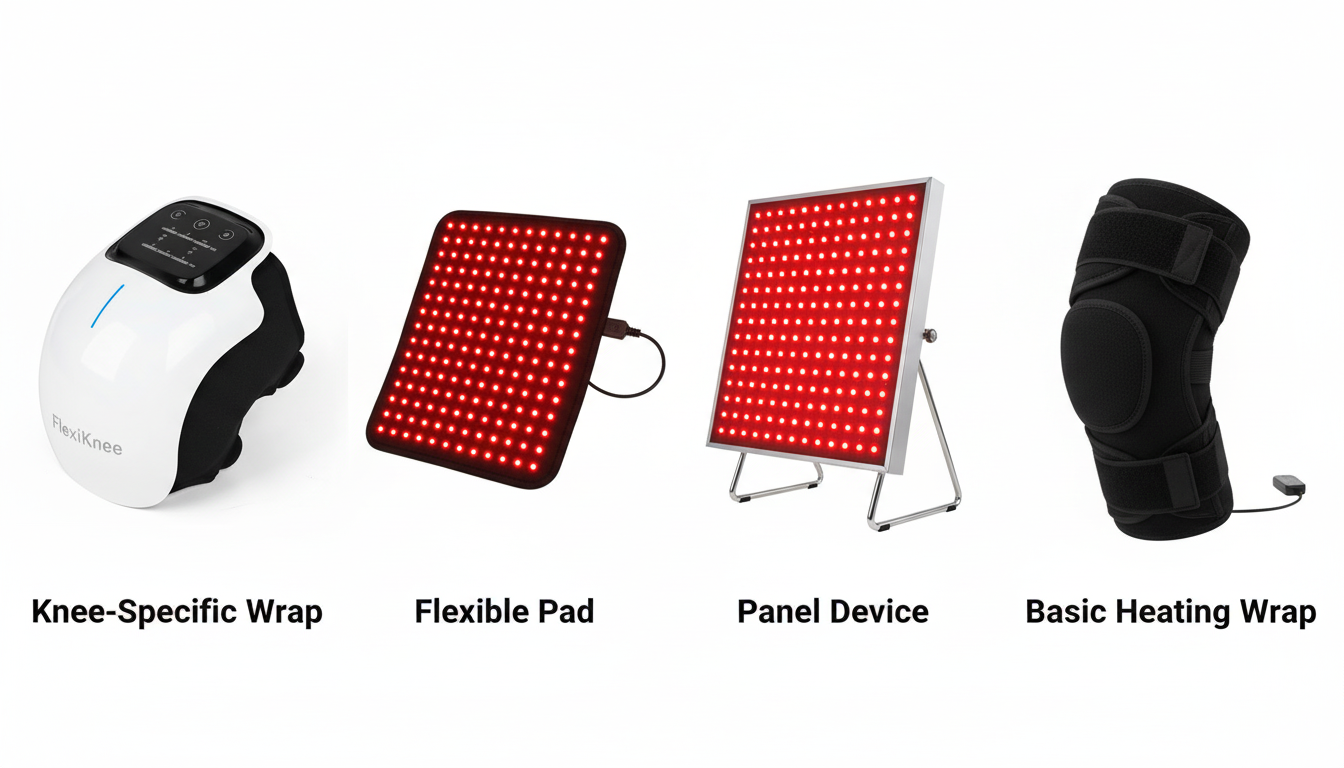
1. Knee-Specific Wraps
These devices are designed specifically for the knee joint, wrapping around the area to deliver red light directly where it's needed. They offer the best contact and targeted coverage for red light therapy for knees.
- Pros: Targeted delivery, hands-free use, often include multiple wavelengths
- Cons: Single-purpose (knee only)
- Best for: People specifically seeking knee comfort support
2. Flexible Pads
Larger, flexible pads can be positioned around the knee or other body areas. They offer versatility but typically don't conform as closely to the knee joint's contours.
- Pros: Versatile placement, larger coverage area
- Cons: Less targeted for knee-specific use, may require manual positioning
- Best for: People who want multi-area flexibility
3. Panel Devices
Standing or tabletop panels emit red light that you position your knee near. While powerful, they require specific positioning and aren't hands-free for knee use.
- Pros: High power output, can cover large body areas
- Cons: Not knee-specific, requires positioning, expensive
- Best for: Users who want full-body red light therapy with knee as one use case
4. Combo Heat + Red Light + Vibration Devices
The newest category combines multiple modalities, heat therapy, red light wavelengths, and gentle vibration, into a single knee-specific device. This approach delivers the best red light therapy for knee comfort because it addresses multiple comfort pathways simultaneously.
- Pros: Multi-modal support, knee-specific design, convenient daily use
- Cons: Higher initial investment than single-modality devices
- Best for: Anyone wanting comprehensive daily knee comfort support
For a detailed comparison of infrared and heating pad approaches, see our guide on infrared knee massagers vs heating pads.
Who Benefits Most from Red Light Therapy for Knees?
While red light therapy for joint pain can benefit a wide range of people, certain groups tend to see the most noticeable results:
Runners and Active Athletes
Runners frequently experience knee discomfort from repetitive impact. Red light therapy can support post-run recovery and help maintain knee comfort during training periods. For running-specific knee concerns, our guide on running knee pain covers causes and comfort strategies in detail.
Seniors and Aging Adults
Age-related changes in knee joint tissue make consistent, gentle support especially valuable. Red light therapy for arthritis is one of the most studied applications, with research showing potential benefits for people with osteoarthritis.
People with Arthritis
Multiple studies have examined red light therapy specifically for arthritis-related knee discomfort. The cellular-level support may complement other daily comfort habits for people managing chronic joint concerns. Our knee arthritis comfort guide covers comprehensive daily management approaches.
Desk Workers and Standing Professionals
People who spend long hours sitting or standing often experience knee stiffness and discomfort. Red light therapy as part of an evening routine can help support recovery after demanding days. If you experience discomfort after standing, our guide on knee pain after standing offers targeted comfort strategies.
People Searching for "Red Light Therapy Near Me"
If you've been searching for red light therapy near me, it's worth knowing that at-home devices now deliver wavelengths comparable to clinical settings. The convenience of daily home use, without scheduling appointments or commuting, often leads to better consistency and, ultimately, better outcomes.
Safety Considerations for Red Light Therapy
Red light therapy is widely considered one of the safest modalities for at-home use. However, it's important to follow basic guidelines:
- Follow manufacturer guidelines for session duration and frequency
- Don't use directly on open wounds or severely damaged skin
- Protect your eyes if using panel devices (knee wraps naturally keep light away from the eyes)
- Start gradually, begin with shorter sessions and increase as your comfort allows
- Consult a healthcare professional if you're pregnant, have photosensitivity conditions, or are taking photosensitizing medications
For more on infrared safety specifically, see our comprehensive guide on whether infrared is safe for knees.
Realistic Expectations: What the Evidence Actually Shows
It's crucial to set evidence-based expectations for red light therapy for knees:
- Weeks 1–2: Most people notice subtle improvements in stiffness and morning comfort
- Weeks 3–4: More noticeable improvements in daily comfort, especially with consistent use
- Months 2–3: Cumulative benefits become more apparent; many users report their more consistent observations after 8–12 weeks of daily use
- Long-term: Continued daily use supports ongoing comfort; benefits tend to decrease if use is stopped
The key variable in outcomes isn't the specific device, it's consistency. People who use red light therapy daily for 15–20 minutes tend to report significantly better outcomes than those who use it sporadically.
How to Build Red Light Therapy into Your Daily Routine
The most effective approach is to integrate red light therapy into an existing daily habit. Here's a practical framework:
- Morning option: Use during breakfast or morning coffee for 15 minutes to ease overnight stiffness
- Post-activity: Apply after exercise, running, or long standing sessions as part of your cooldown
- Evening routine: Use while watching TV or reading before bed for 15–20 minutes
Many people find evening sessions most convenient and report that it helps them feel more comfortable through the night. For more daily routine ideas, see our guide on building a daily knee care routine.
The Bottom Line: Is Red Light Therapy Worth It for Knee Discomfort?
Based on the current evidence and user experiences, red light therapy represents one of the most promising at-home approaches for daily knee comfort. It's non-invasive, safe for daily use, and supported by a growing body of research.
The best red light therapy for knee comfort comes from devices specifically designed for the knee joint, particularly those that combine red light with complementary modalities like heat and gentle vibration. This multi-modal approach addresses knee comfort from multiple angles simultaneously.
Whether you're dealing with knee discomfort from arthritis, running, standing all day, or simply the natural changes that come with age, red light therapy is worth exploring as part of your daily comfort toolkit. For those specifically interested in devices that combine red light with other modalities, our infrared knee massager guide compares the leading options for 2026. Active adults dealing with post-exercise knee soreness often find that red light therapy applied within the first hour after activity provides the most noticeable comfort benefits.
This content is not medical advice. It is based on general research and user experiences. Always consult a healthcare professional for specific medical concerns.
Frequently Asked Questions
What is the best red light therapy for knee pain?
The best red light therapy for knee pain uses wavelengths between 630–850nm delivered through a knee-specific wrap or device. Combination devices that include heat and vibration alongside red light tend to offer the multi-feature daily support.
Does red light therapy actually work for joint pain?
Research suggests that red light therapy (photobiomodulation) can support cellular energy production and circulation in joint tissues. Multiple studies show promising results for knee comfort, particularly with consistent daily use over several weeks.
What are the main benefits of red light therapy for knees?
Key benefits include supporting cellular repair, promoting circulation, reducing stiffness, and complementing other comfort approaches like heat therapy. It works at the cellular level through interaction with mitochondria.
How does red light therapy work on knee pain?
Red light therapy uses specific wavelengths of light that penetrate skin and tissue. These photons interact with cytochrome c oxidase in mitochondria, supporting ATP (cellular energy) production and promoting natural cellular processes.
Can red light therapy help with knee pain after standing all day?
Many people find red light therapy helpful as part of an evening recovery routine after long standing sessions. Combining it with warmth can help ease the stiffness and discomfort that builds up from prolonged standing.
Is red light therapy safe for daily knee use?
Red light therapy is generally considered safe for daily use when following manufacturer guidelines. Quality devices include appropriate safety features, auto-shutoff timers, and are designed for regular home use without professional supervision.
How long does it take for red light therapy to help knee discomfort?
Most users report noticing initial comfort improvements within 2–4 weeks of consistent daily use (15–20 minute sessions). Long-term benefits tend to build gradually with continued regular use over months.
Should I look for red light therapy near me or use an at-home device?
While clinical red light therapy sessions are available, at-home knee-specific devices offer the advantage of daily convenience, consistent use, and long-term cost savings. Many at-home devices now deliver professional-grade wavelengths.