Knee arthritis is one of the most common causes of chronic knee joint pain, particularly in adults over 50. The gradual wear of cartilage that protects the joint surfaces leads to the hallmark symptoms of arthritis: pain, stiffness, swelling, and reduced mobility. Understanding your condition and the many management options available can help you maintain quality of life.
Understanding Knee Arthritis
Arthritis simply means inflammation of a joint, and several types can affect the knee. Osteoarthritis, the most common type, involves gradual breakdown of the protective cartilage that covers the ends of bones in the joint. Rheumatoid arthritis is an autoimmune condition where the body's immune system attacks the joint lining.
In a healthy knee, smooth cartilage allows the bones to glide smoothly against each other. In knee arthritis, this cartilage wears away, sometimes exposing bone. This leads to increased friction, inflammation, and the characteristic arthritis knee pain that many people experience.
The progression of arthritis varies widely. Some people experience slow, gradual changes over decades, while others see more rapid deterioration. Understanding that arthritis is a spectrum?from mild to severe?helps in selecting appropriate management strategies.
Types of Knee Arthritis Distribution
Osteoarthritis is the most common form affecting the knee joint
Recognizing Arthritis Knee Pain
Arthritis knee pain typically has distinct characteristics that help distinguish it from other causes of knee joint pain. Understanding these patterns can help you and your healthcare provider develop appropriate management strategies.
Morning stiffness: People with knee arthritis often experience stiffness that's worst when they first get up in the morning or after prolonged sitting. This stiffness typically improves with gentle movement and activity.
Activity-related pain: Arthritis knee pain usually worsens with activity, particularly weight-bearing activities like walking, climbing stairs, or standing for long periods. The pain often eases with rest.
Weather sensitivity: Many people with arthritis notice their knee joint pain increases with changes in weather, particularly when it's cold or damp. While the exact mechanism isn't fully understood, this is a common experience.
Progressive nature: Unlike acute injuries that improve over time, arthritis is typically a progressive condition. The pain and stiffness may gradually worsen over months or years, though the rate varies significantly between individuals.
Knee Pain Exercises for Arthritis
Regular knee pain exercises are one of the most effective ways to manage arthritis knee pain. While it might seem counterintuitive to exercise a painful joint, appropriate activity actually helps maintain function, reduce stiffness, and can even decrease pain over time.
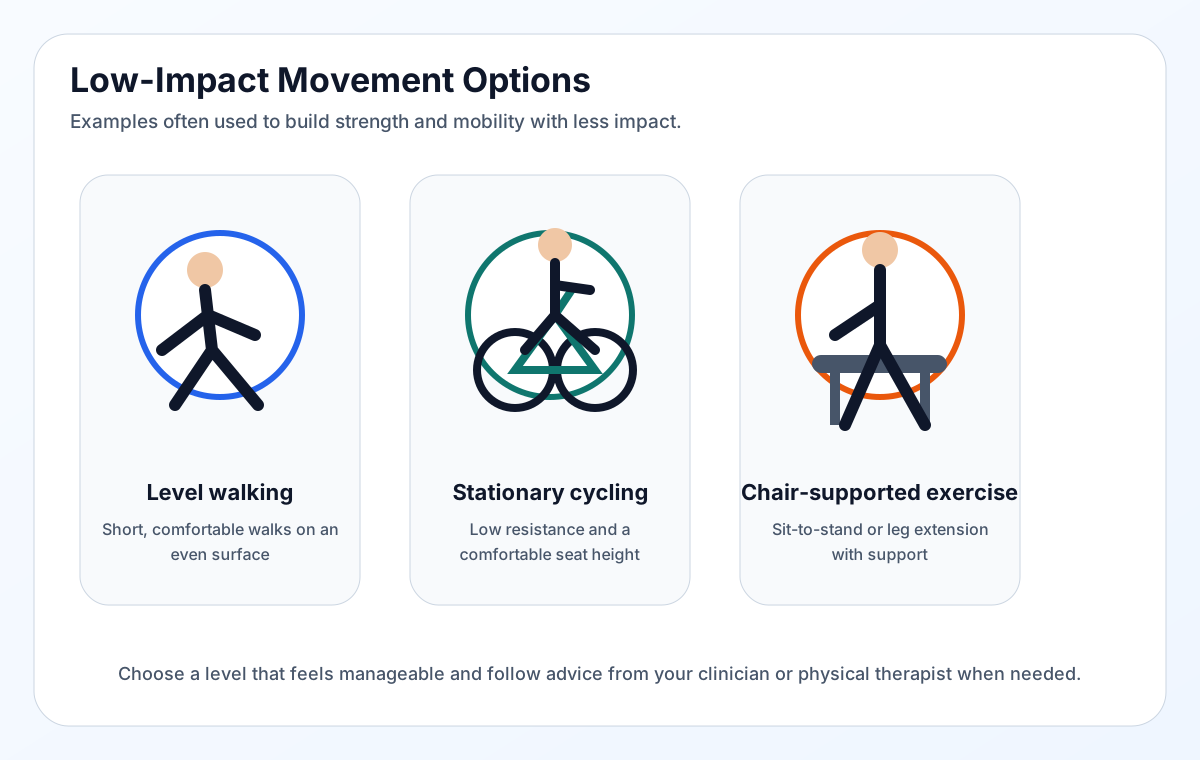
The key is choosing the right types of exercise. Low-impact activities that strengthen the muscles around the knee without putting excessive stress on the joint are ideal. Swimming, water aerobics, cycling, and walking on flat surfaces are excellent choices for most people with knee arthritis. Cycling in particular is worth setting up properly rather than abandoning if it hurts, since knee pain on the bike is usually a fit problem, as our guide to cycling knee pain and bike fit explains.
Knee Pain Exercises Effectiveness for Arthritis
Low-impact exercises provide the best support for arthritis knee pain
Strengthening exercises: Building strength in the quadriceps, hamstrings, and hip muscles provides better support for the arthritic knee. Stronger muscles act as shock absorbers, reducing the load on the joint itself.
Range of motion exercises: Gentle stretching and movement exercises help maintain flexibility and prevent further stiffness. These are often best done after warming up when the joint is more mobile.
Balance exercises: Arthritis can affect proprioception (your sense of joint position), increasing fall risk. Balance training helps compensate for this and improves overall stability.
✓ Effective Knee Pain Exercises for Arthritis
- •Straight leg raises while lying down to strengthen quadriceps
- •Hamstring curls standing or lying down
- •Step-ups on a low step to build functional strength
- •Stationary cycling with low resistance
- •Water walking or swimming for gentle resistance
- •Gentle yoga or tai chi for flexibility and balance
Knee Support for Pain Management
Various forms of knee support for pain can help manage arthritis symptoms. From simple braces to more sophisticated devices, support options can provide stability, warmth, and compression that many people find helpful. The categories are not interchangeable, so it is worth understanding how a brace differs from a compression sleeve before choosing one.
Compression sleeves: These simple elastic sleeves provide gentle compression and warmth. They can help reduce swelling and provide a proprioceptive reminder to move carefully. Many people find them comfortable for daily wear.
Unloader braces: For arthritis that primarily affects one side of the knee (medial or lateral), unloader braces can shift weight away from the damaged area. These can be particularly effective for unicompartmental osteoarthritis.
Hinged braces: These provide more substantial support and can be helpful for those with significant instability. They're often recommended after injuries or for more advanced arthritis.
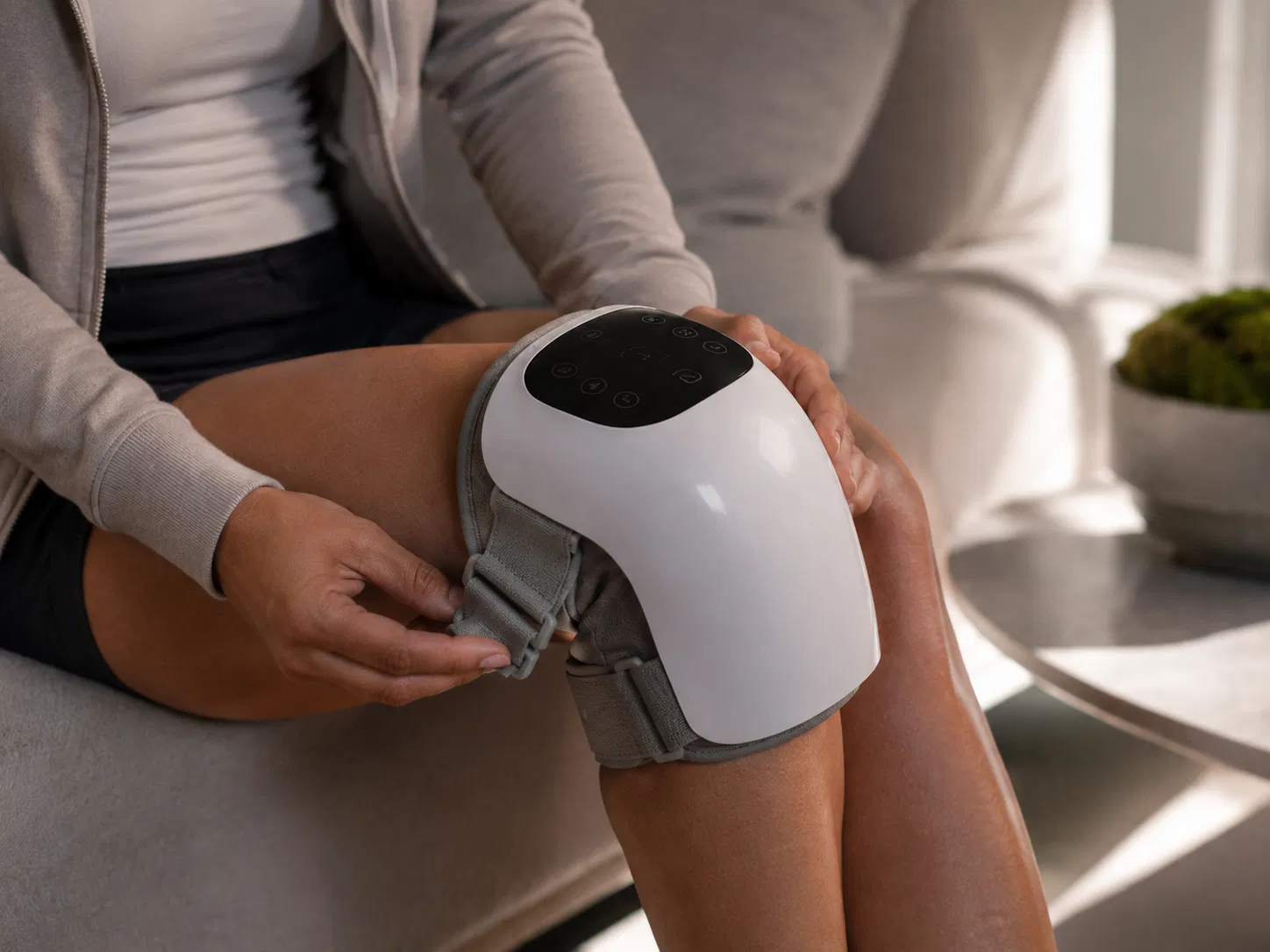
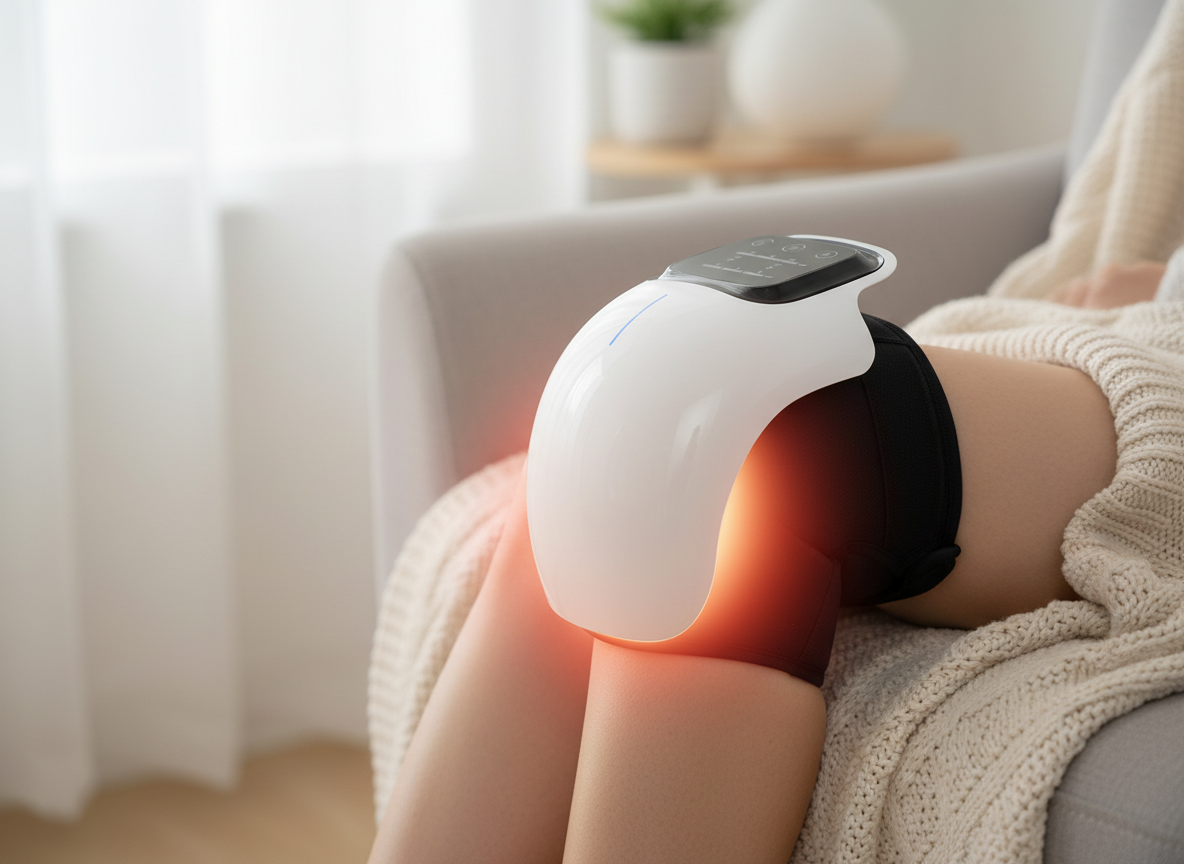
Heat therapy devices: Warmth can help relax muscles, increase circulation, and reduce stiffness associated with arthritis. Various devices provide controlled heat therapy for the knee.
Choosing Knee Support
The right knee support for pain depends on your specific symptoms and needs. Compression sleeves work well for mild symptoms, while unloader braces may be necessary for more advanced cases. Consider consulting with a physical therapist or orthopedic specialist to find the most appropriate option for your situation.
Daily Management of Knee Joint Pain
Living well with knee arthritis involves developing daily habits and strategies that minimize pain while maintaining function. Small changes to how you approach daily activities can make a significant difference in your comfort.
Activity pacing: Instead of doing all your activities at once, spread them throughout the day with rest breaks. This prevents overloading the joint and allows recovery time.
Joint protection: Use handrails on stairs, avoid prolonged kneeling, and consider using assistive devices like grabbers to reduce joint stress during daily tasks.
Weight management: Every pound of body weight adds approximately four pounds of pressure on the knees. Maintaining a healthy weight significantly reduces knee joint pain and slows arthritis progression.
Temperature therapy: Gentle heat may feel useful for stiffness when the knee is not swollen, while cold may feel better during a short-term hot or swollen flare. Our guide to choosing heat or cold for arthritis knee symptoms explains the safety differences and when home treatment should stop.
When to Consider Knee Replacement
Knee replacement surgery is a significant decision that's appropriate when conservative treatments no longer provide adequate relief. Understanding when to consider this option?and what to expect?helps in making informed decisions about your care.
Most healthcare providers recommend exhausting conservative options before considering knee replacement. This includes exercise therapy, weight management, medications, injections, and various support devices. Surgery is typically considered when these measures no longer provide acceptable pain relief or function.
Factors Considered for Knee Replacement
Key factors healthcare providers consider for knee replacement decisions
Indicators that knee replacement might be appropriate:
Severe, persistent pain: When knee joint pain significantly limits daily activities despite optimal conservative treatment.
Failed conservative treatments: When medications, injections, physical therapy, and other measures no longer provide adequate relief.
Significant functional limitation: When you can no longer do activities that matter to you, like walking distances, climbing stairs, or participating in recreational activities.
Decreased quality of life: When knee problems are significantly impacting your overall wellbeing, sleep, or mental health.
✓ Questions to Ask About Knee Replacement
- •Am I a good candidate based on my overall health?
- •What are the realistic expectations for pain relief and function?
- •What is the recovery timeline and rehabilitation process?
- •What are the potential complications and how are they managed?
- •How long do knee replacements typically last?
- •Are there alternatives I haven't tried yet?
Building Your Arthritis Management Plan
Effective management of arthritis knee pain requires a comprehensive approach that addresses multiple factors. Working with healthcare providers to develop a personalized plan gives you the best chance of maintaining function and quality of life.
Exercise component: Regular knee pain exercises that include strengthening, flexibility, and aerobic activity. Consider working with a physical therapist to develop a program tailored to your needs.
Weight management: If overweight, even modest weight loss can significantly impact knee joint pain. Work with a healthcare provider or dietitian if needed.
Support devices: Appropriate knee support for pain, from simple sleeves to specialized braces, based on your specific symptoms.
Daily habits: Activity pacing, joint protection strategies, and temperature therapy as part of your daily routine. Our guide on building a daily knee comfort routine can help you establish these habits.
For arthritis-specific device options, see our guide on the best heated knee massagers for arthritis. Understanding how heat and red light therapy compare can also inform your temperature therapy choices. And for building the muscle support that protects arthritic joints, explore our guide on how to strengthen knees.
Medical management: Appropriate medications, injections, or other treatments as recommended by your healthcare provider.
Living well with knee arthritis is possible with the right combination of knee pain exercises, appropriate knee support for pain, lifestyle modifications, and medical care. While knee replacement remains an option for severe cases, many people successfully manage their arthritis knee pain for years with conservative approaches.
Because “arthritis” can mean a mechanical whole-joint condition or an autoimmune inflammatory disease, the comparison of knee osteoarthritis versus rheumatoid arthritis is the next useful step when prolonged morning stiffness, symmetrical swelling, hand or foot symptoms, or blood-test questions enter the picture.
If you are considering electrical stimulation for symptom relief, the TENS unit guide for knee pain explains pad placement, settings, safety exclusions, and the mixed evidence. It should be viewed as a possible short-term comfort tool, not a treatment that changes arthritis itself.
For topical medicines, compare the stronger guideline support and NSAID precautions in the diclofenac gel guide with the common burning sensation and less certain evidence in the capsaicin cream guide. Neither product repairs cartilage, and both require their own label and safety checks.
Frequently Asked Questions
What are the symptoms of knee arthritis?
Common symptoms include joint pain that worsens with activity, morning stiffness lasting less than 30 minutes, swelling, creaking or grinding sensations (crepitus), reduced range of motion, and difficulty with stairs, squatting, or prolonged walking.
What exercises help with knee arthritis?
Beneficial exercises include low-impact activities like swimming, cycling, and water aerobics; strengthening exercises for quadriceps, hamstrings, and hips; gentle range-of-motion exercises; and balance training. Always start slowly and progress gradually.
What is the best knee support for arthritis pain?
Options include unloader braces that shift weight from affected areas, compression sleeves for mild support and warmth, hinged braces for stability, and patellar stabilizers. The best choice depends on your specific symptoms and arthritis location.
When should I consider knee replacement?
Knee replacement may be considered when conservative treatments no longer control pain, arthritis significantly limits daily activities, pain affects sleep, or imaging shows severe joint damage. It's typically a last resort after other options fail.
Can knee arthritis be reversed?
Cartilage damage cannot be reversed, but symptoms can be effectively managed. Weight loss, exercise, appropriate support, and medical treatments can significantly reduce pain and improve function. Early intervention helps slow progression.