Age-related joint stiffness affects millions of people worldwide, and the knee is one of the most commonly affected joints. Morning stiffness, difficulty with stairs, and general discomfort during daily activities are experiences that many people share. While professional care remains important, the daily management of comfort often happens at home.
Heated knee massagers are one category of at-home comfort device. Their specifications, fit, and safety guidance vary widely. This guide focuses on practical comparison criteria and explains the documented features FlexiKnee provides without treating a product ranking as medical evidence.
Why Heat Matters for Knee Joint Comfort
Controlled warmth is commonly used as a short-term comfort measure for stiffness. It may make the area feel more relaxed while applied, but it does not reverse arthritis, rebuild cartilage, or replace an assessment when symptoms are severe or changing.
Some people prefer gentle warmth during morning stiffness or after activity. Avoid heat on a newly injured, markedly swollen, unusually warm, or numb knee, and follow the temperature and session limits in the product instructions.
Our detailed guide on heat vs. red light therapy explores the science behind these modalities and how they complement each other for daily joint comfort.
What to Look for in a Heated Knee Massager
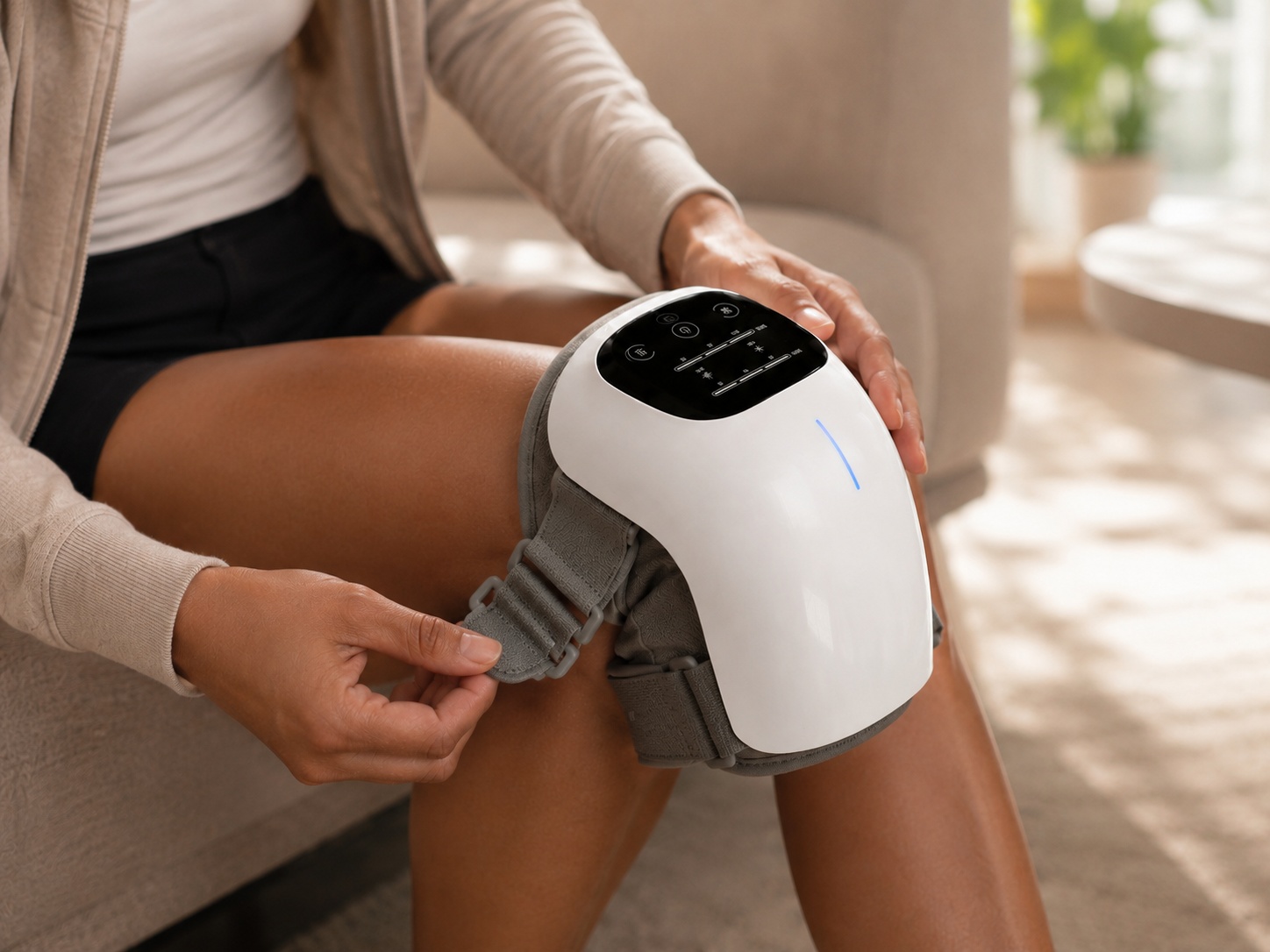
Heated knee devices vary in fit, controls, temperature range, battery information, and safety instructions. These practical details matter more than broad treatment claims:
Adjustable Heat Settings
Joint sensitivity varies from person to person and day to day. A device with multiple heat levels allows you to customize the warmth intensity based on how your knees feel on any given day. This is particularly important for sensitive joints, where too much heat can feel uncomfortable.
Wrap-Around Design
The knee is a complex joint, and effective heat delivery requires coverage from multiple angles. Wrap-around designs distribute warmth more evenly than flat heating pads, which only heat one side of the joint. Look for devices that contour to the knee shape for maximum contact.
Additional Modalities
Some devices combine warmth with vibration or red-light modes. These options may add convenience or a preferred sensation, but more modes do not establish a stronger medical effect. Each mode should be independently controllable and clearly explained.
Wireless Convenience
Rechargeable designs can be more convenient during seated home routines. Do not walk on stairs, drive, or perform demanding activity while wearing a bulky device unless the instructions explicitly allow it and the fit does not affect awareness or movement.
The Usability Factor
A device is more likely to fit a routine when it is comfortable, simple to position, easy to control, and clear about session limits. Do not increase heat or duration merely to chase a stronger result.
A Transparent Feature Checklist
Rather than assigning an unsupported ranking, compare each device against the same documented criteria. Product pages should make it possible to verify the following points before purchase.
- Fit: strap range, dimensions, and whether the device can be positioned without pinching behind the knee.
- Warmth controls: number of settings, stated temperature range, timer, and overheating safeguards.
- Mode control: whether warmth, vibration, and light can be adjusted independently.
- Battery information: charge method, estimated runtime, and whether use while charging is prohibited.
- Safety guidance: clear contraindications, skin checks, cleaning instructions, and stop-use warnings.
- After-sales terms: warranty scope, returns process, contact information, and replacement support.
Where FlexiKnee Fits
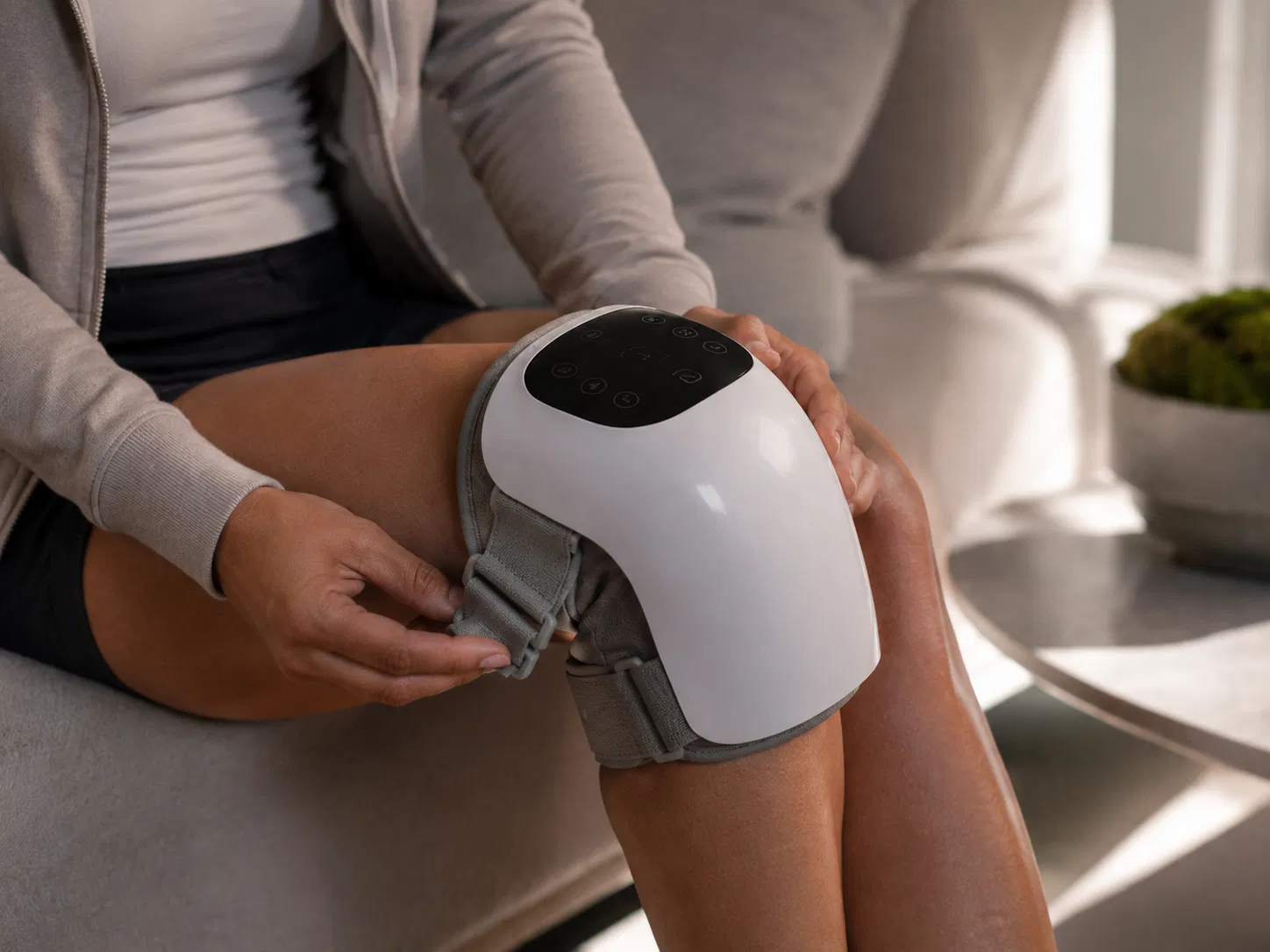
FlexiKnee combines adjustable warmth, vibration, a red-light mode, rechargeable operation, touch controls, and a wraparound fit. Those are product features, not evidence that the device treats arthritis. The relevant buying question is whether the documented controls, fit, instructions, warranty, and return terms suit the intended routine.
Building a Daily Comfort Routine with a Heated Knee Device
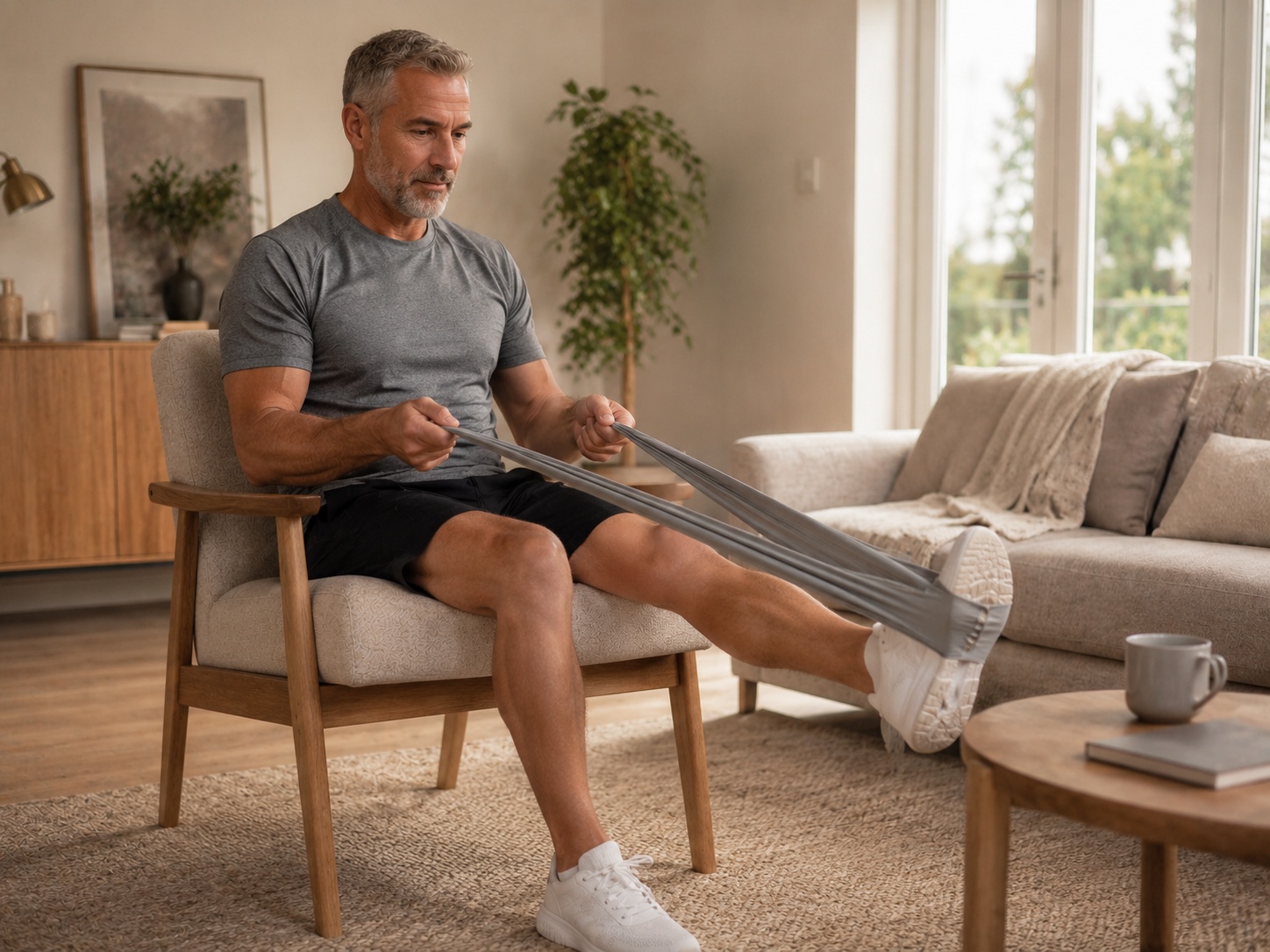
A device should fit safely into a routine rather than becoming a reason to ignore symptoms or extend heat exposure. Start with the manual and keep the routine conservative:
✓ Quick Tips
- •Use only the session length and temperature allowed by the product manual
- •Begin with the lowest comfortable setting and check the skin during and after use
- •Use the device while seated and avoid activities that make the fit or controls distracting
- •Stop if you notice irritation, numbness, dizziness, increased swelling, or unusual discomfort
- •Track whether the routine provides temporary comfort without using it to push through warning symptoms
For a comprehensive approach to daily comfort habits, our guide on side knee comfort strategies offers practical tips that complement device use.
Who Benefits Most from Heated Knee Massagers?
People consider wearable warmth devices for different reasons. Suitability depends on symptoms, sensation, circulation, medical history, and the product instructions:
Adults over 50: People who notice age-related stiffness may value simple controls and gentle, adjustable warmth. Individual causes and heat tolerance vary.
People with sedentary routines: A wearable device may be convenient during a seated break, but it should complement regular movement rather than replace it.
Active individuals: A short warming session may fit into a recovery routine, provided it does not mask symptoms that should change the activity plan.
Younger active adults: Even teens and younger adults can experience knee discomfort from growth, sports, or overuse. Our guide on below-knee discomfort in teens and active adults explores common patterns in this demographic.
Beyond Heat: The Multi-Modal Advantage
Multi-mode devices combine separate comfort features in one product. Vibration changes the sensation around the knee, while red and near-infrared light require clear wavelength and dose information before research findings can be meaningfully compared with a consumer device.
The main advantage of a multi-mode design is convenience. It does not establish that the device treats arthritis or that using every mode produces a better result.
For those interested in how these approaches interact, our guide on knee discomfort and the lower body connection provides additional context on addressing comfort holistically.
What Can a Knee Massager Realistically Offer?
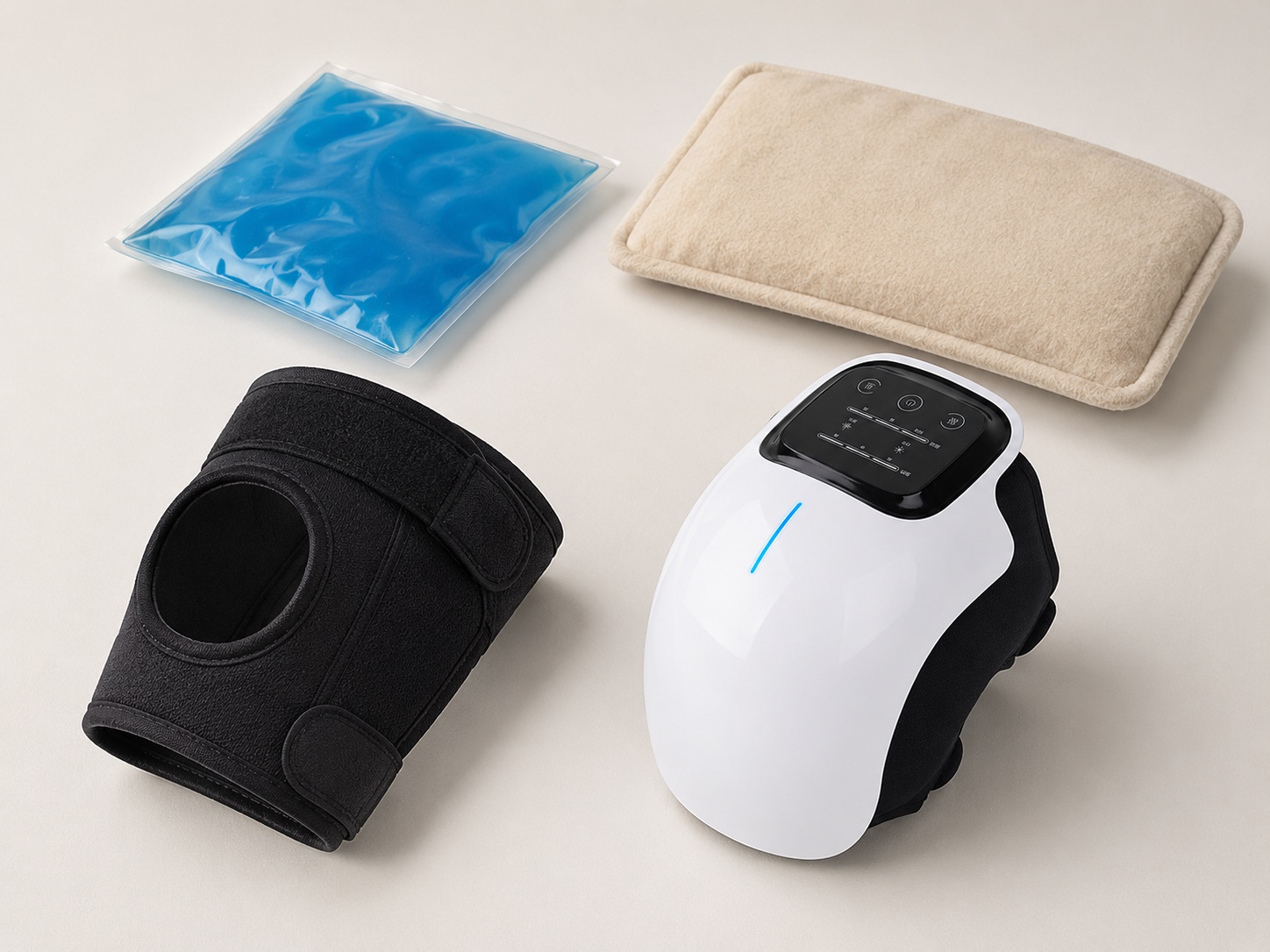
A heated knee massager can provide a controlled warming sensation and, depending on the model, optional vibration or light modes. It cannot diagnose arthritis, reverse joint damage, rebuild cartilage, or guarantee improved mobility.
The most realistic role is as a short comfort step during a seated routine. Any benefit should be judged by how the user feels during and shortly after the session, without extending exposure or using the device to push through worsening symptoms.
People with significant swelling, a hot or red joint, reduced skin sensation, circulation concerns, recent surgery, an implanted device, or uncertainty about the cause of symptoms should obtain appropriate guidance before using heat or a powered wearable device.
What People Look for in the Best Knee Massager with Heat
When comparing a knee massager with heat, focus on adjustable temperature, clear session guidance, a comfortable wrap, understandable controls, verified battery information, and a return policy. Vibration and red-light modes are optional features, not proof of a medical benefit.
FlexiKnee combines adjustable warmth, vibration, a red-light mode, rechargeable use, and a wraparound design in one product. Buyers can compare those verified features, current prices, batteries and warranties in our FlexiKnee vs competitors ranking.
How to Compare Knee Massagers for Daily Comfort
Product comparisons should separate verified specifications from testimonials and marketing language. A useful device is one that fits, is simple to operate, stays within clear temperature limits, and is realistic enough to use consistently.
Practical Features to Check
Look for adjustable warmth, a wrap that can be positioned without restricting circulation, controls that remain easy to reach, an automatic timer, transparent charging information, and instructions that explain who should not use the device.
Why Heat + Vibration Combination Matters
Heat and vibration create different sensations. Some users prefer using them together, while others use one mode at a time. Comfort is subjective, so controls that allow each mode to be adjusted independently are more useful than a fixed combination.
Why Infrared Therapy Is Used in Some Devices
Some devices include visible red or near-infrared LEDs. To evaluate that feature, look for the actual wavelength, irradiance, treatment area, contact or distance condition, and recommended duration. The word “infrared” alone does not establish dose, depth, or effectiveness.
How Knee Comfort Devices Compare
Understanding the differences between device types helps you choose the right option for your needs:
- Traditional heating pads provide straightforward warmth and may be sufficient for people who do not need a wearable design. Their fit, timer, and temperature controls vary.
- Wearable heated knee devices add a wraparound fit and may include vibration. Their advantage is convenience and positioning, not a guaranteed stronger result.
- Multi-mode knee massagers combine warmth, vibration, and sometimes red or near-infrared light. Compare their documented specifications and safety guidance rather than assuming more modes are medically better.
For a detailed look at how infrared compares to standard heat, our guide on infrared therapy vs. heating pads breaks down the key differences. For a deeper breakdown and real usage insights, see our guide to the best knee massager reviews. You can also explore our guide on knee comfort after exercise for more context on daily use.
Making Your Decision
When choosing a heated knee massager, prioritize fit, controllable warmth, simple operation, safety instructions, warranty, and a realistic return policy. More modes are useful only when they are clearly explained and easy to control.
FlexiKnee is included because it combines adjustable warmth, vibration, red light, rechargeable operation, and a wraparound fit. It remains a comfort product, not a treatment for arthritis or a substitute for medical care.
This content is general education and product-selection guidance, not medical advice. Product features do not establish treatment effectiveness, and individual experiences vary.
Frequently Asked Questions
What should I look for in a heated knee massager?
Prioritize a comfortable fit, adjustable and clearly limited warmth, a timer, understandable controls, transparent charging information, safety instructions, warranty, and a realistic return policy. Extra modes do not prove that a product treats arthritis.
Does heat therapy help with arthritis knee stiffness?
Controlled warmth may provide temporary soothing comfort for stiffness. It does not reverse arthritis or repair cartilage, and it should not be used on a newly injured, markedly swollen, unusually warm, or numb knee without appropriate guidance.
How often should I use a heated knee massager for arthritis?
Follow the session length and frequency in the product manual. Begin with a lower setting, check your skin and sensation, and stop if you notice irritation, numbness, dizziness, or unusual discomfort.
Can I use a heated knee massager alongside other comfort approaches?
A comfort device may be used alongside an appropriate movement and activity plan, but it should not be used to push through warning symptoms or replace professional care. Ask an appropriate healthcare professional if you have a diagnosed condition or uncertainty about heat use.
Is FlexiKnee safe for daily use with arthritis?
FlexiKnee is designed as an at-home comfort product with adjustable settings and a timer. Suitability depends on the user. Follow the manual and seek appropriate guidance if you have reduced sensation, circulation concerns, recent surgery, an implanted device, or another medical condition.