Start by pointing to the sore spot with one finger. The inner side is called medial and the outer side is called lateral. Then note whether the pain began gradually or after a twist, whether pressing the area reproduces it, and which movement brings it on. Those details are more useful than whether the left or right knee is involved.
Inner vs Outer Side Knee Pain: Start With Location
Side knee pain refers to discomfort along the medial or lateral edge rather than directly over the kneecap or in the back crease. The joint line, nearby ligaments, tendons, bursae, and nerves sit close together, so a symptom map narrows the possibilities without confirming a diagnosis.
The inner side of the knee (medial) contains structures including the medial collateral ligament (MCL), the medial meniscus, and the pes anserine tendons. The outer side (lateral) includes the iliotibial band, the lateral collateral ligament (LCL), and the lateral meniscus.
Different activities load these structures in different ways. Running and repeated bending often emphasize the outer side, while twisting, pivoting, and direct inward stress may emphasize the inner side.
Side Knee Pain Distribution
Where people experience side knee pain
Inner Side Knee Pain: Common Medial Patterns
Pain inside knee is common and can have several causes. The medial (inner) side of the knee bears significant load, especially during activities that involve twisting or pivoting movements.
Medial meniscus involvement: The medial meniscus is a C-shaped piece of cartilage that sits between the thigh and shin bones on the inner side. It acts as a shock absorber and stabilizer. Changes or irritation to this structure can cause pain inside knee, especially during twisting movements or when squatting.
MCL strain: The medial collateral ligament runs along the inner edge of the knee, preventing it from bending inward. Stress or strain on this ligament can cause sharp pain on side of knee, particularly with movements that push the knee inward.
Pes anserine issues: Three tendons converge at a point on the inner shin bone just below the knee, forming the pes anserine. This area can become irritated, especially in runners or people who do a lot of stair climbing, causing pain inside knee that may extend slightly down the shin.
Outer Knee Pain: Lateral Discomfort
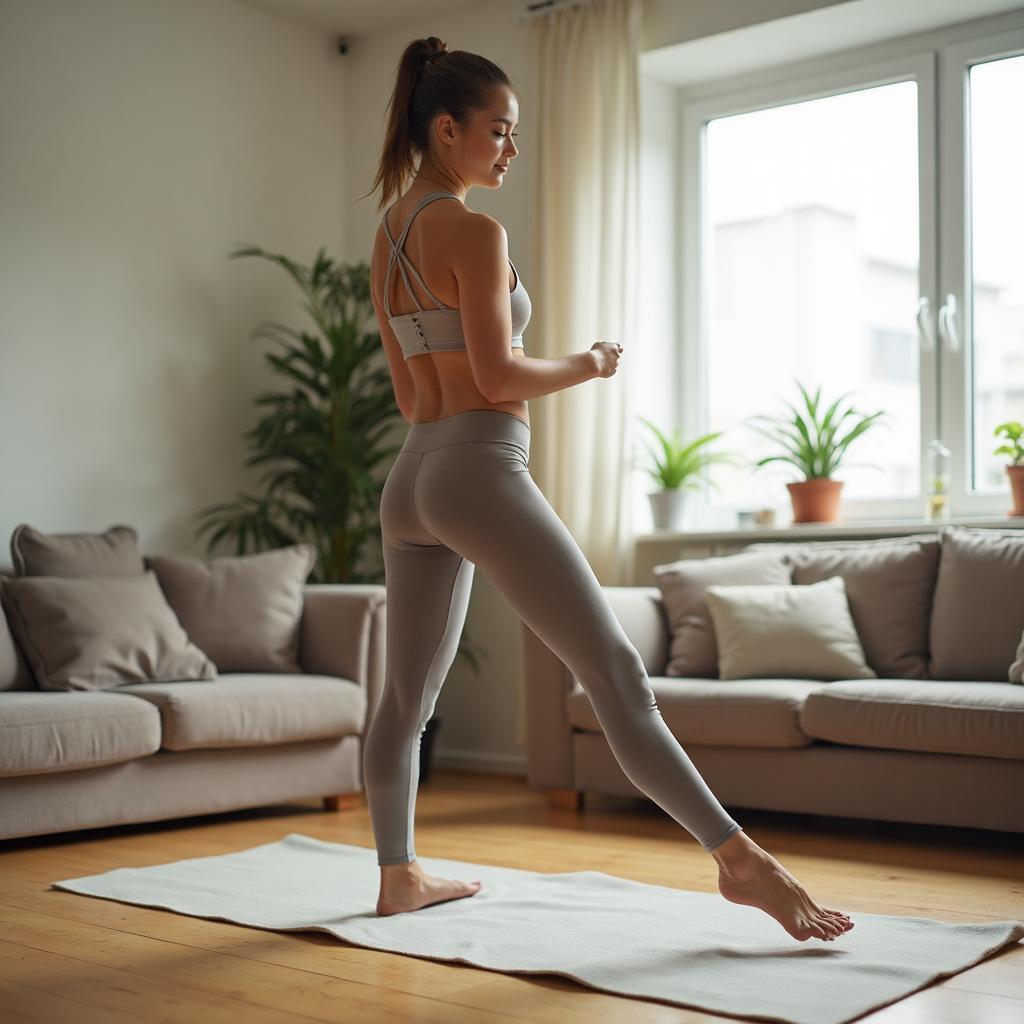
Pain on the outer side of the knee is often discussed in relation to the iliotibial (IT) band, especially when running or cycling is the trigger. The lateral meniscus, lateral collateral ligament, nearby tendons, and nerves can also produce symptoms in this area. The IT band pain location diagram shows how an activity-related outer-knee pattern usually differs from pain centered directly on the joint line.
IT band pattern: Symptoms often build with repeated bending during running, hiking downhill, or cycling. The sore point is usually near the outer bony prominence rather than deep inside the joint. Do not assume every lateral knee pain pattern is caused by the IT band.
Lateral meniscus issues: Similar to its counterpart on the inner knee, the lateral meniscus can become irritated or damaged, leading to pain on the outer side of the knee. This might cause clicking, catching, or pain during certain movements.
LCL strain: The lateral collateral ligament stabilizes the outer knee. While less commonly injured than the MCL, it can be strained during activities that push the knee outward, causing localized pain on side of knee.
Runners experiencing lateral knee pain can compare activity-specific patterns in the running knee pain guide. If weakness or poor control is part of the pattern, the guide to strengthening the knees explains how to build capacity gradually.
Pain on the Outside of the Knee Without Swelling
Outer knee pain can occur without visible swelling, particularly when symptoms build gradually during repetitive activity and settle after the activity stops. Lack of swelling does not prove the problem is minor, but it makes a large acute joint reaction less likely.
Track the distance or time at which pain begins, whether downhill movement is worse, and whether pressing the outer bony area reproduces it. Pain that follows a twist, repeatedly catches, causes the knee to give way, or becomes difficult to bear weight on needs assessment even when the knee does not look swollen.
Common Triggers for Side Knee Pain
- Running, especially on uneven surfaces or with increased mileage
- Cycling with improper bike fit
- Activities involving pivoting or sudden direction changes
- Squatting or lunging with poor form
- Stair climbing, particularly going downward
Does It Matter Whether the Left or Right Knee Hurts?
The side of the body usually matters less than the exact spot on the knee and the movement that triggers it. One knee may carry more load because of a previous injury, sport technique, work position, or habit, but left versus right does not identify a diagnosis.
Compare both knees for swelling, range of motion, tenderness, and stability. If the painful knee behaves differently during walking or repeatedly gives way, that difference is more useful than leg dominance alone.
When Side Pain Is Actually Around the Kneecap
While technically at the front of the knee, knee cap pain often radiates to the sides and is frequently experienced alongside or in conjunction with side knee pain. The kneecap (patella) glides in a groove on the front of the thighbone, and problems with this tracking can cause widespread discomfort.
Patellofemoral syndrome: This common condition involves discomfort around or behind the kneecap. It often causes knee cap pain that worsens with stairs, squatting, or prolonged sitting. The pain might seem to shift between the sides of the kneecap.
Tracking issues: If the kneecap doesn't glide smoothly in its groove, it can create friction and irritation. This might be caused by muscle imbalances, tight structures on one side, or anatomical variations.
Connection to side pain: Because the kneecap is connected to the sides of the knee through soft tissues, knee cap pain and pain side of knee often occur together. Addressing one often helps the other.
Common Causes of Kneecap Pain
What typically contributes to kneecap discomfort
The Role of the Knee Joint
All side knee pain ultimately involves the knee joint in some way. Understanding how this joint functions helps explain why certain activities trigger discomfort and why certain approaches to relief work.
The knee joint must balance two seemingly contradictory demands: it needs to be stable enough to support your body weight and the forces of movement, yet flexible enough to allow a wide range of motion. The structures on the sides of the knee, including ligaments, tendons, and menisci, play important roles in meeting both demands.
When any of these structures become irritated, whether from overuse, injury, or other factors, the result is often pain inside knee or on the lateral side that limits normal function.
Strategies for Managing Side Knee Pain
Effective management of side knee pain often involves a multi-faceted approach that addresses immediate discomfort while also working on underlying contributing factors.
IT band stretching and foam rolling: For lateral knee pain, addressing IT band tightness is often helpful. Foam rolling the outer thigh and performing specific IT band stretches can reduce tension pulling on the outer knee.
Hip strengthening: Weak hip muscles, particularly the gluteus medius, can alter how the knee moves and contribute to side knee pain. Exercises like side-lying leg raises and clamshells can help.
Proper footwear: The foot and ankle directly influence knee mechanics. Wearing supportive shoes appropriate for your activities can help reduce stress on the sides of the knee.
Activity modification: Temporarily reducing a movement that reliably aggravates the side of the knee may allow symptoms to settle. This does not always mean stopping all movement. Choose a comfortable alternative and compare the response later that day and the next morning.
✓ Quick Tips
- •Foam roll your IT band and outer thigh regularly
- •Strengthen your hip muscles, especially the gluteus medius
- •Stretch your quadriceps, hamstrings, and hip flexors
- •Check whether worn footwear or a recent shoe change matches the timing of symptoms
- •Gradually increase activity levels rather than making sudden jumps
- •Pay attention to form during exercises like squats and lunges
Heat, Cold, and Other Comfort Strategies
Temperature therapy can be helpful for managing side knee pain, but knowing when to use which approach matters:
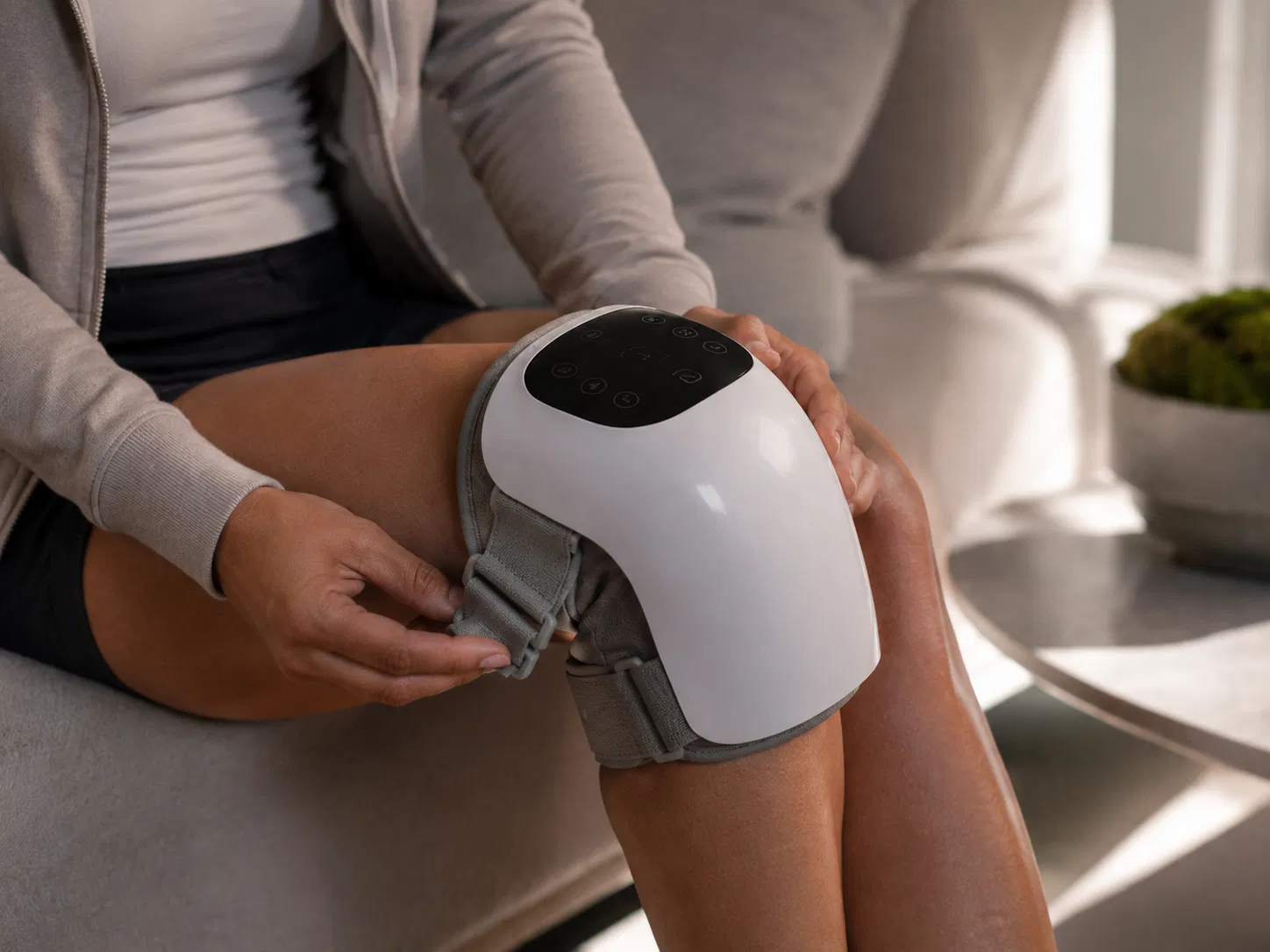
Heat therapy: Warmth is generally helpful for chronic, tight, or stiff pain side of knee. It relaxes muscles, increases blood flow, and can be soothing before activity or as part of a relaxation routine.
Cold therapy: Ice is typically better for acute irritation or after activities that you know aggravate your knee. It can help reduce any inflammatory response and provide temporary pain relief.
Compression: For some people, a knee sleeve or compression bandage provides support and proprioceptive feedback that helps the knee feel more stable during activities.
Daily Comfort Strategies Effectiveness
How effective common daily strategies are for knee comfort
When to Seek Professional Help
While many cases of side knee pain respond well to self-care, certain situations warrant professional evaluation:
Instability: If your knee feels like it might give way or buckles during activity, this could indicate ligament involvement that should be assessed.
Locking or catching: If your knee gets stuck or catches during movement, there might be a meniscal issue or loose body in the joint.
Significant swelling: Some mild swelling can accompany overuse, but substantial or rapid swelling deserves attention.
No improvement: If your left knee pain or right knee pain hasn't improved after several weeks of consistent self-care, professional guidance can help identify what you might be missing.
Building Sustainable Habits
Managing side knee pain is often about building sustainable daily habits rather than finding a quick fix. Regular stretching, appropriate strengthening, mindful activity choices, and consistent use of supportive strategies typically yield the best long-term results for both pain inside knee and lateral discomfort.
Creating Your Personal Comfort Plan
Everyone's side knee pain is slightly different, which means the optimal approach varies from person to person. Here's how to develop a plan that works for you:
Identify your triggers: Pay attention to what activities worsen your pain on side of knee. This information helps you know what to modify or avoid temporarily.
Find what helps: Experiment with different stretches, strengthening exercises, and comfort strategies to see what provides the most relief for you.
Be consistent: Whatever approaches you find helpful, do them regularly. Sporadic effort typically produces sporadic results.
Progress gradually: As your knee cap pain or side pain improves, gradually return to activities rather than jumping back to full intensity.
A useful side-knee plan starts with one clear pattern: the exact location, the movement that triggers it, and the symptoms that arrive with it. Change one load or habit at a time so you can tell what actually helps.
Frequently Asked Questions
What causes pain on the side of the knee?
Inner and outer side knee pain can involve the joint line, meniscus, collateral ligaments, nearby tendons, bursae, or nerves. The exact spot, activity trigger, injury history, swelling, tenderness, locking, and stability help a clinician narrow the cause.
What is IT band syndrome?
An IT band pain pattern typically causes activity-related discomfort near the outer knee, especially with repetitive bending during running, hiking downhill, or cycling. Not every outer knee symptom is an IT band problem, particularly after a twist or when locking, instability, or numbness is present.
Why does the inside of my knee hurt?
Pain inside the knee may come from the medial meniscus, MCL, or pes anserine tendons. Activities involving twisting or pivoting can irritate these structures. Inner knee pain is common in runners and those who do a lot of stair climbing.
How do I treat side knee pain at home?
Begin by reducing the activity that reliably triggers the pain and choosing comfortable movement instead. Check recent changes in training, terrain, footwear, and technique. Temperature, stretching, or strengthening choices should match the pattern rather than being applied to every type of side knee pain.
Why does the outside of my knee hurt without swelling?
Gradual outer knee pain can occur without visible swelling, particularly during repetitive running, downhill movement, or cycling. Track when it begins and where it is tender. Lack of swelling does not rule out a problem, especially after injury or when catching, giving way, or difficulty bearing weight is present.
When should I see a doctor for side knee pain?
See a doctor if pain is severe, you have significant swelling, the knee feels unstable or buckles, you experience locking or catching, or if self-care hasn't helped after several weeks of consistent effort.