Running is one of the most accessible and beneficial forms of exercise, but it can take a toll on your knees. Running knee pain is incredibly common, affecting both beginners and experienced marathoners alike. Understanding the underlying causes and learning how to manage them can help you continue enjoying your runs while protecting your joint health.
Why Does My Knee Hurt When Running?
If you are asking "why does my knee hurt when running," you are not alone. Knee pain running is the single most common complaint among recreational and competitive runners. The answer usually comes down to a combination of repetitive impact, biomechanical factors, and training habits.
Every time your foot hits the ground during a run, your knee absorbs forces equal to two to three times your body weight. Over thousands of strides per session, even small issues in alignment, muscle balance, or footwear can create noticeable discomfort. The most common culprits include runner's knee (patellofemoral pain syndrome), IT band syndrome, patellar tendinitis, and meniscus irritation.
The location of your pain often provides important clues. Pain around the front of the knee typically relates to kneecap tracking issues. Outer knee pain running usually points to the IT band. Inner knee pain running may suggest medial ligament or meniscus involvement. Pain below the kneecap often indicates patellar tendon stress.
Understanding Running Knee Pain
Running knee pain can manifest in many ways, from a dull ache that builds during your run to sharp pain that comes and goes unpredictably. The repetitive nature of running, combined with the impact forces involved, makes the knee joint particularly susceptible to stress and injury.
Each time your foot strikes the ground, your knee absorbs forces equal to several times your body weight. Over thousands of steps per run, even small biomechanical issues can lead to significant discomfort. Understanding where your pain originates is the first step toward effective management.
The most common locations for running knee pain include the front of the knee (around the kneecap), below the knee cap pain area (at the patellar tendon), and the outer side of the knee (often related to the IT band). Each location suggests different underlying issues and may require different management approaches.
Common Running Knee Injuries Distribution
Percentage of knee injuries among runners
Knee Pain After Running
Many runners notice that their knees feel fine during a run but start to ache afterward. Knee pain after running is extremely common and does not always indicate a serious problem. In many cases, post-run discomfort reflects normal muscle fatigue and the body's recovery response to repetitive loading.
However, there are important distinctions. Mild stiffness that resolves within an hour or two is generally within the range of normal recovery. Soreness that lasts into the next day, particularly if it returns after every run, deserves closer attention. If your knees hurt after running consistently, it may be a sign that your training load, footwear, or movement patterns need adjustment.
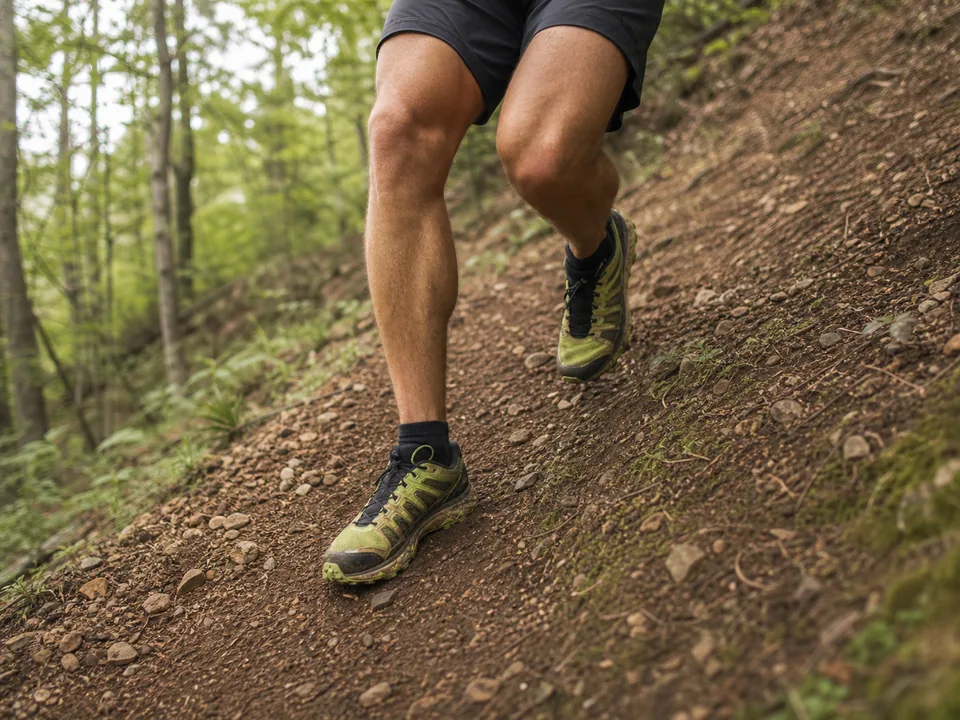
Common scenarios that contribute to knee pain after running include long downhill sections (which increase load on the front of the knee), sudden mileage increases, running on hard surfaces, and skipping warm-up or cool-down routines. For a deeper look at post-exercise soreness, including when it crosses from normal to concerning, see our guide on knee soreness after workout.
Knee Pain While Running
Pain that appears during your run, rather than after, often carries different implications. Knee pain while running suggests that the structures in your knee are being actively stressed beyond their comfortable range during the movement itself.
A common pattern is pain that starts at a consistent point during a run, for example after the first mile, or during a hill section. This predictability often points to a specific mechanical issue. Runners who experience pain in knee when running at a consistent distance may be dealing with IT band friction, patellar tracking issues, or tendon irritation that worsens with accumulated loading.
If your knee hurts when running and the pain forces you to stop or significantly alter your stride, this is a clear signal to reduce your training volume and investigate the cause. Continuing to run through significant pain can turn a manageable issue into a longer-lasting problem.
Runner's Knee: The Most Common Culprit
Runner's knee, technically known as patellofemoral pain syndrome, is the most frequent cause of running knee pain. It causes pain around or behind the kneecap, often worsening during running, squatting, climbing stairs, or after prolonged sitting.
The condition typically develops when the kneecap doesn't track smoothly in its groove on the thigh bone. This can result from muscle imbalances, poor running form, worn-out shoes, or simply increasing training volume too quickly. Many runners describe it as knee cap pain that seems to come from deep within the joint.
Pain when bending knee is a hallmark symptom of runner's knee pain. You might notice it most when running downhill, descending stairs, or transitioning from sitting to standing. Some runners also experience a grinding or clicking sensation around the kneecap.
Patellar Tendinitis: Jumper's Knee in Runners
Patellar tendinitis, sometimes called jumper's knee, involves inflammation or irritation of the tendon connecting your kneecap to your shinbone. While common in jumping sports, it also frequently affects runners, particularly those who incorporate speed work, hill training, or long distances into their routines.
This condition typically causes pain just below the kneecap that worsens during running, jumping, or even walking up stairs. You might notice that the pain is worst at the start of activity, improves as you warm up, then returns after you finish. This pattern is characteristic of tendon issues.
Sharp stabbing pain in knee that comes and goes can sometimes indicate patellar tendinitis, especially if the pain localizes to the area just below your kneecap. The tendon may feel tender to touch, and you might notice slight swelling in the area.
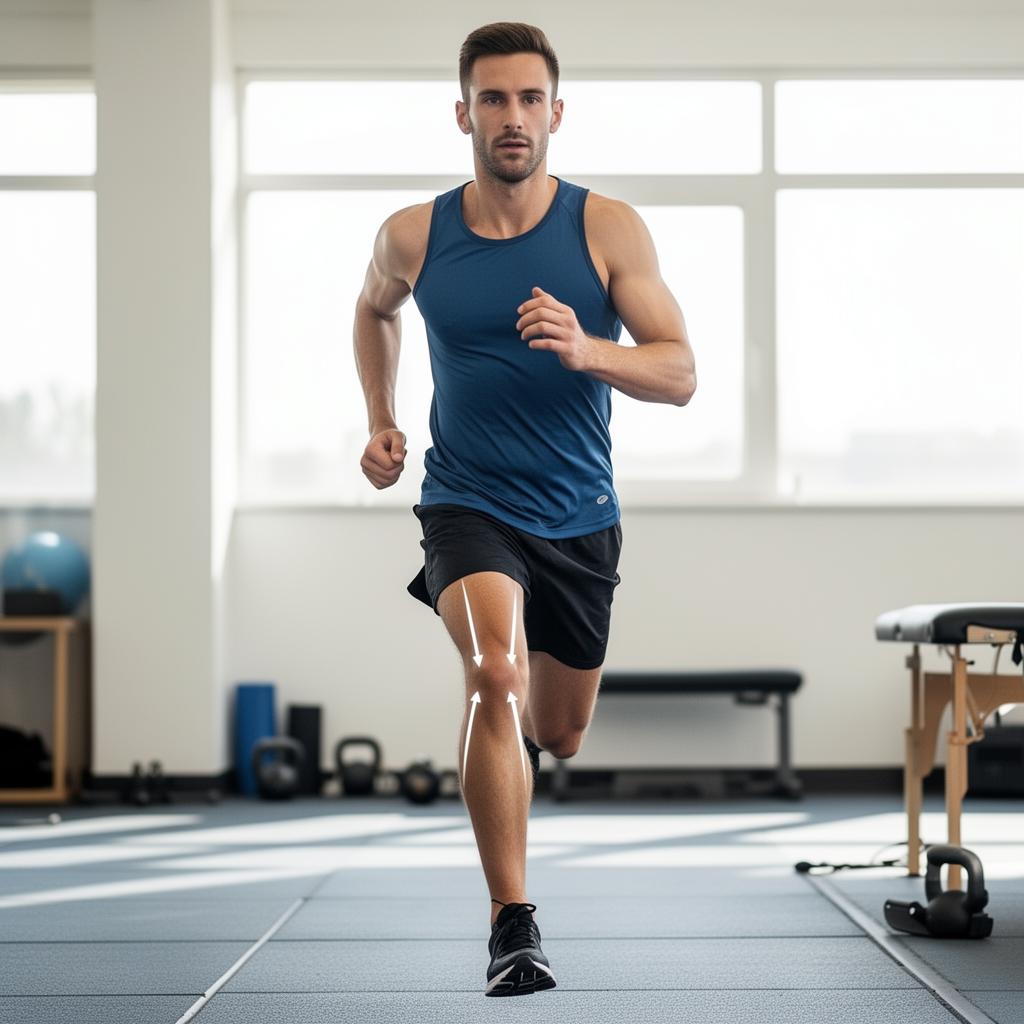
✓ Managing Patellar Tendinitis
- •Reduce training volume temporarily while maintaining fitness through cross-training
- •Apply ice after running to reduce inflammation
- •Consider a patellar tendon strap for support during activity
- •Focus on eccentric strengthening exercises for the quadriceps
- •Gradually increase training load, no more than 10% weekly
- •Ensure your running shoes are not worn out
Outer Knee Pain Running: IT Band Focus
Outer knee pain running is one of the most recognizable patterns among distance runners. In the majority of cases, lateral knee discomfort during or after running is connected to the iliotibial (IT) band, a thick band of tissue that runs along the outside of the thigh from the hip to just below the knee.
IT band syndrome develops when this band repeatedly slides over the bony prominence on the outside of the knee during the bending and straightening cycle of running. Runners often describe the sensation as a sharp or burning feeling on the outer side of the knee that typically appears at a predictable point during a run, often after the same distance each time.
Contributing factors include weak hip muscles (particularly the gluteus medius), running on cambered roads, sudden increases in mileage, and worn-out shoes that alter your gait. Downhill running is a particularly common trigger because it increases the angle at which the IT band crosses the knee. For a complete breakdown, see our IT band syndrome guide.
Inner Knee Pain Running
Inner knee pain running, also called medial knee discomfort, is less talked about than lateral pain but equally important to understand. Pain on the inside of the knee during or after running can originate from several structures, including the medial meniscus, the medial collateral ligament (MCL), or the pes anserine tendons.
Runners who overpronate (where the foot rolls inward excessively during the stride) are more likely to experience inner knee pain because this movement pattern places additional rotational stress on the medial structures of the knee. This is one reason why proper footwear matters. Our guide on running shoes and knee pain explores how shoe selection affects knee alignment.
If you notice inner knee pain that worsens with longer runs or appears specifically when running on uneven surfaces, it may be helpful to assess your running form and consider a gait analysis. Strengthening the muscles that control hip and ankle stability can also reduce the rotational forces that contribute to medial knee stress.
Meniscus Tear and Running
The menisci are C-shaped pieces of cartilage that act as shock absorbers between your thigh and shin bones. A meniscus tear can occur suddenly during running, especially with twisting movements, or develop gradually over time from repetitive stress.
Symptoms of a meniscus tear include pain along the joint line (either inner or outer side of the knee), swelling, catching or locking sensations, and difficulty fully straightening the knee. You might notice pain when bending knee deeply or when twisting on a planted foot.
Runners with minor meniscus tears can often continue modified training, while more significant tears may require a period of rest and possibly medical intervention. If you experience locking, significant swelling, or inability to fully extend your knee, seek professional evaluation.
Pain Severity When Bending Knee - Common Triggers
Activities that commonly trigger pain when bending the knee
ACL Injury Considerations for Runners
While ACL injury is more common in sports involving cutting and pivoting, runners can also experience ACL problems, particularly trail runners who navigate uneven terrain or those who participate in multiple sports.
A complete ACL tear is usually obvious: a pop, immediate swelling, and inability to bear weight. However, partial ACL injuries or ACL insufficiency can be more subtle, causing instability, giving way sensations, or vague knee discomfort during running.
If you have previously had an ACL injury or reconstruction, proper rehabilitation and maintenance exercises are crucial for safe running. Focus on hamstring and quadriceps strength, neuromuscular control, and gradually building running volume.
When to Stop Running
Stop running and seek evaluation if you experience: sudden giving way of the knee, significant swelling developing within hours, inability to bear weight, locking or catching that does not resolve, or severe pain that prevents normal movement. These may indicate a more serious injury requiring professional assessment.
Sharp Stabbing Pain in Knee That Comes and Goes
Many runners experience intermittent sharp stabbing pain in knee that comes and goes without clear pattern. This frustrating symptom can have several causes, making it important to pay attention to when and how it occurs.
Loose bodies, small fragments of cartilage or bone floating in the joint, can cause sudden sharp pain when they temporarily catch between joint surfaces. Plica syndrome, where a fold of joint lining becomes irritated, can also cause intermittent sharp pain with certain movements.
IT band syndrome, while typically causing outer knee pain, can sometimes create sharp sensations that come and go depending on your running position and stride. The pain often appears at a consistent point during your run, typically after a certain distance. For a detailed breakdown of IT band patterns, see our IT band syndrome guide. If you are interested in how footwear affects running knee pain, our guide on running shoes and knee pain explores the connection. Building stronger supporting muscles through targeted knee-strengthening habits can also help prevent recurring issues. For detailed location-based patterns, see our runner's knee pain location guide.
Knee Soreness After Running: Common Scenarios
Sore knees after running can show up differently depending on the type of run and terrain. Here are real-world scenarios that many runners recognize:
- Downhill runs: Running downhill increases the eccentric load on the quadriceps and the pressure on the kneecap. Many runners notice front-of-knee stiffness or soreness after a route with significant descent.
- Long runs: As mileage increases, fatigue in the supporting muscles means the knee absorbs more impact directly. Soreness after runs longer than your typical distance is common and usually resolves with rest.
- Stairs after a run: If your knees feel especially sore going up or down stairs after running, this often relates to patellar tendon or kneecap stress. It is one of the most reported post-run patterns.
- First run back after a break: Returning to running after time off, even a week or two, can cause temporary knee soreness as the joint readapts to the loading pattern.
Pain When Bending Knee During Running
Pain when bending knee is one of the most common complaints among runners. Every running stride involves repeated knee bending and straightening, so discomfort with this motion can significantly impact your running experience.
Front-of-knee pain during bending often relates to kneecap tracking issues or quadriceps tendon problems. Pain below the kneecap with bending typically suggests patellar tendon involvement. Pain on the sides with bending might indicate meniscus or ligament issues.
Understanding when the pain occurs in your gait cycle can help identify the cause. Pain during the loading phase (when your foot first hits the ground) suggests different issues than pain during push-off or swing phase.
Recovery Methods Effectiveness for Runners
How effective various recovery methods are for running knee pain
Knee Cap Pain in Runners
Knee cap pain, or anterior knee pain, encompasses several conditions that cause discomfort in and around the patella. For runners, this includes runner's knee, patellar tendinitis, and chondromalacia patellae (softening of the cartilage under the kneecap).
The kneecap experiences tremendous forces during running, up to seven times body weight during certain activities. Any dysfunction in how the kneecap tracks or how forces are distributed can lead to significant knee cap pain.
Runners with knee cap pain often benefit from strengthening the vastus medialis oblique (VMO), the inner quadriceps muscle that helps control kneecap tracking. Hip strengthening is equally important, as weak hip muscles can cause the thigh to rotate inward, putting stress on the knee.
Prevention Strategies for Running Knee Pain
Preventing running knee pain is far preferable to treating it. Implementing proper training principles and self-care practices can significantly reduce your risk of developing knee problems.
Gradual progression: Increase your weekly mileage by no more than 10% to allow your body to adapt. Sudden increases in training volume are a primary cause of running injuries.
Strength training: Regular strengthening of the quadriceps, hamstrings, hip abductors, and core provides stability for the knee joint and improves force distribution during running.
Proper footwear: Replace running shoes every 400-500 miles. Worn-out shoes lose their cushioning and support, increasing stress on your knees.
Running form: Consider a gait analysis to identify any biomechanical issues. Simple adjustments like cadence or foot strike can sometimes dramatically reduce knee stress.
✓ Daily Knee Care for Runners
- •Warm up with dynamic stretching before running
- •Cool down with static stretching after running
- •Use foam rolling on quadriceps, IT band, and calves
- •Apply ice if you notice any knee swelling after runs
- •Take rest days to allow recovery between hard efforts
- •Cross-train with low-impact activities like swimming or cycling
Recovery and Return to Running
If you are recovering from running knee pain, patience is essential. Returning too quickly often leads to re-injury and longer time away from the sport you love.
Start with pain-free walking, then progress to a run/walk program. Gradually increase the running intervals while monitoring for any return of symptoms. If pain returns, back off to the previous level and progress more slowly.
Consider using a structured return-to-running program that gradually builds volume and intensity. Many physical therapists and sports medicine professionals can provide guidance tailored to your specific injury and fitness level.
Running knee pain does not have to end your running career. With proper understanding of the causes, whether it is patellar tendinitis, meniscus tear, ACL injury concerns, or simple overuse, and implementation of appropriate recovery and prevention strategies, most runners can return to the sport they love.
When terrain is the trigger, the downhill running knee pain guide separates grade, speed, cadence, stride, and braking load. If land running is temporarily too irritable, aqua jogging and deep-water running can preserve an aerobic routine without pretending pool fitness proves land readiness.
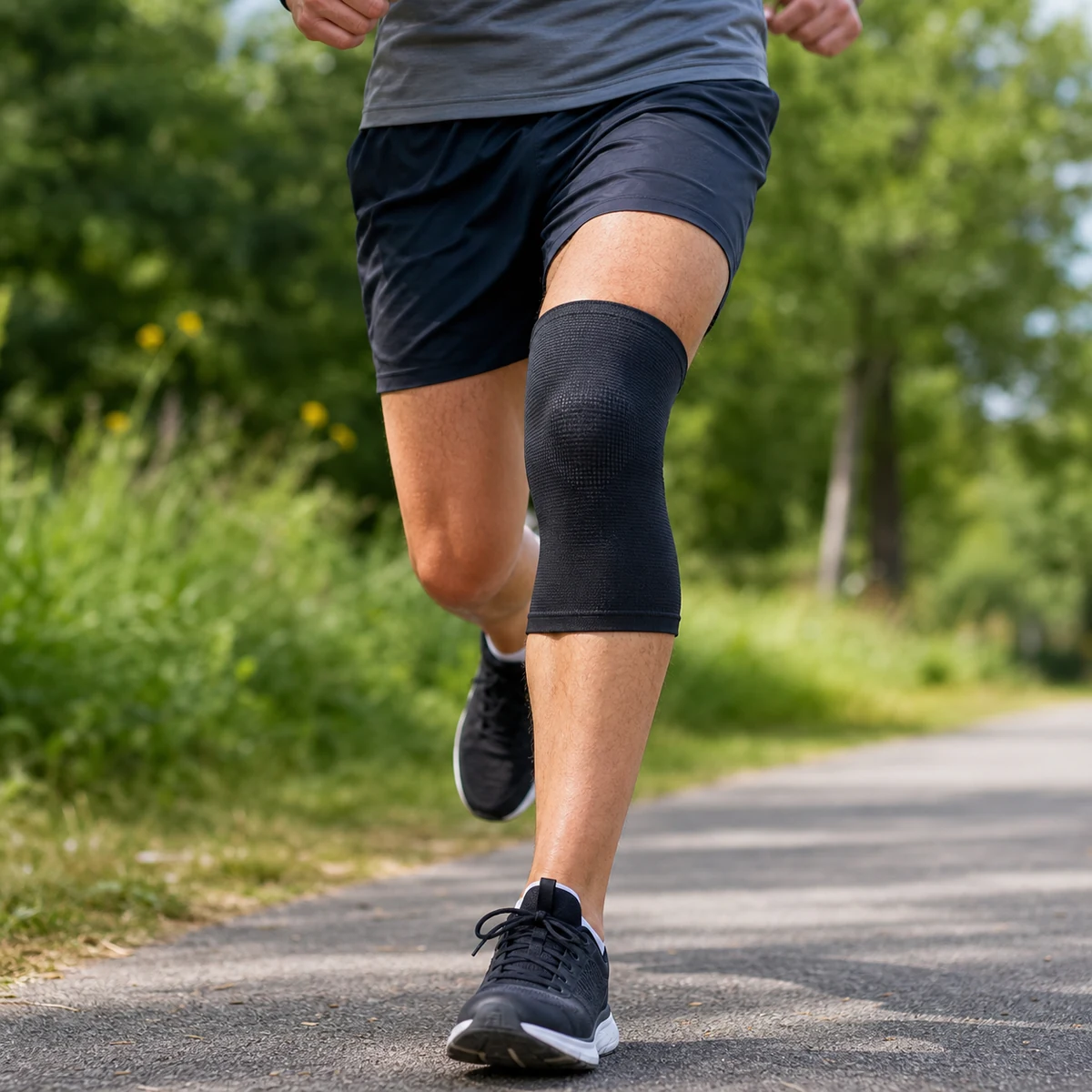
A soft support is an optional comfort tool rather than a fix for recurring symptoms. The knee sleeves for running guide compares compression sleeves, patellar straps, and braces, then shows how to check fit during a short easy run before using one for distance.
Frequently Asked Questions
Why does my knee hurt when I run?
Running knee pain commonly results from patellofemoral syndrome (runner's knee), IT band syndrome, patellar tendinitis, or meniscus issues. Overtraining, improper footwear, muscle imbalances, and poor running form are frequent contributing factors.
Why do my knees hurt after running?
Knee pain after running is often caused by muscle fatigue, repetitive impact stress, or minor biomechanical issues that accumulate over the course of a run. Mild soreness that resolves within a day or two is generally normal, while persistent or worsening pain may need attention.
What causes outer knee pain when running?
Outer knee pain running is most commonly associated with IT band syndrome. The iliotibial band can become irritated where it crosses the outside of the knee joint during repetitive bending and straightening. Weak hip muscles and sudden mileage increases are common contributing factors.
What causes inner knee pain when running?
Inner knee pain running can result from medial meniscus irritation, medial collateral ligament stress, or pes anserine tendon issues. Overpronation (excessive inward foot roll) is a common contributing factor that places additional stress on the inner knee structures.
What is patellar tendinitis and how do I treat it?
Patellar tendinitis (jumper's knee) is inflammation of the tendon connecting kneecap to shinbone. Treatment includes rest, ice, eccentric strengthening exercises, patellar straps for support, and gradual return to activity. Most cases improve with conservative care.
How do I know if I have a meniscus tear from running?
Meniscus tears typically cause pain along the joint line, swelling, catching or locking sensations, and difficulty fully straightening the knee. Pain often worsens with twisting movements or deep squatting. An MRI can confirm the diagnosis.
When can I return to running after a knee injury?
Return to running when you can walk pain-free, have regained full range of motion and strength, and can perform single-leg exercises without pain. Start with a gradual run/walk program and increase slowly. Consult a healthcare provider for specific guidance.
How can I prevent running knee pain?
Prevention includes proper warm-up, gradual training progression (10% rule), appropriate footwear, cross-training, strength training for legs and core, adequate rest between hard efforts, and addressing any biomechanical issues with gait analysis.