Quick answer
For bad knees, the most knee-friendly running shoes usually combine generous shock-absorbing cushioning, a stable platform that controls excess motion, and a secure, comfortable fit. Maximum-cushion models (a category Hoka helped popularise) suit runners who want more impact absorption, while stability shoes (Brooks and Asics are well known here) tend to help runners whose knees feel better with extra support; New Balance is a common pick for wider feet. There is no single shoe that is best for everyone, so match cushioning and support to your stride, change to new shoes gradually, and pair good footwear with sensible mileage. Persistent, sharp, or swelling knee pain deserves a professional assessment rather than only a shoe change.
The search for best running shoes for knee pain is one of the most common queries among runners. Whether you're new to running or have been at it for years, understanding how footwear influences your running experience is valuable knowledge. Choosing cushioned running shoes for knee comfort involves more than just picking a popular brand or following a trend.
This guide focuses on helping you understand what runners commonly consider when choosing footwear, the characteristics that tend to influence comfort, how different brands approach shoe design, and the running habits that matter just as much as the shoes themselves.
Remember that finding the right shoe is highly individual. What feels perfect for one runner may not suit another. The goal is to understand your options so you can make informed choices for your own comfort. If you're also dealing with stiffness after resting, footwear is just one piece of a larger comfort puzzle.
Why Runners Look for "Knee-Friendly" Shoes
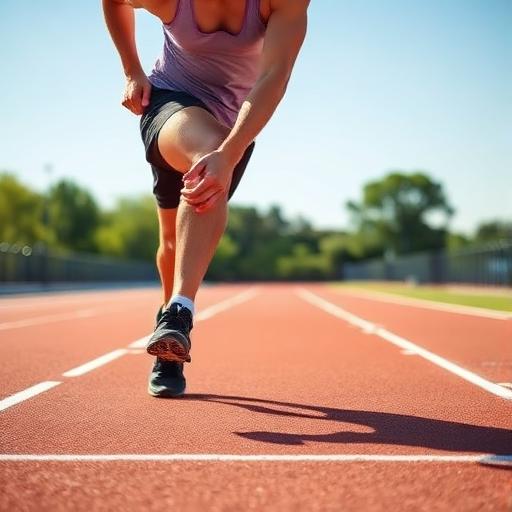
Runners often seek out shoes for knee pain running that feel supportive and comfortable. This search typically begins after noticing sensations during or after runs that they'd prefer to minimize.
Common Sensations Runners Describe
When runners talk about running shoes knee discomfort, they often describe feelings like:
✓ Common Running Sensations
- •Tightness or pressure in the knee area during or after runs
- •A tired or fatigued feeling in the knees after longer distances
- •Stiffness that appears after running, especially the next morning
- •Increased awareness of knees on harder surfaces
- •Different sensations when running uphill versus downhill
Many of these sensations overlap with what runners experience during other activities. For instance, knee discomfort when climbing stairs or going downhill can feel similar to post-run tightness and may share common contributing factors.
Running Surface Differences
The surface you run on significantly influences how your knees feel. Soft trails feel different from concrete sidewalks, which feel different from track surfaces. Many runners notice that their shoe needs vary depending on where they typically run. Runners who frequently change surfaces may also notice patterns similar to discomfort after extended walks on hard pavement.
How Shoe Feel Influences Comfort
The way a shoe feels during your stride affects your entire running experience. Cushioning, responsiveness, stability, and fit all contribute to the overall sensation. Finding running shoes knee comfort that feels natural for your running style is often more important than any specific technical feature.
Personal Preference Matters
There is no universally "best" shoe for knee comfort. What matters most is finding shoes that feel right for your running style, body, and preferred surfaces. This requires personal experimentation and attention to how different shoes feel during your runs.
Key Features Runners Often Consider in Shoes
When searching for shoes for knee pain running, runners typically evaluate several key characteristics. Understanding these features helps you make more informed choices about cushioned running shoes knee support.
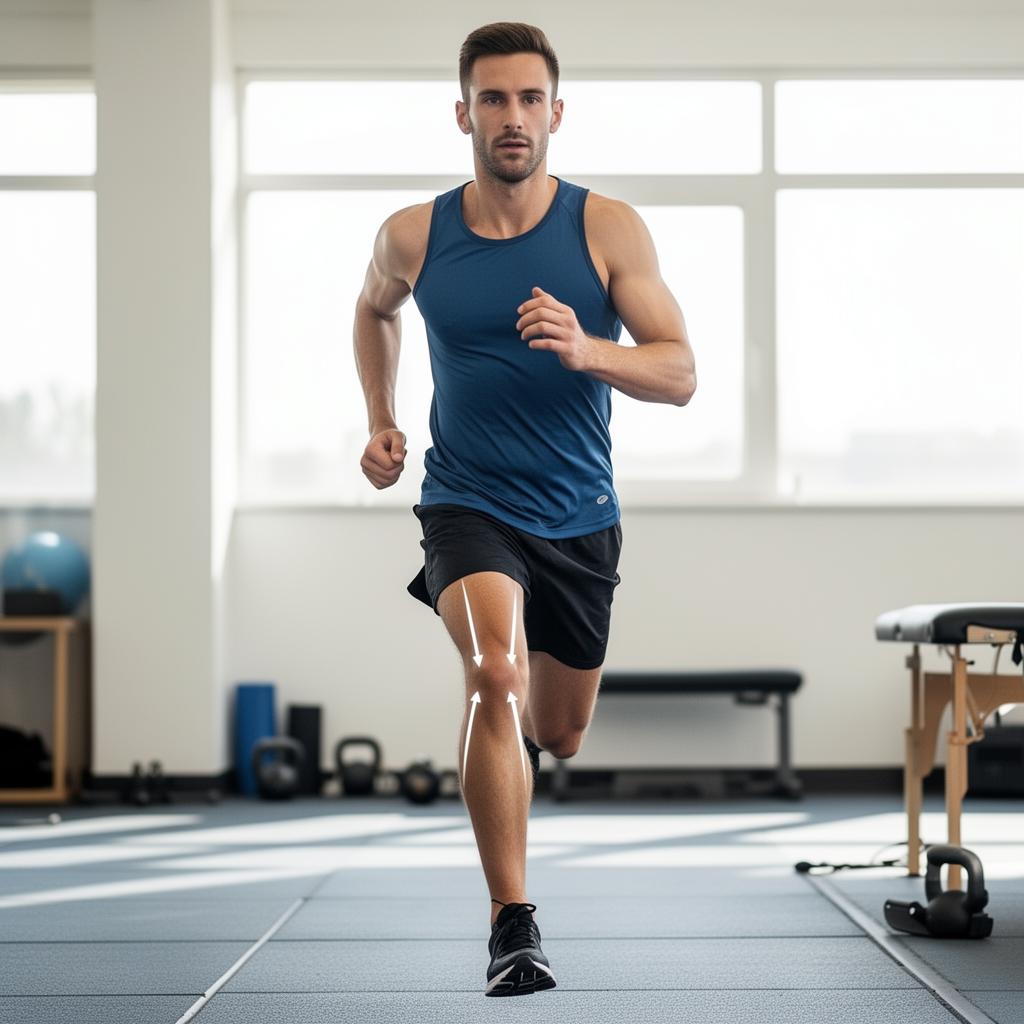
Cushioning Feel: Soft vs. Firm
Running shoe cushioning varies from very soft and plush to firm and responsive. Neither is inherently better; they simply feel different and serve different purposes. Some runners prefer the soft, cloud-like feeling of maximum cushioning for longer runs, while others prefer the ground feedback of firmer shoes for tempo work and shorter distances. Understanding your cushioning preference is one of the most important factors in finding comfortable footwear.
Soft cushioning tends to absorb more impact with each stride, which some runners find helpful for knee comfort over longer distances. Firm cushioning, on the other hand, provides a more stable platform and quicker energy return, which can feel more supportive during faster-paced running. Many runners eventually discover they prefer different cushioning levels for different types of runs.
Energy Return vs. Stability
Modern running shoes increasingly feature foam technologies designed to return energy with each stride. While energy return can make running feel more efficient, it doesn't always correlate with knee comfort. Some runners find that shoes with high energy return feel bouncy and responsive, but that a more stable, grounded shoe actually feels better on their knees. The balance between these two qualities is a matter of personal preference and running style.
Heel-to-Toe Drop and Adaptation
The drop refers to the height difference between the heel and toe of the shoe. Higher drops (10-12mm) position your heel higher relative to your forefoot, while lower drops (0-6mm) create a more level platform. Some runners feel more comfortable in one versus the other; there's no universally correct choice.
If you're considering changing your drop preference, gradual adaptation is important. Switching from a high-drop shoe to a low-drop shoe suddenly can place different stresses on your calves, Achilles, and knees. Most running experts suggest transitioning over several weeks, alternating between your old and new shoes to give your body time to adjust.
Long-Distance vs. Short-Distance Preferences
Shoe needs can differ based on your typical running distance. Marathon and half-marathon runners often gravitate toward shoes with more cushioning and support to handle the cumulative impact of extended miles. Shorter-distance runners and sprinters may prioritize responsiveness and lightweight construction. Knowing your primary running distances helps narrow down the most appropriate shoe characteristics for your needs.
Shoe Flexibility
Flexibility affects how the shoe moves with your foot during the stride. More flexible shoes allow greater natural foot movement, while stiffer shoes provide more structure. Your preference may relate to your running form and the distances you typically cover.
Midsole Feel
The midsole is where most of the cushioning and structure lives. Different midsole materials and designs create different sensations. Some feel bouncy and energetic, others feel stable and grounded. Testing different options helps you discover your preference. Runners who experience knee discomfort after exercise sometimes find that midsole characteristics play a significant role.
Stability vs. Freedom of Motion
Some shoes provide more stability features to guide foot motion, while others allow more natural movement. Neither approach is universally better; what matters is what feels comfortable and supportive for your particular running style. Runners with specific knee discomfort patterns may benefit from understanding how stability features affect their stride.
Upper Fit and Lockdown
How the upper part of the shoe fits around your foot affects overall comfort and security. A good lockdown means your foot feels secure without pressure points. Width, lacing systems, and upper materials all contribute to this feeling.
Popular Running Shoe Brands Runners Commonly Explore
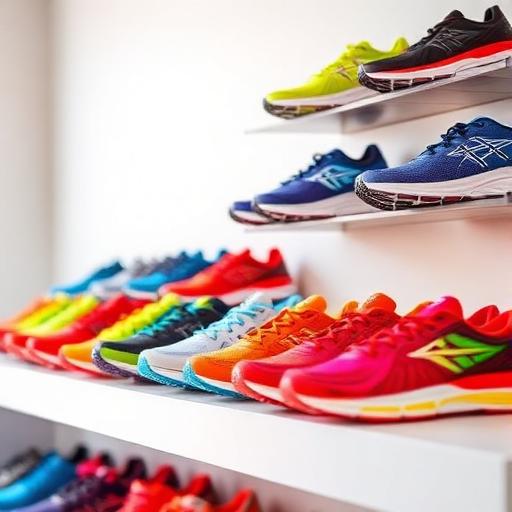
When searching for the best running shoes for knee pain, runners often explore shoes from several well-known brands. Each brand has developed a distinct approach to cushioning, stability, and fit. Understanding these differences can help you narrow your search, though personal comfort and fit should always be the deciding factors.
- Nike: Known for versatile designs that balance performance and comfort. Their range spans lightweight racing flats to heavily cushioned daily trainers. Many runners appreciate the variety of options across different price points and running styles
- Adidas: Focuses on energy return and comfort through foam technologies. Their Boost and Lightstrike foam platforms aim to provide a responsive, bouncy ride. Runners who enjoy a springy feel underfoot often explore this brand
- Asics: Has a strong reputation for structured support and stability features. Their gel cushioning systems and guidance technology are popular among runners who need pronation control and a more structured ride
- Brooks: Emphasizes stability and durability, with a range designed for different foot types and running styles. Their adaptive cushioning systems adjust to each runner's stride, and they offer some of the most popular stability shoes on the market
- Hoka: Pioneered the maximalist cushioning approach with thick midsoles designed to absorb more impact. Their rocker geometry encourages a smooth heel-to-toe transition. Runners who prioritize shock absorption and a plush feel often gravitate here
- New Balance: Stands out for its wide range of width options, making it a popular choice for runners with wider feet or those who find standard widths too narrow. They offer a balanced mix of cushioning and support across their lineup
- Saucony: Known for balanced cushioning and flexibility. Their shoes tend to feel responsive yet comfortable, appealing to runners who want a middle ground between soft cushioning and firm responsiveness
- On Running: Features a distinctive design philosophy centered on a lightweight, responsive feel. Their CloudTec cushioning system provides a unique sensation that some runners describe as a blend of soft landings and firm push-offs
It's important to note that no single brand works for everyone. Two runners with the same foot size can have very different experiences with the same shoe because of differences in foot shape, arch height, pronation pattern, and personal preference. The right shoe is the one that fits your foot comfortably and supports your natural movement pattern, regardless of brand name or price tag.
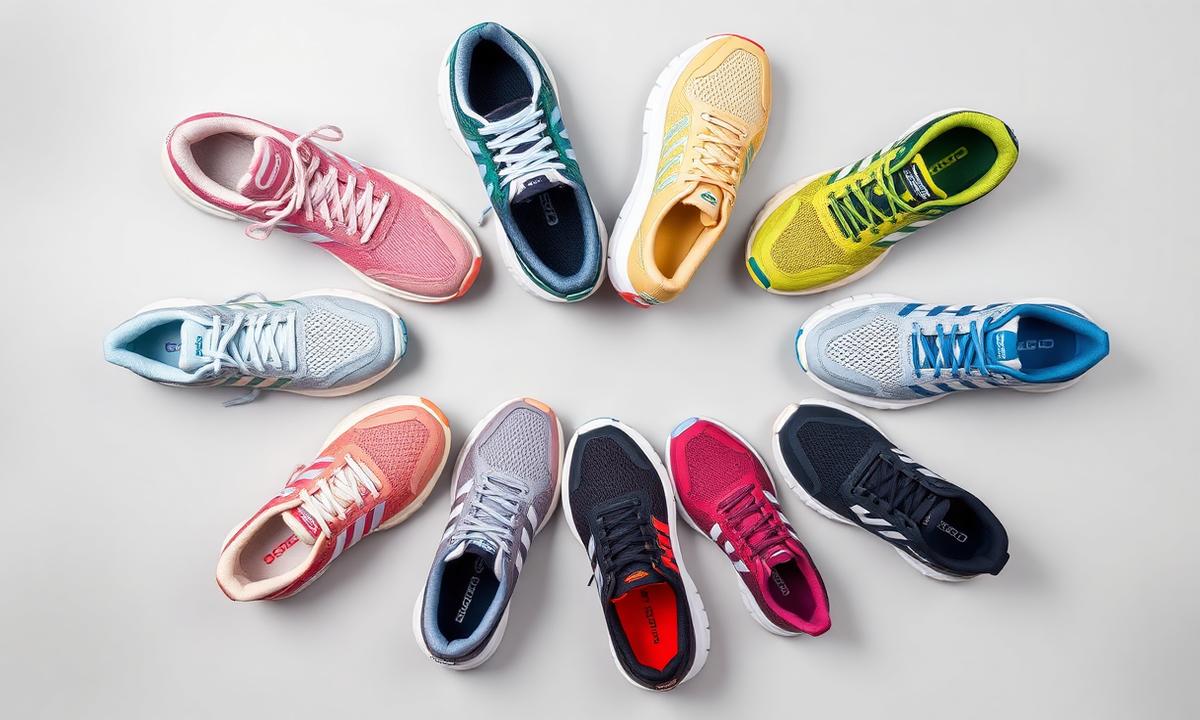
Quick Comparison: Matching Shoe Type to Your Knees
Use this table as a starting point, then confirm comfort and fit by trying shoes on and, ideally, testing them on your usual running surface. It is general comfort guidance, not medical advice, and brand examples are illustrative rather than endorsements.
| If your knees… | Prioritise this shoe type | Look for | Brands known for it |
|---|---|---|---|
| Feel jarred by impact or hard surfaces | Maximum cushioning | Thick, soft midsole; smooth rocker shape | Hoka, New Balance Fresh Foam, adidas soft-foam models |
| Roll inward (overpronate) or want more support | Stability / support | Guided midsole, firmer inner (medial) side | Brooks (Adrenaline), Asics (GT, Kayano) |
| Prefer a responsive but comfortable ride | Balanced cushioning | Moderate, responsive midsole | Saucony, Nike daily trainers |
| Need a roomier or wider fit | Wide-fit options | Multiple width sizes, roomy toe box | New Balance, Brooks |
| Feel worse after switching shoes | Gradual transition | A heel-to-toe drop similar to your current shoes | Any brand — change over several weeks |
Running Shoe Brand Comparison at a Glance
| Brand | Primary Focus | Cushioning Level | Stability | Notable Characteristic |
|---|---|---|---|---|
| Nike | Performance and versatility | Moderate to high | Varies by model | Wide range across price points |
| Adidas | Energy return and comfort | Moderate to high | Moderate | Responsive Boost/Lightstrike foam |
| Asics | Structured support | Moderate (gel-based) | High | Strong pronation control options |
| Brooks | Stability and durability | Moderate (adaptive) | High | DNA cushioning adapts to stride |
| Hoka | Maximum cushioning | Very high | Moderate | Rocker geometry for smooth transition |
| New Balance | Fit variety and width | Moderate | Moderate to high | Extensive width options available |
| Saucony | Balanced cushioning | Moderate | Moderate | Flexible and responsive ride |
| On Running | Lightweight responsiveness | Moderate | Moderate | CloudTec cushioning system |
Note: Features vary by specific model within each brand. This table reflects general brand tendencies, not individual shoe specifications.
Why Runners Often Search for Specific Shoe Brands
When runners experience knee discomfort, many instinctively turn to brand-specific searches like "Nike for knee pain" or "Hoka for bad knees." This search behavior reveals something interesting about how runners approach footwear decisions.
Brand familiarity drives initial searches. Runners tend to search for brands they already know or have heard recommended by fellow runners. This is natural, but it can sometimes narrow the field prematurely. A runner who has always worn Nike may never consider that a different brand's approach to cushioning or stability might actually suit their foot better.
Perception vs. actual fit. There is often a gap between what runners believe a brand offers and what actually works for their individual needs. Maximum cushioning, for example, is widely perceived as automatically better for knee comfort. In practice, some runners find that firmer, more structured shoes feel better on their knees because they provide more stability and control. The perception that "more cushioning equals more comfort" doesn't hold true for everyone.
Community influence plays a role. Running communities, both online and local, heavily influence brand perceptions. When a popular running group or social media personality mentions a specific shoe, searches for that brand tend to spike. While community input can be valuable, it's worth remembering that individual biomechanics vary significantly. What works for one runner in your group may not be the right choice for you.
The most effective approach is to use brand research as a starting point, not an endpoint. Understanding what different brands offer helps you identify which types of shoes to try, but the final decision should always come down to how a shoe feels on your foot during actual running.
What Actually Matters More Than Brand
While brands provide useful starting points, several factors matter more than the logo on your shoe when it comes to running shoes knee comfort:
Fit Above Everything
The single most important factor is how a shoe fits your specific foot. This includes length, width, volume, and how the shoe locks around your heel and midfoot. A perfectly engineered shoe from any brand will not help your knees if it doesn't fit your foot properly. Different brands use different lasts (foot molds), which is why the same size can feel completely different across brands.
Gait Pattern Compatibility
Your natural gait, including your pronation pattern, cadence, and foot strike, determines what type of shoe structure works for you. Overpronators generally benefit from stability features, while neutral runners often do well in less structured shoes. A professional gait analysis removes much of the guesswork from this decision. Understanding your IT band and lateral movement patterns can also inform shoe selection.
Cushioning Preference
Your personal cushioning preference matters more than any brand's marketing claims. Some runners genuinely feel better with maximum cushioning, while others perform and feel more comfortable with firmer platforms. The only reliable way to determine your preference is to test different options over multiple runs.
Running Surface
The surfaces you primarily run on should inform your shoe choice. Road shoes, trail shoes, and track shoes are designed for different demands. Using the wrong type increases both discomfort and injury risk. Runners who alternate between surfaces may benefit from having multiple pairs suited to each terrain.
Foot Shape and Width
Foot shape varies enormously between individuals. Wide feet, narrow feet, high arches, flat arches, bunions, and other structural differences all affect which shoes feel comfortable. Some brands naturally accommodate certain foot shapes better than others, which is why trying multiple brands is valuable regardless of reputation.
Brand Does Not Equal Comfort
No brand guarantees knee comfort. The right shoe for you is determined by your individual foot shape, gait pattern, cushioning preference, and running surfaces. Use brand reputations as a starting point for exploration, not as a final answer.
Running Form and Daily Patterns That Influence Knee Comfort
While shoes matter, running form and knee comfort are closely connected. Your running habits often influence comfort just as much as your footwear choices.
Stride Patterns
How you land and push off with each step affects how your knees experience running. Many runners notice that their stride naturally adjusts somewhat depending on the shoes they wear, their speed, and the surface they're running on. Runners dealing with discomfort during squatting movements may find that their stride mechanics share common contributing factors.
Cadence Considerations
Running cadence, or how many steps you take per minute, is something many runners pay attention to. While there's no perfect number for everyone, some runners find that slight adjustments to their cadence affect how their running feels overall. A slightly higher cadence often results in shorter strides, which can reduce the impact forces on each step.
"Running habits, form factors, and footwear work together as a system. Changes to any element can influence the overall running experience and perceived joint comfort."
Uphill vs. Downhill Running
Running uphill and downhill places different demands on your body. Many runners notice that their knee comfort varies depending on the terrain. Some shoes feel better for hills than others, and running habits on varied terrain can influence overall comfort. Our guide on knee comfort during hiking and inclines covers terrain-specific considerations in more detail.
Warm-Up Habits
How you prepare for runs can influence how your body feels during and after. Many runners develop pre-run routines that help them feel more comfortable. These habits vary widely among individuals but often include dynamic stretching and a gradual warm-up period.
Training Progression
Sudden increases in mileage or intensity are commonly associated with increased knee awareness. Gradual progression in training is something most experienced runners pay attention to as part of maintaining comfortable running. For runners over 40, our guide on knee comfort changes after 40 covers age-related considerations in training.

Recommended for this guide
FlexiKnee Sport Orthopedic Insoles
Structured arch support that improves how load travels from your feet to your knees from the ground up.
Common Shoe Fit Mistakes Runners Make
Understanding running shoe fit mistakes can help you avoid common pitfalls that affect comfort. Many of these mistakes are easy to make but also easy to correct once you're aware of them.
✓ Common Fit Mistakes to Avoid
- •Wearing shoes well past their recommended lifespan
- •Choosing incorrect size (too narrow, too long, or too short)
- •Selecting cushioning that doesn't match your preference
- •Running on worn-out midsoles that have lost their properties
- •Using shoes not suited for your primary running surface
- •Buying based on brand hype rather than personal fit
- •Copying another runner's shoe choice without considering your own needs
- •Ignoring foot width when selecting shoes
Shoe Lifespan
Running shoes don't last forever. Most have recommended mileage ranges of 300 to 500 miles, after which their cushioning and support properties degrade. Running in worn-out shoes is one of the most common issues that affects knee comfort. Many runners track their shoe mileage using running apps to know exactly when replacement is appropriate.
Size and Fit Issues
Running shoes should fit differently than casual shoes. Many runners benefit from going half a size larger to accommodate foot swelling during runs. Width is equally important; narrow feet in wide shoes or wide feet in narrow shoes creates compensatory movements that can affect the entire kinetic chain up to the knee. If you have wider feet, exploring brands like New Balance that offer extended width options can be particularly helpful.
Buying Based on Brand Hype
It's easy to get drawn to a shoe because it's trending on social media or because a favorite athlete endorses it. While popular shoes can certainly be good shoes, popularity alone doesn't mean a shoe will work for your individual needs. The best approach is to use brand reputation as one data point among many, not as the sole deciding factor.
Copying Other Runners' Choices
What works for your training partner, your running group leader, or your favorite running influencer may not work for you. Foot shape, gait pattern, weight, running style, and personal preference all create a unique combination of needs. Use other runners' experiences as research input, but make your final choice based on your own testing.
Not Testing Shoes Properly
A quick walk around a store does not replicate the demands of running. Whenever possible, take advantage of stores that allow short test runs, or purchase from retailers with generous return policies that let you run in the shoes and return them if they don't work. Five minutes of running tells you far more than five minutes of walking.
Cushioning Mismatch
Sometimes runners choose cushioning based on assumptions rather than feel. Very soft cushioning isn't automatically better, and some runners actually feel more comfortable in firmer shoes. Testing different cushioning levels helps identify your personal preference. Runners who deal with post-exercise knee discomfort should pay particular attention to how different cushioning levels affect their recovery.
Surface Mismatch
Trail shoes on roads or road shoes on trails affects both comfort and performance. Matching your shoes to your primary running surface is a simple but often overlooked consideration.
Quick Self-Check Before Buying New Shoes
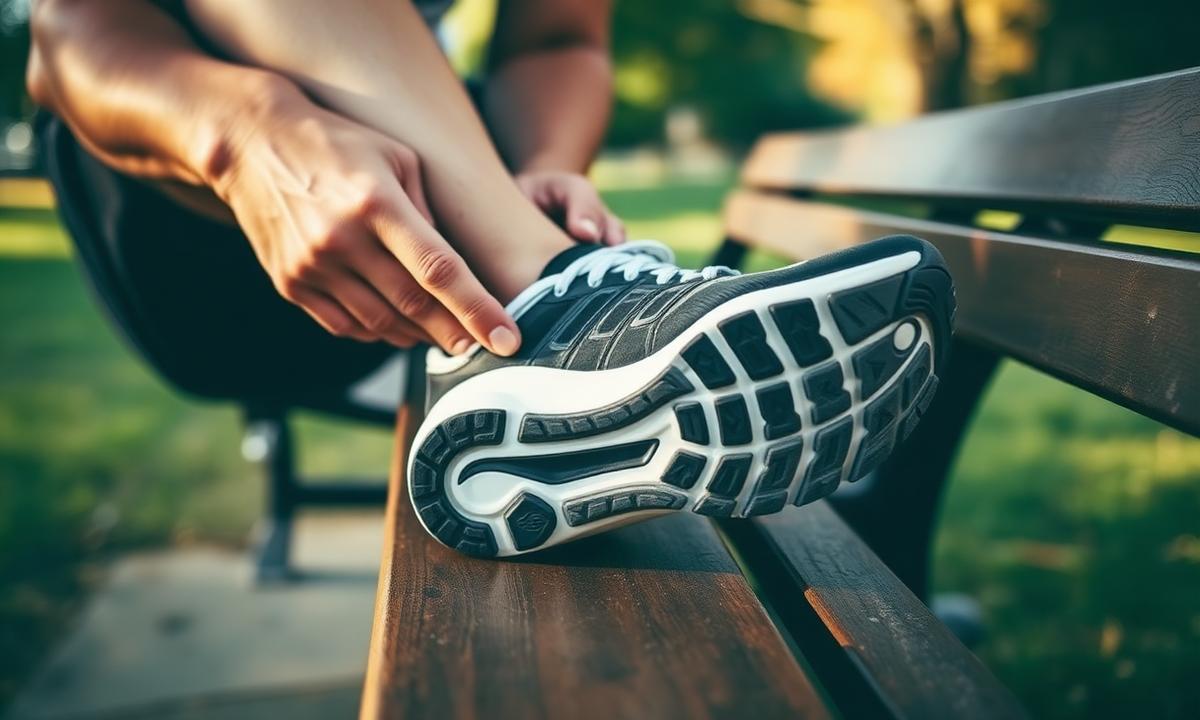
Before investing in a new pair of running shoes, take a moment to run through this quick self-assessment. It can help clarify whether a shoe change is likely to make a difference and what to prioritize in your search:
- Are your current shoes worn out? Check the mileage. If you've logged more than 400 to 500 miles, the cushioning is likely compromised even if the shoes still look fine externally. Flip them over and check for uneven tread wear
- Do your knees feel worse specifically after runs? If knee discomfort appears primarily during or after running but not during other activities, your shoes may be a contributing factor. If discomfort persists across activities, other factors are likely involved
- Do different shoes feel noticeably better? Try running in a different pair (even a friend's, briefly). If you notice a meaningful difference in knee comfort, that's a useful signal about what your current shoes may be lacking
- Have you tested different cushioning types? If you've only ever worn one type of shoe, you may not know whether a different approach to cushioning or support would feel better. Trying shoes at the opposite end of the cushioning spectrum can be informative
- Does your running form need attention? Sometimes the issue isn't the shoe itself but how you run in it. If you notice asymmetric wear patterns on your soles, a gait analysis may reveal form factors that are contributing to knee discomfort
What Running Shoes Can (and Cannot) Do
Setting realistic expectations about footwear helps you approach shoe selection with appropriate perspective.
What Shoes Can Influence
Shoes can affect how running feels, providing comfort, cushioning, stability, and protection from surfaces. The right shoes can make running more enjoyable and may influence how your body feels during and after runs. For runners who also experience knee tightness without discomfort, proper footwear can contribute to a more fluid running experience.
Realistic Expectations
Shoes are one factor among many that influence running comfort. Form, training habits, rest, surface choices, and individual factors all play roles. No shoe can compensate for running habits that don't suit your body, and the "perfect" shoe alone isn't a complete solution. Runners dealing with weight-related knee pressure should also consider how body composition affects the demands placed on footwear.
Daily Habits Runners Use to Support Knee Comfort
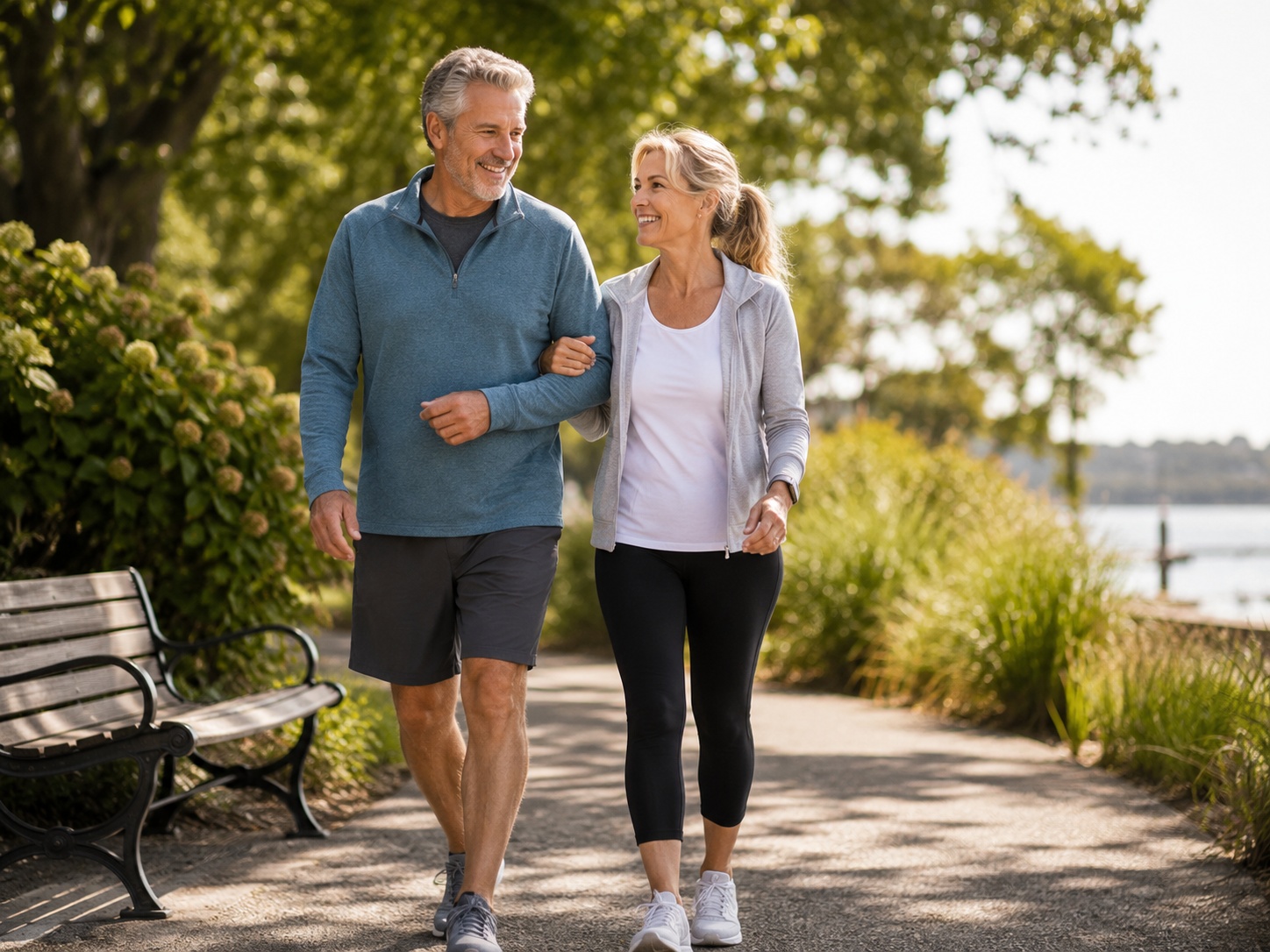
Beyond shoe selection, knee discomfort running habits that support comfort are important parts of a runner's routine.
Post-Run Movement
Many runners incorporate light movement after their runs rather than immediately becoming sedentary. Walking, gentle movement, and gradual wind-down are common practices. This transition period helps the body shift from high-impact activity to rest, and many runners find it supports how their knees feel in the hours that follow.
Cool-Down Routines
Developing consistent post-run routines is something many experienced runners do. These routines vary widely but often include gradual transitions from running intensity to rest. Stretching the quadriceps, hamstrings, and calves helps maintain flexibility in the muscles that directly support knee comfort. Our guide on post-workout knee recovery covers specific exercises you can incorporate.
Evening Comfort Habits
After running days, many runners pay attention to evening comfort. This might include comfortable positioning, attention to rest, and creating supportive environments for recovery. Runners who experience knee discomfort after resting may find that gentle evening movement helps prevent stiffness from setting in.
Warmth-Based Habits
Some runners include warmth in their post-run routines. Warm showers, warm environments, or targeted warmth applied to the knee area are common practices that many runners find soothing. These habits complement proper footwear by supporting the recovery process between runs.
At-Home Supportive Tools Some Runners Explore
Beyond footwear and habits, some runners incorporate at-home tools into their comfort routines as part of a broader approach to knee support.
Warmth and Infrared Devices
Some runners use warmth-based devices as part of their post-run routines. These devices provide soothing warmth that many find comfortable after runs. They're used as part of broader comfort habits rather than as standalone solutions. For a deeper look at how warmth supports daily knee comfort, see our guide on heat vs. red light therapy for knee comfort.
Individual experiences vary, and these tools complement rather than replace good running habits, appropriate footwear, and sensible training progressions.
Summary: Finding Your Best Running Shoes for Knee Comfort
The best running shoes for knee pain are ultimately the ones that feel stable, comfortable, and supportive for your individual running style and needs. There's no universal answer because every runner is different, and no single brand or model works for everyone.
Focus on understanding the features that influence shoe feel, explore multiple brands with an open mind, avoid common fit mistakes, and pay attention to your running habits alongside your footwear choices. Shoes and habits work together as a system.
For more on how footwear affects knee comfort, see our detailed guide on running shoes and knee discomfort. Runners dealing with knee pain can also benefit from our comprehensive running knee pain guide. For post-run warmth routines, explore warmth for daily knee comfort. And if you're looking for strengthening options, our at-home knee exercise guide provides practical options you can start today.
Take time to test different options, pay attention to how different shoes feel during your runs, and be willing to experiment. With awareness and gradual adjustments, most runners can find footwear that supports comfortable running.