
If you have ever finished a workout and thought "why are my knees sore," you are not alone. Knee soreness after exercise is one of the most common concerns for people who run, lift weights, or stay active through daily movement. The good news is that mild soreness is often a normal part of the recovery process.
However, not all knee soreness is the same. Understanding the difference between typical post-workout fatigue and a signal that something may need closer attention can help you make better decisions about your activity level and recovery habits.
This guide explains why knees can feel sore after physical activity, what different types of soreness may indicate, and how simple recovery habits can support long-term comfort.
Why Are My Knees Sore After Working Out?
When you exercise, your muscles, tendons, and joints all experience physical stress. This stress is a normal part of how the body adapts and gets stronger over time. After a workout, the body sends increased blood flow and fluid to the areas that were used most, which is part of the natural repair process.
The knee joint is surrounded by muscles, tendons, and a protective capsule filled with synovial fluid. During exercise, these structures absorb load and manage movement. When the workout is over, the body begins its recovery process, and this is when many people notice that their knees are sore.
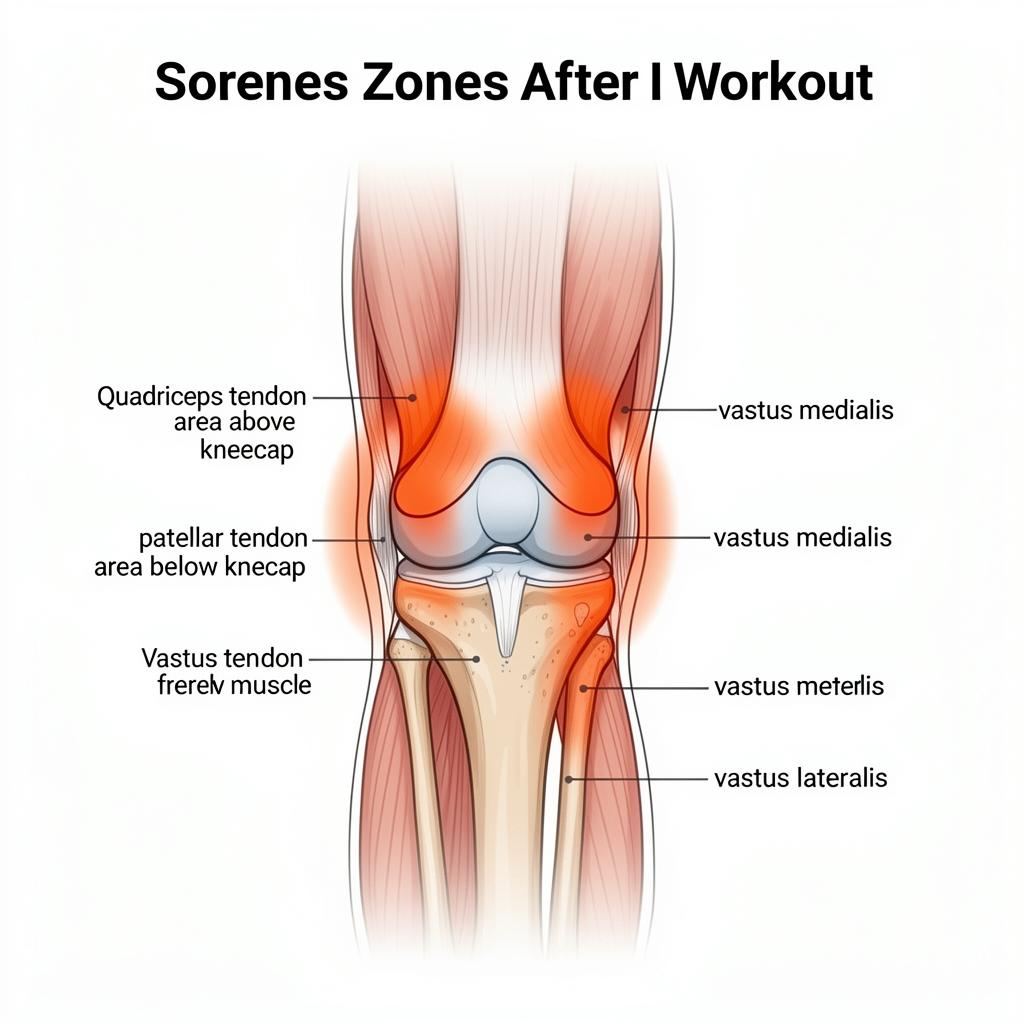
It is important to understand the difference between muscle fatigue and joint discomfort. Muscle fatigue typically feels like a dull, general ache in the muscles around the knee, such as the quadriceps or hamstrings. Joint discomfort, on the other hand, tends to feel more localized within the knee itself, sometimes with a sensation of tightness, stiffness, or pressure. Some people also experience a distinct burning sensation in the knee after exercise, which is a separate pattern worth understanding.
Normal Knee Soreness After Exercise
Many people experience sore knees after a workout, especially when they have tried a new exercise, increased their workout intensity, or returned to activity after a break. This type of soreness is often related to delayed onset muscle soreness (DOMS), which is a well-known response to unfamiliar physical stress.
DOMS occurs when exercise creates microscopic stress in muscle fibers. The body responds by increasing blood flow and beginning the repair process, which can cause temporary soreness and stiffness. This is a normal and expected part of building strength and endurance.
People who experience sore knees after running often notice this type of soreness in the muscles surrounding the knee rather than within the joint itself. Running places repetitive load on the legs, and the quadriceps, hamstrings, and calves all work to support the knee during each stride. When these muscles are fatigued, the area around the knee can feel tender or tight.
Signs that your knee soreness after exercise is likely normal include:
- A dull, general ache rather than a sharp or localized pain
- Soreness that appears gradually after the workout, not during it
- Stiffness that improves with gentle movement
- Soreness that resolves within two to three days with rest
When Knee Pain May Be a Warning Sign
While mild soreness is part of the recovery process, certain characteristics may suggest that your knees need closer attention. Understanding the difference between normal fatigue and a potential warning sign helps you respond appropriately.
If you find yourself asking "why do my knees hurt" and the discomfort does not follow the typical pattern of post-workout soreness, it may be worth paying closer attention. Warning signs that differ from normal muscle fatigue include:
- Sharp or sudden pain: A sharp, localized pain that appears during or immediately after exercise is different from the gradual ache of muscle fatigue. This type of discomfort may indicate that a specific structure in the knee is under stress.
- Swelling or visible changes: If the knee appears swollen, warm to the touch, or visibly different after exercise, this may suggest that the joint is responding to more than normal workout stress. For more on this topic, see our guide on knee swelling after exercise.
- Instability or giving way: If the knee feels unstable or as though it might buckle during movement, this could indicate that the supporting structures need attention.
- Pain that does not improve: Soreness that persists beyond three to four days without any improvement, or that worsens with each workout, may need professional evaluation.
This guide is educational and does not replace professional evaluation. If you have concerns about persistent or worsening knee discomfort, consulting with a qualified healthcare professional is always recommended.
Listening to Your Body
The difference between normal soreness and a warning sign often comes down to pattern and duration. Normal soreness follows a predictable cycle: it appears after activity, peaks within a day or two, and gradually resolves. Pain that breaks this pattern deserves closer attention.

Support your knees after every workout
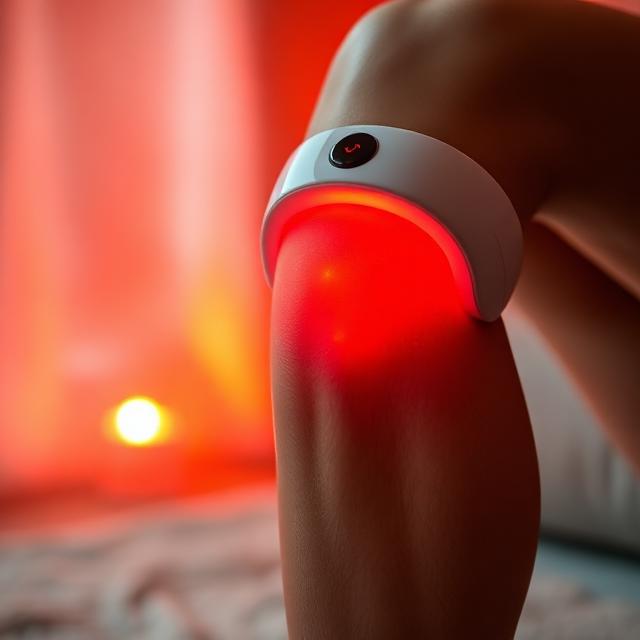
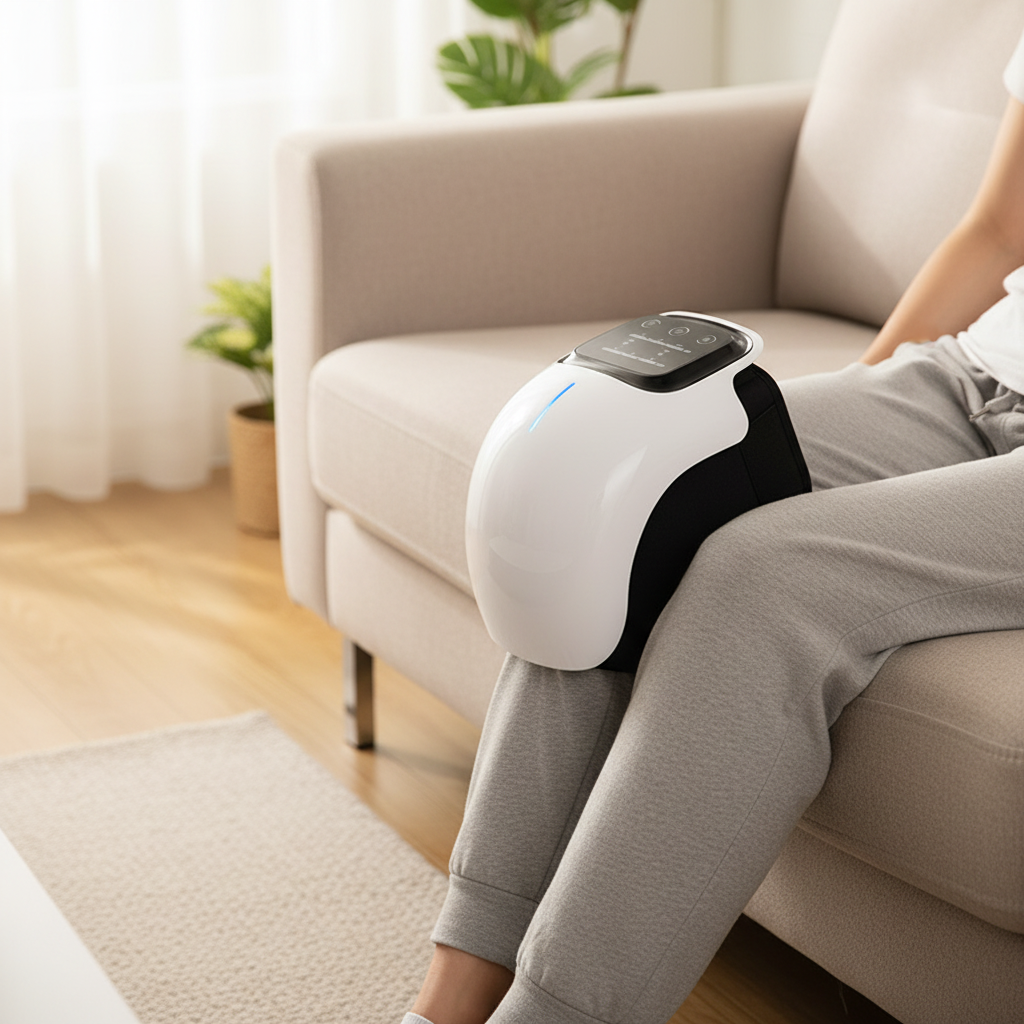
FlexiKnee provides soothing warmth, red light, and gentle vibration to help your knees feel comfortable after exercise, making your recovery routine simple and consistent.
View Full Product DetailsCommon Reasons Your Knees Feel Sore
Several factors can contribute to knee soreness after exercise. Understanding these common causes can help you identify what might be affecting your knees and make adjustments to your routine.
Overuse or Sudden Increase in Activity
One of the most common reasons people say "my knees are sore" is simply doing too much too quickly. When you increase your workout duration, frequency, or intensity without giving your body time to adapt, the tissues around the knee can become temporarily overloaded. This is especially common when starting a new exercise program or returning to activity after a break.
Poor Movement or Form
How you move during exercise matters as much as how much you do. Poor form during squats, lunges, or running can place unnecessary stress on the knee joint. When the knee tracks inward, extends too far forward, or absorbs load unevenly, the surrounding structures work harder to compensate. Over time, this can lead to recurring soreness. For movement-specific guidance, see our guide on knee discomfort when squatting.
Weak Supporting Muscles
The quadriceps, hamstrings, glutes, and calves all play a role in supporting the knee during movement. When any of these muscle groups are significantly weaker than the others, the knee joint absorbs more stress during exercise. Building balanced leg strength is one of the most effective ways to reduce knee soreness after workouts. Our guide on knee strengthening exercises offers practical options.
Tight Muscles Around the Knee
Tightness in the muscles surrounding the knee, particularly the quadriceps, hamstrings, and IT band, can increase the load on the joint during movement. When muscles are tight, they pull on the structures they attach to, which can create additional stress around the kneecap and the sides of the knee. Regular gentle stretching and mobility work can help maintain comfortable range of motion.
Knee Soreness After Running vs Strength Training
The type of exercise you do influences how and where you feel soreness in your knees. Running and strength training affect the knee differently, and understanding these differences can help you manage your recovery more effectively.
Impact-based soreness (running): Running involves repetitive impact with each stride. The knee absorbs a portion of this impact force, and the muscles around the knee work continuously to provide stability. People who experience sore knees after running typically notice soreness in the front of the knee, around the kneecap, or along the outer side of the knee. This is often related to the repetitive nature of the movement rather than a single heavy load. For more detail, see our guide on running knee pain.
Load-based soreness (strength training): Strength training exercises like squats, leg presses, and lunges place concentrated load on the knee joint during specific movements. The soreness from these exercises tends to be felt more in the muscles surrounding the knee, particularly the quadriceps and hamstrings. This type of soreness often responds well to rest and gentle movement between sessions.
"Progressive resistance exercise has been shown to support knee joint function and reduce discomfort in individuals with knee-related concerns when applied consistently over time."
How to Reduce Knee Soreness After Exercise
Managing knee soreness after exercise does not require complicated interventions. Simple, consistent recovery habits can make a meaningful difference in how your knees feel between workouts.
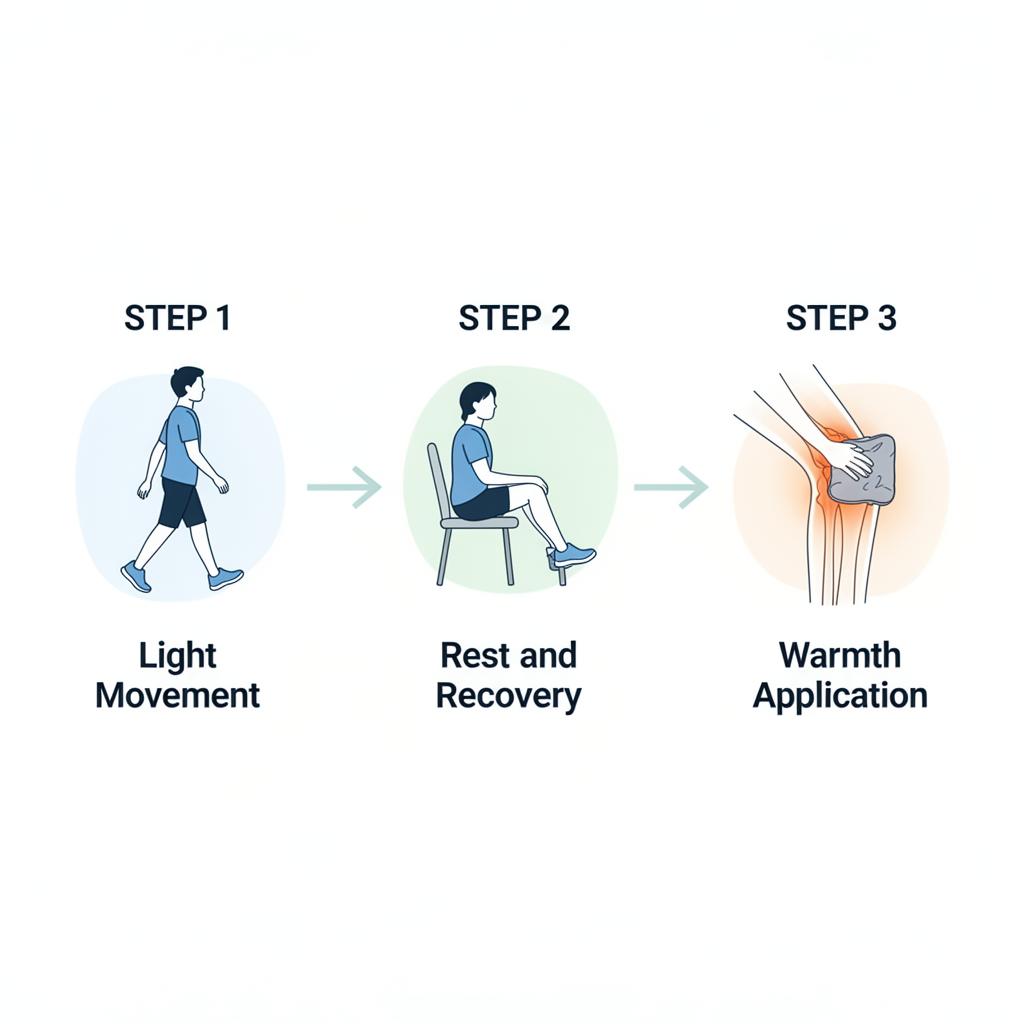
- Rest and recovery: Allowing adequate time between intense workouts gives the muscles and joint structures time to complete their natural repair process. Exercising the same muscle groups on consecutive days without rest can lead to cumulative soreness.
- Gentle movement: Light walking, easy cycling, or gentle stretching on rest days can help maintain blood flow to the knee area and reduce stiffness. Movement does not need to be intense to be beneficial. Our guide on exercises to relieve knee discomfort at home provides practical options.
- Warming the joint: Applying gentle warmth to the knee area after exercise can help promote circulation and provide a soothing sensation. Many people find that warmth helps their knees feel more comfortable during the recovery period.
- Daily comfort routines: Building a short daily routine that includes light movement, gentle stretching, and warmth application can support consistent knee comfort over time. For ideas on building this type of routine, see our guide on daily knee comfort routines.
When to Pay Attention to Knee Pain
Most knee soreness after exercise is temporary and resolves on its own within a few days. However, certain patterns suggest that closer monitoring is appropriate. Consider paying extra attention if you notice:
- Soreness that appears after every workout, regardless of intensity or type
- A pattern of gradually increasing discomfort over weeks
- Pain that interferes with daily activities like walking, climbing stairs, or sitting comfortably
- Soreness accompanied by clicking, popping, or a feeling of catching in the knee. For context on these sensations, see our guide on knee clicking when walking.
- Discomfort that shifts in location or changes in character over time
Tracking your knee's response to different exercises, noting when soreness appears and how long it lasts, can provide valuable information if you decide to consult with a healthcare professional. For additional context, our guide on post-exercise knee pain offers complementary insights.
Building a Simple Knee Recovery Routine
A consistent recovery routine does not need to be complicated or time-consuming. The key is regularity rather than intensity. Here is a simple approach that many active people find helpful:
- Light movement (5 to 10 minutes): Start with a gentle walk or easy cycling to promote blood flow to the knee area. This helps flush out the byproducts of exercise and supports the body's natural repair process.
- Short recovery session (5 to 10 minutes): Follow your light movement with gentle stretching focused on the quadriceps, hamstrings, and calves. Hold each stretch for 20 to 30 seconds without bouncing or forcing. If comfortable, include some gentle knee bends to maintain range of motion.
- Daily consistency: The most effective recovery routines are the ones you do regularly. Even on days when your knees feel fine, a brief movement and stretching session can help maintain flexibility and support long-term comfort.
Building this type of routine into your daily schedule, whether after workouts or as part of your morning or evening habits, creates a foundation for healthier, more comfortable knees over time. For a deeper understanding of why knees hurt after exercise but not during, our comprehensive guide on knee pain after exercise explains the delayed soreness mechanism in detail. People who also experience discomfort going down stairs after workouts are often dealing with temporary quadriceps fatigue that makes stair descent harder. An infrared knee massager can provide deeper, longer-lasting warmth as part of your recovery routine.
SEO Tags: why are my knees sore, sore knees after workout, sore knees after running, knee soreness after exercise, why do my knees hurt, knees are sore, post workout knee soreness, knee recovery after exercise, muscle fatigue knee, knee comfort after workout