This page is only for burning linked to physical activity. For a burning sensation that occurs while sitting, at rest, after an injury, or in a specific location without an exercise trigger, use the burning knee pain by location guide. For a dull ache, soreness, stiffness, or pain behind the knee after a workout without a burning quality, the correct hub is knee pain after exercise.
First Check: Burning Sensation or a Knee That Is Hot to Touch?
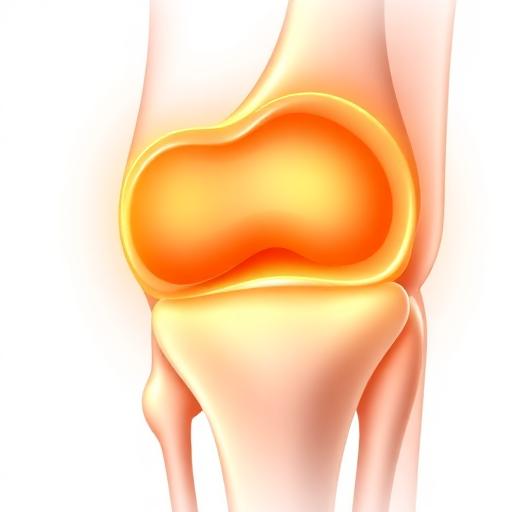
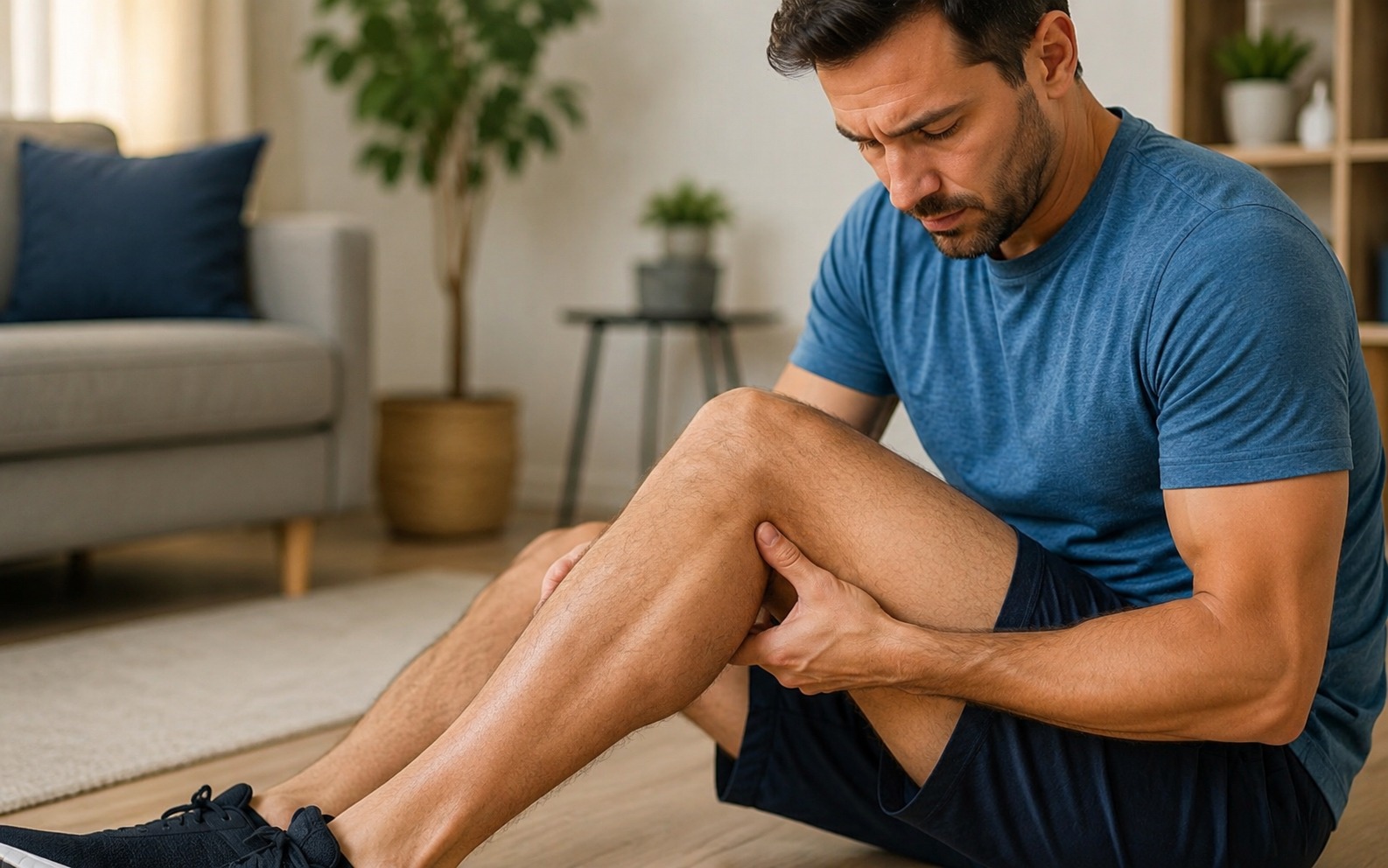
When someone says a knee feels burning after exercise, they may mean an internal burning sensation, sensitive skin, or a joint that is physically warmer than the other side. These are not interchangeable. Compare both knees with the back of your hand and look for redness, swelling, a rash, or broken skin. A sensory burning feeling without visible change can still matter, especially when it follows a narrow path or includes tingling. A newly hot, red, swollen knee needs medical advice rather than another workout or a heat treatment.
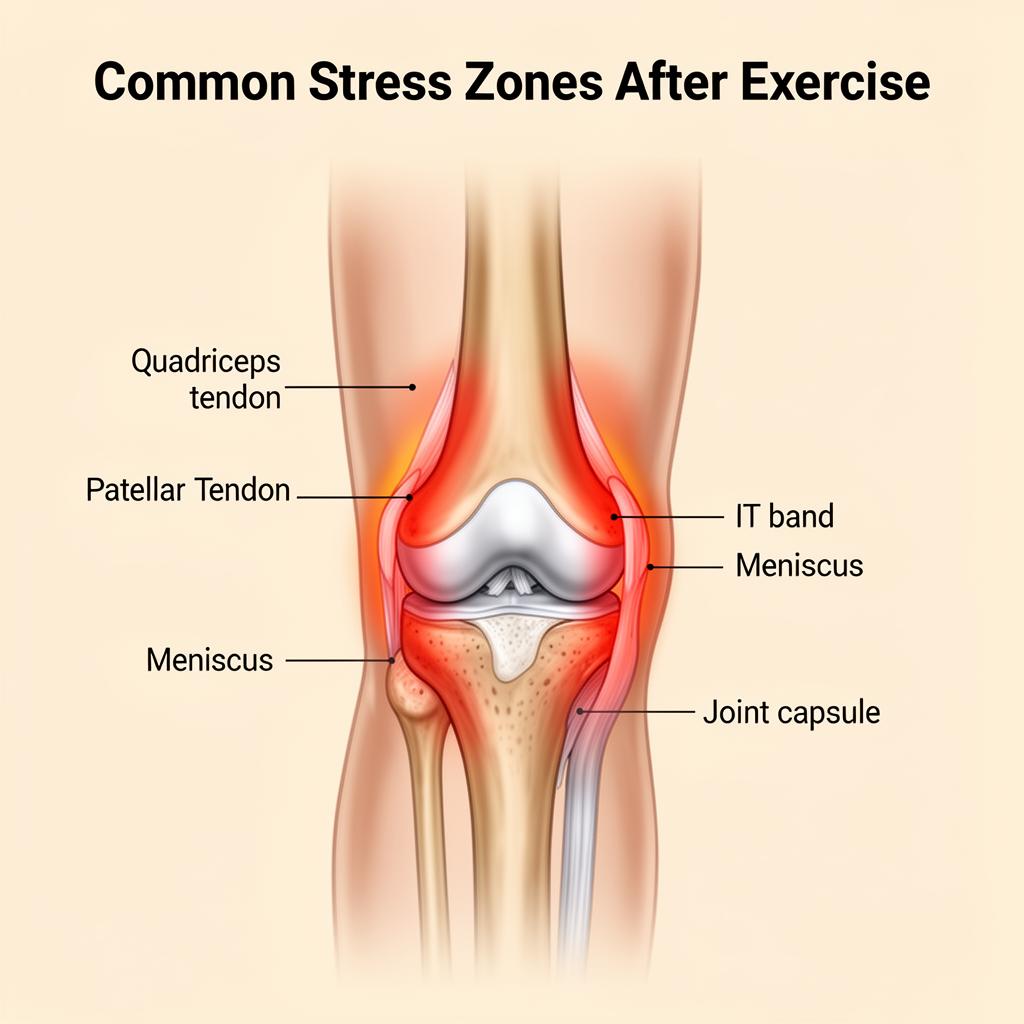
Burning During Exercise vs Burning After Exercise
Timing changes the decision. A sensation that starts during a squat, run, pedal stroke, or tai chi position gives you an immediate movement clue. Burning that is absent during exercise but appears after you stop is more likely to reflect the knee's response to the total session rather than one isolated repetition.
| Timing | What to record | Immediate response |
|---|---|---|
| During one movement | Angle, depth, load, speed, side, and repetition phase | Stop that movement and test a lower-load or smaller-range version later |
| Immediately after | Surface heat, redness, swelling, and exact location | End the session and reassess normal walking and motion |
| Later that evening | Total distance, sets, hills, duration, and recent workload change | Reduce the next exposure and compare the following morning |
| Still present next day | Stairs, walking, range of motion, and whether symptoms are improving | Delay or modify the next demanding session |
Why Knees Can Burn After Physical Activity
Burning is a sensory description. Exercise may provoke it through several overlapping routes, including repetitive joint loading, pressure around the kneecap, irritation of a tendon or bursa, a rapid increase in training demand, or temporary sensitivity of a nearby nerve. It is safer to describe these as possible patterns than to assume that all post-workout burning is “inflammation” or increased blood flow.
Repetitive Loading Exceeded Current Capacity
A knee may tolerate a familiar route, weight, or class but react when distance, resistance, hills, frequency, or total sets increase at the same time. Overuse injuries tend to develop gradually from repeated overload rather than one obvious event. The first correction is therefore to identify the training variable that changed, not to add a more aggressive recovery treatment.
Kneecap Pressure Increased With Repeated Bending
Running, stairs, squats, lunges, cycling, and low stances in tai chi all repeatedly bend the knee. Front-of-knee symptoms that are linked to these activities may overlap with a patellofemoral pattern. The exact activity still matters because bike fit, running load, and strength-training depth are different problems with different adjustments.
Fatigue Changed How Load Was Shared
As the quadriceps, glutes, hamstrings, and calves fatigue, movement may become less controlled and the same exercise can feel different late in a session. This does not mean that tired muscles suddenly stop protecting the joint, but fatigue can change technique, pace, stride, balance, and tolerance. Note whether burning appears only in the final sets or final part of a route.

Use Location, Activity, and Timing Together
| Pattern | Useful questions | Focused next guide |
|---|---|---|
| Front of knee during repeated bending | Does it appear with squats, stairs, running, or each pedal stroke? | Kneecap pain patterns |
| Outer knee during running or hiking | Did hills, distance, surface, or weekly volume change? | IT band pain location guide |
| A narrow burning line with tingling | Is there numbness, skin sensitivity, weakness, or spread below the knee? | Knee numbness guide |
| Burning only later or next morning | Which distance, sets, hills, or session duration changed? | Post-exercise pain hub |
Nerve Sensitivity Added a Burning or Tingling Quality
Burning that follows a narrow path, feels superficial, or comes with pins and needles, numbness, or unusual skin sensitivity may involve a nerve. Exercise can expose a pressure or positioning issue without the knee joint itself being the main source. Persistent neurological symptoms, weakness, or symptoms that spread below or above the knee need assessment.
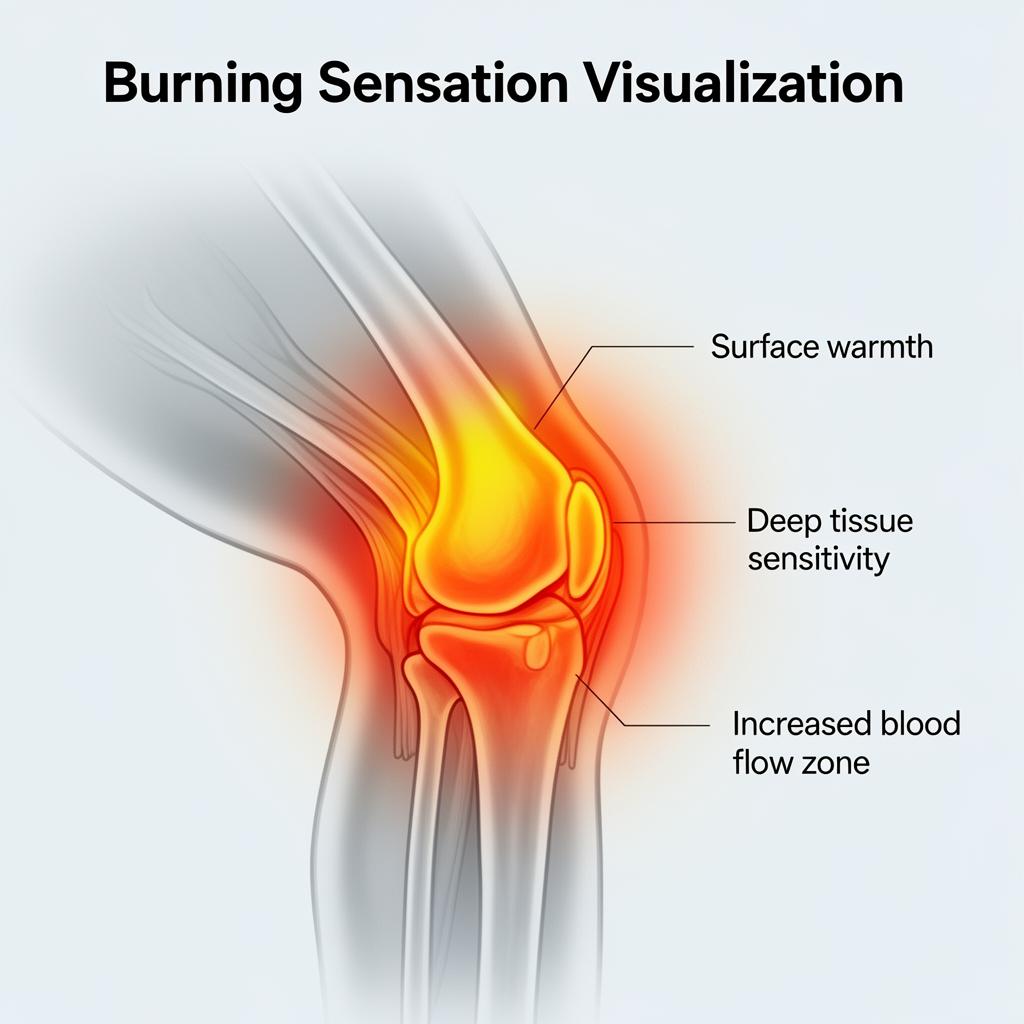
Burning Knees After Running
Running creates a high number of repeated loading cycles. A burning knee after running is more informative when paired with a recent change in distance, pace, hills, weekly frequency, surface, footwear, or recovery. Note whether the sensation is at the front, inner side, outer side, or behind the knee, and whether it starts during the run or only after stopping.
Front-of-knee burning linked to running may overlap with kneecap-related pain. Outer-knee burning may follow a different movement pattern, while burning with swelling behind the knee requires more caution. The broader running knee pain guide helps separate those locations without turning this article into a general running-pain page.
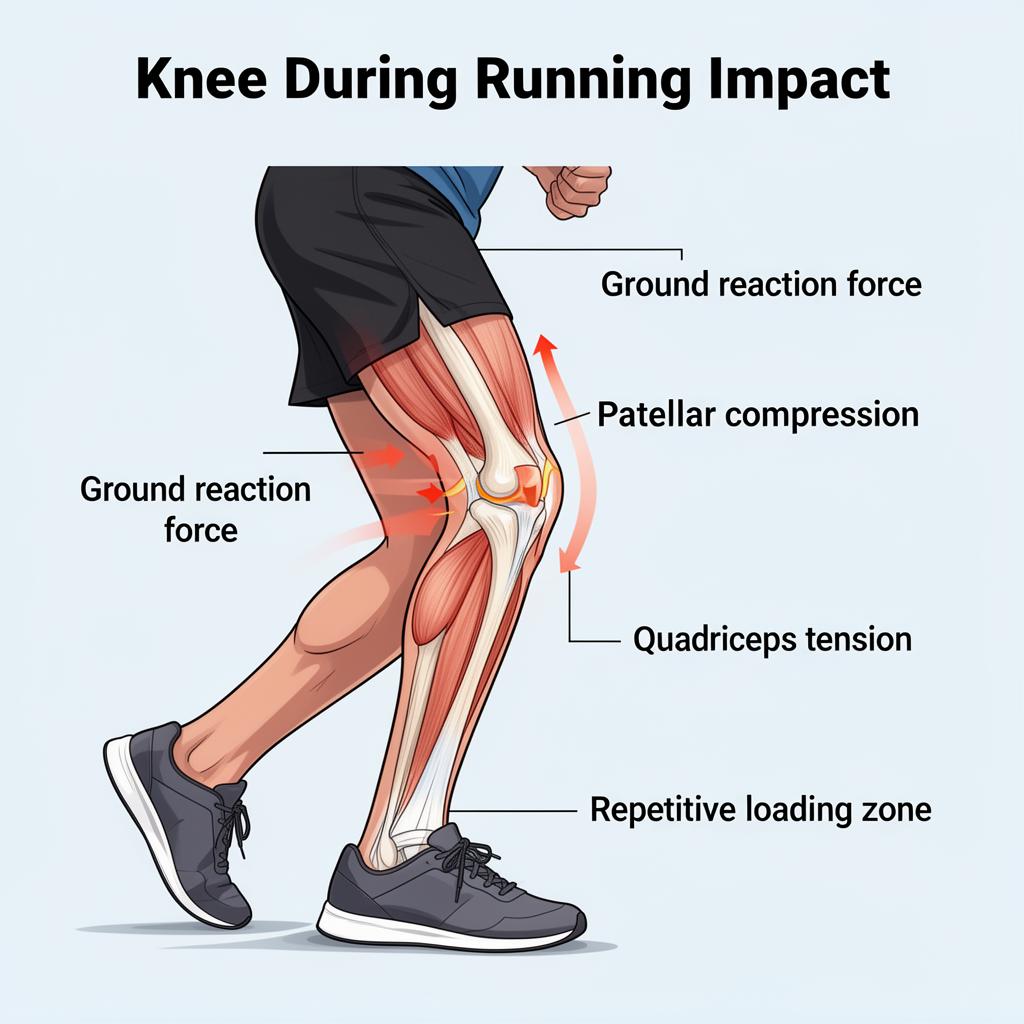
Burning After Leg Day, Squats, or Lifting
A strength session gives you more controllable variables than running: load, sets, repetitions, depth, speed, stance, exercise selection, and proximity to fatigue. Burning that appears during deep squats or lunges may change when range or load changes. Burning that appears only after several exercises may reflect total session volume rather than one defective movement.
Do not change everything at once. Reduce one variable and compare the next 24 hours. For squat, lunge, Bulgarian split squat, and leg-press mechanics, use knee pain after leg day. A pop, twist, failed repetition, swelling, locking, or instability moves the problem out of ordinary recovery.
Burning After Walking or Hiking
Walking is lower impact than running but can still become a high-volume exposure. Long distance, hard surfaces, travel days, inclines, and downhill walking may reveal a capacity mismatch. Burning after walking should be compared with the route, footwear, total time, and whether the same knee also reacts to stairs.
Hiking adds uneven terrain and prolonged downhill work. Use the knee pain when hiking guide when descent, trail surface, or pack weight is the main trigger, and knee pain after long walks when duration is the clearer variable.
Burning After Cycling, Tai Chi, or Other Repetitive Low-Impact Activity
Low impact does not mean zero load. Cycling repeats knee flexion thousands of times, and a saddle or cleat problem can repeat the same unfavorable angle on every revolution. The cycling knee pain and bike-fit guide should own those setup decisions.
Tai chi and similar practices use slower movement but may hold the knee in flexion for longer periods. Burning after a low stance can reflect depth, duration, stance width, or a position that exceeds current tolerance. Shorten the stance and reduce hold time rather than assuming a gentle activity cannot be the trigger.
How Long Should Post-Exercise Burning Last?
There is no universal “normal” duration because the cause and session differ. A mild episode should trend down after the activity and be clearly better by the next day. What matters most is direction: symptoms should become less intense, occur later, and interfere less with normal walking and stairs as the knee recovers.
Burning that remains unchanged beyond 48 to 72 hours, appears earlier in each workout, begins with lighter activity, or is joined by swelling, instability, weakness, or numbness deserves a larger reduction in training and professional assessment.
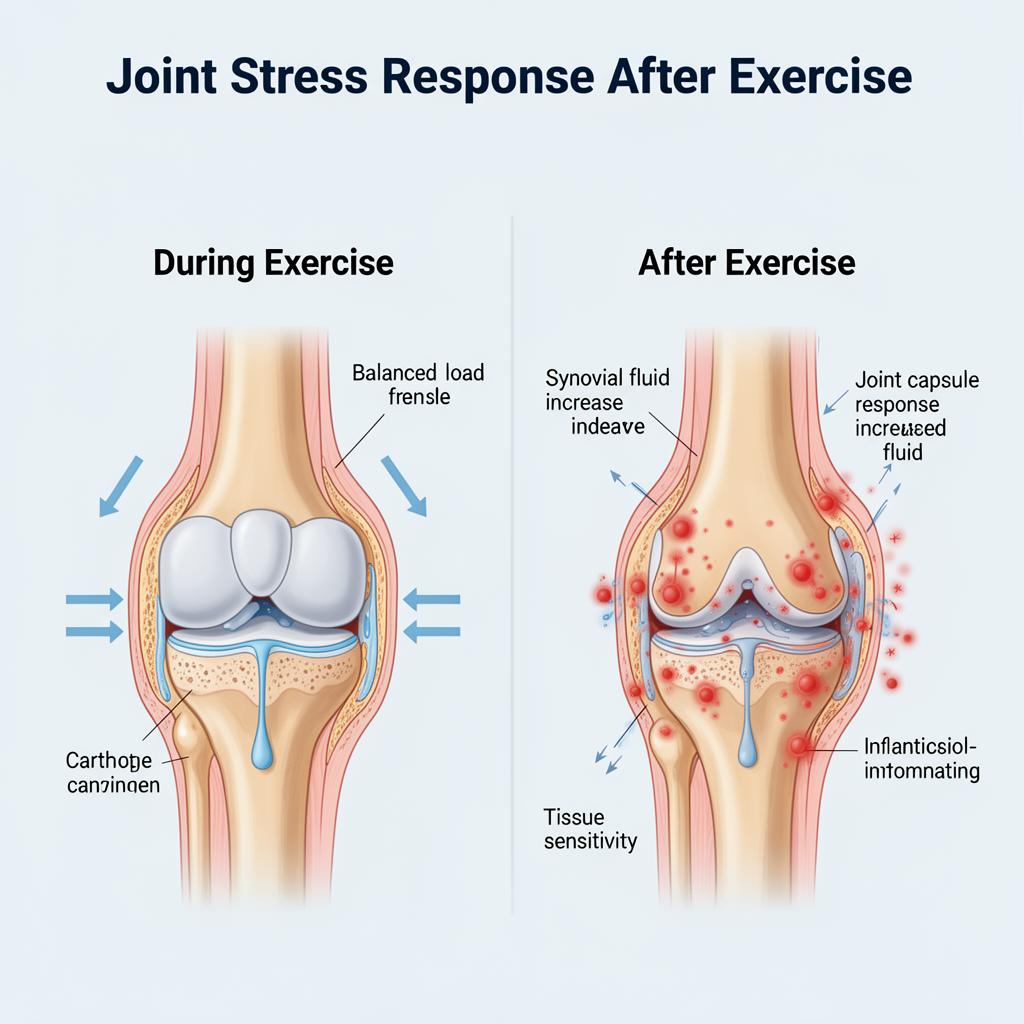
What to Do When Your Knees Burn After Exercise
- End the provoking exercise. Do not use the rest of the session to repeatedly test the same movement.
- Check the knee, not just the sensation. Compare both sides for swelling, redness, surface heat, range of motion, and stability.
- Record the exact activity and timing. Include distance, sets, load, hills, bike setup, stance depth, and recent changes.
- Use easy movement only if it remains comfortable. A short walk or relaxed mobility is not appropriate when the knee is acutely swollen, unstable, or injured.
- Avoid heat on a hot or newly swollen knee. Read heat vs ice for knees before defaulting to the same recovery tool every time.
- Reduce the next session. Change one variable so the result is interpretable.
- Use a recovery routine for mild soreness only. The 10-minute knee recovery routine is not a test for a swollen, locked, or injured knee.
Stop Training and Seek Medical Advice
Seek urgent advice if you cannot bear weight, the knee is badly swollen or deformed, it locks or gives way, or it is hot and red with fever. Arrange an assessment when burning follows an injury, persists despite reducing activity, appears with light exercise, spreads, interrupts sleep, or comes with numbness, weakness, swelling, or progressive loss of motion.
How to Reduce Repeat Episodes
- Increase one training variable at a time rather than distance, intensity, and frequency together.
- Keep a short log of activity, exact burning location, onset time, and next-morning response.
- Use an activity-specific fix: bike fit for cycling, load and depth for lifting, and distance or terrain for running and hiking.
- Stop sets before fatigue creates a large change in balance, stride, or movement control.
- Alternate demanding knee sessions with lower-load days when symptoms are emerging.
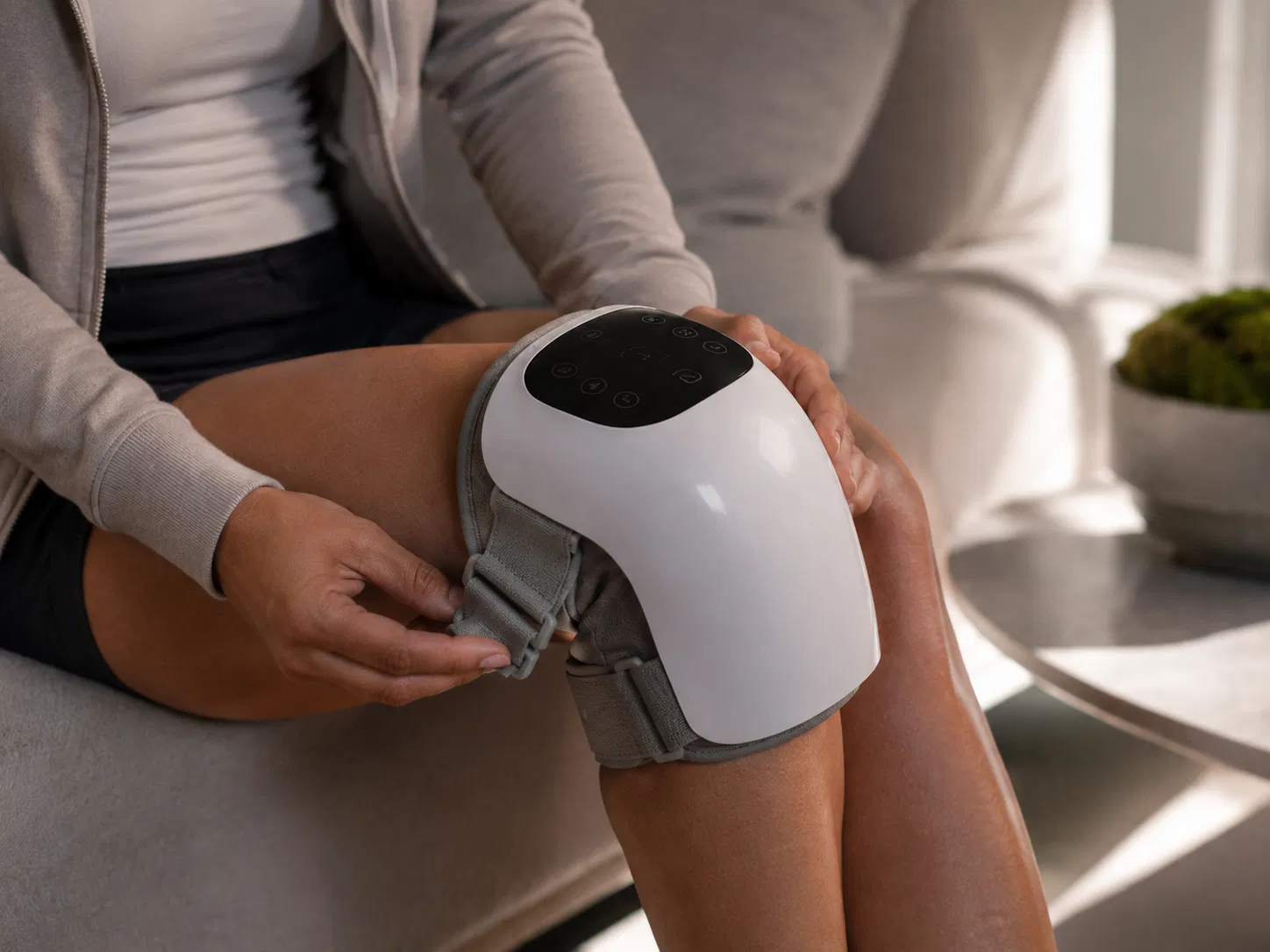
- Do not use a sleeve, massage device, or heat to hide a worsening pattern and continue the same workload.
The Bottom Line
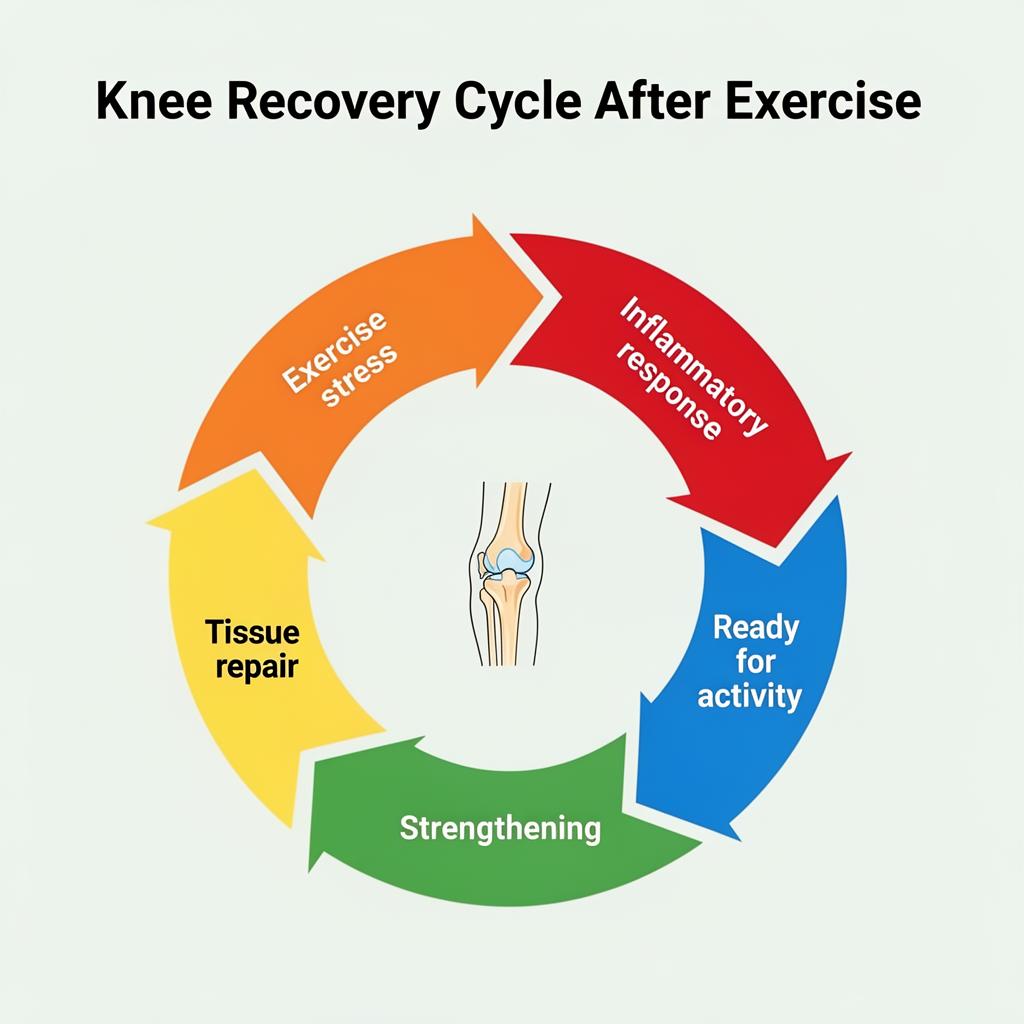
Burning knees after exercise should be organized by timing and activity. During-exercise burning points toward a specific movement, angle, load, or setup. Delayed burning points toward the total session and the knee's response afterward. Running, leg day, walking, hiking, cycling, and tai chi each create different clues. Reduce the next exposure, track the 24-hour response, and seek medical advice when burning is persistent, progressive, injury-related, neurological, or accompanied by swelling, redness, surface heat, locking, giving way, or loss of function.
Frequently Asked Questions
Why do my knees burn after exercise?
Exercise-related burning can follow repetitive loading, a sudden increase in training demand, pressure around the kneecap, irritated tendons or bursae, or temporary nerve sensitivity. The activity, location, and whether burning begins during exercise or only afterward help narrow the pattern.
Is burning during exercise different from burning afterward?
Yes. Burning that starts during a specific movement is a reason to stop and identify the provoking angle, load, or technique. Burning that appears after the session may reflect the knee's delayed response to accumulated load. Neither pattern should be ignored when it worsens, changes function, or comes with swelling or instability.
Why does my knee burn after running?
Running repeats the same loading cycle many times. Burning is more likely after a rapid increase in distance, pace, hills, frequency, or a change in footwear or surface. Front-of-knee burning may also fit a kneecap-related pattern, while pinpoint or swelling-related symptoms need a different assessment.
Why do my knees burn after squats or lifting?
Leg-day burning may be influenced by load, depth, total sets, fatigue, speed, or an exercise that concentrates pressure at a sensitive angle. Reduce one variable at a time and track the next-day response. Sharp pain, a pop, visible swelling, or instability is not ordinary post-workout burning.
Can walking, hiking, cycling, or tai chi cause burning knees?
Yes. Lower-impact activity can still involve high repetition, long duration, hills, deep knee positions, or a bike-fit issue. The absence of impact does not eliminate load. Activity-specific adjustments are more useful than applying one recovery rule to every sport.
How long should burning knees last after a workout?
A mild episode should trend down after the activity and be clearly better by the next day. Burning that lasts beyond 48 to 72 hours, appears earlier with each session, or begins with lighter activity deserves a reduction in load and professional assessment.
What should I do when my knees burn after exercise?
Stop the provoking exercise, check for swelling, redness, surface heat, loss of motion, or instability, and use easy movement only if it remains comfortable. Reduce the next session rather than testing the same load again. Do not apply heat to a hot or newly swollen knee.
When is post-exercise burning a warning sign?
Seek prompt advice when burning follows a twist, fall, or pop; prevents weight-bearing; comes with significant swelling, redness, surface heat, locking, giving way, weakness, or numbness; or continues to worsen despite reducing activity.