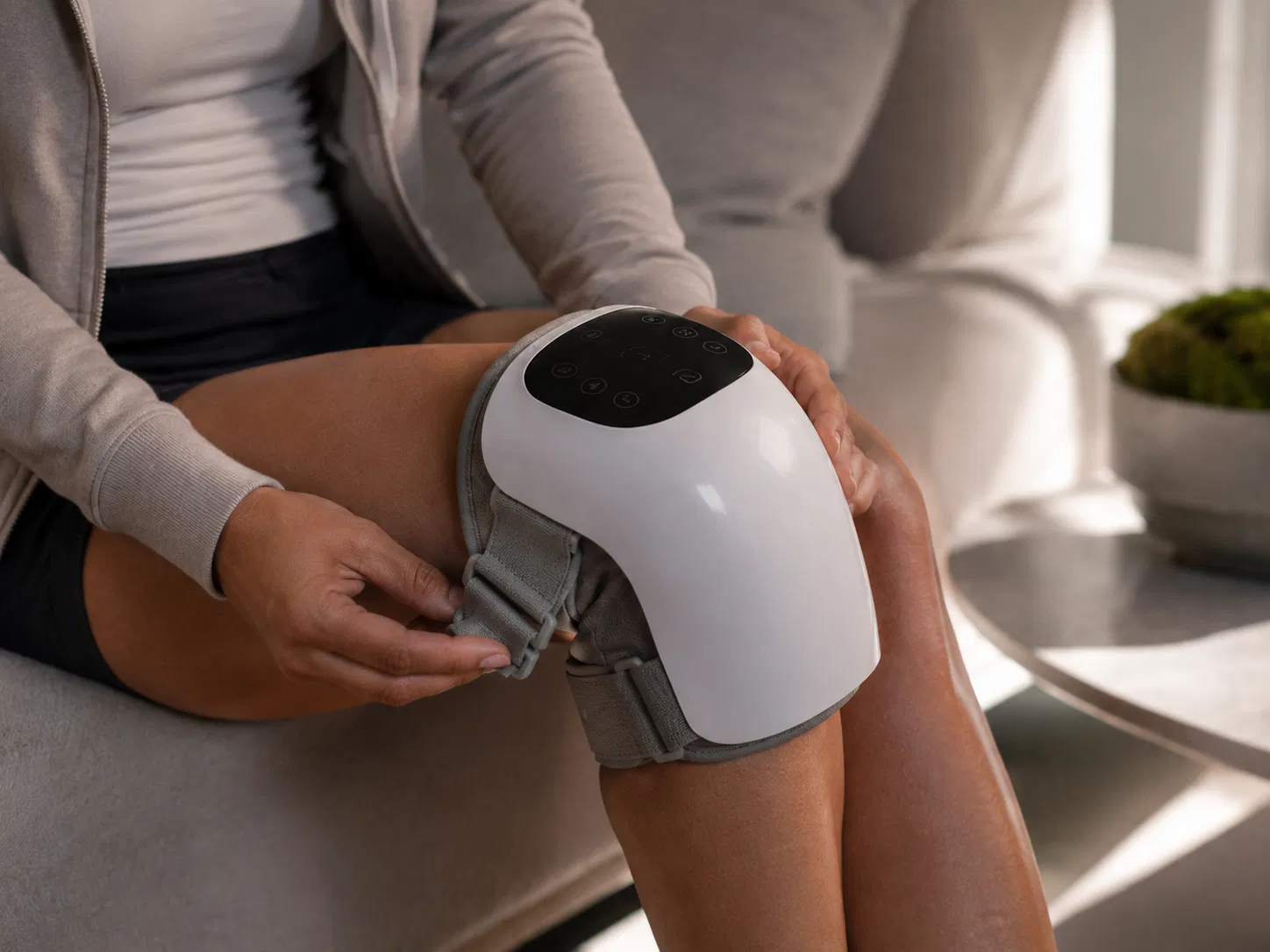
Many people experience knee stiffness or soreness that doesn't seem to improve with rest alone. Understanding why this happens can help you take a more informed approach to supporting your daily comfort.
The Complexity of Knee Joints
Our knees are among the most complex and hardworking joints in the body. They bear significant weight and stress throughout daily activities: walking, climbing stairs, sitting, standing, and even simply shifting positions while relaxing.
This continuous use means that the knee joint is constantly adapting to demands. Over time, this can contribute to feelings of stiffness, tension, or general discomfort that seem to persist regardless of how much you rest.
Unlike a simple muscle ache that might ease after a good night's sleep, knee discomfort often involves multiple factors, including joint stiffness, reduced flexibility, weakened supporting muscles, and the cumulative effects of everyday wear.
Common Factors Contributing to Persistent Knee Discomfort
Based on common patterns observed in everyday knee discomfort
Why Rest Alone May Not Be Enough
It might seem logical that resting your knees would help them feel better. And while rest is certainly important, staying completely inactive can sometimes make stiffness feel even worse.
When we don't move, our joints can become stiffer. The surrounding muscles may weaken, and blood flow to the area decreases. This can create a cycle where inactivity leads to more discomfort, which leads to more inactivity.
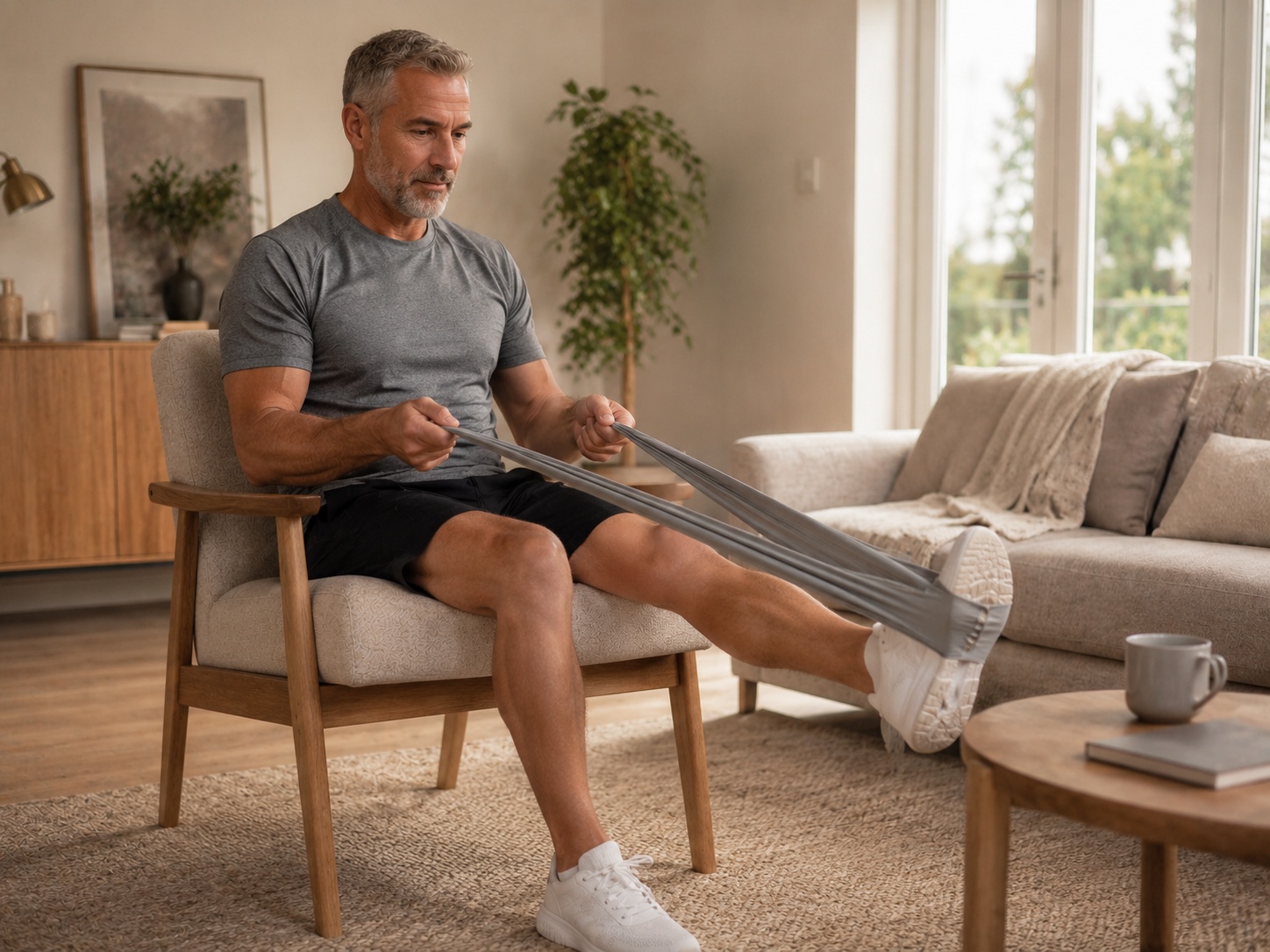
Many health professionals emphasize the importance of gentle, consistent movement as part of managing everyday knee comfort. This doesn't mean pushing through pain. Rather, it means finding sustainable ways to keep the joint mobile and the surrounding muscles engaged.
The Rest Paradox
Complete rest can actually make knee stiffness worse. Our joints need movement to stay lubricated and flexible. The synovial fluid that cushions our knee joints distributes better with gentle, regular motion. Finding the balance between rest and movement is key to long-term comfort.
Daily Activities and Knee Stress Level
Relative stress levels during common daily activities
The Role of Daily Habits
Small, consistent habits often play a larger role in knee comfort than occasional intense interventions. Things like how you sit, how long you sit, your footwear choices, and your general activity level all contribute to how your knees feel day to day.
For many people, making small adjustments like taking regular breaks from sitting, incorporating gentle stretches into the morning routine, or applying warmth before activities can gradually contribute to improved comfort.
✓ Quick Tips
- •Take a 2-minute movement break every 30 minutes of sitting
- •Choose supportive footwear for daily activities
- •Apply warmth to stiff knees before starting your day
- •Keep your knees moving through their full range of motion daily
- •Stay hydrated to support joint lubrication
Understanding Chronic vs Acute Discomfort
There's an important distinction between acute discomfort from a specific injury and the chronic, low-grade stiffness that many people experience over time. Acute injuries typically have a clear cause and often improve with proper rest and care.
Chronic discomfort, on the other hand, tends to develop gradually and may not have a single identifiable cause. It's often the result of cumulative factors over months or years. This type of discomfort typically responds better to consistent daily care than to occasional intensive treatment.
Supporting Daily Knee Comfort
There's no single solution that works for everyone. However, understanding that knee discomfort often requires ongoing attention, rather than a one-time fix, can help set realistic expectations.
Many people find that incorporating multiple supportive approaches works better than relying on any single method. This might include gentle stretching, regular movement throughout the day, warmth application, and using supportive tools or devices.
The key is consistency. Whatever approaches you choose, making them a regular part of your routine tends to yield better results than sporadic use. Think of it as ongoing maintenance rather than emergency repair.
If you're looking for practical ways to build better habits, our guide on building a daily knee comfort routine offers morning and evening tips. Understanding how heat and red light therapy compare can help you choose the right at-home approach. And if you're curious about why strengthening the muscles around your knee matters, explore our guide on how to strengthen knees for better stability. For those experiencing arthritis-related stiffness, our knee arthritis comfort guide covers daily management strategies.
When to Consider Additional Support
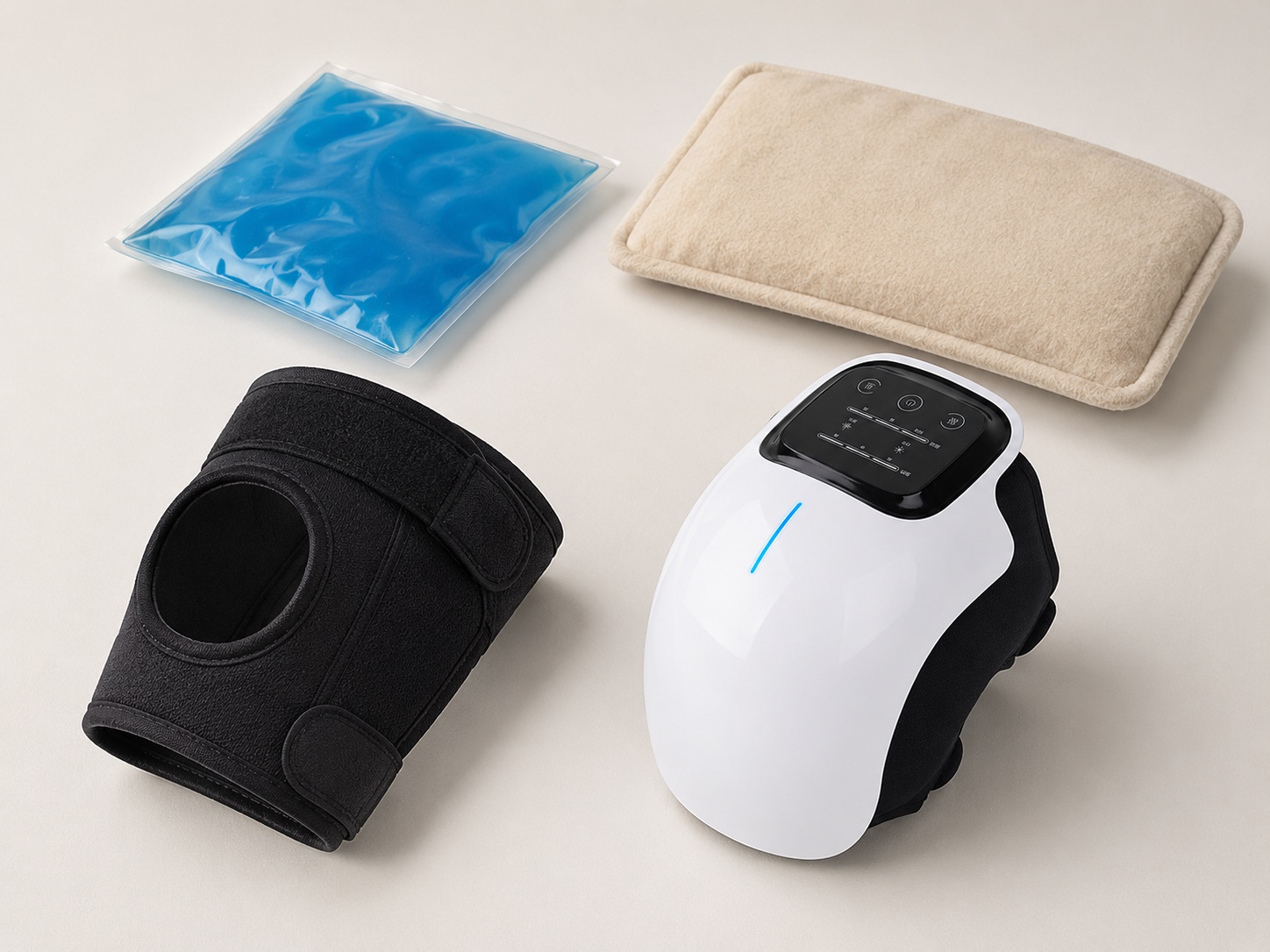
If everyday approaches aren't providing the comfort you need, it may be worth exploring additional supportive options. Many people have found that at-home therapy devices complement their existing comfort routines.
These devices are designed to be used regularly as part of a daily routine, not as replacement for professional care when it's needed. They work best when combined with other healthy habits like gentle movement, proper rest, and attention to daily ergonomics.
Frequently Asked Questions
Why doesn't my knee pain go away with rest?
Rest alone often isn't enough because knee discomfort typically involves multiple factors including joint stiffness, reduced flexibility, and weakened muscles. While rest is important, complete inactivity can make stiffness worse by reducing joint lubrication and muscle strength.
How long does it take for knee pain to improve?
Improvement timeline varies depending on the cause. Chronic, low-grade knee discomfort often responds better to consistent daily care over weeks or months rather than occasional intensive treatments. Building sustainable daily habits typically yields the best long-term results.
What daily habits help with knee comfort?
Helpful habits include taking regular breaks from sitting, incorporating gentle morning stretches, applying warmth before activities, staying hydrated to support joint lubrication, and keeping your knees moving through their full range of motion daily.
Should I use heat or cold for knee stiffness?
For general stiffness, warmth is often more beneficial as it helps relax muscles and increase blood flow. Cold is typically better for reducing swelling after activity or acute injury. Many people find alternating between heat and cold helpful.
When should I see a doctor for knee pain?
Seek professional evaluation if you experience significant swelling, inability to bear weight, locking or giving way of the knee, fever with joint pain, or if your discomfort doesn't improve with consistent home care over several weeks.