Searching for information about top of knee pain is incredibly common. This specific location of discomfort leads many people to wonder what's happening and whether their experience is typical. The good news is that front knee discomfort is something many people experience, and it's often connected to everyday habits and routines.
This guide focuses entirely on lifestyle patterns and daily observations rather than medical explanations. By understanding the common situations where top of knee discomfort tends to appear, you can become more aware of your own patterns and potentially identify factors that influence your comfort.
Where People Usually Feel "Top of Knee" Discomfort
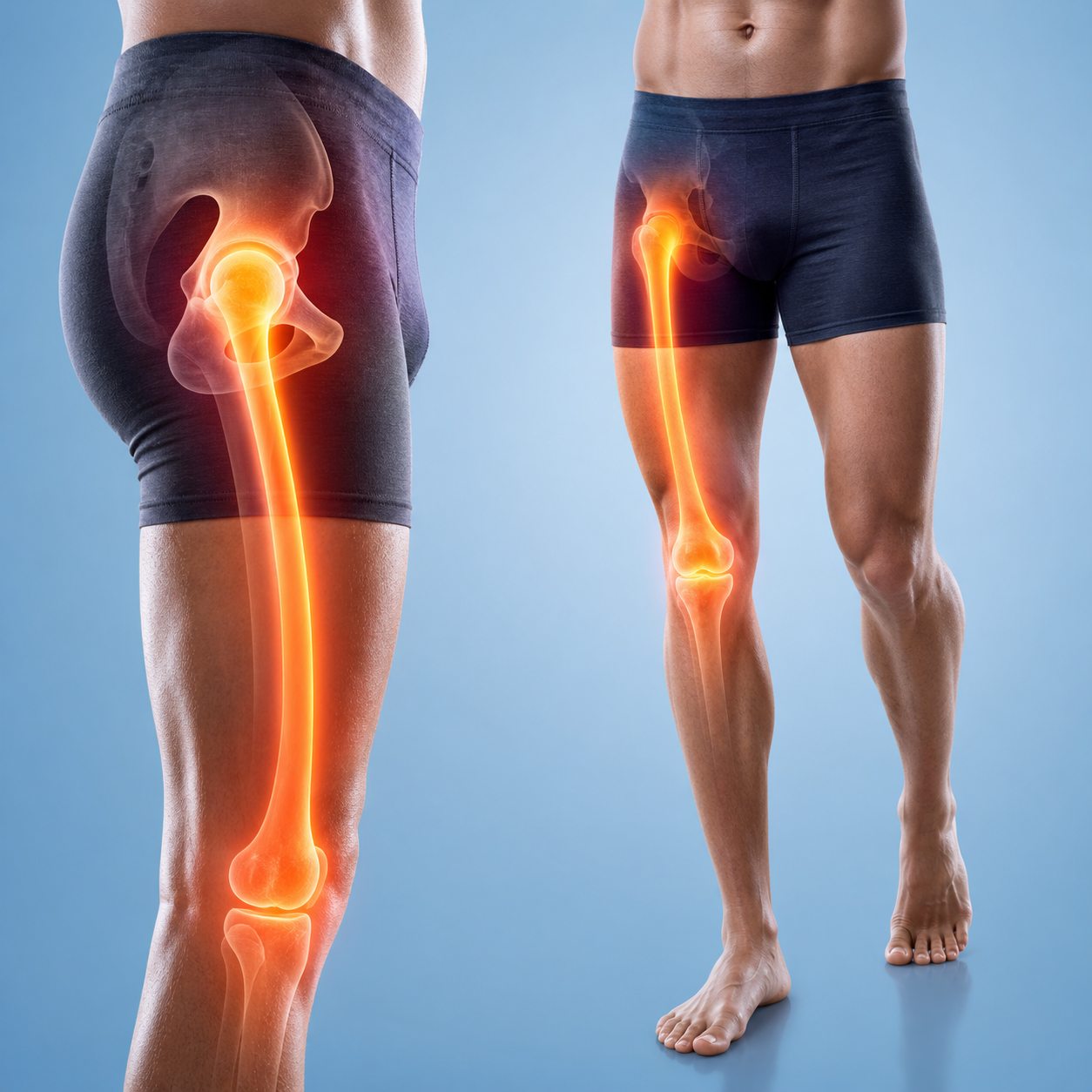
When people describe top of knee pain, they're typically referring to sensations felt in the front area of the knee, around or just above the kneecap. This is one of the most commonly reported locations for knee-related awareness.
How People Commonly Describe the Sensation
The way people describe front knee discomfort varies considerably. Some common descriptions include:
✓ Common Descriptions of Front Knee Sensations
- •A feeling of tightness or pressure in the front of the knee
- •A tired or fatigued sensation after activity
- •Stiffness that's noticeable when first moving after rest
- •A pulling or stretching feeling above the kneecap
- •General awareness or sensitivity in the front knee area
These sensations are usually described as uncomfortable rather than severe, and many people notice they come and go depending on activities and circumstances. The experience is often more of an awareness or tiredness than anything sharp or alarming.
A Common Experience
Experiencing awareness or discomfort at the top of the knee is remarkably common. Most people who notice this sensation find it varies with their daily activities and tends to follow predictable patterns related to their routines.
Common Daily Patterns Linked to Top of Knee Discomfort
Many people notice that their pain at the top of the knee follows certain patterns related to their daily activities. Understanding these common associations can help you recognize factors in your own life.
Standing for Extended Periods
Prolonged standing is one of the most commonly reported factors associated with front knee awareness. Whether at work, while cooking, or during social events, extended time on your feet can contribute to tired, tight feelings in the top of knee area.
Walking Uphill or Climbing Stairs
Activities that involve walking uphill or climbing stairs are frequently mentioned by people who notice above knee pain. These activities place specific demands on the front knee area, and many people report increased awareness during or after these movements.
Sitting with Bent Knees
Extended sitting with knees bent at sharp angles, such as in low chairs, at movie theaters, or during long flights, is another commonly reported pattern. People often notice front knee stiffness when they finally stand and straighten their legs after prolonged bent-knee sitting.
Sudden Activity After Inactivity
Jumping into physical activity after periods of being sedentary is a pattern many people recognize. The transition from inactivity to sudden movement often brings increased awareness to the front knee area.
✓ Common Activity Patterns People Report
- •Extended standing on hard surfaces
- •Climbing multiple flights of stairs
- •Sitting in bent-knee positions for long periods
- •Weekend activity bursts after sedentary weekdays
- •Carrying heavy items like backpacks or groceries
Carrying Weight
Carrying heavy backpacks, grocery bags, or other loads adds extra demands to the knees. Many people notice that their top of knee discomfort increases on days when they've been carrying more weight than usual.
Footwear and Walking Surfaces
The shoes you wear and the surfaces you walk on influence how your knees feel. Hard surfaces like concrete and unsupportive footwear are commonly associated with increased front knee awareness by day's end.
When Top of Knee Discomfort Feels More Noticeable
Beyond specific activities, there are certain times and circumstances when people commonly report that their front knee discomfort feels more pronounced.
After Long Days
Accumulated activity throughout the day often leads to increased awareness by evening. Many people find that their front knee area feels more tired or tight after particularly active or demanding days.
Evening Hours
Even without an unusually active day, evening hours tend to be when knee awareness peaks for many people. The combination of daily activity accumulation and settling into rest can make discomfort more noticeable.
After Repetitive Movements
Repetitive activities like climbing many stairs, extended walking, or repeated squatting movements often lead to increased front knee awareness. The repetition seems to amplify the sensation.
During Colder Weather
Many people report that their knee discomfort location at the front of the knee feels more sensitive during cold weather or sudden temperature drops. This is a commonly observed pattern.
Transitioning from Sitting to Standing
The moment of standing up after extended sitting often brings front knee awareness into focus. This transition moment is one of the most commonly reported times when people notice their top of knee area.
Lifestyle and Environment Factors That Play a Role
Your daily environment and lifestyle choices create the backdrop for knee comfort. Understanding these factors can help you identify areas where small adjustments might be beneficial.
Work Routines
Whether you work at a desk, stand all day, or have a physically active job, your work routine significantly influences knee comfort. Each type of work creates its own patterns of front knee awareness.
Home and Outdoor Surfaces
The surfaces you spend time on matter. Soft carpeted floors at home versus hard concrete outdoors create different experiences for your knees. Many people notice patterns related to the surfaces they've been on.
Daily Movement Patterns
How much you move throughout the day, the types of movements you make, and the balance between activity and rest all contribute to how your front knee area feels. Consistent, gentle movement often supports better comfort than extremes of inactivity or overexertion.
Rest and Recovery Habits
How you rest and recover after active periods influences knee comfort. People who incorporate rest and gentle wind-down habits often report better overall comfort patterns.
Gentle Habits People Use to Support Daily Knee Comfort
Many people develop simple habits that seem to support their daily front knee comfort. These are observations of common practices rather than recommendations.
Movement Awareness
Simply being aware of movement patterns, taking brief breaks from static positions, and incorporating gentle movement throughout the day are habits many people find supportive.
Evening Wind-Down Routines
Developing calming evening habits that help the body transition from activity to rest is something many people incorporate. This might include gentle positioning, relaxation time, or simply allowing the body to unwind.
Warmth-Based Comfort Habits
Many people find that gentle warmth feels soothing to their front knee area. This might include warm showers, warm compresses, or time in warm environments. The comforting quality of warmth is widely appreciated.
Creating Supportive Rest Environments
Comfortable seating, supportive cushions, and pleasant rest environments are things many people pay attention to. These environmental factors can influence overall comfort patterns.
At-Home Supportive Tools Some People Explore
Some people incorporate at-home tools into their comfort routines. These are presented as options that exist, not as recommendations.
Warmth and Infrared Devices
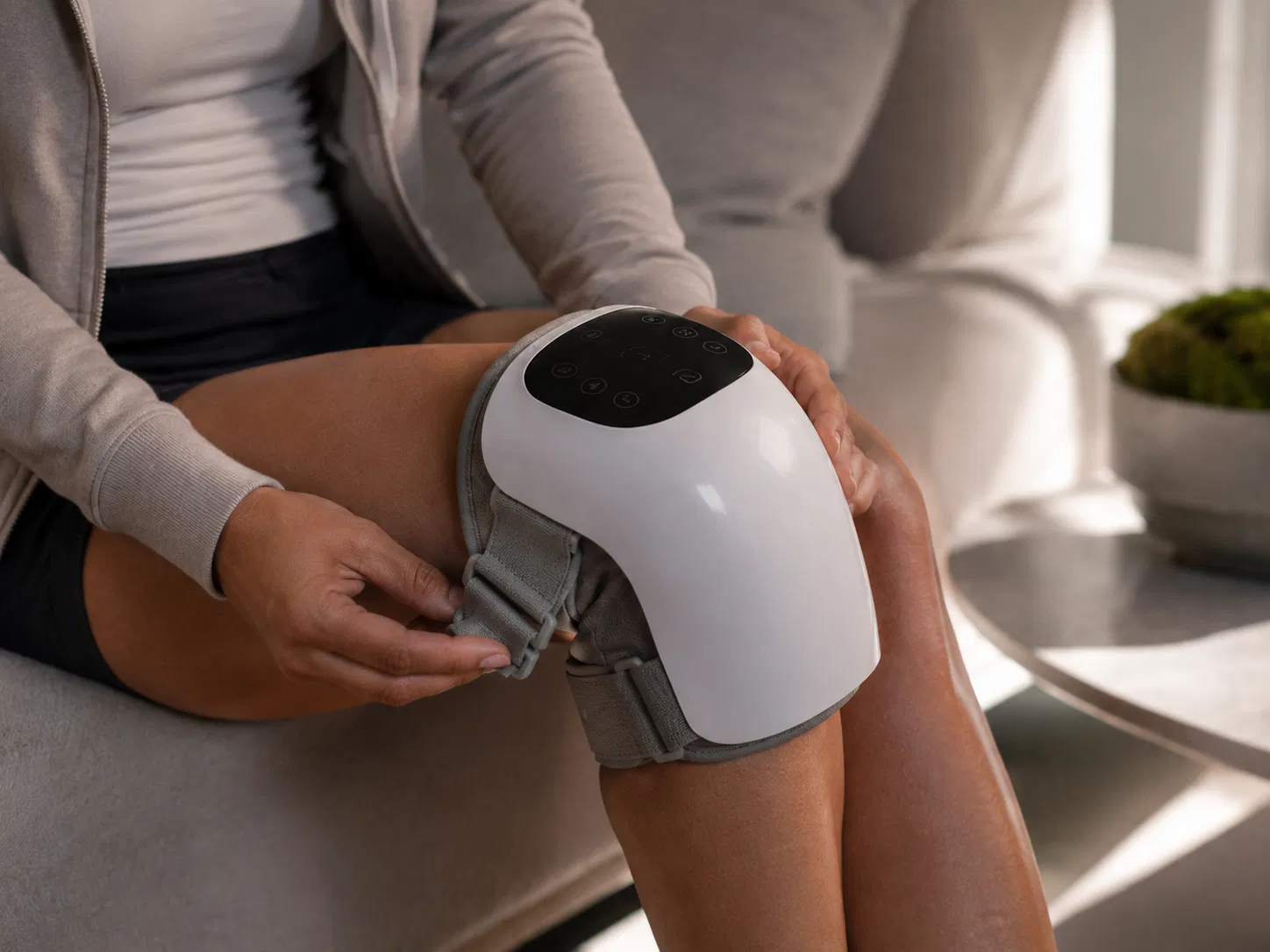
Some people use warmth-based devices at home, including those that provide gentle infrared warmth. These devices offer comforting sensations that many people find pleasant as part of their daily routines.
Individual experiences vary, and these tools are typically used as part of broader comfort habits rather than standalone solutions. What feels helpful for one person may not suit another.
Summary: Understanding Your Front Knee Comfort Patterns
Top of knee pain and front knee discomfort are common experiences that many people notice. The sensations typically follow patterns related to daily activities, work routines, movement habits, and environmental factors.
By becoming aware of your own patterns, you can often identify which activities, times of day, or circumstances seem to influence your comfort. This awareness is the foundation for developing supportive daily habits.
If you experience front knee tightness after activity, our front knee tightness guide explores post-activity patterns in detail. For location-based insights, see our knee pain locations visual guide. And for building supportive habits around warmth, explore our heat vs ice guide.
Remember that experiencing some front knee awareness is normal, especially after active days or during certain activities. Simple, consistent habits often support better overall comfort than dramatic interventions. Be patient with the process and pay attention to what works for your individual experience.
Frequently Asked Questions
What does top of knee pain usually feel like?
Most people describe top of knee discomfort as feelings of tightness, pressure, tiredness, or stiffness in the front knee area. The sensation is typically an awareness or tired feeling rather than something sharp. It often varies with activities and tends to follow patterns related to daily routines.
Why does front knee discomfort feel worse after stairs or hills?
Climbing stairs and walking uphill place specific demands on the front knee area. Many people notice increased awareness during or after these activities. This is a commonly reported pattern related to the nature of these movements rather than anything unusual.
Why does the top of my knee feel stiff after sitting?
Extended sitting, especially with knees bent, is commonly associated with feelings of stiffness when you first stand. This is a nearly universal experience that eases with gentle movement. Taking brief movement breaks during long sitting periods is a habit many people find helpful.
Is it normal to feel front knee discomfort after a long day?
Yes, noticing front knee awareness after active or long days is very common. Accumulated daily activity often leads to increased knee awareness by evening. This pattern is widely reported and generally reflects normal responses to daily demands.
What habits help support daily front knee comfort?
Common supportive habits include gentle movement throughout the day, avoiding prolonged static positions, using warmth-based comfort routines, wearing supportive footwear, and creating comfortable rest environments. Consistency with simple habits often produces better results than occasional dramatic efforts.