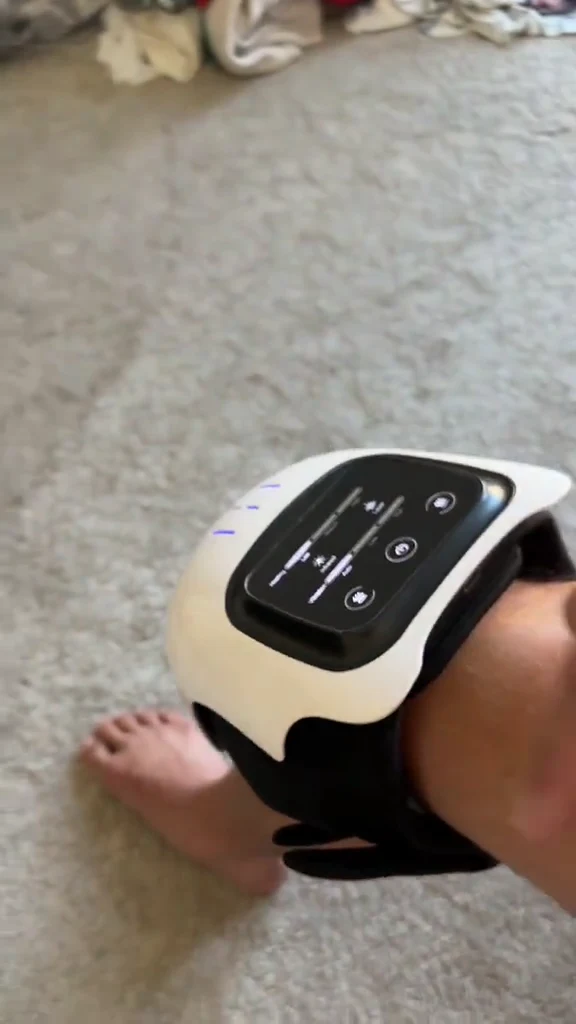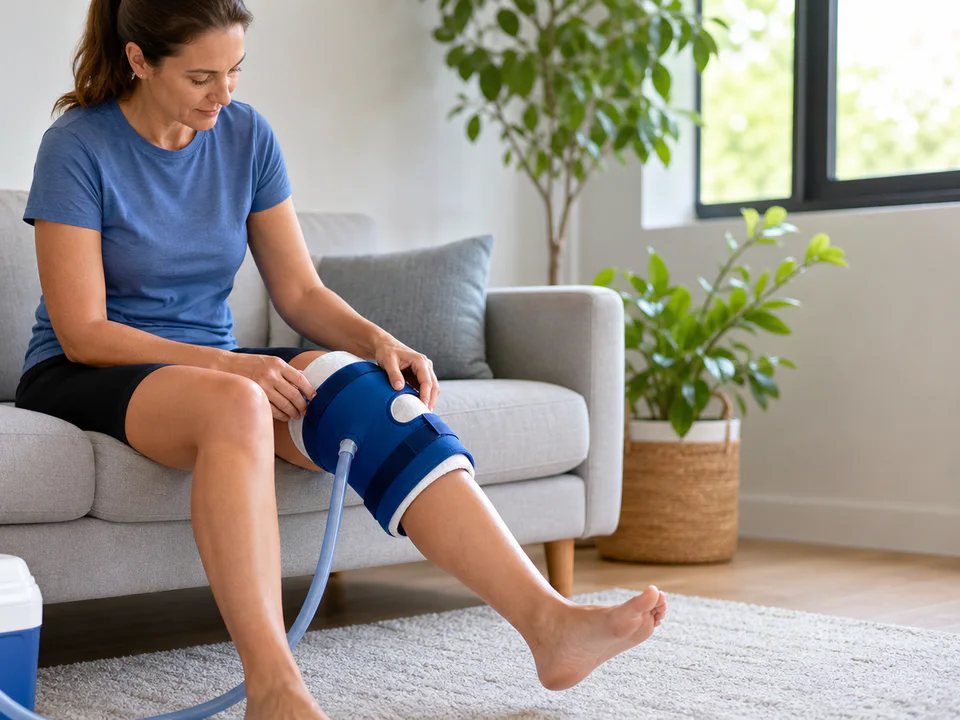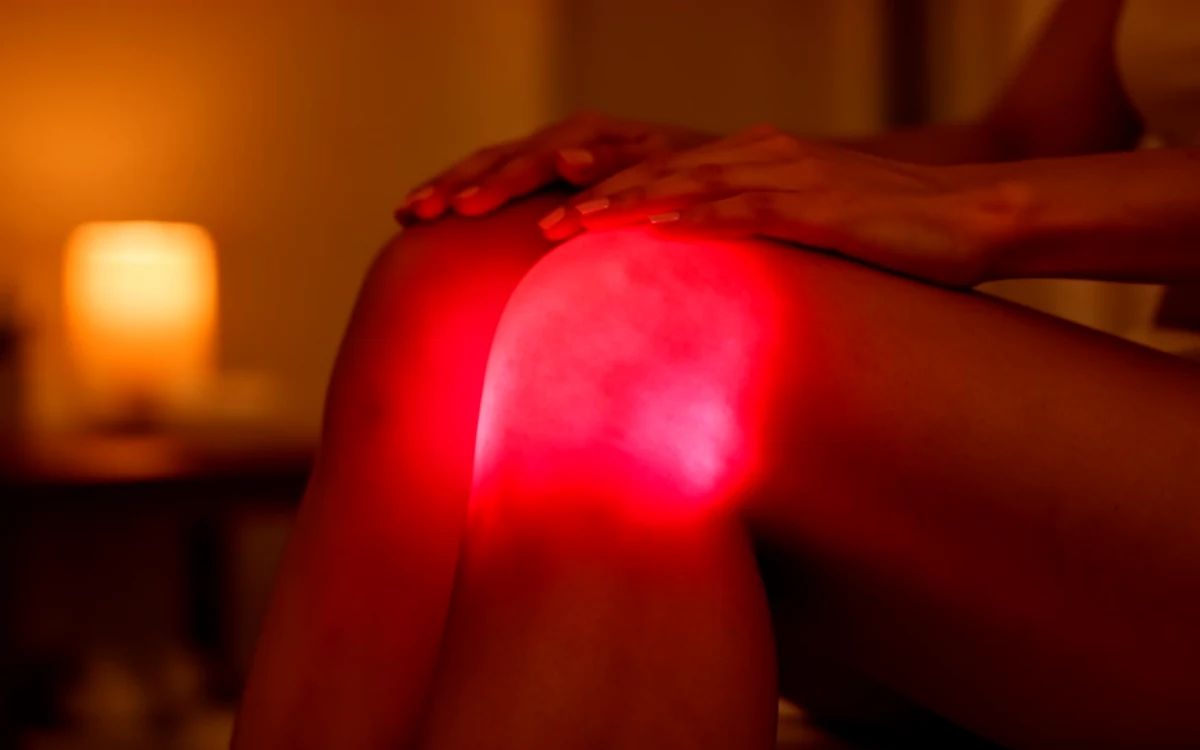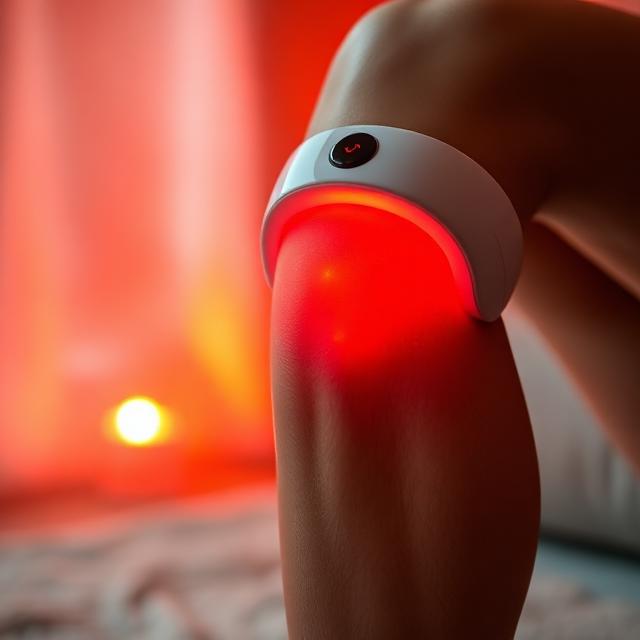
The heat-or-ice question is common because both approaches can change how a sore knee feels, but they do so in different ways. Cold can temporarily numb an area and help limit swelling. Warmth can relax tight muscles and make a stiff joint feel easier to move. The useful question is not “Which one is best?” but “Which one fits the symptoms I have right now?”
This guide focuses on everyday self-care. It does not replace an examination, especially after a fall, twist, impact, or sudden loss of function.
How to Read Your Knee Before Choosing Heat or Ice
The most useful first step is to pause and compare the sore knee with the other side. Look for visible puffiness around the kneecap, along the joint line, or behind the knee. Then use the back of your hand to notice whether one knee feels clearly warmer than the other. A recent twist, impact, sudden change of direction, or awkward landing combined with swelling points toward a different short-term decision than stiffness that develops after sitting at a desk or waking in the morning.
This symptom-first approach helps answer common questions such as knee injury ice or heat, sore knee ice or heat, and ice or heat for knee pain. Cold is generally considered when the immediate problem is swelling, unusual warmth, or a fresh injury. Gentle heat is more often considered when the knee is not swollen and the main complaint is stiffness, achiness, or tight muscles around the joint. Neither choice identifies the underlying cause, and neither should be used to push through severe or worsening pain.
Also notice how the knee behaves during normal movement. Can you bend and straighten it without locking? Can you place weight on the leg without the knee giving way? Is the discomfort improving, staying the same, or getting worse? These observations matter more than finding a perfect temperature rule online. A home pack may change how the knee feels for a short period, but loss of function, instability, or rapidly increasing swelling deserves professional assessment.
Heat or Ice After Exercise, Running, or Long Walks?
Exercise-related symptoms are not all the same. After running, squats, hiking, or a longer-than-usual walk, check whether the knee is actually swollen or simply tired and tight. If the joint looks puffy, feels unusually warm, or became painful after a specific movement, a wrapped cold pack may be the more suitable short-term option. If there is no swelling and the sensation is mainly muscular tightness around the quadriceps, hamstrings, or calf, gentle warmth later may make light movement feel more comfortable.
Temperature should not replace recovery basics. Reduce the activity that triggered the flare, allow the knee to settle, and review recent changes in distance, intensity, footwear, hills, or exercise technique. Recurrent swelling after activity, pain that changes your walking pattern, or discomfort that increases from session to session needs more than repeated heat or ice. For a broader recovery framework, see our knee pain after exercise guide.
Can You Alternate Heat and Ice on the Same Day?
Some people use warmth and cold at different times because their symptoms change during the day. For example, gentle heat may feel useful for morning stiffness, while cold may be considered after activity if swelling appears. That does not mean rapid contrast therapy is necessary. Let the skin return to its normal color and temperature between sessions, keep both applications brief, and judge each method by how the knee and skin respond.
Alternating is not automatically more effective, and using both does not make an unsafe situation safe. Avoid strong temperature extremes, never apply either method directly to bare skin, and stop if you notice prolonged numbness, burning, blotching, or increased pain. People with reduced sensation, poor circulation, or difficulty judging temperature should ask a healthcare professional before using either method.
What Heat and Ice Cannot Tell You
A temporary reduction in soreness does not confirm that the knee is healed or that an activity is safe to resume. Heat may make a stiff knee feel easier to move, and cold may numb pain for a while, but those effects can hide symptoms without addressing the reason they started. Use the response as comfort information, not as a test of whether you can ignore instability, repeated swelling, night pain, or a sudden loss of motion.
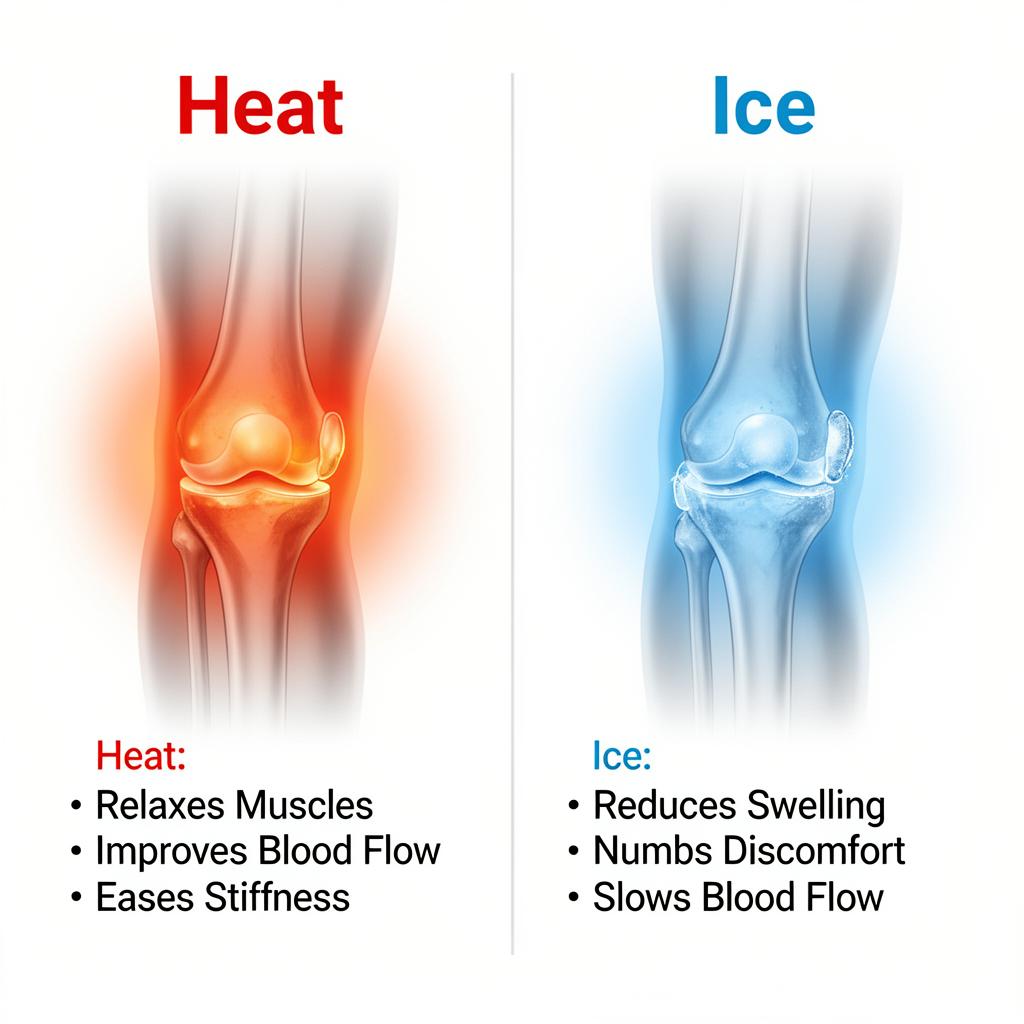
Heat vs Ice: The Main Difference
Orthopedic guidance generally separates the two by symptom pattern: cold for acute injury, inflammation, and swelling; heat for muscle pain or stiffness. The American Academy of Orthopaedic Surgeons also advises against placing heat over swollen, bruised, or open areas and recommends limiting ice sessions to no more than 20 minutes at a time.
| Situation | Cold may fit better | Heat may fit better |
|---|---|---|
| Recent twist, fall, or impact | Often used early when swelling is present | Usually avoided over fresh swelling or bruising |
| Visible puffiness or unusual warmth | May help reduce pain and swelling temporarily | Not the first choice while the area is swollen |
| Morning or after-sitting stiffness | May make some stiff joints feel less comfortable | May relax surrounding muscles and ease movement |
| After exercise | Consider if swelling or heat developed | Consider later for tightness without swelling |
| Sore knee without swelling | May temporarily numb an irritated area | May suit stiffness or tight surrounding muscles |
| Arthritis symptoms | May feel better during a short-term hot or swollen flare | May feel better for stiffness without active swelling |
| Night pain | Consider only if an activity-related swollen flare is present | May feel soothing before bed for a non-swollen stiff knee |
| Unexplained, severe, or worsening pain | Do not rely on either method alone. Seek professional assessment. | |
When Ice May Be the Better First Choice
Cold is commonly used soon after an injury or when a knee is visibly swollen. It can numb the area and temporarily reduce pain and swelling. NHS and AAOS guidance commonly recommends wrapping the cold source in a towel rather than placing it directly on the skin.
- A recent twist, bump, fall, or impact
- Visible swelling or puffiness
- The knee feels hotter than the other side after activity
- A short-term flare after unusually demanding exercise
Cold should not become a reason to ignore a significant injury. A knee that is badly swollen, deformed, locked, unstable, or unable to bear weight needs assessment.
Ice or Heat for a Swollen Knee?
For a visibly swollen knee, cold is generally the better first match. Use a wrapped cold pack rather than placing ice directly on the skin, and elevate the leg if that is comfortable. A short session may reduce pain and swelling temporarily, but it does not explain why the swelling started.
Rapid swelling after a twist or impact, swelling that repeatedly returns, or a knee that is hot and red needs more than a temperature choice. Our knee swelling after exercise guide explains activity-related patterns, while severe or unexplained swelling deserves professional assessment.
Knee Injury: Ice or Heat?
After a recent twist, fall, bump, or awkward landing, cold is commonly considered first when pain or swelling is present. Heat is usually avoided over fresh swelling, bruising, or an open area. Do not use cold to numb the knee and then return immediately to the activity that caused the injury.
Seek prompt assessment if swelling develops quickly, the knee looks misshapen, you heard a crack, or the joint locks, gives way, or cannot support weight. These signs matter more than choosing between heat and ice.
When Heat May Be the Better Choice
Gentle warmth may be useful when the main problem is stiffness, achiness, or tight muscles around the knee and there is no visible swelling. Heat can increase local blood flow and help muscles relax, which may make gentle movement feel easier for a limited period.
- Stiffness after sitting or first thing in the morning
- Tight quadriceps, hamstrings, or calf muscles
- An evening wind-down routine for a non-swollen knee
- Before comfortable, low-intensity mobility work
Heat should feel comfortably warm, never hot. Do not use it over swelling, bruising, an open wound, or an area with reduced temperature sensation.
Sore Knee: Ice or Heat?
“Sore knee” describes a feeling, not one cause. First check whether the joint is visibly swollen, unusually warm, or linked to a recent injury. Those signs make cold the more suitable short-term option. If the knee is not swollen and the soreness feels more like stiffness or tight muscles after sitting, walking, or ordinary activity, gentle heat may feel better.
Whichever option you try, judge it by the response. Stop if symptoms intensify, and do not use temporary numbness or warmth as permission to push through sharp pain, locking, or instability.
Heat or Cold for an Arthritic Knee?
Arthritis symptoms can change from one day to another. Gentle heat may feel useful for morning or after-sitting stiffness when the knee is not swollen. Cold may feel better during a short-term hot or swollen flare. Current osteoarthritis guidance treats locally applied heat or cold as optional symptom tools rather than treatment that changes the disease itself.
A first episode of a very hot, red, swollen knee should not automatically be labeled an arthritis flare because infection and crystal arthritis can look similar. Seek prompt assessment, especially when fever, illness, or inability to bear weight is present.
Common Situations
After Repeated Stair Use
Soreness after stairs should be judged by the same symptom pattern. New puffiness or unusual warmth points toward a different short-term choice than stiffness without swelling. Temperature can provide comfort, but repeated pain during descent is better addressed by reviewing stair load, movement control, and progressive strengthening. See our knee pain going down stairs guide for that broader plan.
Morning Stiffness
A warm shower, warm compress, or temperature-controlled device may make gentle movement more comfortable. Persistent morning stiffness, recurrent swelling, or a steady loss of motion should be discussed with a healthcare professional.
At Night or Before Bed
Gentle heat may feel soothing before bed when stiffness or muscle tightness is the main issue and the knee is not swollen. Cold may be considered when an activity-related swollen flare is still present. Never fall asleep with an active heating device or ice pack in place.
Temperature is not an explanation for recurring night pain. Arrange an assessment if pain repeatedly wakes you, progressively limits sleep, or occurs with swelling, fever, unexplained weight loss, or worsening function.
How Long Should You Use Heat or Ice on a Knee?
A common safety range for either method is 10 to 20 minutes. Use a cloth barrier, follow the instructions for the specific pack or device, and allow the skin to return to its usual color and temperature before another session. Longer or more intense treatment is not automatically more effective.
Stop sooner if the skin becomes painful, very red, blotchy, pale, burned, or numb for longer than expected. People with reduced sensation, poor circulation, nerve problems, or difficulty judging temperature should ask a healthcare professional before using either method.
How to Use Heat or Ice More Safely
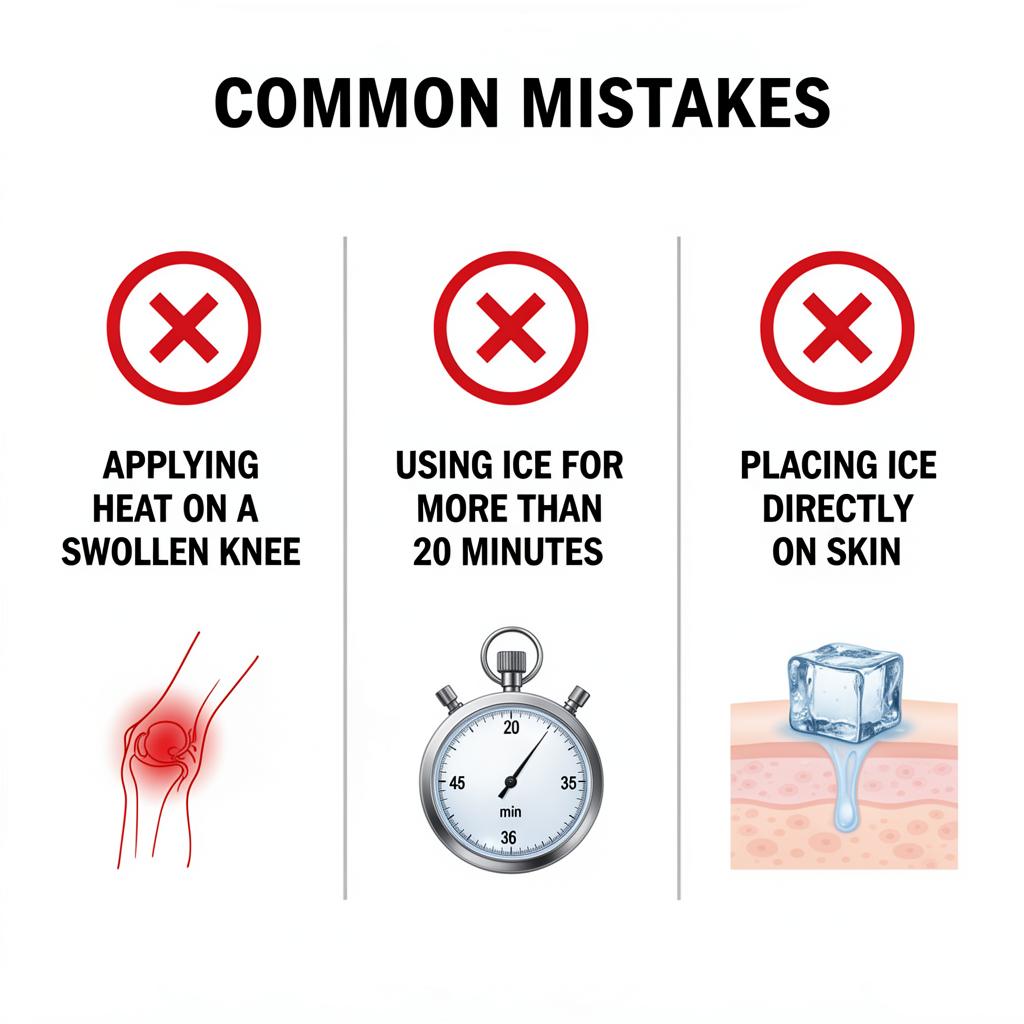
- Use a barrier. Place a towel or cloth between the skin and the cold or heat source.
- Keep sessions brief. A common range is 10 to 20 minutes; follow the device instructions and never assume longer is better.
- Check the skin. Stop if you notice burning, marked redness, blotching, pain, or prolonged numbness.
- Do not sleep with an active heating device or ice pack.
- Ask before using either method if sensation or circulation is reduced. This includes some nerve, vascular, and diabetes-related problems.
- Do not use heat over swelling, bruising, an open wound, or suspected infection.
What If Knee Pain Gets Worse After Icing?
Stop the cold session if it increases pain, produces burning, causes marked skin-color change, or leaves prolonged numbness. Remove the pack and let the knee warm naturally. Do not follow uncomfortable cold with immediate intense heat, and do not place either method directly on the skin.
Some knees feel temporarily stiffer or achier with cold, but a severe or persistent reaction should not be treated as proof that heat is the answer. Seek advice when symptoms keep worsening, sensation or color does not return to normal, or the original knee problem includes significant swelling, instability, or loss of movement.
When to Get Medical Help
A Simple Decision Checklist
- Is there a recent injury, swelling, or unusual warmth? Consider cold and assess whether medical care is needed.
- Is the knee stiff or surrounded by tight muscles without swelling? Consider gentle heat.
- Is sensation or circulation reduced? Ask a clinician before using either method.
- Are symptoms severe, unexplained, or worsening? Skip the home experiment and seek an assessment.
Frequently Asked Questions
Is heat or ice better for knee pain?
Neither is always better. Cold is commonly used for a recent injury, visible swelling, or unusual warmth. Gentle heat may feel better for stiffness or muscle tightness when the knee is not swollen. The cause of the symptoms and your medical history still matter.
Should I use ice or heat for a sore knee?
Check for swelling first. A sore knee that is visibly puffy, unusually warm, or recently injured may fit cold better. A non-swollen knee that mainly feels stiff or surrounded by tight muscles may feel more comfortable with gentle heat.
Is ice or heat better for a swollen knee?
Cold is generally the better first match for visible swelling, particularly after a recent aggravation or injury. Use a cloth barrier and keep the session brief. Rapid, severe, hot, red, or recurring swelling needs medical assessment rather than repeated home treatment.
Should I use ice or heat after a knee injury?
A wrapped cold pack is commonly used early when a recent twist, fall, or impact causes pain or swelling. Avoid heat over fresh swelling or bruising. Seek prompt assessment if the knee is deformed, rapidly swelling, locked, unstable, or unable to support weight.
Is heat or cold better for an arthritic knee?
Gentle heat may feel useful for arthritis-related stiffness when the knee is not swollen. Cold may feel better during a short-term hot or swollen flare. Neither changes the underlying arthritis, and a first episode of a very hot, red, swollen joint should be assessed promptly.
How long should I use heat or ice on my knee?
A common safety range is 10 to 20 minutes. Use a cloth barrier, follow the product instructions, let the skin return to its usual temperature between sessions, and stop sooner if pain, burning, marked redness, blotching, or prolonged numbness develops.
Why does my knee hurt more after icing?
Cold can sometimes increase aching or stiffness, and excessive cold or direct skin contact can irritate the area. Stop the session if pain increases, allow the knee to warm naturally, and seek advice if the reaction is severe, persistent, or accompanied by skin-color or sensation changes.
Can I use heat or ice before bed?
Gentle heat may feel soothing before bed when stiffness is the main problem and there is no swelling. Cold may be considered after an activity-related swollen flare. Never sleep with an active heating device or ice pack, and arrange an assessment if knee pain repeatedly wakes you.
If you are comparing circulating systems with reusable packs, the cold therapy machine guide for the knee explains the main device types, early post-operative evidence, skin-safety checks, and when a simple cold pack may be enough.