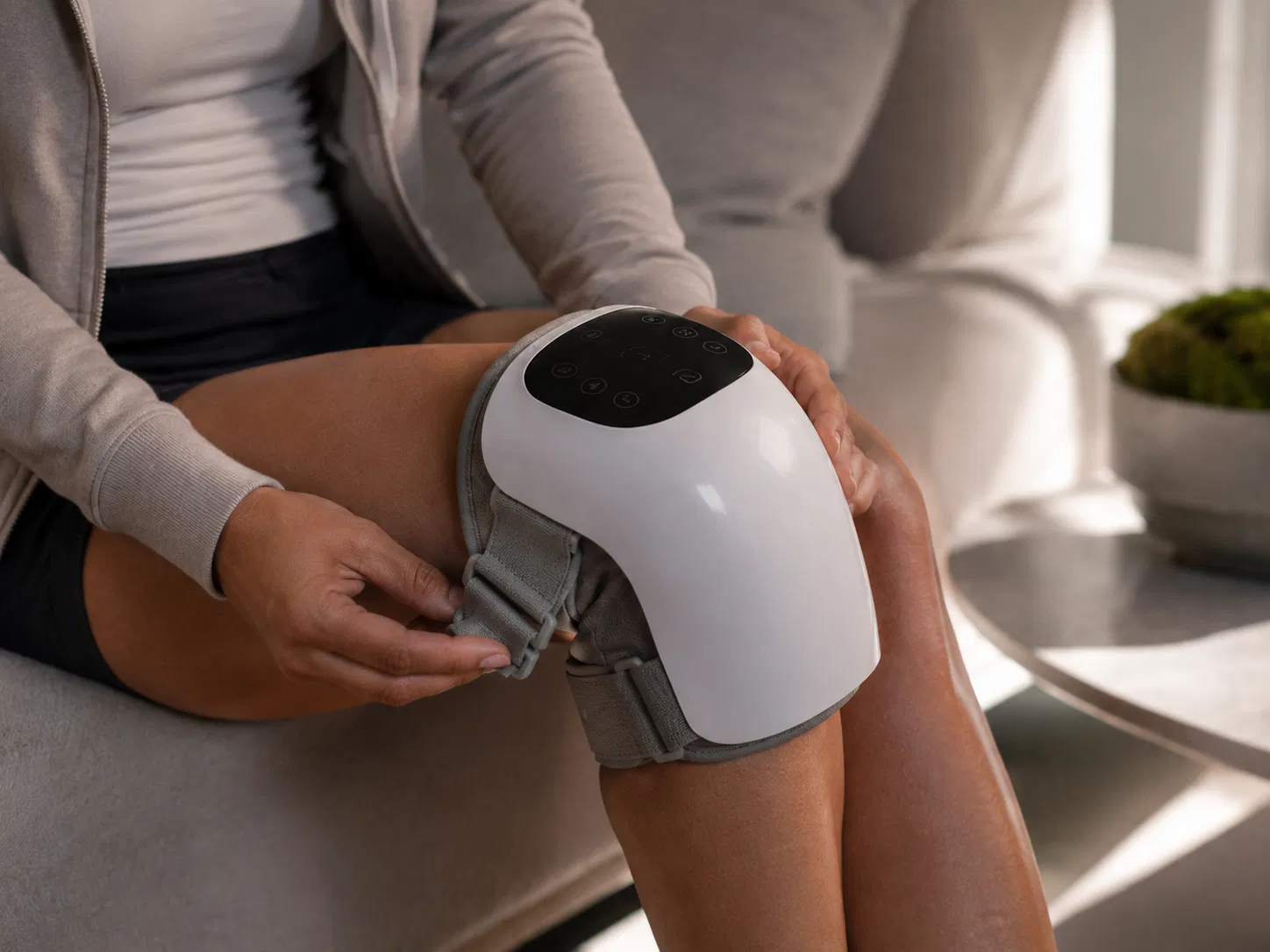
If you have ever winced while lowering yourself onto your knees, you know that the front of the knee can be surprisingly sensitive to pressure. Kneeling concentrates your body weight onto a relatively small area at the front of the knee joint, and the structures in that zone, including the kneecap, surrounding soft tissues, and a thin cushioning sac called the bursa, can all be affected by this direct loading.
Understanding why this happens is the first step toward making kneeling activities more comfortable. The good news is that most kneeling-related knee discomfort responds well to simple everyday adjustments.
Why Does My Knee Hurt When I Kneel?
When you kneel, several mechanical factors come together to create pressure on the front of the knee. Understanding these factors helps explain why even brief kneeling can sometimes feel uncomfortable.
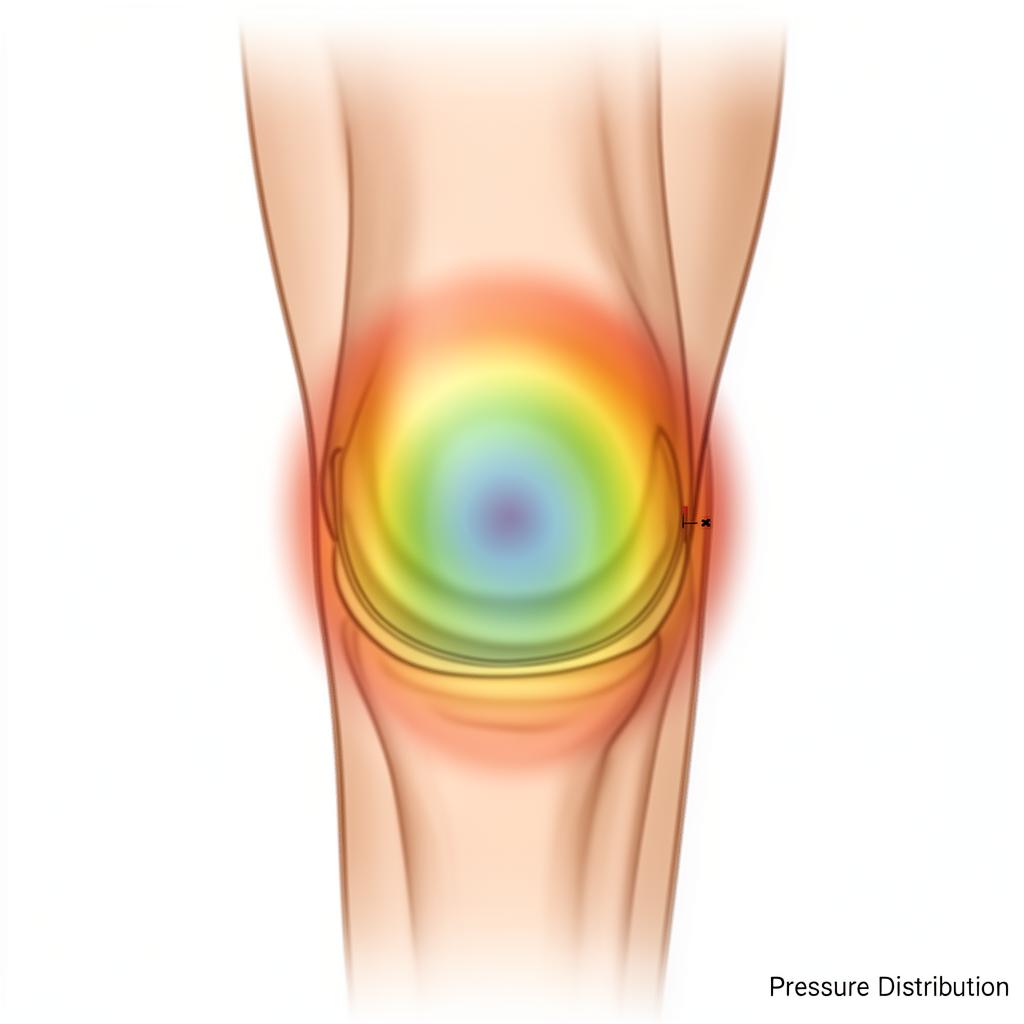
Pressure on the kneecap
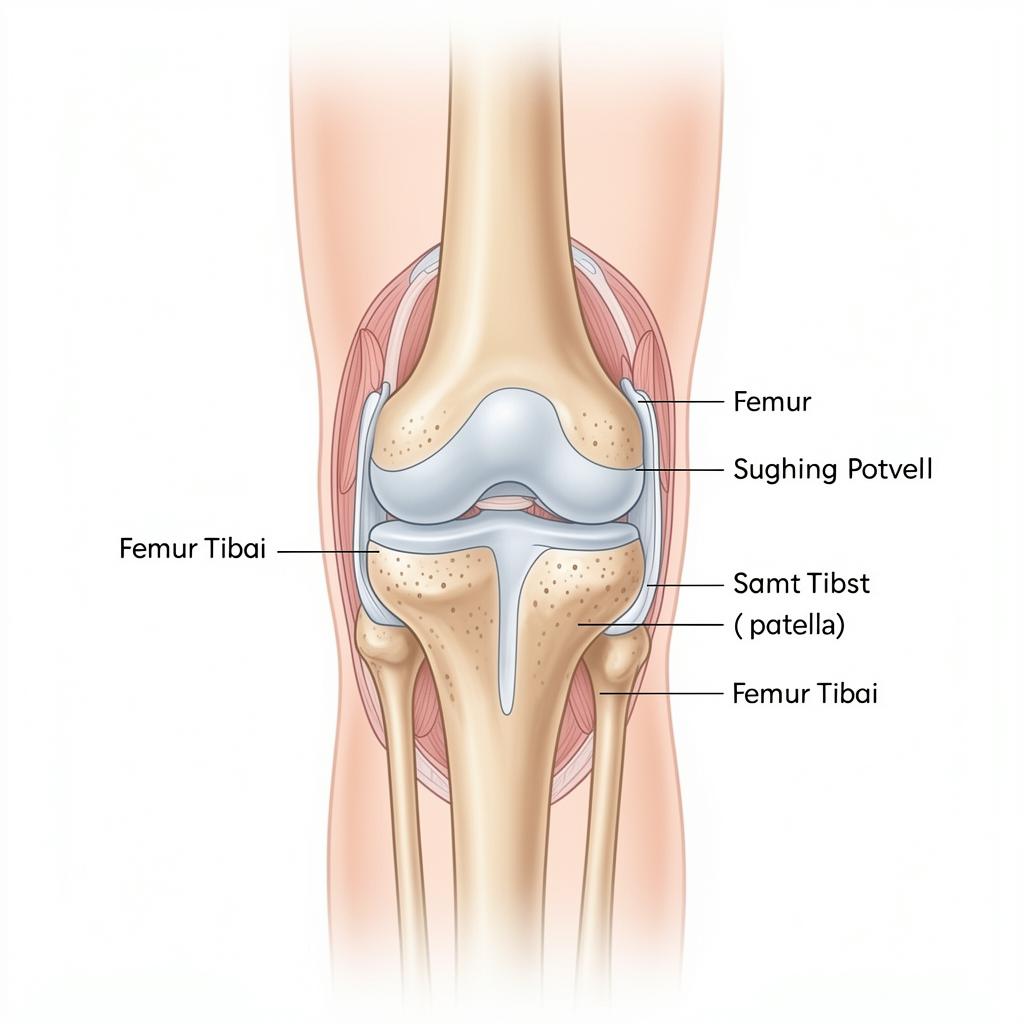
The kneecap (patella) sits at the very front of the knee joint. When you kneel, your body weight pushes the kneecap directly against both the floor surface below and the thigh bone (femur) behind it. This creates a compression effect that the kneecap and its surrounding tissues must absorb. On hard surfaces, this pressure can be significant even during short periods of kneeling.
Compression of soft tissues
Between the kneecap and the skin sits a small fluid-filled sac called the prepatellar bursa. Its job is to reduce friction and provide a thin layer of cushioning. When you kneel, this bursa and the surrounding soft tissues are compressed between your kneecap and the surface you are kneeling on. Over time or with repetitive kneeling, these tissues can become irritated. For more on this topic, our knee bursitis guide covers bursa irritation in detail.
Limited natural cushioning
Unlike areas of the body with thick muscle padding, the front of the knee has relatively little natural cushioning between the bone and the skin surface. This means that the kneecap is essentially resting on a hard surface with minimal shock absorption, which is why kneeling discomfort tends to be most noticeable at the very front of the knee.
Joint angle stress
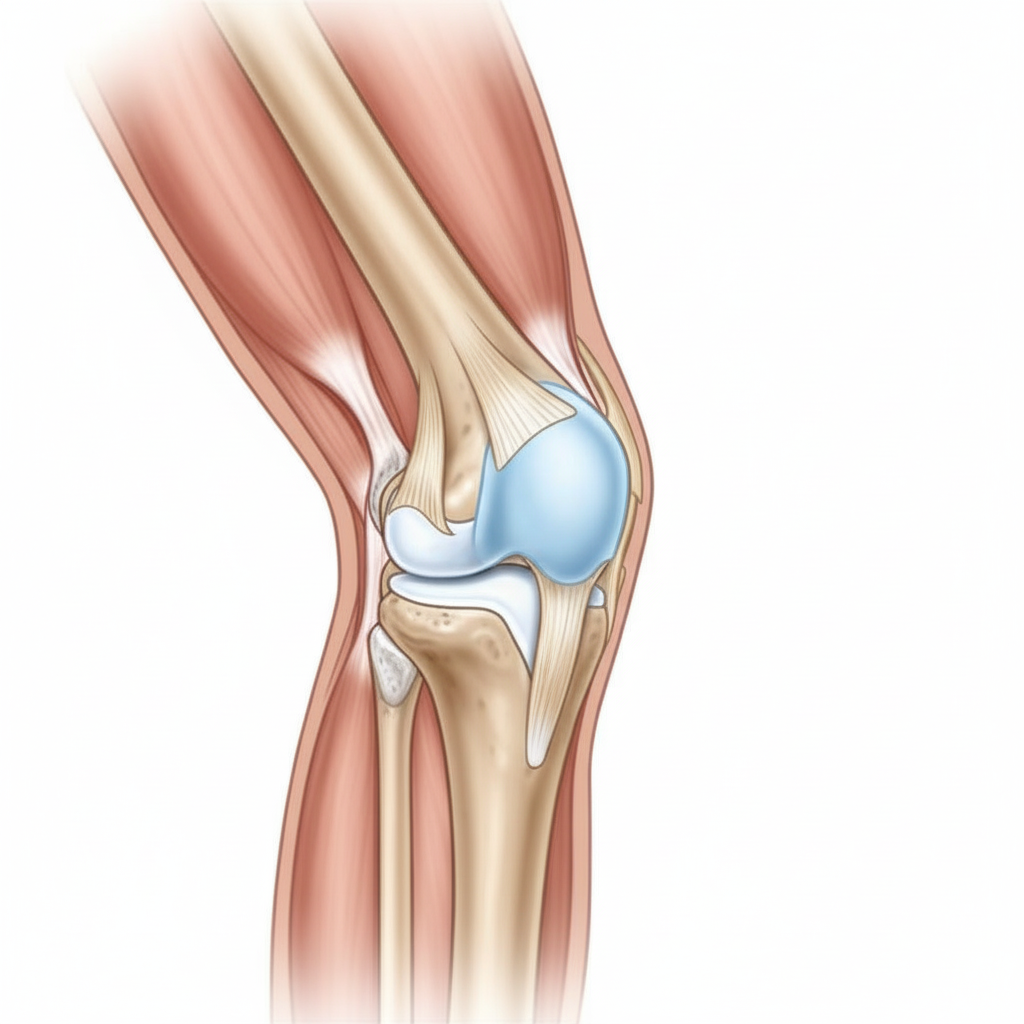
Kneeling usually places the knee in deep flexion. As the bend deepens, pressure around the kneecap and compression at the back of the joint can increase. This is one reason partial kneeling may feel different from sitting fully back on the heels. Our knee pain when squatting guide explains similar joint-angle considerations.
A Useful Pressure Check
Pain that begins only when the kneecap touches a hard surface points toward direct contact sensitivity. Pain that begins before contact, appears only at maximum bend, or continues during walking has a different pattern and should not automatically be blamed on the floor.
Common Everyday Reasons Knees Hurt When Kneeling
Kneeling discomfort is rarely caused by a single factor. Instead, it usually results from a combination of everyday circumstances that increase the pressure or duration of loading on the front of the knee.
- Prolonged kneeling: Staying in a kneeling position for more than a few minutes allows pressure to build up on the front knee tissues, reducing blood flow and increasing sensitivity
- Hard floor surfaces: Kneeling on tile, concrete, hardwood, or other rigid surfaces concentrates force on a smaller area of the knee, increasing the discomfort compared to softer surfaces
- Repetitive kneeling movements: Repeatedly going down to and rising from a kneeling position, as in gardening or cleaning, subjects the knee to cumulative loading that builds throughout the activity
- Pressure on front knee tissues: The skin, bursa, and patellar tendon at the front of the knee all absorb direct contact pressure during kneeling, and each can contribute to the overall sensation of discomfort
- Irritation of the knee bursa: The prepatellar bursa is particularly vulnerable during kneeling. When irritated, it can become tender, slightly swollen, or sensitive to touch even after you have stopped kneeling
Sharp, Front, or Back-of-Knee Pain When Kneeling
Kneeling-related knee discomfort can show up in several different ways. Recognizing these patterns can help you understand what your knees are responding to and guide your approach to daily comfort.
Sharp pain when the knee touches the floor is usually very localized. Mark the spot with one finger and check whether it sits directly over the kneecap, just below it, or on an old scar or prominent bump. Stop loading that point rather than repeatedly testing it on a hard surface.
Pain behind the knee after kneeling is linked more to the deep bend than to floor contact. If it appears with fullness, a lump, calf swelling, or difficulty straightening the leg, read the back-of-knee pain guide and arrange an assessment instead of forcing a deeper stretch.
- Pressure discomfort: A general sense of uncomfortable pressure at the front of the knee that begins as soon as you place your knee on a surface, especially a hard one
- Tenderness at the front of the knee: A more localized sensitivity directly over or around the kneecap area that may linger after you stand back up
- Stiffness after kneeling: A tight, stiff feeling in the knee when you first stand up and begin walking after kneeling for several minutes. This is related to reduced circulation and muscle inactivity during the kneeling period. Our knee tightness guide discusses similar stiffness patterns.
- Sensitivity when touching the kneecap area: Some people notice that the front of the knee feels tender to touch after extended kneeling, even hours later
Situations Where Kneeling Discomfort Often Appears
Certain everyday activities and occupations involve more kneeling than others, and people in these situations tend to notice front-of-knee sensitivity more frequently.
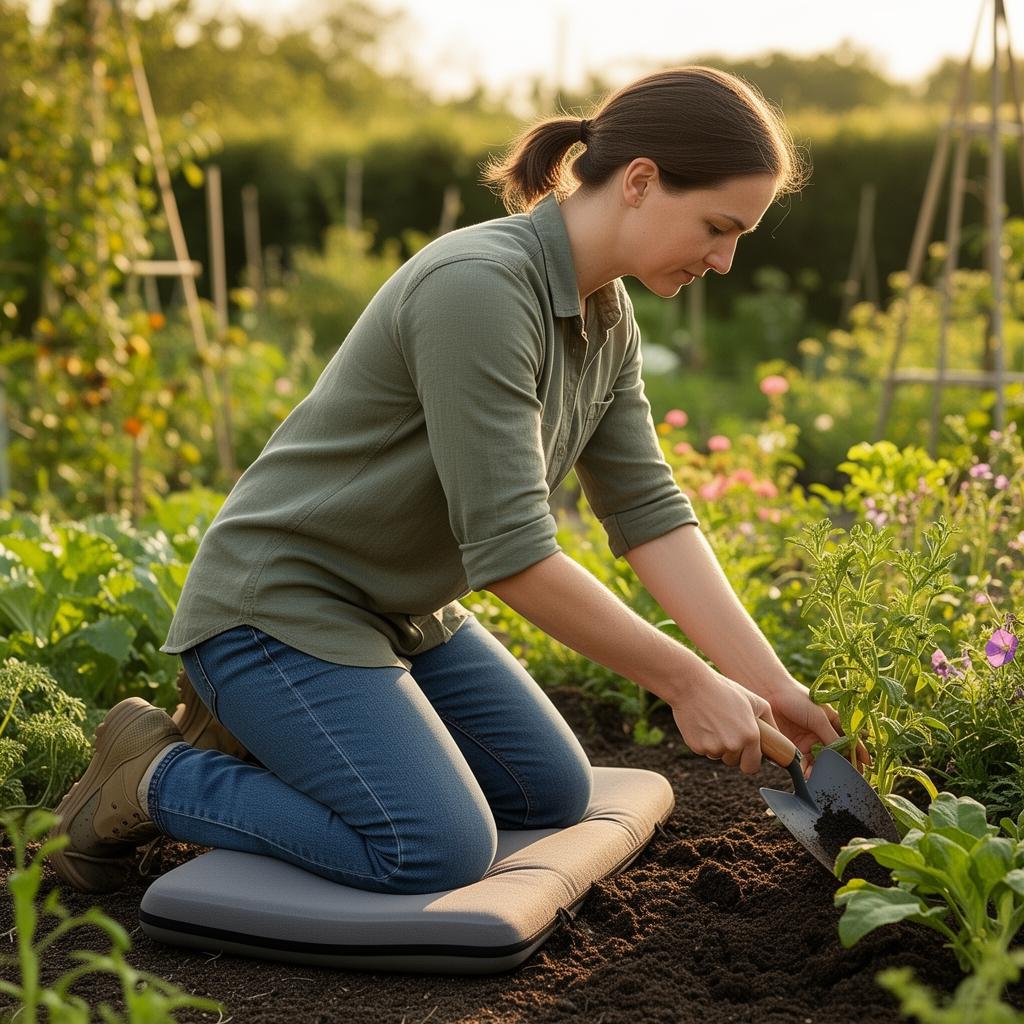
- Gardening: Planting, weeding, and ground-level garden work often require extended periods of kneeling on outdoor surfaces that may be uneven or hard
- Cleaning floors: Scrubbing, mopping on hands and knees, or organizing low shelves can involve repeated kneeling on tile or hardwood
- Construction and trade work: Flooring installation, plumbing, electrical work, and similar trades often require prolonged kneeling on hard surfaces throughout the workday
- Yoga poses involving kneeling: Positions such as camel pose, tabletop, and low lunges place direct pressure on the front of the knee against the yoga mat. Our knee pain during yoga guide explores these considerations in depth.
- Kneeling during exercise: Exercises like kneeling push-ups, lunges, and hip flexor stretches all involve knee-to-floor contact that can become uncomfortable over time
Simple Ways to Reduce Knee Discomfort When Kneeling
The most effective strategies for managing kneeling-related knee discomfort focus on reducing the pressure on the front of the knee and limiting the duration of sustained kneeling.
✓ Quick Tips
- •Use a thick kneeling pad, folded towel, or foam cushion under your knees whenever you kneel
- •Change position before pressure builds into sharp or lingering pain
- •Shift your weight between knees regularly rather than loading one side continuously
- •Alternate between kneeling, squatting, and sitting positions during ground-level activities
- •Strengthen your quadriceps and hip muscles to better support the knee during kneeling transitions
- •Avoid adding heat when the knee is newly swollen, red, or warmer than the other side
Using softer surfaces
One of the simplest and most effective changes you can make is to add cushioning between your knee and the surface. A thick kneeling pad, garden kneeler, folded blanket, or even a piece of closed-cell foam can dramatically reduce the pressure that reaches the kneecap and bursa. This single adjustment makes the biggest difference for most people.
Avoiding prolonged kneeling
Change position before discomfort builds rather than relying on one fixed time limit. A short standing or seated break reduces continuous pressure and lets you check whether tenderness settles before you return to the task.
Adjusting knee position
Slight changes in how you position your knee can shift the pressure zone. Leaning slightly forward, keeping one foot planted (half-kneeling), or rotating your position periodically distributes the load across different parts of the knee rather than concentrating it on one spot. For related joint position strategies, see our knee stiffness after resting guide.
Strengthening surrounding muscles
Strong quadriceps, hamstrings, and hip muscles help control how your knee moves into and out of kneeling positions. Better muscle control means smoother transitions and less sudden impact on the kneecap area. Our knee exercises guide provides a practical strengthening routine.
Daily Habits That Support Knee Comfort
Beyond the specific moments when you kneel, your overall daily habits play an important role in how your knees respond to kneeling activities.
- Balanced leg strength: Maintaining strength in all the muscle groups around the knee, including quadriceps, hamstrings, calves, and hip muscles, provides better overall joint support and shock absorption
- Avoiding excessive joint pressure: Being mindful of how often and how long you kneel throughout the day helps prevent cumulative tissue irritation. Spreading kneeling tasks across the day rather than doing them all at once can make a meaningful difference
- Maintaining mobility around the knee: Gentle daily stretching and movement through the knee's full range of motion keeps the joint flexible and the surrounding tissues resilient. Our knee pain location map shows how different zones of the knee connect to overall mobility.
- Gradual increase in activity: If you are starting a new activity that involves kneeling, such as gardening season or a home renovation project, building up gradually gives your knee tissues time to adapt to the new demands
The Importance of Consistency
Supporting your knee comfort is more about consistent daily habits than occasional intensive care. A few minutes of gentle stretching each morning, regular muscle strengthening two to three times per week, and mindful use of cushioning during kneeling activities create a strong foundation for long-term knee comfort.
When Knee Discomfort While Kneeling Should Be Evaluated
While most kneeling-related knee discomfort is manageable with everyday adjustments, there are situations where professional guidance is valuable. Consider consulting a healthcare provider if you notice any of the following patterns:
- Persistent swelling: Visible swelling at the front of the knee that does not resolve within a few days, or that returns repeatedly after kneeling activities
- Increased sensitivity: Front-of-knee tenderness that worsens over time rather than improving, or that becomes noticeable even without kneeling
- Difficulty bending or straightening the knee: If your knee feels "stuck," locked, or unable to move through its normal range of motion after kneeling, this warrants closer evaluation
- Warmth or redness: Noticeable heat or color changes around the kneecap area that appear alongside discomfort
If pressure is most painful on a hard, longstanding bump below the kneecap rather than over the kneecap itself, compare the pattern with Osgood-Schlatter symptoms in adults. A residual tibial tubercle prominence or ossicle can make direct kneeling unusually sensitive.
A healthcare professional can help identify specific contributing factors and recommend targeted approaches that complement your daily comfort strategies.
Frequently Asked Questions
Why does my knee hurt when kneeling?
Kneeling places concentrated pressure on the front of the knee, compressing the kneecap and surrounding soft tissues against the surface below. This direct pressure, especially on hard floors, can irritate the thin cushioning structures in front of the knee and create discomfort that ranges from mild tenderness to more noticeable sensitivity.
What causes sharp knee pain when kneeling?
A sharp, pinpoint pain may come from direct pressure on a sensitive bursa, tendon, skin area, or a prominent spot around the kneecap. Pain that persists away from kneeling, follows an injury, or appears with swelling, locking, or instability should be assessed.
Does kneeling put pressure on the kneecap?
Yes, when you kneel, your body weight is transferred directly through the kneecap and the tissues surrounding it. The kneecap presses against the femur bone behind it while the front surface bears the load against the floor, creating a compression effect on both sides of the kneecap.
Can kneeling cause knee bursitis?
Frequent or prolonged kneeling can contribute to irritation of the prepatellar bursa, the small fluid-filled sac that sits in front of the kneecap. This is sometimes called 'housemaid's knee' and is associated with occupations or activities that involve repeated kneeling on hard surfaces.
Why does the front of my knee hurt when kneeling?
The front of the knee is where the kneecap, prepatellar bursa, and patellar tendon are located. When you kneel, these structures bear the most direct pressure. If the surface is hard or the kneeling duration is long, the tissues can become irritated, leading to front-of-knee tenderness and discomfort.
Why does the back of my knee hurt after kneeling?
Deep knee bending can compress tissues at the back of the joint. Note whether the pain appears only at maximum bend or continues after standing, and check for a lump, swelling, calf symptoms, or difficulty straightening the knee. Those accompanying signs warrant assessment.
How can I reduce knee pain while kneeling?
Use a soft kneeling pad or cushion, change position before pain builds, and avoid repeatedly loading one tender spot. If the knee is not newly swollen, red, or unusually hot, gentle comfort measures may be reasonable after the activity. Persistent pain needs assessment rather than more pressure.
Does kneeling damage the knee joint?
Occasional kneeling on reasonable surfaces is a normal part of daily movement and is unlikely to cause lasting joint damage. However, prolonged or repetitive kneeling on hard surfaces without cushioning can contribute to ongoing tissue irritation. Using proper support and taking breaks helps protect the knee during kneeling activities.
When should knee pain from kneeling be checked?
If your knee pain from kneeling persists even when you are not kneeling, is accompanied by visible swelling, warmth, or redness, or makes it difficult to bend or straighten the knee fully, it is worth consulting a healthcare professional for a closer evaluation.