If you have noticed swelling at the front of your knee or tenderness when kneeling, you may be experiencing knee bursitis. The knee contains several small fluid-filled sacs called bursae that play an important role in reducing friction between bones, tendons, and muscles during everyday movement. When these structures become irritated, it can lead to noticeable swelling and discomfort that affects daily activities.
Understanding what is knee bursitis, why it happens, and what you can do about it at home is the first step toward supporting your knee comfort. This guide covers everything from the anatomy of knee bursae to practical strategies that may help you feel more comfortable in your daily life.
What the Knee Bursa Does
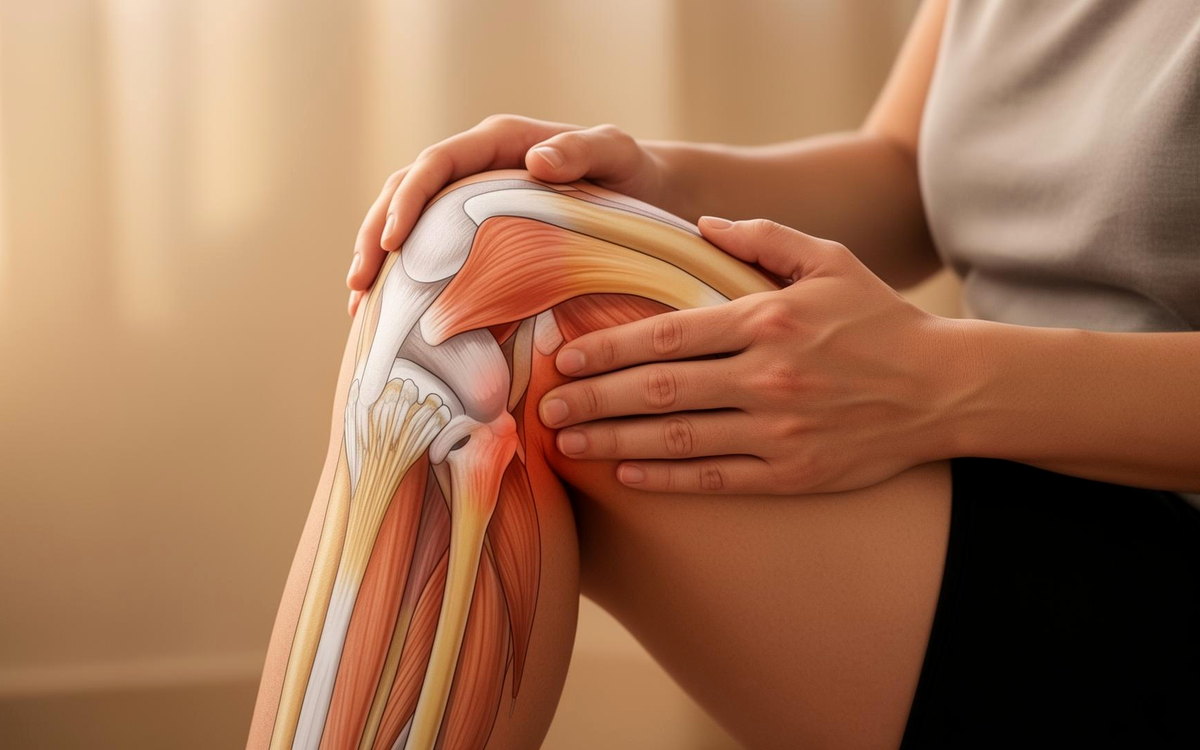
A bursa is a small, thin sac filled with lubricating fluid. The knee contains more than 11 bursae positioned at key points around the joint. Their primary function is to reduce friction and cushion the areas where bones, tendons, muscles, and skin move against each other during knee bending, walking, and other daily movements.
Think of each bursa as a tiny water balloon placed between moving surfaces. Without these cushions, the constant movement of the knee joint would create significant friction between the hard bones and the soft tissues that surround them. The bursae allow smooth, comfortable movement throughout the day.
Where Bursae Are Located in the Knee
The most important bursae in the knee include the prepatellar bursa (directly in front of the kneecap), the infrapatellar bursa (just below the kneecap), the suprapatellar bursa (above the kneecap), and the pes anserine bursa (on the inner side of the knee, below the joint line). Each of these is positioned at a point where friction or pressure is most likely to occur during normal movement.
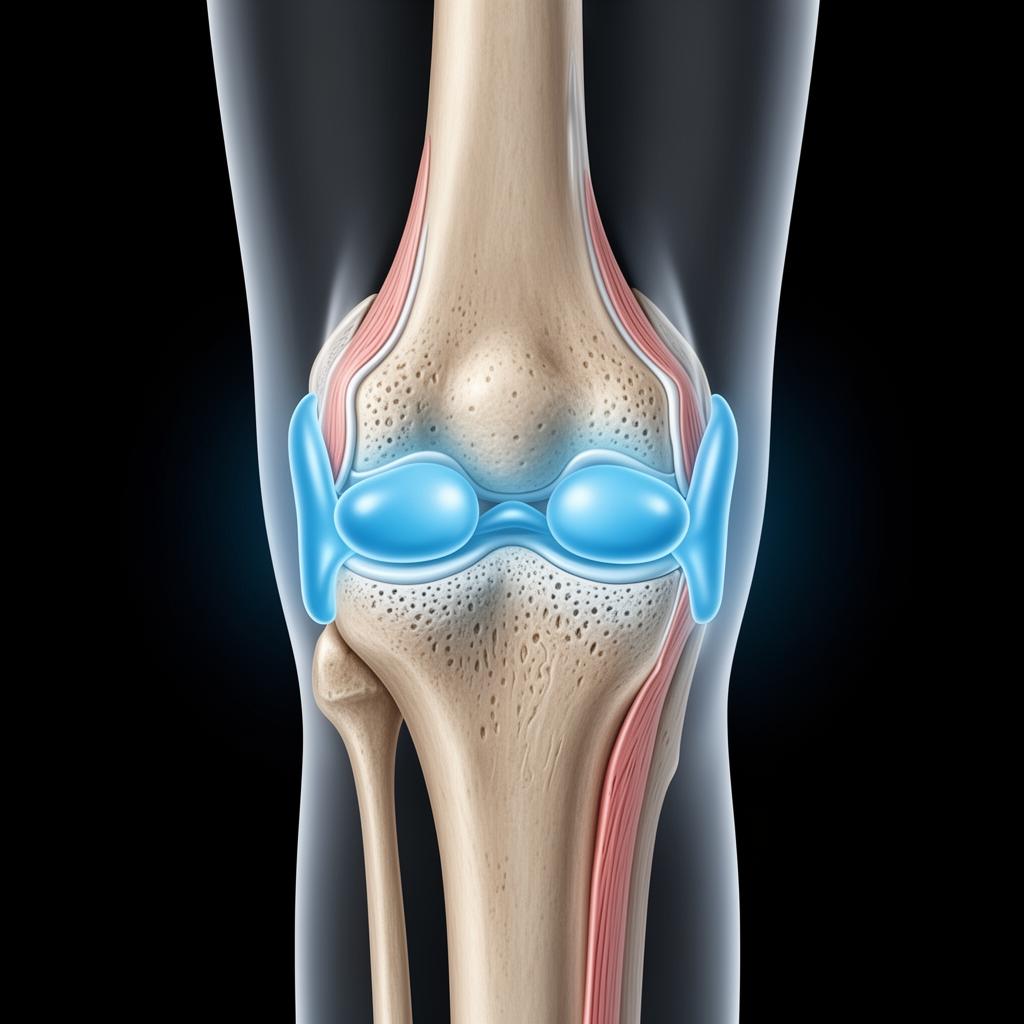
Bursae are positioned at key friction points throughout the knee joint to provide cushioning and smooth movement.
Types of Knee Bursitis
Bursitis in the knee can affect different bursae depending on which area is under the most stress. Understanding the type can help you identify what may be contributing to your discomfort.
Prepatellar Bursitis (Front of the Knee)
Prepatellar bursitis knee irritation is the most common form. The prepatellar bursa sits directly in front of the kneecap, and it becomes irritated when there is repeated or prolonged pressure on the front of the knee. This is why prepatellar bursitis is sometimes called "housemaid's knee" or "carpet layer's knee," as it commonly affects people who spend time kneeling on hard surfaces.
Infrapatellar Bursitis
The infrapatellar bursa is located just below the kneecap, near where the patellar tendon attaches. This type of bursitis may develop from repeated jumping, squatting, or kneeling activities that place stress on the area just below the kneecap.
Pes Anserine Bursitis
The pes anserine bursa is located on the inner (medial) side of the knee, a few inches below the joint line. This type of bursitis is more common in runners, people with tight hamstrings, and those who carry extra body weight. It can create tenderness on the inner knee that is sometimes confused with other forms of inner knee discomfort. If you experience inner knee sensations, our guide on knee pain locations may help you understand the patterns better.
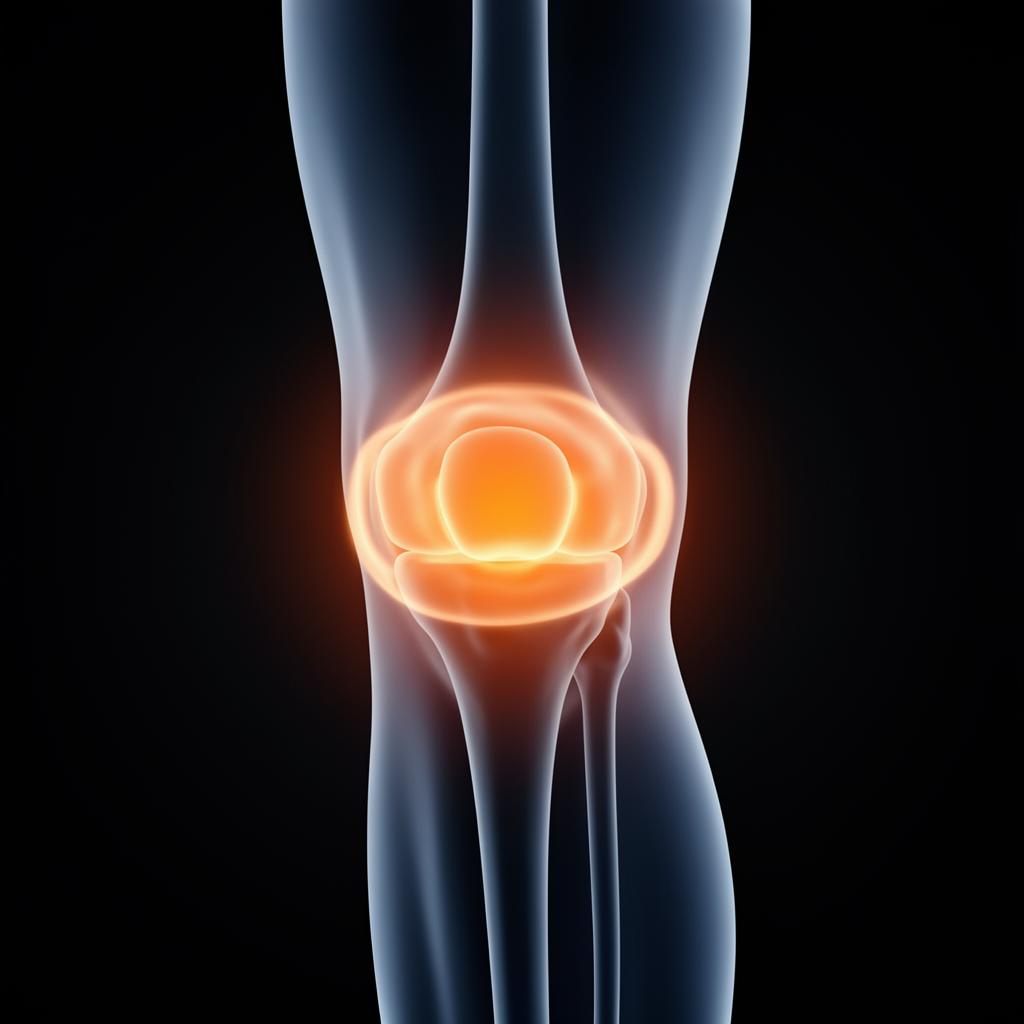
Prepatellar bursitis affects the bursa directly in front of the kneecap, often caused by repeated kneeling.
Common Causes of Knee Bursitis
Understanding knee bursitis causes can help you identify which habits or activities may be contributing to bursa irritation. The most common triggers include:
- Repeated kneeling: Spending extended time on your knees places direct pressure on the prepatellar bursa. This is the single most common cause of front-of-knee bursitis.
- Prolonged pressure on the knee: Any sustained pressure on specific areas of the knee can irritate the underlying bursa, even without kneeling.
- Overuse during physical activity: Repetitive knee bending from running, cycling, or squatting can gradually irritate bursae through cumulative friction.
- Minor tissue irritation: Even small bumps or minor impacts to the knee area can trigger bursa irritation in some individuals.
- Muscle tightness or imbalance: Tight hamstrings or quadriceps can alter how forces are distributed around the knee, potentially increasing friction on certain bursae.
People who experience discomfort during activities like squatting or climbing stairs may find that bursa irritation is a contributing factor.
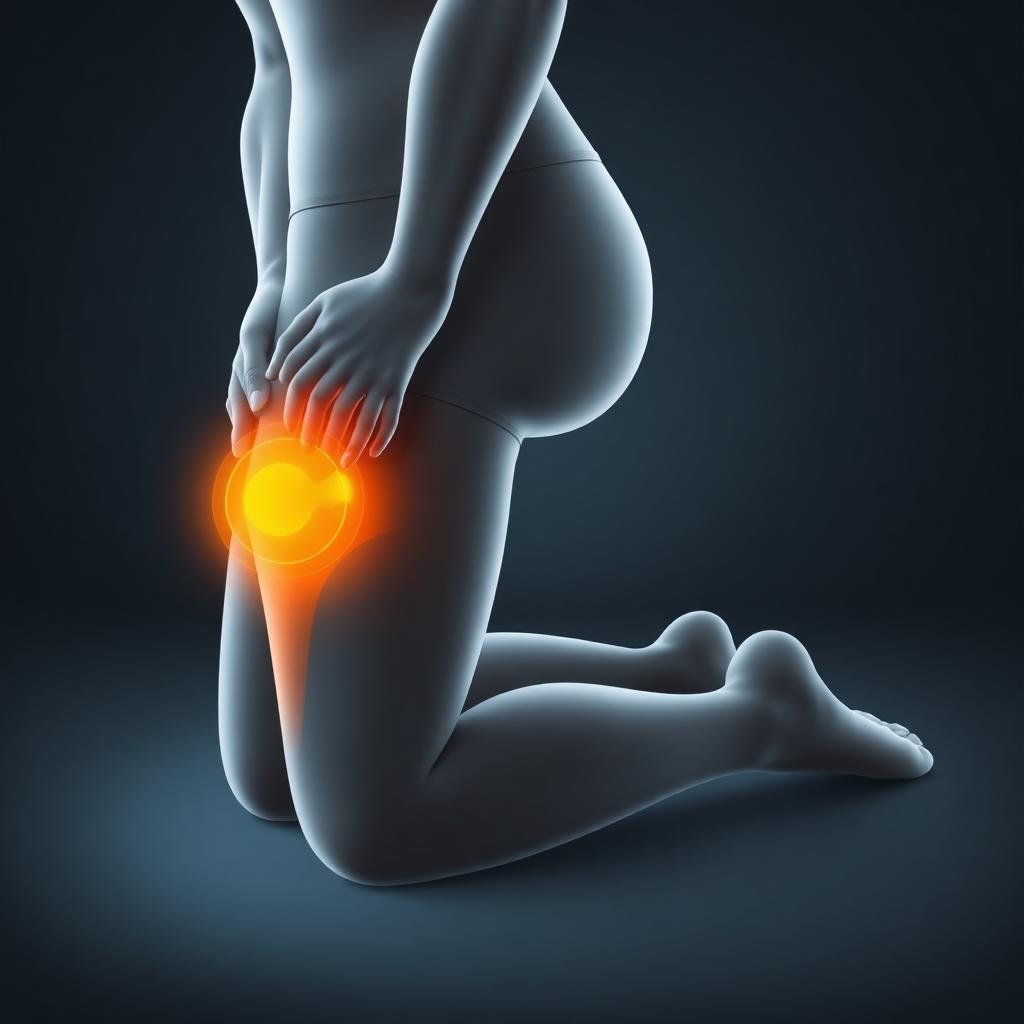
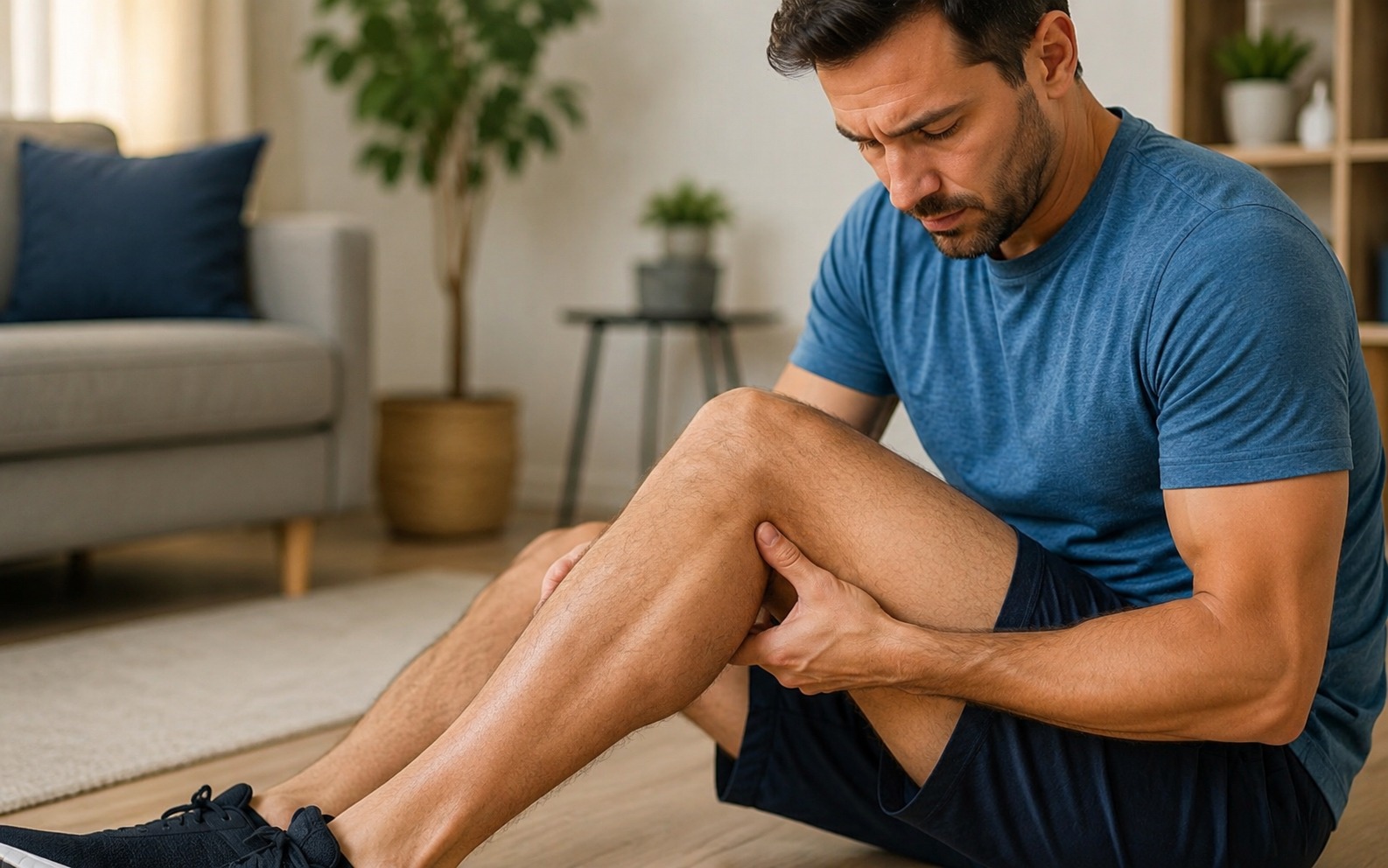
Repeated kneeling on hard surfaces is the most common trigger for prepatellar bursitis.
Typical Sensations People Notice
Knee bursitis symptoms can vary depending on which bursa is affected and the degree of irritation. Common sensations that people report include:
- Swelling at the front or side of the knee: A swollen knee bursitis presentation often shows as a localized puffy area over the affected bursa, rather than general knee joint swelling.
- Tenderness when touching the area: The skin over the irritated bursa may feel sensitive or tender to pressure.
- Warmth around the joint: The affected area may feel warmer than the surrounding skin, indicating knee inflammation in that region.
- Stiffness during movement: Bending or fully straightening the knee may feel uncomfortable, particularly first thing in the morning or after prolonged sitting.
- Discomfort when kneeling: Direct pressure on the affected area typically increases discomfort.
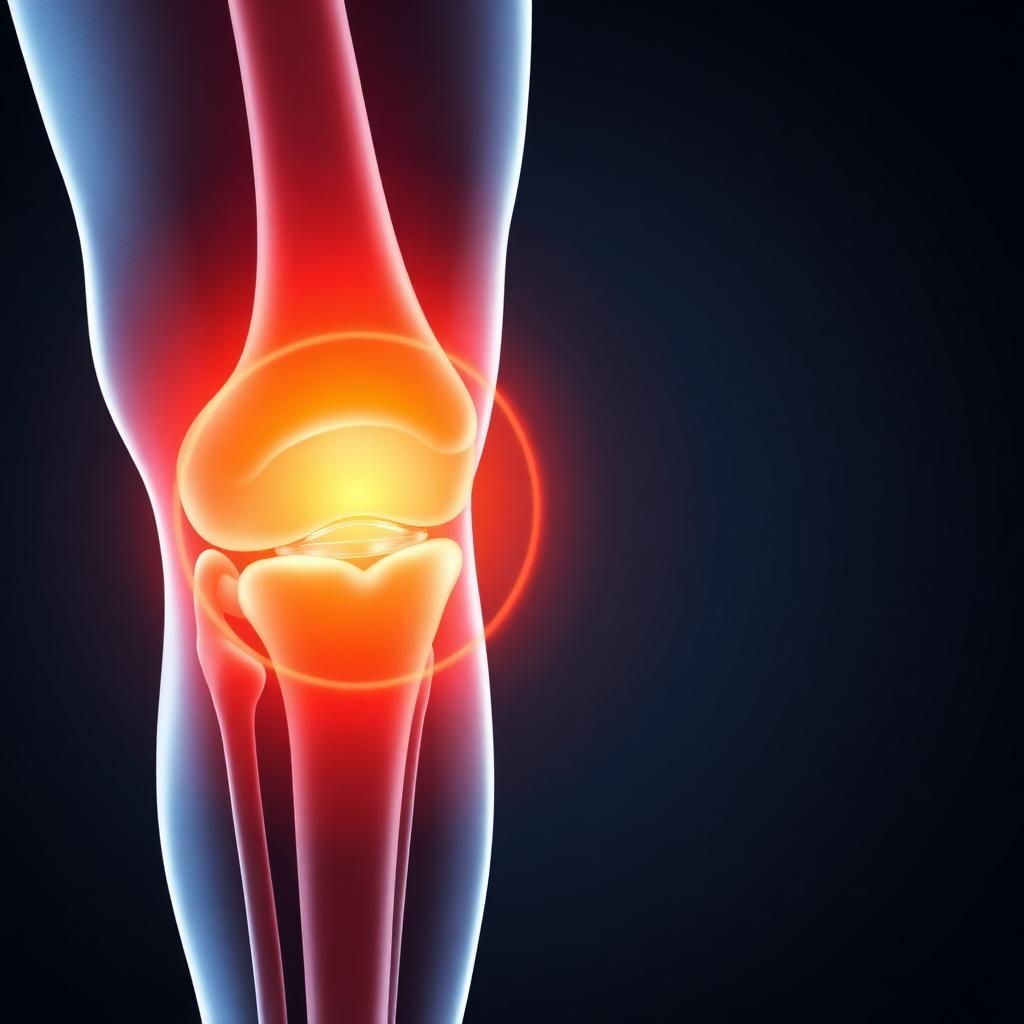
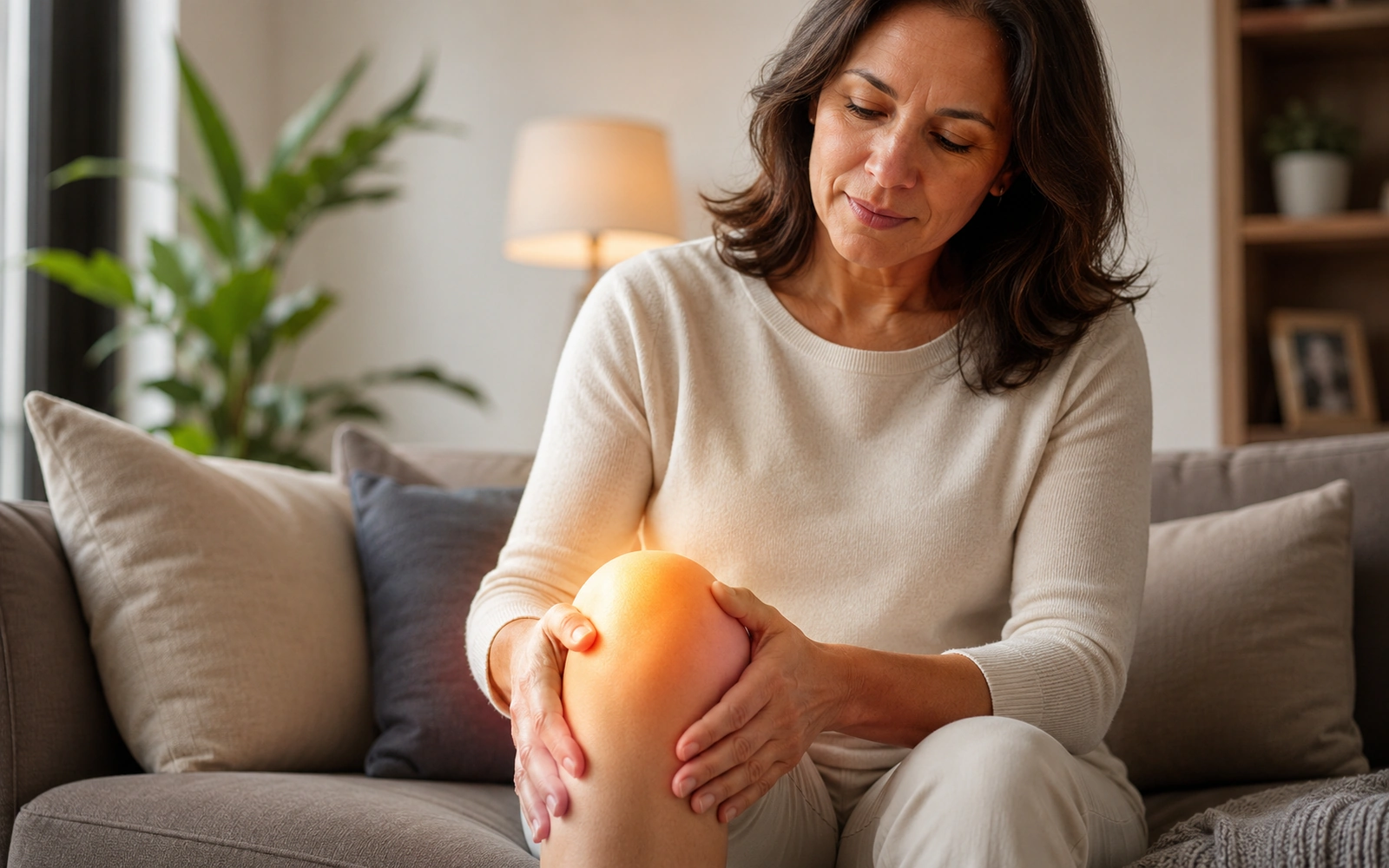
Swelling from knee bursitis is typically localized to the area directly over the irritated bursa.
Important Distinction
Knee bursitis swelling is typically localized to a specific area of the knee rather than the entire joint. If your entire knee is significantly swollen, warm, or red, or if you have difficulty bearing weight, it is important to consult a healthcare professional for proper evaluation.
Activities That May Increase Irritation
Certain everyday activities can place extra stress on the knee bursae. Being aware of these can help you modify your routine to reduce unnecessary knee pressure irritation:
- Kneeling for long periods: Gardening, scrubbing floors, or working on the ground without knee protection
- Gardening and yard work: Frequent bending, kneeling, and squatting during garden maintenance
- Floor work and home projects: Installing flooring, painting baseboards, or organizing low shelves
- Sports with repeated knee bending: Running, cycling, basketball, and volleyball can all contribute to cumulative bursa friction
- Prolonged sitting with knees bent: Extended periods with the knee in a flexed position can irritate the pes anserine bursa
- Stair climbing: Repeated stair use places cyclical stress on the knee joint structures
If you notice that your knee discomfort increases after specific activities, our guide on knee discomfort after exercise offers additional context on post-activity patterns.
40+ Everyday Strategies That May Support Knee Comfort
Managing knee bursitis discomfort often comes down to consistent daily habits rather than a single solution. Here are over 40 practical strategies organized by category that may help support your knee comfort and mobility.
Movement Strategies
✓ Quick Tips
- •Alternate between sitting and standing throughout the day to reduce sustained knee pressure
- •Take short walking breaks every 30 minutes if you have been sitting
- •Use gentle range-of-motion exercises each morning to warm up the knee
- •Practice slow, controlled knee bends to maintain flexibility without forcing the joint
- •Walk on flat, even surfaces when possible to reduce joint stress
- •Try low-impact activities like swimming or water walking for movement without pressure
- •Avoid deep squats or lunges until irritation subsides
- •Use a gradual warm-up before any physical activity
Daily Habit Adjustments
✓ Quick Tips
- •Use a cushioned knee pad when kneeling is necessary
- •Avoid prolonged kneeling. Take breaks every few minutes to stand and stretch
- •Modify gardening with a raised bed or garden stool to reduce kneeling
- •Choose supportive footwear with good cushioning for everyday wear
- •Avoid sitting on very low chairs or surfaces that require deep knee bending
- •Use a step stool instead of kneeling to reach low items
- •When resting, avoid positions that place pressure directly on the affected area
- •Maintain a consistent sleep schedule to support overall recovery
Muscle Support Exercises
✓ Quick Tips
- •Strengthen the quadriceps with gentle wall sits or seated leg extensions
- •Build hamstring strength with gentle hamstring curls or bridges
- •Practice calf raises to support lower leg stability
- •Work on hip abductor strength to improve overall leg alignment
- •Include gentle stretching for the IT band and outer thigh
- •Practice balance exercises to improve joint proprioception
- •Focus on gradual progression rather than intensity
- •Pair strengthening with gentle warmth support before or after sessions
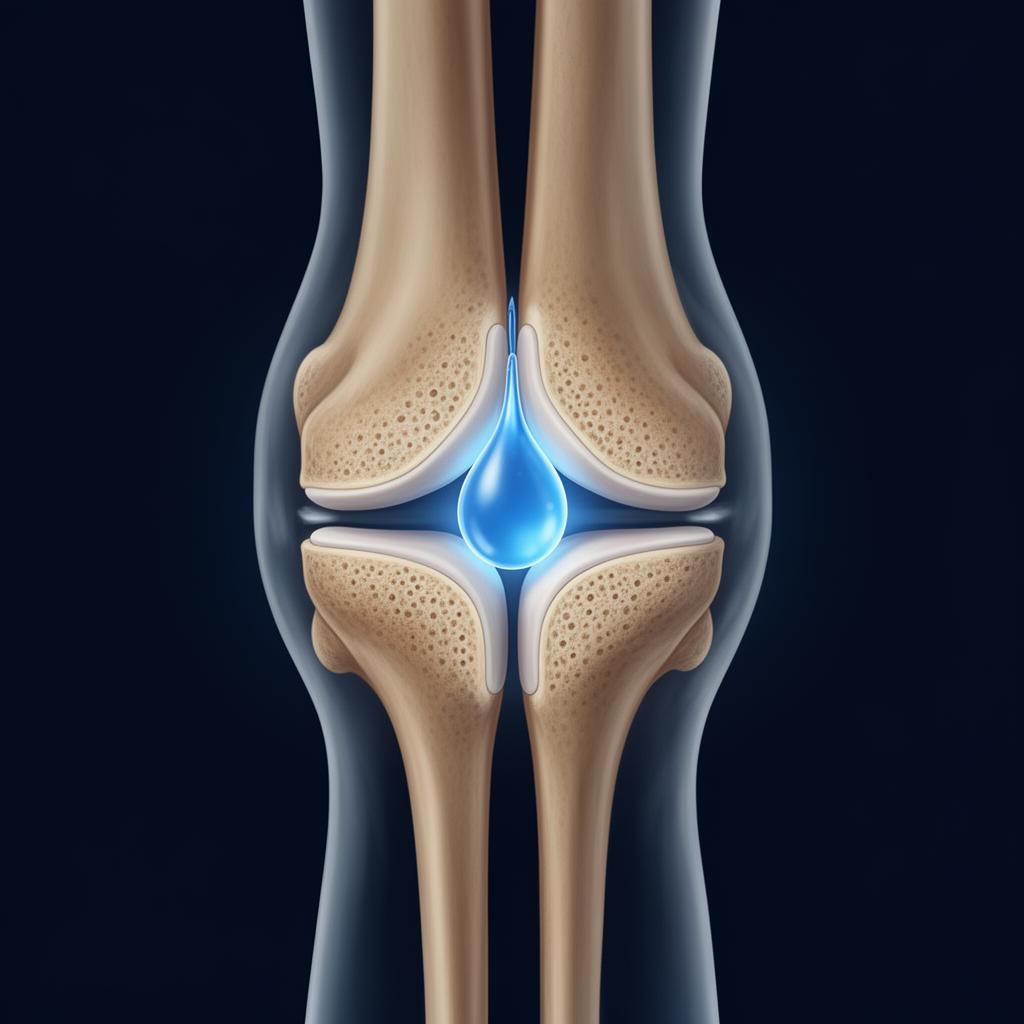
Bursae act as fluid cushions between bone and soft tissue, reducing friction during every knee movement. People with bursitis often notice increased discomfort when going down stairs or after exercise sessions.
Joint-Friendly Activity Choices
✓ Quick Tips
- •Choose swimming or pool walking over high-impact activities during recovery
- •Opt for cycling on a stationary bike with proper seat height
- •Try gentle yoga or tai chi with modifications for knee sensitivity
- •Walk on grass or soft trails rather than concrete when possible
- •Use an elliptical machine as a low-impact cardio alternative
- •Avoid jumping exercises until knee comfort improves
- •Consider chair-based exercises if standing is uncomfortable
- •Gradually return to regular activities rather than all at once
Recovery Habits
✓ Quick Tips
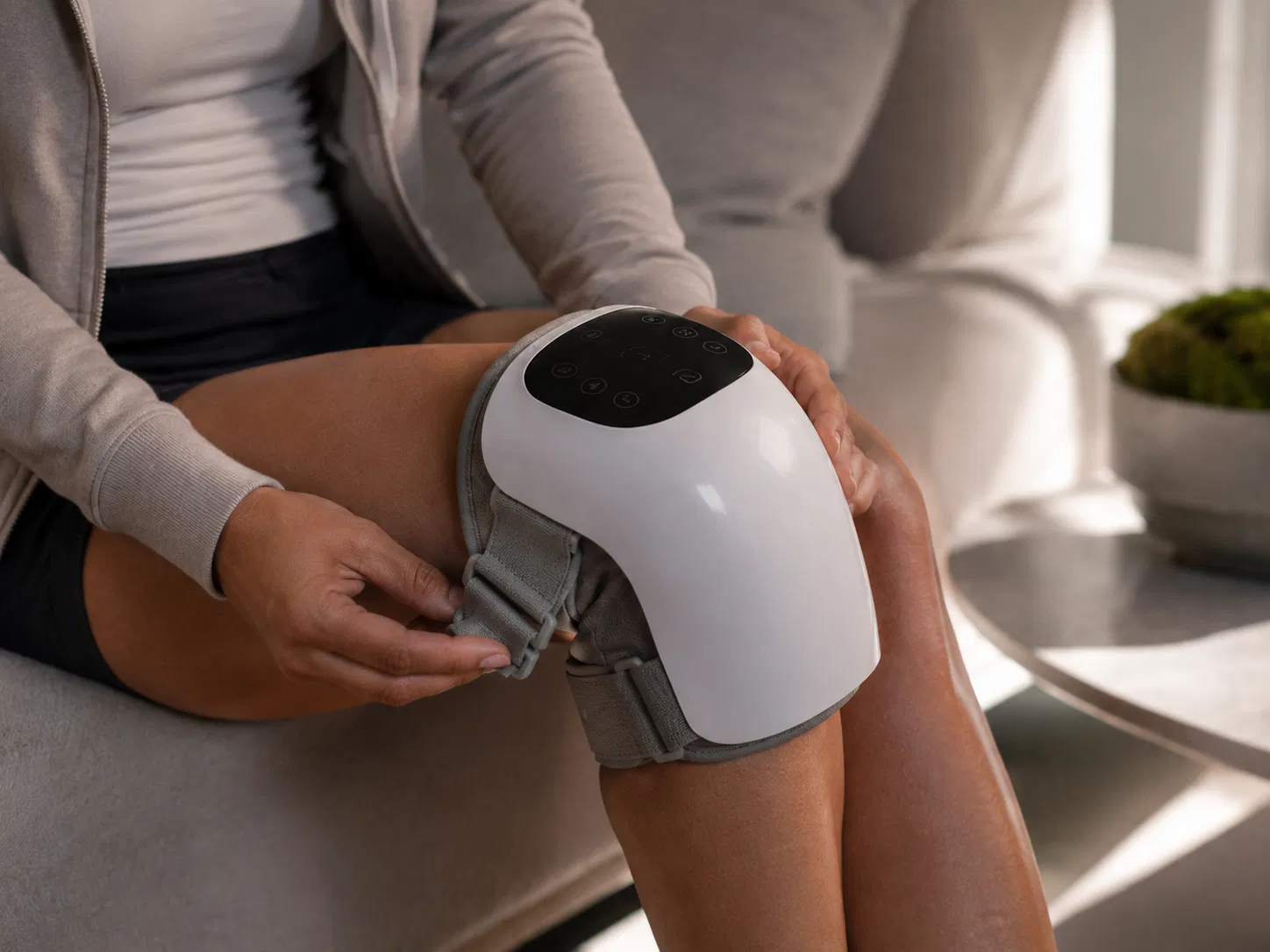
- •Apply gentle warmth to the knee area for 15 to 20 minutes to support comfort
- •Elevate the leg when resting to help reduce any swelling
- •Practice gentle compression with a soft wrap if it feels supportive
- •Allow adequate rest between activities that stress the knee
- •Stay hydrated throughout the day to support tissue health
- •Prioritize quality sleep as part of your recovery routine
- •Be patient with the recovery timeline and avoid rushing back to irritating activities
- •Track your comfort levels to identify which strategies work best for you
- •Consider a daily warmth routine to support ongoing knee comfort
People who experience general knee tightness without significant discomfort often find that the movement and stretching strategies above are particularly helpful for maintaining daily comfort.
Daily Habits That Help Protect Knee Joints
Beyond managing current discomfort, building protective daily habits can help reduce the likelihood of future bursa irritation:
- Maintaining balanced leg strength: When the muscles surrounding the knee are strong and balanced, forces are distributed more evenly across the joint, reducing stress on individual bursae.
- Avoiding prolonged pressure on the knee: Whether it is kneeling, sitting with legs crossed, or resting with direct pressure on the knee, being mindful of sustained pressure helps protect the bursae.
- Gradual increase in activity: Sudden increases in physical activity can overwhelm the knee structures. Gradual progression allows the bursae and surrounding tissues to adapt.
- Supportive movement patterns: Using proper form during exercises, maintaining good posture while standing, and being mindful of knee alignment during daily activities all contribute to reduced bursa stress.
For more on building a sustainable comfort routine, our guide on knee stiffness after resting provides practical daily habit suggestions that complement bursitis management strategies.
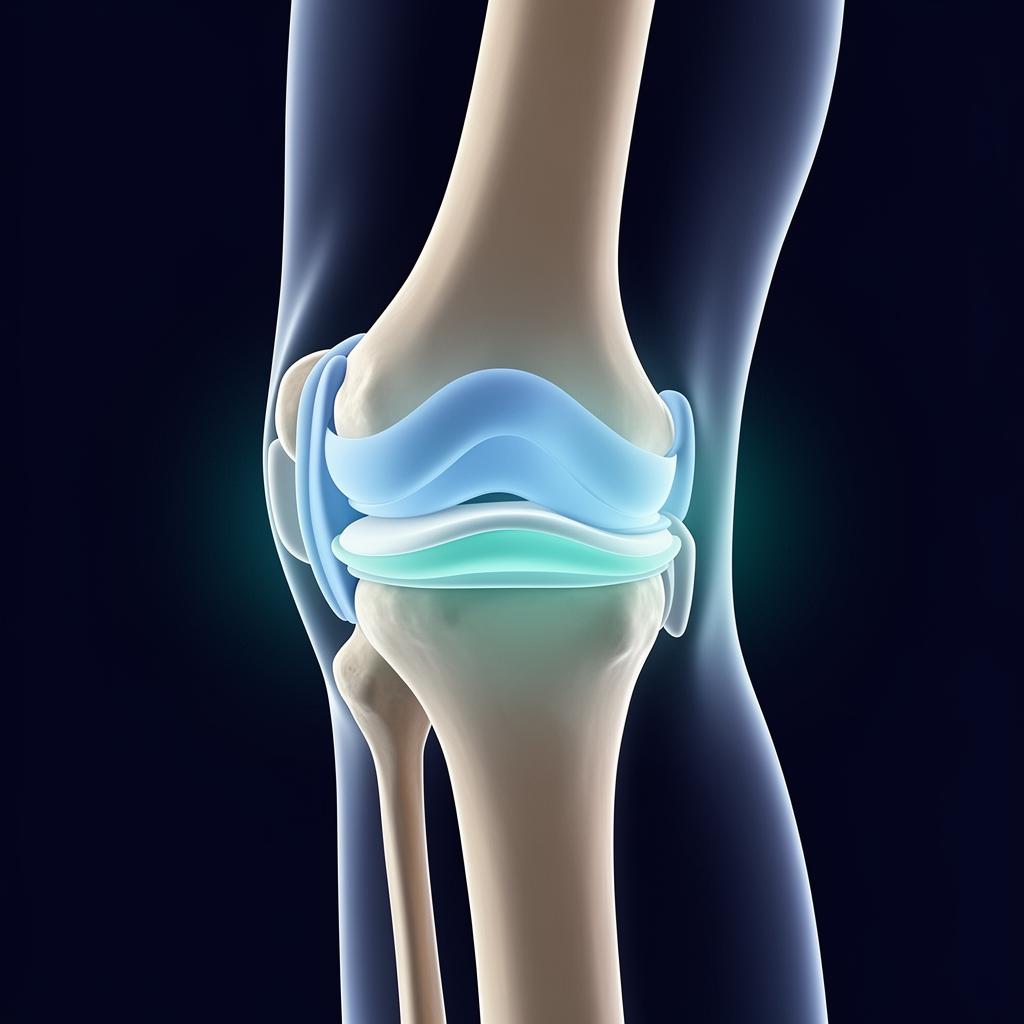
Healthy bursae provide essential cushioning that protects the knee joint during everyday movement.
When Knee Swelling Should Be Evaluated
While mild knee bursitis often responds well to rest and activity modification, there are situations where professional evaluation is important. Consider consulting a healthcare professional if you notice:
- Persistent swelling that does not improve with rest and activity modification over several weeks
- Significant warmth or redness around the knee that seems to be increasing
- Difficulty moving the knee through its normal range of motion
- Fever or general feeling of being unwell alongside knee swelling
- Sudden onset of severe swelling following an injury or impact
- Spreading redness or red streaks around the knee area
These signs may indicate that the irritation requires professional attention beyond home comfort strategies. Our guide on sudden knee discomfort discusses when professional evaluation is particularly important.
Related Guides
- Knee Pain When Squatting: Causes and Comfort Strategies
- Knee Pain When Climbing Stairs
- Knee Tightness Without Pain: What It Means
- Knee Stiffness After Resting
- Knee Pain After Exercise
- Knee Pain Locations Visual Guide
- Sudden Knee Pain Guide
- Plica Syndrome Knee Pain
- Pes Anserine Bursitis: Pain Below the Inner Knee
- Knee Pads and Task Changes for Kneeling
Frequently Asked Questions
What is knee bursitis?
Knee bursitis is a condition where one or more of the small fluid-filled sacs (bursae) around the knee joint become irritated or inflamed. Bursae normally act as cushions that reduce friction between bones, tendons, and muscles during movement. When they become irritated, it can lead to swelling, tenderness, and discomfort around the knee.
Where does knee bursitis occur?
Knee bursitis can occur in several locations around the knee. The most common is prepatellar bursitis, which affects the bursa at the front of the kneecap. Infrapatellar bursitis occurs just below the kneecap, and pes anserine bursitis affects the inner side of the knee below the joint line. Each location may produce slightly different patterns of discomfort.
What causes bursitis in the knee?
Common causes include repeated kneeling on hard surfaces, prolonged pressure on the knee, overuse during physical activities, and minor irritation from repetitive movements. Certain occupations that involve frequent kneeling, such as flooring installation or gardening, may increase the likelihood of bursa irritation.
Can kneeling cause knee bursitis?
Yes, frequent or prolonged kneeling is one of the most common triggers for knee bursitis, particularly prepatellar bursitis. The direct pressure on the front of the knee can irritate the bursa over time. Using knee pads and taking regular breaks can help reduce this risk.
Does knee bursitis cause swelling?
Swelling is one of the most recognizable signs of knee bursitis. The affected bursa may fill with extra fluid, creating a visible puffy or swollen area around the knee. The swelling is typically localized to the area directly over the irritated bursa rather than the entire knee joint.
How long does knee bursitis discomfort last?
The duration varies depending on the cause and severity of irritation. Mild cases may improve within a few weeks with rest and activity modification. More persistent cases may take several weeks to months. Reducing the activities that caused the irritation and supporting the knee with gentle comfort strategies can help the recovery timeline.
What activities irritate knee bursitis?
Activities that involve repeated kneeling, squatting, or direct pressure on the knee can irritate bursitis. Common examples include gardening, floor work, certain sports, stair climbing, and prolonged sitting with the knee bent. Modifying these activities or taking frequent breaks may help reduce irritation.
When should knee swelling be checked?
You should consult a healthcare professional if knee swelling is persistent, increasing over time, accompanied by significant warmth or redness, or if you have difficulty bending or straightening the knee. Sudden onset of severe swelling or swelling following an injury should also be evaluated promptly.