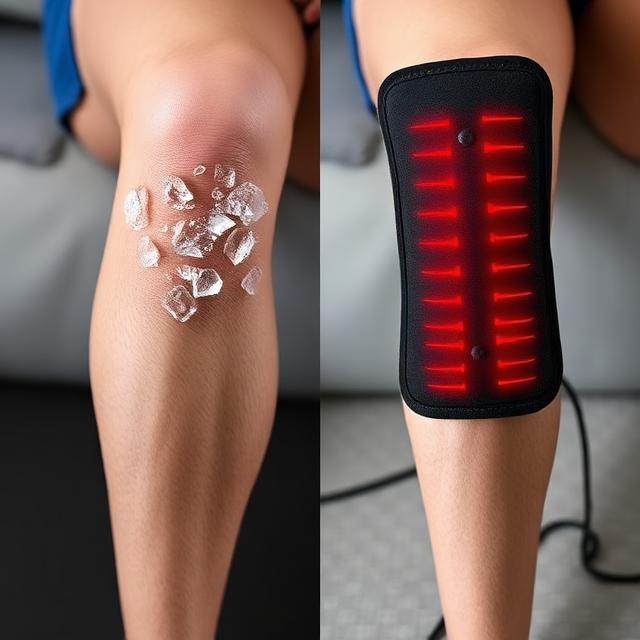

When knee discomfort strikes, the first question most people ask is simple: should I use heat or ice? It's one of the most searched health questions online, and for good reason: the wrong choice can sometimes make things feel worse rather than better.
This guide breaks down the science behind both heat and ice therapy for knee comfort, explores when each approach makes sense, and explains why emerging research on heat combined with red light therapy is changing how people think about long-term knee support.
The Science Behind Ice Therapy for Knees
Ice therapy, also known as cryotherapy, has been a go-to recommendation for decades. The principle is straightforward: cold temperatures cause blood vessels to constrict (vasoconstriction), which can help reduce swelling and numb acute discomfort.
When ice works best: Ice is generally most effective in the acute phase: typically the first 48 to 72 hours after an injury, strain, or sudden onset of swelling. If your knee is visibly swollen, warm to the touch, or you've just experienced a specific injury, ice is usually the recommended first response.
However, the limitations of ice are important to understand. While ice can temporarily reduce swelling and provide a numbing effect, it doesn't address the underlying factors that contribute to chronic knee discomfort. For ongoing stiffness, muscle tension, or age-related joint changes, ice alone rarely provides lasting support.
The Science Behind Heat Therapy for Knees
Heat therapy works through the opposite mechanism: it causes blood vessels to dilate (vasodilation), increasing blood flow to the area. This enhanced circulation delivers more oxygen and nutrients to the tissue while helping to relax tense muscles around the joint.
Key benefits of heat for knees include:
- Muscle relaxation: Heat helps relax the muscles that support the knee joint, reducing tension and improving mobility
- Improved flexibility: Warm tissues are more pliable, making movement feel more comfortable
- Enhanced circulation: Increased blood flow supports the body's natural comfort processes
- Stiffness support: Particularly effective for morning stiffness or stiffness after prolonged sitting
Research consistently shows that heat therapy is particularly beneficial for chronic knee concerns, including arthritis-related stiffness, general age-related joint changes, and post-activity muscle tension. For many people with ongoing knee discomfort, heat is the more appropriate daily choice.
If you're dealing with knee discomfort connected to lower back or hip tension, heat therapy can be especially helpful since warmth supports comfort across interconnected muscle groups.
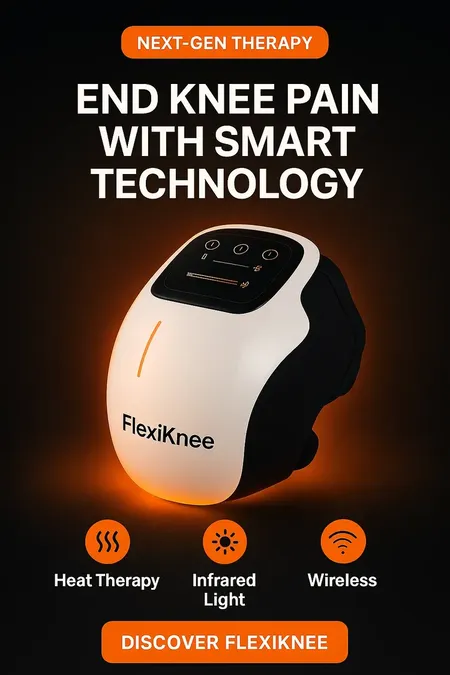
Prefer warmth for your daily knee comfort?
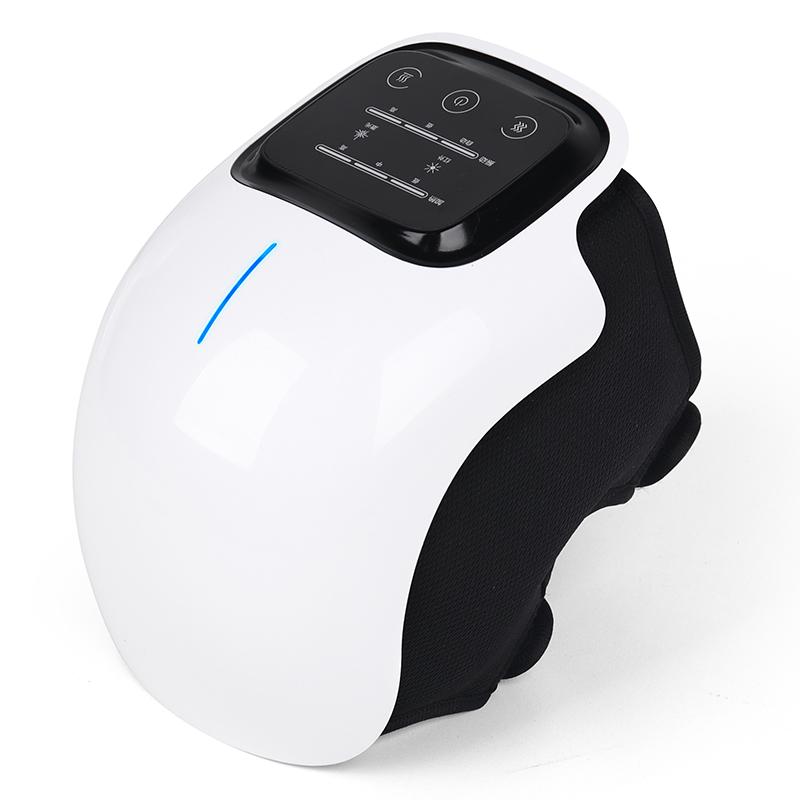
FlexiKnee uses soothing heat, red light wavelengths, and targeted massage to support your daily knee comfort routine in one easy-to-use device.
View Full Product DetailsHeat vs Ice: Side-by-Side Comparison
| Factor | Ice Therapy | Heat Therapy | Heat + Red Light |
|---|---|---|---|
| Best For | Acute injuries, swelling | Chronic stiffness, tension | Comprehensive daily comfort |
| Mechanism | Vasoconstriction | Vasodilation | Vasodilation + cellular support |
| Circulation | Reduces blood flow | Increases blood flow | Significantly increases blood flow |
| Muscle Effect | Numbing | Relaxing | Deep relaxation + recovery |
| Long-term Use | Not recommended daily | Safe for daily use | Designed for daily routines |
| Convenience | Needs freezer, messy | Easy to apply | One device, multiple therapies |
Why Red Light Therapy Changes the Equation
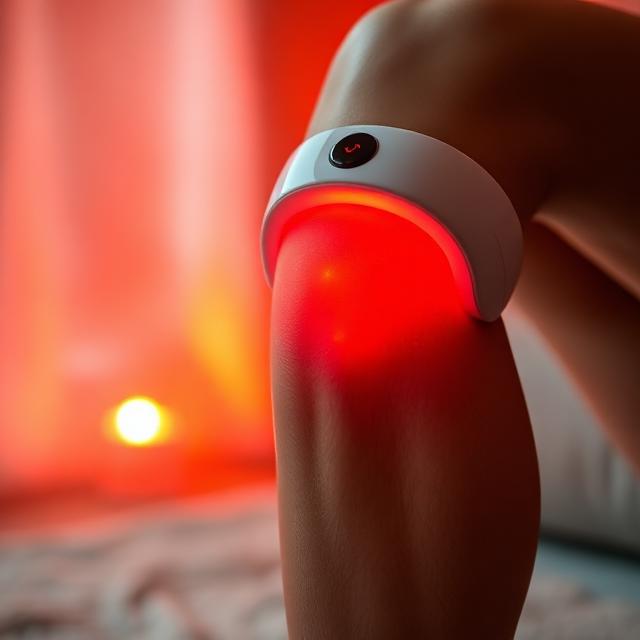
While heat therapy alone offers significant benefits for chronic knee comfort, the addition of red light therapy (also called photobiomodulation) introduces a deeper level of support. Red light therapy uses specific wavelengths of light, typically in the 630-850nm range, that can penetrate skin and tissue.
Research published in peer-reviewed journals suggests that red light therapy may support cellular energy production through interaction with mitochondria. This cellular-level support is something neither heat nor ice can provide on their own.
When combined with heat therapy, red light creates a synergistic effect: heat increases blood flow and relaxes muscles on the surface level, while red light works at a deeper cellular level. This combination is why devices that integrate both modalities are gaining attention among people seeking comprehensive at-home knee support.
For a deeper look at what research says about red light therapy specifically, check out our guide on heat vs. red light therapy for knee discomfort.
Common Scenarios: When to Use What
Scenario 1: After a Long Run or Intense Workout
If your knee feels swollen or hot after activity, start with ice for 15-20 minutes. Once acute swelling subsides (usually within a day or two), transition to heat therapy to support recovery and comfort. Many runners find that a proper running shoe fit combined with post-run heat therapy creates the best long-term comfort strategy.
Scenario 2: Morning Stiffness or Arthritis-Related Discomfort
Heat is almost always the better choice here. Cold can make stiffness feel worse by tightening already tense muscles. A warm-up session with heat and red light therapy can help ease into the day more comfortably.
Scenario 3: Side Knee Discomfort After Prolonged Sitting
If you experience side knee discomfort after sitting for long periods, gentle heat therapy can help relax the surrounding muscles and improve comfort when you start moving again.
The Limitations of Ice for Long-Term Knee Health
While ice has its place in acute injury management, several factors make it less ideal for long-term knee comfort:
- Reduced blood flow: Ice restricts circulation, which can slow the delivery of nutrients needed for tissue health
- Muscle stiffening: Cold can cause muscles to tighten, potentially worsening stiffness in chronic conditions
- No deep tissue support: Ice only affects surface-level tissue and doesn't reach the joint structures where many people feel discomfort
- Inconvenience: Ice packs require freezing, can be messy, and don't conform well to the knee's complex shape
This is particularly relevant for younger active adults and teenagers who may experience below-knee discomfort during active periods: heat-based support is often more practical for their lifestyle needs.
Why Heat + Red Light + Vibration Is the Modern Approach
The most effective at-home knee comfort strategies combine multiple modalities. Here's why the triple combination of heat, red light, and vibration therapy represents the most comprehensive approach:
- Heat: Increases blood flow, relaxes muscles, reduces stiffness
- Red light: Supports cellular energy production and deep tissue comfort
- Vibration: Provides gentle massage that helps break up tension and improve circulation further
Building a Science-Based Knee Comfort Routine
Based on the evidence, here's a practical framework for using heat and ice appropriately:
- For acute injuries: Use ice for 15-20 minutes, 2-3 times daily for the first 48-72 hours
- For chronic stiffness: Use heat therapy daily, ideally morning and evening. Our daily knee comfort routine guide covers how to build this habit
- For post-activity recovery: Start with ice if swollen, transition to heat within 24-48 hours
- For long-term support: Incorporate a heat + red light device into your daily routine for comprehensive comfort
Final Thoughts: Heat Wins for Long-Term Knee Comfort
While ice therapy has its place in acute injury management, the evidence clearly favors heat therapy, especially heat combined with red light therapy, for the kind of everyday knee support most people are looking for. The ability to relax muscles, improve circulation, and support tissue at the cellular level makes heat + red light a superior daily choice.
Ready to embrace the heat + red light approach?
FlexiKnee combines adjustable heat, red light therapy, and vibration massage in one wireless device for comprehensive daily knee comfort.
View Full Product DetailsSEO Tags: heat or ice knee, warmth vs cold knee, heat therapy knee comfort, when to warm knee, when to cool knee, daily knee warmth decision, knee comfort temperature, red light warmth knee combo