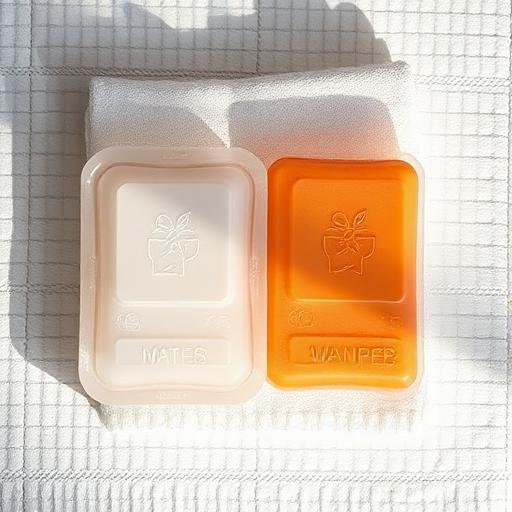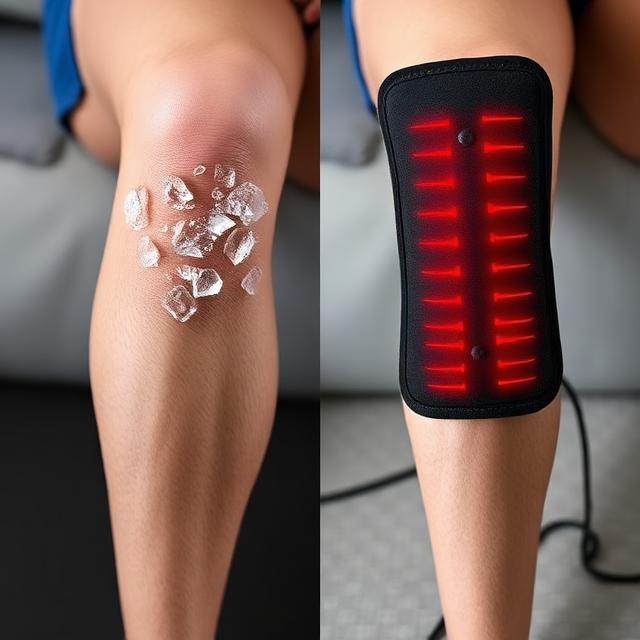

One of the most common questions people have about knee discomfort is whether they should reach for something warm or something cold. The answer depends on the situation, and understanding when each approach tends to help most can make your daily comfort routine more effective.
Understanding How Heat and Ice Work Differently
Heat and ice affect the body in opposite ways, which is why choosing the right one matters. Ice works by reducing blood flow to an area, which can help when swelling is present. Heat does the opposite: it encourages blood flow, relaxes muscles, and helps stiff joints feel more mobile.
Neither approach is universally "better." They each serve different purposes depending on what your knee is experiencing at that moment.
When Ice Tends to Help Most
Ice is generally most useful in the first 48-72 hours after a specific incident, like tweaking your knee during activity or noticing sudden swelling. The cold helps narrow blood vessels, which can reduce puffiness and provide a temporary numbing sensation.
Common situations where ice may be the better choice:
- Right after bumping or jarring your knee
- When your knee looks visibly swollen
- If the area feels warm or hot to the touch
- After an unusually intense workout with noticeable puffiness
Keep ice sessions to about 15-20 minutes at a time, and always place a cloth between the ice and your skin.
When Heat Tends to Help Most
For many everyday knee comfort needs, warmth is the more helpful choice. Heat encourages blood flow, which brings oxygen and nutrients to the area while helping tense muscles around the knee relax.
Common situations where heat tends to work well:
- Morning stiffness when your knees feel tight after sleeping
- After sitting for long periods at a desk or during travel
- General achiness that doesn't involve visible swelling
- Before gentle stretching or movement to help warm up the joint
- As part of an evening wind-down routine
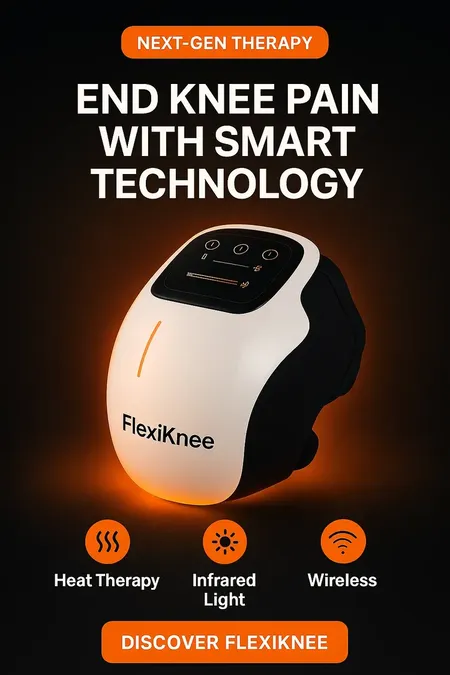
Prefer warmth as part of your daily knee routine?
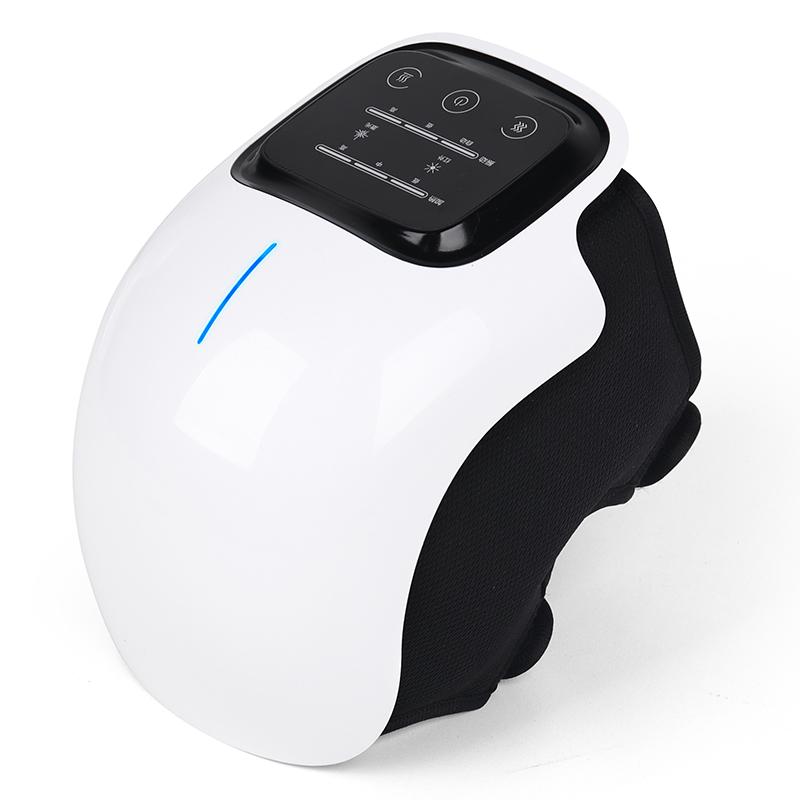
FlexiKnee delivers adjustable heat, red light wavelengths, and gentle vibration in one wireless device, making daily warmth-based comfort simple and consistent.
View Full Product DetailsSituation-by-Situation Breakdown
After a Long Walk or Hike
If your knees feel achy but not swollen after a long walk, warmth is usually the better choice. It helps the muscles around the knee relax and can ease that heavy, tired feeling. If you notice any puffiness, a short ice session first can help before transitioning to warmth. It helps the muscles around the knee relax and can ease that heavy, tired feeling. If you notice any puffiness, a short ice session first can help before transitioning to warmth.
Morning Stiffness
Reaching for warmth in the morning is almost always the better option. Cold can make morning stiffness feel worse by tightening already tense muscles. A warm session helps ease into your day more comfortably. A warm session helps ease into your day more comfortably.
After Yard Work or Household Chores
Activities that involve kneeling, squatting, or standing for long stretches can leave knees feeling sore. If there's no visible swelling, warmth and gentle movement are usually enough to help your knees recover their comfortable range. If there's no visible swelling, warmth and gentle movement are usually enough to help your knees recover their comfortable range.
Post-Exercise Recovery
For active people, a brief ice application right after intense exercise can address any immediate swelling. Within a day or so, transitioning to heat can support the longer recovery process. Many runners find that combining proper footwear choices with post-run warmth creates a solid comfort strategy.
Why Many People Prefer Heat for Daily Use
While ice has clear benefits for acute situations, heat tends to be the more practical daily choice for ongoing knee comfort. Here's why many people gravitate toward warmth-based routines:
- Convenience: No freezer needed, no melting mess, no dampness
- Muscle relaxation: Warmth naturally helps tense muscles loosen up
- Better for stiffness: Cold can make stiffness worse, while heat eases it
- Easy to incorporate: A warm session fits naturally into morning or evening routines
The Added Benefit of Combining Heat With Red Light
While warmth on its own offers real benefits, combining it with red light therapy adds another layer of support. Red light works at a deeper level, supporting cellular energy production in ways that surface warmth alone cannot reach. This combination is why multi-therapy devices are gaining popularity among people looking for comprehensive daily knee support.
For a deeper comparison of these approaches, our guide on heat vs. red light therapy covers the differences in detail.
Building Your Own Heat-or-Ice Decision Framework
A simple way to decide in the moment:
- Is there visible swelling or did something specific just happen? Start with ice for 15-20 minutes.
- Is the discomfort more about stiffness, achiness, or tension? Warmth is likely the better choice.
- Are you dealing with ongoing daily discomfort? A consistent warmth-based routine tends to offer the most sustainable support.
- Not sure? Warmth is generally the safer default for everyday comfort needs.
Final Thoughts
The heat-or-ice question doesn't have to be complicated. For most everyday knee comfort needs, warmth is the more practical and effective choice. Ice has its place for acute swelling, but for the kind of daily stiffness and achiness most people experience, a consistent warmth-based routine, especially one that combines science-backed heat approaches with red light support, tends to offer the most noticeable difference over time.
Ready to make warmth part of your daily knee comfort?
FlexiKnee combines soothing heat, red light therapy, and targeted vibration massage in one wireless device designed for everyday knee support.
View Full Product DetailsSEO Tags: heat or ice knee situations, when heat helps knee, when ice helps knee, knee comfort warmth choice, daily knee temperature decision, swelling vs stiffness knee, warmth-based knee habits, practical heat ice guide