If you're a teenager involved in sports, an active adult who enjoys regular exercise, or a parent noticing your child mentioning discomfort just below the knee, you're not alone. This area, located just beneath the kneecap, is one of the most commonly mentioned regions for sensations among active individuals.
This guide takes a non-medical, lifestyle-focused approach to understanding why below knee discomfort happens and what daily patterns tend to influence it. Rather than discussing specific conditions, we'll explore the everyday factors that active people commonly observe.
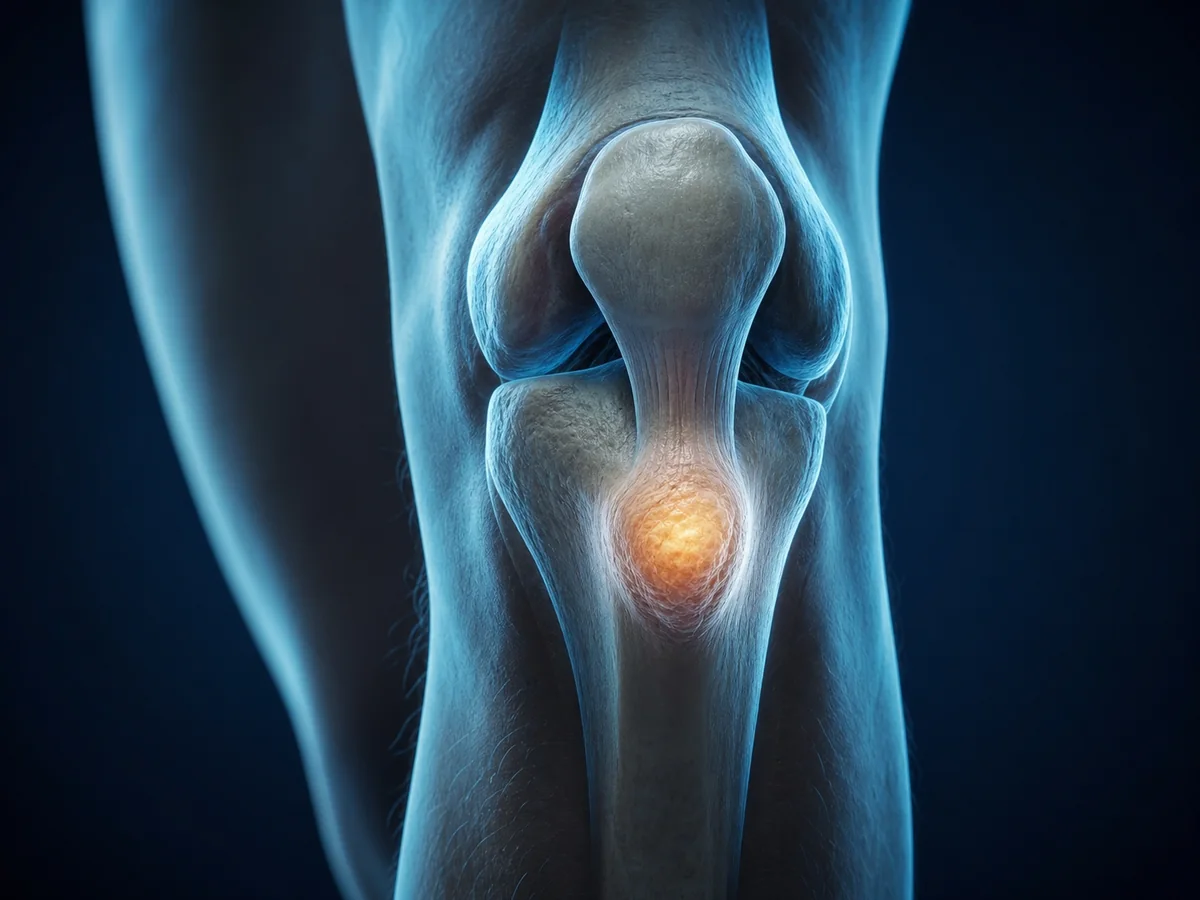
Where Below-Knee Discomfort Is Commonly Felt
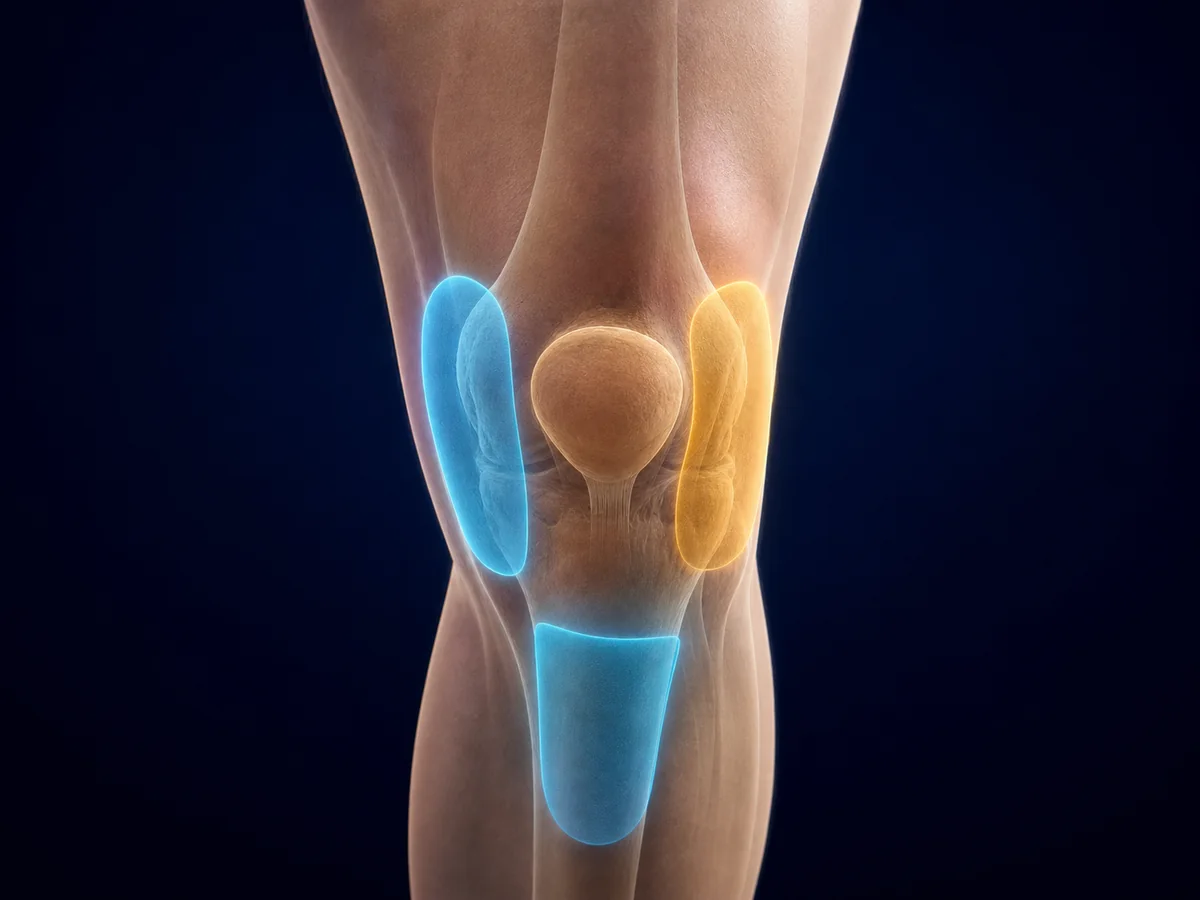
When people describe pain below the knee or below knee tightness, they typically point to the area just beneath the kneecap, extending down toward the upper shin. This region includes where muscles, tendons, and other soft tissues connect to the bone.
For teenagers and active adults, sensations in this area often feel like:
- A general tightness or pressure below the kneecap
- Awareness that increases during certain activities like running, jumping, or climbing
- A sense of fatigue in the area after extended physical effort
- Sensitivity when kneeling or applying pressure to the front of the lower knee
These descriptions are observational and vary widely among individuals. The key characteristic is that this below knee pressure tends to be linked to activity rather than being present constantly.
A Common Experience
Below-knee sensations are extremely common among active individuals, particularly during periods of increased physical activity or growth. Many teenagers and active adults experience this at some point, and awareness of daily patterns can help with understanding and comfort.
Activity Patterns Often Linked to This Sensation
Knee discomfort in teenagers and active teens knee discomfort are frequently connected to specific activity patterns. Understanding these patterns can help you recognize when below-knee sensations are most likely to occur.
Sports and Athletic Activities
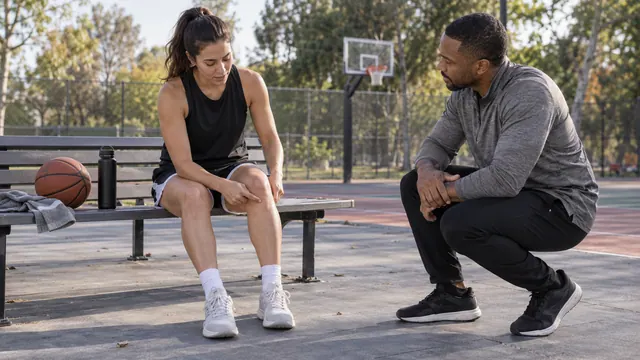
Organized sports and athletic pursuits are among the most commonly mentioned contexts for below-knee sensations. Activities that involve running, jumping, quick direction changes, or repetitive knee bending are particularly associated with awareness in this area.
Common sports where below-knee sensations are frequently noticed include:
- Basketball, volleyball, and other jumping sports
- Soccer, running, and track and field activities
- Tennis, dance, and gymnastics
- Recreational activities like skateboarding or cycling
Repetitive Movement Patterns
Beyond organized sports, any repetitive movement that loads the front of the knee can contribute to below-knee sensations. This includes activities like:
- Regular stair climbing or hill walking
- Repeated squatting or kneeling
- Jumping activities, even recreational ones
- Cycling, particularly on hilly terrain
Sudden Increases in Activity
One of the most commonly observed patterns is a connection between sudden increases in activity and the onset of below-knee awareness. This might occur at the beginning of a sports season, when starting a new exercise routine, or during periods of more intensive physical activity.
Daily Habits That Influence Below-Knee Comfort
Beyond specific activities, several daily habits influence how the area below the knee feels for active individuals.
Footwear Choices
The shoes you wear during activities and throughout the day affect how your lower legs respond to movement. Many active individuals notice that certain footwear is associated with more comfortable below-knee experiences, while others seem to coincide with increased sensations.
Key footwear considerations include:
- Activity-appropriate shoes designed for your primary sport
- Shoes with adequate cushioning and support
- Replacing worn footwear regularly
- Considering how everyday shoes affect comfort during casual walking
Training Surfaces
The surfaces you train and exercise on influence how the below-knee area feels. Hard surfaces like concrete or indoor courts place different demands on the legs compared to softer surfaces like grass, tracks, or cushioned gym floors.
Rest and Recovery Patterns
How you balance activity with rest affects below-knee comfort over time. Active individuals who incorporate adequate rest between demanding sessions often report better overall comfort compared to those who maintain high activity levels without sufficient recovery time.
✓ Rest Awareness Considerations
- •Allow adequate recovery time between intensive activities
- •Notice how your below-knee comfort changes with different rest patterns
- •Consider the total weekly activity load, not just individual sessions
- •Pay attention to how your body responds to consecutive active days
- •Remember that rest is part of an active lifestyle, not separate from it
When This Discomfort Feels More Noticeable
Understanding when below-knee sensations are most noticeable can help you develop awareness of your own patterns.
After Sports and Exercise
For many active individuals, the period immediately following physical activity is when below knee tightness is most apparent. As the body transitions from active movement to rest, sensations that were masked during activity become more noticeable.
During Evening Hours
Evenings are a common time for noticing below-knee sensations, particularly after active days. The cumulative effects of the day's activities have added up, and as the body winds down, awareness of how the legs feel often increases.
During Growth and High-Activity Phases
For teenagers, periods of rapid physical development often coincide with increased awareness of below-knee sensations. Similarly, adults who significantly increase their activity levels may notice more sensations in this area during adaptation periods.
These patterns are entirely normal and often resolve as the body adapts or as activity levels stabilize. The key is maintaining awareness of your own patterns rather than being concerned by the presence of sensations themselves.
A Normal Part of Active Living
Noticing sensations below the knee during active phases of life is very common. For many teenagers and active adults, these experiences are temporary and related to how the body responds to physical demands. Maintaining awareness and developing supportive habits is a positive approach.
Gentle Habits People Use to Support Comfort
Many active individuals develop personal routines that support below-knee comfort. These habits focus on awareness and gentle adjustments rather than addressing any specific condition.
Rest Awareness
Paying attention to how rest affects your comfort is foundational for active individuals. This includes noticing how different amounts of recovery time between activities influence how your legs feel, and adjusting your schedule accordingly.
Warmth-Based Routines
Warmth is a traditional comfort approach that many active people incorporate into their routines. This might include warm showers after activity, warm environments for relaxation, or simply cozy clothing that keeps the legs comfortable during rest periods.
Daily Balance
Finding a sustainable balance between activity and recovery is something many active individuals focus on. This isn't about doing less, but about being mindful of how your body responds to different activity patterns and adjusting accordingly.
For runners experiencing below-knee sensations, our running knee pain guide covers sport-specific patterns. If front knee tightness is part of your experience, explore our front knee tightness after activity guide. For building post-activity recovery habits, see our daily knee care routine guide.
✓ Daily Comfort Habits
- •Pay attention to how your below-knee area feels after different activities
- •Consider warmth-based routines as part of your post-activity wind-down
- •Balance intense activity days with lighter recovery periods
- •Notice patterns in when sensations are more or less noticeable
- •Develop awareness without anxiety about normal activity-related sensations
At-Home Supportive Options Some People Explore
In addition to lifestyle habits, some active individuals incorporate supportive tools into their comfort routines. These are personal choices that vary widely in how individuals experience them.
Warmth-Based Tools
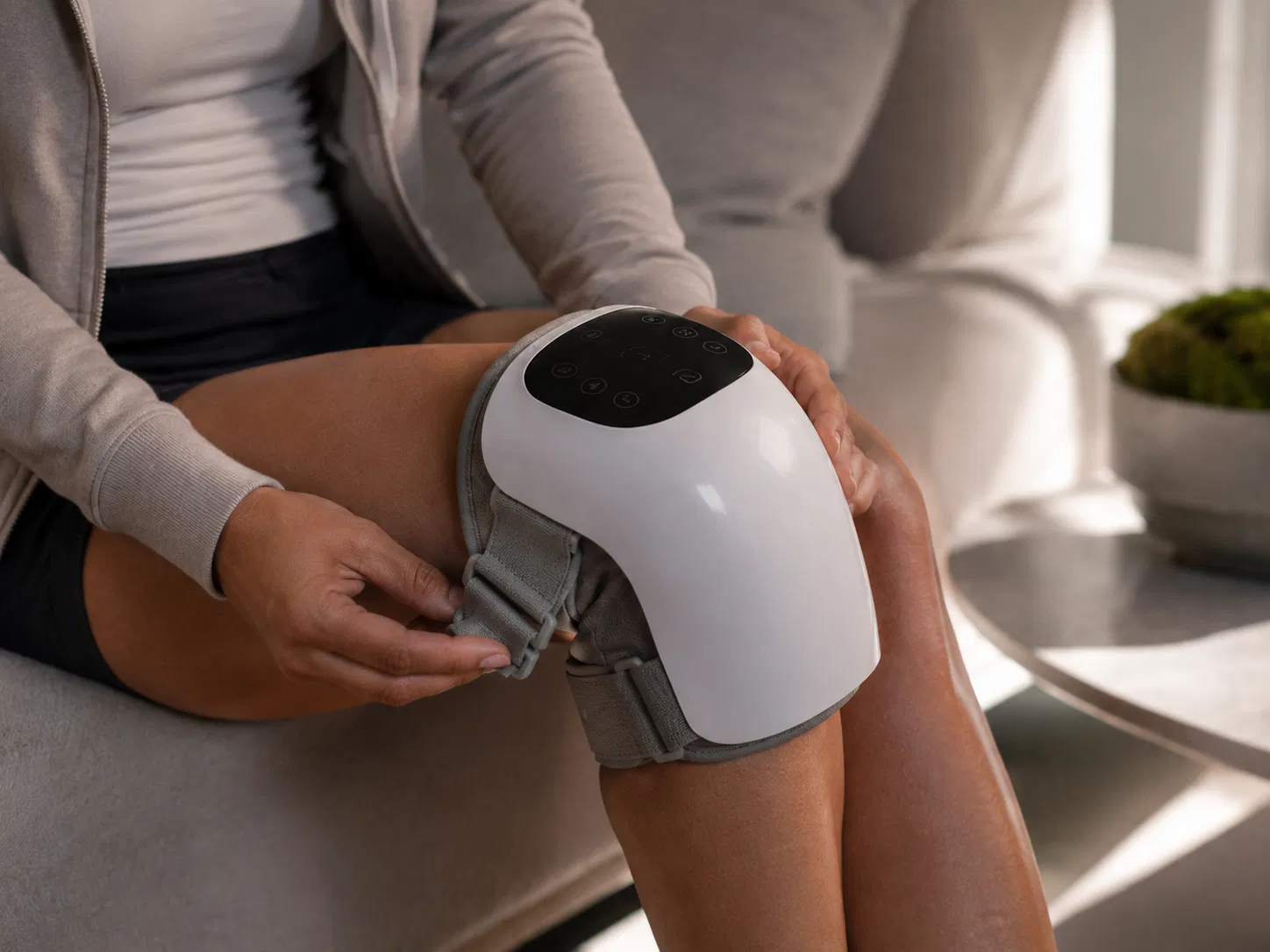
Some at-home devices offer gentle warmth that people use as part of their post-activity or evening routines. These tools are often used to support relaxation and comfort after active days. Individual experiences with such options vary, and they complement rather than replace awareness of activity patterns.
Comfortable Recovery Environments
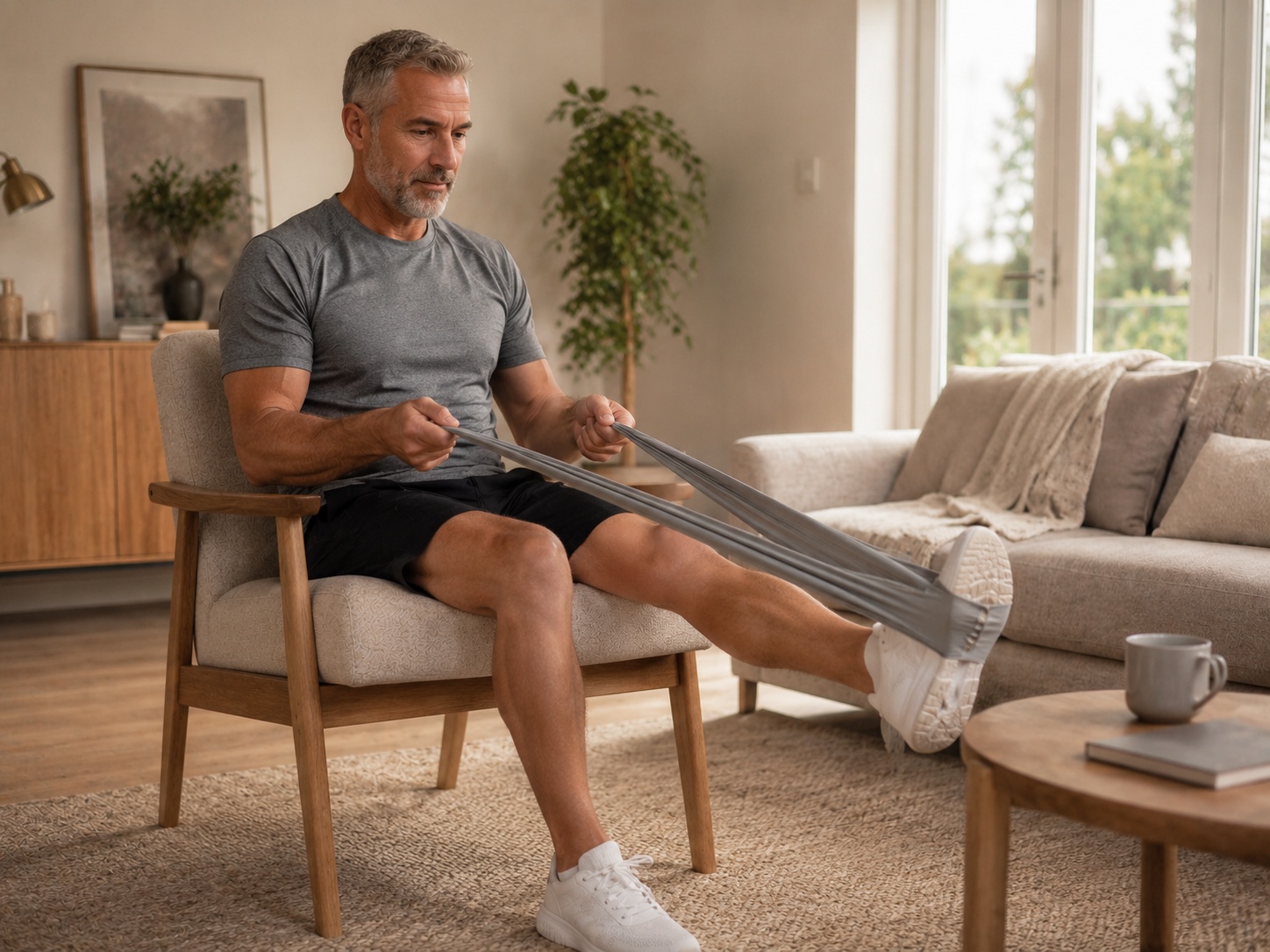
Creating comfortable spaces for post-activity rest is something many active individuals prioritize. This might include supportive seating, comfortable temperatures, and relaxing environments that support the body's natural recovery processes.
These supportive options are personal comfort choices. They are not intended to address specific conditions and individual experiences vary widely. If you have persistent concerns about below-knee sensations, professional guidance is always recommended.
Summary: Understanding Your Active Lifestyle Patterns
Below knee discomfort in teenagers and active adults is extremely common and typically reflects the demands that physical activity places on the body. By understanding your own patterns and developing supportive habits, you can approach these sensations with awareness rather than concern.
Key takeaways include:
- Below-knee sensations are common among active individuals, especially during high-activity or growth phases
- Activity patterns, footwear, surfaces, and rest habits all influence comfort
- Post-activity and evening hours are common times for noticing sensations
- Gentle habits like warmth-based routines and balanced activity can support comfort
- Awareness of your own patterns is more valuable than concern about normal sensations
Remember that experiencing below-knee sensations during active phases of life is normal and common. A positive, aware approach to understanding your own patterns is a helpful foundation for maintaining an active lifestyle comfortably.
Frequently Asked Questions
Why do teenagers commonly experience below-knee discomfort?
Teenagers often experience below-knee sensations due to the combination of active lifestyles and physical development phases. High activity levels from sports and recreation, combined with the body's ongoing changes during adolescence, can make this area more noticeable. These experiences are very common and typically relate to activity patterns rather than specific concerns.
Is below-knee discomfort normal after sports and exercise?
Yes, noticing sensations below the knee after physical activity is extremely common among active individuals of all ages. The area below the kneecap is involved in many athletic movements, and awareness in this region after demanding activities is a typical experience. Most people find that rest and gentle recovery habits support comfort.
How can active adults support below-knee comfort?
Active adults can support below-knee comfort by paying attention to activity patterns, incorporating adequate rest between demanding sessions, choosing appropriate footwear, and developing post-activity routines that include gentle habits like warmth application. Awareness of personal patterns helps in understanding what supports your individual comfort.
Does footwear affect below-knee sensations?
Yes, footwear can significantly influence how the below-knee area feels, particularly for active individuals. Shoes designed for your specific activities, with appropriate cushioning and support, often contribute to better comfort. Many people notice differences in how their legs feel with different footwear choices, making this an important consideration for active lifestyles.