Many people experience a sensation of tightness at the front or top of the knee after walking, climbing stairs, or spending time on their feet. This feeling can range from a subtle pressure to a more noticeable sense of fatigue or tension in the knee area.
What's important to understand is that experiencing sensations in this area is extremely common, especially as our activity levels change or as we go through different phases of life. This guide takes a lifestyle-based approach, focusing on patterns, habits, and routines rather than specific conditions or diagnoses.
About This Guide
Where the "Front or Top of the Knee" Sensation Is Commonly Felt
When people describe top of knee tightness or front knee tightness, they're typically referring to sensations in one of several areas:
- Just above the kneecap: The area where the thigh muscles connect to the knee, often described as feeling "heavy" or "tight" after activity
- Around the kneecap itself: Some people notice a pressure or fullness sensation around the front of the knee
- The front crease of the knee: The area that bends when you sit or squat
- The upper shin just below the kneecap: A common area for sensations after activities involving elevation changes
The location often correlates with which activities preceded the sensation. Understanding where you feel tight feeling above the knee or front knee pressure can help you identify patterns in your own daily life.
Activities That Often Lead to This Tight Feeling
Certain activities are more commonly associated with top of knee discomfort after activity. Recognizing which activities correlate with your sensations can help you develop more supportive daily habits.
Walking Uphill and Using Stairs
Elevation changes require the muscles around the knee to work differently than walking on flat ground. Many people notice that climbing hills or taking stairs, especially multiple flights, is followed by sensations of tightness or fatigue at the front of the knee. This is one of the most commonly reported patterns.
Repetitive Movements
Activities that involve repeated bending and straightening of the knee, such as gardening, certain types of exercise, or work that requires squatting and standing, can contribute to sensations of tightness. The repetitive nature of these movements accumulates over time during the day.
Sudden Increases in Activity
When people increase their activity levels quickly, whether starting a new walking routine, returning to exercise after a break, or simply having an unusually active day, knee tightness after exercise or activity is a common experience. The front and top of the knee are areas where many people notice this most.
Long Periods of Standing or Squatting
Static positions, especially those that involve weight-bearing with bent knees, can lead to sensations of fatigue and tightness. Standing in one place for extended periods or holding squatting positions while working on projects at ground level are common examples.
Daily Habits That Can Make Tightness More Noticeable
Beyond specific activities, certain daily habits and environmental factors can influence how noticeable front knee tightness feels throughout the day.
Sitting with Bent Knees for Extended Periods
Many people spend significant portions of their day seated with knees bent at 90 degrees or more. When transitioning from sitting to standing, especially after long periods, the front of the knee often feels stiff or tight. This is particularly common among people who work at desks or spend considerable time in vehicles.
Limited Warm-Down Routines
After physical activity, many people move directly to sedentary positions without transitioning gradually. Taking time for gentle movement after activity is a habit that some people find supportive, though individual experiences vary.
Footwear and Surface Type
The surfaces we walk on and the footwear we choose can influence how the knees feel after activity. Hard surfaces like concrete, unsupportive footwear, or significant time in elevated heels are factors that some people find correlate with increased knee awareness.
When This Sensation Feels Stronger
Top of knee tightness and front knee pressure often follow predictable timing patterns for many people. Understanding when your sensations tend to be more noticeable can help you develop targeted supportive habits.
After Activity
The most common timing for knee tightness after exercise or activity is within the first 30 minutes to few hours following the activity itself. Some people notice it immediately upon stopping movement, while others become more aware once they've been sitting or resting for a period.
In the Evening
Evenings are a common time for increased awareness of front knee tightness. By this point, the day's cumulative activity has added up, and as the body begins to wind down, sensations that were masked during active periods become more noticeable.
After Long Days
Days that are more physically demanding than usual, whether due to travel, special events, or simply more walking than typical, often correlate with more noticeable top of knee discomfort after activity. This is a normal response to increased demands.
Gentle Daily Habits People Use to Support Comfort
Many people develop personal routines that help them feel more comfortable. These habits are individual choices that some people find supportive, though experiences vary widely.
Movement Awareness
Paying attention to how different activities affect the front of your knee is a first step many people take. This awareness helps identify which patterns are most relevant to your experience and which adjustments might be worth exploring.
✓ Movement Considerations
- •Notice which specific activities correlate with later sensations
- •Consider varying your activities throughout the day
- •Take brief movement breaks during extended sitting
- •When possible, gradually increase activity rather than suddenly
- •Listen to how your body responds to different surfaces and footwear
Evening Wind-Down Routines
Because evenings are often when front knee tightness is most noticeable, many people incorporate calming evening routines. This might include gentle stretching, elevating the legs while resting, or simply allowing time for the body to decompress after an active day.
Warmth-Based Habits
Some people find that warmth, whether from a warm bath, heated compress, or simply a cozy blanket, creates a comforting sensation in the evening. Warmth is a traditional comfort approach that many people incorporate into their daily routines.
At-Home Supportive Options Some People Explore
In addition to lifestyle habits, some people explore supportive tools as part of their daily comfort routines. These are personal choices that vary widely in how individuals experience them.
Warmth and Infrared Devices
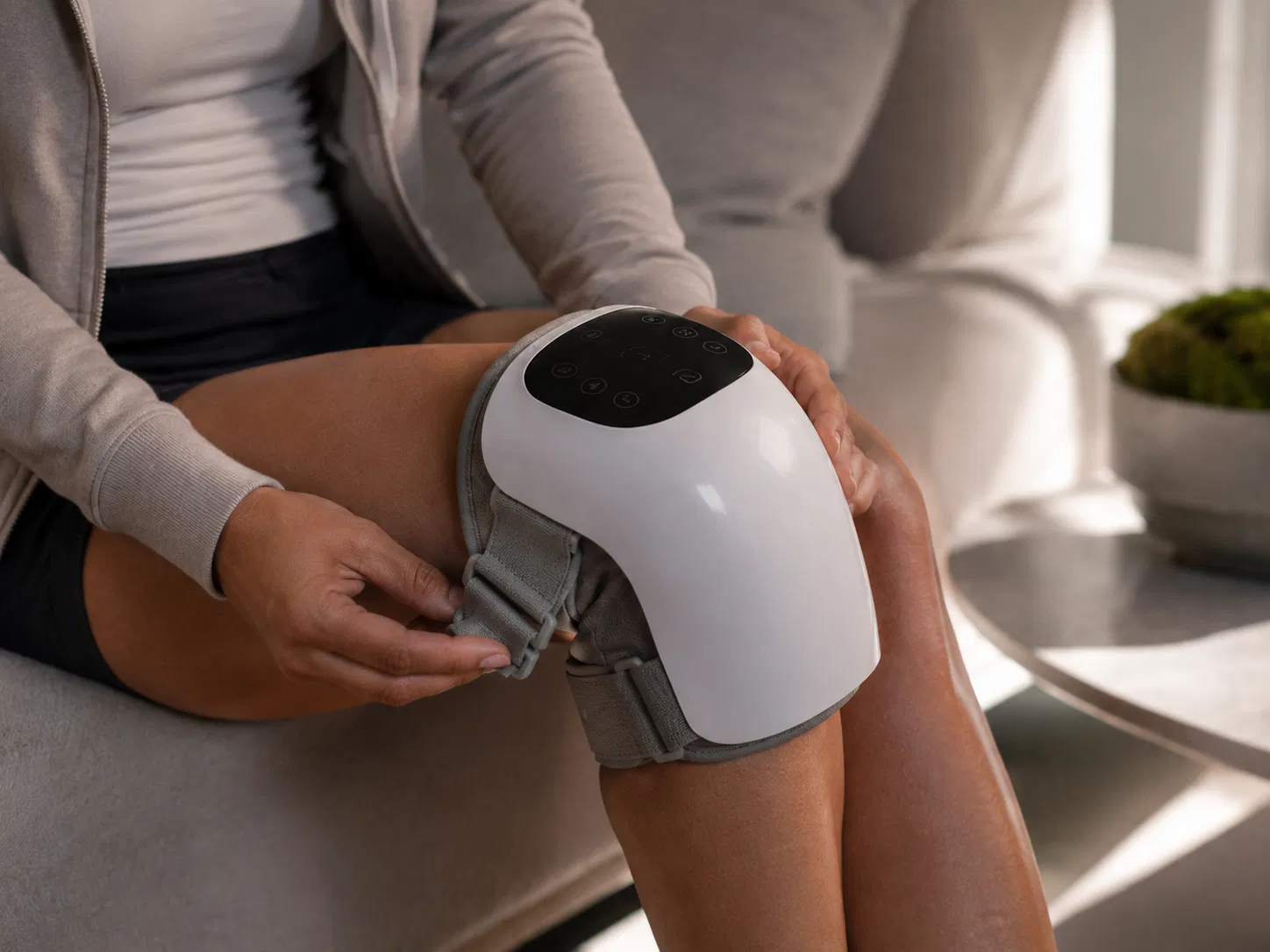
Some at-home devices offer gentle warmth or infrared options that people incorporate into their evening routines. These are used as comfort tools rather than addressing any specific condition. Individual experiences with such devices vary, and they're typically used as part of broader lifestyle habits rather than standalone solutions.
Supportive Wraps and Cushioning
Comfortable seating arrangements, supportive cushions, and leg elevation options are other tools some people find helpful for their evening comfort routines, particularly on days when knee tightness after exercise is more pronounced.
These supportive options are personal comfort choices. They are not intended to address specific conditions and individual experiences vary widely. If you have concerns about persistent symptoms, professional guidance is always recommended.
Summary: Understanding Your Personal Patterns
Top of knee tightness and front knee pressure after activity are common experiences shared by many people. Understanding that these sensations often correlate with specific activities, daily habits, and timing patterns can help you develop a more supportive relationship with your body.
Key takeaways include:
- Front and top knee sensations are commonly associated with stairs, hills, repetitive movements, and sudden activity increases
- Daily habits like extended sitting, footwear choices, and limited movement transitions can influence how noticeable these sensations feel
- Evenings and post-activity periods are common times for increased awareness
- Movement awareness, evening routines, and warmth-based habits are among the approaches people explore
- Consistency in supportive habits tends to be more helpful than occasional intensive approaches
Developing awareness of your personal patterns is the foundation for any supportive routine. By noticing what activities correlate with your sensations and experimenting with gentle daily habits, you can find an approach that works for your lifestyle.
If front knee discomfort is a pattern for you, our guide on top of knee pain patterns offers additional insights. For building warmth into your evening routine, explore warmth for daily knee comfort. And for strengthening the muscles that support your knees during activity, see how to strengthen knees.
Remember that experiencing sensations in the front and top of the knee is extremely common and often relates to how we move through our days. A calm, curious approach to understanding your own patterns is a positive starting point.
Frequently Asked Questions
Why does the front of my knee feel tight after walking uphill?
Walking uphill requires the muscles around your knee to work differently than flat walking. The increased effort and specific angle of incline walking often leads to sensations of tightness or fatigue at the front of the knee. This is a very common experience that many people notice, especially after longer or steeper climbs.
Is it normal to feel pressure at the top of the knee after standing all day?
Yes, many people report sensations of pressure or tightness at the top of the knee after extended periods of standing. This is a common experience related to the sustained demands placed on the legs during long standing periods. Many people find that gentle movement and evening rest routines help.
Why does front knee tightness feel worse in the evening?
Evening is when many people notice front knee tightness most. By this time, the day's cumulative activity has added up, and as your body winds down from active periods, sensations that were less noticeable during movement become more apparent. This is a very common timing pattern.
Can sitting with bent knees cause front knee tightness?
Extended periods of sitting with bent knees is one of the most commonly mentioned factors in front knee tightness. When transitioning from sitting to standing after long sedentary periods, many people notice stiffness or pressure at the front of the knee. Taking brief movement breaks is a habit some people find supportive.