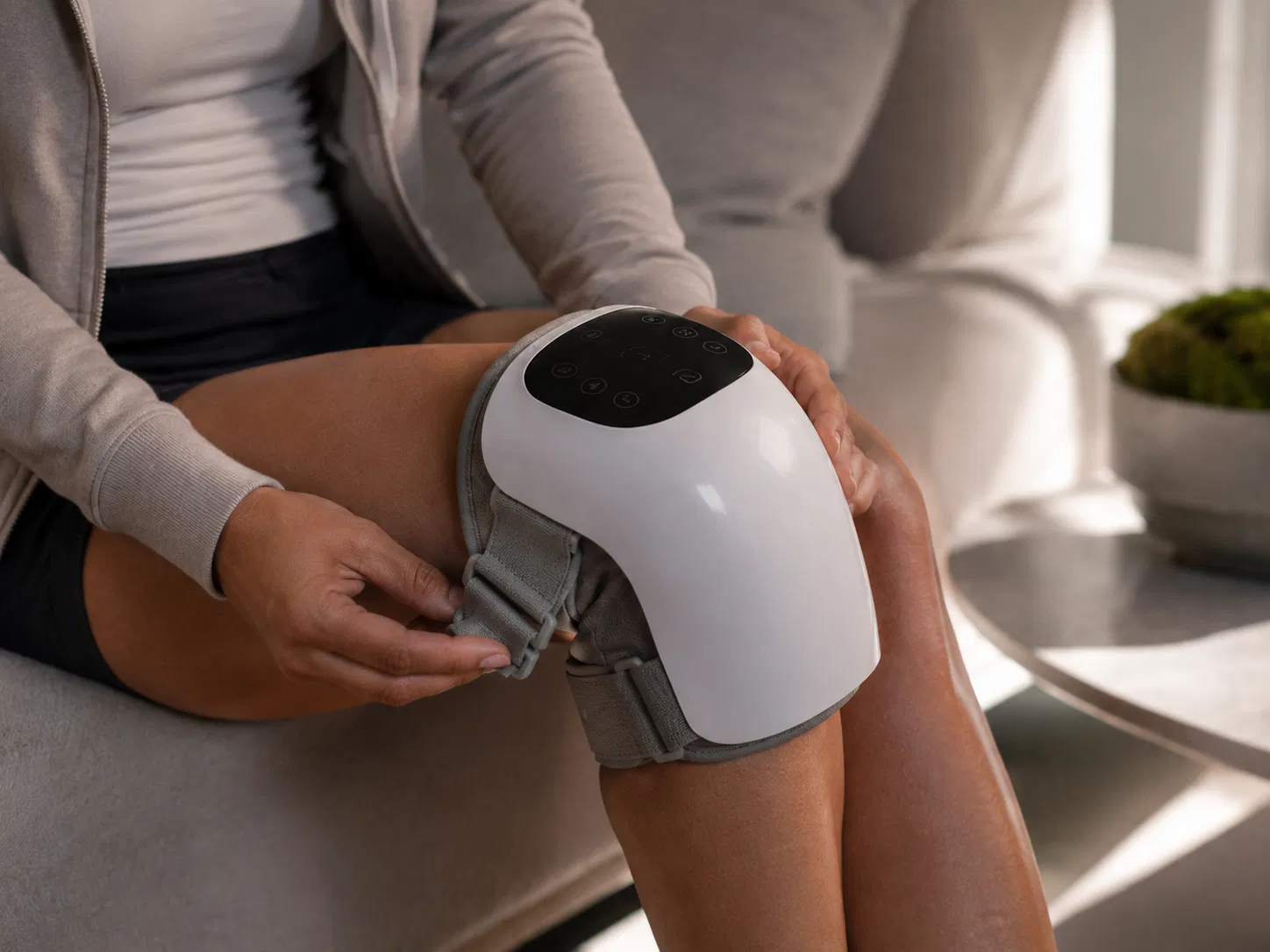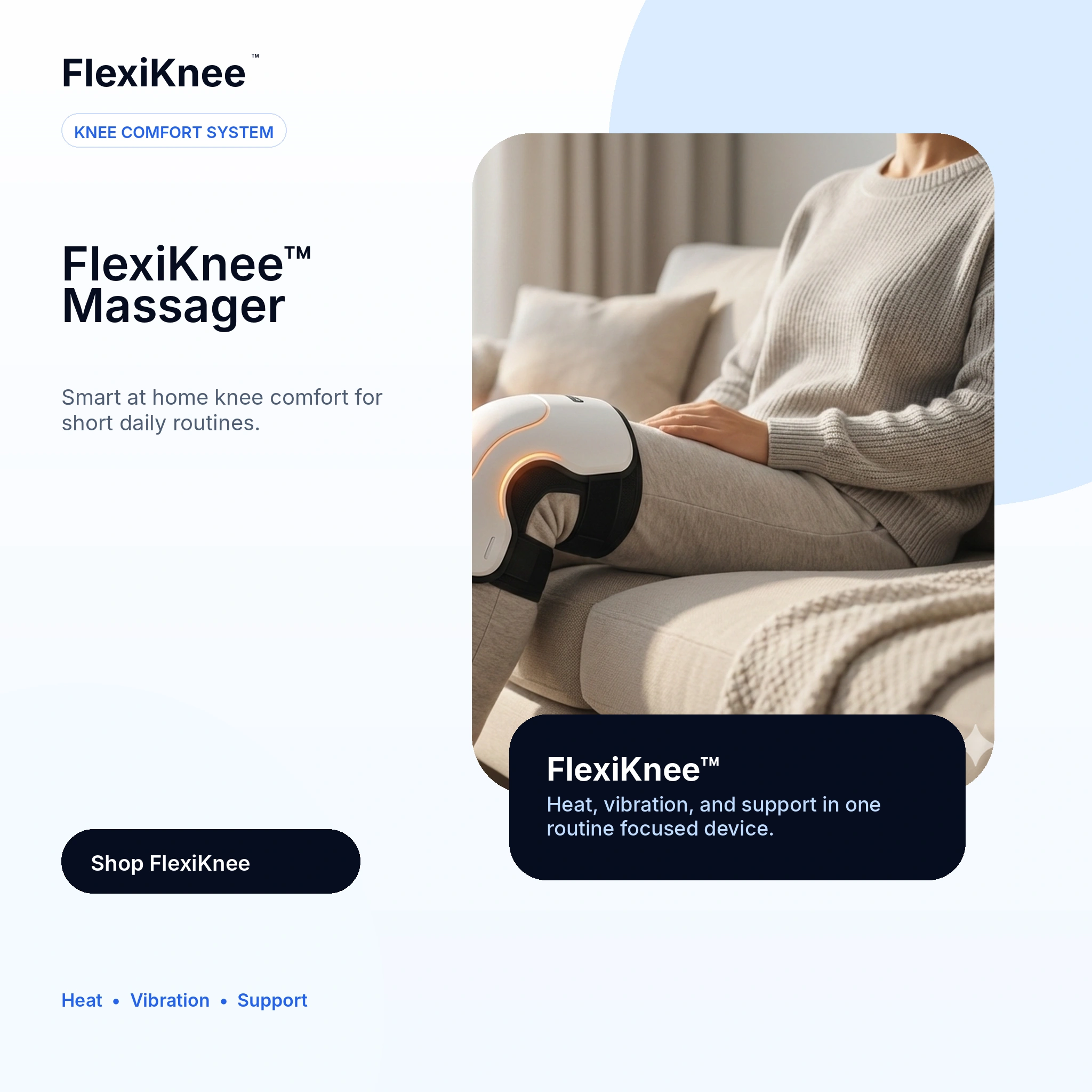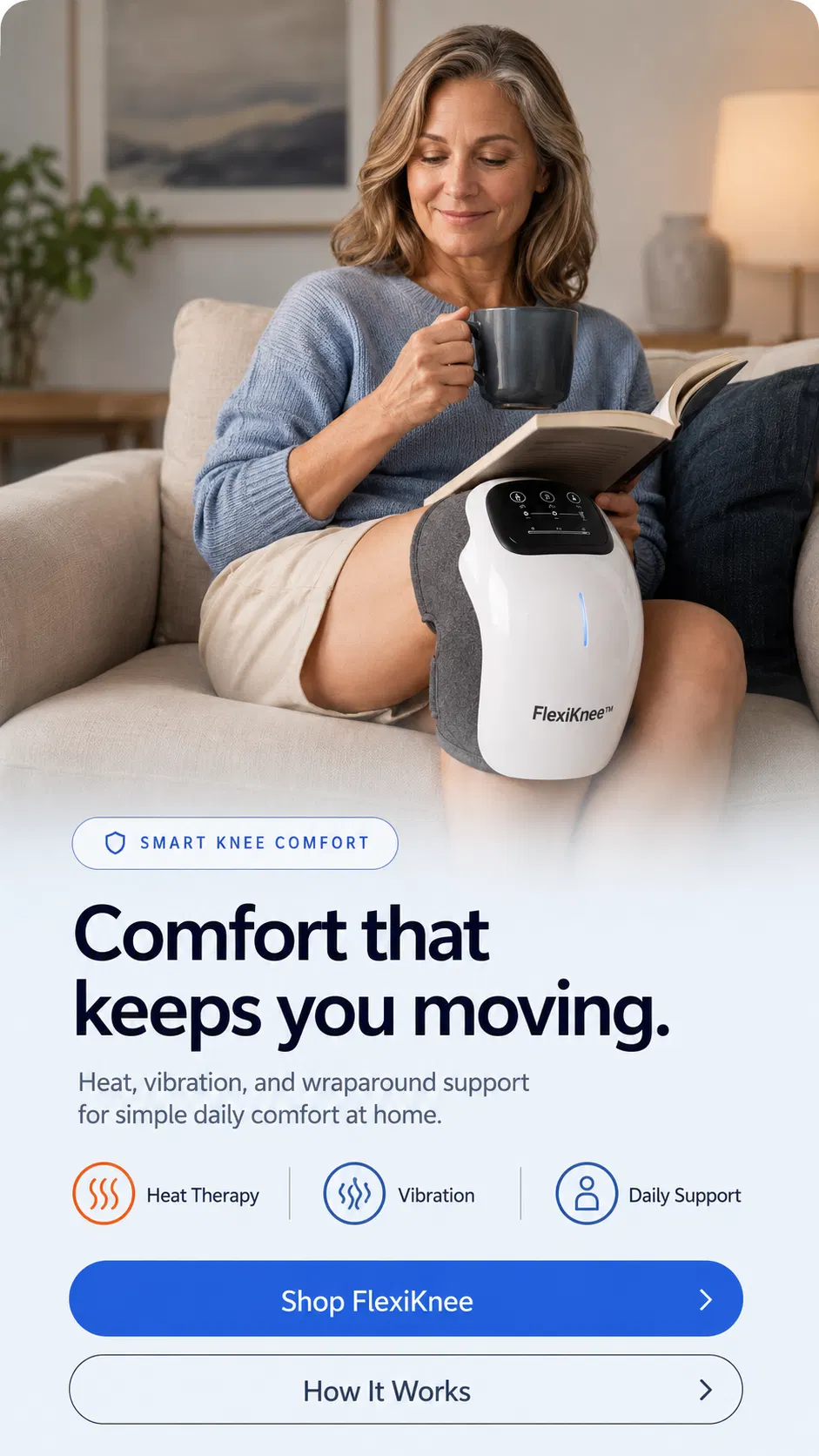
The demand for at-home knee therapy devices continues to grow each year. People of all ages are seeking practical ways to manage everyday knee stiffness without relying solely on clinic visits or complicated routines. Whether driven by busy schedules, a preference for privacy, or simply the convenience of home use, more individuals are exploring what these devices can offer.
This guide walks you through the most common user types, explains how these devices fit into daily life, and sets honest expectations for what you can achieve with consistent, routine-based use.
Understanding Who These Devices Are Designed For
At-home knee therapy devices are primarily designed for people who experience lifestyle-based knee discomfort. This includes general stiffness from daily activities, prolonged sitting, staying active, or the natural changes that occur in joints over time.
These individuals are typically not dealing with acute injuries or conditions that require medical intervention. Instead, they are experiencing ongoing, low-level discomfort that affects their daily routines and overall quality of life.
If you often think "my knees feel stiff after sitting" or "I notice discomfort during my morning routine," you are likely in the group that may benefit from at-home knee support devices.
Who Uses At-Home Knee Therapy Devices
Distribution of typical at-home therapy device users
The Most Common Types of Users
While there is no single ideal user profile, most people who benefit from at-home knee therapy devices fall into a few common categories. Understanding these groups can help you determine whether a device might be right for you.
Active Adults in Their 40s and 50s
Adults in their 40s and 50s often begin noticing changes in how their knees feel during and after physical activity. Weekend sports, gym sessions, hiking, and even daily walks can start to feel different as joints naturally change over time.
For this group, at-home knee therapy devices serve as a recovery companion. Using a warmth-based device after exercise or at the end of a long day can help maintain comfort and support an active lifestyle without slowing down.
Seniors Who Want Gentle Daily Comfort
Older adults frequently appreciate the convenience and simplicity of at-home devices. Rather than traveling to appointments or managing complicated routines, they can use a device while sitting comfortably at home.
Many seniors find that a short daily session with a warmth-based device helps ease morning stiffness and supports their mobility throughout the day. The wireless, lightweight design of modern devices makes them especially accessible for this group.
Office Workers With Sedentary Routines
Prolonged sitting is one of the most common contributors to knee stiffness. Office workers who spend six to eight hours at a desk often notice tightness in their knees by the end of the workday.
Using a knee therapy device during an evening wind-down session can help counteract the effects of a sedentary day. Pairing device use with simple movement breaks during work hours creates a balanced approach to daily knee comfort.
Active Lifestyle Individuals
Runners, walkers, cyclists, and recreational athletes often use at-home knee devices as part of their recovery routine. After a long walk, a cycling session, or a weekend hike, a short session with a warmth-based device can support post-activity comfort.
These users tend to view their device as part of their overall wellness toolkit, alongside stretching, proper footwear, and adequate rest.
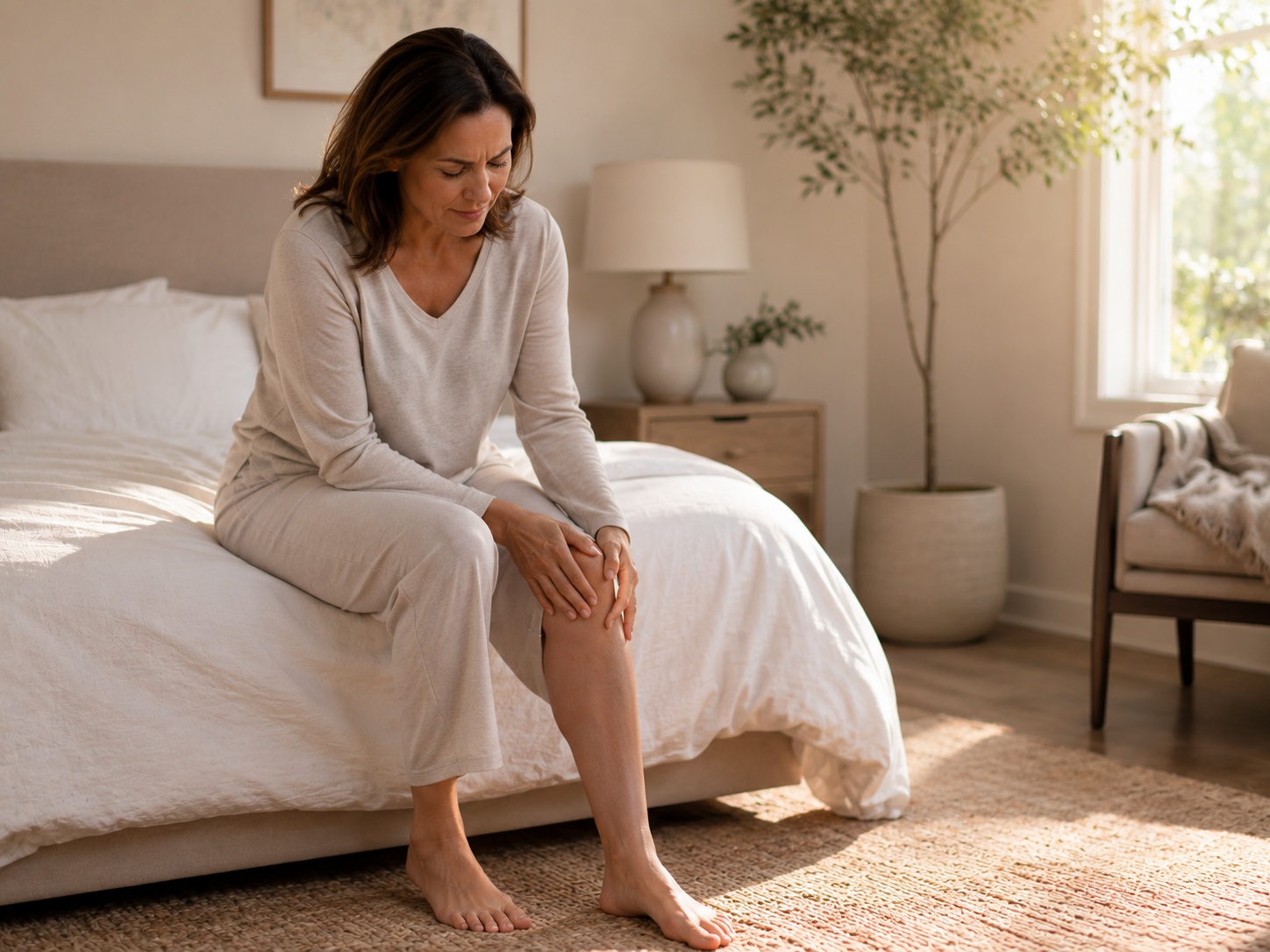
Common Signs You May Benefit From At-Home Knee Support
Not sure whether an at-home knee therapy device is right for you? Here are some common signs that suggest you may benefit from routine-based knee support.
Common Signs You May Benefit
- Morning stiffness that eases as you move around
- Discomfort after sitting for extended periods
- General stiffness that does not involve sharp pain
- Feeling like your knees need "warming up"
- Gradual changes in comfort over months or years
- Post-exercise tightness that lingers into the evening
- Stiffness that improves with gentle movement or warmth
Morning stiffness is particularly common among adults over 40. After hours of minimal movement during sleep, joints can feel tight and reluctant to move freely. If warmth or gentle activity helps ease this feeling, a therapy device may complement your morning routine well.
Post-sitting discomfort is another strong indicator. If you notice that your knees feel stiff after a movie, a long drive, or a few hours at your desk, regular device use during your evening routine could make a meaningful difference over time.
Why Consistency Matters With At-Home Therapy
Perhaps the most important factor in getting value from an at-home knee therapy device is commitment to consistent use. Like any supportive routine, whether it is stretching, walking, or meditation, consistency matters more than intensity.
Using a device once when you remember, or only when discomfort is at its worst, is unlikely to provide the same results as making it a regular part of your daily routine. Building a habit around device use helps your body adapt to a rhythm of support and recovery.
Comfort Improvement with Consistent Use
Typical comfort improvement trajectory with daily use
Think of it like brushing your teeth. You do not wait for a problem to appear before maintaining your oral health. Similarly, routine-based knee care works best when it becomes an automatic part of your day, not a reaction to discomfort.
How At-Home Devices Fit Into Daily Life
One of the biggest advantages of at-home knee therapy devices is how easily they integrate into your existing routine. You do not need to set aside a special time or create a complicated schedule. Most users find natural moments throughout their day where a 15 to 20 minute session fits perfectly.
Morning routine: Use your device while having breakfast or reading the news. This is especially helpful if morning stiffness is a regular occurrence.
After-work relaxation: A session right after coming home from work can help ease the accumulated stiffness from a long day of sitting or standing.
Watching TV or reading: Many users simply wear their device while enjoying their favorite show or book. This "passive" approach makes consistency effortless.
Evening wind-down: A short session before bed can help your knees feel more comfortable as you settle in for the night, especially if nighttime stiffness is a concern.

Combining At-Home Devices With Simple Movement
At-home knee therapy devices work best when combined with gentle movement. This does not mean intense exercise or complicated workout routines. Simple activities like short walks, gentle stretching, or basic knee bends can complement your device sessions effectively.
Warmth-based devices help promote circulation and comfort around the knee joint. When paired with light movement, this combination supports overall joint flexibility and daily comfort. The key is to keep things simple and sustainable.

Age, Lifestyle, and Knee Comfort Needs
There is no single "ideal" user profile for at-home knee therapy devices. People across different ages, activity levels, and lifestyles find value in these tools. What matters most is whether your type of discomfort aligns with what these devices are designed to support.
Runners and walkers often use devices for post-activity recovery. If running is part of your routine, our running knee pain guide offers sport-specific tips that pair well with device use.
Desk workers benefit from counteracting the effects of prolonged sitting. Short device sessions in the evening can help offset hours of inactivity during the workday.
Older adults appreciate the simplicity and accessibility of modern wireless devices. A daily session requires minimal effort and can become a comforting part of the daily routine.
If you are interested in how the therapies within these devices work, our comparison of heat vs. red light therapy explains the differences. For understanding why consistent care matters, see why knee discomfort does not always go away on its own.
Who At-Home Knee Therapy Devices Are NOT Designed For
It is equally important to understand the limitations of at-home knee therapy devices. These products are not intended to replace professional medical care, and they are not suitable for every situation.
Acute injuries: If you have recently injured your knee through a fall, twist, or impact, seek professional evaluation before using any at-home device. Acute injuries require proper diagnosis and, in some cases, specific treatment.
Severe swelling: Persistent or significant swelling around the knee joint is a sign that something needs medical attention. At-home warmth devices are not designed to address swelling.
Joint instability: If your knee feels unstable, gives way during walking, or locks in certain positions, consult a healthcare provider. These symptoms may indicate structural issues that require professional assessment.
Worsening pain: If your discomfort is getting progressively worse over time, or if you experience sharp, sudden pain, professional evaluation should be your first step.
✓ Quick Tips
- •Consult a healthcare provider if you have acute injuries or severe pain
- •Start with shorter sessions when beginning a new routine
- •Combine device use with gentle movement for best results
- •Set realistic expectations for gradual improvement
- •Make device use part of your existing daily habits
Setting Realistic Expectations
At-home knee therapy devices can become a valuable part of a broader comfort routine, but it is important to approach them with realistic expectations. These devices are not miracle solutions, and results vary from person to person.
Gradual comfort improvements: Most users notice that consistent daily use contributes to a more comfortable experience over time. This is not an overnight transformation but rather a gradual improvement that builds with routine use.
Routine-based results: The benefits of at-home devices are closely tied to how consistently you use them. Sporadic use is unlikely to produce the same results as daily, habit-based sessions.
Individual variation: Factors such as overall health, activity level, age, and the nature of your discomfort all influence how you respond to at-home knee therapy. What works well for one person may work differently for another.
Think of these devices as one tool in a larger toolkit. They support your overall comfort efforts but work best as part of a holistic approach that includes gentle movement, proper rest, good nutrition, and attention to daily ergonomics.
Building a Simple Knee Comfort Routine at Home
If you are ready to start using an at-home knee therapy device, building a simple routine can help you stay consistent. Here is a practical example that takes about 20 to 25 minutes total.
Sample Daily Knee Comfort Routine
- Start with 2 to 3 minutes of gentle knee bends or light stretching
- Use your knee therapy device for a 15 to 20 minute session
- Follow up with a short walk or light activity around your home
This simple three-step approach works for most people because it is easy to remember, requires minimal effort, and fits into almost any schedule. You can do it in the morning, after work, or before bed.
The movement before and after your device session helps promote circulation and reinforces the comfort benefits. Over time, this routine becomes automatic, and you will find yourself reaching for your device without even thinking about it.
For a more detailed routine with specific exercises, check out our daily knee comfort routine guide.
Frequently Asked Questions
Who benefits most from at-home knee therapy devices?
Those who typically benefit most include people over 40 with everyday knee stiffness, active adults seeking recovery support, office workers with sedentary routines, and seniors looking for gentle daily comfort.
Are at-home knee therapy devices effective?
For appropriate users with everyday knee discomfort, these devices can be effective as part of a comprehensive approach that includes gentle movement and good daily habits. They work best for general stiffness rather than acute injuries or structural issues.
How long should I use a knee therapy device each day?
Most devices recommend 15 to 20 minute sessions, and can be used once or twice daily. Consistency matters more than duration. Regular daily use typically yields better results than occasional longer sessions.
Can knee therapy devices replace physical therapy?
These devices complement but do not replace professional care. They are designed for everyday comfort support, while physical therapy addresses underlying biomechanical issues, provides tailored exercises, and offers professional diagnosis.
What should I expect from an at-home knee therapy device?
Realistic expectations include gradual comfort improvements, support for daily routines, and being one component of a broader self-care approach. They will not cure underlying conditions, replace professional treatment, or provide instant permanent results.
Who should NOT use at-home knee therapy devices?
People with acute injuries, severe swelling, joint instability, or worsening pain should seek professional medical evaluation first. At-home devices are designed for everyday comfort support, not for addressing medical conditions.
How do I build a daily knee comfort routine?
A simple routine includes 2 to 3 minutes of gentle stretching, followed by a 15 to 20 minute device session, and then light activity like a short walk. Consistency is more important than duration.
Can I use a knee therapy device while doing other activities?
Yes. Most wireless knee therapy devices are designed to be used while reading, watching television, relaxing on the couch, or during your morning routine. This makes consistent daily use much easier.