Experiencing a knee injury can raise many questions about what happened, what to expect, and how daily life might be affected. Understanding the basics of knee injuries helps you navigate these concerns with greater awareness and make informed decisions about seeking appropriate care.
This guide offers general, educational information about knee injuries without providing medical advice or treatment recommendations. If you're experiencing significant knee pain or believe you may have a knee injury, consulting with a healthcare professional is the appropriate first step. For a broader overview of what leads to knee discomfort in general, our guide on what causes knee pain provides helpful context.
If a specific twist, collision, fall, or landing started the problem, the knee injury symptom chart compares ligament, meniscus, tendon, and bone clues by mechanism, swelling, location, and function.
Most Common Causes of Knee Injuries in Daily Life
Knee injuries don't always happen during intense physical activity. Many people experience knee discomfort after routine movements, gradual overuse, or habits they weren't even aware of. Understanding these everyday causes can help you recognize patterns and take supportive steps earlier.
Sports and Recreational Activities
Activities that involve sudden direction changes, jumping, or pivoting place significant demands on the knee joint. Sports like football, basketball, tennis, and skiing are commonly associated with knee injury risk. Even recreational joggers may experience issues when training intensity increases too quickly. If you run regularly, our guide on running and knee pain covers the most common patterns.
Sudden Movements and Falls
A single awkward step, a stumble on uneven ground, or an unexpected twist can stress the knee beyond its normal range. These moments of sudden force are among the most frequent triggers for acute knee injuries, particularly ligament sprains and meniscus tears.
Overuse and Repetitive Patterns
Many people experience knee discomfort after weeks or months of repetitive activity without adequate recovery. Jobs that require prolonged kneeling, frequent stair climbing, or standing on hard surfaces can contribute to gradual wear. Those who notice discomfort specifically when climbing stairs may be experiencing early signs of overuse strain.
Poor Movement Habits
The way you move throughout the day matters more than many people realize. Improper form during exercises like squats, lunges, or even stepping off curbs can place uneven stress across the knee joint. Over time, these subtle misalignments accumulate and may lead to discomfort. Our guide on knee discomfort during squatting explores this topic in detail.
Long-Term Strain and Age-Related Changes
The knee joint naturally changes over decades of use. Cartilage may thin, muscles may weaken, and flexibility often decreases. These gradual shifts don't necessarily mean injury is inevitable, but they do mean the knee becomes more vulnerable to stress. People over 40 often notice this shift more clearly, and our guide on knee discomfort after 40 addresses these age-related patterns.
Knee Injury vs Knee Pain: Understanding the Difference
One of the most common areas of confusion is the difference between a knee injury and general knee pain. While the two often overlap, understanding the distinction helps set appropriate expectations and guides decision-making.
Acute Injury vs Gradual Discomfort
An acute knee injury typically involves a specific event: a fall, a twist, a collision, or a sudden pop. The onset is usually identifiable, and symptoms like swelling, instability, or sharp pain develop quickly. General knee discomfort, on the other hand, often builds gradually without a clear triggering event. Many people experience morning stiffness or mild aching that doesn't point to a single cause.
When People Confuse the Two
It's common for people to assume any knee pain means something is "injured" or "damaged." In reality, discomfort can stem from muscle fatigue, temporary inflammation, postural habits, or even changes in activity level. Conversely, some actual injuries produce surprisingly mild symptoms initially, leading people to dismiss them. If your discomfort seems to appear and disappear without clear cause, our guide on intermittent knee pain may help clarify the pattern.
Why This Matters
Understanding whether you're dealing with a structural injury or general discomfort influences every subsequent decision, from activity modification to whether professional evaluation is needed. Neither situation should be dismissed, but the approach may differ significantly.
A Simple Way to Think About It
If you can identify a specific moment when symptoms began and they include significant swelling, instability, or inability to bear weight, an injury evaluation is appropriate. If discomfort developed gradually and fluctuates with activity, it may reflect overuse, muscle imbalance, or lifestyle factors worth exploring first.
What Does "Knee Injury" Mean?
The term knee injury broadly refers to any damage affecting the structures of the knee joint. This complex joint involves bones, cartilage, ligaments, tendons, and the fluid-filled sacs called bursae that cushion the joint. An injury can affect one or more of these structures.
Knee injuries can range from mild strains that resolve quickly to more significant damage requiring extended recovery periods. They may result from sudden trauma, such as a fall or collision, or from repetitive stress accumulated over time. Understanding this range helps put individual experiences into context.
The Knee Joint Structure
The knee is where three bones meet: the femur (thighbone), tibia (shinbone), and patella (kneecap). It's stabilized by four major ligaments, cushioned by cartilage and menisci, and surrounded by muscles and tendons that enable movement. This complexity means injuries can take many forms.
Common Types of Knee Injuries
While knee injuries vary widely in their specifics, certain types occur more frequently than others. Recognizing these general categories can help you understand conversations with healthcare providers and the information you encounter.
Ligament Injuries
The knee contains four major ligaments that connect bones and provide stability. Injuries to these ligaments, often called sprains, occur when the knee is forced beyond its normal range of motion or absorbs sudden impact. The anterior cruciate ligament (ACL) and medial collateral ligament (MCL) are among the most commonly injured.
Ligament injuries often occur during activities involving sudden stops, changes in direction, or direct contact. The severity can range from mild stretching to partial tears to complete ruptures, with symptoms and recovery considerations varying accordingly.
Meniscus Injuries
The menisci are two C-shaped pieces of cartilage that act as shock absorbers between the thighbone and shinbone. Meniscus tears are common knee injuries, often occurring during twisting movements, especially when the foot is planted and the body rotates. They can also develop gradually from wear and tear over time.
Tendon Injuries
Tendons connect muscles to bones. The patellar tendon, connecting the kneecap to the shinbone, and the quadriceps tendon, connecting the thigh muscles to the kneecap, are particularly vulnerable to injury. Tendon problems can range from inflammation (tendinitis) to partial or complete tears.
Cartilage Damage
The smooth cartilage covering the ends of bones in the knee joint can be damaged through injury or gradual wear. This type of damage may occur alongside other injuries or independently. Cartilage has limited ability to repair itself, which is why these injuries often require careful attention.
Bursitis
Bursae are small, fluid-filled sacs that cushion and reduce friction around the knee. When these become inflamed, usually from repetitive pressure or overuse, the result is bursitis. This is more of an overuse condition than an acute injury, but it causes significant knee discomfort for many people. For a deeper look at this condition, see our guide on knee bursitis.
Common Knee Injury Types by Reported Frequency
Based on general orthopedic reporting patterns across age groups

Where Knee Injuries Commonly Occur
The location of knee discomfort often provides clues about which structures may be involved. While only a professional evaluation can determine specifics, understanding these general patterns helps you describe your experience more clearly.
Front of the Knee
Discomfort at the front of the knee frequently involves the kneecap (patella) or the tendons that connect to it. Activities like climbing stairs, sitting for long periods, or squatting often bring attention to this area. Our guide on patellofemoral patterns explores front-of-knee discomfort in detail.
Back of the Knee
The posterior knee area contains structures including the hamstring tendons, popliteal region, and portions of the menisci. Many people notice tightness or discomfort here after prolonged sitting or during activities that fully extend the knee. For a comprehensive look at posterior knee patterns, see our guide on back of knee discomfort.
Inner (Medial) Knee
The inner side of the knee is home to the medial collateral ligament and the medial meniscus. Discomfort here may relate to twisting movements, direct impact, or gradual wear. This area is particularly common in activities that involve lateral movement or pivoting.
Outer (Lateral) Knee
The outer knee area includes the lateral collateral ligament and the iliotibial (IT) band. Runners and cyclists frequently notice discomfort along the outer knee, often related to repetitive motion patterns. Our guide on IT band patterns provides more information about this common concern.
Activities That Commonly Trigger Knee Injuries
Certain everyday activities place specific demands on the knee joint. Understanding which movements carry higher risk helps with awareness, though it doesn't mean avoiding these activities entirely.
Running
Running generates forces several times body weight through the knee with each stride. When running volume increases too quickly, or when form issues persist over many miles, the knee structures can become stressed. Many people experience knee discomfort after increasing their distance or pace without gradual progression.
Going Up Stairs
Stair climbing requires the quadriceps muscles to work hard while the kneecap presses against the thighbone. This combination creates significant pressure across the front of the knee. People who notice discomfort specifically during stair climbing may find helpful context in our guide on knee discomfort when going up stairs.
Going Down Stairs
Descending stairs actually places more stress on the knee than climbing, because the joint must control the body's weight against gravity in a lengthening (eccentric) pattern. This is why many people notice more discomfort going down than going up. Our guide on knee discomfort going down stairs addresses this pattern specifically.
Squatting
Deep squatting compresses the knee through its full range of motion. When done with proper form, this can actually support knee health, but improper technique or excessive loading can stress structures, particularly the menisci and the cartilage behind the kneecap.
Hiking
Hiking combines prolonged walking with uneven terrain, elevation changes, and often heavy packs. The combination of impact, instability, and sustained effort makes the knee particularly vulnerable during long hikes, especially on downhill sections. Our guide on knee comfort while hiking covers practical considerations.
Typical Symptoms People Notice
Knee injury symptoms vary depending on the type and severity of the injury, but several common patterns emerge. Being aware of these can help you describe your experience to healthcare providers if needed.
Pain
Knee pain is the most universal symptom of injury. It may be sharp and sudden, following an acute incident, or develop gradually as dull, persistent discomfort. The location of pain often provides clues about which structures are affected. Pain may increase with specific movements or activities. For more on understanding pain by location, see our guide on knee pain location patterns.
Swelling
Swelling can occur immediately after an injury or develop over several hours or days. The degree of swelling often reflects the severity of the injury, though some injuries cause significant symptoms without dramatic swelling. Swelling within minutes often indicates bleeding within the joint.
Stiffness and Limited Movement
After a knee injury, the joint may feel stiff and difficult to fully bend or straighten. This restriction can result from swelling, pain, or mechanical problems like a torn meniscus interfering with normal movement. Some people describe feeling like their knee is "locked" in a position. Those who experience persistent stiffness may find our guide on knee stiffness after resting helpful.
Instability
The knee may feel unstable, as though it might give way. This sensation is particularly common with ligament injuries, which compromise the structures that normally prevent excessive movement. People often describe this as the knee feeling "wobbly" or "unreliable."
Sounds and Sensations
Popping, clicking, or grinding sensations within the knee are common complaints. A pop felt or heard at the time of injury may indicate a ligament tear. Ongoing clicking or catching during movement can suggest various issues, from minor to more significant. Our guide on why knees crack or pop discusses these sounds in more detail.
✓ Quick Tips
- •Note when symptoms first appeared or what triggered them
- •Pay attention to which movements increase or decrease discomfort
- •Observe whether symptoms change throughout the day
- •Track any swelling, noting if it improves or worsens
- •Notice if the knee feels stable during weight-bearing activities
What People Often Notice During Recovery
Knee injury recovery is rarely a straight line from discomfort to full comfort. Understanding what many people experience during this period can help set realistic expectations and reduce unnecessary worry.
Recovery Has Ups and Downs
Most people recovering from a knee injury report a pattern of improvement followed by occasional setbacks. A particularly active day might bring temporary increases in stiffness or soreness, even when overall progress is clear. This variability is a normal part of the process rather than a sign that something has gone wrong.
Stiffness Patterns Shift Over Time
Early in recovery, stiffness tends to be more persistent and may worsen after rest periods. As healing progresses, many people notice that stiffness becomes more predictable, often concentrated in the morning or after sitting for extended periods. This gradual shift typically reflects positive adaptation.
Improvement Often Happens Gradually
Day-to-day changes may be difficult to notice, but looking back over weeks or months usually reveals meaningful progress. Keeping a simple log of activities, comfort levels, and range of motion can make this gradual improvement more visible and encouraging.
Every Recovery Is Different
Comparing your recovery timeline to someone else's is rarely helpful. Factors including injury type, overall health, age, activity level, and consistency with supportive habits all influence the pace and pattern of recovery. What matters most is the overall trend in your own experience.
Common Mistakes During Knee Injury Recovery
While every situation is unique, certain patterns tend to slow progress or create unnecessary setbacks during knee recovery. Being aware of these common pitfalls can help you navigate the process more smoothly.
Returning to Full Activity Too Quickly
One of the most frequent mistakes is resuming normal activity levels before the knee is ready. A few good days can create a sense of full recovery, but the underlying structures may still be adapting. Gradual progression, guided by how the knee responds rather than by impatience, typically produces better long-term outcomes.
Ignoring Early Warning Signs
Mild discomfort that appears consistently during a specific activity is often worth paying attention to. Many people push through these early signals, hoping they'll resolve on their own. While some do, others represent the beginning of a pattern that benefits from early adjustment.
Lack of Movement Balance
Both too much rest and too much activity can hinder recovery. Complete immobility may lead to stiffness and muscle weakening, while excessive activity can re-stress healing structures. Finding the appropriate balance, ideally with professional guidance, supports more consistent progress.
Inconsistent Supportive Habits
Recovery benefits from consistency. Sporadic efforts, even well-intentioned ones, are generally less effective than smaller, regular practices maintained over time. Building supportive habits into daily routines helps make consistency more achievable.
Supportive Habits People Often Use During Recovery
While professional guidance should direct the core recovery plan, many people find that certain daily habits support their overall comfort and progress during knee injury recovery.
Gentle, Consistent Movement
Light walking, gentle range-of-motion exercises, and low-impact activities help maintain joint mobility and muscle engagement without overstressing healing structures. Many people find that short, frequent movement sessions feel better than longer, less frequent ones. Our guide on gentle knee exercises at home offers practical starting points.
Balancing Rest and Activity
Learning to listen to the knee's signals helps find the right balance. Rest is essential, but so is appropriate movement. Many people develop a rhythm that alternates periods of gentle activity with rest, adjusting based on how the knee responds each day.
Posture and Alignment Awareness
How you sit, stand, and move throughout the day influences the stress placed on a recovering knee. Simple adjustments, such as avoiding prolonged positions that increase discomfort or using supportive seating, can make a meaningful difference over time.
Daily Routine Adjustments
Small modifications to daily routines can reduce unnecessary strain during recovery. This might include rearranging frequently used items to minimize bending, choosing supportive footwear, or adjusting exercise routines to focus on comfortable alternatives. Those interested in broader home-based approaches may find our guide on home remedies for knee comfort useful.
At-Home Support Tools Some People Use
In addition to movement and rest strategies, many people incorporate comfort tools into their daily routines during recovery. These tools don't replace professional care but may complement it by supporting day-to-day comfort.
Warmth Application
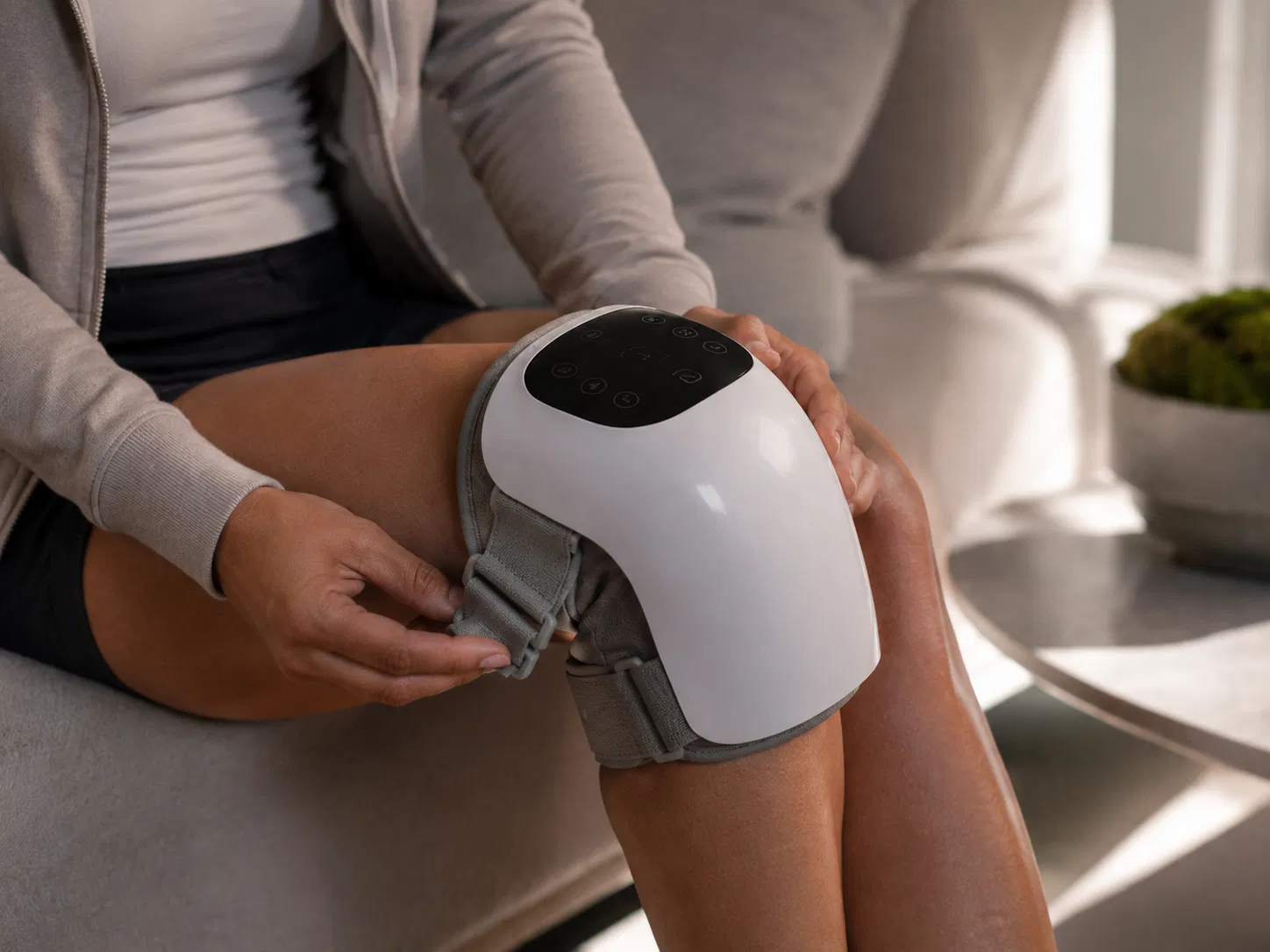
Gentle warmth is one of the most commonly used comfort approaches for knee stiffness and general discomfort. Whether through warm compresses, heated wraps, or infrared-based devices, warmth can help promote a sense of ease around the joint. Our guide on when to use heat or ice discusses how people approach this choice.
Light Support Devices
Some people find that gentle compression sleeves or supportive wraps provide a sense of stability during daily activities. These tools don't change the underlying healing process but may increase confidence during movement and reduce the sensation of vulnerability in the joint.
Comfort Routines
Building a consistent at-home comfort routine, combining warmth, gentle movement, and rest in a regular pattern, helps many people feel more in control of their recovery experience. The specific tools matter less than the consistency of the routine itself.
How Daily Activities Can Influence Recovery Experience
While professional guidance is essential for knee injury recovery, daily choices and habits can influence how the recovery period unfolds. Understanding this relationship helps set realistic expectations.
Activity Modification
After a knee injury, some activities may need to be modified or temporarily avoided. This doesn't necessarily mean complete rest. Finding the balance between protecting the injured structures and maintaining appropriate movement is often part of the recovery process.
Supporting the Healing Environment
The body's natural healing processes benefit from supportive conditions. Adequate nutrition, hydration, and sleep all contribute to tissue repair. Managing overall stress and maintaining a positive outlook, while acknowledging challenges, can also influence the experience.
Gradual Return to Activities
Rushing back to full activity before the knee is ready often leads to setbacks. A gradual return, with careful attention to how the knee responds, typically produces better long-term outcomes. Patience during this process, though challenging, serves recovery well.
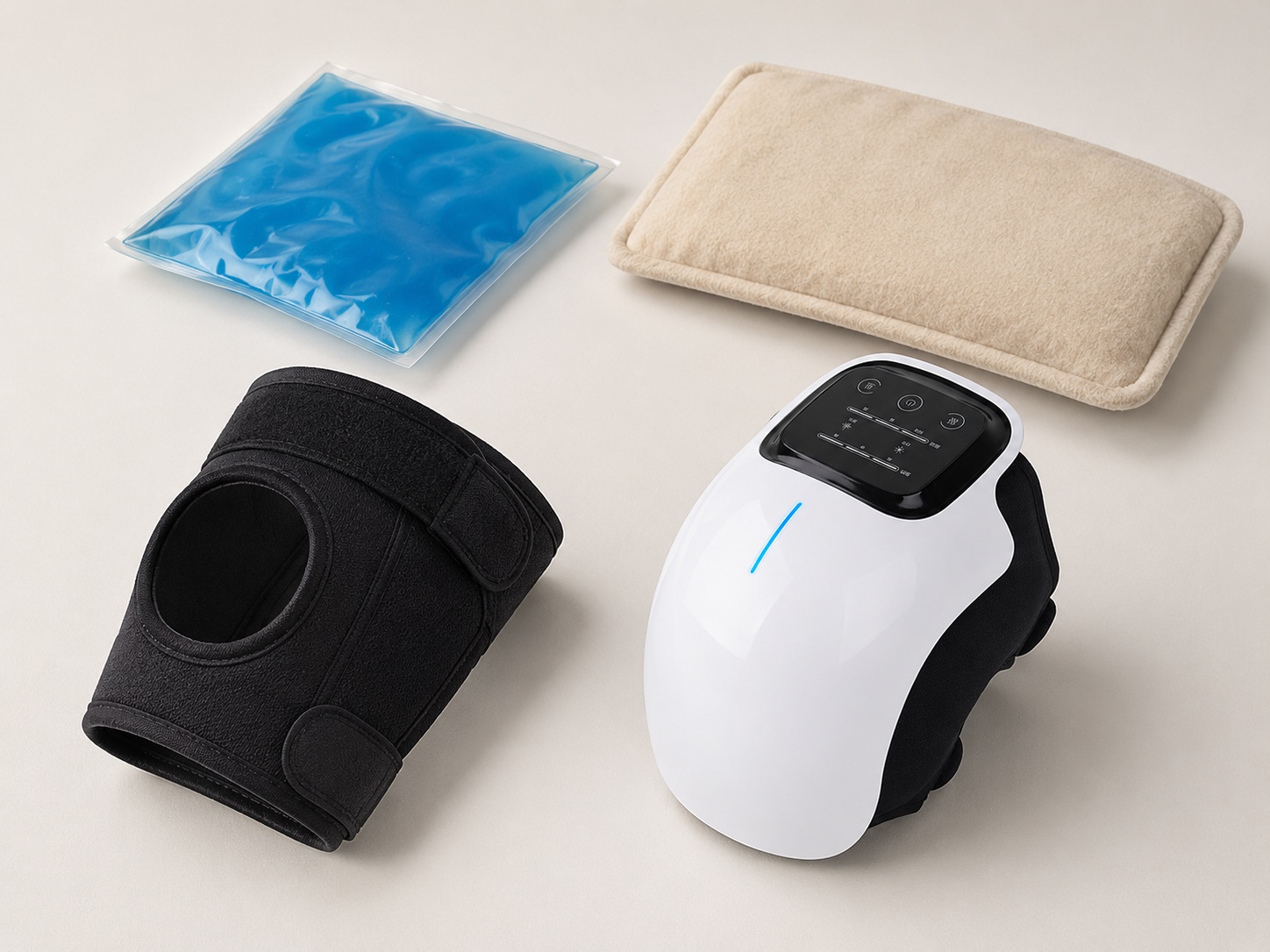
The RICE Principle
Many people are familiar with RICE: Rest, Ice, Compression, and Elevation. While this approach is commonly suggested for acute injuries, the specifics of what's appropriate vary by injury type. Following guidance from a healthcare provider ensures you're taking steps suitable for your particular situation.
General Recovery Considerations
Knee recovery timelines and experiences vary enormously based on the specific injury, individual factors, and the care approach taken. Some general principles apply across many situations.
Recovery Takes Time
Even minor knee injuries typically require weeks to fully resolve. More significant injuries may take months. Setting realistic expectations from the beginning helps manage frustration and supports consistent effort throughout the process.
General Recovery Timelines by Injury Type
Approximate ranges vary significantly based on individual factors and severity
Progress Isn't Always Linear
Good days and harder days are normal during recovery. A setback doesn't necessarily mean something is wrong. The overall trend matters more than daily fluctuations. Tracking progress over weeks rather than hours provides a more accurate picture.
Professional Guidance Matters
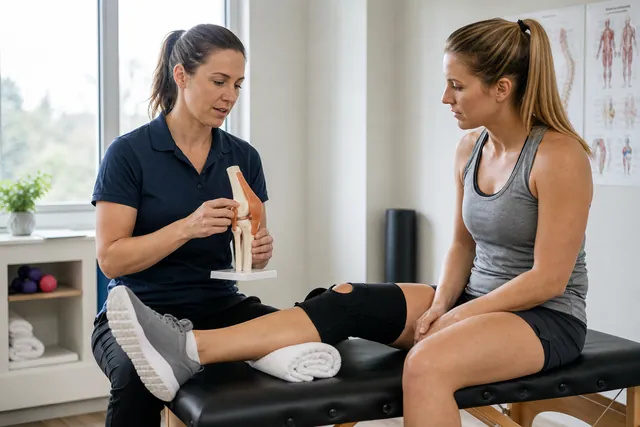
While general information is helpful for understanding, individual circumstances require individual guidance. What works for one person's injury may not be appropriate for another's. Healthcare providers can offer tailored recommendations based on specific diagnoses and personal factors.
Lifestyle Balance
Recovery doesn't happen in isolation from the rest of your life. Finding ways to maintain well-being, social connections, and purpose during recovery supports overall health and can positively influence the healing experience.
When It May Be Appropriate to Seek Professional Advice
While not every instance of knee discomfort requires immediate professional attention, certain situations warrant seeking care promptly.
✓ Quick Tips
- •Significant swelling developing rapidly after an injury
- •Inability to bear weight on the affected leg
- •Visible deformity of the knee
- •Severe pain that doesn't improve with rest
- •Locking of the knee where it cannot fully straighten
- •Signs of infection: redness, warmth, fever
- •Symptoms that don't improve or worsen over several days
Even in the absence of these concerning signs, persistent knee pain or knee discomfort that doesn't improve with basic self-care over a week or two generally benefits from professional evaluation. Early attention to problems often leads to better outcomes than waiting until issues become more established.
Supporting Knee Health Moving Forward
Whether you're recovering from a knee injury or hoping to prevent one, ongoing attention to knee health serves you well. Building strength in the muscles that support the knee, maintaining flexibility, and listening to your body's signals all contribute to long-term knee joint well-being.
Many people find that incorporating supportive habits into their daily routine, from gentle movement to appropriate rest, becomes second nature over time. The goal isn't perfection but consistent attention to the practices that help your knees feel and function their best.
For practical strengthening exercises to protect your knees, see our guide on how to strengthen knees for better stability. If your injury involves the back of the knee, our back of knee pain guide provides more detail on posterior knee structures. Runners recovering from injury may benefit from our running knee pain guide, and those experiencing sharp sensations during recovery should explore our sharp knee pain guide.
Frequently Asked Questions
What are the most common types of knee injuries?
Common knee injuries include ligament sprains (particularly ACL and MCL), meniscus tears, tendon injuries like patellar tendinitis, cartilage damage, and bursitis. The specific type depends on how the injury occurred and which structures were affected.
How do I know if my knee injury is serious?
Signs that warrant prompt evaluation include significant swelling, inability to bear weight, visible deformity, severe pain, locking of the knee, or symptoms that worsen over several days. If you experience any of these, professional assessment is advisable.
How long do knee injuries typically take to heal?
Recovery times vary significantly depending on the injury type and severity. Minor strains may improve within weeks, while more significant injuries like ligament or meniscus tears may require months. Following professional guidance supports optimal recovery.
Should I use ice or heat on a knee injury?
Ice is generally recommended for acute injuries to reduce swelling, especially in the first 48 to 72 hours. Heat may be helpful later for stiffness. The appropriate approach depends on the injury stage, so following professional guidance is recommended.
Can knee injuries heal on their own without treatment?
Some minor knee injuries may improve with rest and basic self-care. However, significant injuries often benefit from professional evaluation to ensure proper healing. Untreated injuries can sometimes lead to ongoing problems or increased vulnerability to future issues.
What is the difference between a knee injury and knee pain?
A knee injury typically involves a specific event causing structural damage, with sudden onset of symptoms like swelling or instability. Knee pain can develop gradually from overuse, posture, or lifestyle factors without a clear triggering event. Both deserve attention but may require different approaches.
What activities most commonly cause knee injuries?
Sports involving sudden direction changes, running with rapid volume increases, stair climbing, deep squatting with improper form, and hiking on uneven terrain are among the most common triggers. Everyday repetitive movements and poor movement habits can also contribute over time.
What mistakes should I avoid during knee injury recovery?
Common mistakes include returning to full activity too quickly, ignoring early warning signs of strain, being either too sedentary or too active, and maintaining inconsistent supportive habits. Gradual progression guided by how the knee responds typically leads to better outcomes.