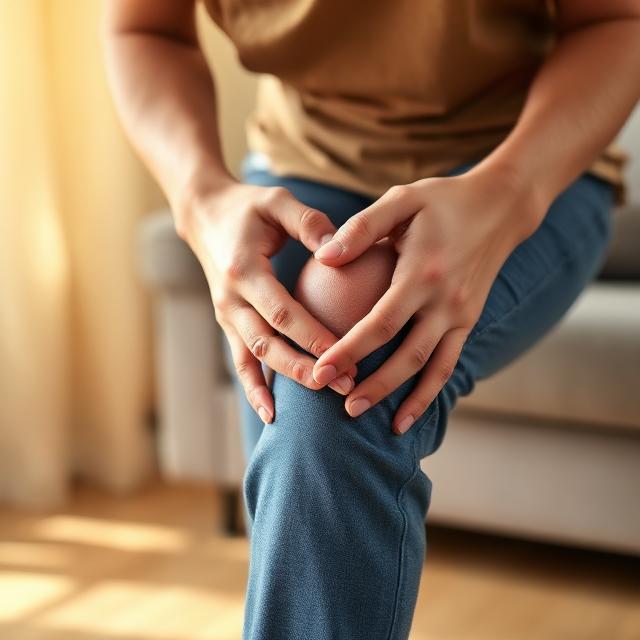
You're walking normally, then suddenly a sharp, stabbing pain shoots through your knee. Minutes later, it's gone. This pattern of sharp knee pain that comes and goes is one of the most common and frustrating knee complaints. Understanding why it happens is the first step toward managing it effectively.
Why Sharp Knee Pain Comes and Goes
Intermittent sharp knee pain differs from constant, dull aching. The "comes and goes" nature typically points to mechanical or positional triggers, meaning certain movements, positions, or activities provoke the pain, while others don't. Here are the most common causes:
1. Meniscus Issues
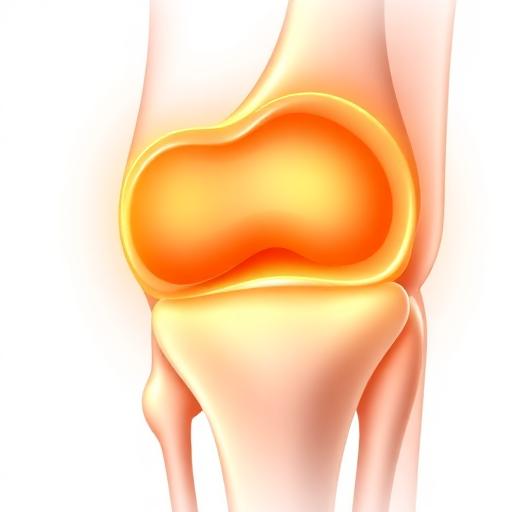
The meniscus is a C-shaped piece of cartilage that cushions your knee joint. Small tears or wear in the meniscus can cause sharp pain that appears during specific movements (twisting, squatting, or getting up from a seated position) and then resolves when the knee returns to a neutral position.
Meniscus-related pain often comes with a sensation of catching or locking in the joint. If the torn piece temporarily shifts position, it can cause sudden sharp pain that resolves when it shifts back.
2. Patellar Tracking Problems
Your kneecap (patella) glides in a groove on your thighbone. When it doesn't track properly, due to muscle imbalances, tightness, or structural factors, it can create sharp pain that occurs during specific movements like climbing stairs, squatting, or sitting for extended periods.
This is particularly common among runners and is sometimes called "runner's knee" or patellofemoral pain syndrome. The pain typically worsens with certain activities and resolves with rest. For a focused look at kneecap-related discomfort, see our guide on pain behind the kneecap.
3. Loose Bodies in the Joint
Small fragments of bone or cartilage can float within the knee joint space. These "loose bodies" don't always cause pain, but when they get caught between the joint surfaces during movement, they can cause sudden, sharp, catching pain that resolves when the fragment shifts position.
4. Inflammatory Flare-Ups
Conditions like osteoarthritis or gout can cause intermittent inflammatory flare-ups that produce sharp pain during active periods and then subside. These flare-ups are often triggered by activity levels, weather changes, dietary factors, or stress. For broader context on what makes discomfort worse, see our guide on what makes knee pain worse.
5. IT Band Syndrome
The iliotibial (IT) band runs from your hip to your shin along the outside of your thigh. When it becomes tight or inflamed, it can cause sharp pain on the outside of the knee, particularly during activities like running, cycling, or going downstairs. For more on outer knee patterns, see our IT band syndrome guide and side knee pain overview.
6. Nerve-Related Pain
Sometimes sharp knee pain isn't originating from the knee at all. Nerve compression or irritation in the lower back, hip, or along the leg can refer pain to the knee area. This type of referred pain tends to come and go based on the position of the spine or hip. Learn more about this connection in our knee and lower body connection guide.
Patterns to Pay Attention To
Tracking when and how your sharp knee pain occurs can help identify the cause and guide your response:
| Pain Pattern | Possible Causes | Typical Triggers |
|---|---|---|
| Sharp pain with twisting | Meniscus tear, loose body | Turning, pivoting, squatting |
| Pain going up/down stairs | Patellar tracking, arthritis | Stairs, inclines, kneeling |
| Pain on outer knee during activity | IT band syndrome | Running, cycling, hiking |
| Pain after sitting, resolves with movement | Patellofemoral syndrome | Prolonged sitting, "theater sign" |
| Random sharp pain at rest | Loose body, nerve referral | Unpredictable, positional |
| Nighttime sharp pain | Inflammatory flare-up, gout | Rest, inactivity, position |

Recommended for this guide
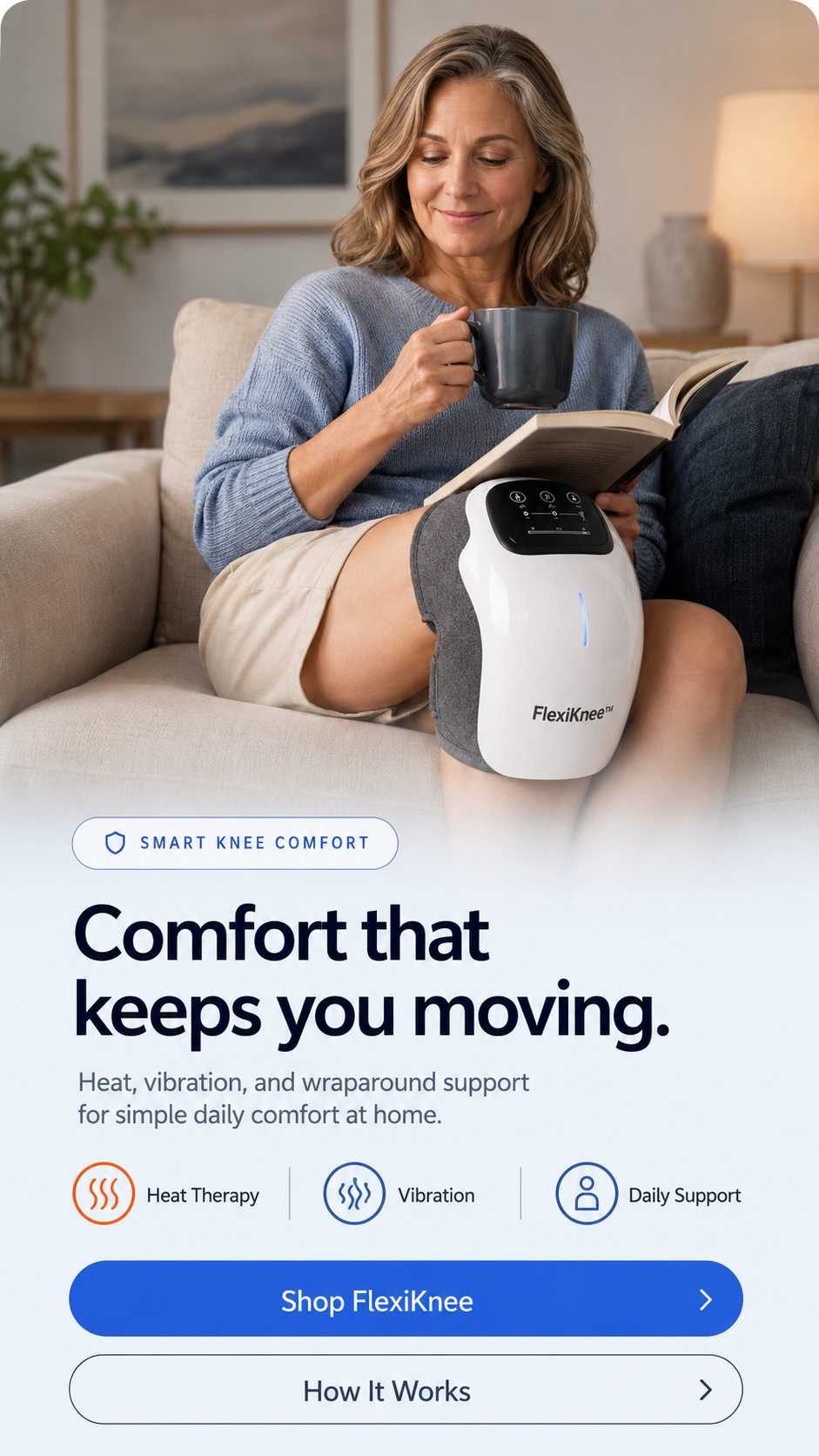
FlexiKnee Smart Heated Knee Massager
Adjustable warmth, red light, and gentle vibration in one wireless wrap for a complete 15-minute daily knee routine.
When to See a Healthcare Professional
While occasional mild sharp pain may not be urgent, certain signs warrant professional evaluation:
- Pain is worsening in frequency or intensity over weeks
- Swelling accompanies the pain, especially if the knee feels warm or looks red
- The knee locks or gives way: you can't fully bend or straighten it
- You can't bear weight on the affected leg during episodes
- Pain disrupts sleep regularly
- There's visible deformity or significant instability
These signs may indicate a condition that benefits from professional diagnosis and targeted treatment. Don't wait for the pain to become constant before seeking help.
Home-Based Comfort Options That Help
For the many people whose intermittent sharp knee pain doesn't require surgical intervention, home-based approaches can significantly improve daily comfort and reduce episode frequency:
Heat Therapy
Heat therapy is particularly effective for intermittent knee pain because it addresses several contributing factors simultaneously: it increases blood flow, relaxes tight muscles, reduces stiffness, and supports the body's natural comfort processes. For people whose sharp pain is triggered by stiffness or muscle tension, regular heat therapy can help reduce the frequency of episodes.
Learn more about how heat compares to other approaches in our heat vs. red light therapy guide.
Gentle Strengthening
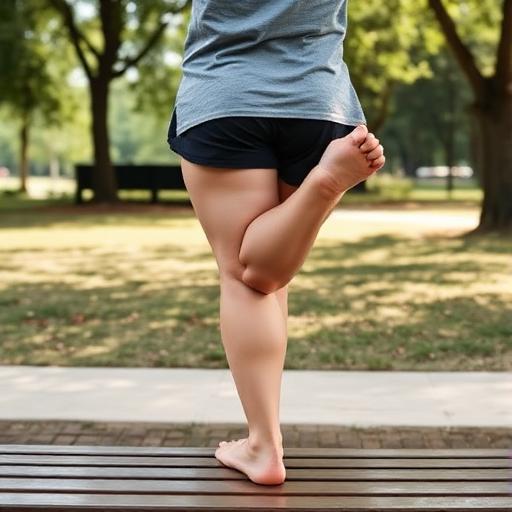
Strengthening the muscles around the knee, particularly the quadriceps, hamstrings, and glutes, can improve joint stability and reduce the likelihood of pain-triggering movements. Focus on low-impact exercises like:
- Straight leg raises
- Wall sits (shallow depth)
- Clamshells for hip stability
- Step-ups (low height)
- Gentle cycling on flat terrain
Movement Modification
Identifying and modifying the movements that trigger your sharp pain can reduce episode frequency. This doesn't mean avoiding all activity: rather, it means finding alternative ways to perform problematic movements or building up to them gradually.
Daily Comfort Routines
Building consistent daily habits is often more effective than reactive treatment. A morning and evening routine that includes gentle movement, heat therapy, and stretching can create a foundation of comfort that makes sharp episodes less frequent and less severe.
Heat vs. Ice: Which Is Better for Sharp Knee Pain?
This is one of the most common questions about intermittent knee pain, and the answer depends on timing:
- During an acute episode with swelling: Ice may help reduce inflammation (15–20 minutes, with a cloth barrier)
- Between episodes for prevention: Heat therapy is generally preferred: it improves circulation, reduces stiffness, and supports daily comfort
- For chronic, recurring patterns: Heat therapy as a daily routine is typically more beneficial than reactive ice application
Many people find that a consistent heat therapy routine between episodes is more effective than applying ice only when pain strikes. The proactive approach addresses underlying stiffness and tension before they trigger the next episode.
Living Well With Intermittent Knee Pain
Sharp knee pain that comes and goes doesn't have to control your life. With the right combination of understanding, prevention, and active daily support, most people can significantly reduce both the frequency and impact of episodes.
The key principles:
- Track your patterns: Note what triggers episodes and what helps
- Stay active wisely: Modify activities rather than avoiding them entirely
- Build daily habits: Consistent heat therapy, gentle movement, and stretching
- Seek help when needed: Don't ignore worsening patterns or new symptoms
- Invest in recovery tools: Quality at-home devices support long-term comfort
Recommended for this guide
FlexiKnee Smart Heated Knee Massager
Adjustable warmth, red light, and gentle vibration in one wireless wrap for a complete 15-minute daily knee routine.
Related Guides
- Side Knee Pain: Comfort & Support Guide
- Knee Discomfort & the Lower Back/Hip Connection
- Heat vs. Red Light Therapy for Knee Comfort
- Best Running Shoes for Knee Pain
- Below-Knee Discomfort in Teens & Active Adults