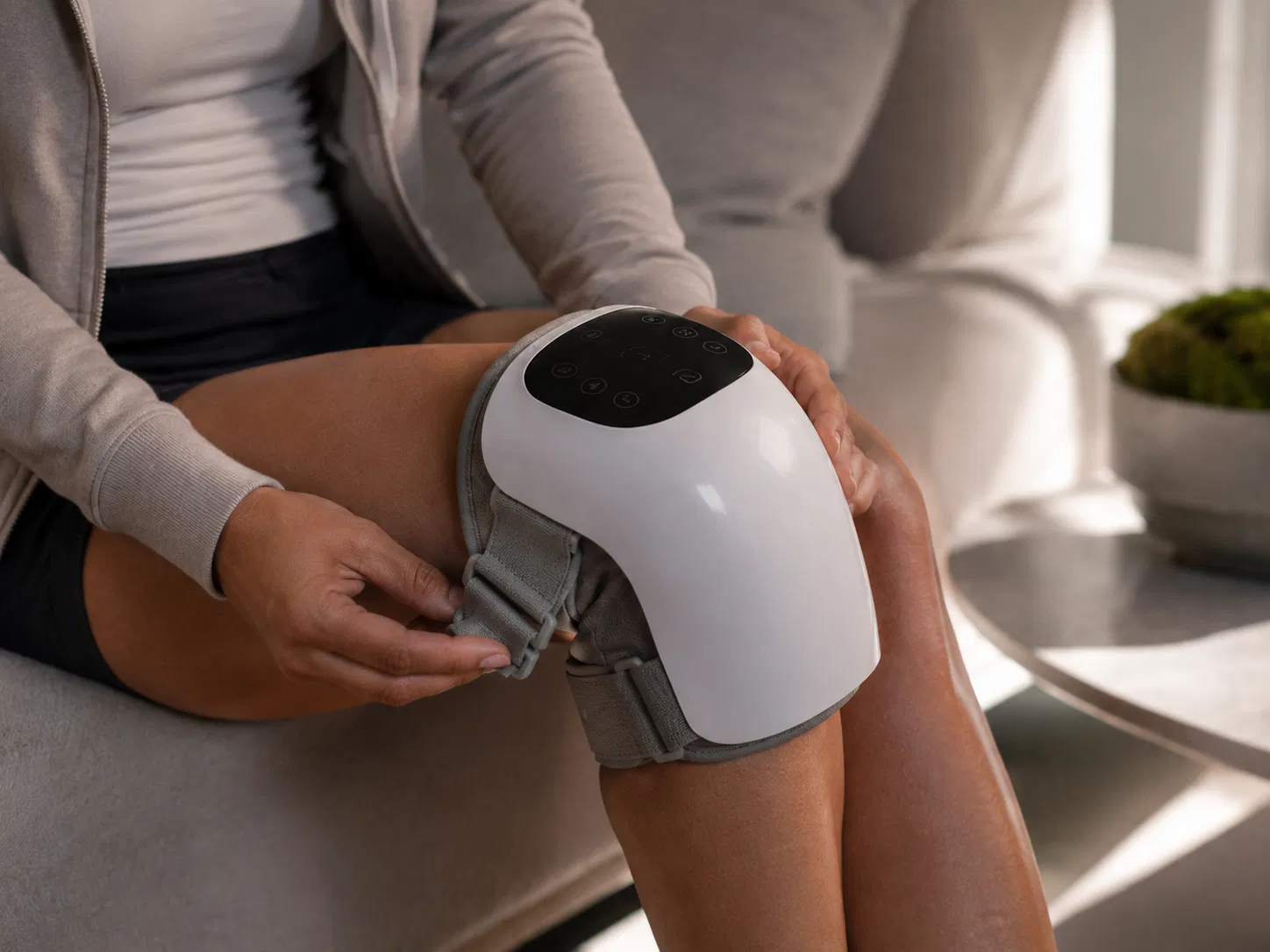
Every winter, millions of people notice the same thing: their knees hurt in cold weather. The temperature drops, and suddenly your joints feel stiffer, achier, and harder to move. You're not imagining it, and you're certainly not alone. Weather-related knee discomfort is one of the most commonly reported joint complaints worldwide, especially among adults over 35.
But why exactly does knee pain in cold weather happen? What role do temperature, humidity, and barometric pressure play? And most importantly, what can you do about it? This guide breaks it all down in simple, clear terms.
Why Cold Weather Affects Knee Joints
Your knee joint is a remarkably sensitive structure. It contains cartilage, synovial fluid, ligaments, tendons, and a dense network of nerve endings, all of which respond to changes in temperature and atmospheric conditions.
When temperatures drop, several things happen simultaneously inside and around your knee:
- Blood vessels constrict: Your body redirects blood flow to core organs to maintain warmth. This means less warm, oxygen-rich blood reaches your knees, leaving them cooler and stiffer.
- Synovial fluid thickens: The lubricating fluid in your joint becomes more viscous in cold conditions, much like how motor oil thickens in winter. This makes joint movement feel less smooth.
- Muscles and tendons tighten: Cold temperatures cause the muscles and tendons around your knee to contract slightly, reducing flexibility and increasing the sensation of stiffness.
- Nerve sensitivity increases: Cold can make the nerve endings in and around your joint more sensitive, amplifying discomfort signals that you might not notice in warmer conditions.

The combined effect of all these changes is that familiar cold-induced stiffness, your knees feel tight, achy, and slow to respond when you first start moving in cold conditions.
Temperature Drops vs. Humidity vs. Barometric Pressure
Weather-related knee pain isn't caused by just one factor. Three distinct weather elements can affect your joints, and understanding each one helps explain why some cold days feel worse than others.
Temperature Drops
When the thermometer falls, your body's natural response is vasoconstriction, narrowing of blood vessels to preserve core heat. This directly reduces blood flow to your extremities, including your knees. The result is less warmth, less oxygen, and less nutrient delivery to the joint tissues. For most people, this is the most straightforward connection between cold and knee stiffness in cold weather.
Humidity & Dampness
Many people report that damp, cold weather feels worse on their joints than dry cold. While the exact mechanism isn't fully understood, there are plausible explanations. Humid cold air conducts heat away from the body faster than dry cold air, meaning your joints cool down more quickly. Additionally, damp conditions often accompany dropping barometric pressure, which adds a second layer of joint stress.
Barometric Pressure Changes
This is perhaps the most fascinating, and most debated, factor. Barometric pressure is the weight of the atmosphere pressing down on everything, including your body. When the pressure drops (as it does before storms and weather fronts), the external pressure on your joint tissues decreases slightly.

Think of it this way: normally, atmospheric pressure helps keep your joint tissues compressed and stable. When that pressure drops, the tissues can expand slightly, even microscopically. In joints that already have some wear, inflammation, or sensitivity, this tiny expansion can press on nerve endings and create a noticeable ache. This is why many people say they can "feel the weather coming" in their knees.
The Weather Prediction Connection
Many people with weather-sensitive joints report being able to predict rain or storms based on how their knees feel. While this hasn't been definitively proven in large-scale studies, the barometric pressure connection provides a plausible explanation for why so many people experience this phenomenon.
Why Knees Feel Stiff in Cold Weather
Knee stiffness in cold weather follows a predictable pattern. When you step outside into cold air, or even when your home gets chilly, the tissues around your knee joint respond almost immediately.
The synovial fluid that normally keeps your cartilage surfaces gliding smoothly becomes thicker and less efficient. Imagine trying to pour cold honey versus warm honey, the principle is similar. Your joint's natural lubrication becomes sluggish.

At the same time, the quadriceps, hamstrings, and calf muscles that support your knee all tighten in response to cold. This muscle contraction reduces your range of motion and makes bending and straightening your knee feel more effortful. The combination of thicker fluid and tighter muscles is what creates that characteristic "cold morning stiffness" that can last until your body warms up.
For a deeper look at how inactivity and rest affect knee stiffness, check our dedicated guide, the mechanisms overlap with cold-weather patterns.
Why Knees Ache More in Damp or Rainy Weather
If you've ever noticed that cold and damp knee discomfort feels different from dry cold, you're picking up on a real pattern. Damp, rainy weather tends to produce a deeper, more persistent ache compared to the sharp stiffness of dry cold.
Several factors contribute to this:
- Faster heat loss: Humid air conducts heat away from your body more efficiently than dry air. Your joints cool down faster and stay cold longer.
- Barometric pressure drops: Rainy weather almost always involves falling barometric pressure, which can cause subtle tissue expansion in the joint.
- Reduced activity: People tend to move less in wet weather, staying indoors and being more sedentary. This inactivity compounds the stiffness effect.
- Mood and perception: Gray, rainy days can affect mood and pain perception. Studies suggest that our perception of discomfort can be influenced by emotional state.
The key takeaway? Damp weather hits joints from multiple angles simultaneously, which is why many people with weather-sensitive joints rank wet, cold days as their worst for knee comfort.
Dry Cold vs. Damp Cold vs. Wind Chill, Pain Patterns
Not all cold weather affects your knees the same way. Understanding the differences can help you prepare for, and manage, each type of winter joint ache.

Dry Cold
Creates primarily muscle tightness and reduced flexibility. Your knees may feel stiff and resistant to bending, but the discomfort usually responds well to warming up, a few minutes of gentle movement indoors often brings significant improvement. Dry cold is the most "manageable" type for most people.
Damp Cold
Produces a deeper, more persistent ache that can feel like it's coming from inside the joint itself. This type of discomfort is harder to shake off and may require sustained warmth application, like a warm therapy routine, rather than just movement alone. Many people describe damp cold knee pain as "bone-deep."
Wind Chill
Wind strips heat from exposed skin and tissues rapidly. If your knees aren't covered, wind chill can cool the joint area much faster than still cold air. The discomfort tends to be more surface-level, affecting the skin and superficial tissues first, but can deepen with prolonged exposure.
Why People Over 40 Notice Cold-Weather Pain More
If you're over 40 and finding that knees hurt when temperature drops more than they used to, there are clear reasons for this shift.
As we age, the factors that make joints vulnerable to cold become more pronounced:
- Cartilage thinning: Thinner cartilage means less cushioning between bones. Cold-induced fluid thickening has a more noticeable effect when there's less cartilage to compensate. Learn more about age-related joint changes.
- Reduced circulation efficiency: Blood flow to the extremities naturally decreases with age, making joints cooler and more vulnerable to temperature drop inflammation.
- Lower muscle mass: Less muscle around the knee means less natural insulation and less metabolic heat generation in the joint area.
- Accumulated joint wear: Decades of use create subtle changes in joint surfaces that make them more sensitive to environmental triggers.
- Changes in synovial fluid: The quality and quantity of joint fluid can decrease with age, amplifying the effects of cold-induced thickening.
For comprehensive strategies tailored to aging joints, see our complete guide to knee comfort after 40.
Why Old Injuries Flare Up in Winter
One of the most frustrating aspects of knee pain in winter is when an old injury, perhaps from years or even decades ago, suddenly starts aching again when the weather turns cold.
This happens because injured tissues, even after healing, are never quite the same as uninjured tissues. Scar tissue is less elastic and has a different density than normal tissue. It responds differently to temperature and pressure changes.
When barometric pressure drops or temperatures fall, the micro-changes in tissue expansion and contraction affect scar tissue more than healthy tissue. The nerve endings in and around old injury sites may also be more sensitive to these changes, creating a disproportionate discomfort response.
The Old Injury Pattern
If your old knee injury aches predictably when weather changes, it's likely because the healed tissues respond differently to barometric and temperature changes than surrounding healthy tissue. This is normal and doesn't usually indicate re-injury, it's simply your body's heightened sensitivity in that area.
Daily Habits That Increase Cold-Weather Knee Discomfort
Some everyday habits can make joint pain in cold weather worse without you realizing it:
- Not warming up before going outside: Stepping into cold air with cold, stiff joints amplifies the temperature shock.
- Wearing thin clothing over the knees: Jeans and thin trousers provide almost no insulation for your knee joints in winter.
- Reducing activity in winter: Many people become more sedentary during cold months, which compounds stiffness with inactivity.
- Dehydration: People tend to drink less water in cold weather, but hydration is essential for healthy synovial fluid production.
- Sitting near cold drafts: Positioning yourself near windows or doors where cold air enters can continuously cool your knee joints.
- Skipping warm-up routines: The gentle movement and warmth routines that keep joints comfortable in summer are even more important in winter, yet people often skip them.
For a structured approach to daily joint care that works year-round, see our daily knee care routine guide.
Warmth-Based Comfort Strategies for Cold Weather
The most effective approach to managing knee pain in cold weather centers on maintaining warmth, both externally and through movement.
✓ Quick Tips
- •Apply warmth to your knees for 15-20 minutes before heading outside in cold weather
- •Wear thermal knee sleeves or insulated leggings to maintain joint warmth outdoors
- •Do 5 minutes of gentle indoor movement before stepping into the cold
- •Stay well-hydrated, warm drinks like herbal tea support both hydration and circulation
- •Keep your home warm enough to prevent joint cooling, especially in sitting areas
- •Use a heated knee device or warm compress in the evening to recover from cold exposure
- •Layer clothing over the knees, even a thin thermal layer under trousers makes a significant difference
- •Consider gentle indoor exercises during the coldest days to keep joints active
For more about how warmth therapy supports knee comfort, read our guide on when to use heat vs. ice for knees, and explore the benefits of heat and red light therapy combined.
Frequently Asked Questions
Why do knees hurt in cold weather?
Cold temperatures cause blood vessels to constrict (reducing warm blood flow to joints), synovial fluid to thicken (reducing lubrication), and muscles around the knee to tighten. These combined effects create stiffness and discomfort that many people experience during winter months or sudden temperature drops.
Does cold weather cause joint inflammation?
Cold weather doesn't directly cause inflammation in the medical sense, but it can amplify existing sensitivity. Reduced blood flow and thicker synovial fluid make joints feel achier, and barometric pressure changes can cause subtle tissue expansion that presses on nerve endings, creating a sensation similar to inflammation.
How does barometric pressure affect joint pain?
When barometric pressure drops (typically before storms), the reduced external pressure allows joint tissues to expand slightly. In sensitive joints, especially those with previous wear or injury, this micro-expansion can press on nerve endings and create noticeable aching or throbbing sensations.
Why do old knee injuries hurt in winter?
Healed scar tissue from old injuries responds differently to temperature and pressure changes than healthy tissue. It's less elastic and more sensitive to micro-changes in the environment. This is why old injury sites often ache predictably when weather changes, it's heightened sensitivity, not re-injury.
Why do knees stiffen when temperature drops?
When temperatures fall, three things happen: synovial fluid in the joint thickens, muscles around the knee tighten, and blood flow decreases. Together, these create the characteristic stiffness that makes your first movements in cold conditions feel tight and uncomfortable. Cold weather can also amplify knee clicking during walking because thicker joint fluid and tighter muscles change how the kneecap tracks. Activities like going down stairs may feel notably harder in winter months.
Why does damp weather make knees ache?
Damp, cold air conducts heat away from your joints faster than dry air, and rainy weather usually accompanies falling barometric pressure. The combination of faster cooling and pressure changes creates a deeper, more persistent ache that many people describe as "bone-deep" discomfort.
How can I reduce cold-weather knee pain?
Apply warmth to your knees before going outside, wear thermal layers over your knee joints, do gentle indoor warm-up exercises, stay hydrated with warm fluids, and use a heated knee device or warm compress in the evening. Keeping joints warm and mobile is the most effective approach.
Is cold-weather knee pain normal after 40?
Yes, cold-weather knee sensitivity becomes more common after 40 due to natural changes in cartilage thickness, synovial fluid quality, muscle mass, and circulation efficiency. While it's a normal part of aging, simple warmth and movement strategies can significantly reduce the impact on your daily comfort.
Related guides: Knee Pain After 40 | Knee Exercises for Daily Comfort | Knee Mobility After 50 | Intermittent Knee Pain Guide