What Intermittent Knee Pain Means
Intermittent describes timing. It does not describe severity or cause. One person may notice an ache after long walks. Another may have stiffness after sitting. Someone else may experience a short movement-specific episode and then feel normal for several days.
This timing category is different from constant pain that remains present throughout the day. It is also different from the quality of pain. If your main symptom is stabbing, shooting, pinching, or electric, the sharp knee pain guide provides the more focused explanation.
Why Knee Pain May Appear and Disappear
Several broad pattern groups can create symptoms that are present only at certain times. These are categories for observation, not diagnoses.
Movement-specific episodes
Pain may occur at one part of a squat, during a turn, on the first step after sitting, while kneeling, or during stair use. A repeated movement-specific pattern can be more informative than the pain score alone. Note whether the knee also catches, locks, clicks painfully, or gives way.
Activity and recovery cycles
Symptoms may appear during activity, several hours later, or the next morning. Record recent changes in distance, frequency, intensity, terrain, footwear, or repeated bending. A temporary improvement after rest does not show which tissue is involved, but the load-response pattern can guide a gradual activity plan.
Episodes with swelling or warmth
Swelling changes the decision. Record whether it appears quickly after trauma, builds later, or occurs without an obvious injury. A hot, red, very painful, swollen knee with fever or feeling unwell needs urgent medical guidance. Recurrent swelling without fever still deserves assessment.
Pain-free periods between mechanical symptoms
Some joint problems create catching, locking, loss of motion, or instability only in specific positions. Meniscus symptoms, for example, can include pain, swelling, catching, locking, giving way, and reduced range of motion. These signs do not confirm a meniscus injury on their own, but they are important to report.
Symptoms referred from another area
Knee pain can coexist with symptoms from the hip, back, muscles, or nerves. Record whether pain travels and whether there is back pain, tingling, numbness, or weakness. An assessment may need to look beyond the knee when these clues are present.
Intermittent vs Persistent Knee Pain
| Pattern | What to record | Reason to arrange assessment |
|---|---|---|
| Brief and movement-specific | Exact motion, bend angle, location, catching | Repeats, worsens, locks, or changes walking |
| After activity | Load change, delayed swelling, next-day response | Recovery takes longer or normal activity becomes limited |
| Some good days, some bad days | Activity, stiffness, swelling, sleep disruption | Episodes become more frequent or severe |
| Persistent or progressive | Daily duration, night symptoms, loss of motion | Does not improve or steadily affects function |
How to Track Knee Pain That Comes and Goes
Use a short note on your phone rather than relying on memory. One week of specific observations can be more useful than a long description written after the pattern has changed.
| Field | Example entry |
|---|---|
| Time and duration | 7:40 a.m., lasted about 30 seconds |
| Exact location | Inner joint line, one-finger-sized spot |
| Quality | Ache, pressure, stiffness, sharp, burning |
| Trigger | First step after sitting, turning left |
| Associated signs | No swelling, one painful catch, no giving way |
| Later response | Walked normally, mild swelling that evening |
For a precise location description, use the knee pain location chart and diagram. Record the front, inner, outer, back, kneecap, tendon, or joint-line zone before the sensation fades.
What to Do When an Episode Starts
- Stop or reduce the provoking movement. Do not repeatedly test a painful turn, squat, or step.
- Check function. Can you move the knee and bear weight without severe pain or instability?
- Check associated signs. Look for swelling, unusual warmth, redness, deformity, locking, giving way, numbness, or weakness.
- Record the episode. Capture the pattern before it becomes hard to remember.
- Return gradually. When warning signs are absent and symptoms settle, resume comfortable activity in small steps rather than jumping back to the previous load.
Ice, Heat, Movement, or Rest?
A new injury or swollen, unusually warm knee calls for a different approach from a non-swollen knee that mainly feels stiff. Reduce the provoking load after a new episode. A wrapped cold pack may help short-term pain and swelling for some people. Do not apply ice directly to skin.
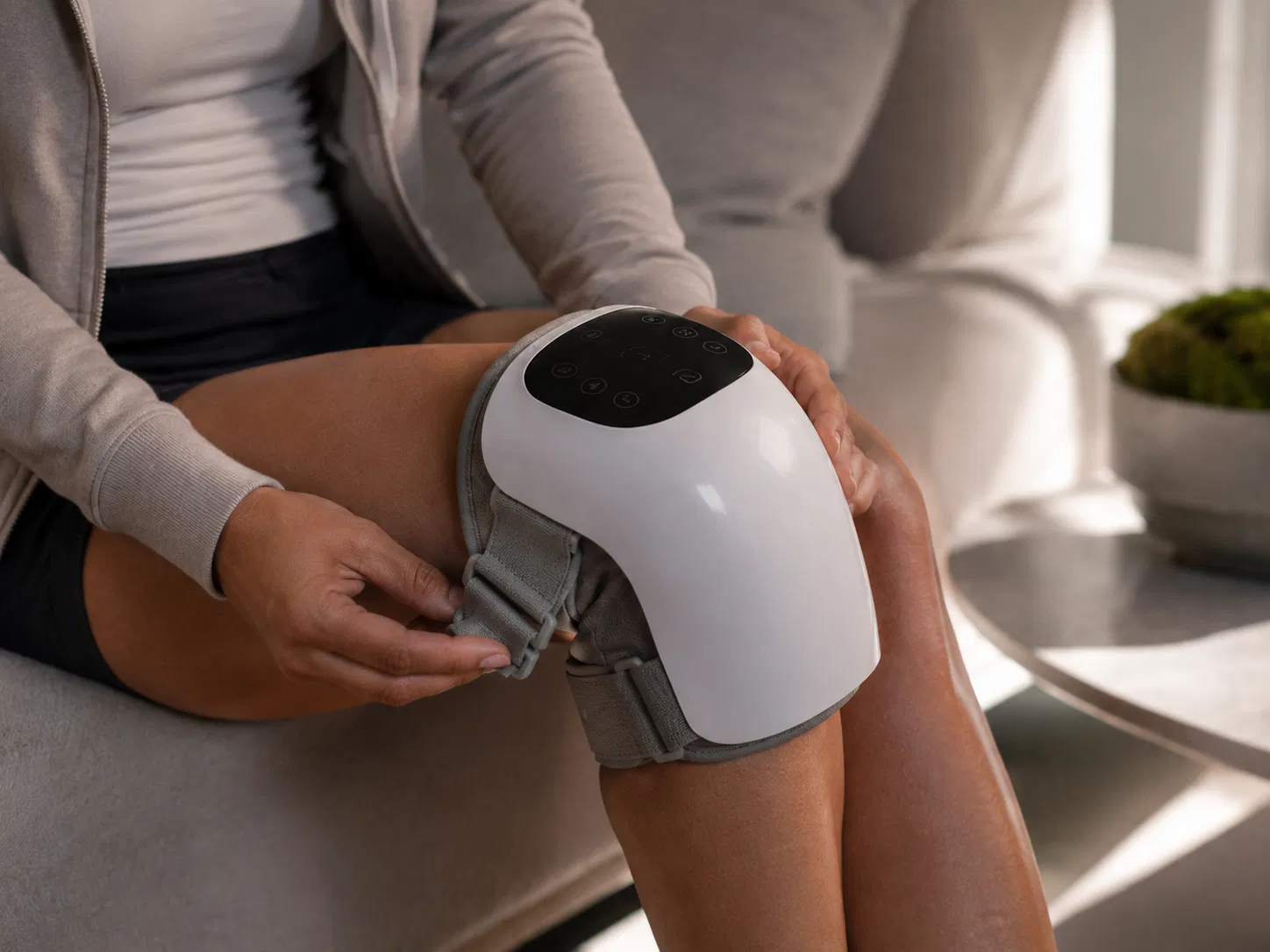
When there is no new injury, redness, unusual warmth, or swelling, easy movement can help avoid unnecessary stiffness. Gentle warmth may be used for comfort before movement if it feels good and is safe for you. Heat does not treat the cause of recurring pain and should not be used on a newly injured, hot, red, or swollen knee. Compare the situations in the ice or heat for knee pain guide.
When to Get Medical Help
How a Clinician Evaluates an Episodic Pattern
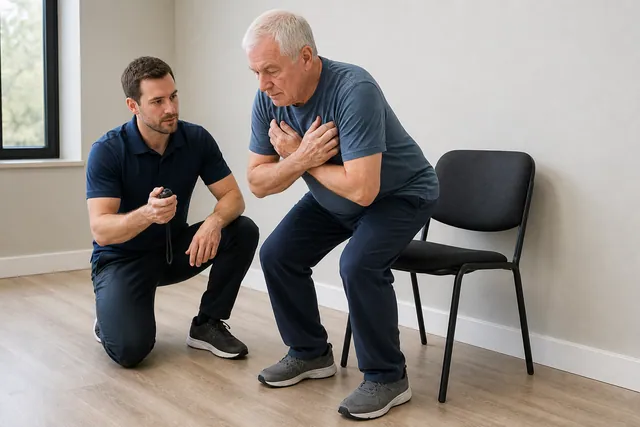
A clinician will usually ask about location, onset, duration, quality, trauma, swelling, mechanical symptoms, systemic symptoms, and previous injuries. The examination can compare motion, strength, tenderness, stability, circulation, and nerve function.
Imaging is selected for a clinical reason rather than used automatically for every recurring pain. Bringing a short episode log can help the appointment focus on the pattern that is missing when the knee happens to feel normal in the clinic.
Frequently Asked Questions
Why does my knee pain come and go?
Knee symptoms can be episodic because a particular movement, position, activity load, or period of swelling affects the knee only at certain times. The pattern alone does not identify a cause. Record timing, location, quality, triggers, swelling, and changes in function.
Can intermittent knee pain happen without an obvious injury?
Yes. Recurring pain can begin without one memorable injury. Changes in activity, repeated loading, kneecap-related patterns, joint irritation, and referred symptoms are among the broad possibilities. Persistent or recurrent episodes should be assessed when they limit normal activity.
Does a pain-free period mean my knee is fine?
Not necessarily. A pain-free period is useful information, but it does not rule out a recurring mechanical, inflammatory, load-related, or referred pattern. Pay attention to what consistently brings the symptoms back.
What should I track during an intermittent knee pain episode?
Record the date and time, exact location, pain quality, duration, movement or activity before it started, swelling, warmth, locking, catching, instability, numbness, and how the knee felt later that day and the next morning.
Should I rest when knee pain comes back?
Temporarily reduce or stop the movement that triggers significant pain, then check for swelling and warning signs. Complete rest is not always necessary, but do not push through severe pain, instability, true locking, or a new injury. Return to comfortable activity gradually.
When should recurring knee pain be assessed?
Arrange an assessment when episodes are becoming more frequent or severe, repeatedly limit walking or daily activity, cause swelling, disturb sleep, reduce motion, or include catching, locking, or giving way.
When is intermittent knee pain urgent?
Seek urgent guidance for severe pain after trauma, inability to bear weight or move the knee, major swelling or deformity, true locking, repeated giving way, a hot red swollen knee with fever, concerning calf swelling, or new marked numbness or weakness.