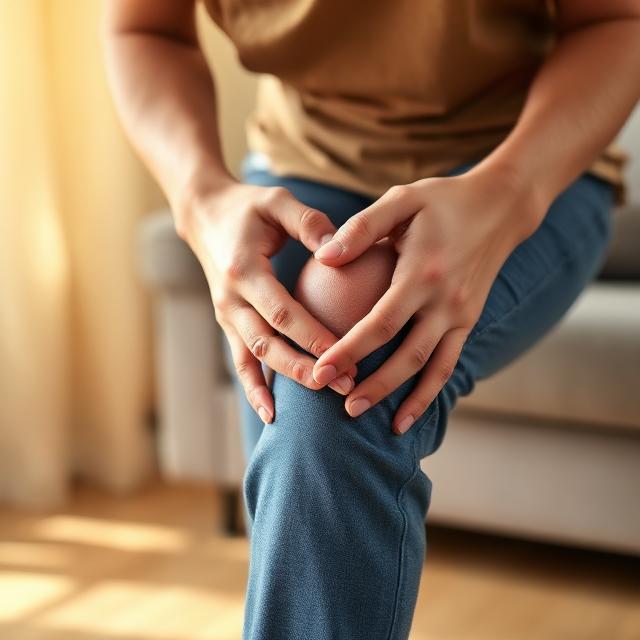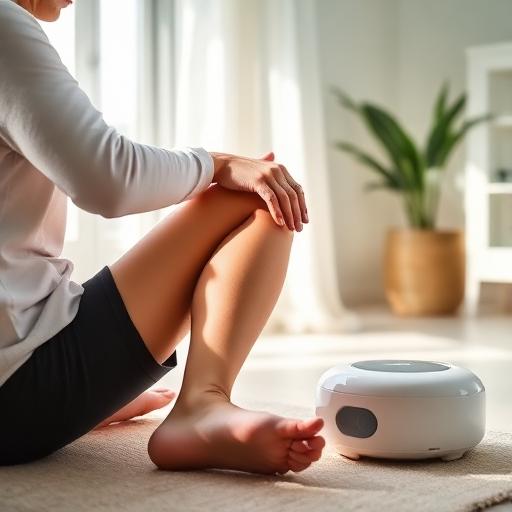
Few things are as puzzling as knee discomfort that seems to have a mind of its own. One morning you wake up feeling stiff and uncomfortable; the next day, everything feels perfectly fine. Understanding the patterns behind this kind of on-and-off discomfort can help you take a more proactive approach to your daily comfort.
Why Knee Discomfort Doesn't Always Follow a Pattern
The knee joint is influenced by a wide range of factors throughout each day. Your activity level, the shoes you wore, how long you sat at your desk, the weather outside, and even your sleep quality can all influence how your knees feel on any given day.
This is why knee discomfort can feel unpredictable. It's rarely caused by just one thing. Instead, it's usually the result of multiple small factors adding up. On days when several of these factors align unfavorably, discomfort appears. On better days, those same factors happen to be in your favor. If your discomfort tends to feel sharp or sudden, our sharp knee pain guide covers that specific pattern in more detail. For a broader view of what causes intermittent sharp episodes, our guide on sharp knee pain causes and relief explores the most common triggers.
Common Daily Factors That Influence Knee Comfort
Understanding what tends to make your knees feel better or worse can help you identify your personal comfort patterns. Some of the most common influences include:
- Activity changes: Doing more or less than your body is accustomed to
- Prolonged sitting: Extended periods without movement can lead to stiffness
- Footwear: Worn-out or unsupportive shoes can subtly affect knee comfort
- Sleep position: Sleeping with knees bent tightly or on a firm surface
- Weather shifts: Changes in barometric pressure or temperature
- Hydration and nutrition: Dehydration can contribute to joint stiffness
The Role of Movement in Managing Intermittent Discomfort
When your knee feels uncomfortable, the instinct to rest completely is understandable. However, gentle movement is often more supportive than staying still. Light walking, easy stretches, or simply changing positions regularly throughout the day can help keep the joint mobile and reduce stiffness.
The key is finding the right balance. You don't need to push through discomfort, but a little movement can often help the joint feel more comfortable than prolonged inactivity would.
Building a Daily Comfort Routine
One of the most effective strategies for managing intermittent knee discomfort is building a consistent daily routine. Rather than waiting for discomfort to appear and then reacting, a proactive approach tends to reduce both the frequency and intensity of uncomfortable days.
A simple routine might include:
- A few minutes of gentle stretching in the morning
- Regular movement breaks throughout the day
- A warmth session in the evening to help your knees unwind
- Staying hydrated and wearing supportive footwear

Recommended for this guide
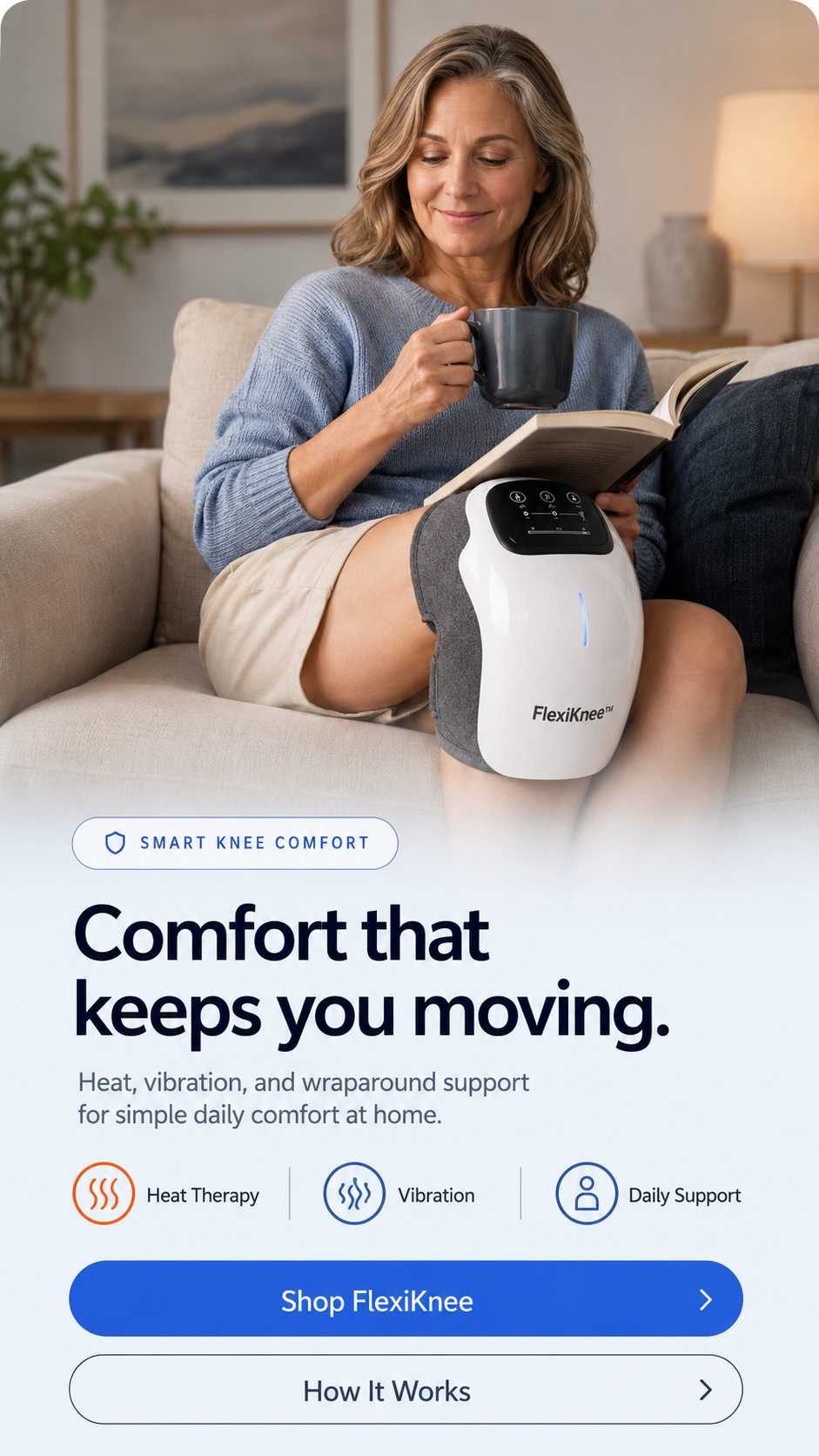
FlexiKnee Smart Heated Knee Massager
Adjustable warmth, red light, and gentle vibration in one wireless wrap for a complete 15-minute daily knee routine.
When Discomfort Tends to Be Worse
Many people notice patterns in when their knee discomfort is most noticeable. Common times include first thing in the morning (when joints are stiff from sleep), after sitting for long periods, after unusual physical activity, or during weather changes. If your discomfort tends to be worse at night, our nighttime comfort guide explores evening-specific strategies.
Keeping a simple mental note of when your knees tend to feel their best and worst can help you identify which daily habits are most supportive. Over time, this awareness often leads to naturally gravitating toward the habits that keep your knees more comfortable. Building a structured daily knee comfort routine can help stabilize your experience day to day.
The Importance of Consistency
With intermittent discomfort, there's a natural tendency to only focus on knee comfort on bad days. But the people who report the most consistent improvement in their daily comfort are those who maintain their routine even on good days.
Think of it like brushing your teeth: you don't skip it just because you don't have a toothache. Similarly, maintaining your knee comfort habits on good days helps prevent the next uncomfortable day from being as intense.
Supportive Tools for Daily Comfort
Beyond movement and stretching, many people find that warmth-based tools provide meaningful support for intermittent knee discomfort. Devices that combine warmth with other modalities like gentle vibration or red light can make a daily comfort routine feel more complete and enjoyable. To understand why warmth works well for daily comfort, see our heat vs. red light therapy guide.
The most practical devices are ones that are easy to use consistently. Wireless, lightweight options that you can use while relaxing tend to see the highest adherence because they fit seamlessly into your existing daily habits. Our knee warmth daily comfort guide explores when and how to use warmth most effectively.
Finding Your Personal Comfort Pattern
Everyone's knees are different, and what works perfectly for one person may not be the ideal approach for another. The most important thing is to pay attention to your own patterns, experiment with different supportive habits, and gradually build a routine that works for your lifestyle.
Intermittent knee discomfort doesn't have to feel unpredictable forever. With consistent daily habits and the right supportive tools, many people find that the comfortable days start to outnumber the uncomfortable ones.
Recommended for this guide
FlexiKnee Smart Heated Knee Massager
Adjustable warmth, red light, and gentle vibration in one wireless wrap for a complete 15-minute daily knee routine.
When Intermittent Pain Feels Sharp
Pain that comes and goes may occasionally feel sharp, especially during a specific step, turn, squat depth, or transition from sitting to standing. Note the exact movement, location, duration, swelling response, and whether the knee catches or gives way. These details are more useful than the word “sharp” alone.
Reduce the provoking load temporarily and rebuild it gradually when symptoms settle. Repeated locking, instability, significant swelling, inability to bear weight, or sharp pain following trauma warrants professional evaluation.