This page owns pain in the posterior knee. If the knee only feels tight and does not hurt, use knee tightness without pain. If the main issue is generalized soreness after a workout, use knee pain after exercise. This separation keeps “pain behind the knee” from competing with broader symptom pages.
Match Back-of-Knee Pain to the Trigger
| Trigger | Patterns to compare | Clues that change the priority |
|---|---|---|
| Bending the knee | Posterior joint compression, cyst fullness, meniscus or soft-tissue irritation | Catching, true locking, swelling, recent twist |
| Straightening the leg | Hamstring or calf tension, posterior capsule, Baker's cyst, blocked extension | Inability to regain full extension, rapidly growing swelling |
| After sitting | Bent-position stiffness, existing swelling, muscle tension | One-sided calf swelling, warmth, redness, travel risk |
| After exercise | Hamstring, upper calf, popliteus, workload response, joint irritation | Pop, twist, instability, rapid swelling, inability to bear weight |
| Lump or fullness | Baker's cyst or another mass | Sudden calf symptoms or a new unexplained lump |
What Is Behind the Knee?
The posterior knee is called the popliteal region. Hamstring tendons approach from the back of the thigh. The two heads of the gastrocnemius begin above the knee and continue into the calf. The small popliteus muscle lies deep behind the joint and helps with rotation as the knee begins to bend. The joint capsule, bursae, menisci, posterior cruciate ligament, nerves, artery, and vein are also nearby.
This anatomy explains why a location map can guide questions but cannot diagnose a structure. A long pulling sensation into the thigh differs from a soft central lump, a joint-line catch, or calf swelling with skin change.
Pain When Straightening the Leg
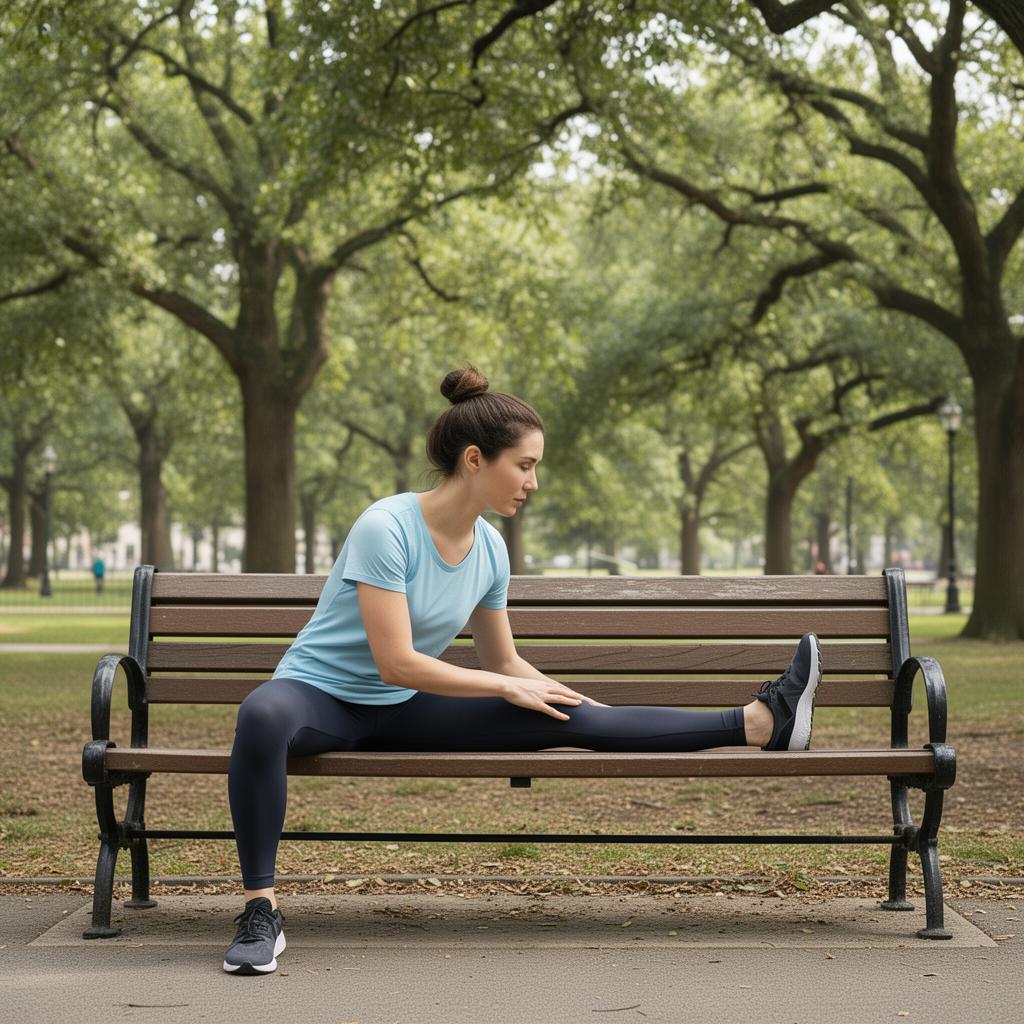
Pain behind the knee can feel different when bending and straightening. Extension lengthens the hamstrings and calf across the back of the knee while changing pressure in the joint. A muscle or tendon pattern may feel like a long pull and change with hip or ankle position. A cyst or joint-effusion pattern may feel full or blocked. A true inability to straighten should not be pushed through.
Pain Behind the Knee When Bending
Deep flexion compresses the tissues behind the joint. Fullness from a Baker's cyst, posterior joint irritation, a meniscus problem, or a soft-tissue injury may become clearer near the end of the bend. Record whether pain starts immediately or only in a deep squat, whether there is a visible lump, and whether the knee catches or locks.
Baker's Cyst or Popliteal Cyst
A Baker's cyst is a fluid-filled swelling behind the knee that is often associated with an underlying joint problem. It may cause tightness, a soft lump, reduced motion, or pain that changes with activity. Treating only the visible swelling may not address the reason extra joint fluid formed.
A ruptured cyst can cause sudden calf pain and swelling that resembles deep vein thrombosis. The two cannot be separated safely from an article or appearance alone. New calf swelling, warmth, redness, or tenderness needs prompt medical assessment.
Do Not Massage an Unexplained Lump
A new lump or pressure behind the knee is not a trigger for aggressive massage, heat, or compression. Arrange an examination when it persists, enlarges, limits motion, or is joined by calf symptoms.
Hamstring, Calf, and Popliteus Patterns
Hamstring Tendon or Muscle
Hamstring-related pain may follow sprinting, acceleration, hills, deadlifts, or a sudden lengthening load. The sensation may extend upward into the back of the thigh and be tender near a tendon attachment. Not every tight hamstring is injured, and harder stretching is not the answer to an acute strain.
Upper Calf or Gastrocnemius
The upper calf crosses the knee and may hurt after pushing off, running, jumping, or an abrupt change of direction. An exercise-related muscle pattern is different from unexplained calf swelling, especially after travel or immobility.
Popliteus Region
Interest in the popliteus has risen, but deep pain behind the knee cannot identify this muscle without assessment. Rotational load, downhill movement, or the first part of knee bending may make the region noticeable. The same area also contains structures that require different care, so avoid self-diagnosing a popliteus injury from location alone.
Back-of-Knee Pain After Exercise
Record the activity, workload change, exact onset, and the response the following morning. Running and sprinting increase hamstring and calf demand. Deep squats and kneeling increase flexion. Downhill activity adds braking. Pain that starts after a larger-than-usual session and steadily settles is different from pain after a pop, twist, fall, or failed repetition.
Use the running knee pain guide when running is the dominant trigger and the leg-workout guide when squats, lunges, or lifting variables are central.
Could It Be a Posterior Cruciate Ligament Injury?
Search interest in posterior cruciate ligament injury has risen within posterior-knee queries. The PCL can be injured when the shin is forced backward, such as a direct blow to the front of a bent knee, a sports collision, or some falls. Symptoms can include swelling, pain, and instability. An activity history and examination matter far more than posterior pain alone.
Safe First Steps
- Check the whole leg. Compare swelling, color, warmth, and calf size rather than focusing only on the knee crease.
- Stop the provoking load. Do not repeatedly test deep bending, sprinting, or a locked range.
- Use comfortable movement only. A short easy walk or gentle heel slide may be reasonable when it does not increase pain or swelling.
- Track direction. Note whether motion and walking are returning over the next day.
- Get help when the pattern is unclear. A clinician may use examination and, when indicated, ultrasound or other imaging to distinguish joint, cyst, muscle, and vascular causes.
When to Get Medical Help
Seek urgent help for sudden one-sided calf swelling, warmth, discoloration, chest pain or breathing difficulty, a hot red swollen knee with fever, inability to bear weight, a locked or deformed knee, major trauma, or a cold or discolored foot. Arrange an assessment for a persistent lump, recurrent swelling, worsening loss of motion, instability, or pain that does not improve after reducing the provoking activity.
The Bottom Line
Back-of-knee pain is a location, not a diagnosis. Bending, straightening, sitting, exercise, swelling, and trauma create different patterns. Muscle and workload causes are common, but Baker's cyst, joint injury, and vascular warning signs must remain visible in the decision. Do not force a blocked knee or massage unexplained calf swelling.
A visible blue or rope-like vein, heaviness after standing, or swelling that improves with elevation points toward a circulation pattern rather than only a joint structure; our guide to varicose veins behind the knee and urgent blood-clot warning signs explains how to tell those possibilities apart.
Frequently Asked Questions
Why does the back of my knee hurt?
Pain behind the knee can come from the joint, a Baker's cyst, hamstring or calf tissues, the popliteus region, a meniscus or ligament injury, or less commonly a blood-vessel or nerve problem. Timing, swelling, location, trauma, and whether bending or straightening reproduces it help narrow the pattern.
Why does the back of my knee hurt when I straighten it?
Straightening tensions the hamstrings and calf while changing pressure at the back of the joint. A Baker's cyst, posterior joint irritation, muscle or tendon injury, or a mechanical block can make extension painful. Do not force a knee that is locked, swollen, or losing motion.
Why does the back of my knee hurt when I bend it?
Deep bending compresses tissues behind the joint and may make a cyst, swelling, posterior meniscus problem, or irritated muscle or tendon more noticeable. The symptom does not identify one structure without an examination.
Can sitting cause pain behind the knee?
A prolonged bent position can make an existing stiffness, swelling, or muscle-tension pattern more noticeable when the knee straightens. New one-sided calf swelling or warmth after prolonged travel requires urgent medical advice rather than stretching or massage.
What does a Baker's cyst feel like?
A Baker's or popliteal cyst may cause fullness, tightness, a soft lump, or pain behind the knee, often with reduced bending or straightening. It is commonly linked to an underlying knee problem. A ruptured cyst can resemble a blood clot, so sudden calf pain or swelling needs prompt assessment.
Can exercise cause pain at the back of the knee?
Running, sprinting, hills, deep bending, or a sudden workload increase can expose hamstring, calf, popliteus, or joint-related symptoms. A pop, twist, rapid swelling, instability, or inability to bear weight suggests an injury that should not be treated as ordinary soreness.
When is back-of-knee pain urgent?
Seek urgent help for sudden one-sided calf swelling, warmth or discoloration, chest pain or breathlessness, a hot red swollen knee with fever, inability to bear weight, a locked or deformed knee, major trauma, or a cold or discolored foot.