
Why Knee Discomfort Can Increase Over Time
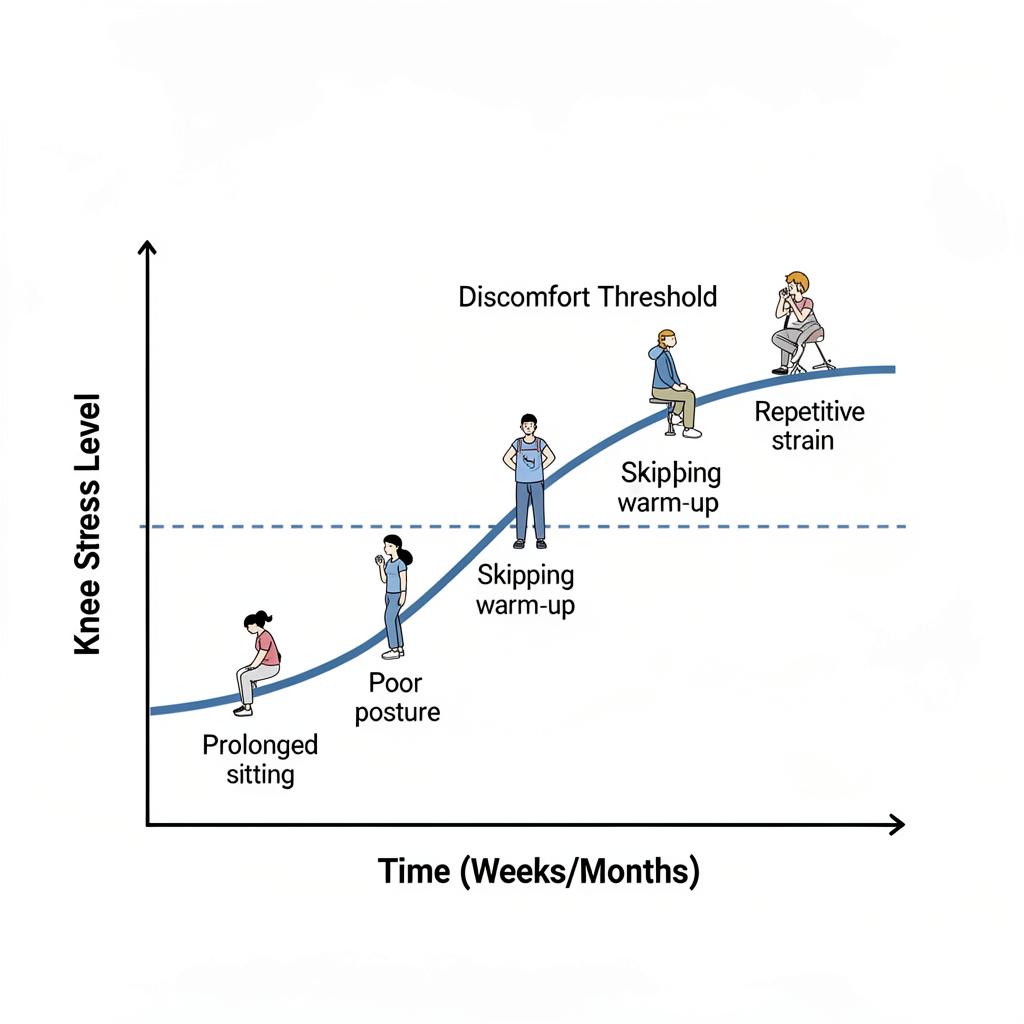
Knee discomfort does not always appear suddenly. For many people, it builds gradually as a result of repeated daily patterns that place stress on the joint. Understanding why discomfort tends to increase over time is an important first step in learning how to manage it.
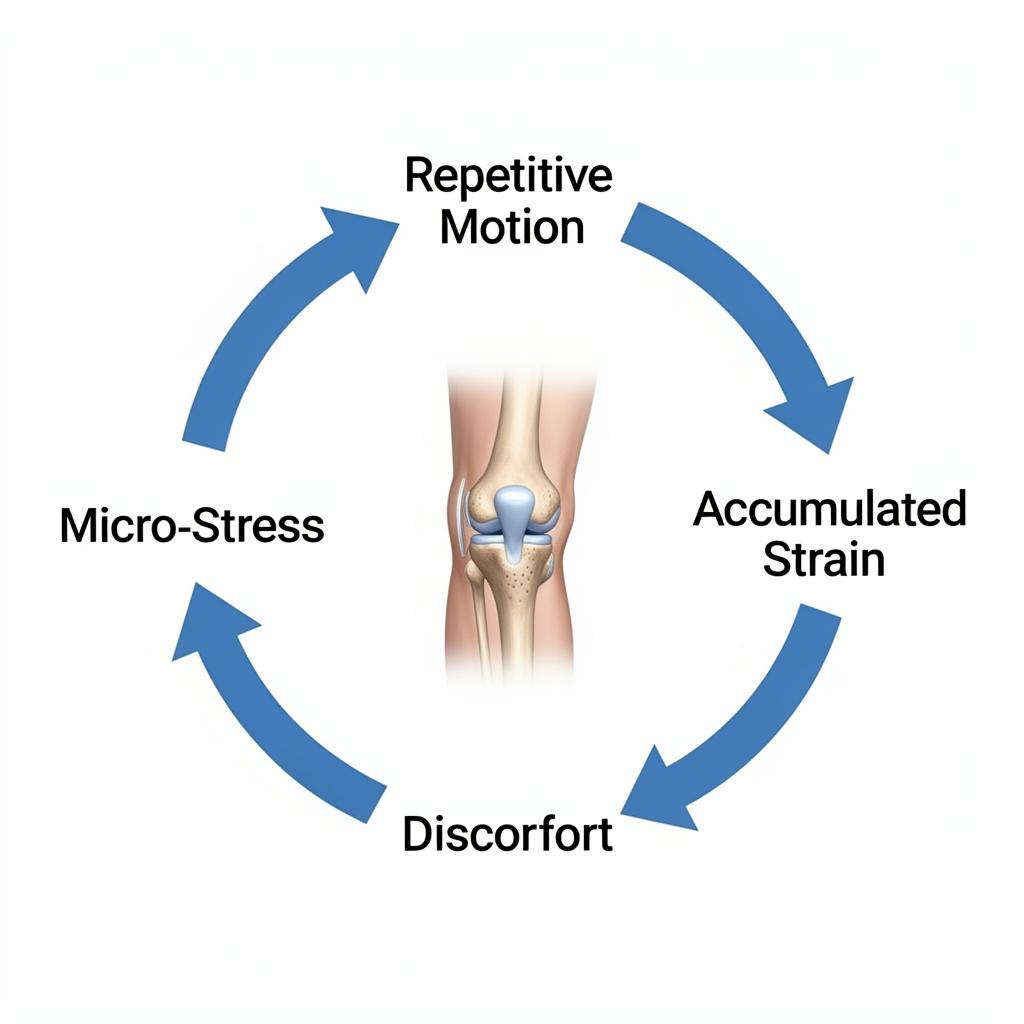
The knee is one of the most heavily used joints in the body. It absorbs force every time you walk, climb stairs, stand up, or bend down. When that force is applied unevenly or without adequate recovery, the joint and surrounding tissues can become strained. Over weeks and months, what starts as occasional stiffness can progress into more persistent discomfort.
Four main factors contribute to this gradual increase in discomfort:
- Repetitive strain: Doing the same movements day after day without variation places focused pressure on specific areas of the knee
- Lack of recovery: Not giving the knee adequate rest between demanding activities can prevent natural recovery
- Poor daily mechanics: How you sit, stand, and move throughout the day affects the load placed on each knee
- Cumulative stress: Small amounts of strain that seem insignificant on their own can add up to meaningful discomfort over time
If you have noticed your knee discomfort increasing with age, daily habits may be playing a larger role than you realize. The good news is that identifying these patterns is the first step toward making meaningful changes.
Common Daily Habits That May Worsen Knee Pain
Many of the habits that make knee pain worse are things people do without thinking. They are part of daily routines that feel normal but can gradually increase strain on the knee joint. Here are some of the most common ones.
Sitting Too Long Without Movement
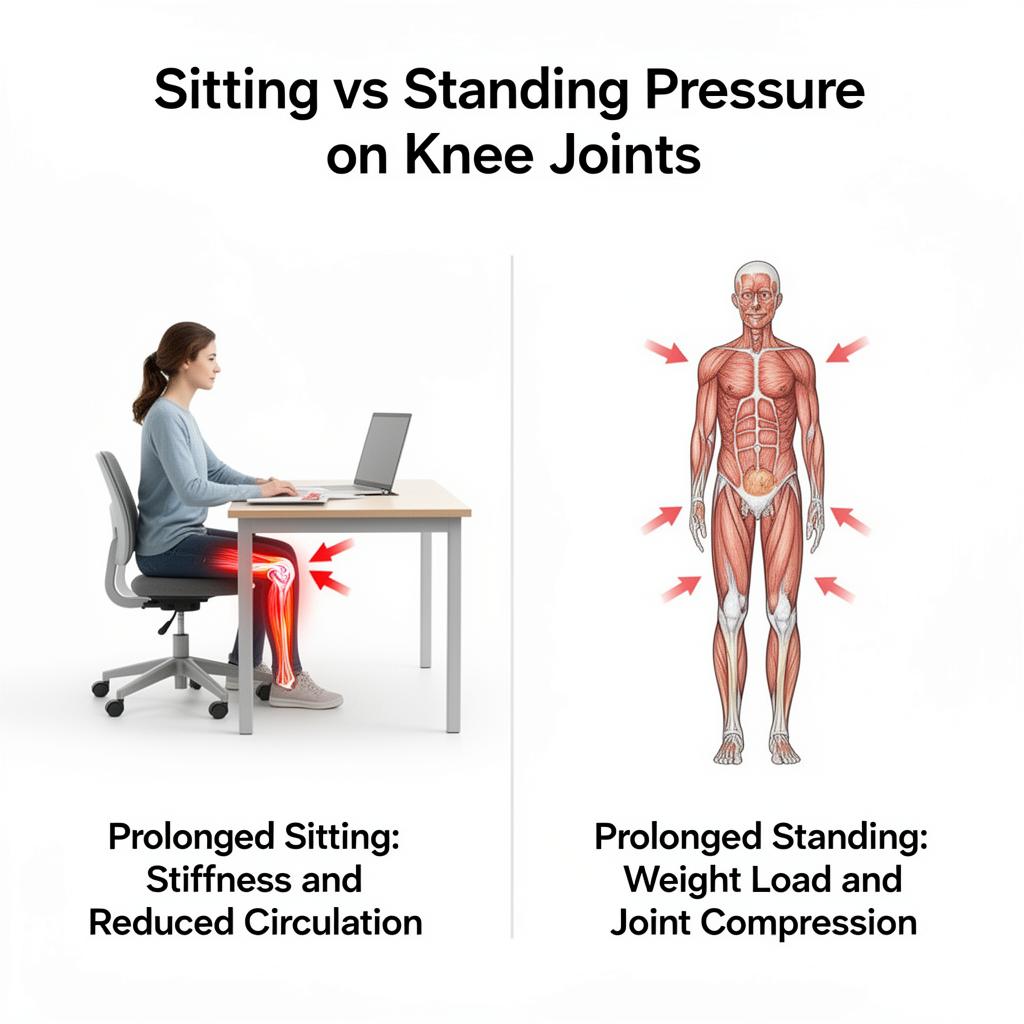
Prolonged sitting is one of the most overlooked contributors to knee stiffness. When you sit for extended periods, the knee joint remains in a fixed bent position, which can reduce circulation and cause the muscles around the knee to tighten. Many people notice that their knees feel stiff and uncomfortable when they stand up after sitting for a long time.
Poor Posture Throughout the Day
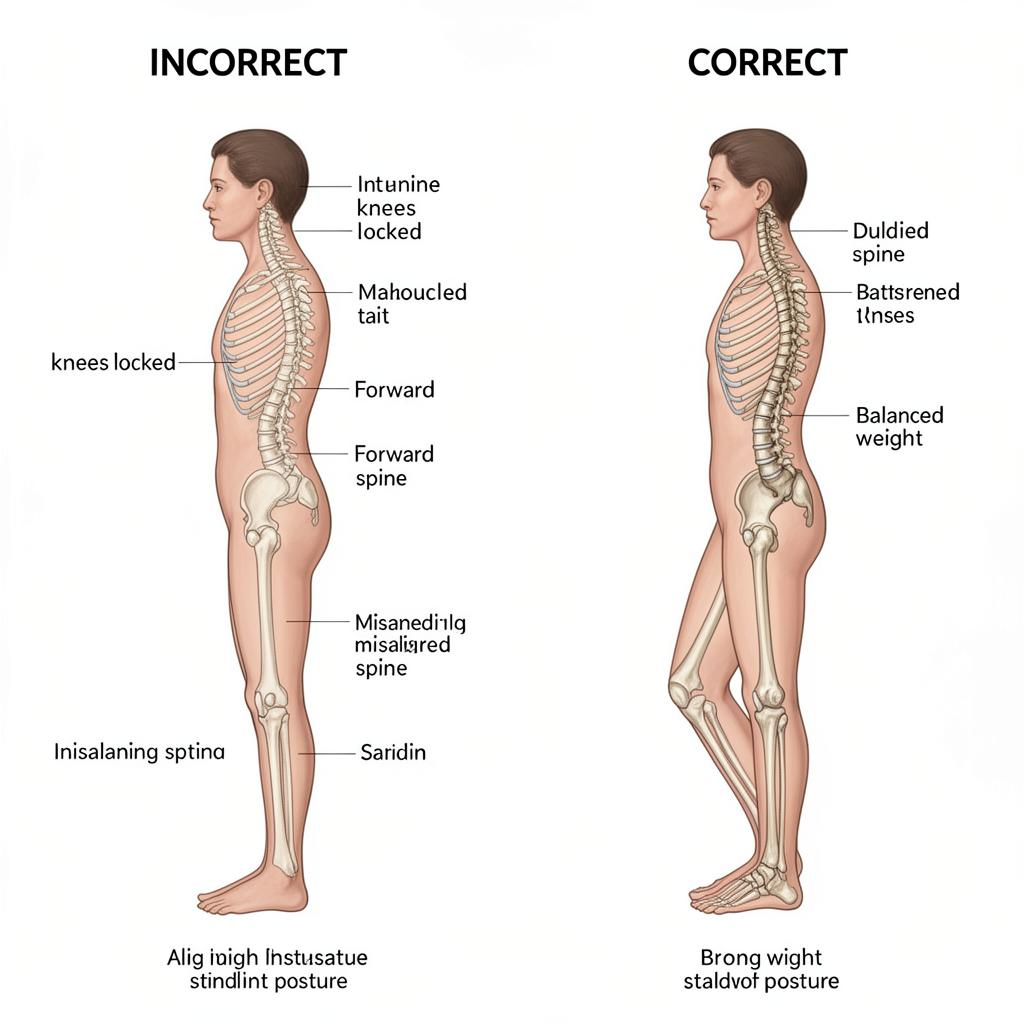
Posture affects more than just your back. When your spine and hips are misaligned, it changes the way weight is distributed through your legs and knees. Slouching while sitting or leaning to one side while standing can create uneven pressure that the knee was not designed to handle consistently.
Sudden Movements Without Preparation
Jumping into intense physical activity without any warm-up is a common trigger for knee discomfort. The muscles and tendons around the knee need time to prepare for increased demand. Going from rest to full exertion puts sudden stress on the joint that can contribute to strain.
Overuse Without Adequate Rest
Pushing through discomfort or maintaining high activity levels without rest days can overwhelm the knee's ability to recover. The joint needs periods of lower demand to maintain its resilience. Consistent overuse without breaks is one of the key things that aggravate knee pain over time.
Key Insight
Posture Mistakes That Increase Knee Strain
Your posture has a direct effect on how much stress your knees absorb throughout the day. Even small alignment issues can change the distribution of force through the knee joint, leading to discomfort that seems unrelated to posture at first glance.
Knee Alignment While Standing
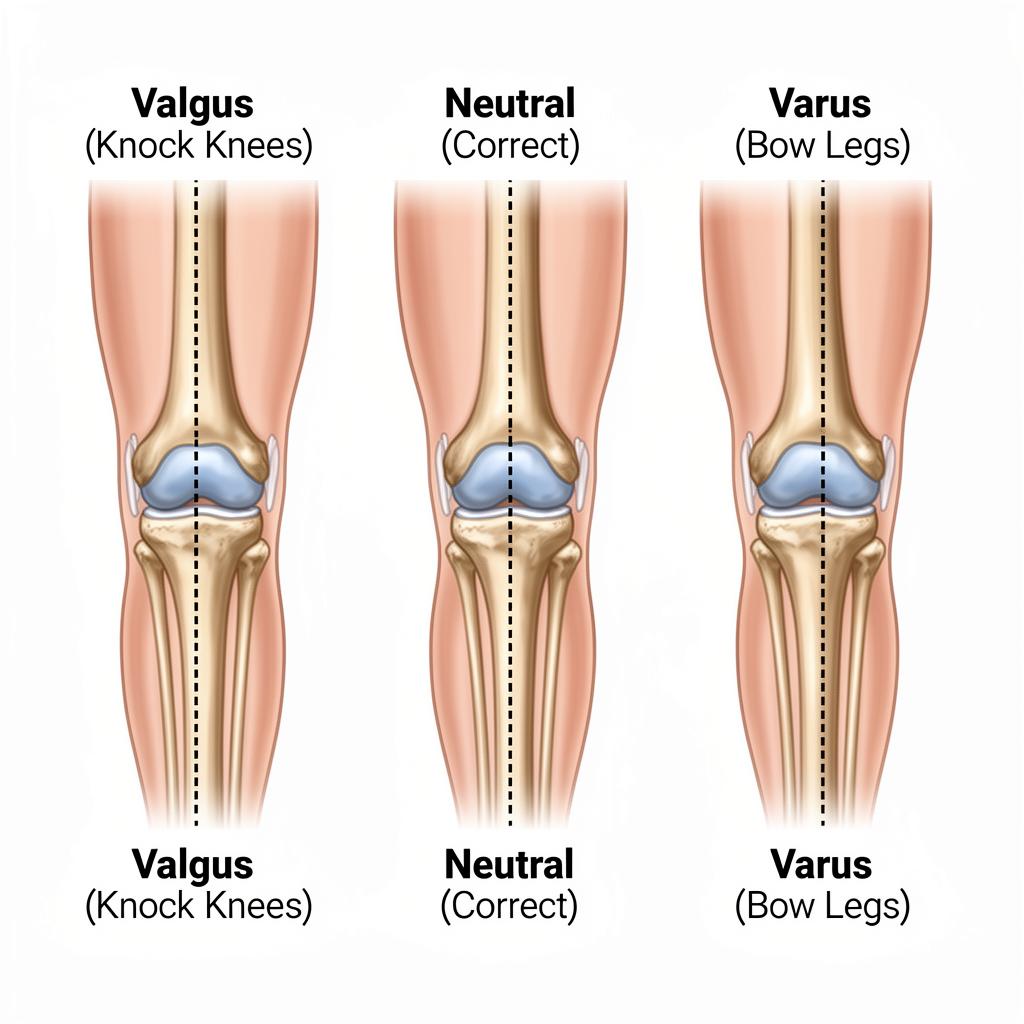
When standing, the knee should be in a neutral position with weight distributed evenly. If the knees tend to collapse inward (sometimes called "knock knees") or bow outward, it creates uneven pressure on the joint surfaces. Over time, this misalignment can contribute to discomfort on the inner or outer side of the knee.
Sitting Position and Knee Angle
The way you sit matters more than most people realize. Sitting with legs crossed, tucked underneath, or extended straight for long periods can each create different types of strain. A seated position where the knees are bent at roughly 90 degrees with feet flat on the floor tends to be the most supportive for the knee joint. If you frequently sit cross-legged, this could be contributing to your discomfort.
Standing Posture and Weight Distribution
Many people unconsciously shift their weight to one leg while standing, which doubles the load on that knee. Others lock their knees while standing, which removes the natural shock-absorbing capability of the slightly bent position. Both habits increase the daily wear on the knee joint.
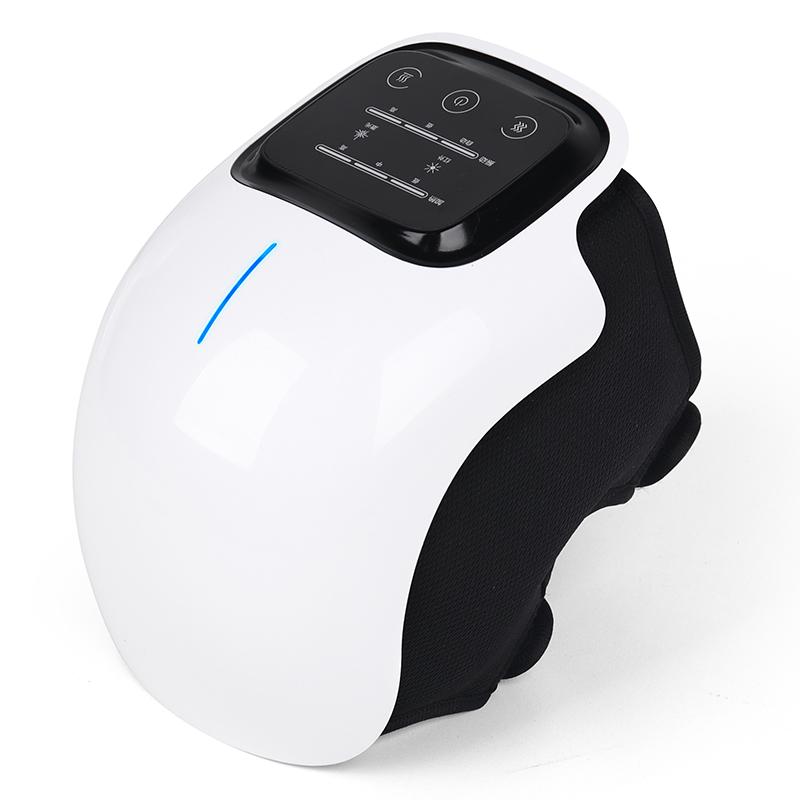
Looking for daily knee comfort support?
FlexiKnee combines soothing warmth, red light, and gentle vibration in one wireless device to support your daily knee comfort routine.
View Full Product DetailsMovement Habits That May Aggravate Knee Discomfort
How you move is just as important as how much you move. Certain movement patterns can place unnecessary stress on the knee, especially when repeated frequently without variation.
Going From Rest to Intense Activity
One of the most common mistakes is transitioning from a sedentary state directly to vigorous activity. Whether it is starting a run without a warm-up or jumping into heavy yard work after sitting all morning, this sudden change can overwhelm the knee joint. The muscles, tendons, and cartilage around the knee function best when they are gradually prepared for increased demand.
Skipping Warm-Up Before Activity
A proper warm-up increases blood flow to the muscles and improves the flexibility of the tissues around the knee. Skipping this step means the joint is operating at less than its optimal capacity from the start, which increases the risk of strain. Even 5 to 10 minutes of gentle movement before activity can make a noticeable difference.
Repetitive Motions Without Variation
Doing the same movement repeatedly, whether it is climbing stairs, squatting, or walking on the same surface, can create focused stress on specific areas of the knee. Varying your activities throughout the day and week helps distribute the load more evenly across the joint.
Improper Walking Patterns
The way you walk affects your knees with every step. Walking with a heavy heel strike, shuffling gait, or turned-out feet can alter the forces that travel through the knee. Wearing supportive footwear and being mindful of your walking pattern can help reduce this daily source of strain.
Lifestyle Factors That May Contribute to Knee Discomfort
Beyond specific movements and posture, broader lifestyle patterns can influence how your knees feel day to day. These factors are often overlooked because they do not seem directly related to knee health, but their cumulative impact can be significant.
Prolonged Inactivity
While overuse can strain the knee, underuse can be equally problematic. When you spend most of your day sitting or lying down, the muscles that support the knee weaken, the joint stiffens, and circulation decreases. Regular gentle movement helps keep the joint nourished and the surrounding muscles engaged. If you experience discomfort after resting, this pattern may be contributing.
Lack of Movement Variety
Doing the same type of activity every day, even if it is a healthy one like walking, can create imbalanced muscle development and focused joint wear. Incorporating different types of movement such as gentle stretching, light strengthening, and varied walking surfaces helps the knee adapt and maintain resilience.
Daily Routine Patterns
Your daily schedule can affect your knees in ways you might not expect. Rushing through mornings without allowing time for gentle movement, spending long commutes in cramped positions, or standing on hard floors for hours at work all contribute to cumulative knee strain. For those who spend time in vehicles, long car rides can be a particular trigger.
Sleep Quality and Recovery
Poor sleep reduces the body's ability to recover from daily stress on the joints. Without adequate rest, the tissues around the knee have less opportunity to repair and regenerate. Prioritizing quality sleep is an often-overlooked factor in supporting overall joint comfort. Many people notice their knees feeling uncomfortable at night, which can create a cycle of poor sleep and increased daytime discomfort.
Early Warning Signs People Often Ignore
One of the biggest factors that makes knee pain worse is ignoring the early signals your body sends. Many people dismiss mild symptoms until they become persistent and harder to manage. Learning to recognize these early signs can help you take action before discomfort becomes more established.
Mild Stiffness After Rest
If your knees feel stiff when you first stand up in the morning or after sitting for a while, that is your body signaling that the joint needs more regular movement. This early stiffness, especially common in those experiencing morning stiffness after 40, is often the first sign that daily habits may be contributing to joint strain.
Occasional Discomfort During Activities
Knee discomfort that appears during certain activities like climbing stairs or squatting but goes away afterward is easy to dismiss. However, this intermittent discomfort often indicates that specific movements are placing more stress on the knee than it can comfortably handle.
Mild Swelling or Warmth
Subtle changes in how the knee looks or feels, such as slight puffiness or a warm sensation, are signals that should not be ignored. These signs suggest the joint is under stress and could benefit from modified activity and increased rest.
Fatigue in the Legs
When the muscles around the knee become fatigued, they provide less support to the joint. This can make the knee feel weak or unstable, which is a sign that you may be overloading the area without adequate rest and strengthening.
"Listening to early signs of discomfort may help reduce long-term strain on the knee. Small adjustments made early are often more effective than major changes made later."
What to Avoid if You Want to Support Knee Comfort
Based on the patterns discussed above, here is a clear summary of the key habits and behaviors to avoid if you want to reduce knee strain and support better comfort.
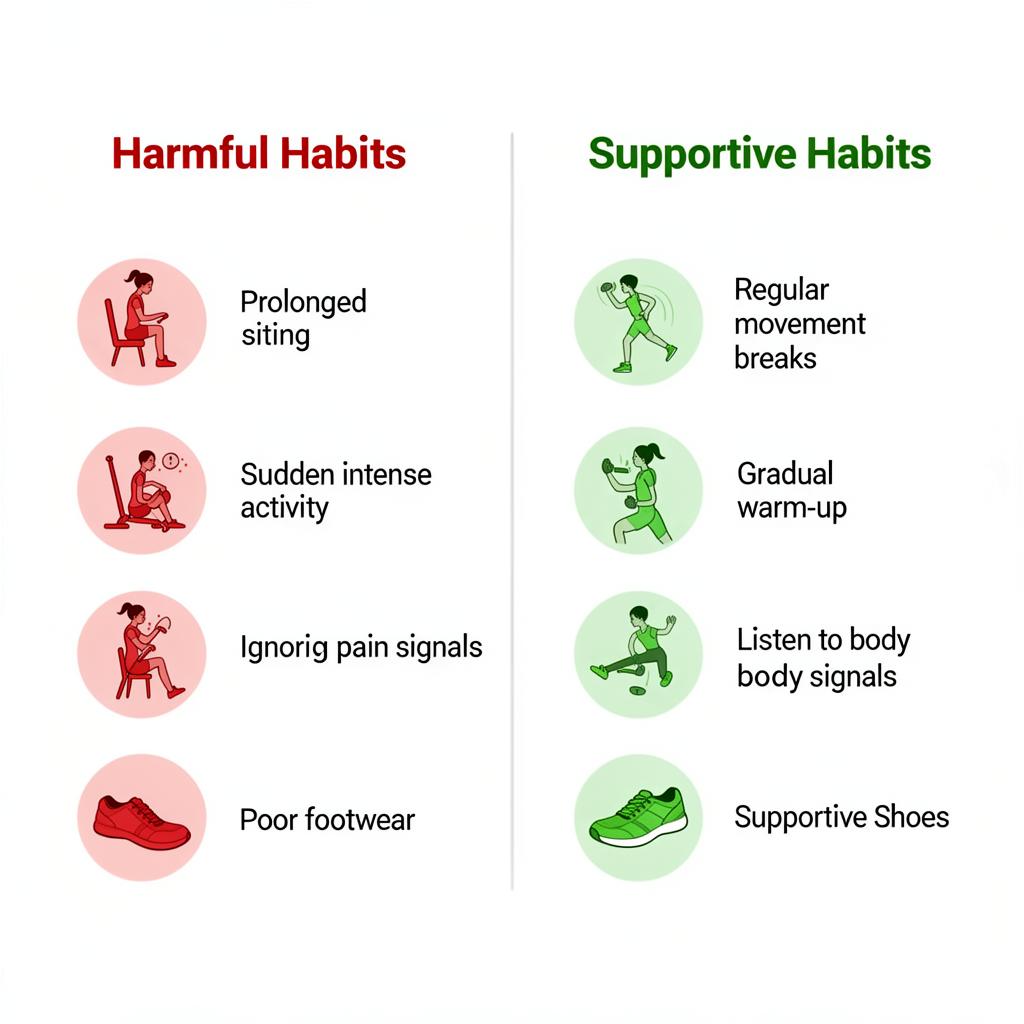
Habits to Avoid for Better Knee Comfort
- ✕Sudden overload: Jumping into intense activity without gradual preparation or warm-up
- ✕Poor posture: Slouching, locking knees, or shifting weight unevenly while sitting or standing
- ✕Long periods of inactivity: Sitting or lying down for hours without any movement breaks
- ✕Repetitive strain: Performing the same movements day after day without variation
- ✕Ignoring early signals: Dismissing stiffness, mild swelling, or occasional discomfort as "normal"
- ✕Unsupportive footwear: Wearing flat, worn-out, or poorly fitting shoes during daily activities
How to Improve Daily Habits for Better Knee Support
The good news is that the same daily habits that can worsen knee discomfort can also be adjusted to support better comfort. Here is a practical step-by-step approach to building more knee-friendly routines.
Step 1: Identify Your Biggest Triggers
Spend a few days paying attention to when your knees feel most uncomfortable. Is it after long periods of sitting? After climbing stairs? First thing in the morning? Identifying your personal triggers helps you focus your effort where it matters most.
Step 2: Make Small Habit Changes
Rather than overhauling your entire routine, start with one or two targeted changes. If prolonged sitting is a trigger, set a reminder to stand and move for 2 to 3 minutes every 30 to 45 minutes. If poor posture is the issue, focus on keeping your feet flat and knees at 90 degrees when sitting. Small changes are easier to maintain and often produce noticeable results.
Step 3: Balance Activity and Rest
Find a sustainable balance between movement and recovery. On active days, allow time for rest afterward. On less active days, incorporate gentle movement to prevent stiffness. This balanced approach helps the knee maintain its resilience without becoming overwhelmed. For specific exercises you can do at home, check out our dedicated guide.
Step 4: Build Consistency Over Time
The most effective approach to knee comfort is consistency. Regular, moderate habits practiced over weeks and months tend to produce better results than intense efforts followed by periods of neglect. Think of knee care as a daily practice rather than a one-time fix. If exercise is one of your main pain triggers, our guide on knee pain after exercise covers specific recovery strategies. For stair-related discomfort, see our guide on knee pain going down stairs.
Step 5: Monitor and Adjust
As your habits improve, continue to pay attention to how your knees respond. If certain changes are helping, maintain them. If discomfort persists or new patterns emerge, adjust your approach accordingly. Your home care routine should evolve as your needs change.
Daily Knee Comfort Checklist
- ✓Take a 2 to 3 minute movement break every 30 to 45 minutes of sitting
- ✓Check your posture: feet flat, knees at 90 degrees, weight evenly distributed
- ✓Warm up for 5 to 10 minutes before any intense activity
- ✓Vary your activities throughout the day and week
- ✓Wear supportive, well-fitting footwear during daily activities
- ✓Listen to early discomfort signals and adjust your activity level
- ✓Prioritize quality sleep for joint recovery
Understanding what makes knee pain worse is just as valuable as knowing what helps. By identifying harmful daily patterns and replacing them with supportive habits, you can take meaningful steps toward better knee comfort. For more comprehensive guidance on supporting your knees at home, explore our guides on knee pain exercises and what causes knee pain.
SEO Tags: what makes knee pain worse, habits that worsen knee pain, daily habits bad for knees, knee discomfort triggers, knee strain causes, posture and knee pain, sitting knee discomfort, knee stress factors, things that aggravate knee pain, knee health habits, daily knee pressure, movement mistakes knees, knee comfort awareness, knee pain lifestyle factors