Back to GuidesMarch 8, 2026

    Why Knees Hurt After Long Car Rides: Stiffness & Simple Relief

    Understanding travel-related knee stiffness and practical comfort tips

    On This Page

    If your knees feel stiff, tight, or achy after long car rides, you are not alone. Prolonged sitting during driving or travel is one of the most common everyday triggers for temporary knee discomfort. This guide explains why it happens and what simple strategies may help.


    Have you ever stepped out of your car after a long road trip and noticed that your knees feel stiff, tight, or reluctant to move? Knee pain after long car rides is an incredibly common experience that affects people of all ages. Whether you are a daily commuter, a long-distance driver, or someone who simply spends extended time as a passenger, understanding why this happens can help you take practical steps to support your knee comfort during travel.

    The good news is that travel-related knee stiffness after driving is usually temporary and responds well to simple everyday strategies. This guide explains the mechanical factors behind the discomfort and shares practical tips that may help you arrive at your destination feeling more comfortable. If you also notice knee discomfort specifically after air travel, our guide on knee pain after long flights covers the unique factors that come into play during flying.

    Important Note

    This guide is for educational purposes only and does not provide medical diagnoses or clinical treatment recommendations. If you have persistent or severe knee pain, please consult a qualified healthcare professional.
    92%
    of long-distance drivers report some knee or leg stiffness
    Making it one of the most universal travel-related comfort concerns

    Why Long Car Rides Can Affect Knee Comfort

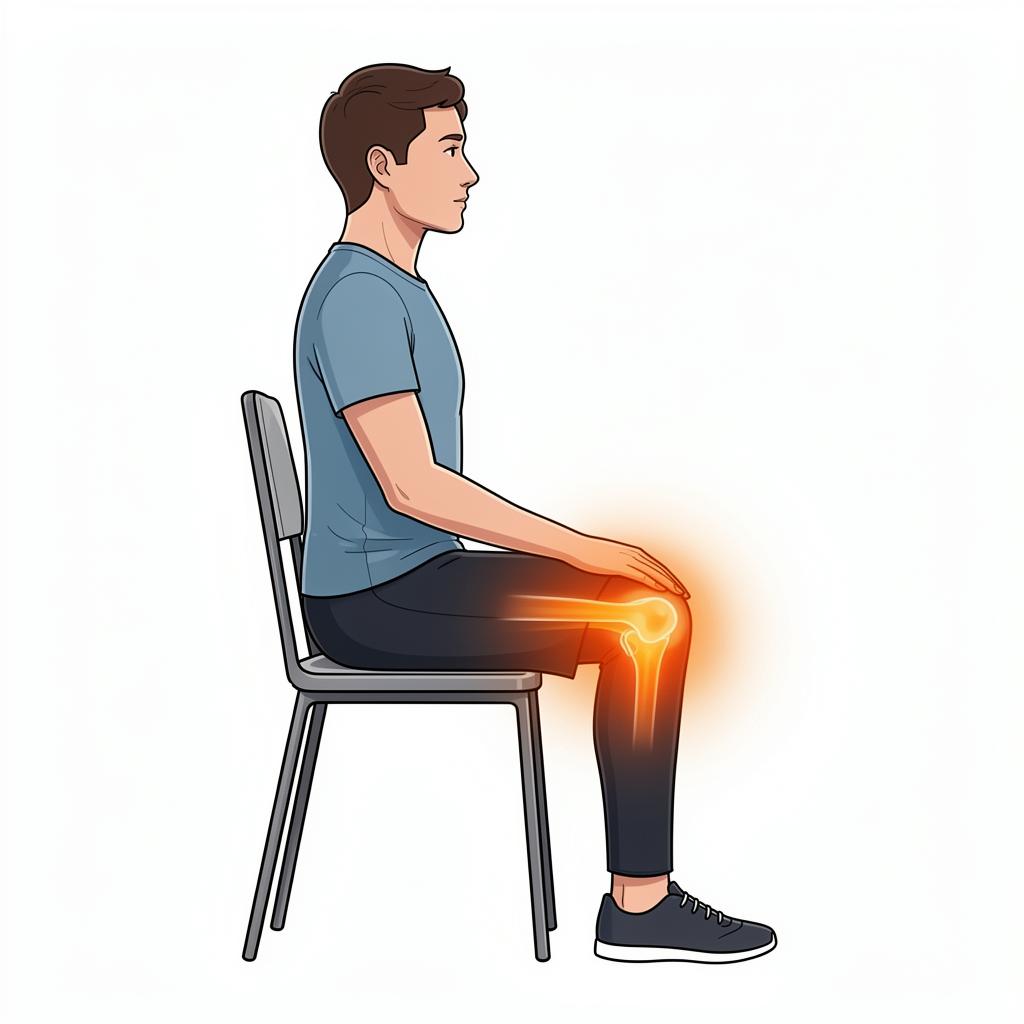
    Knee joint compression during seated position showing force on kneecap

    Several interconnected factors contribute to knee pain after driving. Understanding these factors can help you make informed decisions about how to manage comfort during travel:

    Prolonged Knee Bending

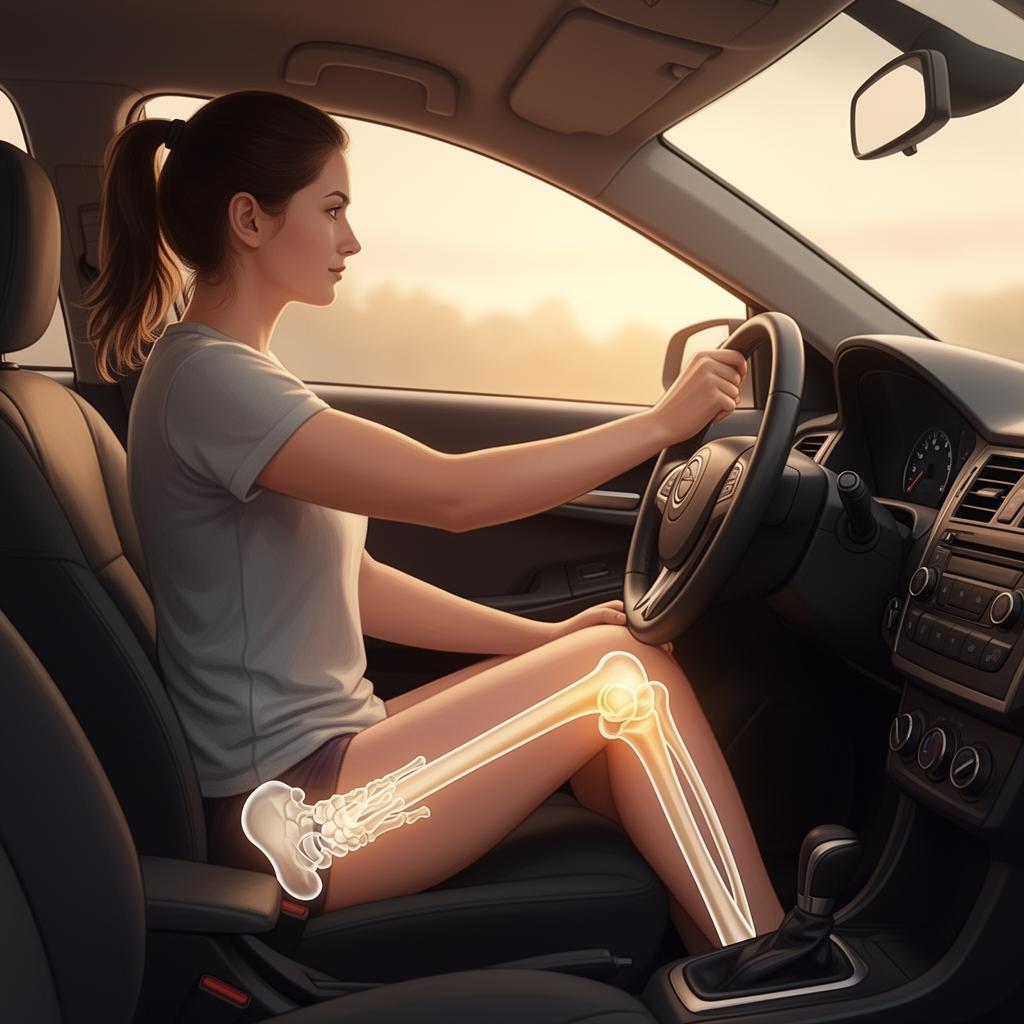
    When sitting in a car, your knees are typically bent at approximately 90 degrees or more. This sustained flexion keeps the kneecap pressed against the femoral groove for extended periods, creating a pattern of knee compression sitting that can lead to discomfort. Unlike walking or standing, which constantly changes the angle and pressure distribution in the knee, sitting locks the joint in a single position for hours at a time.

    Reduced Circulation

    Prolonged sitting compresses the blood vessels behind the knee and in the thigh, reducing blood flow to the muscles, tendons, and joint structures around the knee. This reduced circulation knee joint pattern means that the tissues receive less oxygen and nutrients while metabolic waste products accumulate, contributing to sensations of heaviness and discomfort. This same heaviness pattern is something many people recognize from other situations as well, as explored in our guide on why knees feel heavy. If you have noticed similar patterns in other situations, our guide on why knees hurt after resting explores this further.

    Joint Compression

    The seated position places sustained compressive forces on the cartilage surfaces within the knee. While cartilage is designed to handle compression, it relies on cycles of loading and unloading to maintain its health and exchange nutrients. Without this cyclical movement, the cartilage becomes temporarily less resilient, contributing to that familiar stiffness when you first stand up.

    Limited Movement During Travel

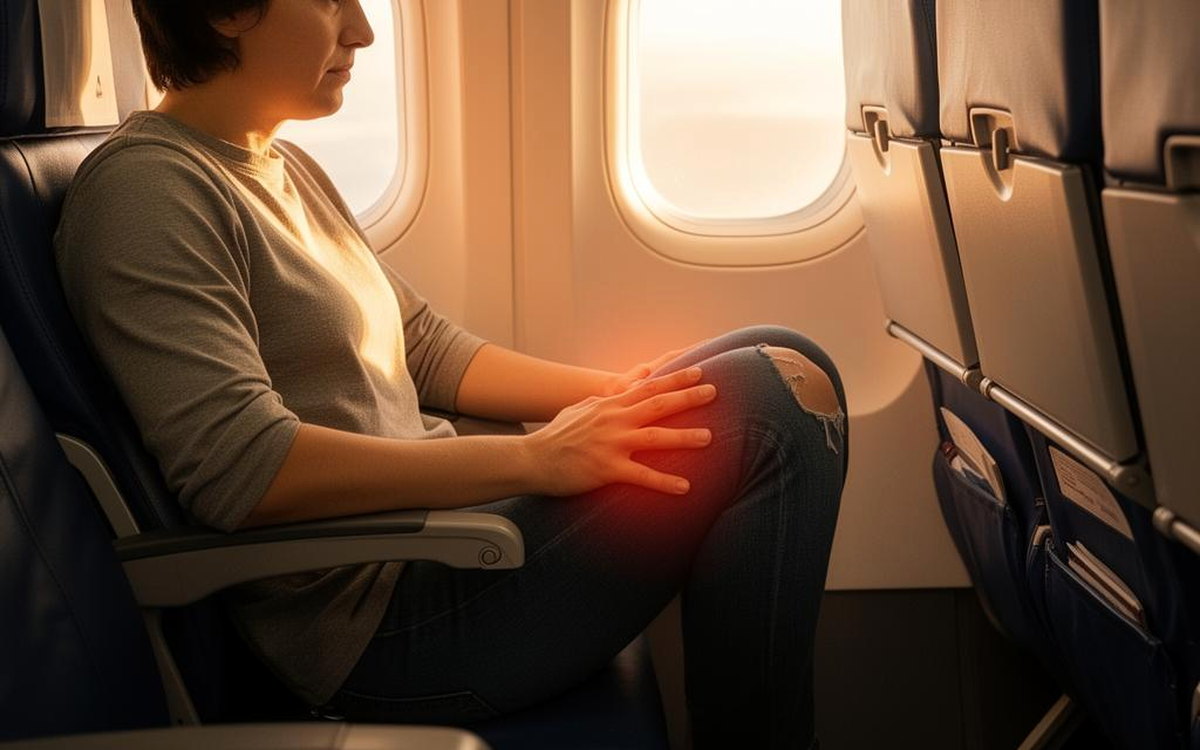
    Unlike many other daily activities, car travel severely restricts your ability to change leg position. The confined space, pedal operation, and seatbelt constraints mean your knees remain in essentially the same position for the entire journey. This long sitting knee pain pattern is one of the most common triggers for temporary joint stiffness.

    What Happens Inside the Knee During Long Periods of Sitting

    Knee bending during driving showing skeletal overlay of knee joint in flexed position

    To understand why stiff knees after sitting long time is such a common experience, it helps to know what is happening inside the joint:

    Reduced Joint Movement

    The knee joint is surrounded by a capsule filled with synovial fluid, a natural lubricant that reduces friction between the cartilage surfaces. This fluid circulates through the joint during movement, distributing nutrients and removing waste products. When the knee remains still for extended periods, this circulation slows significantly, reducing the lubricating effect and making the joint feel stiff and resistant to movement.

    Muscle Inactivity

    The muscles surrounding the knee, including the quadriceps, hamstrings, and calf muscles, become essentially dormant during prolonged sitting. Without regular contractions, these muscles lose their readiness for immediate activity. When you stand after a long drive, the muscles need time to "wake up" and regain their full function, which contributes to the sensation of weakness or unsteadiness. For more on this pattern, see our guide on knee stiffness after resting.

    Joint Fluid Circulation Slowing Down

    Synovial fluid becomes thicker and less effective when it is not being continuously circulated through joint movement. Think of it like a jar of honey that thickens when left undisturbed. The first few movements after a long period of stillness effectively "stir" this fluid back into motion, which is why the stiffness typically improves gradually as you begin walking.

    Stiffness When Standing After Sitting

    The combination of compressed cartilage, thickened synovial fluid, and dormant muscles creates the familiar pattern of stiffness that greets you when you open the car door after a long journey. Your first few steps may feel hesitant, your knees may resist full extension, and you may notice a general tightness around the joint that gradually eases with continued movement.

    Common Sensations People Notice After Long Drives

    Reduced blood circulation in knee joint during prolonged sitting

    People who experience knee discomfort after driving commonly report a range of sensations. Recognizing these patterns can help you understand whether your experience is typical:

    Common Post-Drive Knee Sensations

    • General stiffness around the knee joint that makes the first few steps feel awkward
    • Tightness at the front of the knee, particularly around or behind the kneecap
    • A dull aching sensation that appears when first standing and walking
    • Reduced flexibility or range of motion when trying to fully straighten or bend the knee
    • A feeling that the knee needs to 'warm up' before it moves freely
    • Mild swelling or puffiness around the knee after very long journeys
    • A sensation of heaviness in the legs and around the knee joints

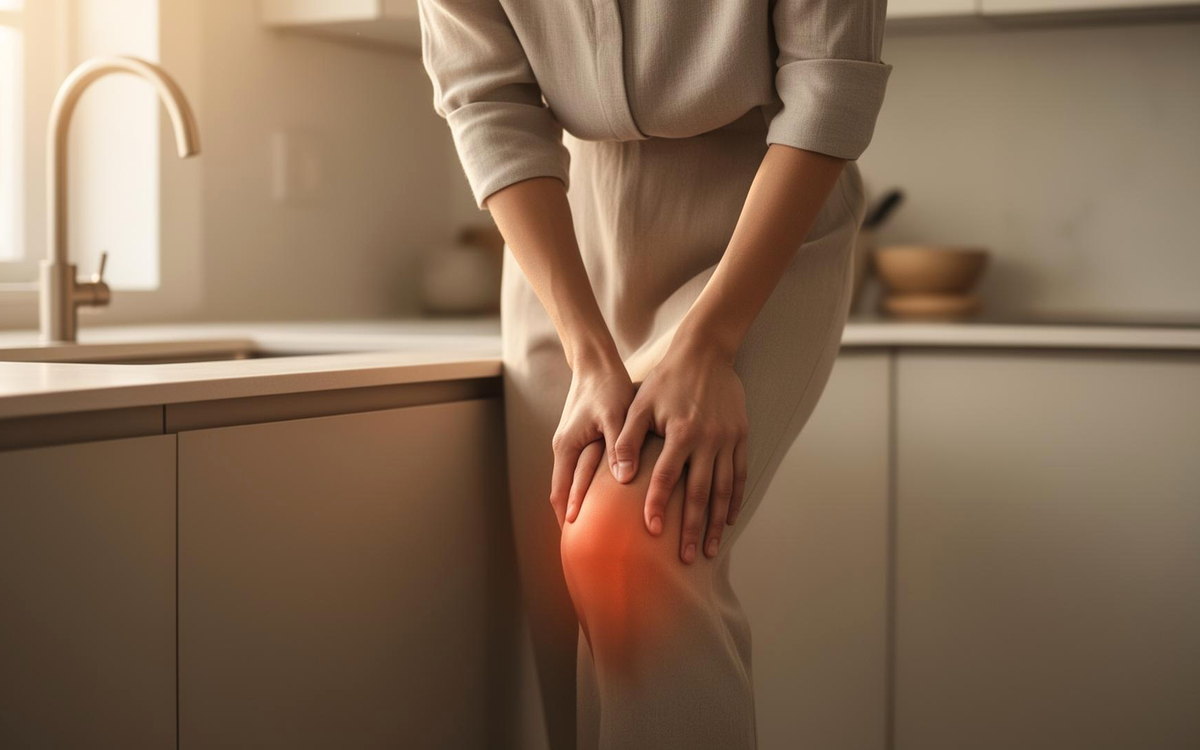
    These sensations are generally temporary and improve within 5 to 15 minutes of gentle walking and movement. If you experience knee tightness without significant pain, this is usually a sign of normal post-sitting stiffness rather than a more serious concern.

    Why Knee Stiffness Often Improves After Moving Again

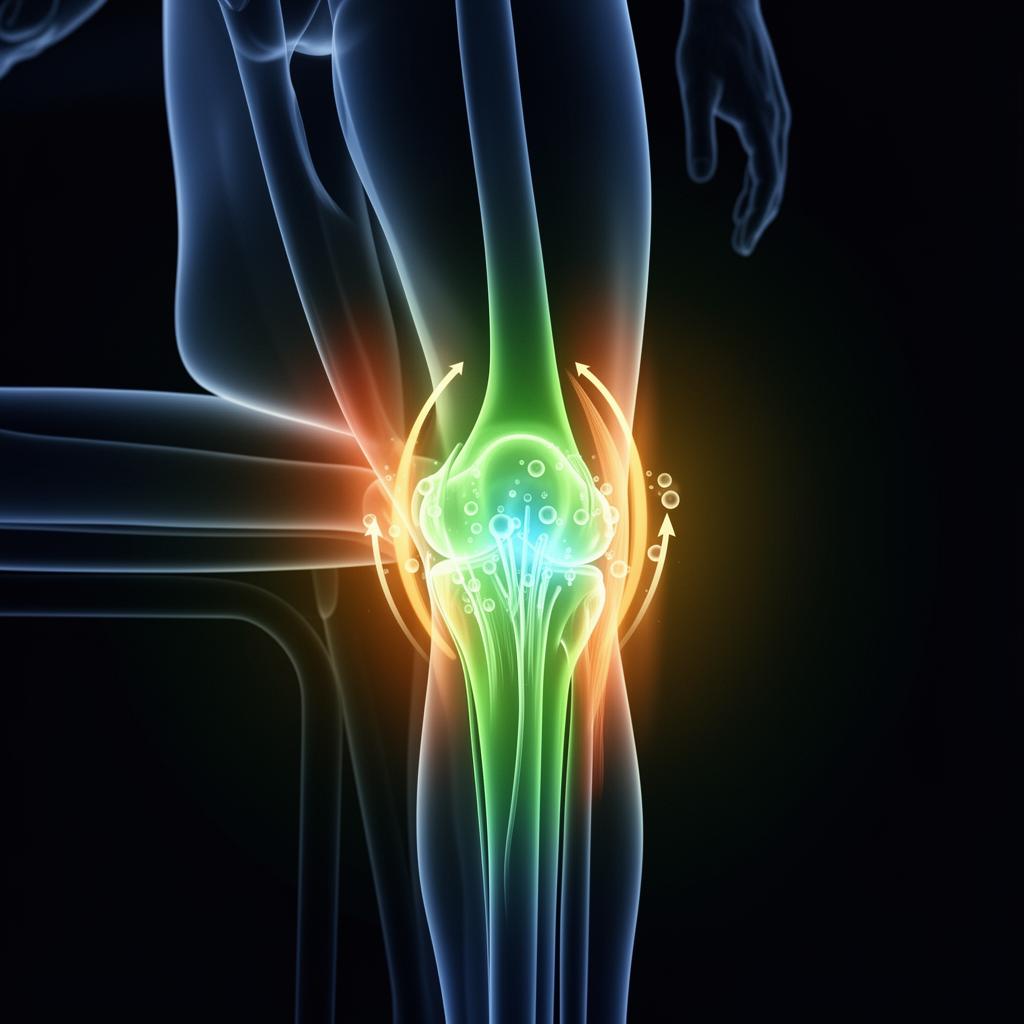
    Knee joint movement restoration showing synovial fluid circulation and muscle activation

    One of the most reassuring aspects of knee stiffness after sitting is that it typically resolves relatively quickly once you begin moving. Here is why:

    Joint Lubrication Returning

    As you begin walking, the bending and straightening of the knee pumps synovial fluid across the cartilage surfaces, restoring the lubricating effect. Each step helps distribute fresh fluid throughout the joint, reducing the friction that contributed to the stiff feeling. This is why the first 10 to 20 steps after sitting often show the most dramatic improvement.

    Muscle Activation

    Walking activates the quadriceps, hamstrings, and calf muscles, restoring blood flow and neural responsiveness. As these muscles engage, they provide better support and control around the knee joint, making movement feel more stable and comfortable.

    Circulation Improving

    Standing and moving opens up the compressed blood vessels in the legs, allowing fresh blood to flow to the knee area. This improved circulation delivers oxygen and nutrients while removing the accumulated waste products, helping the tissues feel refreshed and more comfortable.

    Gradual Return of Mobility

    The combination of improved lubrication, muscle activation, and restored circulation creates a progressive improvement in knee mobility. Most people find that after 5 to 10 minutes of gentle walking, their knees feel significantly more comfortable and flexible.

    FlexiKnee Smart Heated Knee Device

    Support Your Knees During and After Travel

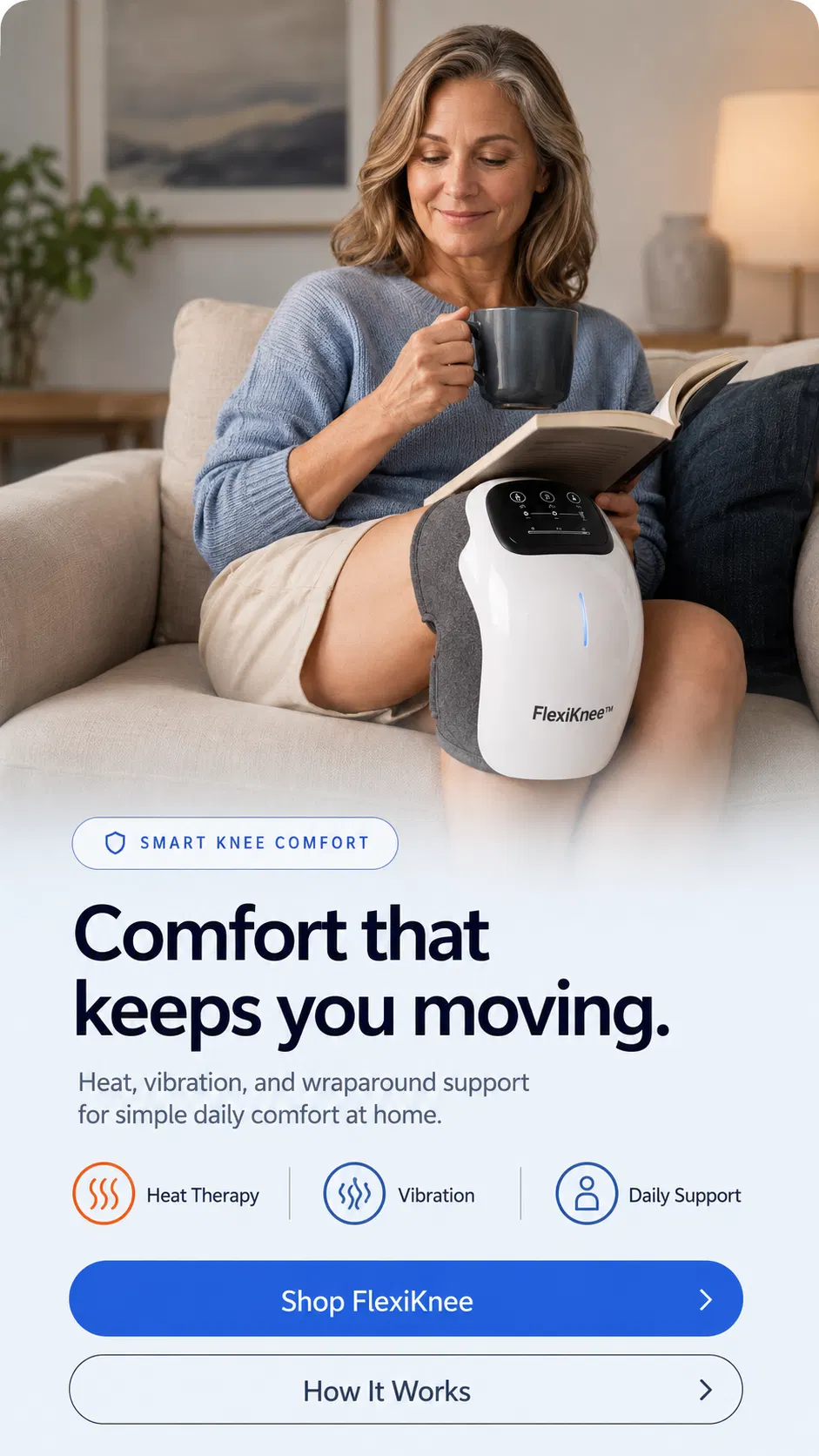
    FlexiKnee provides soothing warmth, red light, and gentle vibration to help your knees recover comfortably after long drives, making post-travel comfort simple.

    View Full Product Details

    Travel Situations That Increase Knee Stiffness

    Joint stiffness concept after inactivity showing reduced movement in knee

    While any period of prolonged sitting can contribute to knee pain after long travel, certain situations tend to increase the likelihood and intensity of stiffness:

    High-Risk Travel Scenarios

    • Road trips lasting 3 or more hours without stops for movement
    • Daily commutes of 60+ minutes each way, especially in heavy traffic
    • Driving with the seat too close to the steering wheel, forcing deeper knee flexion
    • Sitting in cramped rear seats with limited legroom
    • Long-distance bus or train travel with minimal space to move
    • Driving on congested roads that require constant brake pedal use with one leg
    • Air travel combined with airport transfers and car rides

    The risk of knee tightness after travel generally increases with the duration of sitting, the degree of knee flexion, and the overall restriction on leg movement. Understanding these risk factors can help you plan strategies to mitigate their effects.

    Simple Strategies That May Help Reduce Knee Stiffness During Long Drives

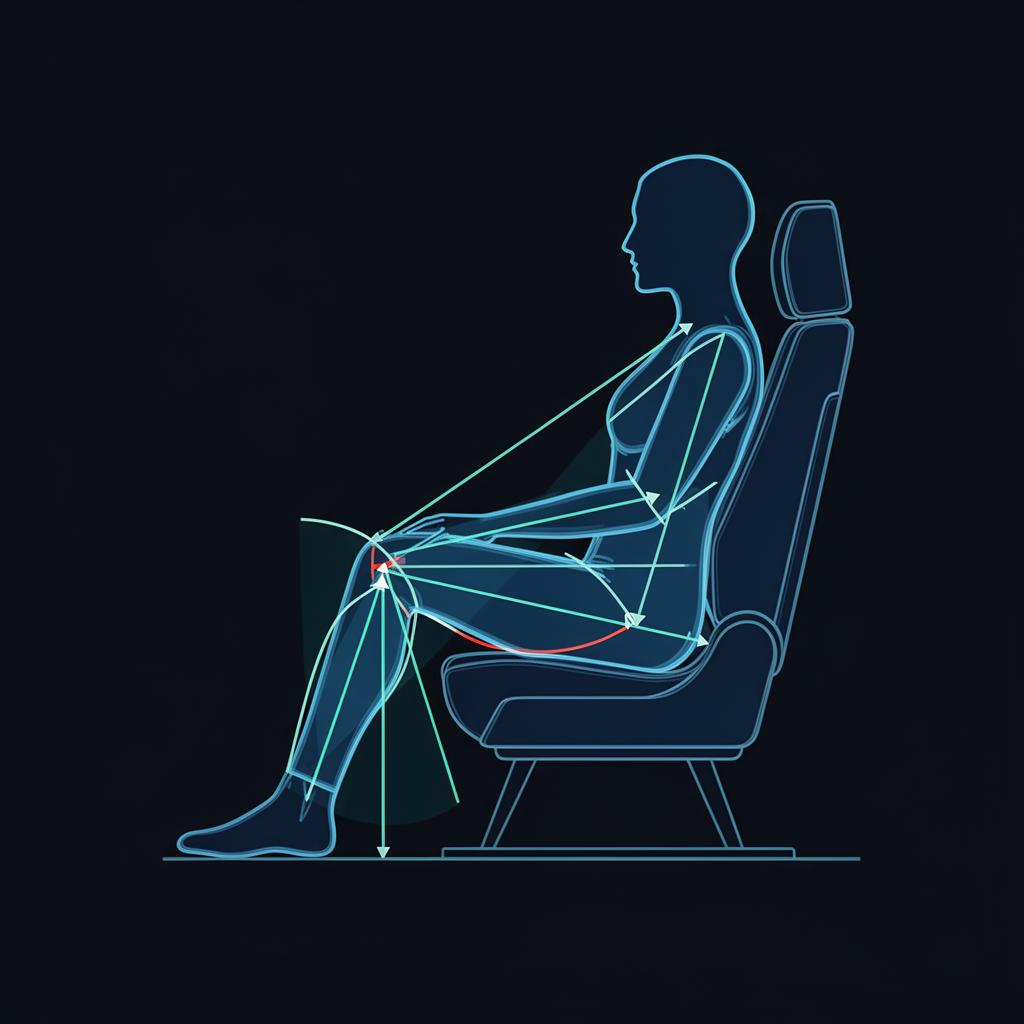
    Optimal leg position during driving showing proper knee angle

    Several practical strategies may help minimize knees hurt after long drive discomfort:

    Take Regular Movement Breaks

    Aim to stop and walk around for at least 5 to 10 minutes every 1 to 2 hours during long drives. Even brief periods of walking help restore joint lubrication, activate muscles, and improve circulation. Planning your route to include rest stops at appropriate intervals makes this easier to maintain consistently.

    Perform In-Seat Exercises

    While seated, you can perform gentle exercises to maintain some joint movement and muscle activity. Ankle circles, toe raises, gentle knee extensions (if you are a passenger), and isometric quadriceps contractions can all help keep the muscles engaged and promote circulation, even without leaving your seat. If you notice knee discomfort after exercise, applying similar gentle movements during travel may also help.

    Adjust Seat Position

    Optimizing your seat position can reduce the degree of knee compression during long drives. Move the seat back slightly to allow a more open knee angle (ideally 110 to 120 degrees rather than 90 degrees). Adjust the seat height and tilt to ensure your thighs are well-supported and your feet comfortably reach the pedals without excessive knee bending.

    Avoid Prolonged Knee Compression

    Be mindful of items stored under the seat or between your legs that may further restrict knee movement. Keep the space around your legs as clear as possible to allow for occasional position changes. If you are a passenger, periodically straighten your legs or change their position.

    Stretch During Travel Stops

    When you do stop, take advantage of the break to stretch your quadriceps, hamstrings, and calves. Simple standing stretches held for 20 to 30 seconds each can help counteract the tightening effects of prolonged sitting. For more about managing knee stiffness patterns, our guide on knee pain when squatting covers related movement strategies.

    Stay Hydrated

    Proper hydration supports synovial fluid production and helps maintain the elasticity of muscles and tendons. While it may seem counterintuitive to drink more on a long drive (due to the need for more bathroom stops), the additional stops actually provide built-in opportunities for movement breaks.

    Use Cruise Control When Safe

    If your vehicle has cruise control and road conditions permit, using it on highways can allow you to periodically adjust your foot position and reduce the sustained knee flexion required for constant pedal operation. This small change can make a noticeable difference on very long drives.

    Daily Habits That Support Knee Comfort During Travel

    Beyond in-the-moment travel strategies, maintaining certain daily habits can help your knees handle long periods of sitting more comfortably:

    Daily Habits for Travel-Ready Knees

    • Maintain leg strength through regular exercises targeting the quadriceps, hamstrings, and glutes
    • Include regular stretching in your routine to maintain flexibility in the muscles around the knee
    • Stay active on non-travel days to keep joints well-lubricated and muscles responsive
    • Practice good posture during daily sitting to reduce habitual knee compression patterns
    • Avoid sitting in the same position for more than 30 to 45 minutes, even on regular workdays
    • Include mobility exercises that take the knee through its full range of motion daily
    • Maintain a consistent walking habit to support overall joint health and circulation
    • Consider using warmth support on your knees before and after long travel days

    For a broader understanding of how different knee discomfort patterns relate to each other, our knee pain location map provides a comprehensive visual overview. You may also find our guide on knee pain when climbing stairs helpful, as stair-related stiffness shares some of the same underlying mechanisms as post-sitting stiffness.

    When Knee Stiffness After Travel Should Be Evaluated

    While most travel-related knee stiffness is temporary and benign, certain patterns may warrant professional evaluation:

    Signs to Seek Evaluation

    • Knee stiffness that persists for more than an hour after resuming normal activity
    • Significant swelling that develops during or after travel and does not resolve quickly
    • Severe discomfort that limits your ability to walk normally after sitting
    • Redness or unusual warmth around the knee joint after travel
    • A progressive worsening pattern where each long drive produces more discomfort than the last
    • Numbness or tingling in the legs that accompanies knee stiffness
    • Difficulty fully straightening or bending the knee after travel that does not improve with gentle movement

    When in Doubt

    If your knee stiffness after driving feels different from your usual experience or is accompanied by symptoms that concern you, consulting with a healthcare professional is always a reasonable step. Most travel-related knee stiffness is manageable, but persistent patterns deserve attention.

    Understanding why knee pain after long car rides occurs and what factors contribute to joint stiffness after inactivity is the first step toward making your travel experiences more comfortable. With consistent attention to movement breaks, seat positioning, and daily strengthening habits, many people find that their knees handle long drives significantly better over time.

    SEO Tags: knee pain after long car rides,knee pain after driving,knee stiffness after driving,knees hurt after long drive,stiff knees after sitting long time,knee pain after long travel,knee discomfort after driving,knee stiffness after sitting,long sitting knee pain,knee compression sitting,knee tightness after travel,joint stiffness after inactivity,travel knee comfort

    FlexiKnee Smart Heated Knee Device

    Need post-travel knee comfort support?

    FlexiKnee provides soothing warmth, red light, and gentle vibration to help your knees recover comfortably after long drives.

    View Full Product Details

    Share this guide

    Do your knees feel stiff and sore after sitting in a car or plane?

    A quick warmth session before and after travel can support joint comfort.

    Explore FlexiKnee