Long flights are one of the most common situations where people notice unexpected knee stiffness. Whether you are traveling for business, visiting family, or heading on vacation, the hours spent in a cramped airplane seat can leave your knees feeling tight, heavy, and reluctant to bend or straighten smoothly.
This sensation is not unusual. The knee joint is designed for regular movement, and when it remains in a fixed bent position for several hours, multiple factors combine to create that familiar post-flight stiffness. Understanding what happens inside the knee during prolonged sitting can help you take simple steps to reduce discomfort during and after your travels.
Why Do Knees Hurt After Flying?
An airplane seat can keep the knee bent in a narrow range for a long time. The hip, knee, ankle, and calf muscles also move less than they do during an ordinary day. That combination can make straightening the leg, standing, and taking the first few steps feel uncomfortable after landing.
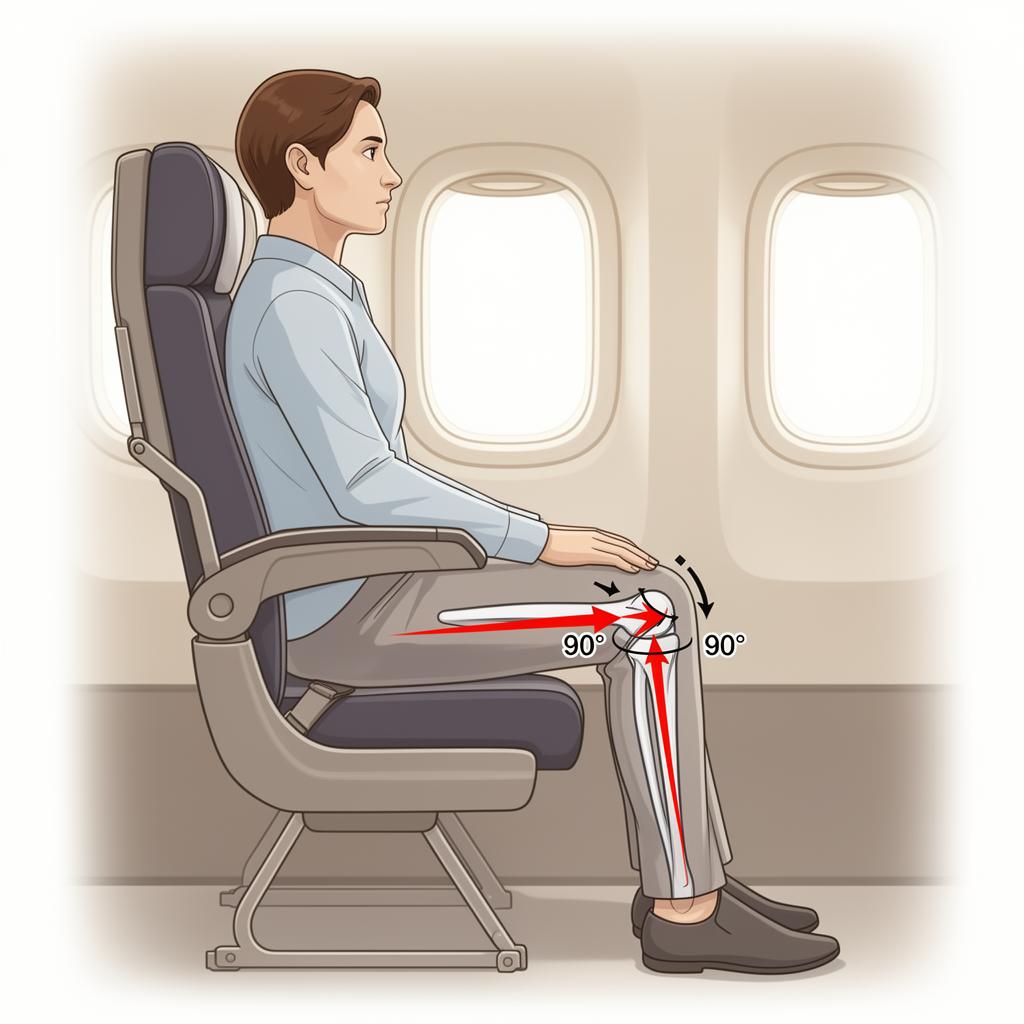
The bent position can be especially noticeable when the knee was already sensitive before travel. Limited legroom may also prevent you from changing the knee angle as freely as you would at home or at a desk.
Gentle movement changes joint position and re-engages the muscles that control the leg. This is one reason a simple post-sitting stiffness pattern may begin to ease as you walk. Improvement with movement is useful information, but it does not identify the cause by itself.
Pain that becomes sharper, causes a limp, or comes with swelling, warmth, redness, locking, or instability should not be treated as routine travel stiffness.
Why Airplane Seats Are Particularly Challenging
Seat pitch, passenger height, the position of the seat in front, and where your bag is stored all affect usable legroom. An aisle seat may make position changes and walking breaks easier, while a window seat may discourage movement.
Knee Pain After a Long Flight: Movement and Circulation
Blood circulation in the lower legs naturally slows down when you sit for extended periods, and flying adds several additional factors that can make this more pronounced.
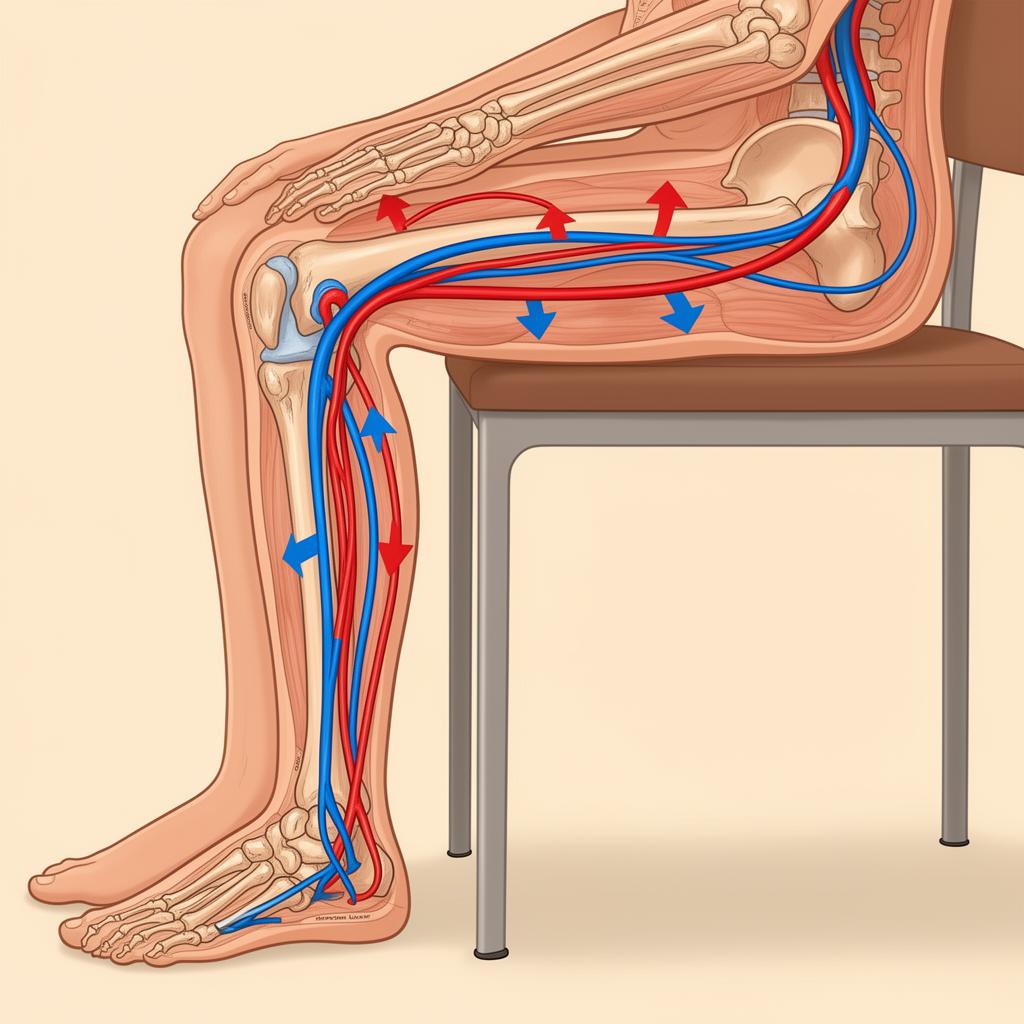
Calf-muscle contractions help venous blood return toward the heart. During prolonged travel, the calf muscles are less active and the legs stay still for longer. This is why public-health guidance encourages leg movement during long trips and recommends that people with additional blood-clot risks discuss prevention with a clinician before travel.
A blood clot is not the most likely explanation for every sore knee after flying. However, unexplained swelling, pain or tenderness, warmth, redness, or discoloration in one leg needs urgent medical advice. Breathlessness, chest pain, coughing blood, lightheadedness, or fainting requires emergency help.
These circulation changes are similar to what happens during long car rides, but the cabin pressure and limited movement space during flights can make the effects more noticeable.
Why Knees Feel Stiff When Standing After Flying
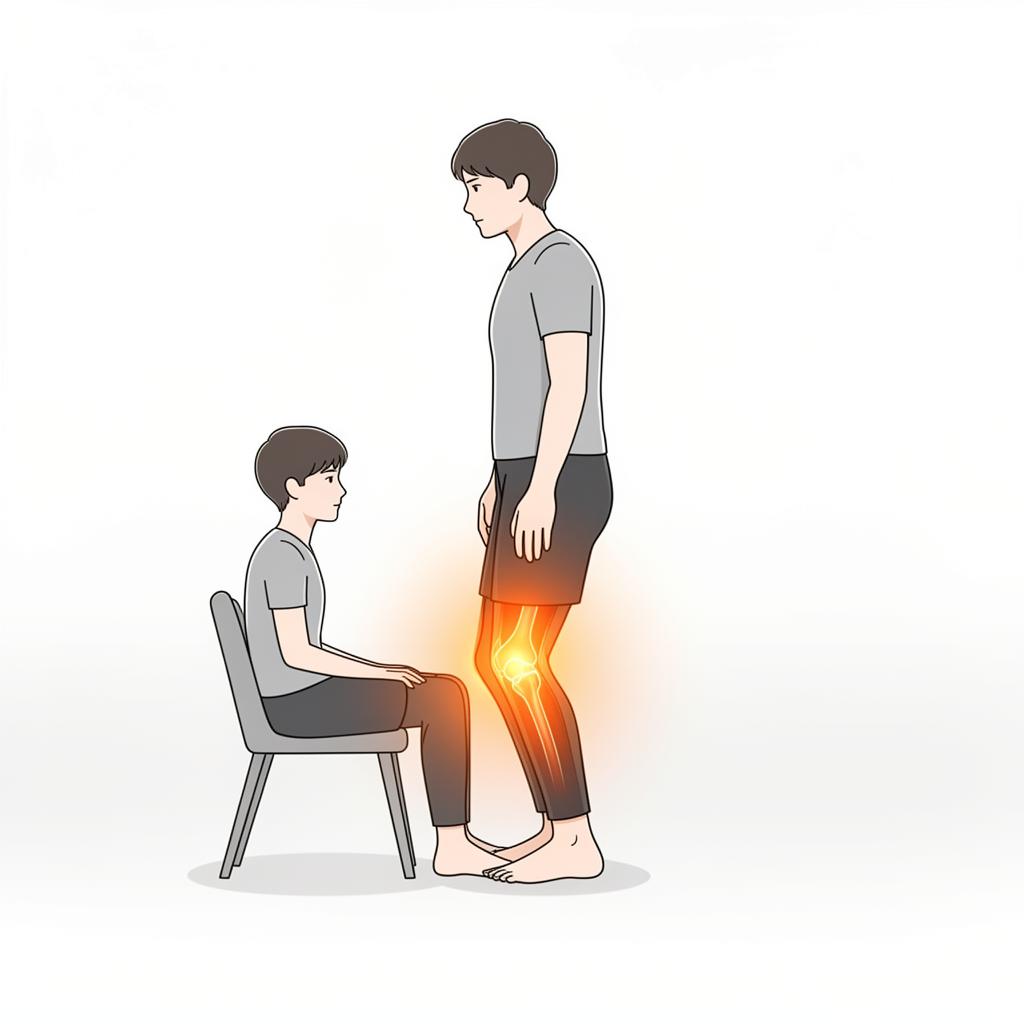
The moment you stand up after a long flight is typically when knee stiffness feels most intense. This happens because the joint is transitioning from a prolonged static state to an active one, and several systems need to "restart" simultaneously.
The muscles around the knee and hip need to resume controlling the leg after hours of limited movement. Begin with shorter, comfortable steps and allow the knee to straighten gradually. Do not use a rigid step count or timeline to decide that a symptom is harmless.
This experience is similar to what people notice with knee stiffness after resting, but the duration and confined nature of air travel can make it more pronounced. Most people find that the stiffness gradually improves as they walk through the airport and resume normal movement patterns.
The First 10 Minutes After Landing
Notice the direction of change. A simple stiffness pattern should begin moving toward baseline with comfortable activity. Stop and seek help when pain escalates, walking becomes unsafe, or swelling and other warning signs appear.
Travel Situations That Increase Knee Stiffness
While any long flight can lead to knee stiffness, certain travel situations tend to make it more likely or more pronounced.
✓ Quick Tips
- •Flights longer than 4-5 hours in economy seating with limited legroom
- •Connecting flights where you move from one seated position to another with minimal walking between
- •Window seats where you may avoid getting up to avoid disturbing other passengers
- •Red-eye flights where you sleep in a curled or awkward position for hours
- •Travel days that also involve long airport waits in uncomfortable seating
- •Cold cabin temperatures that may further tighten muscles around the knee
People who already experience knee tightness without pain in their daily lives may notice that flight-related stiffness feels more intense. The existing baseline tightness combines with the effects of prolonged sitting, making the overall sensation more uncomfortable.
Similarly, those who are recovering from recent knee discomfort after exercise may find that the immobility during travel temporarily worsens their symptoms before movement helps them improve again.
What to Do When Your Knees Hurt After a Flight
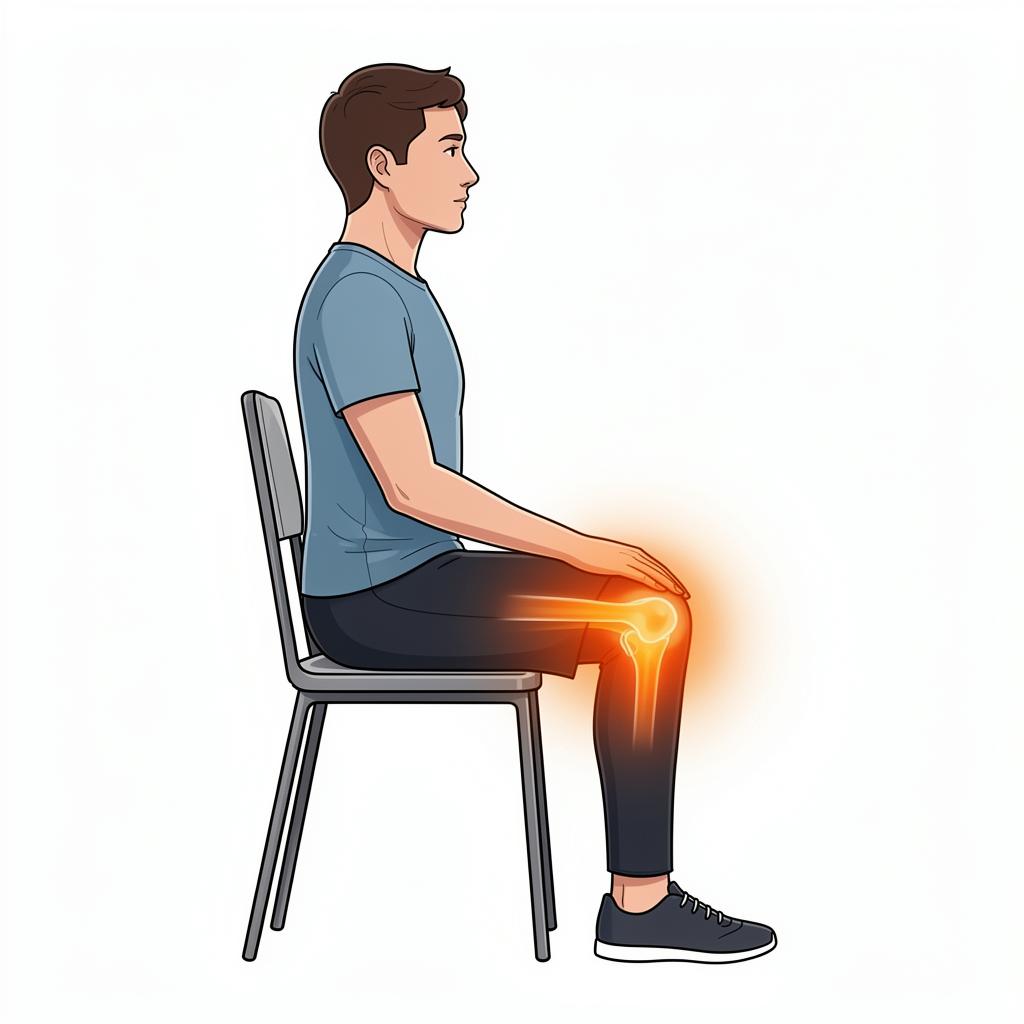
The most effective approach to reducing post-flight knee stiffness is to break up the sustained sitting position as much as possible during the flight itself.
✓ Quick Tips
- •Move your ankles and calf muscles while seated
- •Straighten one knee at a time within the space available
- •Change position instead of holding one knee angle for the whole flight
- •Take safe walking breaks when the seatbelt sign and cabin conditions allow
- •Keep the space under the seat clear enough to move your feet when possible
- •Choose an aisle seat if easier movement is a priority
- •Ask a clinician about an individual plan before travel if you have blood-clot risk factors
These movements interrupt a sustained position and engage the calf and thigh muscles. They cannot guarantee that pain or a blood clot will be prevented, so personal risk factors and warning signs still matter.
Daily Habits That Support Knee Mobility During Travel
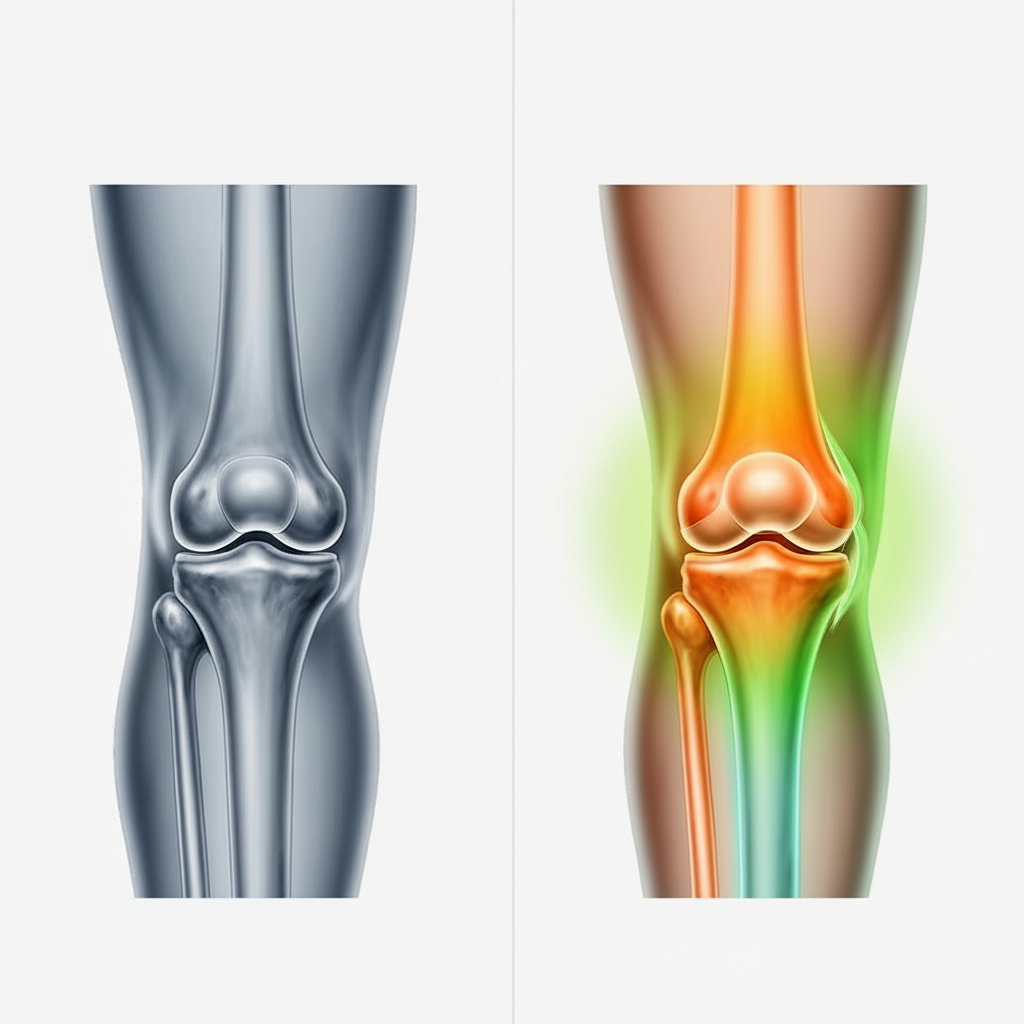
Beyond in-flight strategies, your overall daily habits leading up to and following travel can significantly influence how your knees respond to long periods of sitting.
Regular activity may make ordinary walking and travel days easier to tolerate, but no exercise routine removes every cause of post-flight knee pain. If you already have a knee condition, recent surgery, limited mobility, or a history of blood clots, obtain advice that fits your situation before a long trip.
After landing, try a short, comfortable walk if it is safe to do so. Use support if you feel unsteady, and avoid forcing deep stretches or repeated stairs simply to test the knee.
Follow ordinary hydration guidance and any medical advice you have been given. Drinking extra water is not a treatment for knee pain or a substitute for an individual blood-clot prevention plan.
These habits are similar to the general principles that help with supporting knee strength in everyday life, just applied specifically to the travel context.
When to Get Medical Help
Arrange an assessment when pain keeps returning after travel, does not trend toward baseline, limits walking, or comes with knee swelling, locking, instability, numbness, or loss of movement. Seek urgent medical advice for unexplained pain, swelling, warmth, redness, or discoloration in one calf or leg. Chest pain, difficulty breathing, coughing blood, lightheadedness, or fainting requires emergency help.
Supporting Your Knees Through Air Travel
Knee pain after a long flight often follows prolonged sitting and limited movement, but the pattern matters more than the flight alone. Record whether symptoms affect the knee or the whole leg, whether one side looks different, and whether comfortable movement helps.
Position changes, seated leg movement, safe walking breaks, and a gradual return to walking after landing are reasonable comfort strategies. Building them into your travel routine, much like preparing for long walks, can make the journey easier to manage.
If you have additional blood-clot risks, recent surgery, major mobility limits, or a previous clot, ask a clinician what prevention measures are appropriate before you fly.
Frequently Asked Questions
Why do my knees hurt after flying?
A long flight keeps the knee bent and the leg relatively still for hours. That can make the first steps after landing feel stiff or uncomfortable, especially when the seat limits position changes. Pain that is severe, one-sided, swollen, or paired with calf symptoms needs a more cautious response.
Why do knees feel stiff after long flights?
Prolonged sitting limits movement of the knee, hip, ankle, and calf muscles. The knee may therefore feel reluctant to straighten or load when you first stand. A simple stiffness pattern should begin easing with comfortable movement rather than progressively worsening.
Does sitting during travel affect knees?
Yes, prolonged sitting during any form of travel can affect the knees. The combination of a fixed bent position, limited legroom, reduced blood circulation, and muscle inactivity creates conditions that commonly lead to knee stiffness, heaviness, or discomfort after the journey.
How can I reduce knee stiffness on flights?
Change position when space and safety allow, move your ankles and legs while seated, and take occasional walking breaks on a long flight. Travelers with personal blood-clot risks should ask a clinician about an individual prevention plan before travel.
Why do knees feel tight after sitting long time?
When you sit for a long time, the muscles around the knee shorten and tighten, synovial fluid in the joint becomes less mobile, and blood circulation slows down in the lower limbs. These combined factors create a tight, stiff sensation when you first try to straighten and move the knee.
Is knee pain common after travel?
Many people notice stiffness after prolonged sitting, but the word common should not be used to dismiss a new or unusual symptom. Watch whether gentle movement helps and whether swelling, warmth, redness, calf pain, breathlessness, or chest pain is present.
What exercises help knee stiffness after flights?
If walking is safe and there are no warning signs, begin with easy ankle pumps, comfortable knee straightening, and a short walk after landing. Do not force a swollen or sharply painful knee, and do not massage a newly swollen, painful calf.
When should knee pain after travel be checked?
Consider seeking evaluation if knee stiffness after travel is accompanied by significant swelling, redness, warmth, sharp pain, numbness, or if the discomfort does not improve within a few hours of normal movement. Persistent or worsening symptoms after travel deserve professional attention.