The knee joint is one of the busiest joints in the body, bending, straightening, and bearing weight thousands of times each day. With all this activity, it's natural for the knee to occasionally feel warm. But when that warmth becomes noticeable or persistent, it's worth understanding what your body may be telling you.
In this guide, we'll explore the everyday reasons why knees may feel warm, what role circulation and joint activity play, and practical strategies that may help support comfortable, healthy knee movement.
What a Warm Sensation in the Knee Usually Means
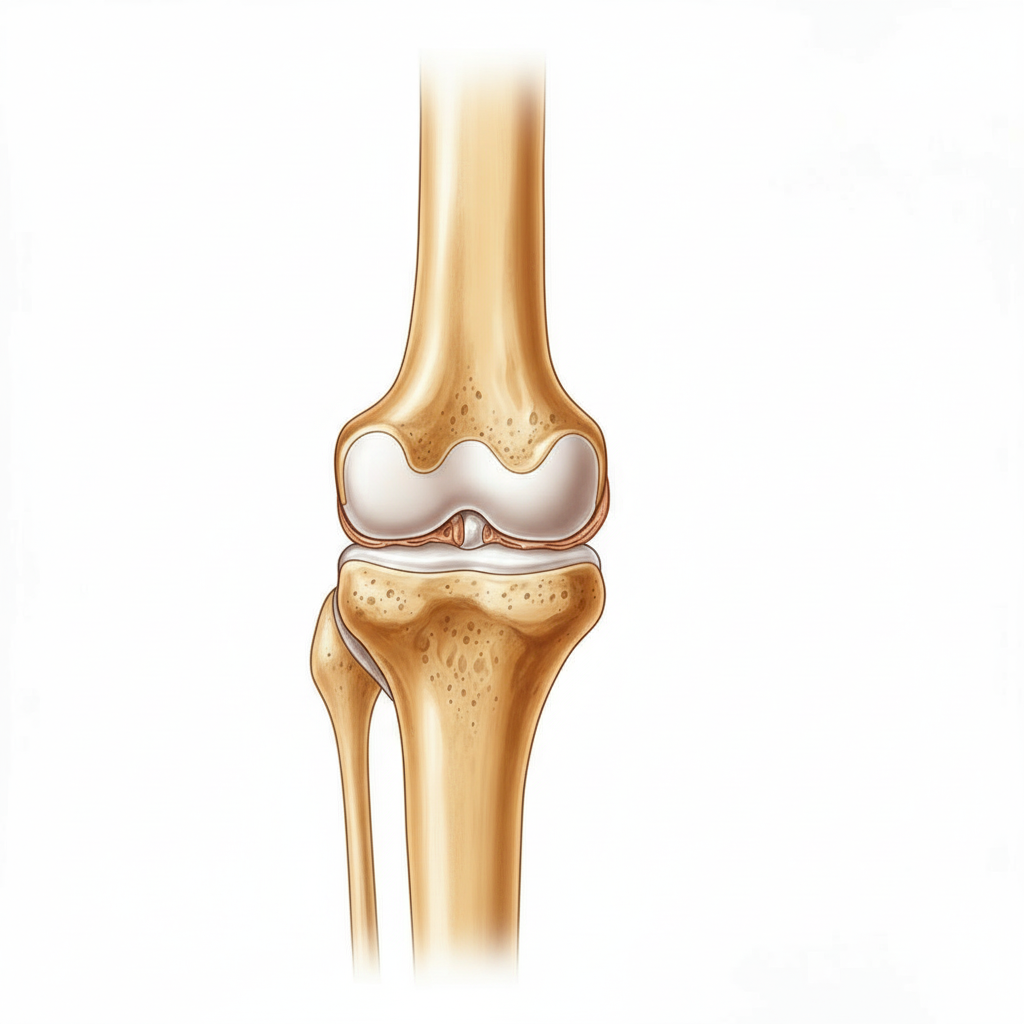
A warm feeling in the knee is typically the body's way of signaling increased activity in the joint area. The knee joint is surrounded by tissues that rely on consistent blood flow to function well: muscles, tendons, ligaments, and the synovial membrane that lines the joint capsule all receive nutrition through circulation.
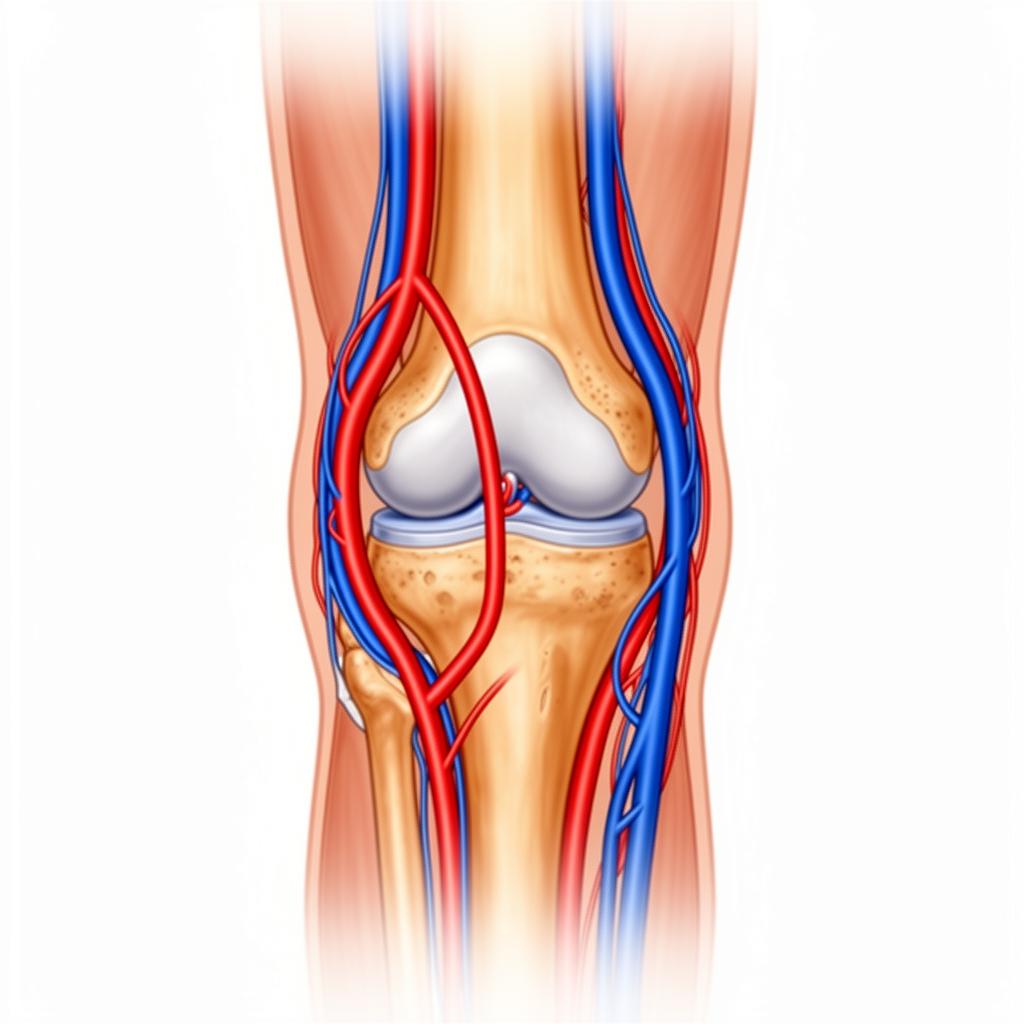
When blood flow increases to the knee, whether from exercise, irritation, or the body's natural recovery processes, you may notice warmth on the skin surface around the joint. This is because blood carries heat, and increased circulation naturally raises the temperature of the surrounding area.
Understanding Joint Warmth
The sensation of warmth in the knee is closely linked to blood flow. When the body directs more circulation to the joint area for recovery, activity support, or tissue maintenance, the increased blood volume raises local temperature. This is a normal physiological process that happens throughout the body.
In most cases, mild warmth around the knee is a normal response to activity or minor tissue irritation. It often resolves on its own with rest and gentle movement. Understanding the difference between normal post-activity warmth and warmth that may need attention is an important part of knee comfort awareness.
Common Everyday Reasons Knees May Feel Warm
There are several everyday factors that can contribute to a warm feeling in the knee. Most of these are related to how the joint is used during daily life and are not necessarily cause for concern.
Increased Physical Activity
One of the most common reasons for knee warmth is simply increased physical activity. Walking, climbing stairs, exercising, or even standing for extended periods all require the knee joint to work harder. As activity increases, so does blood flow to the working muscles and joint structures, creating a noticeable warm sensation.
Post-Exercise Recovery
After exercise, the body continues to send increased blood flow to areas that were actively working. This recovery process helps deliver nutrients and oxygen to tissues that need to replenish after exertion. The knee, as a major weight-bearing joint, often experiences noticeable warmth during this recovery window.
Tissue Irritation
When tissues around the knee become mildly irritated from overuse, repetitive movements, or sustained pressure, the body's natural response includes increasing blood flow to the area. This increased circulation brings immune cells and nutrients that support tissue maintenance, but it also brings heat.
Environmental and Temperature Changes
Changes in ambient temperature, wearing warm clothing around the legs, or transitioning from a cool environment to a warmer one can all affect how the knee feels. The knee has relatively thin tissue coverage compared to other joints, making temperature changes more noticeable. If you experience discomfort in cold environments, our guide on cold weather and knee pain explores this topic in detail.
Joint Fluid Activity
The knee joint contains synovial fluid that lubricates and cushions the joint surfaces. During and after movement, the production and circulation of this fluid increases. The metabolic activity involved in producing and distributing synovial fluid can contribute to warmth in the joint area.
✓ Quick Tips
- •Post-activity knee warmth that resolves within an hour is typically normal
- •Warmth without pain or swelling is generally less concerning
- •Both knees feeling equally warm after exercise is a common response
- •Knee warmth may be more noticeable in people with thinner skin tissue
- •Staying hydrated supports healthy joint fluid circulation
Activities That Can Increase Warmth Around the Knee
Certain activities are more likely to produce noticeable knee warmth than others, particularly those that involve repetitive knee bending, sustained weight-bearing, or intense lower body effort.
Walking and Running
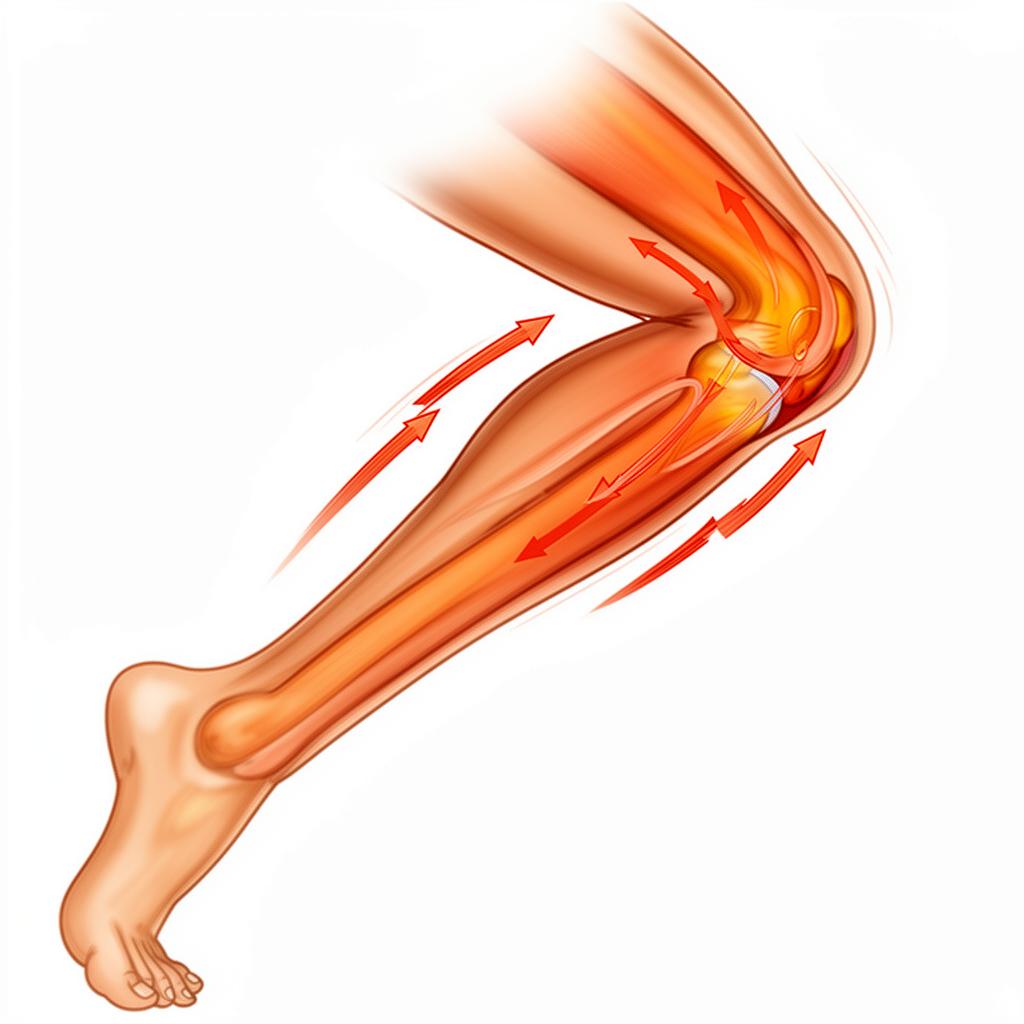
Both walking and running involve continuous knee flexion and extension. Running, in particular, significantly increases blood flow to the knee area due to the higher impact forces and greater muscle engagement required. It's common for runners to notice warm knees for 30-60 minutes after a run.
Stair Climbing
Climbing stairs places substantial demand on the knee joint, requiring the quadriceps and surrounding muscles to work harder against gravity. This increased muscular effort drives more blood to the area, often producing noticeable warmth. If you experience discomfort during this activity, our guide on knee pain when climbing stairs offers helpful insights.
Squatting and Bending
Deep knee bending, squatting, and lunging all compress the joint surfaces and engage large muscle groups around the knee. These activities increase both circulation and joint pressure, which can contribute to warmth. For more on this topic, explore our guide on knee discomfort when squatting.
Prolonged Standing or Sitting
Prolonged standing and prolonged sitting can both make an existing knee sensation more noticeable, but the timing is different. If symptoms build while you remain on your feet, compare the patterns in our guide to knees that hurt after standing all day. If stiffness appears during the first movement after a chair or desk, use the separate knee stiffness after sitting guide.
Gardening and Kneeling Activities
Activities that involve kneeling, such as gardening or floor work, place direct pressure on the front of the knee. This sustained pressure can irritate the tissues and bursa at the front of the joint, leading to warmth as the body responds with increased blood flow.
When Warmth Appears After Movement or Exercise
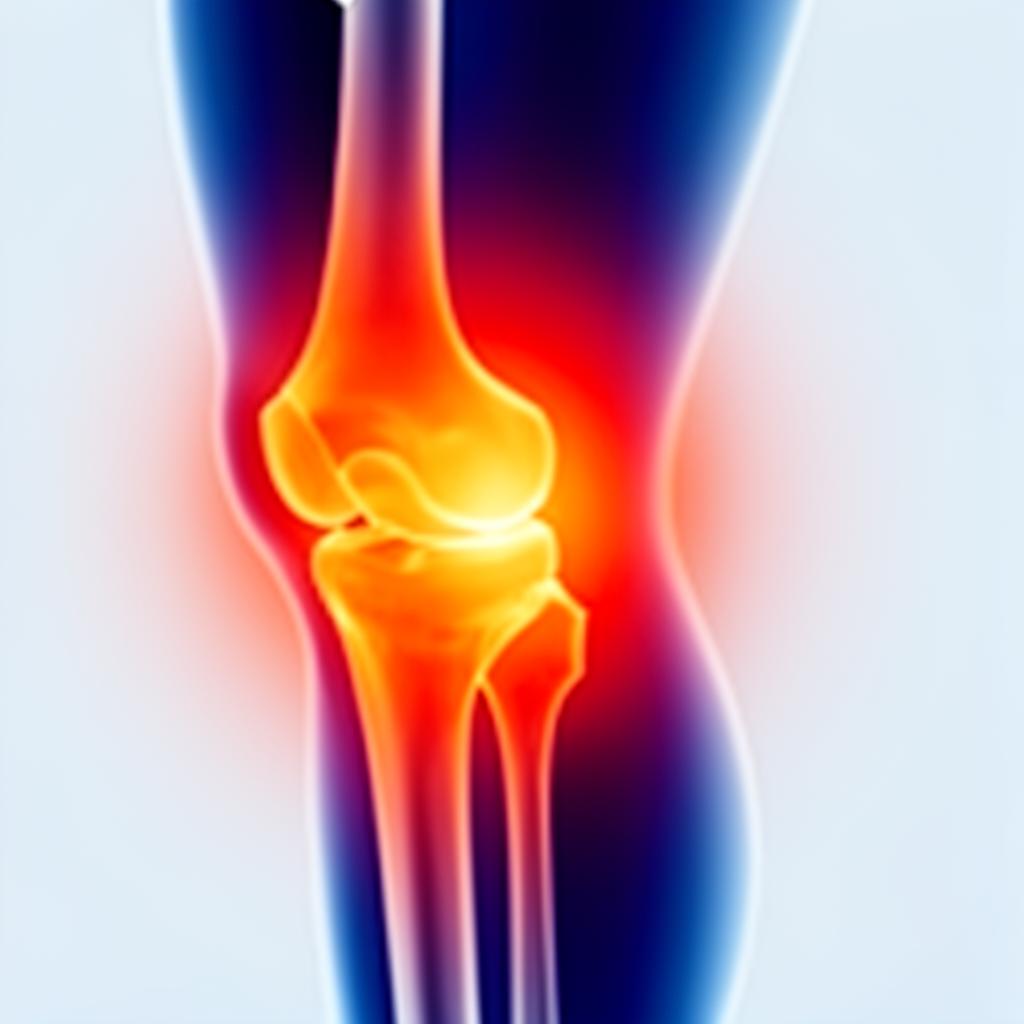
Post-exercise knee warmth is one of the most commonly reported knee sensations, and in most cases, it reflects healthy circulation responding to the demands of physical activity.
The Post-Activity Warmth Window
After moderate to vigorous exercise, it's normal for the knee area to feel warm for anywhere from 15 minutes to an hour. During this time, the body is actively recovering: delivering nutrients, removing metabolic waste, and supporting tissue repair. This warmth typically resolves gradually as circulation returns to resting levels.
Why One Knee May Feel Warmer Than the Other
If you notice that one knee feels warmer than the other after activity, it may indicate that one side is working harder or experiencing more stress during movement. Muscle imbalances, favoring one leg, or subtle differences in movement patterns can cause asymmetric warmth responses.
Post-Exercise Warmth Timeline
Mild warmth: Typically resolves within 15-30 minutes of rest. Moderate warmth: May persist for 30-60 minutes after vigorous activity. If knee warmth continues beyond 1-2 hours after activity or is accompanied by swelling, it may be worth paying closer attention to your joint's response to that particular exercise. For more on post-exercise knee sensations, see our guide on knee discomfort after exercise.
Progressive Warmth with New Activities
Starting a new exercise routine or significantly increasing your activity level can lead to more noticeable knee warmth as your joints adapt to new demands. This is why gradual progression is important, as allowing your body time to adapt reduces the intensity of these warmth responses.
Simple Ways to Support Knee Comfort
While occasional knee warmth is normal, there are several everyday strategies that may help support comfortable knee joints and manage warmth sensations that become bothersome.
Cool-Down After Activity
Taking 5-10 minutes to cool down after exercise helps transition your body from high-activity circulation back to resting levels. Gentle walking, light stretching, and gradual reduction in intensity allow blood flow to normalize more smoothly, reducing post-activity warmth.
Rest and Elevation
After particularly demanding activities, resting with your leg slightly elevated can help reduce excess blood pooling around the knee. This simple positioning uses gravity to assist circulation and may help warmth resolve more quickly.
Hydration
Staying well-hydrated supports healthy blood flow, joint fluid production, and overall tissue function. When the body is properly hydrated, circulation is more efficient and temperature regulation works more effectively, both of which can influence how warm your knees feel after activity.
Gentle Movement Throughout the Day
Rather than alternating between long periods of inactivity and intense exercise, try to incorporate gentle movement throughout your day. Regular, moderate activity helps maintain steady circulation without the dramatic warmth spikes that come from sudden intense effort.
Appropriate Activity Progression
If you're starting a new activity or returning to exercise after a break, increase intensity gradually. The 10% rule, increasing volume or intensity by no more than 10% per week, helps your joints adapt without excessive stress responses. For more on maintaining comfortable knee movement, explore our knee tightness without pain guide.
✓ Quick Tips
- •Cool down for 5-10 minutes after exercise with gentle stretches
- •Elevate your legs briefly after demanding activities
- •Stay hydrated throughout the day to support joint fluid circulation
- •Incorporate regular gentle movement rather than long inactive periods
- •Increase activity levels gradually to allow joint adaptation
- •Wear breathable clothing around the knee during warm weather
- •Use gentle cool compresses if post-activity warmth is bothersome
Daily Habits That Support Healthy Knee Movement
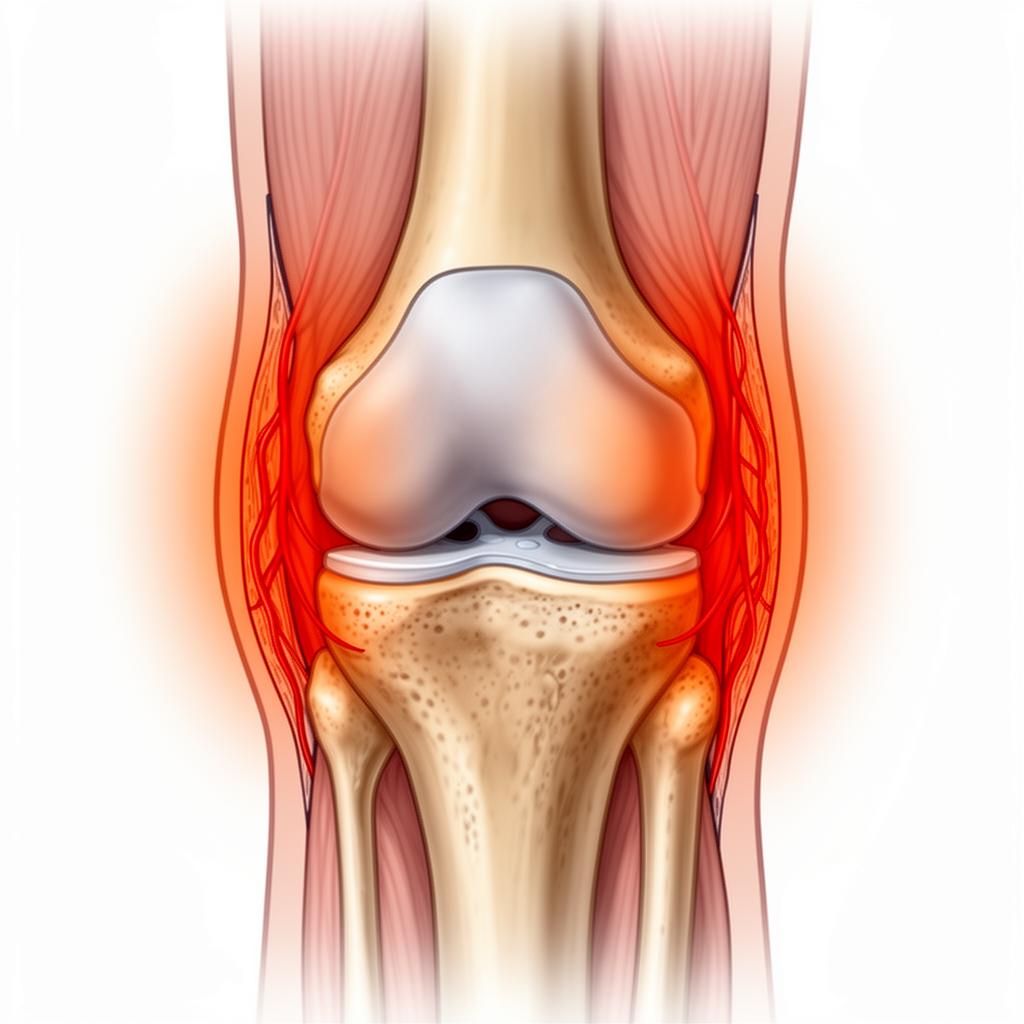
Building consistent daily habits is one of the most effective ways to support long-term knee comfort and manage warmth sensations. These habits focus on maintaining joint health through balanced activity, muscle support, and mindful movement.
Maintain Balanced Leg Strength
Strong quadriceps, hamstrings, and calf muscles provide better support for the knee joint, distributing forces more evenly and reducing the stress that can lead to tissue irritation and excessive warmth. Gentle strengthening exercises like wall sits, leg raises, and step-ups can help build balanced support around the knee.
Stretch Regularly
Tight muscles around the knee can increase joint compression and contribute to irritation. Regular stretching of the quadriceps, hamstrings, calves, and IT band helps maintain flexibility and balanced tension around the joint. Even 5-10 minutes of stretching daily can make a noticeable difference. Our knee pain exercises guide covers effective stretching routines.
Move Regularly Throughout the Day
Avoid prolonged periods of sitting or standing in one position. Taking brief movement breaks every 30-45 minutes helps maintain healthy circulation and joint lubrication, reducing the likelihood of stiffness and warmth when you do move. For insights on what happens inside the knee during long periods of sitting, see our guide on knee pain location mapping.
Choose Joint-Friendly Activities
Low-impact activities like swimming, cycling, and walking on flat surfaces provide excellent joint movement and circulation benefits with less stress on the knee. These activities help maintain fitness while being gentler on the joint structures that can become irritated with high-impact exercise.
Pay Attention to Footwear
Supportive footwear helps maintain proper leg alignment during walking and standing, which reduces uneven stress on the knee joint. Worn-out shoes can alter your gait and increase joint irritation, potentially contributing to warmth and discomfort.
Maintain a Healthy Weight
Every pound of body weight translates to approximately 3-4 pounds of force on the knee during walking. Maintaining a healthy weight reduces the overall load on the knee joint, which can decrease tissue stress, irritation, and the associated warmth response.
When Knee Warmth Should Be Evaluated
While occasional knee warmth is typically a normal response to activity, there are situations where warmth may warrant professional evaluation. Being aware of these signs helps you make informed decisions about when to seek guidance.
Persistent Warmth Without Clear Cause
If your knee feels consistently warm even without recent activity or an obvious trigger, it may be worth having it evaluated. Persistent warmth at rest can sometimes indicate ongoing tissue irritation that may benefit from professional assessment.
Warmth Accompanied by Swelling
When knee warmth appears alongside noticeable swelling, it may indicate a more significant joint response. Swelling combined with warmth suggests the body is directing substantial resources to the area, which may need professional evaluation to understand the underlying cause.
Warmth with Redness
Visible redness over the knee, particularly when combined with warmth and swelling, can indicate a more active tissue response. This combination of signs is generally worth discussing with a healthcare professional.
Warmth Affecting Daily Activities
If knee warmth is persistent enough to affect your daily activities, limit your movement, or cause you concern, seeking professional evaluation is a reasonable step. A healthcare provider can help determine whether the warmth is part of a normal response or indicates something that would benefit from specific attention.
When to Seek Evaluation
Consider professional evaluation if knee warmth is accompanied by: significant or increasing swelling, visible redness, persistent pain, difficulty moving the joint normally, warmth that doesn't resolve with rest, or warmth combined with feeling unwell or feverish. These signs don't necessarily indicate a serious problem, but they warrant professional assessment for peace of mind and appropriate guidance.
Understanding the warm sensations in your knee is an important part of maintaining long-term joint comfort. In most cases, knee warmth is your body's natural response to activity and movement, a sign that your circulatory system is working to support your joints. By building healthy daily habits, maintaining balanced muscle strength, and paying attention to how your knees respond to different activities, you can support comfortable, active movement for years to come.
Frequently Asked Questions
Why does my knee feel warm?
A warm feeling in the knee is often related to increased blood flow to the joint area. This can happen after physical activity, when tissues around the knee are working harder, or when the body sends more circulation to the joint in response to irritation, overuse, or normal recovery processes.
Is a warm knee normal after activity?
Yes, it is very common for knees to feel warm after physical activity. Exercise increases blood flow throughout the body, and the knee joint, one of the most active joints, naturally receives more circulation during and after movement. This warmth typically subsides within 30-60 minutes of rest.
Does inflammation cause warmth in the knee?
Inflammation is one of the body's natural responses that can produce warmth in the knee. When tissues around the joint become irritated, the body increases blood flow to the area as part of its natural response, which can create a noticeable warm sensation on the skin surface around the knee.
Why does my knee feel hot without pain?
A warm knee without pain can occur due to increased circulation after activity, changes in ambient temperature, or mild tissue irritation that hasn't reached the threshold of discomfort. The body's circulatory system naturally adjusts blood flow based on activity and environmental factors.
Can exercise make knees feel warm?
Absolutely. During exercise, blood flow to working muscles and joints increases significantly. The knee joint, which is involved in nearly all lower body movements, naturally warms up during activity as more blood circulates through the surrounding tissues, muscles, and joint structures.
What causes warmth around the kneecap?
Warmth around the kneecap can be caused by increased blood flow after activity, irritation of the tissues beneath or around the patella, friction from repetitive knee bending, or the body's natural response to joint stress. The kneecap area has relatively thin tissue coverage, making warmth more noticeable there.
How can I reduce knee warmth after activity?
Allowing adequate rest after activity, elevating the leg, applying a cool compress briefly, staying hydrated, and performing gentle cool-down stretches can all help reduce post-activity knee warmth. Gradually building activity levels rather than sudden increases also helps minimize excessive joint warmth.
When should knee warmth be checked?
Consider having knee warmth evaluated if it is accompanied by significant swelling, redness, persistent pain, difficulty moving the joint, or if the warmth doesn't resolve within a reasonable time after rest. Warmth combined with fever or feeling unwell should be evaluated promptly.