
A heavy feeling in the knees is one of those sensations that can be difficult to describe but easy to recognize. Your knees may feel weighed down, sluggish, or resistant to movement, even though there is no visible swelling or sharp discomfort. This type of sensation is often linked to how the muscles, circulation, and joint structures around the knee are functioning during daily life.
In this guide, we will explore the everyday reasons why knees may feel heavy, how muscle fatigue and circulation play a role, and practical strategies that may help your knees feel lighter and more comfortable throughout the day.
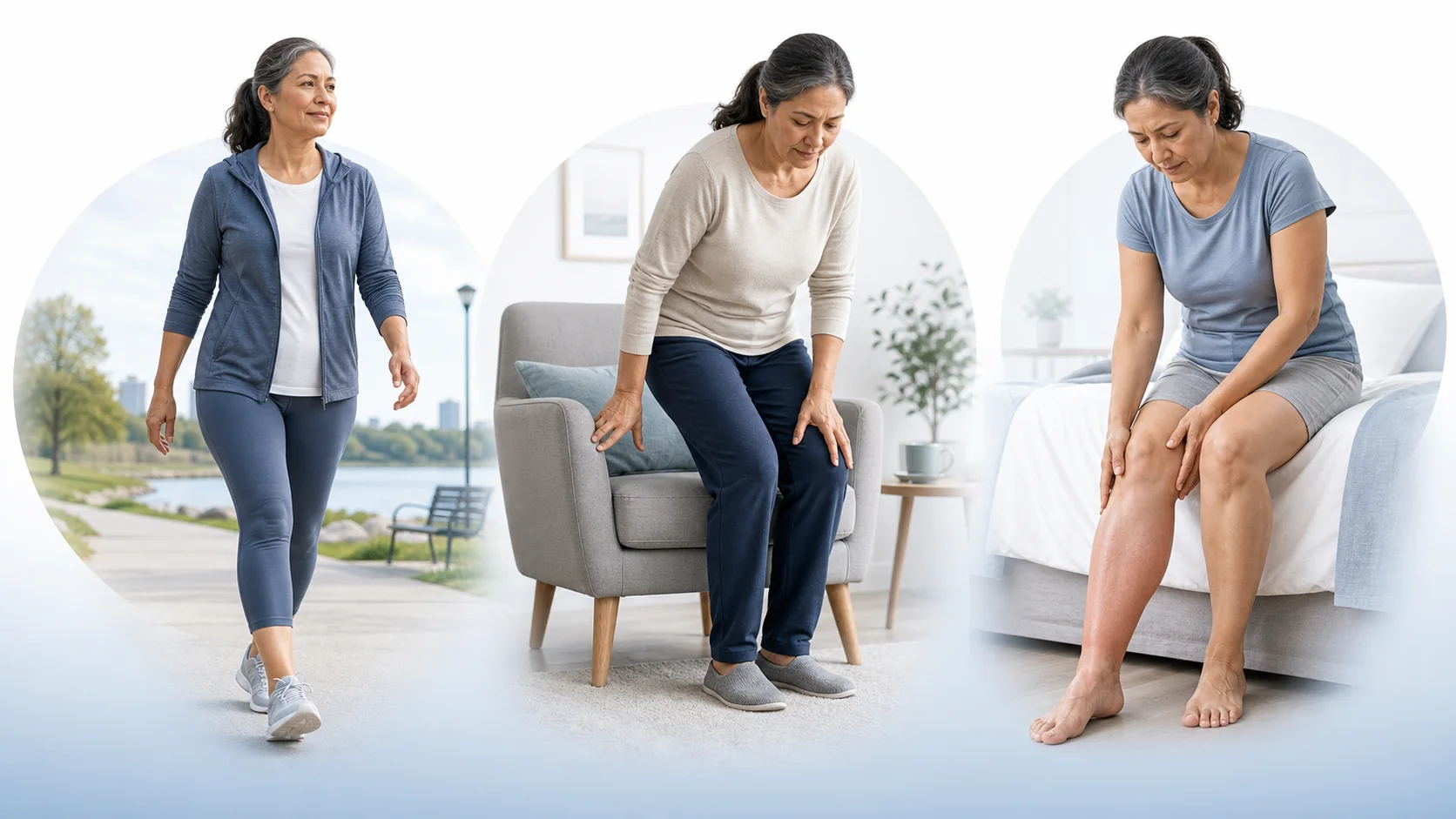
Heavy Knees Cause Comparison
Use this comparison as a way to describe the symptom, not to diagnose yourself. More than one pattern can be present at the same time, and an examination may be needed when the cause is unclear.
| Pattern | Clues that may fit | Reasonable next step | What raises concern |
|---|---|---|---|
| Activity-related muscle fatigue | Both legs feel tired after a longer walk, workout, or stair-heavy day; no major swelling; improves with recovery | Temporarily reduce the dose, keep easy movement, and rebuild distance or resistance gradually | Marked weakness, repeated giving way, severe pain, or failure to return toward baseline |
| Stiffness after inactivity | Heaviness on the first steps after sitting; movement becomes easier after a short warm-up | Change position regularly and use a gentle, comfortable movement break | A locked knee, persistent loss of motion, hot swelling, or worsening night symptoms |
| Knee or lower-leg swelling | Visible puffiness, tighter socks, skin that looks stretched, or a feeling of pressure | Compare sides, note onset and medicines, and arrange assessment if unexplained, recurrent, or worsening | Sudden, severe, painful, red, or hot swelling; fever; or swelling after significant injury |
| One-sided vascular warning pattern | One leg becomes swollen with pain or tenderness, warmth, redness, or discoloration | Seek urgent medical advice because a deep vein thrombosis must be considered | Breathlessness, chest pain, coughing blood, fainting, or feeling acutely unwell is an emergency |
| Weakness or nerve-related symptoms | The leg feels difficult to control, gives way, drags, or is accompanied by numbness or tingling | Arrange a clinical assessment rather than treating the sensation as simple fatigue | Sudden major weakness, new loss of bladder or bowel control, or rapidly spreading numbness needs urgent care |
When Knees Feel Heavy and Stiff
A heavy and stiff feeling often appears on the first steps after sitting, driving, or waking. Notice whether both knees are similar, whether the joint can fully bend and straighten, and whether gentle movement returns it toward baseline. This pattern is different from a knee that is physically locked, repeatedly gives way, or becomes progressively more painful.
When stiffness after rest is the main problem, change position more often and use a short, comfortable movement break. Our guide to knee pain when standing after sitting explains that specific transition.
When a Knee Feels Heavy and Full
Fullness can be a way of describing pressure inside or around the knee. Compare the sides and look for puffiness, tighter clothing or socks, warmth, redness, and reduced movement. A full sensation without visible swelling still deserves assessment when it persists or repeatedly limits activity.
Do not assume that a newly full, swollen knee only needs massage or extra exercise. Rapid swelling after an injury, a hot red knee, or unexplained one-sided leg swelling changes the decision toward prompt medical care.
What Causes Heaviness in the Knees
The sensation of heaviness in the knees is typically related to how well the surrounding muscles, blood vessels, and joint structures are functioning. Unlike sharp pain that usually has a specific trigger, heaviness tends to develop gradually and reflects the overall condition of the lower limbs.
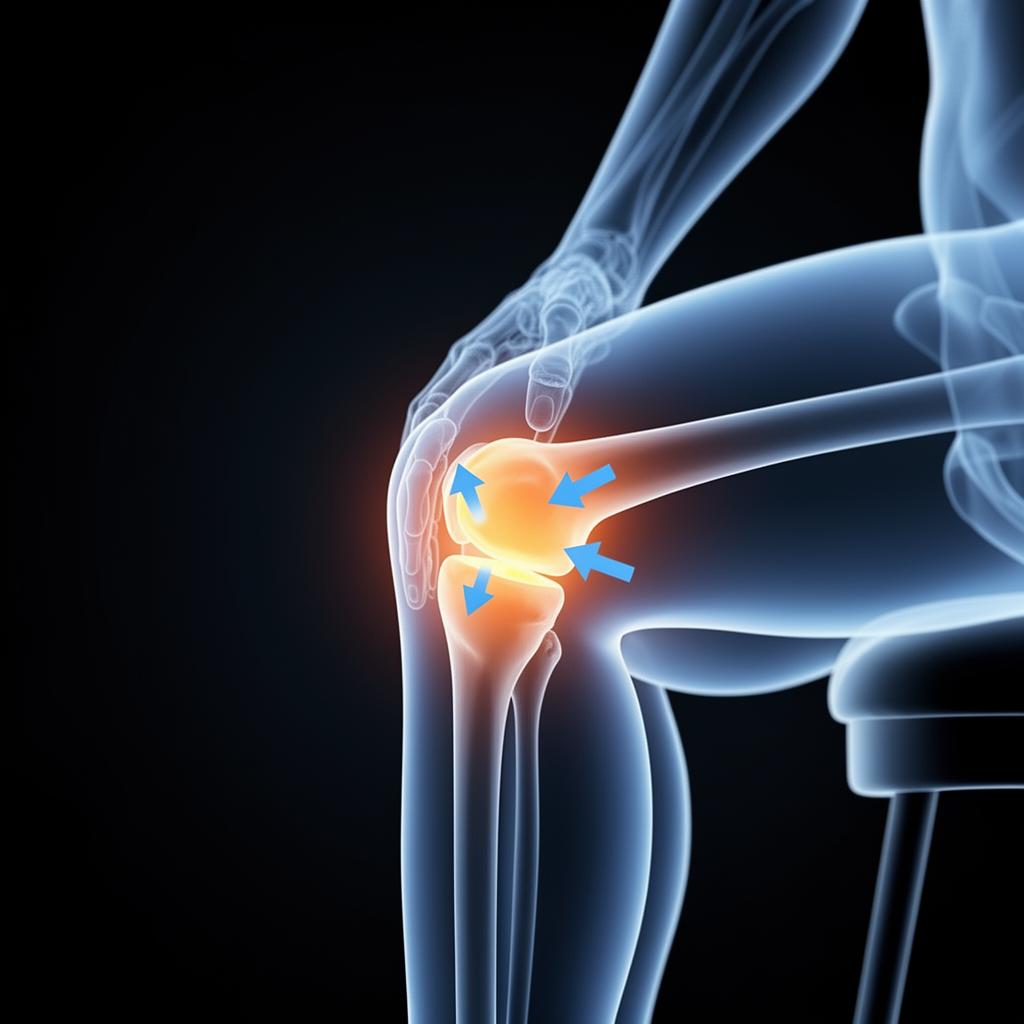
Muscle Fatigue
The muscles around the knee, including the quadriceps, hamstrings, and calves, work continuously to support the joint during standing, walking, and movement. When these muscles become fatigued from overuse, prolonged activity, or insufficient recovery, the knee can feel heavy and sluggish. The muscles simply become less efficient at supporting and moving the joint.
Swelling and Fluid Buildup
Swelling in the knee, ankle, foot, or lower leg can create pressure, tightness, and heaviness. Long periods in one position are one possible contributor, but swelling can also relate to an injury, medicines, vein problems, infection, or conditions affecting the heart, kidneys, liver, or thyroid. The appearance, timing, and whether one or both legs are affected matter. It is not safe to label unexplained swelling as poor circulation without an assessment.
Stiffness After Rest
A bent knee can feel stiff after sitting, driving, or sleeping. The first few steps may feel effortful even when the leg is not visibly swollen. A stiffness pattern that eases with gentle movement is different from a knee that is truly locked and cannot straighten. A locked knee, major loss of movement, or repeated giving way should be assessed promptly.
Deconditioning
When the muscles around the knee have not been regularly challenged through activity, they may lose some of their strength and endurance. This deconditioning means that even normal daily activities can fatigue the muscles more quickly, leading to a heavy sensation earlier in the day or during routine tasks.
Understanding Knee Heaviness
Knee heaviness does not prove structural damage, but it also should not automatically be dismissed as fatigue. Describe whether the feeling is in the joint or the whole leg, whether it is one-sided, what triggers it, and whether swelling, pain, weakness, numbness, warmth, or skin-color change is present.
Muscle Fatigue and Knee Support

The knee joint depends heavily on the surrounding muscles for stability and movement. When these muscles are functioning well, the knee feels light, responsive, and easy to move. When they are tired, the knee can feel heavy, stiff, and resistant to movement.
Quadriceps Fatigue
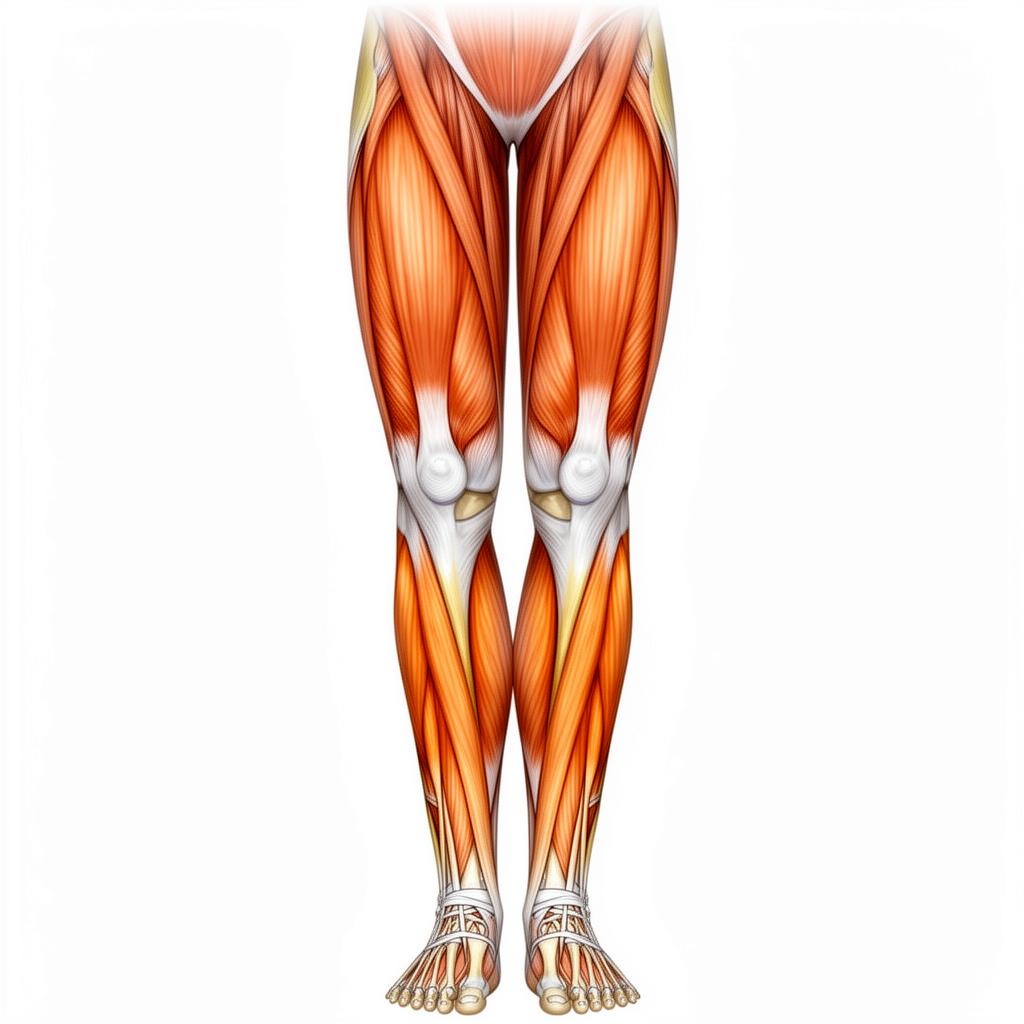
The quadriceps muscles at the front of the thigh are the primary supporters of the knee during activities like walking, climbing stairs, and standing up. When these muscles become fatigued, the knee loses some of its active support, which can create a sensation of heaviness and increased effort during movement.
Hamstring and Calf Fatigue
The hamstrings and calves work together with the quadriceps to stabilize the knee and control movement. Fatigue in these muscle groups can alter how forces are distributed through the knee, making the joint feel heavier and less stable during walking and other activities. If you also notice weakness without pain, our guide on knee weakness without pain explores this topic further.
How Fatigue Builds Throughout the Day
Many people notice that their knees feel heavier as the day progresses. This is because the supporting muscles gradually fatigue with continuous use. The morning typically brings the most rested, responsive muscles, while the evening often brings the most noticeable fatigue and heaviness.
✓ Quick Tips
- •Muscle fatigue is one possible cause of activity-related heaviness
- •The quadriceps bear the greatest load in supporting the knee
- •Heaviness often increases throughout the day as muscles tire
- •Regular strengthening helps muscles resist fatigue longer
- •Recovery between activities is essential for reducing heaviness
When the Whole Leg Feels Heavy

People sometimes say their knees feel heavy when the sensation actually extends through the calf, ankle, or entire leg. Look for visible swelling, sock marks, skin that appears stretched, and a difference between the two sides. Also consider recent travel, prolonged immobility, surgery, pregnancy, cancer treatment, hormone medicines, and a previous blood clot when discussing symptoms with a clinician.
The Role of the Muscle Pump
Calf-muscle contractions help venous blood return toward the heart, which is one reason changing position and walking may feel useful after sitting. That does not make movement a treatment for every heavy-leg symptom. If a leg is newly swollen, painful, warm, or discolored, seek urgent advice before massaging it or assuming a short walk will solve it.
How Inactivity Reduces Circulation
Extended sitting can leave the legs stiff and sluggish. For a simple, symmetrical stiffness pattern without warning signs, changing position and taking a comfortable movement break may help. For related context, see our guide on knee stiffness after resting. Long travel or immobility also increases the importance of recognizing one-sided DVT symptoms rather than treating every sensation as ordinary stiffness.
Medicines and General Health
Some medicines can contribute to lower-leg swelling, and swelling may also occur with medical conditions outside the knee. Do not stop a prescribed medicine on your own. Note when the symptom began, any recent dose changes, and whether swelling affects the feet, ankles, face, or abdomen, then discuss those details with a healthcare professional.
Situations When Knees Feel Heavy
Certain everyday situations are more likely to trigger a heavy feeling in the knees. Recognizing these patterns can help you take proactive steps to reduce heaviness before it becomes bothersome.
After Long Periods of Sitting
Sitting for extended periods at work, during travel, or while relaxing reduces muscle activity and circulation in the legs. When you stand up after prolonged sitting, the knees often feel heavy and stiff until movement restores normal function. Our guide on knee discomfort after car rides covers travel-related strategies.
During or After Extended Walking
Walking for longer distances or durations than your muscles are accustomed to can lead to progressive fatigue and heaviness. The muscles gradually tire, reducing their ability to support the knee efficiently, and the joint begins to feel heavier with each step.
After Intense Exercise
Vigorous exercise that heavily engages the leg muscles can leave both legs feeling tired during recovery. A fatigue pattern should trend back toward baseline and should not include rapid swelling, severe pain, instability, or loss of function. For more on post-exercise sensations, explore our guide on knee discomfort after exercise. If the heaviness is accompanied by clicking or popping sounds, our guide on knee clicking when walking explains why these sounds occur.
At the End of a Long Day
After a full day of activity, the cumulative effect of muscle fatigue, gravity, and reduced energy can make the knees feel notably heavier than they did in the morning. This is a common experience that reflects the natural limits of muscle endurance.
During Periods of Low Activity
Paradoxically, periods of very low activity can also cause knee heaviness. Without regular movement to maintain muscle tone, circulation, and joint fluid flow, the knees may feel heavy and sluggish even during light tasks.
How Movement Helps Reduce Heaviness
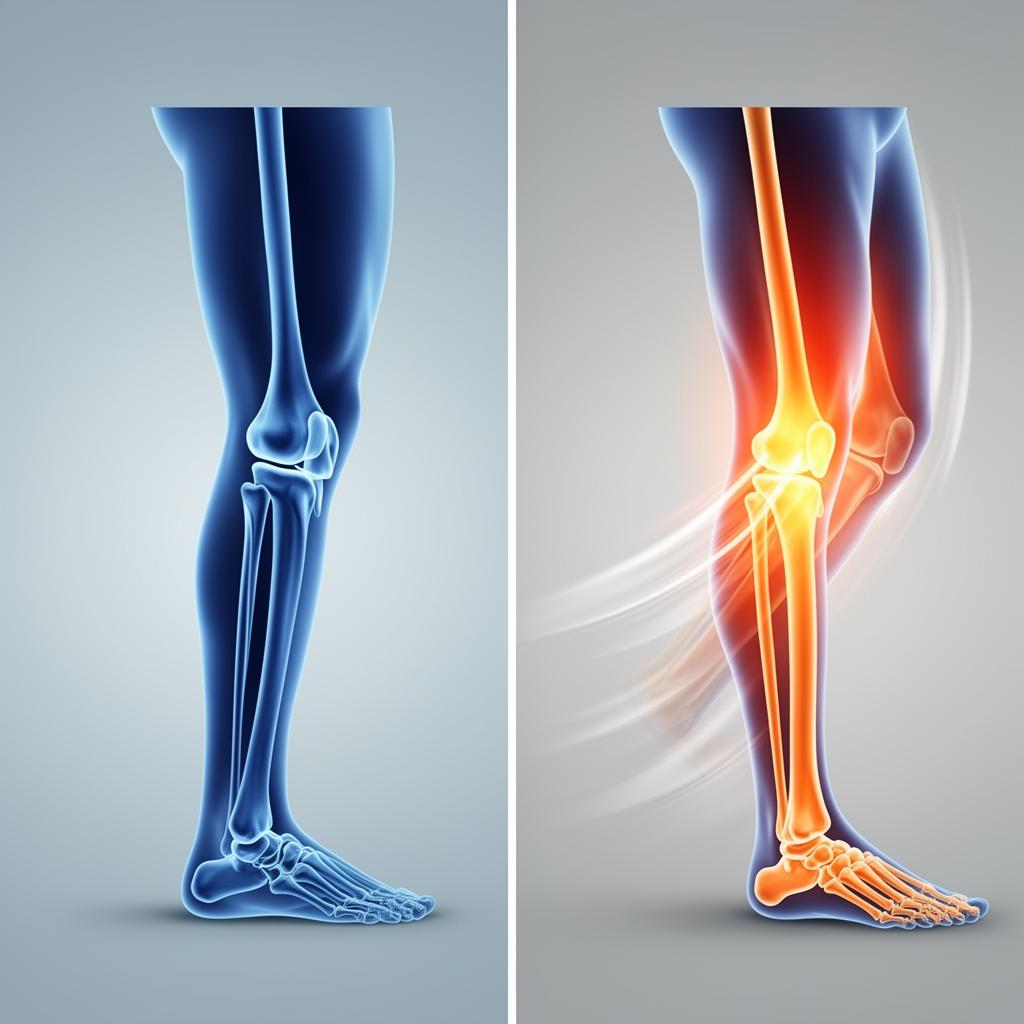
Regular, consistent movement may help when the pattern is stiffness after inactivity or muscle fatigue. Movement activates the leg muscles and, over time, progressive exercise can build the capacity needed for walking, stairs, and standing. It is not a treatment for unexplained swelling, a blood clot, infection, or sudden weakness.
Why Movement Breaks Matter
During prolonged sitting, change position regularly rather than waiting until the knees feel very stiff. If there are no warning signs and walking is safe, stand or take a short comfortable walk at an interval that fits your day. The aim is to interrupt a sustained position, not to meet a rigid timer.
Gentle Walking as a Reset
Walking is one of the most accessible ways to combat knee heaviness. A 5 to 10 minute walk activates all the major muscle groups around the knee, promotes circulation, and helps restore the natural rhythm of joint fluid movement. If you experience tightness along with heaviness, our knee tightness without pain guide offers additional strategies.
Light Stretching
Gentle stretching of the quadriceps, hamstrings, and calves helps relieve muscle tension that contributes to heaviness. Stretching improves blood flow to the muscles, reduces stiffness, and can make the knees feel noticeably lighter within minutes.
Progressive Strengthening
Building strength in the muscles around the knee increases their endurance and resistance to fatigue. Stronger muscles can support the knee for longer periods before heaviness develops. Exercises like wall sits, leg raises, step-ups, and gentle squats gradually build this capacity. For a comprehensive routine, see our knee exercises guide.
If heaviness is paired with knee pain that consistently builds during long periods on your feet, the guide to standing-related knee pain at work helps separate static standing, hard-floor, footwear, and swelling patterns.
✓ Quick Tips
- •Change position regularly during prolonged sitting
- •Walk for 5 to 10 minutes to reset circulation and muscle activity
- •Stretch quadriceps, hamstrings, and calves daily
- •Build leg strength gradually with low-impact exercises
- •Follow ordinary hydration guidance rather than treating extra water as a cure
- •Elevate legs briefly after long periods of standing
- •Choose low-impact activities like swimming or cycling for joint-friendly conditioning
Daily Habits That Support Lighter Knee Movement
Consistent daily habits can help an activity-related fatigue or stiffness pattern. The most useful plan is one you can progress gradually and adjust according to the knee's response, while obtaining an assessment when symptoms are persistent, swollen, one-sided, or worsening.
Stay Active Throughout the Day
Rather than concentrating all your activity into one exercise session, distribute movement throughout your day. Regular gentle activity maintains muscle tone, keeps circulation flowing, and prevents the buildup of stiffness and heaviness that comes from prolonged inactivity.
Strengthen Your Leg Muscles
Strong quadriceps, hamstrings, and calves can improve capacity for walking, stairs, and standing up. Start with a tolerable exercise, range, and resistance, then progress gradually. A physiotherapist can help select a starting level if ordinary exercises provoke pain, swelling, or instability.
Stay Hydrated
Drink according to thirst and any medical guidance you have been given. Hydration is important for general health and exercise, but drinking extra water is not a specific treatment for knee heaviness or lower-leg swelling. People with heart, kidney, or other conditions may have individualized fluid advice.
Maintain a Healthy Activity Balance
Finding the right balance between activity and rest is important. Too much activity without adequate recovery can lead to chronic muscle fatigue, while too little activity can lead to deconditioning. Listen to your body and adjust your activity levels to maintain comfortable, sustainable movement patterns.
Choose Supportive Footwear
Well-fitting, supportive shoes help distribute forces more evenly through the legs and reduce unnecessary strain on the knee-supporting muscles. Worn-out or unsupportive footwear can increase the effort required during walking, contributing to earlier muscle fatigue and heaviness.
Monitor Your Posture
How you sit and stand affects how your leg muscles and circulation function. Sitting with your legs crossed, standing with locked knees, or adopting other sustained positions can restrict circulation and contribute to heaviness. Being mindful of your posture throughout the day helps maintain healthy blood flow. For understanding how different knee sensations map to specific areas, check our knee pain location guide.
When to Get Medical Help
Arrange an assessment when heaviness persists, worsens, limits walking, or comes with recurrent swelling, weakness, numbness, locking, or giving way. Seek urgent advice for unexplained one-sided leg swelling with pain, warmth, redness, or discoloration; a hot red knee with fever; inability to bear weight; or major swelling after an injury. Chest pain, sudden breathlessness, coughing blood, or fainting requires emergency help.
Understanding why your knees feel heavy starts with describing the pattern accurately. Fatigue, stiffness, swelling, and weakness are not interchangeable, and the right response depends on which clues are present. For an uncomplicated activity-related pattern, gradual capacity building can be useful. For persistent, one-sided, swollen, or progressive symptoms, an assessment is the safer next step.
Frequently Asked Questions
Why do my knees feel heavy?
A heavy feeling is a symptom description, not a diagnosis. It may follow muscle fatigue, unaccustomed activity, stiffness after sitting, or visible leg swelling. The timing, whether one or both legs are affected, and symptoms such as pain, weakness, warmth, redness, or breathlessness determine how urgently it should be assessed.
Is knee heaviness normal after activity?
Temporary heaviness after more activity than usual can reflect muscle fatigue, especially when both legs feel similar and the sensation improves with recovery. New swelling, inability to bear weight, or symptoms that repeatedly worsen are not something to dismiss as ordinary fatigue.
Can fatigue cause heavy knees?
Yes. Tired quadriceps, hamstrings, and calf muscles can make walking, stairs, and standing up feel more effortful. Fatigue is only one possibility, so persistent or unexplained heaviness should be considered in the context of swelling, pain, weakness, and general health.
Why do my knees feel heavy when walking?
Heaviness during walking may appear when distance or pace exceeds current capacity, but it can also occur with joint pain, swelling, weakness, or problems elsewhere in the leg. Stop and seek assessment if walking becomes unsafe, the knee gives way, or one leg is newly swollen, warm, or discolored.
Does sitting too long cause heavy knees?
Long sitting can leave the knees and legs feeling stiff or sluggish when you first stand. Gentle movement may help a simple stiffness pattern. One-sided calf or leg swelling and pain after prolonged immobility needs urgent medical advice because a blood clot must be considered.
How can I relieve heavy knees?
If there are no warning signs, try changing position, a short easy walk, and a gradual return to normal activity. Longer-term strengthening may help when low capacity is part of the pattern. Treatment for visible swelling or a medical condition depends on its cause and should not be replaced by a generic exercise routine.
Can leg swelling make the knees feel heavy?
Yes. Fluid buildup in the lower leg can feel heavy or tight and may affect one or both sides. Recurrent swelling, unexplained one-sided swelling, or swelling that is sudden, painful, red, or warm needs medical assessment rather than self-diagnosis.
When should heavy knees be checked?
Arrange an assessment when heaviness persists, worsens, limits walking, or comes with pain, weakness, numbness, or recurrent swelling. Seek urgent care for unexplained swelling in one leg, especially with pain, warmth, or discoloration. Chest pain, sudden breathlessness, coughing blood, fainting, or severe illness requires emergency help.