Why Knee Pain Happens After Sitting Cross-Legged
Sitting cross-legged is one of the most natural and common seated positions worldwide. Whether on the floor, on a meditation cushion, or casually on the couch, crossing your legs feels comfortable initially. However, this position places unique demands on the knee joint that many people do not realize until the discomfort begins.
What Happens Inside the Knee During Cross-Legged Sitting
When you sit cross-legged, your knee enters a combination of deep flexion (bending) and external rotation. This dual movement compresses the structures at the back of the knee while simultaneously stretching the inner (medial) knee ligaments. The kneecap is pressed more firmly against the femoral groove, and the meniscus experiences asymmetric loading. For people who already experience knee discomfort in specific locations, this loading pattern can amplify existing sensitivities.
The key factors that contribute to knee pain when sitting cross-legged include:
- Deep knee flexion: The knee bends beyond its comfortable resting range, increasing internal pressure
- Rotational stress: The lower leg rotates outward relative to the thigh, twisting the knee structures
- Reduced blood flow: Compression of the popliteal area behind the knee can reduce circulation to the lower leg
- Sustained muscle tension: The muscles around the knee must hold an unusual position without movement
- Synovial fluid stagnation: Without movement, the joint's natural lubricant does not circulate effectively
Why the Discomfort Often Appears Later
Many people feel fine while sitting cross-legged but notice knee discomfort after sitting, sometimes minutes or even hours later. This delayed response occurs because the body's inflammatory response to sustained pressure takes time to develop. Additionally, the stiffness that builds during prolonged static positioning becomes most apparent when you try to move the joint through its full range again.
Contributing Factors to Knee Pain After Sitting Cross-Legged
Based on common biomechanical factors observed in cross-legged sitting
Back of Knee Pain After Sitting: Why It Is So Common
Back of knee pain is one of the most frequently reported types of knee discomfort after sitting. The posterior knee area is particularly vulnerable to the effects of prolonged sitting because of its complex anatomy and the way seated positions compress this region.
Anatomy of the Posterior Knee
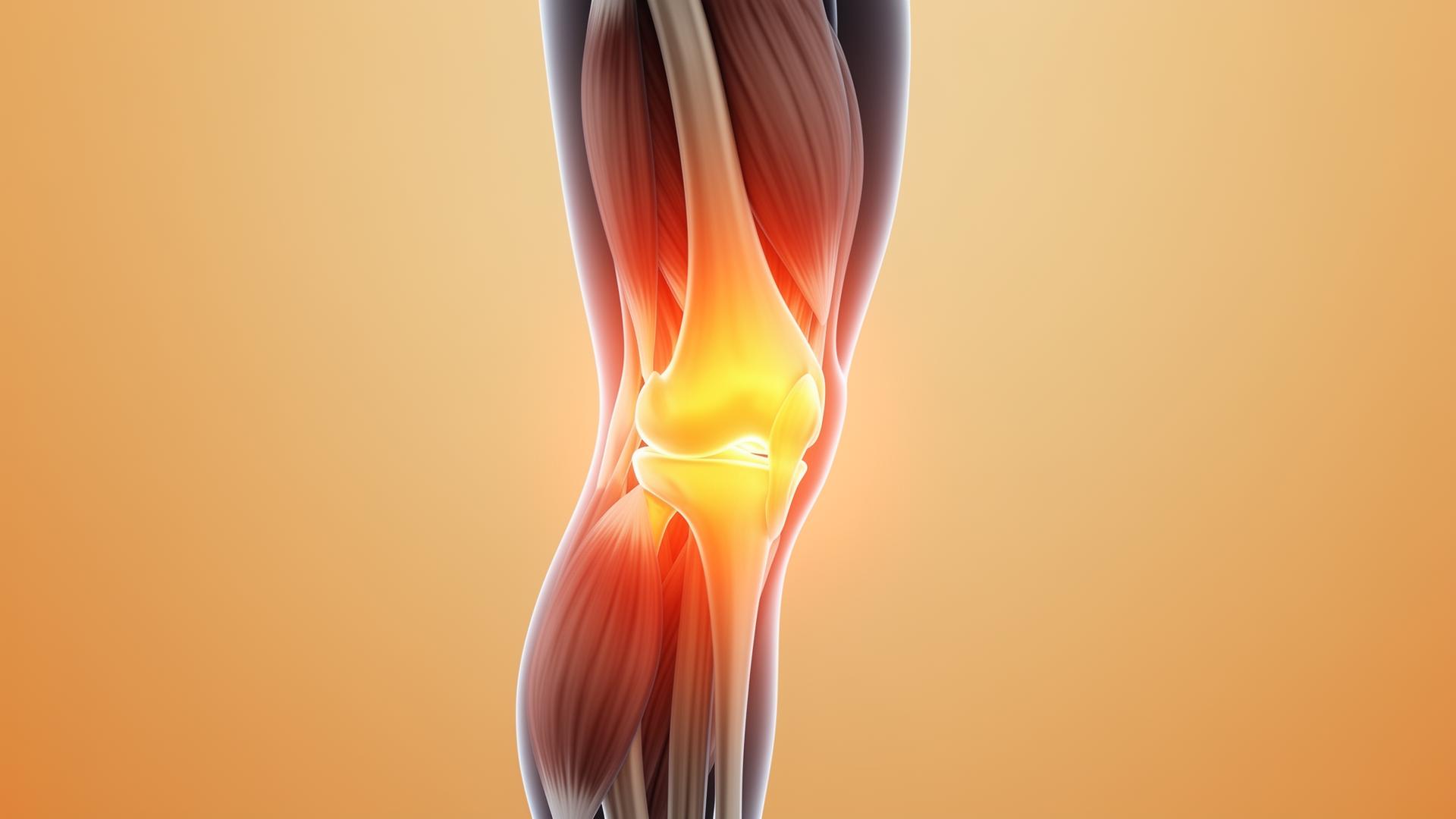
The back of the knee, known as the popliteal fossa, is a junction where several important structures converge: the hamstring tendons (biceps femoris, semitendinosus, and semimembranosus), the gastrocnemius muscle origins, popliteal blood vessels, and the posterior joint capsule. When the knee is bent during sitting, all of these structures are compressed together. Our detailed guide on back of knee discomfort patterns explores this anatomy in greater depth.
Why Pain Behind Knee After Sitting Is So Frequent
Pain behind knee after sitting occurs because the bent knee position shortens the hamstring tendons while simultaneously compressing the popliteal vessels. When you finally straighten your leg, these shortened structures must rapidly lengthen, which can produce aching, pulling, or stiffness. People who sit for long hours at desks, in cars, or during travel are especially prone to this pattern.
Knee Stiffness After Sitting
A stiff knee after sitting is one of the most universal knee experiences. Almost everyone has felt that initial resistance or tightness when trying to straighten the knee after sitting for 30 minutes or more. Understanding why this happens can help you develop habits that reduce its frequency and intensity.
The Synovial Fluid Factor
The knee joint is surrounded by a capsule filled with synovial fluid, which acts as a natural lubricant. When the knee is in motion, this fluid circulates freely, coating the cartilage surfaces and reducing friction. During sitting, the joint is held in one position, and the fluid settles rather than circulating. The result is a temporary reduction in lubrication that makes the joint feel stiff when you first begin moving again.
Muscle Adaptation During Sitting
Your muscles naturally adapt to whatever position they are held in. During prolonged sitting, the quadriceps (front thigh muscles) lengthen while the hamstrings (back thigh muscles) shorten. When you stand up, both muscle groups need to rapidly readjust: the quadriceps must contract to support your weight while the hamstrings must lengthen. This readjustment is what produces the stiff, creaky sensation many people describe. If you also notice front knee tightness, the quadriceps component may be particularly relevant.
✓ Quick Tips
- •Perform gentle knee bends (10 repetitions) before standing up
- •Take a 2-minute movement break every 25 to 30 minutes of sitting
- •Flex and point your ankles while seated to promote circulation
- •Keep your knees at a 90-degree angle rather than deeply bent
- •Stay hydrated throughout the day to support synovial fluid quality
Patellofemoral Pain Syndrome and Sitting Posture
Patellofemoral pain syndrome (PFPS) is one of the most common sources of front-of-knee discomfort, and sitting is a well-known trigger. Understanding the connection between PFPS and seated positions can help you manage this pattern more effectively.
How Sitting Affects the Kneecap
When the knee is bent during sitting, the kneecap (patella) is pressed firmly into the femoral groove on the front of the thighbone. The deeper the bend, the greater the contact pressure. In a standard chair with the knees at 90 degrees, the patellofemoral contact force is already significant. In cross-legged sitting, where the knee is bent well beyond 90 degrees, this pressure increases substantially.
People with patellofemoral pain syndrome often report that their discomfort is worst during or after prolonged sitting, especially in movie theaters, at desks, or during long car rides. This pattern is so well-recognized that it has earned the informal name "theater sign" or "movie-goer's knee."
Reducing Patellofemoral Pressure During Sitting
- Keep your knees at or slightly above 90 degrees rather than deeply flexed
- Periodically extend one leg straight to reduce kneecap contact pressure
- Avoid sitting with your legs tucked underneath you
- Strengthen your quadriceps, particularly the vastus medialis (inner quad), to improve kneecap tracking
- Use a footrest if your chair is too high, preventing your knees from hanging in deep flexion
Why Your Knees Hurt When You Stand Up After Sitting
Knee pain when standing up after sitting is a very common experience that many people search for answers about. The transition from sitting to standing requires your knee to shift rapidly from a passive, bent position to an active, weight-bearing position, and this is where many discomfort patterns become most noticeable.
The Sit-to-Stand Transition
When you stand up, several things happen simultaneously in the knee: the joint must extend from its bent position, the quadriceps muscles must contract powerfully to lift your body weight, the kneecap must track smoothly through the femoral groove, and the previously compressed posterior structures must decompress. If any of these elements are compromised by stiffness, weakness, or the effects of prolonged sitting, the result is discomfort during the transition.
Tips for Easier Standing After Sitting
- Scoot to the edge of your chair before standing to reduce the effort required
- Place your feet flat on the floor, hip-width apart, before rising
- Use your hands on the armrests or chair seat for initial support if needed
- Rise slowly and deliberately rather than jumping up quickly
- Take a few gentle steps in place before walking to allow the joint to warm up
Sitting Positions That Worsen Knee Pain
Not all seated positions affect the knee equally. Some positions place significantly more stress on the joint structures than others, and understanding which ones to limit can make a meaningful difference in your daily comfort.
Cross-Legged on the Floor
This is one of the most stressful positions for the knee joint, combining deep flexion with external rotation. Both the inner and back of knee structures are under sustained load, and the kneecap is pressed firmly against the thighbone. People who experience inner or outer knee discomfort may find this position particularly aggravating.
Kneeling or Sitting on Your Heels
Kneeling places the knee in maximum flexion while also bearing body weight directly through the joint. The front of the knee, including the kneecap and patellar tendon, is under substantial pressure. This position is common during yoga, prayer, or floor activities and can contribute to knee pain after bending.
Legs Tucked Under or to One Side
Sitting with one or both legs tucked under the body or swept to one side creates asymmetric loading on the knee. One knee may be in extreme flexion while the other is in rotation, and the resulting uneven stress can lead to discomfort on one side more than the other.
Sitting Positions: Knee Stress vs Comfort Level
Relative stress and comfort levels for common seated positions
Best Sitting Positions for Knee Comfort
Choosing the right seated position can significantly reduce knee discomfort and stiffness. The goal is to minimize prolonged deep flexion, avoid rotational stress, and maintain good circulation to the lower legs.
A Supported Starting Position
A useful starting position is one in which the feet are supported, the seat is not excessively low, and the knees are not forced into a deep bend. There is no single perfect angle for everyone, so comfort and the ability to change position matter more than holding an exact number.
Slightly Extended Position
If it feels comfortable, periodically extend a leg, stand briefly, or take a short walk. Changing position can reduce the time spent in a deep bend and may make the transition to standing easier.

Change Position Regularly
There is no universal timer that suits everyone. If prolonged sitting is a trigger, try a reminder every 20 to 30 minutes as a practical starting point, then adjust it according to comfort, mobility, and any advice from your clinician.
Stretches That Help After Sitting Too Long
When you have been sitting for an extended period, a few simple stretches can help your knees transition back to comfortable movement. These stretches target the muscles most affected by prolonged sitting and help restore circulation to the joint.
Seated Knee Extensions
While still in your chair, straighten one leg at a time, hold for 5 seconds, then slowly lower. Repeat 10 times per leg. This activates the quadriceps and promotes fluid circulation through the joint without requiring you to stand up. It is an ideal first step before rising from your chair.
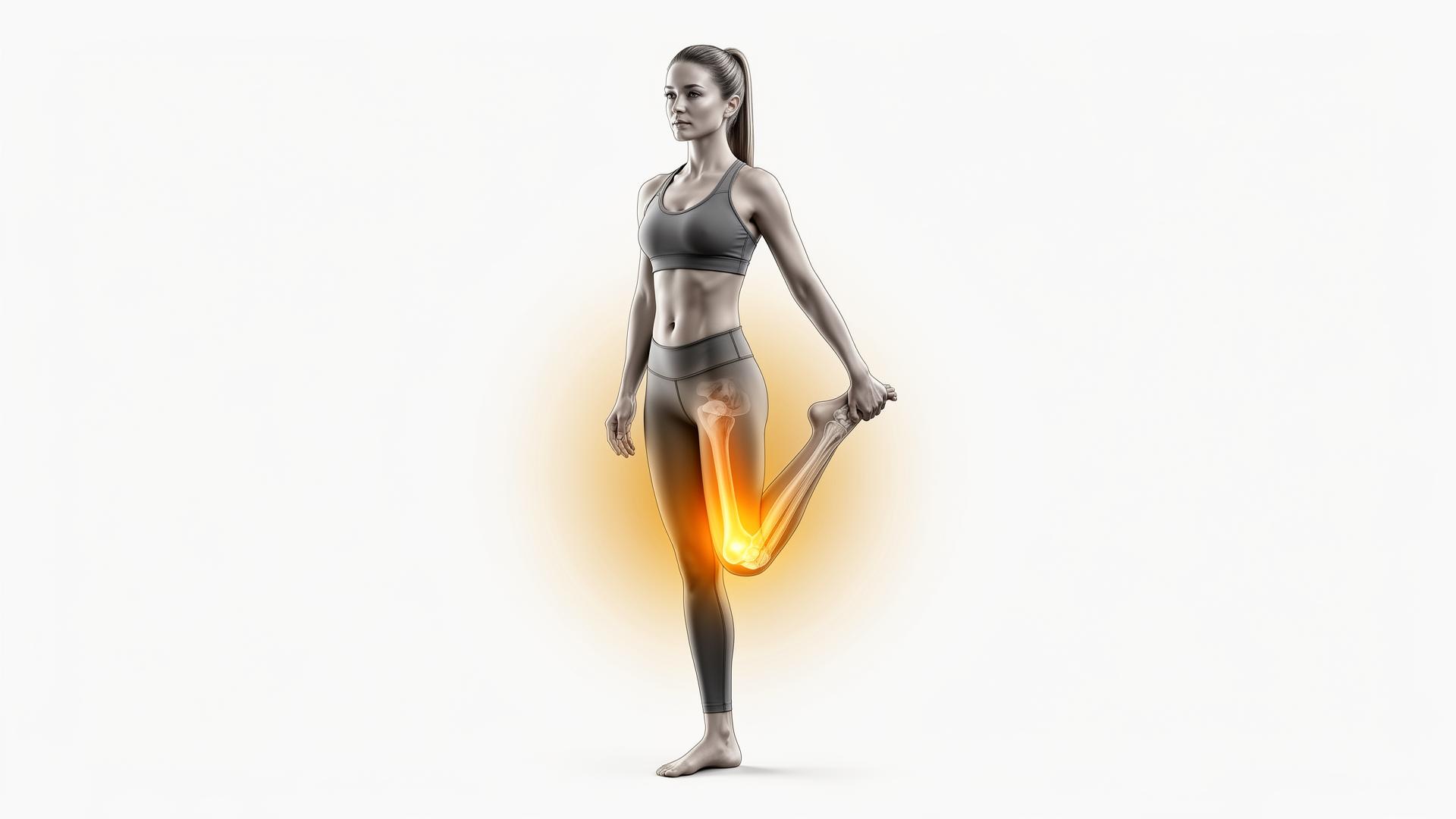
Standing Quadriceps Stretch
Stand on one leg and gently pull the opposite foot toward your buttocks, holding the ankle. Hold for 20 to 30 seconds per side. This stretch counteracts the shortened position the quadriceps adopt during extended sitting. If balance is a concern, hold onto a wall or chair for support.
Hamstring Doorway Stretch
Lie on your back near a doorway. Extend one leg up along the door frame while the other leg rests on the floor through the doorway. Hold for 30 seconds. This gently lengthens the hamstrings that have been shortened during sitting, addressing one of the primary contributors to back of knee pain after sitting. For more stretching approaches, our guide on strengthening knees for daily support includes complementary exercises.
When Knee Pain After Sitting Could Be a Sign of Overuse
While most knee discomfort after sitting is related to positional factors and resolves with movement, there are patterns that may suggest the joint is being affected by cumulative overuse. Recognizing these patterns can help you make informed decisions about your daily habits.
Patterns Worth Noticing
- Knee pain that takes longer than 5 to 10 minutes to resolve after standing
- Gradual increase in stiffness intensity over weeks or months
- Discomfort that begins occurring with shorter and shorter sitting periods
- Noticeable warmth or puffiness around the knee after sitting
- Clicking or catching sensations when first bending the knee after sitting
Supporting Your Knees Through Habit Changes
If you notice any of the patterns above, consider making gradual adjustments to your sitting habits. This might include reducing the total time spent cross-legged, investing in an ergonomic chair, incorporating daily knee-strengthening exercises, or applying warmth to your knees before and after extended sitting periods. People who also experience increased knee awareness at night may find that improving their daytime sitting habits has a positive ripple effect on nighttime comfort as well.
Everyday Comfort Approaches You Can Try
Managing knee discomfort after sitting does not require dramatic lifestyle changes. Small, consistent adjustments to your daily habits can produce meaningful improvements in how your knees feel throughout the day.
Movement Micro-Breaks
The single most effective strategy for reducing knee stiffness after sitting is to move regularly. Even 30 seconds of standing, walking, or gentle knee bends every 20 to 30 minutes can keep synovial fluid circulating and prevent the muscle shortening that contributes to stiffness. Many people find that setting a recurring timer or using a standing desk for alternating periods helps them maintain this habit.
Warmth Application
Applying gentle warmth to the knees before extended sitting periods or after sitting for long durations can help relax the muscles, improve fluid circulation, and reduce the intensity of knee stiffness. A 10 to 15 minute warmth session is typically sufficient. Our guide on daily knee warmth strategies explores this approach in practical detail.
Strengthening the Supporting Muscles
Strong quadriceps, hamstrings, and gluteal muscles provide better support for the knee joint during both sitting and standing transitions. Exercises like wall sits, mini squats, straight leg raises, and hamstring curls can gradually build the muscular foundation your knees need to handle daily sitting demands with less discomfort.
✓ Quick Tips
- •Avoid sitting cross-legged for more than 15 minutes at a time
- •Use a cushion under your hips when sitting on the floor to reduce knee flexion depth
- •Choose chairs that allow your feet to reach the floor comfortably
- •Perform 5 gentle knee bends before sitting down for extended periods
- •Apply warmth to stiff knees after long sitting sessions
- •Alternate between different seated positions throughout the day
Explore More Knee Comfort Guides
Understanding how sitting affects your knees is one important piece of the overall knee comfort picture. Our library of comprehensive guides covers every aspect of daily knee wellness to help you build a complete comfort strategy.
- Back of Knee Pain: What It Means and When It Is Common
- Pain in the Knee: Common Causes, Locations, and What Helps
- Knee Pain Locations Explained: A Visual Guide
- How to Strengthen Knees for Better Daily Support
- Daily Knee Care Routine: Simple Habits for Long-Term Comfort
Frequently Asked Questions
Why does my knee hurt after sitting cross-legged?
Sitting cross-legged places your knee in deep flexion and rotation simultaneously. This compresses the structures at the back of the knee, stretches the inner knee ligaments, and increases pressure on the kneecap. The longer you hold this position, the more these effects accumulate, leading to stiffness and discomfort when you finally straighten your legs.
Why do I get back of knee pain after sitting?
The back of the knee contains hamstring tendons, the popliteal area with blood vessels, and the joint capsule. When the knee is bent for extended periods, these structures become compressed. Fluid circulation slows, and the tendons may shorten slightly in their resting position. When you stand up, these compressed structures need to readjust, which can produce aching, tightness, or stiffness behind the knee.
Is knee stiffness after sitting normal?
Mild knee stiffness after sitting for 30 minutes or more is very common and usually resolves within a few minutes of gentle movement. This happens because synovial fluid circulation decreases during inactivity, reducing the natural lubrication of the joint. Regular movement breaks and gentle stretching can significantly reduce this pattern.
Can sitting cross-legged cause long-term knee problems?
Occasional cross-legged sitting is unlikely to cause long-term issues for most people. However, prolonged daily cross-legged sitting over many years, combined with other factors like reduced muscle strength or existing joint sensitivity, may contribute to cumulative effects on the knee structures. Alternating positions and keeping sessions short is a practical approach.
What is the best sitting position for knee comfort?
The most knee-friendly seated position keeps your feet flat on the floor with your knees at approximately 90 degrees. Your thighs should be parallel to the floor or angled slightly downward. Avoiding positions where the knee is deeply bent, rotated, or tucked underneath you helps minimize pressure on the joint structures.
Why do my knees hurt when I stand up after sitting?
When you stand up after sitting, your knee rapidly transitions from a flexed, low-pressure state to a weight-bearing, extended position. This sudden change requires the muscles to activate quickly, the joint surfaces to redistribute load, and compressed structures to decompress. If these structures have become stiff during sitting, the transition can produce discomfort until the joint warms up.
Does patellofemoral pain syndrome get worse with sitting?
Yes, sitting for prolonged periods is a well-known trigger for patellofemoral discomfort. The bent knee position increases contact pressure between the kneecap and the femoral groove. This is sometimes called 'theater sign' or 'movie-goer's knee' because the discomfort often becomes noticeable during long periods of seated inactivity.
How can I reduce knee pain from sitting too long?
Take movement breaks every 20 to 30 minutes, perform gentle knee bends before standing, avoid crossing your legs for extended periods, strengthen your quadriceps and hamstrings, apply warmth before and after prolonged sitting, and choose ergonomic seating that supports a neutral knee angle.