What “Behind the Kneecap” Actually Means
The kneecap, or patella, sits within the quadriceps tendon and glides along a groove at the end of the thigh bone as the knee bends and straightens. The patellofemoral joint is the contact between those surfaces. A person may describe discomfort as behind, under, around, or at the front of the kneecap even when the precise tissue source cannot be identified from symptoms alone.
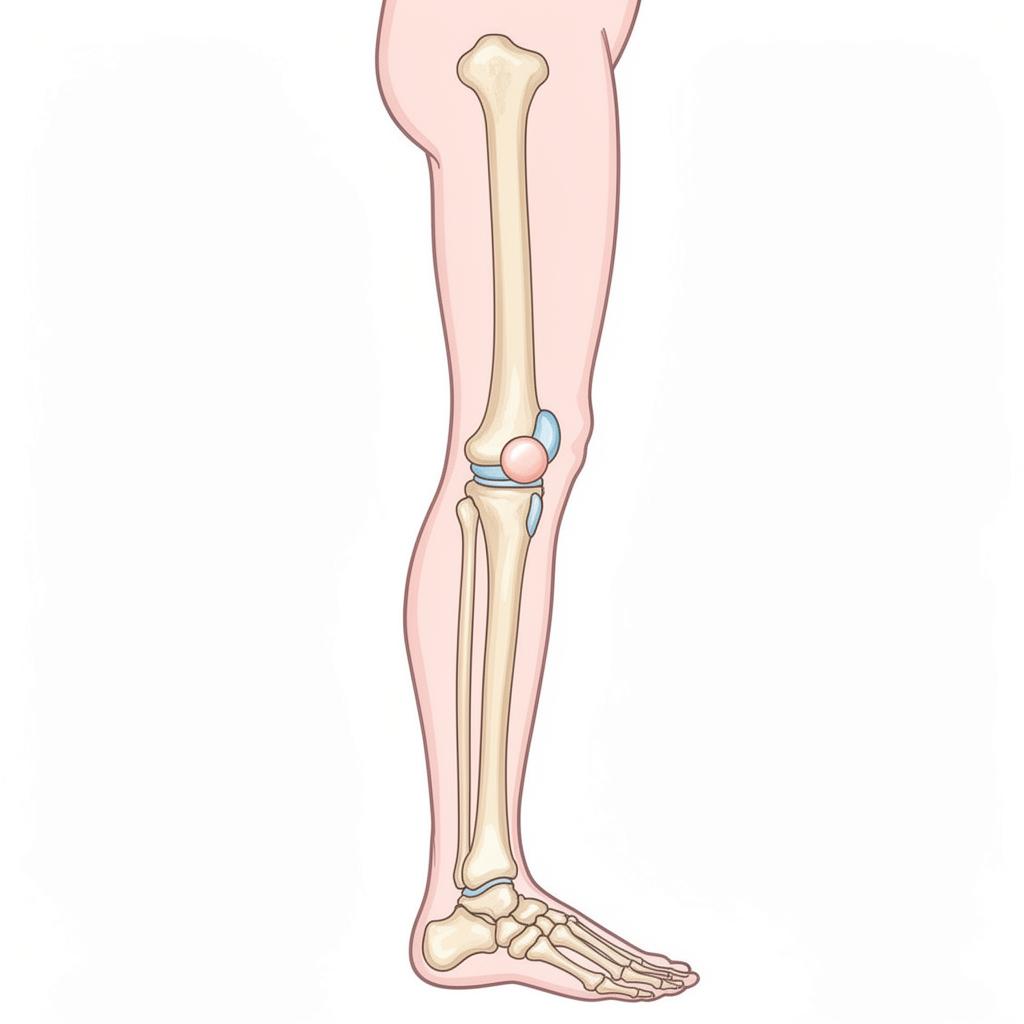
Loaded knee bending changes patellofemoral contact area and joint force. That helps explain why stairs, squats, running, jumping, and prolonged sitting can be provocative. It does not mean that a specific force number or knee angle can diagnose the cause of pain in an individual.
Patellofemoral Pain Syndrome and Runner’s Knee
Patellofemoral pain, often shortened to PFP or PFPS, is a clinical pattern of pain around or behind the kneecap that is commonly aggravated by activities that load a bent knee. Runner's knee is an informal label frequently used for the same pattern, although not every runner with knee pain has PFPS and many people with PFPS do not run.
A clinician typically considers the history, the activities that reproduce symptoms, the location of pain, strength and movement capacity, and signs that might point to another diagnosis. PFPS is not confirmed by one tracking observation, one muscle test, or one scan finding.
Symptom Location vs Diagnosis
“Pain behind the kneecap” describes where you feel it. “Patellofemoral pain” describes a clinical pattern after other important causes have been considered. The terms often overlap, but they are not automatically identical.
Typical Patellofemoral Pain Pattern
- a dull or aching pain around or behind the kneecap
- pain with stairs, squats, running, jumping, or lunges
- discomfort after prolonged sitting with the knee bent
- symptoms that increase after a sudden change in training or activity
- clicking or grinding that may or may not be painful
- pain that is difficult to identify as one pinpoint spot
Clicking without pain, swelling, locking, or loss of function can occur in healthy knees. Painful clicking paired with catching, true locking, instability, or swelling deserves more attention.
Other Causes of Pain in the Kneecap Area
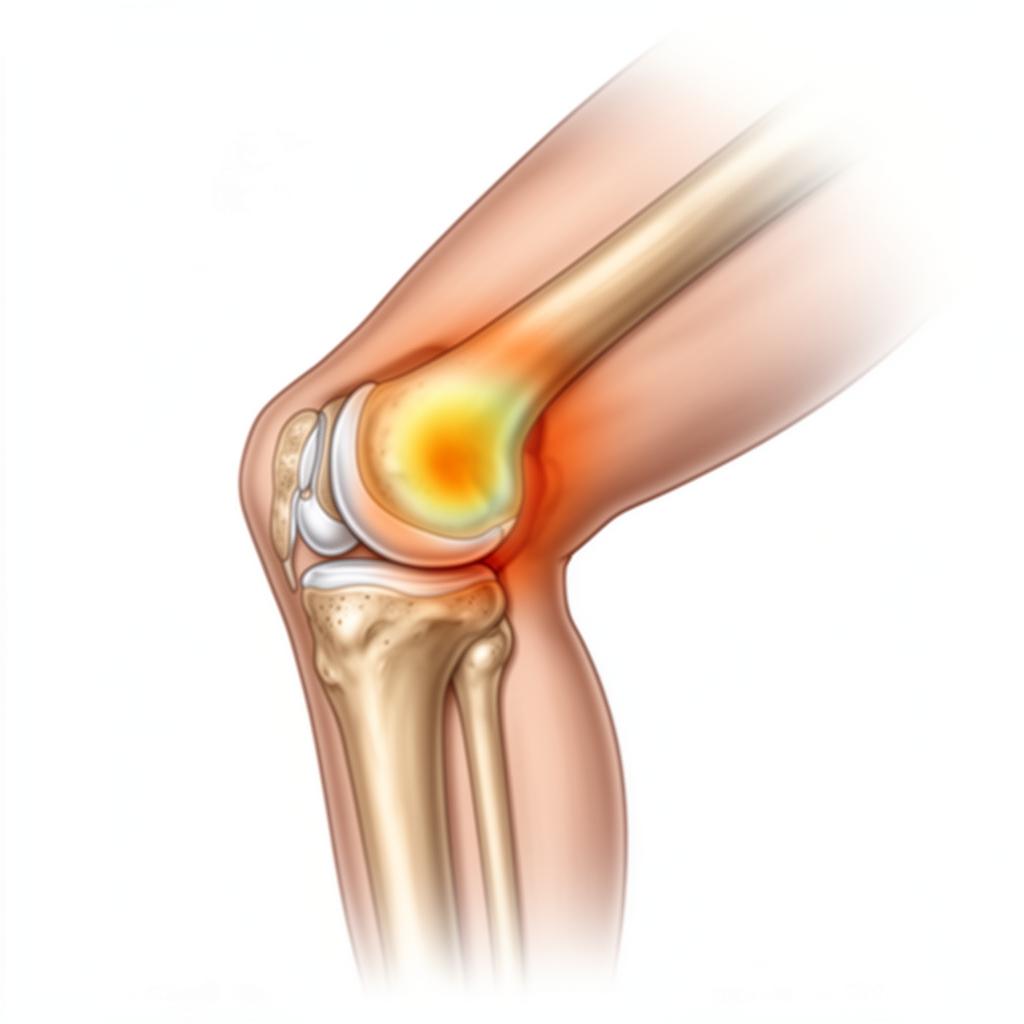
Not every anterior-knee symptom is PFPS. The following patterns can overlap and may require an examination to separate them.
Patellar or quadriceps tendon pain
Tendon pain is often more localized just below or above the kneecap and may follow jumping, running, heavy squats, or a rapid increase in training. Pressing the tendon or loading it may reproduce the symptom more precisely than in diffuse PFPS.
Osteoarthritis
Gradual aching, stiffness, reduced movement, and symptoms across several daily activities may occur with osteoarthritis. Imaging changes do not always match pain severity, so the clinical pattern and function matter.
Plica or other soft-tissue irritation
A fold of joint lining or another soft-tissue structure can become irritated and produce pain near the kneecap, sometimes with a snapping or catching sensation. Persistent focal symptoms need assessment rather than a self-diagnosis of PFPS.
Cartilage or osteochondral injury
A significant impact, twist, swelling, catching, or a blocked knee can suggest an injury that needs a different pathway. Pain behind the kneecap after trauma should not be treated as routine runner's knee without evaluation.
Referred pain
Hip, back, or nerve-related problems can occasionally be felt around the knee. Numbness, tingling, weakness, or pain extending along the leg changes the assessment.
Activities That Commonly Expose the Pattern
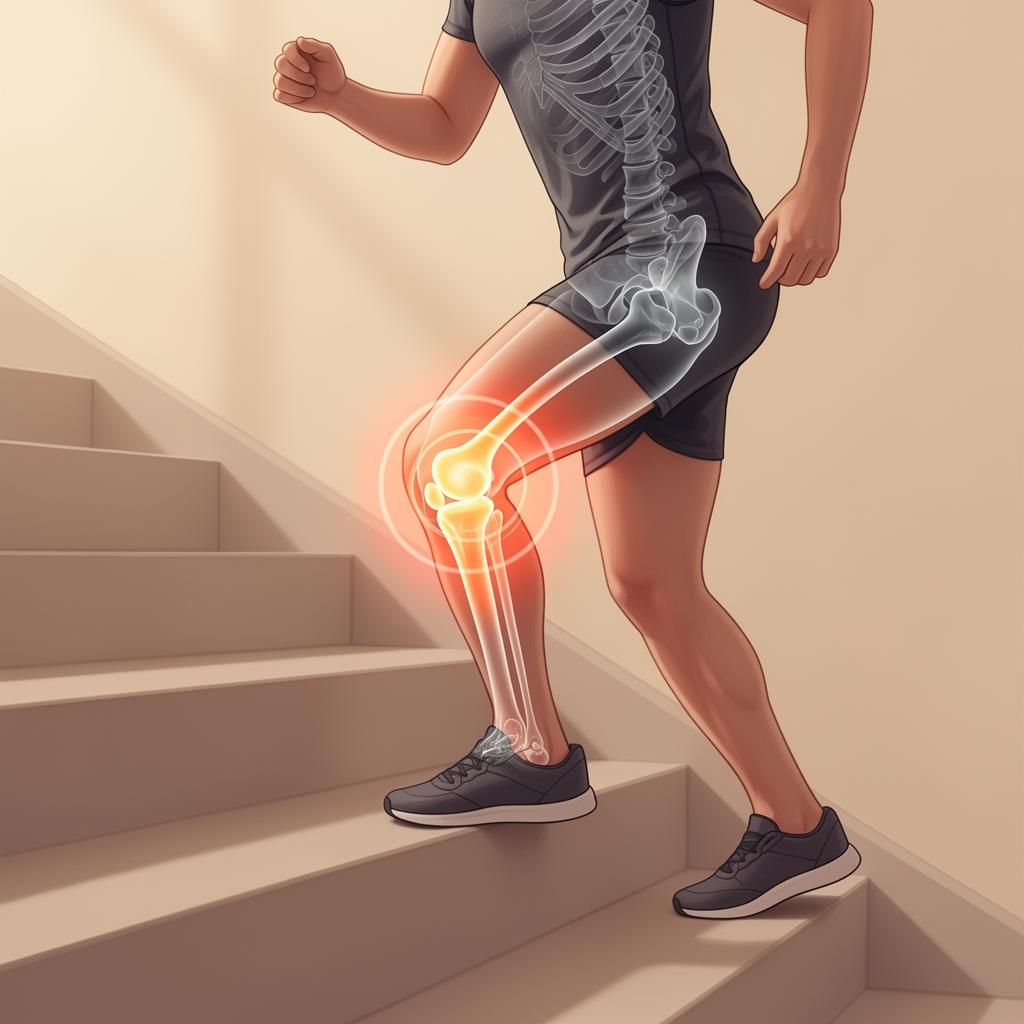
Going upstairs
Stair ascent combines knee flexion with the effort of lifting the body. The guide to knee pain when climbing stairs focuses on step phase, pain location, and a graded return to ascent.
Going downstairs
Descent requires controlled lowering and is often particularly sensitive in patellofemoral pain. Use the dedicated guide to knee pain going down stairs for short-term adjustments and progression.
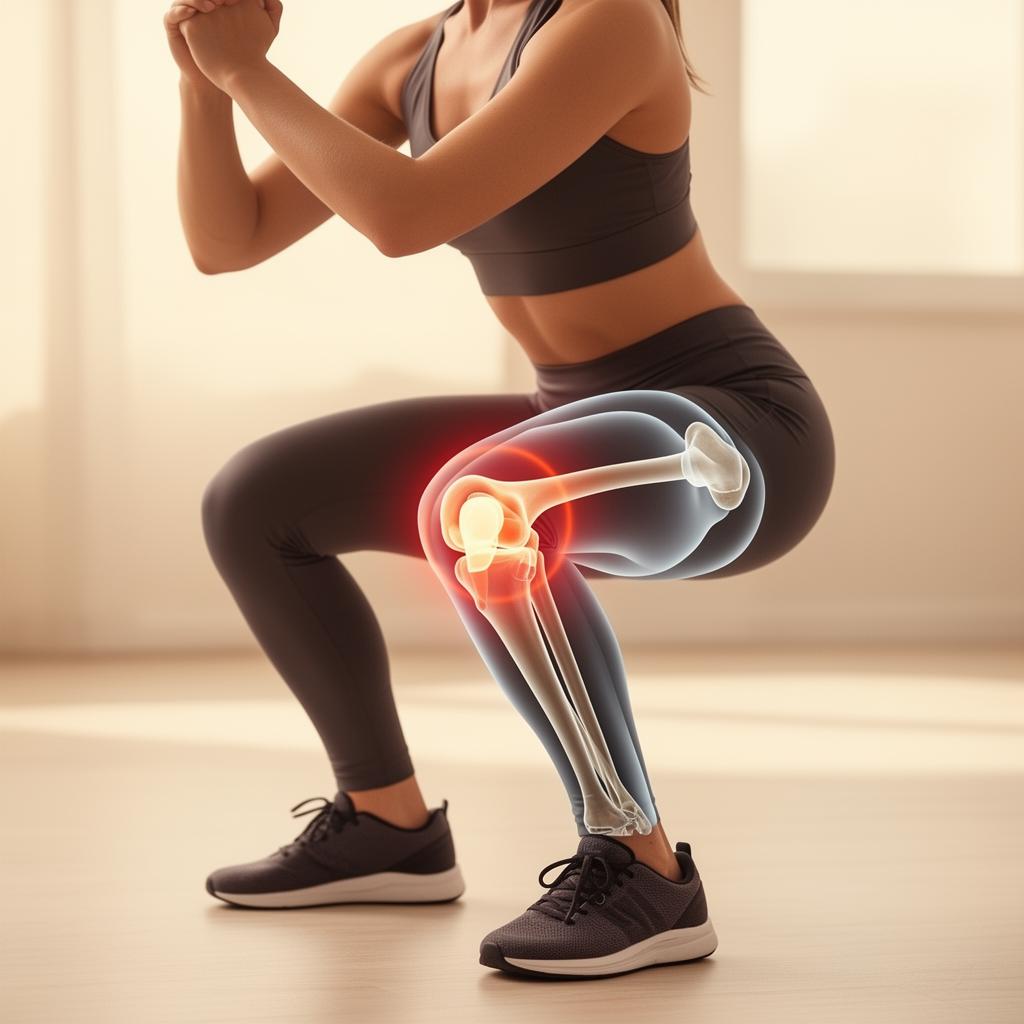
Squatting and lunging
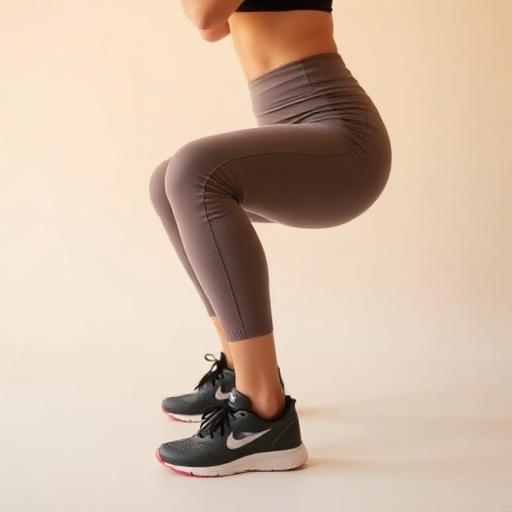
Squat symptoms may depend on depth, load, repetitions, and whether pain occurs during descent, at the bottom, or while rising. The guide to knee pain when squatting explains how to test those variables one at a time.
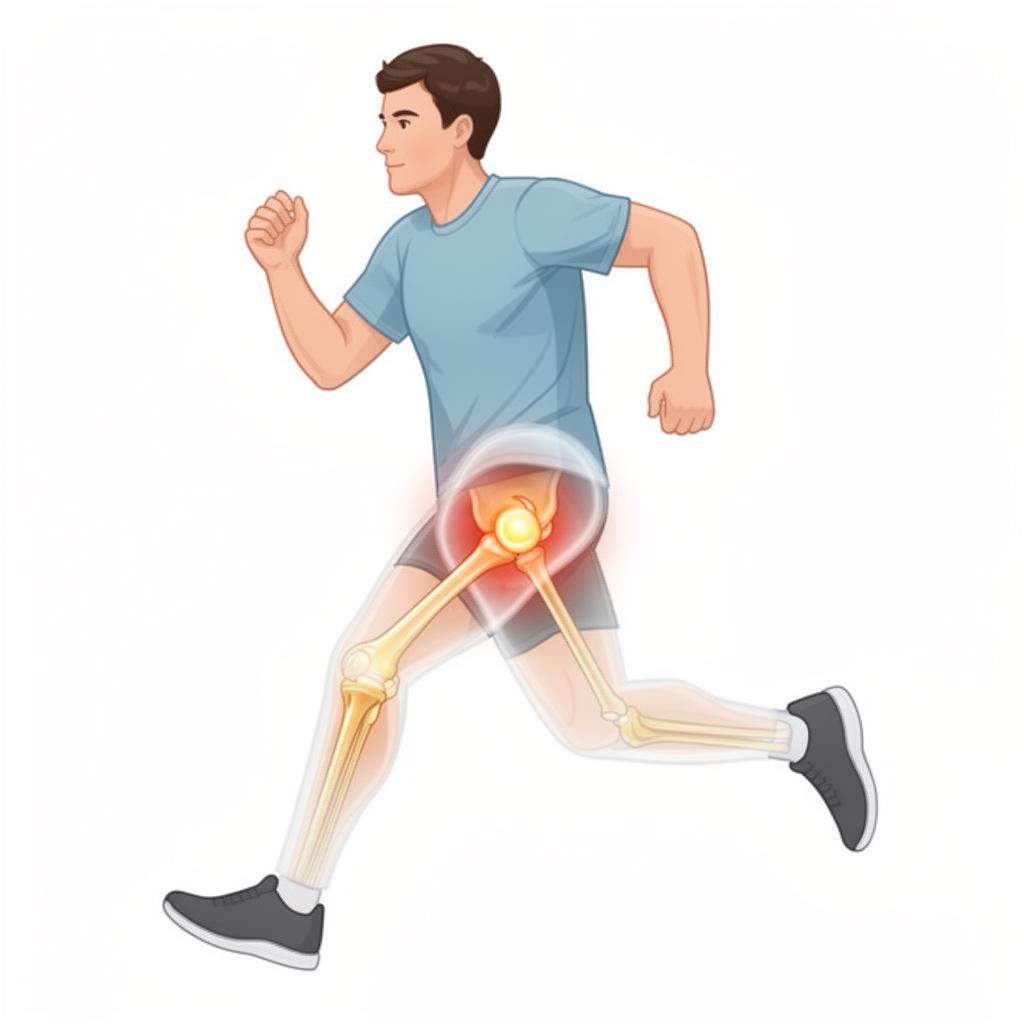
Running
Running creates repeated knee-loading cycles, and symptoms may appear after changes in distance, speed, hills, or frequency. The term runner's knee should not replace a full assessment. For broader running patterns, see the running knee pain guide.
Prolonged sitting
Some people notice a dull ache after a cinema, flight, desk session, or car ride. This is sometimes called the theater sign. When the dominant complaint is pain or stiffness while standing after sitting, use the guide to knee pain and stiffness after sitting.
Why PFPS Is Not Just a Tracking Problem
Older explanations often blamed the kneecap for tracking incorrectly because one part of the quadriceps was weak or the knee moved inward. Current guidance treats patellofemoral pain as multifactorial. Training load, strength, movement capacity, recovery, sleep, previous pain, confidence, and individual anatomy may all contribute.
Movement observations can still help select an exercise or retraining strategy, but they are not proof of damage. A person's painful movement may also be a protective response rather than the original cause.
How Patellofemoral Pain Is Assessed
A clinician may ask when symptoms started, which activities provoke them, how long they last, and whether swelling, locking, instability, or trauma is present. They may examine knee motion, strength, tolerance of a squat or step, and the hip and ankle when relevant.
Imaging is not always required at the beginning. It may be considered after significant trauma, when symptoms suggest another diagnosis, or when the problem does not improve as expected. A scan finding should be interpreted alongside symptoms and function.
What Evidence-Based Care Usually Includes
The 2024 best-practice guide recommends education and exercise therapy as the foundation. Knee-targeted exercise is commonly used, often alongside hip-targeted exercise. The exercise selection, range, resistance, and progression should match the person's presentation and goals.
Education and activity planning
Understanding the pattern can reduce fear and help manage activity without unnecessary complete rest. Temporarily reduce the most provocative dose, maintain tolerable movement, and rebuild the required task progressively.
Progressive knee and hip exercise
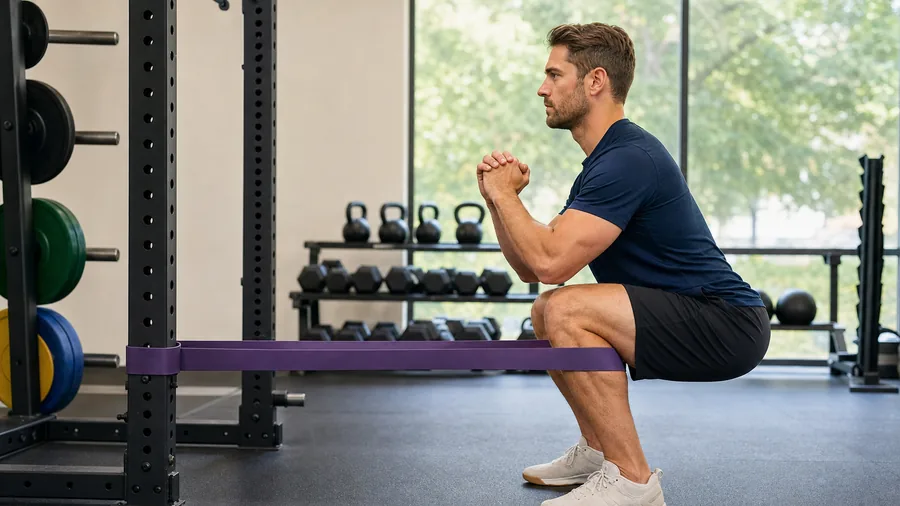
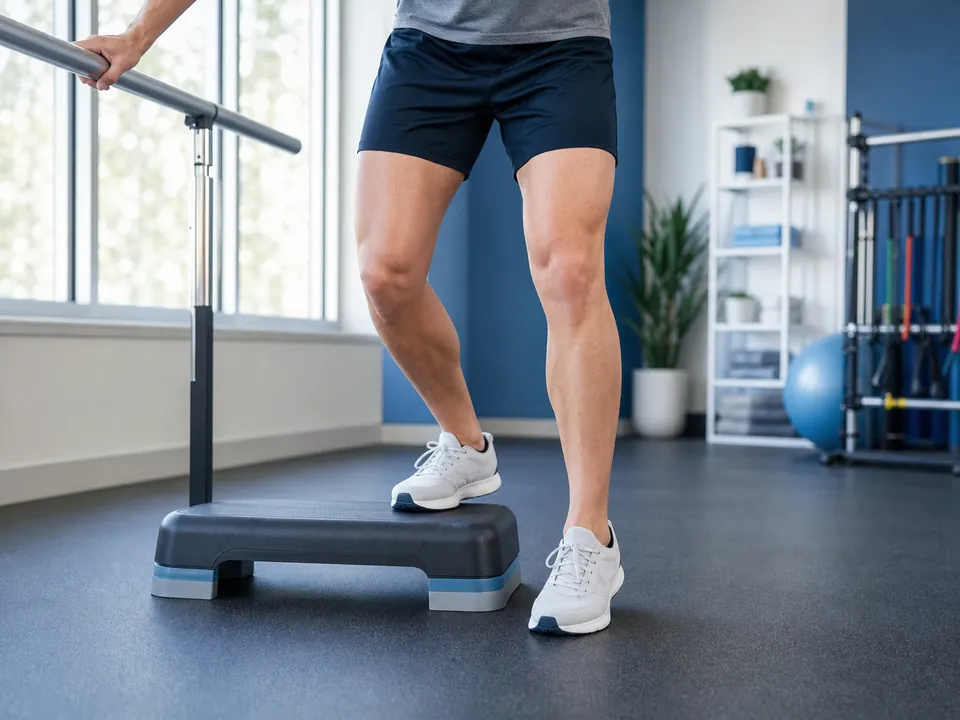
Options may include sit-to-stands, shallow squats, step exercises, knee-extension work, and hip-strengthening movements. There is no single best exercise for every person. The useful starting point is the variation you can perform with control and without a meaningful worsening afterward.
Selected supporting options
Taping, movement or running retraining, prefabricated foot orthoses, and manual therapy may help selected people when matched to their individual findings and preferences. They should support an active plan rather than replace it.
Monitoring the response
Improvement can include a later onset of pain, faster recovery after activity, greater stair or squat capacity, and fewer next-day symptoms. A brief symptom during rehabilitation is not automatically harmful, but sharp or escalating pain, swelling, or a clear deterioration means the dose should be reviewed.
How Long Can Recovery Take?
There is no universal timeline. Some people improve over weeks, while persistent or recurrent PFPS can require a longer structured plan. Progress is rarely perfectly linear. The important trend is improving function and symptom recovery, not eliminating every sensation immediately.
Recurrent symptoms often follow a rapid return to the previous activity dose. Continue building capacity after the knee begins to feel better rather than stopping the plan at the first improvement.
Heat, Ice, and Passive Comfort Tools
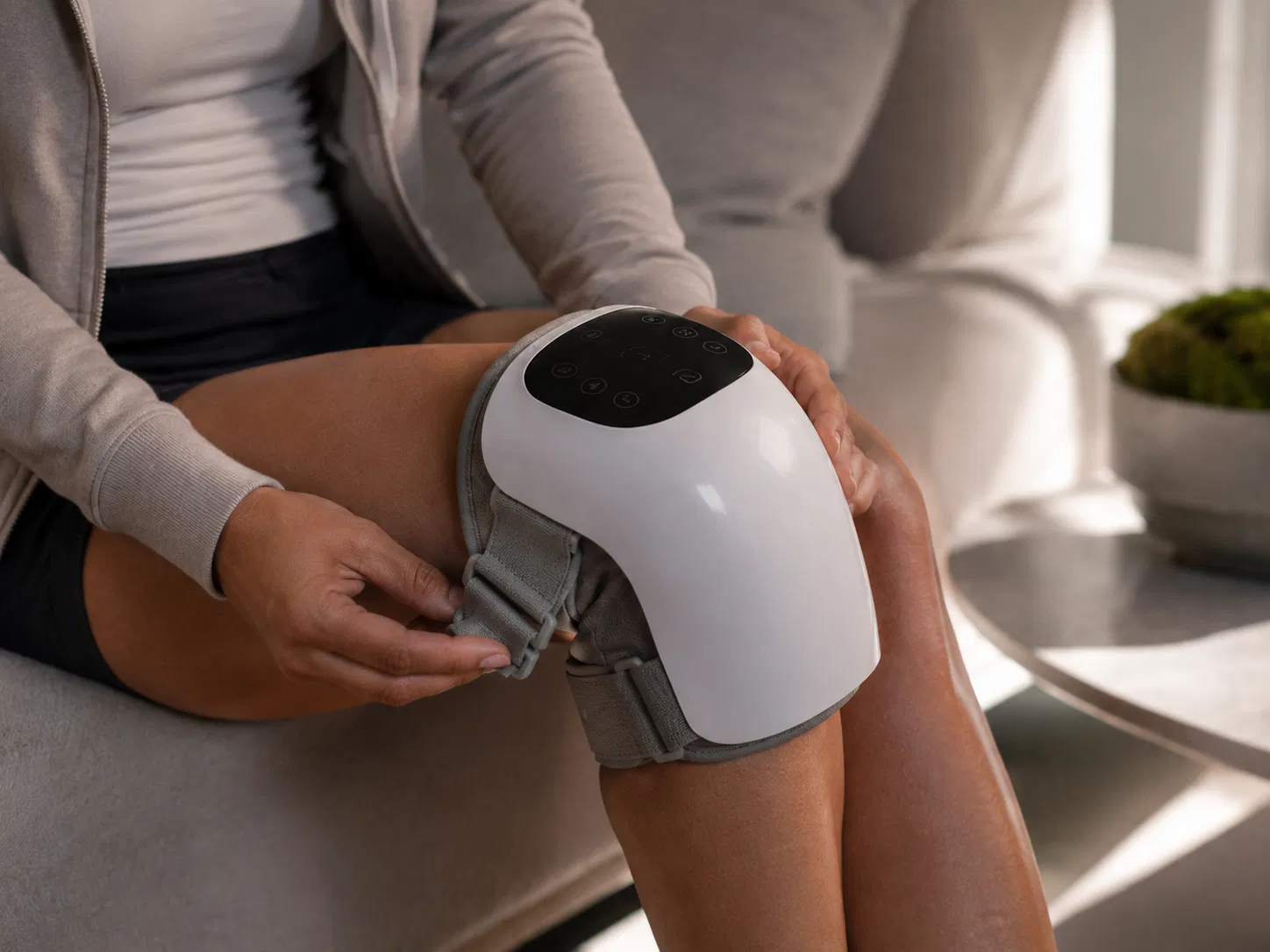
A wrapped cold pack may be considered when the knee is newly swollen or unusually warm. Gentle heat may feel more comfortable when stiffness or muscle tightness is the main problem and there is no swelling. These options provide temporary comfort and do not correct a presumed tracking fault or replace progressive rehabilitation.
See the heat versus ice guide for safety details.
When to Seek Medical Care
Arrange an assessment when:
- pain persists, worsens, or repeatedly limits daily activity or exercise
- the knee swells, catches, truly locks, or repeatedly gives way
- you cannot regain normal bending or straightening
- symptoms began after trauma or do not improve with sensible load changes
Seek urgent care when:
- you cannot bear weight after an injury
- the knee is badly swollen, deformed, or changed shape
- the knee is hot and red and you also feel feverish or unwell
Taping can sometimes be used as a short-term adjunct while exercise tolerance is rebuilt. The knee taping guide for patellofemoral pain separates kinesiology tape from rigid techniques, shows practical skin precautions, and explains why tape does not diagnose the source of pain behind the kneecap.
Pain beside the patellar tendon that is aggravated near full straightening has a different set of possibilities from pain behind the kneecap. The guide to Hoffa's fat pad and anterior knee pain explains that distinction and why an MRI finding alone does not identify the cause.
Frequently Asked Questions
What causes pain behind the kneecap?
A common pattern is patellofemoral pain, which is felt around or behind the kneecap and is often aggravated by stairs, squats, running, or prolonged sitting. Other causes are possible, including tendon problems, osteoarthritis, plica irritation, cartilage injury, or an acute knee injury.
Is pain behind the kneecap the same as patellofemoral pain syndrome?
Not always. Pain behind the kneecap is a symptom location. Patellofemoral pain is a clinical pattern diagnosed from the history and examination after considering other causes. The terms overlap, but location alone cannot confirm the diagnosis.
Is runner's knee the same as PFPS?
Runner's knee is a broad informal term that is often used for patellofemoral pain, but it is not a precise diagnosis. Patellofemoral pain can affect runners and non-runners and may be triggered by stairs, squats, jumping, or prolonged sitting.
Why does the area behind my kneecap hurt when bending?
Knee bending changes the contact area and force at the patellofemoral joint. A load-sensitive joint may become painful with deeper flexion, especially during squats, stairs, or sitting. The exact meaning depends on swelling, injury history, pain location, and mechanical symptoms.
Can pain behind the kneecap happen after sitting?
Yes. Some people with patellofemoral pain notice discomfort after prolonged sitting with the knee bent, sometimes called the theater sign. Pain when first standing can also have other causes, so use the full symptom pattern rather than this sign alone.
What helps patellofemoral pain?
Current guidance places education and progressive knee-targeted exercise, often combined with hip-targeted exercise, at the center of care. Taping, movement retraining, or prefabricated foot orthoses may help selected people after assessment. The plan should match the person's symptoms, capacity, and goals.
Do I need a scan for kneecap pain?
Many patellofemoral pain cases are assessed from the history and physical examination without immediate imaging. A clinician may consider imaging when there was significant trauma, symptoms suggest another diagnosis, or the problem is not improving as expected.
When should pain behind the kneecap be checked?
Arrange an assessment when pain persists, worsens, repeatedly limits activity, or occurs with swelling, locking, instability, or reduced movement. Seek urgent care after major injury, if you cannot bear weight, or if the knee is badly swollen, deformed, hot, and red with fever.