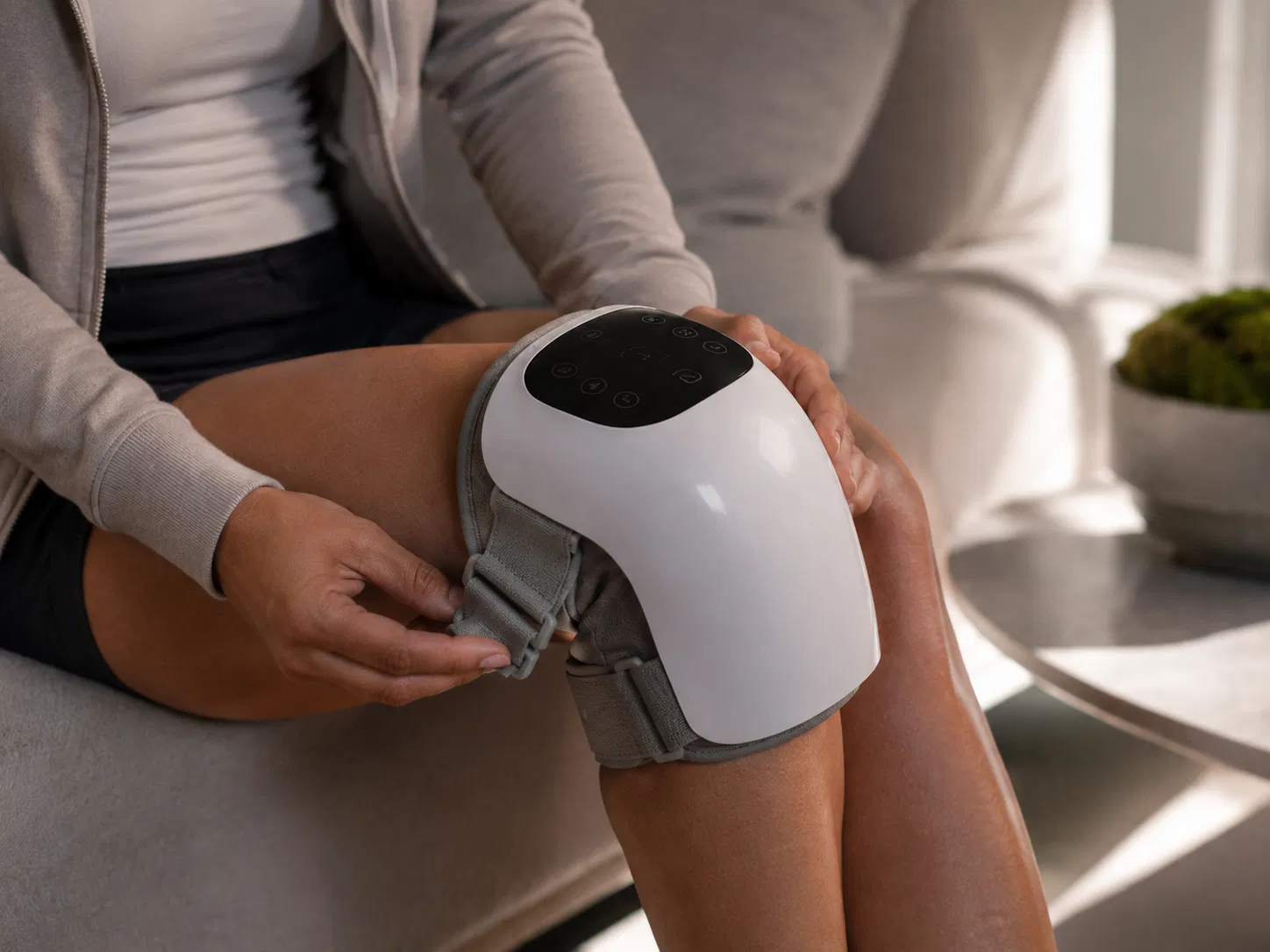
People use cracking, popping, clicking, and grinding to describe several different sensations. A single pop after sitting is not the same pattern as a repeated click at one point in the bend, and both are different from painful grinding with swelling.
This guide separates those sounds by movement and accompanying symptoms. If the main problem is painful clicking specifically while walking, bending, or using stairs, compare it with the knee clicking when walking guide.
Why Do Knees Crack or Pop?
Understanding why knees crack requires looking at the basic anatomy and mechanics of the knee joint. The knee is one of the largest and most complex joints in the body, involving the interaction of bones, cartilage, ligaments, tendons, and synovial fluid. Each of these components can contribute to the sounds you hear.
Gas Bubble Release (Cavitation)
The knee joint is surrounded by a capsule containing synovial fluid. When you bend, straighten, or load the knee, a rapid pressure change within the joint can produce an audible pop. This is one possible explanation for a painless, non-repeatable crack, but the sound alone cannot confirm the exact mechanism.
A pressure-related pop can occur without pain or injury. However, the sound alone cannot confirm the mechanism, and a new pop after a twist or fall should be judged by the accompanying symptoms rather than assumed to be harmless.
Tendon and Ligament Movement
The knee is surrounded by multiple tendons and ligaments that connect muscles to bones and provide stability. As you move your knee through its range of motion, these soft tissue structures sometimes shift slightly over bony surfaces or each other. This shifting can produce a snapping or clicking sound, particularly during movements that involve significant changes in joint angle, such as squatting, bending deeply, or standing up from a seated position. People who experience front knee tightness after activity often notice these tendon-related sounds more frequently.
Cartilage Surface Irregularities
Over time, the smooth cartilage surfaces within the knee joint can develop minor irregularities. These are a natural part of joint aging and use, and they can cause a grinding or crunching sensation during movement. This type of sound is often described as crepitus and tends to be more common in people over 40, though it can occur at any age depending on activity level and joint history.
Most Common Causes of Knee Cracking Sounds
Based on common patterns observed in knee crepitus research
What Is Crepitus?
Crepitus is the medical term used to describe any grinding, crackling, popping, or crunching sensation that occurs within a joint during movement. In the context of the knee, crepitus can range from the harmless gas bubble release described above to more noticeable grinding sensations associated with cartilage surface changes.
Types of Knee Crepitus
Not all crepitus sounds are the same, and understanding the differences can help you assess your own knee sounds more accurately:
- Painless popping or clicking: May come from a pressure change in the joint or soft tissue moving over a nearby structure. Track whether it is new or linked to one specific movement.
- Grinding or crunching sensation: Often related to cartilage surface changes. This type may feel like sandpaper rubbing within the joint and can be more noticeable during certain movements.
- Catching or locking: Occasionally, knee sounds may be accompanied by a sensation that the knee briefly catches or locks during movement. This pattern is less common and may warrant professional evaluation.
When Crepitus Is Considered Normal
Knee crepitus is common in people with and without knee pain. When a longstanding sound is painless and there is no swelling, instability, injury, or loss of motion, the sound alone is usually less important than the way the knee functions. A new or changing pattern should be considered together with the symptoms around it.
Why Do My Knees Crack When I Squat or Stand Up?
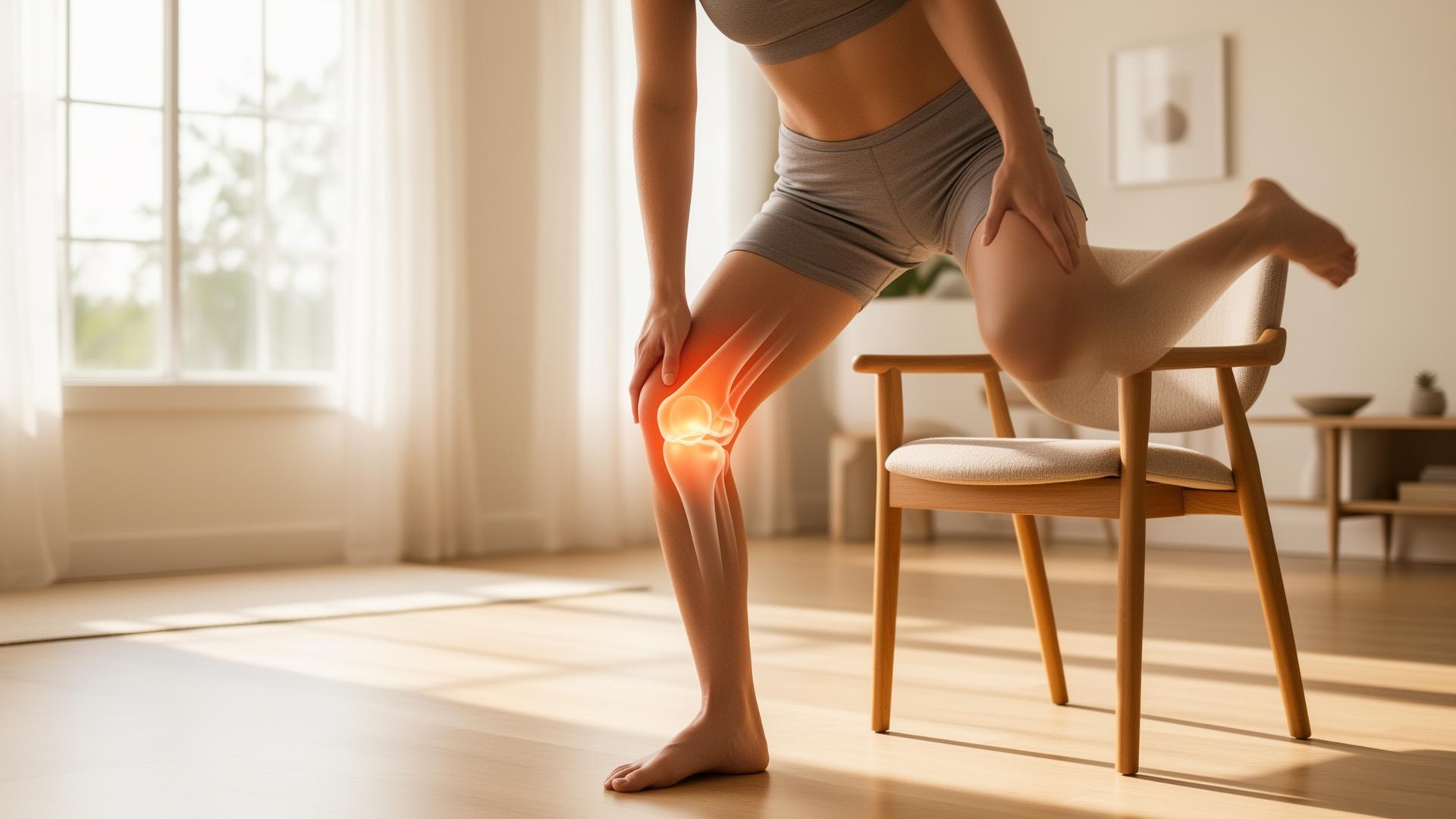
"Why do my knees crack when I squat?" and "why do my knees crack when I stand up?" are two of the most frequently searched questions about knee sounds. Both movements share a common factor: they involve significant changes in knee joint angle and pressure.
The Squat and Knee Cracking Connection
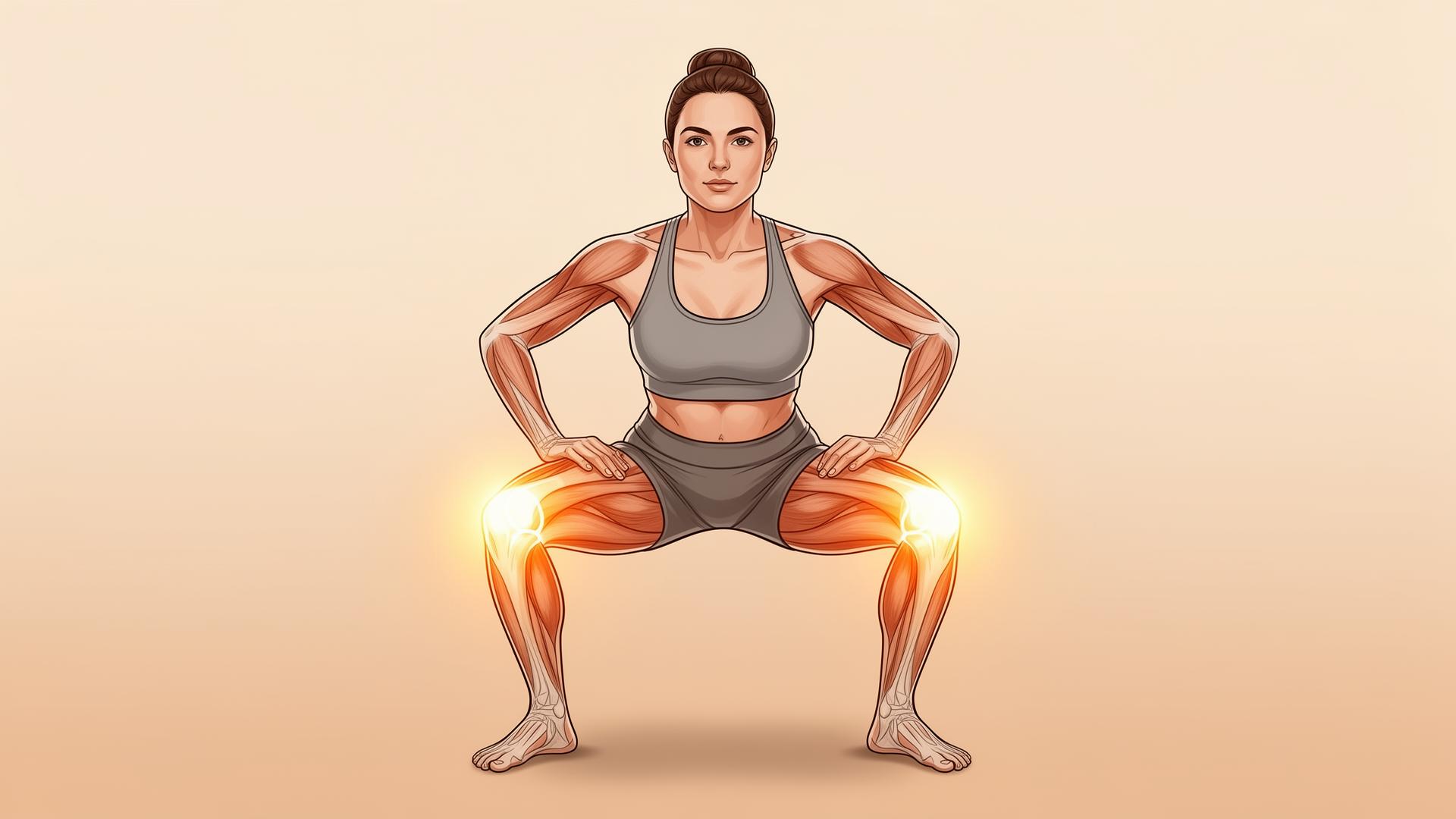
When you squat, your knee joint moves through a large range of motion while bearing your body weight. This combination creates substantial pressure changes within the joint capsule, making gas bubble release more likely. Additionally, the kneecap (patella) tracks along a groove in the thighbone during squatting, and any slight irregularity in this tracking can produce clicking or popping sounds. For people who notice their knees crack every time they squat, the consistency of the movement pattern means the same pressure changes occur each time, producing predictable sounds.
Standing Up After Sitting
Standing after sitting changes the knee angle and loads the joint quickly. That first movement can produce a pop from a pressure change or a click as a tendon or other soft tissue changes position. If the sound comes with stiffness or pain during the transition, the knee symptoms after sitting guide is a better match than a sound-only explanation.
✓ Quick Tips
- •Move your knees gently before standing up after long sitting periods
- •Warm up gradually before deep squats or heavy leg exercises
- •Focus on smooth, controlled movements rather than sudden position changes
- •Stay hydrated throughout the day to support synovial fluid quality
- •Strengthen your quadriceps and hamstrings for better kneecap tracking
Why Do My Knees Crack When I Bend Them?
Knee cracking when bending is one of the most universally experienced joint phenomena. Whether climbing stairs, kneeling, sitting down, or simply flexing the leg, the bending motion creates the ideal conditions for knee sounds to occur.
The Mechanics of Bending and Knee Sounds
When you bend your knee, several things happen simultaneously: the kneecap glides along the femoral groove, tendons shift position, ligaments adjust tension, and the joint capsule changes shape. Each of these mechanical changes can independently produce sounds, and together they explain why so many people notice their knees crack every time they bend them. The phenomenon is particularly common when bending the knee under load, such as going down stairs, because the added weight increases the pressure differential within the joint.
Bending After Periods of Rest
If the sound appears during the first bend after waking or sitting, pay attention to whether it fades after a few comfortable movements. A sound that remains painless and does not restrict motion is different from a click that repeatedly catches at one angle or appears with swelling.
Are Knee Cracking Sounds Normal?
Painless knee sounds are common, but the sound cannot diagnose the condition of the joint. Judge the pattern by pain, swelling, function, injury history, and whether the knee catches, locks, or gives way.
What Research Says About Normal Knee Sounds
Research shows that crepitus can be present in people with and without knee pain. A painless sound is therefore not proof of damage, but it is also not a complete assessment. The accompanying symptoms and change from your usual baseline carry more meaning.
The key distinguishing factor is whether the sounds are accompanied by other symptoms. Painless cracking without swelling, instability, or reduced range of motion is considered a normal variant of joint behavior. This is important context for anyone who notices their knees always crack or crack all the time: frequency alone does not indicate a problem.
When Frequency Increases
You may notice sounds more often after a change in movement or routine, including:
- Starting a new exercise routine or increasing walking distance
- Using a deeper squat or bend than usual
- Taking the first few steps after a long period of sitting
- Becoming more attentive to a sound after one unusually loud pop
- Age-related changes in joint surfaces or movement patterns
Knee Clicking vs Popping vs Grinding (Differences)
People describe their knee sounds using different words, and these descriptions can actually help identify what is happening mechanically within the joint. Understanding the differences between knee clicking, knee popping, and grinding can provide useful context.
Knee Clicking
Clicking is often described as a smaller, repeatable sound at one point in the knee's range of motion. It may occur as soft tissue moves near a bony surface, but the description alone cannot identify the structure. Clicking during walking, bending, or stairs deserves closer attention when it is painful or comes with catching; those patterns are covered in the walking and bending knee-clicking guide.
Knee Popping
Popping is usually a louder, single sound that occurs during a specific movement and then does not immediately repeat. The most common cause is gas bubble release (cavitation). Knee popping is frequently noticed when squatting, standing up, or bending the knee after a period of rest. It is generally harmless and often resolves on its own after a few repetitions of the triggering movement.
Knee Grinding (Crepitus)
Grinding, also called crepitus, feels and sounds like sandpaper or rough surfaces rubbing together within the joint. It tends to be a continuous sound rather than a single pop or click. Grinding is more commonly associated with cartilage surface changes and tends to be more noticeable in people over 40. While it can be completely harmless, persistent grinding accompanied by discomfort may warrant professional evaluation.
Knee Sound Types: Frequency vs Professional Concern Level
Relative frequency and professional concern level for different knee sound types
When Knee Cracking Is Linked to Meniscus or Tendon Issues
While most knee cracking is harmless, certain patterns of knee sounds can sometimes be associated with meniscus or tendon-related considerations. Understanding these patterns can help you make informed decisions about when to seek professional guidance.
Meniscus-Related Sounds
The meniscus is a C-shaped piece of cartilage that sits between the thighbone and shinbone, acting as a shock absorber. When the meniscus undergoes changes from wear or specific incidents, it can sometimes produce a distinct catching or clicking sound during movement. This type of sound often occurs at a specific angle of knee bend and may feel like the knee briefly catches before continuing the movement. People who notice sounds specifically at the side of the knee or behind the knee may want to pay attention to whether the sounds are consistent and predictable.
Knee Tendinitis and Joint Sounds
Knee tendinitis occurs when the tendons around the knee become irritated from repetitive use. Common types include patellar tendinitis (below the kneecap) and quadriceps tendinitis (above the kneecap). Tendons affected by tendinitis can sometimes produce a creaking or snapping sound as they move over the joint surfaces. This is because irritated tendons may be slightly thickened or less smooth than healthy tendons, creating more friction during movement. For runners who notice these patterns, our guide on runner's knee discomfort locations provides additional context.
Important Note
The presence of knee sounds alone does not indicate meniscus or tendon issues. These conditions typically involve additional symptoms such as localized discomfort, swelling, or changes in movement patterns. If you notice sounds accompanied by these symptoms, consider discussing them with a healthcare professional.

Why Knees Crack More in the Morning or After Sitting
If your knees seem to crack more when you first wake up or after sitting for extended periods, you are experiencing one of the most common patterns of knee crepitus. Understanding why this happens can help normalize the experience and guide your daily habits.
Morning Knee Sounds Explained
During sleep, your knees stay relatively still for hours. The first movements of the morning then change the joint angle, tissue tension, and load in quick succession. This can make ordinary sounds more noticeable. Useful questions include:
- Does the sound fade after a few comfortable movements?
- Is there morning stiffness, and how long does it last?
- Is the knee swollen, painful, or difficult to straighten?
- Does one knee behave differently from the other?
A longstanding painless sound that fades as you move is less concerning than prolonged stiffness, swelling, or a new painful click. Track the entire pattern rather than the sound alone.
Post-Sitting Knee Cracking
After desk work, driving, or time on the couch, the first loaded bend or straightening movement may produce a sound. If standing also brings pain or stiffness, use the getting up after sitting guide to compare that symptom pattern.
✓ Quick Tips
- •Before getting out of bed, gently bend and straighten your knees 5 to 10 times
- •Take standing breaks every 30 minutes during prolonged sitting
- •Perform gentle ankle circles and knee bends before standing up
- •Keep your workspace set up to allow periodic leg movement
- •Consider a brief morning stretching routine focusing on leg muscles
Can You Reduce Knee Cracking?
A harmless joint sound does not always need treatment, and no routine can promise a silent knee. If the noise bothers you, gradual movement and strength work may make the movement feel smoother even when some sound remains.
Stay Hydrated
Normal hydration supports general health, but drinking extra water is not a proven treatment for knee cracking. Use thirst, activity, and climate to guide ordinary fluid intake rather than chasing a specific sound.
Maintain Regular Gentle Movement
Comfortable movement breaks can reduce stiffness after long periods in one position and help you observe whether the sound changes after warming up. Gentle walking or a few easy knee bends are reasonable when they do not cause pain, catching, or swelling.
Strengthen Supporting Muscles
Strong quadriceps, hamstrings, and gluteal muscles provide better support for the knee joint, improving kneecap tracking and reducing the mechanical conditions that produce sounds. Exercises like wall sits, gentle squats, leg raises, and hamstring curls can gradually build the muscular support your knees need. Our comprehensive guide on how to strengthen knees provides a detailed daily exercise approach.
Incorporate Daily Stretching
Tight muscles around the knee, particularly the quadriceps, hamstrings, IT band, and calves, can contribute to increased joint sounds by changing how the knee tracks and moves. Regular stretching helps maintain proper muscle length and reduces the tension that can cause tendons to snap over bony surfaces. Focus on holding each stretch for 20 to 30 seconds without bouncing, and make it part of your morning and evening routines.
Apply Warmth Before Activity
If stiffness is present and the knee is not newly injured, swollen, red, or unusually hot, brief gentle warmth may feel comfortable before movement. It should not be presented as a treatment for the sound itself. Our heat versus ice guide explains when temperature-based comfort measures do and do not fit.
When to Seek Professional Help
While the vast majority of knee cracking is harmless, there are specific patterns that may benefit from professional evaluation. Knowing when to seek guidance can help you address potential concerns early while avoiding unnecessary worry about normal joint sounds.
Signs Worth Discussing With a Professional
Consider scheduling a conversation with a healthcare provider if your knee cracking is accompanied by any of the following:
- Consistent discomfort: If knee cracking is regularly accompanied by aching, sharp sensations, or tenderness in the joint area
- Swelling: Visible swelling or a feeling of puffiness around the knee, particularly if it develops after the cracking occurs
- Catching or locking: A sensation that the knee briefly catches, locks, or gives way during movement
- Reduced range of motion: Difficulty fully bending or straightening the knee compared to previous capability
- Heat or warmth: The knee feeling noticeably warmer than the surrounding area
- Changes after a specific event: New or dramatically increased cracking that began after a fall, twist, or impact to the knee
What a Professional Evaluation Typically Involves
If you do seek professional guidance for knee cracking, the evaluation typically includes a physical examination of the knee's range of motion, stability tests, and an assessment of how the kneecap tracks during movement. Imaging is usually not necessary for knee cracking alone but may be recommended if other symptoms are present. The purpose of the evaluation is to rule out structural considerations and provide personalized guidance for your specific situation.
Explore More Knee Comfort Guides
Understanding why your knees crack is just one part of supporting your overall knee comfort. We have created a comprehensive library of guides covering every aspect of daily knee wellness. Here are some that may be particularly relevant:
- Knee Pain Locations Explained: A Visual Guide, Understand where different types of discomfort originate
- Knee Clicking When Walking or Bending, Compare painful clicking during specific movements
- How to Strengthen Knees for Better Daily Support, Practical exercises for long-term knee resilience
- Daily Knee Care Routine: Simple Habits for Long-Term Comfort, Build sustainable daily habits for knee wellness
Frequently Asked Questions
Why do my knees crack so much?
Frequent knee cracking may come from pressure changes in joint fluid, soft tissue moving near a bony surface, or crepitus. If the sound is longstanding and painless, frequency alone is less important than swelling, locking, instability, reduced motion, or a change after injury.
Why do my knees crack when I squat?
Squatting places the knee joint under significant compressive force, which can cause gas bubbles to release, tendons to shift over bony surfaces, or slight cartilage surface irregularities to interact. Knee cracking during squats is very common and usually not a concern unless accompanied by discomfort or swelling.
Why do my knees crack when I bend them?
Bending the knee changes the position of the kneecap, tendons, and ligaments relative to the joint surfaces. This positional shift can create clicking or popping sounds as these structures glide over each other. It is one of the most common times people notice knee sounds.
Is knee cracking a sign of something serious?
In most cases, knee cracking without associated discomfort, swelling, or reduced mobility is not a sign of a serious issue. However, if cracking is consistently accompanied by discomfort, a catching sensation, or swelling, it may be worth discussing with a healthcare professional.
Why do my knees crack when I stand up?
Standing after sitting quickly changes the knee angle and loads the joint. A pressure change or soft-tissue movement can create a pop or click. Pain, stiffness, catching, or swelling during the transition matters more than the sound alone.
What is crepitus in the knee?
Crepitus refers to any grinding, crackling, or popping sensation that occurs in a joint during movement. In the knee, crepitus can range from painless gas bubble release to subtle cartilage surface changes. The term itself is descriptive and does not automatically indicate a problem.
Can I reduce knee cracking naturally?
A harmless joint sound does not always need treatment, and no routine can guarantee a silent knee. Comfortable movement breaks and gradual strength work may make movement feel smoother. Do not exercise through painful clicking, swelling, catching, or instability.
Why do my knees crack more in the morning?
After hours in one position, the first movements of the morning quickly change joint angle, tissue tension, and load, making sounds more noticeable. Track whether the sound fades with comfortable movement or comes with prolonged stiffness, pain, or swelling.